menu

Zone Control Systems in Miami – Eliminate Hot and Cold Spots in Your Multi-Story Home

Custom multi-zone HVAC solutions that stop fighting over the thermostat, reduce energy waste, and deliver precise temperature control to every room in your Miami home or commercial building.

Slider Image 1
Slider Image 2
Slider Image 3
Slider Image 4
Slider Image 5
Slider Image 7
Slider Image 8
Slider Image 9
Slider Image 10
Slider Image 11

Why Miami Homeowners Struggle With Uneven Temperatures

You walk upstairs in your Coral Gables home and hit a wall of heat. Downstairs feels fine, but the second floor is 10 degrees warmer. You crank the AC, which freezes out the first floor while barely touching the problem upstairs. This cycle repeats daily, and your energy bill climbs.

Miami's year-round cooling demand makes this problem worse. Your single-zone system forces the same temperature into every room, ignoring sun exposure, ceiling height, and occupancy patterns. South-facing rooms in Brickell high-rises bake in afternoon sun. Two-story homes in Pinecrest trap heat upstairs. Commercial spaces in Doral waste energy cooling empty conference rooms while occupied offices stay too warm.

A standard forced air system cannot adapt. It pushes conditioned air through one set of ducts controlled by one thermostat, usually located in a hallway or living room. That single sensor decides the temperature for your entire building, which makes no sense when your kitchen generates heat, your home office has electronics running, and your upstairs bedrooms face west.

HVAC zoning systems solve this by dividing your ductwork into separate zones, each with independent temperature control. Motorized dampers inside your ducts open and close based on individual thermostats, directing airflow only where you need it. Zoned heating and cooling eliminates the thermostat battles, reduces compressor cycling, and cuts cooling costs by 20 to 30 percent in most Miami homes.

If you are tired of uneven temperatures and high energy bills, zone control is the permanent fix.

Why Miami Homeowners Struggle With Uneven Temperatures
How Zone Control Systems Work in Your Miami Home

How Zone Control Systems Work in Your Miami Home

A multi-zone HVAC system uses three components: zone dampers, individual thermostats, and a central control panel. The dampers install inside your existing ductwork at key branch points. Each damper connects to the control panel, which receives signals from thermostats placed in different areas of your home.

When your living room thermostat calls for cooling, the control panel opens the dampers serving that zone and signals your AC to run. If your upstairs bedrooms do not need cooling, those dampers stay closed, preventing wasted airflow. The system constantly monitors demand across all zones and adjusts damper positions in real time.

This precision matters in Miami's climate. Your west-facing master bedroom in South Miami heats up at 4 PM while your shaded first floor stays comfortable. With central air zoning, you cool only the bedroom without overcooling the entire house. At night, you close dampers to common areas and focus cooling where you sleep, cutting runtime and compressor wear.

We design each zone based on your building layout, sun exposure, and usage patterns. A typical two-story home needs three to four zones: first floor living areas, upstairs bedrooms, a bonus room or office, and sometimes a separated master suite. Commercial buildings require more granular control, with zones for lobbies, conference rooms, private offices, and server rooms.

The control panel integrates with your existing HVAC equipment. We do not replace your AC unit unless it is undersized or failing. Most systems in Miami use variable-speed air handlers that pair well with zoning, providing better humidity control and quieter operation than single-stage units.

Proper damper placement prevents pressure imbalances that damage your system. We calculate static pressure, install bypass dampers if needed, and program the control panel to protect your equipment while maximizing comfort.

What Happens During Your Zone Control Installation

Zone Control Systems in Miami – Eliminate Hot and Cold Spots in Your Multi-Story Home
01

Load Calculation and Zone Mapping

We start with a room-by-room load calculation that accounts for square footage, window placement, insulation levels, and sun exposure. This data determines how many zones you need and where to place dampers. We map your ductwork layout, identify branch points, and measure static pressure in your existing system to confirm it can handle zoning without modifications.
02

Damper and Thermostat Installation

We install motorized dampers at strategic points in your duct system, typically in your attic or crawl space. Each damper wires back to the control panel. We mount thermostats in each zone, choosing locations away from direct sunlight, vents, and doors. The control panel connects to your HVAC equipment, allowing it to stage heating and cooling based on zone demand.
03

System Calibration and Testing

After installation, we program the control panel with your preferences and run each zone through multiple cycles. We measure airflow at each register, adjust damper positions, and verify the system maintains proper static pressure. You learn how to operate each thermostat, set schedules, and troubleshoot basic issues. We confirm everything works correctly before we leave your property.

Why Miami Property Owners Choose Horizon Heating and Cooling Miami for Zoning

Zone control installation is not a generic service. It requires ductwork analysis, load calculations, and electrical integration that most HVAC techs skip. We see botched zoning jobs weekly: dampers installed in the wrong locations, undersized control panels, static pressure problems that destroy compressors within two years.

Miami's building stock complicates this further. Older homes in Coconut Grove have ductwork designed for single-zone operation, with undersized return plenums and flex duct that cannot handle damper restrictions. Condo conversions in Miami Beach have duct runs that serve multiple units, requiring custom zoning strategies. Commercial buildings in the Design District need integration with existing building automation systems and variable air volume controls.

We handle these complications because we perform full system evaluations before quoting any job. If your ductwork cannot support zoning without modifications, we tell you upfront and explain what needs to change. If your air handler lacks the capacity for multi-zone operation, we recommend equipment upgrades before installing dampers that will fail.

Our zoning installations follow Manual Zr protocols from the Air Conditioning Contractors of America, which most companies ignore. We calculate maximum damper closure scenarios, install pressure relief dampers when needed, and use control panels with adaptive algorithms that prevent short cycling and compressor damage.

This attention to engineering detail matters in Miami's climate. Your AC runs eight to ten months per year. A poorly designed zoned heating and cooling system will cost you more in repairs than you save in energy bills. We design systems that last, using commercial-grade dampers with metal blades instead of plastic flaps, and control panels with diagnostic capabilities that identify problems before they cause failures.

You also get access to our maintenance plans, which include annual damper inspections, thermostat calibration, and control panel updates.

What to Expect From Your Zone Control System Installation

Installation Timeline and Scheduling

Most residential zone control installations take one to two days, depending on the number of zones and the accessibility of your ductwork. We schedule around your availability and complete all attic and duct work during the cooler morning hours when possible. Commercial installations require more time for integration with building automation systems and may occur during off-hours to avoid disrupting your operations. We provide a detailed timeline during the consultation and stick to it, with daily updates if the project extends beyond one day.

Initial Assessment and System Design

We start with an in-home consultation that takes 45 to 90 minutes. Our technician inspects your existing HVAC equipment, measures your ductwork, and walks through your home to understand your comfort complaints. We use thermal imaging to identify hot spots and discuss your daily routines to determine optimal zone layouts. You receive a written proposal within 24 hours that includes a zone map, equipment specifications, and a breakdown of what the installation involves. We answer all questions before you commit to the project.

Temperature Control and Energy Savings

After installation, you control the temperature in each zone independently, adjusting settings from individual thermostats or a central control interface. Most clients report immediate comfort improvements, with hot and cold spots eliminated within the first week. Energy savings appear on your next utility bill, typically reducing cooling costs by 20 to 30 percent depending on your usage patterns. The system adapts to your lifestyle, cooling only occupied spaces and reducing runtime during low-demand periods. You also extend the life of your HVAC equipment by reducing compressor cycling and wear.

Ongoing Support and Maintenance

Your zone control system requires minimal maintenance, but annual inspections keep it running efficiently. We include a one-year follow-up visit with every installation to check damper operation, recalibrate thermostats, and adjust settings based on your first year of use. Our maintenance plans cover damper lubrication, control panel diagnostics, and priority service if issues arise. You also receive phone support for thermostat programming questions and troubleshooting. Most systems operate trouble-free for 10 to 15 years with basic upkeep, and we stock replacement parts for all major brands.

Frequently Asked Questions

You Have Questions,
We Have Answers

What is a zone control system? +

A zone control system divides your home into separate areas, each with its own thermostat and dampers in the ductwork. You control temperatures independently in each zone, so your upstairs bedroom can stay cooler while your downstairs stays warmer. In Miami homes, this matters because second floors trap heat and sun-facing rooms absorb intense solar gain. The system uses motorized dampers that open or close based on each thermostat's call for heating or cooling. You stop paying to overcool empty rooms and eliminate hot spots caused by humidity and sun exposure common in South Florida.

How much does a zone control system cost? +

Zone control system installation in Miami typically ranges from several thousand dollars for a two-zone setup to higher amounts for multi-zone configurations. Cost depends on your home's square footage, number of zones, ductwork modifications needed, and equipment quality. Older Miami homes with narrow duct runs or no existing zone dampers require more labor. High-efficiency dampers and wireless thermostats add cost but improve control. Your existing HVAC system's compatibility also affects pricing. Retrofitting zones into older systems costs more than installing them during new construction. Request a detailed estimate that includes damper installation, thermostat upgrades, and ductwork modifications specific to your layout.

Are zoned HVAC systems worth it? +

Zoned HVAC systems deliver real value in Miami's climate. You reduce energy waste by cooling only occupied rooms, which cuts monthly bills in humid conditions where AC runs year-round. Multi-story homes benefit most because heat rises and second floors stay warmer. Sun-facing rooms in South Florida absorb intense heat, making single-zone systems overcool shaded areas to compensate. Families with different temperature preferences stop fighting over the thermostat. You extend equipment life because your system runs less aggressively. Homes over 2,000 square feet or with vaulted ceilings see the biggest return. The payback period shortens with Miami's long cooling season.

What describes a zone control system? +

A zone control system uses motorized dampers installed in your ductwork, multiple thermostats, and a central control panel. Each zone gets its own thermostat that signals dampers to open or close, directing conditioned air where needed. The control panel coordinates signals between thermostats and your HVAC equipment. When one zone calls for cooling, dampers in other zones close partially or fully. The system adjusts airflow based on real-time demand in each area. In Miami homes, this prevents overcooling in shaded rooms while sun-exposed areas get more airflow. Advanced systems integrate with programmable or smart thermostats for automated scheduling and remote access.

What is the $5000 rule for HVAC? +

The $5,000 rule is an informal guideline that says if your HVAC repair costs exceed $5,000 and your system is older, replacement makes more financial sense than repair. You multiply the repair cost by your system's age in years. If the total exceeds $5,000, consider replacement. In Miami's humid climate, systems work harder and age faster than national averages. A 12-year-old unit needing a $500 repair equals $6,000 by this formula, suggesting replacement. The rule accounts for diminishing efficiency, upcoming failures, and newer technology benefits. Zone control integration during replacement adds efficiency that offsets initial costs.

How do I know if I have a zoned HVAC system? +

Check for multiple thermostats throughout your home. Each zone has its own thermostat controlling that area independently. Open your air handler or furnace cabinet and look for motorized dampers in the main ductwork branches. These rectangular devices have small motors attached and wires running to a control panel. Your thermostat may display zone names or numbers if the system is zoned. In Miami homes, dampers often sit near the air handler in garages or utility closets. You can also test by adjusting one thermostat and listening for damper motors humming in ducts. No dampers or single thermostat means no zoning.

How much is HVAC for a 2000 square foot house? +

HVAC installation for a 2,000 square foot house in Miami depends on system type, efficiency rating, ductwork condition, and tonnage requirements. The humid climate demands proper sizing to handle latent cooling loads, not just temperature. Miami homes need higher SEER ratings to manage year-round cooling costs effectively. Two-story layouts or homes with vaulted ceilings require larger systems. Ductwork replacement or modification adds costs. Hurricane-rated outdoor unit anchoring is code-required in South Florida. High-efficiency variable speed systems cost more upfront but reduce monthly bills significantly. Expect quotes to vary based on brand, warranty coverage, and installer experience with Miami's building codes.

How to add zone control to HVAC? +

Adding zone control requires a licensed HVAC contractor to install motorized dampers in your main ductwork branches, wire them to a central control panel, and install additional thermostats in each zone. The contractor evaluates your existing ductwork for size and accessibility. In Miami homes, attic ductwork or tight crawl spaces complicate installations. Your current HVAC system must handle variable airflow without short cycling. Some older systems need bypass dampers or additional modifications for compatibility. The contractor balances airflow to prevent pressure issues. Wireless thermostats simplify wiring in finished homes. Professional installation ensures dampers operate correctly and your system runs efficiently under Miami's humid conditions.

Are variable speed HVAC systems worth it? +

Variable speed HVAC systems deliver significant value in Miami's climate. They adjust compressor and blower speeds incrementally rather than cycling on and off. You get better humidity control because the system runs longer at lower speeds, removing more moisture from indoor air. Miami's year-round cooling demands make efficiency gains substantial over time. Variable speed systems operate quieter and reduce temperature swings. They pair well with zone control, adjusting output to match actual demand in each zone. Energy savings offset higher upfront costs within several years. The equipment lasts longer because it avoids the stress of constant full-speed starts and stops common with single-stage systems.

Is a new HVAC a tax write-off? +

HVAC replacement may qualify as a tax deduction depending on your situation. Homeowners cannot deduct new HVAC as a personal expense, but energy-efficient systems may qualify for federal tax credits under current energy incentives. Check IRS guidelines for qualifying equipment and efficiency ratings. Business owners and landlords can deduct HVAC as a business expense or depreciate it over time. In Miami, hurricane-related replacements may qualify for casualty loss deductions if insurance does not cover full costs. High-efficiency systems meeting ENERGY STAR standards sometimes qualify for rebates from local utilities. Consult a tax professional familiar with Florida property rules for your specific circumstances.

How Miami's Climate and Building Styles Drive the Need for Multi-Zone HVAC

Miami's intense solar gain and high humidity create temperature variations that single-zone systems cannot manage. Two-story homes in Pinecrest and Coral Gables experience 8 to 12 degree differences between floors, driven by heat rising through open staircases and attic radiant heat. Coastal condos in Miami Beach face afternoon sun that bakes west-facing units while eastern exposures stay cooler. Commercial buildings in Brickell and the Design District have glass facades that amplify solar heat gain, requiring zone-specific cooling strategies. HVAC zoning systems address these challenges by delivering targeted cooling where heat builds up, eliminating the overcooling and energy waste that plague Miami properties with single-zone forced air systems.

Miami-Dade County energy codes increasingly push for zoning in new construction and major renovations, recognizing the efficiency gains in our subtropical climate. Local HVAC professionals who understand Florida Building Code amendments and the specific duct design requirements for zoning deliver better results than national chains using cookie-cutter approaches. Horizon Heating and Cooling Miami works daily with the building configurations, ductwork limitations, and cooling demands unique to Miami properties, from historic homes in Coconut Grove with outdated duct systems to modern high-rises in Edgewater with complex HVAC infrastructures. This local expertise prevents the installation errors that lead to comfort complaints and premature system failures.

Heating and Cooling Services in The Miami Area

Need dependable HVAC service near you? Horizon Heating and Cooling Miami proudly serves homes and businesses across the Miami metro area with top-rated heating and cooling repairs, installations, and emergency services. Whether you’re in Kendall, Doral, or Aventura, our expert technicians are just a call away. Check the map below to explore our coverage zones and get fast, professional HVAC help in your neighborhood.

Address:
Horizon Heating and Cooling Miami, 1221 Brickell Ave, Miami, FL, 33131

Additional Services We Offer

Our news updates

Latest Articles & News from The Blogs

How to tell if your attic insulation has flattened and is making your North Miami Beach home hotter Your attic…

How to tell if your attic insulation has flattened and is making your North Miami Beach home hotter

How to tell if your attic insulation has flattened and is making your North Miami Beach home hotter Your attic…

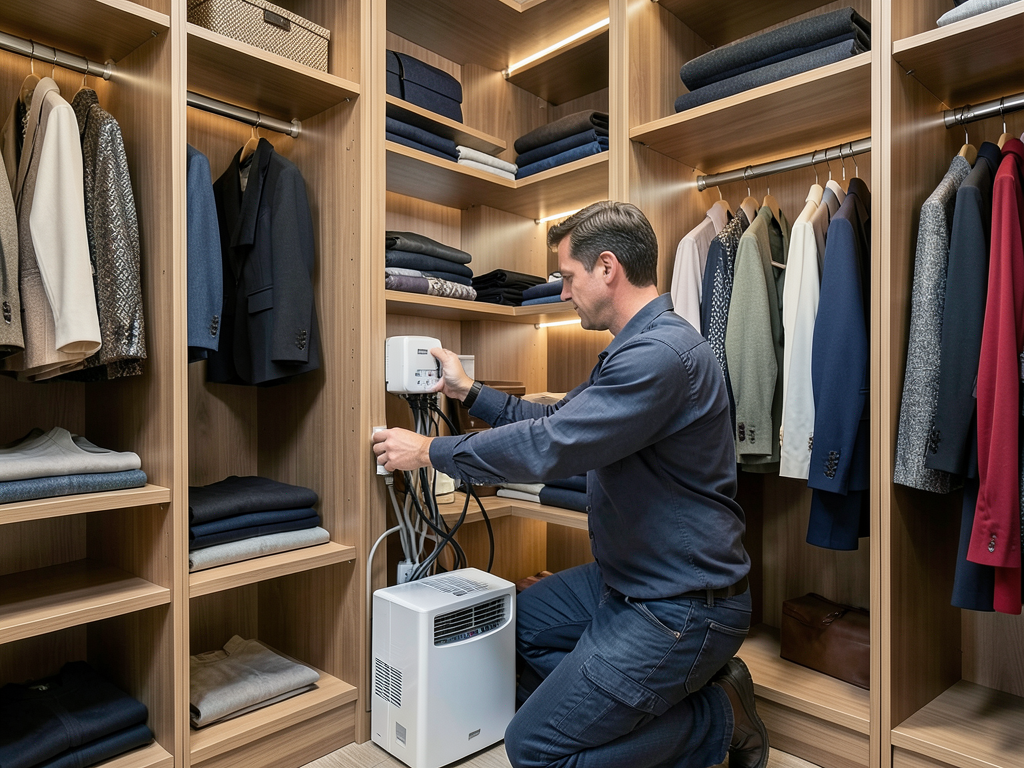
Protecting your Gables Estates walk-in closet from mold and leather damage

Protecting your Gables Estates walk-in closet from mold and leather damage Your walk-in closet in Gables Estates faces a constant…

Smart vents and dampers for fixing uneven cooling in older Coral Terrace houses

Smart vents and dampers for fixing uneven cooling in older Coral Terrace houses If you live in a Coral Terrace…

Contact Us

Get a free zone control consultation and load calculation for your Miami property. We will map your home, explain your options, and show you exactly how much you can save. Call (786) 789-8277 today or request an appointment online.