menu

Whole Home Humidifiers in Miami – Central Systems That Balance Indoor Air Quality Year-Round

Professional installation of ducted humidifiers and furnace-integrated systems engineered to maintain optimal humidity levels in Miami's tropical climate, protecting your health, furniture, and HVAC efficiency.

Slider Image 1
Slider Image 2
Slider Image 3
Slider Image 4
Slider Image 5
Slider Image 7
Slider Image 8
Slider Image 9
Slider Image 10
Slider Image 11

Why Miami Homes Struggle With Indoor Humidity Balance

Miami's subtropical climate creates a unique paradox for homeowners. While outdoor humidity regularly exceeds 70%, your air conditioning system strips moisture from indoor air to dangerous lows. During peak cooling months, indoor relative humidity can drop below 30%, causing respiratory irritation, cracked wood furniture, static electricity, and increased airborne viruses.

You feel the effects every time you breathe dry air or notice gaps forming in your hardwood floors. The problem intensifies in neighborhoods like Coral Gables and Pinecrest, where older homes with oversized AC systems cycle on and off rapidly, creating extreme humidity swings.

Portable humidifiers cannot address whole-house air quality. They breed mold when overfilled, require constant refilling, and only treat single rooms. Central humidifiers integrate directly into your HVAC system, distributing moisture evenly through every supply register in your home.

Whole house humidifiers solve the core problem by working with your existing ductwork. Furnace humidifiers and ducted humidifiers automatically maintain 40-50% relative humidity, the optimal range recommended by pulmonologists and the American Society of Heating, Refrigerating and Air-Conditioning Engineers. HVAC humidifiers prevent the respiratory infections, sinus inflammation, and allergy flare-ups that spike when indoor air becomes too dry.

The question is not whether you need humidity control in Miami. The question is whether your current system provides it.

Why Miami Homes Struggle With Indoor Humidity Balance
How Professional Central Humidifier Systems Work

How Professional Central Humidifier Systems Work

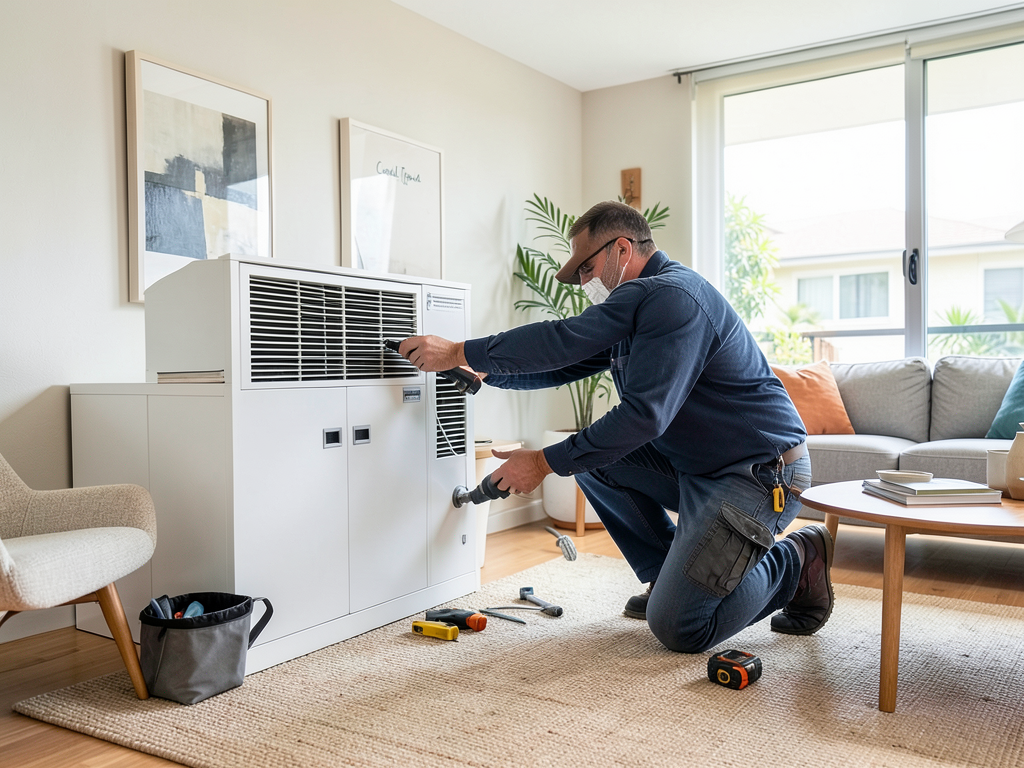
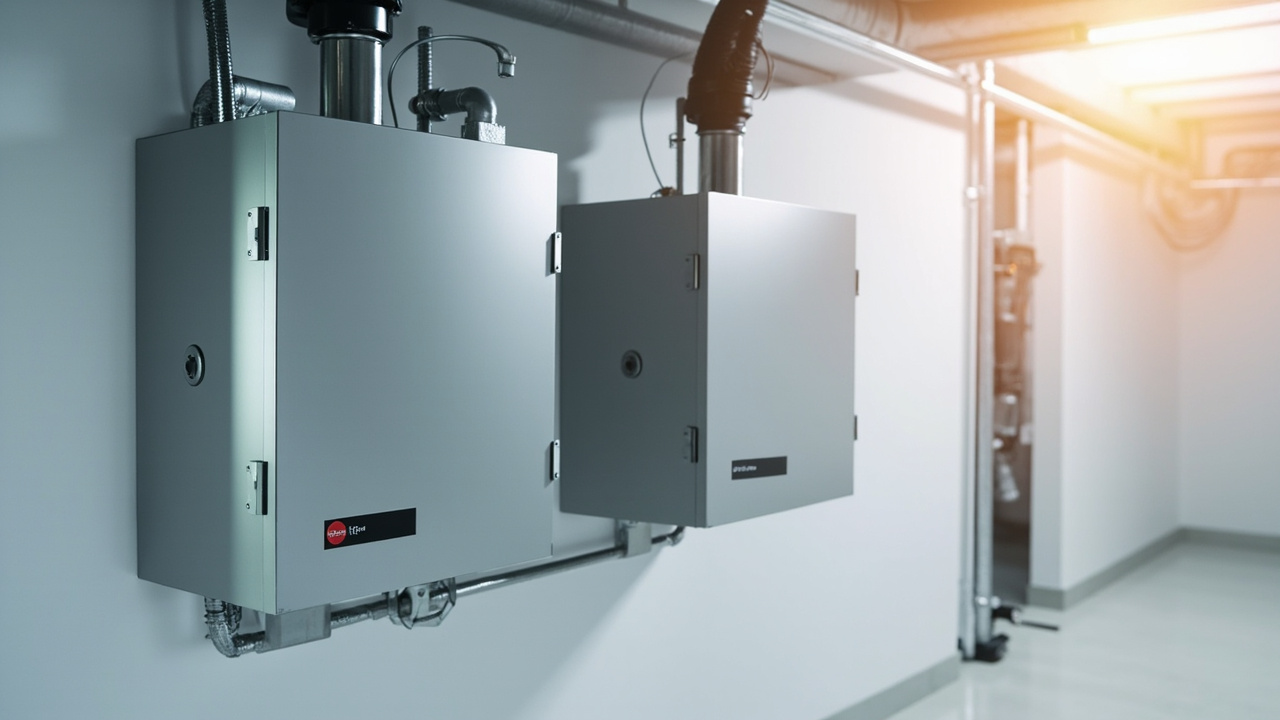
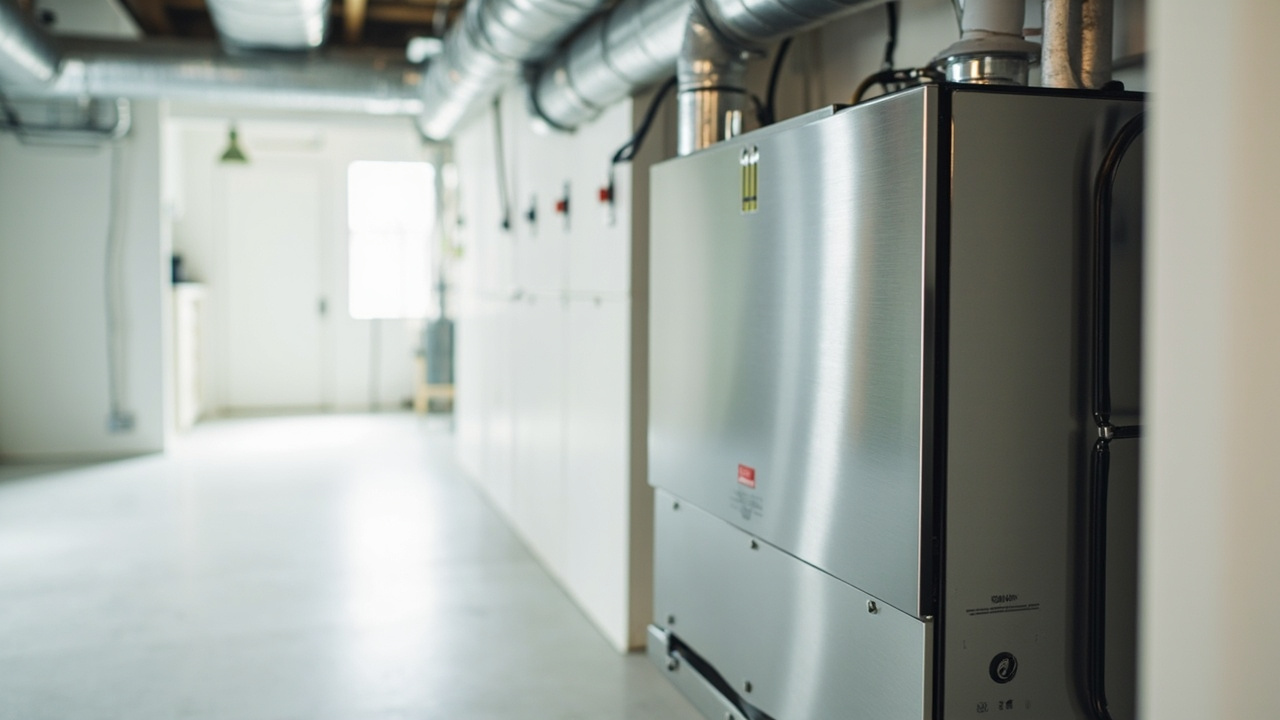
Central humidifiers mount directly to your air handler or ductwork, integrating with your HVAC system rather than operating as standalone appliances. When your blower fan runs, air passes through a water panel or steam chamber, absorbing moisture before distribution throughout your home.

We install three primary types based on your system configuration and water quality. Bypass humidifiers use existing airflow to pass through a moistened pad, requiring no electrical connection. Fan-powered humidifiers include a dedicated blower for increased output, ideal for larger homes or tighter duct layouts. Steam humidifiers boil water to create pure vapor, eliminating mineral deposits and providing the highest output capacity.

The installation process requires integration with your condensate drain line for automatic water supply and a humidistat controller for precise regulation. We mount the unit on the supply or return plenum, then wire the humidistat to your thermostat or air handler control board. The system activates only when heating or cooling runs, preventing over-humidification.

Water distribution matters critically in Miami due to high mineral content in municipal supplies. We assess your total dissolved solids and recommend steam systems if your water hardness exceeds 10 grains per gallon. This prevents scale buildup that clogs water panels and reduces efficiency.

Horizon Heating and Cooling Miami sizes each system based on your home's cubic footage, ductwork configuration, and existing HVAC capacity. Undersized humidifiers run constantly without achieving target humidity. Oversized systems create condensation on windows and encourage mold growth in ductwork. Proper load calculation ensures balanced operation.

What Happens During Your Humidifier Installation

Whole Home Humidifiers in Miami – Central Systems That Balance Indoor Air Quality Year-Round
01

System Assessment and Sizing

We measure your home's conditioned square footage and inspect your air handler location, ductwork accessibility, and current humidity levels using a digital psychrometer. This data determines the gallons-per-day output your humidifier needs. We test your water supply for mineral content and pressure to select the correct humidifier type. You receive a written recommendation explaining why we specified bypass, fan-powered, or steam technology for your specific situation.
02

Mechanical Installation and Integration

We cut the supply or return plenum to mount the humidifier housing, ensuring proper airflow across the water panel or steam chamber. A saddle valve connects to your cold water line, and we route the humidistat control wire to your thermostat or air handler. For steam units, we run a dedicated 120V or 240V electrical circuit. The condensate drain line connects to your existing AC drain system. We test all connections for leaks and verify the humidistat responds to humidity changes.
03

Calibration and Performance Verification

We set your humidistat to 45% relative humidity and run your HVAC system through a complete cycle. Using our psychrometer, we measure output at multiple supply registers to confirm even distribution. You learn how to read the humidistat, when to replace water panels, and what humidity levels to maintain seasonally. We document baseline readings so you can track system performance. You receive a maintenance schedule showing when to inspect the water panel for mineral buildup.

Why Miami Homeowners Trust Local HVAC Humidification Experts

Whole house humidifiers fail when installed by technicians unfamiliar with Miami's climate challenges. Generic installations ignore the reality that your AC runs 8-10 months annually, creating longer dry-air exposure than northern climates experience.

Horizon Heating and Cooling Miami accounts for your extended cooling season when sizing humidifier output. We calculate moisture loss based on Miami's 2,500+ annual cooling degree days, not the manufacturer's generic sizing charts designed for mixed climates. This prevents the chronic under-humidification that occurs when technicians apply northern installation standards to subtropical homes.

Our familiarity with local water chemistry prevents the premature failures common with hard water. Miami-Dade municipal water averages 8-12 grains per gallon hardness. We recommend steam humidifiers or install water filtration when your mineral content will destroy standard evaporative pads within months. This saves you from constant maintenance calls and unexpected replacement costs.

We understand which neighborhoods have older homes with ductwork configurations that require fan-powered units instead of bypass systems. Homes in Coconut Grove and South Miami built before 1990 often lack the plenum space for standard humidifier mounting. We identify these constraints during assessment, not after ordering the wrong equipment.

Local building code compliance matters for humidifier installations. Miami-Dade requires electrical permits for steam humidifiers and has specific requirements for condensate drain connections. We pull permits and schedule inspections, ensuring your installation meets county standards. Out-of-area contractors skip this step, leaving you liable for code violations.

You need technicians who service what they install. We stock replacement water panels, steam canisters, and humidistat controllers for every unit we recommend, ensuring same-day repairs when components fail.

What Your Humidifier Installation Includes

Installation Timeline and Scheduling

Standard whole house humidifier installations take 3-4 hours from arrival to final calibration. We schedule morning or afternoon appointments based on your availability. The process requires temporary HVAC shutdown while we cut the plenum and mount the unit. Your system remains operational except during the 45-minute mounting phase. Steam humidifier installations take longer due to electrical circuit requirements. We complete most residential installations in a single visit. You receive a 30-minute arrival window and text notification when our technician is en route.

Pre-Installation Assessment Process

We begin with a 20-minute evaluation of your air handler, ductwork, and water supply. You see photos of the proposed installation location and receive explanations for our equipment recommendations. We measure existing humidity levels in multiple rooms to establish baseline data. The assessment includes water quality testing to determine if your mineral content requires special consideration. You receive a written estimate detailing equipment specifications, installation scope, and expected performance outcomes. We answer questions about operating costs, maintenance requirements, and humidity control strategies for Miami's climate.

Performance and Air Quality Results

Your central humidifier maintains 40-50% relative humidity automatically, eliminating the respiratory irritation and static electricity caused by over-dried air. You notice the difference within 24 hours as nasal passages stop drying out and wood furniture stops cracking. The system operates silently, unlike portable humidifiers that create noise and require constant refilling. Your HVAC system runs more efficiently because properly humidified air feels warmer at lower temperatures, reducing heating demand during Miami's mild winters. You receive documentation showing before and after humidity readings in each room.

Maintenance Plans and Service Support

We provide annual maintenance that includes water panel replacement, mineral deposit cleaning, and humidistat calibration. This service costs less than the emergency repairs caused by neglected humidifiers. You receive reminders when maintenance is due and can order replacement parts through our supply department. Our technicians stock components for every humidifier model we install, ensuring same-day repairs if your unit malfunctions. We offer service plans that bundle humidifier maintenance with your annual AC tune-up, simplifying your home comfort management. Phone support is available when you have questions about seasonal humidity adjustments or unusual system behavior.

Frequently Asked Questions

You Have Questions,
We Have Answers

What is the downside of a whole-house humidifier? +

The main downside is improper maintenance. If you skip seasonal cleanings, you risk mold growth inside the unit, which then circulates through your ductwork. Miami's year-round humidity makes this worse if the system runs when outdoor moisture is already high. Over-humidifying causes condensation on windows, damp walls, and dust mite issues. Installation also requires a water line connection and annual pad or filter replacements. If your HVAC system is undersized or your home lacks proper ventilation, a whole-house unit can worsen indoor air quality instead of improving it.

What type of humidifier is best for a whole house? +

Bypass humidifiers work well for Miami homes with forced-air systems. They pull warm air from your furnace, add moisture, then return it to the ductwork. They need no electrical power and handle moderate humidification needs. Steam humidifiers offer precise control and faster output, ideal if you run air conditioning most of the year and need targeted moisture during rare dry spells. Fan-powered models push moisture directly into ducts and work in homes without continuous blower operation. Your choice depends on your HVAC setup and how often Miami's dry winter months affect your indoor comfort.

What's the average cost of a whole-house humidifier? +

Expect to pay between $400 and $1,200 for equipment and installation in Miami. Basic bypass models start around $400 to $600, while steam humidifiers with digital controls reach $1,200 or higher. Installation complexity affects cost. If your HVAC system needs ductwork modifications or you lack an existing water line near the furnace, add $200 to $400. Annual maintenance pads or filters cost $20 to $50. Commercial-grade units for larger Miami homes or offices run higher. Always get an on-site estimate to account for your specific system configuration.

What humidifier do consumer reports recommend? +

Consumer Reports historically favors steam humidifiers for accuracy and low maintenance. Brands like Aprilaire and Honeywell score high for reliability and consistent moisture output. Steam models produce fewer minerals and bacteria compared to evaporative pads, which matters in Miami where tap water carries calcium and magnesium. Bypass and fan-powered units also rate well for homes with standard HVAC setups. Check the latest Consumer Reports rankings before purchasing, as models change. Focus on units with automatic humidistats, easy pad access, and compatibility with your existing ductwork to avoid installation headaches.

What are signs I need a humidifier? +

Watch for static shocks when you touch metal objects or doorknobs. Dry, cracked skin and chapped lips persist even with lotion. Wood furniture, floors, and trim show gaps or splitting. You wake with a dry throat, bloody nose, or sinus congestion. Miami winters bring cooler, drier air from northern systems, dropping indoor humidity below 30 percent. If your HVAC runs constantly to heat or cool, it strips moisture from the air. Houseplants wilt despite watering. Respiratory irritation worsens, especially for family members with asthma or allergies.

Where does the water go from a whole house dehumidifier? +

Whole-house dehumidifiers drain condensate through a dedicated drain line. Most systems connect to a floor drain, sump pump, or exterior drainage pipe. In Miami homes without basement drains, installers route the line to a utility sink, condensate pump, or outside drainage point near the HVAC unit. Some models include built-in pumps to push water upward if gravity drainage is not possible. The water is pure condensation, safe to discharge into landscape drains or stormwater systems. Regular maintenance ensures the drain line stays clear of algae or mineral buildup common in humid climates.

Where's the best place to put a whole house humidifier? +

Install it directly on your HVAC return or supply plenum. This integrates moisture distribution with your existing forced-air system. In Miami, place the unit where you have easy access to a cold water line and electrical outlet if needed. Avoid cramped attic spaces where maintenance becomes difficult in summer heat. The bypass model mounts on the warm air plenum, while fan-powered units fit on the return side. Steam humidifiers need 120V or 240V power nearby. Proper placement ensures even moisture distribution throughout your home without creating damp spots in ductwork.

What are the signs of too much humidity? +

Condensation forms on windows, mirrors, and exterior walls. You see water stains or discoloration on ceilings and walls near bathrooms or kitchens. Musty odors develop in closets, basements, or HVAC closets. Mold or mildew appears on grout, window sills, or fabric. Miami homes experience this when indoor humidity exceeds 60 percent. Wood floors feel damp or buckle. Allergens spike as dust mites thrive in moist environments. Your air conditioner runs constantly but struggles to cool effectively. If you notice these signs, reduce humidifier output or increase ventilation immediately.

What is the healthiest type of humidifier for sinuses? +

Steam humidifiers produce the cleanest moisture for sinus relief. They boil water before releasing vapor, killing bacteria and mold spores that irritate sinuses. Evaporative models with antimicrobial pads also work well if you replace pads regularly. Avoid ultrasonic humidifiers, which can disperse minerals and bacteria into the air. For Miami residents with chronic sinus issues, pair a whole-house steam humidifier with HEPA filtration to remove airborne irritants. Maintain indoor humidity between 40 and 50 percent. Higher levels breed mold. Lower levels dry out mucous membranes, worsening congestion and infections.

What is the life expectancy of a whole-house humidifier? +

Expect 10 to 15 years with proper maintenance. Steam humidifiers last longest because they have fewer moving parts and no pads to replace. Bypass and fan-powered models need annual pad or filter changes, which extend lifespan when done consistently. Hard water in Miami accelerates mineral buildup, shortening equipment life if you skip descaling. Inspect the unit every fall before heating season. Replace worn components like solenoid valves, heating elements, or motors as needed. Homes with heavy HVAC use may see shorter lifespans. Regular professional maintenance maximizes your investment and prevents premature failure.

How Miami's Tropical Climate Creates Year-Round Humidity Management Challenges

Miami's subtropical location creates outdoor humidity levels that average 76% annually, but your air conditioning system removes moisture so aggressively during cooling cycles that indoor humidity often drops to 25-35%. This extreme fluctuation between outdoor and indoor conditions stresses your respiratory system and damages wood furnishings. The problem intensifies in waterfront neighborhoods like Brickell and Key Biscayne, where salt air increases corrosion risk for HVAC components. Ducted humidifiers counteract this over-drying by reintroducing controlled moisture during cooling cycles, maintaining the 45% relative humidity that prevents both mold growth and respiratory irritation.

Miami-Dade County requires permits for any modification to HVAC ductwork and electrical systems, including humidifier installations. Local contractors understand these requirements and schedule inspections that prevent compliance issues. We work with building departments in Coral Gables, Miami Beach, and unincorporated Miami-Dade regularly, ensuring your installation meets county mechanical codes. Our familiarity with local water chemistry prevents the mineral deposit failures that plague humidifiers installed by technicians unfamiliar with South Florida's hard water. Choosing local expertise protects your investment and ensures long-term system reliability.
Heating and Cooling Services in The Miami Area

Need dependable HVAC service near you? Horizon Heating and Cooling Miami proudly serves homes and businesses across the Miami metro area with top-rated heating and cooling repairs, installations, and emergency services. Whether you’re in Kendall, Doral, or Aventura, our expert technicians are just a call away. Check the map below to explore our coverage zones and get fast, professional HVAC help in your neighborhood.

Address:
Horizon Heating and Cooling Miami, 1221 Brickell Ave, Miami, FL, 33131

Additional Services We Offer

Our news updates

Latest Articles & News from The Blogs

How to tell if your attic insulation has flattened and is making your North Miami Beach home hotter Your attic…

How to tell if your attic insulation has flattened and is making your North Miami Beach home hotter

How to tell if your attic insulation has flattened and is making your North Miami Beach home hotter Your attic…

Protecting your Gables Estates walk-in closet from mold and leather damage

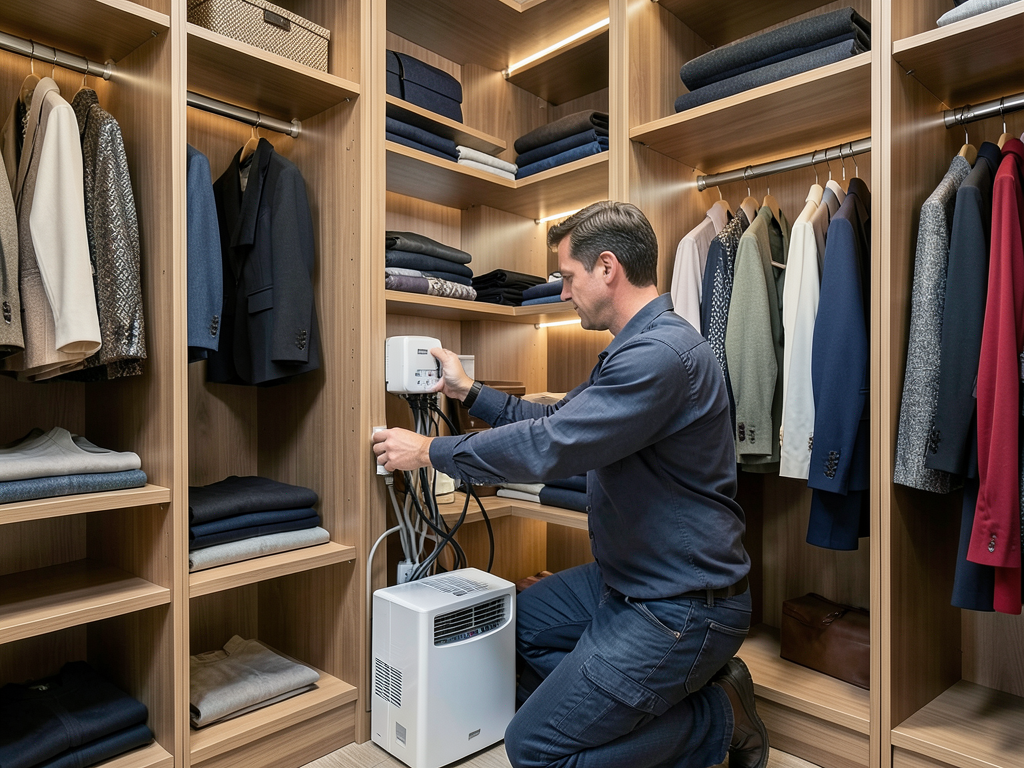
Protecting your Gables Estates walk-in closet from mold and leather damage Your walk-in closet in Gables Estates faces a constant…

Smart vents and dampers for fixing uneven cooling in older Coral Terrace houses

Smart vents and dampers for fixing uneven cooling in older Coral Terrace houses If you live in a Coral Terrace…

Contact Us

Stop breathing over-dried air. Call (786) 789-8277 now for a professional humidity evaluation. We assess your system, test your water quality, and provide written recommendations for whole house humidifier solutions. Same-day installation available for most systems.