


North Miami Beach sits in a climate that punishes air conditioning systems year round. Salt air from Biscayne Bay corrodes outdoor condenser units faster than inland locations. Humidity levels above 70 percent make HVAC systems run constantly from March through November, putting extreme wear on compressors and fan motors. The combination of heat and moisture creates perfect conditions for mold growth inside air handlers and ductwork.
Homes near the Intracoastal Waterway face additional challenges. Saltwater spray damages electrical components and refrigerant lines. Outdoor units rust through faster, leading to refrigerant leaks and complete system failure. Neighborhoods like Keystone Point and Eastern Shores see higher repair rates because of proximity to water.
Most North Miami Beach homes sit on concrete slabs without basements. This means ductwork often runs through attics where temperatures reach 140 degrees in summer. Heat exposure degrades duct insulation and creates condensation problems that lead to water damage and mold. Systems work harder to cool homes, burning more energy and failing sooner than units in other climates. Regular maintenance is not optional here. It determines whether your AC lasts eight years or eighteen.
We built our reputation by showing up when other companies go to voicemail. Emergency calls get answered by real people, not recordings. Our dispatch system routes the closest available technician to your location, whether you live in Sans Souci Estates or near Arch Creek East. We stock service vehicles with parts for major brands like Carrier, Trane, Lennox, and Rheem because most repairs do not require special orders.
Upfront pricing means you know the cost before work starts. We diagnose the problem, explain your options, and give you a written estimate. No surprises when the job is done. Our technicians carry tablets that show parts costs and labor rates in real time. You approve the price or we do not start the repair.
We handle everything from quick fixes to complete system replacements. Refrigerant leaks get sealed properly, not just recharged to fail again next month. Ductwork repairs use proper materials and sealing methods that meet Miami-Dade County code requirements. Our installation crews understand local permit requirements and inspection protocols. They pull permits, schedule inspections, and make sure your new system passes on the first try.
Every technician completes ongoing training on new equipment and refrigerant regulations. We stay current on EPA certification requirements and handle refrigerant according to federal law. Your system gets serviced by people who know the science behind cooling and the codes that govern installation in South Florida.

Call before noon and we arrive the same day. Our service area covers all of North Miami Beach with multiple technicians on call. We keep trucks stocked with common parts to complete most repairs in one visit. Emergency service available seven days a week when your AC fails and South Florida heat makes waiting impossible.

You see the price before we start work. Our diagnostic process identifies the problem and presents options with clear costs for each. Parts and labor are itemized on written estimates. No surprise charges when the job is complete. You approve the repair cost or we do not proceed with the work.
All technicians hold active Florida contractor licenses and EPA certification for refrigerant handling. We carry full liability insurance and workers compensation coverage. Every installation includes proper permitting through Miami-Dade County and passes inspection on the first attempt. Your protection matters as much as your comfort.
We understand how salt air and humidity affect HVAC systems in coastal neighborhoods. Our technicians know the common failure points for units near Biscayne Bay and the Intracoastal. Experience with North Miami Beach homes means faster diagnosis and repairs that account for your specific environmental challenges.
Horizon Heating and Cooling Miami handles every aspect of residential climate control. Air conditioning repair covers emergency breakdowns and routine fixes. We diagnose compressor failures, refrigerant leaks, electrical problems, and airflow issues. Central air systems, ductless mini-splits, and heat pumps all receive expert service from technicians who work on these units daily.
Installation services include system sizing, equipment selection, ductwork design, and permit coordination. We calculate proper tonnage based on your home's square footage, insulation levels, window placement, and sun exposure. Undersized systems run constantly and fail early. Oversized units short-cycle and waste energy. Correct sizing matters for efficiency and longevity.
Maintenance programs prevent breakdowns during peak cooling season. Scheduled service includes cleaning condenser coils, checking refrigerant levels, testing electrical connections, inspecting ductwork, and replacing air filters. Regular maintenance catches small problems before they become expensive repairs. Systems run more efficiently and last years longer with proper care. Our service covers everything from basic tune-ups to complex repairs and full replacements.
System breakdowns do not wait for convenient times. When your air conditioner quits on a 95-degree afternoon, you need help immediately. Our emergency repair service prioritizes calls based on urgency and location. Technicians carry diagnostic tools and common replacement parts to fix most problems without return trips. We handle compressor failures, refrigerant leaks, fan motor burnouts, capacitor failures, and electrical issues. Service calls include complete system diagnosis to identify the root cause and prevent repeat failures.
Replacing a failed system requires proper planning and execution. We calculate heat load using Manual J procedures to determine correct equipment size for your home. Installation includes removing old equipment, installing new indoor and outdoor units, connecting refrigerant lines, testing electrical circuits, and programming thermostats. All work follows Miami-Dade County building codes. We pull permits, schedule inspections, and verify your new system passes on the first attempt. High-efficiency systems qualify for utility rebates we help you claim.
Scheduled maintenance extends system life and prevents emergency failures. Twice-yearly service visits include cleaning outdoor condenser coils, checking refrigerant charge, testing capacitors, inspecting electrical connections, lubricating motors, clearing condensate drains, and replacing air filters. We catch worn components before they fail and leave you without cooling. Maintenance customers receive priority scheduling and discounted repair rates. Clean systems run more efficiently, reducing monthly electric bills. Regular service is the difference between a system that dies at twelve years and one that runs reliably past twenty.
Coastal climate creates specific problems for air conditioning systems. Salt air accelerates corrosion on outdoor units, particularly condenser coils and electrical components. Homes within a mile of Biscayne Bay see higher failure rates because of constant salt exposure. High humidity promotes mold growth inside air handlers and ductwork, creating health concerns and restricting airflow.
Heat and moisture combine to stress systems beyond normal wear. Air conditioners run longer cycles in North Miami Beach than in drier climates. Compressors work harder and fail sooner. Capacitors degrade faster in heat. Electrical connections corrode from humidity. Ductwork sweats and leaks cooled air into attics. These problems are not defects. They are normal results of operating cooling equipment in South Florida's demanding environment. Understanding what fails and why helps you maintain your system and avoid surprise breakdowns.
Salt air eats through copper refrigerant lines and aluminum coil fins. Small leaks cause systems to lose cooling capacity gradually. You notice the house stays warmer but the AC runs constantly. Simply recharging refrigerant without fixing the leak wastes money and harms the environment. Proper repair requires locating the leak, replacing damaged sections, pressure testing the system, and recharging with the correct refrigerant type.
Capacitors start compressors and fan motors. Heat degrades the internal components and causes failure. A bad capacitor prevents your AC from starting or makes it hum without running. Outdoor temperatures above 100 degrees bake components mounted on condenser units. Most capacitors last three to five years in North Miami Beach. Regular testing during maintenance visits catches weak capacitors before they fail completely.
Air handlers produce gallons of water daily from humidity removal. Condensate drains remove this water from your home. Algae and mold grow inside drain lines, creating blockages that cause water to back up and flood the drain pan. Overflowing pans damage ceilings and promote mold growth. Regular drain line cleaning with proper treatments prevents clogs. Safety switches shut down systems when drains back up, protecting your home from water damage.
Ductwork in unconditioned attics loses 20 to 40 percent of cooled air through leaks and poor insulation. Joints separate from building movement and age. Insulation deteriorates from heat exposure. Your system runs longer to maintain temperature while cooled air escapes into spaces you do not use. Proper duct sealing uses mastic compound, not standard duct tape. Sealing leaks improves comfort and reduces electric bills significantly.
Service starts when you make contact. Our call center operates seven days a week with real people answering phones. You explain the problem and we schedule a service window based on urgency. Emergency calls get same-day response when you contact us before noon. Routine maintenance and non-emergency repairs typically schedule within two to three business days.
Technicians call 30 minutes before arrival and show up in marked vehicles with your service history loaded on tablets. They examine your system, run diagnostic tests, and explain findings in plain language. You receive options for repair with clear pricing for each approach. Major repairs include written estimates you approve before work begins. Most service calls resolve in one visit because trucks stock common replacement parts.
Communication continues after repairs are complete. We explain what was fixed, why it failed, and how to prevent future problems. You receive documentation of work performed, parts replaced, and warranty information. Follow-up calls verify your system is working properly. Our goal is solving your comfort problem completely, not just finishing a service ticket.
You reach real people when you call, not automated systems. Our staff explains service timing, diagnostic procedures, and cost structure before technicians arrive. No confusing jargon or hidden charges. Questions get answered directly. Technicians show you the failed parts and explain what caused the problem. Written estimates detail parts and labor with line-item pricing. You approve costs before work starts. Final invoices match estimates with no surprise additions.
Service vehicles stock manufacturer parts for major brands including Carrier, Trane, Lennox, Goodman, and Rheem. Technicians carry diagnostic meters, leak detectors, refrigerant recovery equipment, and hand tools to complete most repairs without parts runs. Your service history loads on tablets so technicians know previous problems and repairs. This preparation means faster diagnosis and single-visit completion for common failures like capacitors, contactors, and fan motors.
Repairs follow manufacturer specifications and local code requirements. Refrigerant handling meets EPA regulations. Electrical work uses proper wire gauges and connection methods. Installation work includes permits and passes inspection without callbacks. We guarantee our work with written warranties on parts and labor. If a repair fails because of our workmanship, we return and fix it at no charge. Your satisfaction and safety drive every decision we make.
Getting your AC fixed should not be complicated. Our process focuses on speed and transparency so you get back to comfortable living fast.
Contact us by phone at (786) 789-8277 and explain your AC problem. We ask questions to understand urgency and schedule an appropriate service window. Emergency calls get same-day response when you contact us before noon. Routine service typically schedules within two to three days. You receive confirmation with technician arrival time. We call 30 minutes before arrival so you know exactly when to expect us.
Technicians examine your system and run diagnostic tests to identify the problem. You receive a clear explanation of what failed and why. We present repair options with upfront pricing for each approach. Written estimates detail parts and labor costs. You approve the work and pricing before we start repairs. No hidden fees or surprise charges appear on final bills.
We complete approved repairs using quality parts and proper procedures. Systems get tested to verify correct operation before we leave. You receive documentation of work performed, parts replaced, and warranty coverage. We explain how to prevent similar problems and answer questions about system maintenance. Follow-up contact ensures your AC continues working properly after our service visit.
Air conditioning systems in Miami-Dade County must meet specific code requirements that exceed minimum federal standards. The Florida Building Code requires higher wind ratings for outdoor equipment because of hurricane exposure. Condenser units need proper anchoring to concrete pads with specific fastener types and spacing. Electrical disconnects must be located within sight of outdoor units and meet National Electrical Code requirements for outdoor installations.
Refrigerant handling follows EPA Section 608 regulations. Technicians must hold active certification to purchase, handle, and dispose of refrigerants. Venting refrigerants to atmosphere is illegal and carries heavy fines. All refrigerant must be recovered using approved equipment before systems are opened for repair or disposal. New installations use R-410A refrigerant in most residential applications. Older R-22 systems require specific handling because production of new R-22 ended in 2020.
Ductwork installation follows standards set by SMACNA (Sheet Metal and Air Conditioning Contractors National Association). Return air plenums require proper sizing to prevent negative pressure problems. Supply ducts need correct sizing based on CFM requirements for each room. All duct joints require sealing with mastic compound or approved foil tape. Standard cloth-backed duct tape fails in attic heat and is not acceptable for permanent installations.
Energy efficiency requirements continue to increase. Systems installed in Florida must meet minimum SEER (Seasonal Energy Efficiency Ratio) ratings of 14 or higher. Higher SEER ratings reduce operating costs but increase upfront equipment costs. The break-even point depends on electricity rates and how many hours your system runs annually. In North Miami Beach, where systems run nearly year-round, higher efficiency equipment typically pays for itself within five to seven years through reduced electric bills.
Permit requirements vary by scope of work. Complete system replacements require permits through Miami-Dade County Building Department. Permits trigger inspections to verify proper installation, correct refrigerant charge, adequate airflow, proper electrical connections, and code-compliant ductwork. Simple repairs like replacing capacitors or cleaning coils do not require permits. Working with licensed contractors ensures compliance with all applicable codes and regulations.
Air conditioners must match your home's cooling load. Manual J calculations account for square footage, insulation levels, window area, sun exposure, and occupancy. Oversized systems short-cycle and fail to remove humidity. Undersized systems run constantly and wear out quickly. Correct sizing ensures proper operation, adequate dehumidification, and maximum equipment life. Generic rules like one ton per 500 square feet do not work in South Florida's climate.
Equipment prices vary by brand, efficiency rating, and features. Higher SEER ratings cost more upfront but reduce operating expenses. Installation complexity affects labor costs. Homes requiring ductwork modifications, electrical upgrades, or difficult equipment access cost more to service. Refrigerant type impacts repair costs because R-22 prices have increased dramatically since production ended. Warranty coverage reduces out-of-pocket costs when manufacturers cover defective parts.
Well-maintained systems last 15 to 20 years in South Florida. Coastal locations see shorter lifespans because of salt air corrosion. Systems without regular maintenance fail around 10 to 12 years. Age matters when deciding between repair and replacement. Fixing a 15-year-old compressor rarely makes financial sense when the rest of the system is equally worn. Replacement becomes cost-effective when repair costs exceed 50 percent of new equipment prices.
Florida requires HVAC contractors to hold state licenses issued by the Department of Business and Professional Regulation. Technicians handling refrigerants must maintain EPA Section 608 certification. Proper insurance includes liability coverage and workers compensation. Verify contractor credentials before allowing work on your system. Unlicensed work voids equipment warranties and creates liability if installations fail inspection or cause property damage.
This video explains HVAC repair costs and common air conditioning problems affecting North Miami Beach homeowners. Learn why coastal climate accelerates AC system failures, what drives repair pricing, and when replacement becomes more cost-effective than continued repairs. Coverage includes refrigerant leaks, capacitor failures, compressor problems, and ductwork issues specific to South Florida. Expert technicians from Horizon Heating and Cooling Miami explain diagnostic procedures, repair options, and maintenance strategies that extend system life in demanding coastal environments.
Horizon Heating and Cooling Miami provides complete HVAC service throughout North Miami Beach and neighboring areas. Our service area extends from the Intracoastal Waterway east to Biscayne Bay, covering waterfront communities that face unique challenges from salt air and humidity. Homes in Keystone Point and Sans Souci Estates require specialized attention because proximity to water accelerates equipment corrosion and shortens system life.
We serve neighborhoods throughout the greater North Miami Beach area including Eastern Shores, where many homes sit on canal systems connecting to Biscayne Bay. The combination of saltwater exposure and high water tables creates specific HVAC challenges. Outdoor condenser units corrode faster. Ductwork in attics suffers from extreme heat and moisture. Our technicians understand these location-specific problems and adjust maintenance and repair approaches accordingly.
Areas near Arch Creek and Oleta River State Park see different challenges. Homes farther from direct water exposure deal less with salt corrosion but still face South Florida's demanding climate. Systems run nearly year-round with minimal rest periods. Summer temperatures combined with humidity levels above 70 percent stress equipment beyond normal residential use. Proper maintenance becomes critical for preventing breakdowns during peak cooling season.
Our coverage extends to communities along Biscayne Boulevard and neighborhoods near the Miami-Dade County line. We understand the building patterns and construction types common throughout North Miami Beach. Many homes were built in the 1960s and 1970s with original ductwork that needs attention. Newer construction in areas like Intracoastal Park often includes higher efficiency systems that require specialized knowledge for proper service.
Service trucks operate throughout the region with parts and tools appropriate for North Miami Beach's most common HVAC brands and system types. Whether you live in a waterfront home near the Intracoastal, a mid-century house in Fulford-by-the-Sea, or a newer property near West Dixie Highway, our technicians arrive prepared to diagnose and repair your air conditioning system. We maintain response times under two hours for emergency calls within our primary service area.
Local knowledge matters for HVAC service. Our experience working in North Miami Beach's coastal environment means we anticipate problems before they become emergencies. We recommend maintenance schedules and equipment upgrades based on your specific location and exposure to salt air. Homes near water need more frequent coil cleaning and electrical connection inspection. Properties farther inland focus more on ductwork efficiency and airflow optimization. This targeted approach extends system life and prevents costly failures.
North Miami Beach and South Beach serve different purposes. North Miami Beach is a residential community with families, quieter neighborhoods, and more affordable housing. You get suburban feel with parks, local schools, and less tourist congestion. South Beach focuses on nightlife, tourism, and entertainment with higher density and prices. For HVAC needs, North Miami Beach properties face heavy humidity and salt air corrosion but without the extreme high-rise commercial challenges of South Beach. Your choice depends on lifestyle preference. Families typically prefer North Miami Beach for space and value.
Service Experts and Cool Today operate large Florida footprints with multiple locations statewide. Both handle thousands of residential and commercial accounts across major metros. However, bigger does not always mean better for your specific North Miami Beach property. Local contractors understand coastal humidity, salt air corrosion on condenser coils, and hurricane preparedness better than distant corporate offices. Large companies offer brand recognition. Smaller regional providers offer faster emergency response times and personalized service. Choose based on your property needs and service expectations.
Florida has no Class A or Class B HVAC license. The state issues a single Class A Air Conditioning Contractor license through the Department of Business and Professional Regulation. This license allows unlimited scope work on any system size or complexity. Some states use tiered licensing, but Florida simplified it. Contractors must pass rigorous exams covering load calculations, refrigeration cycles, electrical systems, and state codes. Always verify your contractor holds an active Florida state license. Check the DBPR website for verification. Unlicensed work voids permits and insurance claims.
North Miami Beach and South Beach serve different purposes. North Miami Beach is a residential community with families, quieter neighborhoods, and more affordable housing. You get suburban feel with parks, local schools, and less tourist congestion. South Beach focuses on nightlife, tourism, and entertainment with higher density and prices. For HVAC needs, North Miami Beach properties face heavy humidity and salt air corrosion but without the extreme high-rise commercial challenges of South Beach. Your choice depends on lifestyle preference. Families typically prefer North Miami Beach for space and value.
Service Experts and Cool Today operate large Florida footprints with multiple locations statewide. Both handle thousands of residential and commercial accounts across major metros. However, bigger does not always mean better for your specific North Miami Beach property. Local contractors understand coastal humidity, salt air corrosion on condenser coils, and hurricane preparedness better than distant corporate offices. Large companies offer brand recognition. Smaller regional providers offer faster emergency response times and personalized service. Choose based on your property needs and service expectations.
Florida has no Class A or Class B HVAC license. The state issues a single Class A Air Conditioning Contractor license through the Department of Business and Professional Regulation. This license allows unlimited scope work on any system size or complexity. Some states use tiered licensing, but Florida simplified it. Contractors must pass rigorous exams covering load calculations, refrigeration cycles, electrical systems, and state codes. Always verify your contractor holds an active Florida state license. Check the DBPR website for verification. Unlicensed work voids permits and insurance claims.
North Miami Beach sits mid-range for South Florida. Housing costs less than Miami Beach, Bal Harbour, or Aventura but more than inland Broward suburbs. You pay a premium for coastal proximity and Intracoastal access without extreme waterfront prices. Utility bills run higher due to year-round air conditioning in humid subtropical climate. HVAC systems work harder here than northern climates, increasing electricity costs. Property insurance includes wind and flood coverage, raising expenses. Overall, North Miami Beach offers better value than barrier island communities while maintaining coastal lifestyle benefits.
Star Island, Hibiscus Island, and Palm Island rank as the wealthiest Miami Beach areas. These gated island communities feature waterfront estates, private docks, and celebrity residents. Homes regularly sell for tens of millions. The Venetian Islands also command premium prices with direct bay access. South of Fifth (SoFi) represents the luxury condo market with high-rise penthouses. These areas require specialized HVAC systems with dehumidification, zoned climate control, and salt-resistant components. Wealth concentrates on waterfront properties with direct ocean or bay access throughout Miami Beach.
Mid-Beach, particularly the areas between 28th and 63rd Streets, reports lower crime rates than South Beach. This residential stretch has fewer bars and nightclubs, reducing late-night incidents. North Beach above 63rd Street also stays quieter with family-oriented neighborhoods. Bay Harbor Islands and Surfside, while separate municipalities bordering Miami Beach, rank among the safest nearby areas. Crime concentrates in tourist zones like Ocean Drive and Washington Avenue. For property owners, safer neighborhoods often mean lower insurance premiums and better long-term property values.
Mid-Beach offers the best balance for most residents. You get beach access without South Beach crowds, walkable neighborhoods, and improving infrastructure. Surfside and Bal Harbour border Miami Beach proper and provide upscale residential feel with high-end shopping. South of Fifth attracts wealthy buyers wanting urban energy with luxury finishes. North Beach suits families seeking affordability and space. Each area has merit depending on your priorities. For HVAC considerations, quieter residential zones allow outdoor condensers without noise complaints, while high-rises need rooftop installations and complex ductwork.
Yes, celebrities frequent South Beach regularly. The area attracts entertainers, athletes, and influencers due to nightclubs, restaurants, and luxury hotels. Art Basel in December brings international art collectors and cultural figures. LIV nightclub, Prime 112, and Carbone remain celebrity hotspots. Many own condos in South of Fifth or rent during winter months. However, celebrity presence concentrates in tourist zones, not residential neighborhoods. North Miami Beach sees fewer celebrity sightings but offers privacy and normalcy. The celebrity scene drives South Beach real estate prices and commercial development.
The $5,000 rule suggests that if your HVAC repair costs exceed $5,000 and your system is over 10 years old, replacement makes more financial sense than repair. Calculate by multiplying repair cost by system age. If the result exceeds $5,000, replace the unit. This guideline helps avoid throwing money at failing equipment. In North Miami Beach, salt air and humidity accelerate wear, making older systems less reliable. Factor in efficiency gains from new units. Modern systems use 20 to 40 percent less energy, offsetting replacement costs through lower utility bills.
HVAC units in Florida last 10 to 15 years on average, shorter than the national 15 to 20 year lifespan. Constant operation in year-round heat and humidity stresses components. Salt air in coastal areas like North Miami Beach corrodes condenser coils and electrical connections faster. Systems without regular maintenance fail sooner. Annual tune-ups, coil cleaning, and refrigerant checks extend equipment life. High-quality installations with proper sizing and airflow last longer than rushed jobs. Budget for replacement after 12 years. Waiting for complete failure in summer heat leaves you without cooling during peak season.
North Miami Beach sits mid-range for South Florida. Housing costs less than Miami Beach, Bal Harbour, or Aventura but more than inland Broward suburbs. You pay a premium for coastal proximity and Intracoastal access without extreme waterfront prices. Utility bills run higher due to year-round air conditioning in humid subtropical climate. HVAC systems work harder here than northern climates, increasing electricity costs. Property insurance includes wind and flood coverage, raising expenses. Overall, North Miami Beach offers better value than barrier island communities while maintaining coastal lifestyle benefits.
Star Island, Hibiscus Island, and Palm Island rank as the wealthiest Miami Beach areas. These gated island communities feature waterfront estates, private docks, and celebrity residents. Homes regularly sell for tens of millions. The Venetian Islands also command premium prices with direct bay access. South of Fifth (SoFi) represents the luxury condo market with high-rise penthouses. These areas require specialized HVAC systems with dehumidification, zoned climate control, and salt-resistant components. Wealth concentrates on waterfront properties with direct ocean or bay access throughout Miami Beach.
Mid-Beach, particularly the areas between 28th and 63rd Streets, reports lower crime rates than South Beach. This residential stretch has fewer bars and nightclubs, reducing late-night incidents. North Beach above 63rd Street also stays quieter with family-oriented neighborhoods. Bay Harbor Islands and Surfside, while separate municipalities bordering Miami Beach, rank among the safest nearby areas. Crime concentrates in tourist zones like Ocean Drive and Washington Avenue. For property owners, safer neighborhoods often mean lower insurance premiums and better long-term property values.
Mid-Beach offers the best balance for most residents. You get beach access without South Beach crowds, walkable neighborhoods, and improving infrastructure. Surfside and Bal Harbour border Miami Beach proper and provide upscale residential feel with high-end shopping. South of Fifth attracts wealthy buyers wanting urban energy with luxury finishes. North Beach suits families seeking affordability and space. Each area has merit depending on your priorities. For HVAC considerations, quieter residential zones allow outdoor condensers without noise complaints, while high-rises need rooftop installations and complex ductwork.
Yes, celebrities frequent South Beach regularly. The area attracts entertainers, athletes, and influencers due to nightclubs, restaurants, and luxury hotels. Art Basel in December brings international art collectors and cultural figures. LIV nightclub, Prime 112, and Carbone remain celebrity hotspots. Many own condos in South of Fifth or rent during winter months. However, celebrity presence concentrates in tourist zones, not residential neighborhoods. North Miami Beach sees fewer celebrity sightings but offers privacy and normalcy. The celebrity scene drives South Beach real estate prices and commercial development.
The $5,000 rule suggests that if your HVAC repair costs exceed $5,000 and your system is over 10 years old, replacement makes more financial sense than repair. Calculate by multiplying repair cost by system age. If the result exceeds $5,000, replace the unit. This guideline helps avoid throwing money at failing equipment. In North Miami Beach, salt air and humidity accelerate wear, making older systems less reliable. Factor in efficiency gains from new units. Modern systems use 20 to 40 percent less energy, offsetting replacement costs through lower utility bills.
HVAC units in Florida last 10 to 15 years on average, shorter than the national 15 to 20 year lifespan. Constant operation in year-round heat and humidity stresses components. Salt air in coastal areas like North Miami Beach corrodes condenser coils and electrical connections faster. Systems without regular maintenance fail sooner. Annual tune-ups, coil cleaning, and refrigerant checks extend equipment life. High-quality installations with proper sizing and airflow last longer than rushed jobs. Budget for replacement after 12 years. Waiting for complete failure in summer heat leaves you without cooling during peak season.
Need dependable HVAC service near you? Horizon Heating and Cooling Miami proudly serves homes and businesses across the Miami metro area with top-rated heating and cooling repairs, installations, and emergency services. Whether you’re in Kendall, Doral, or Aventura, our expert technicians are just a call away. Check the map below to explore our coverage zones and get fast, professional HVAC help in your neighborhood.
Address:
North Miami Beach, FL, 33179
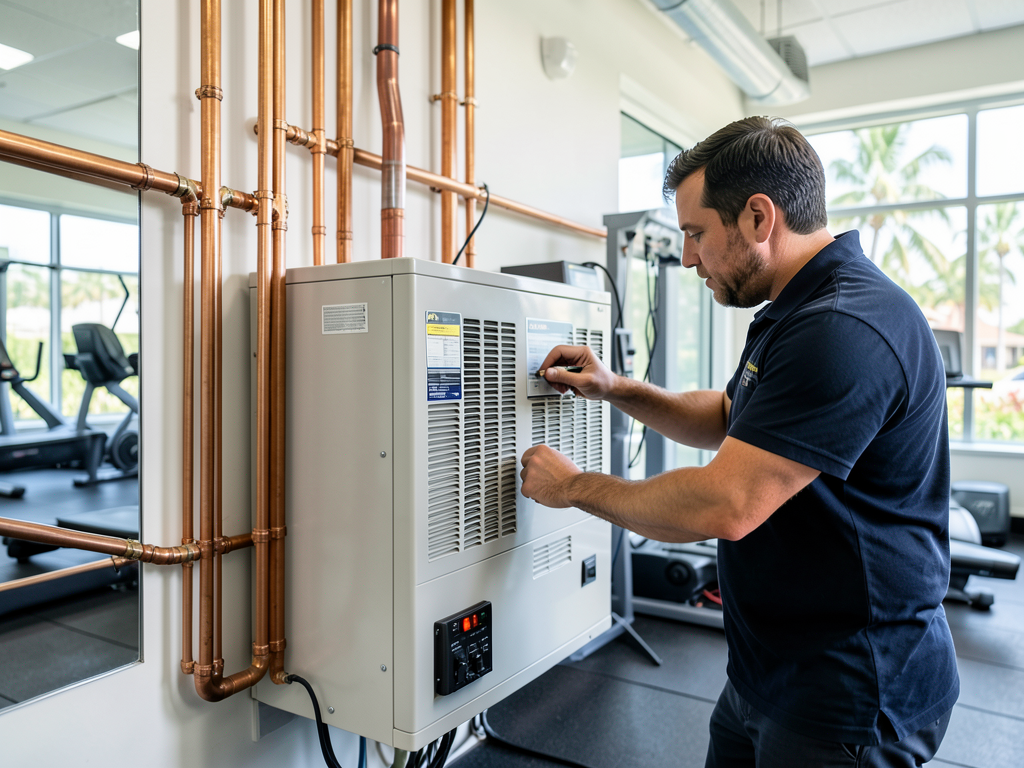
Managing the humidity in your Sunset Harbour gym or yoga studio for better air quality High humidity in Miami gyms creates more than discomfort. It accelerates equipment rust, promotes mold growth, and drives up energy…

How to tell if your attic insulation has flattened and is making your North Miami…
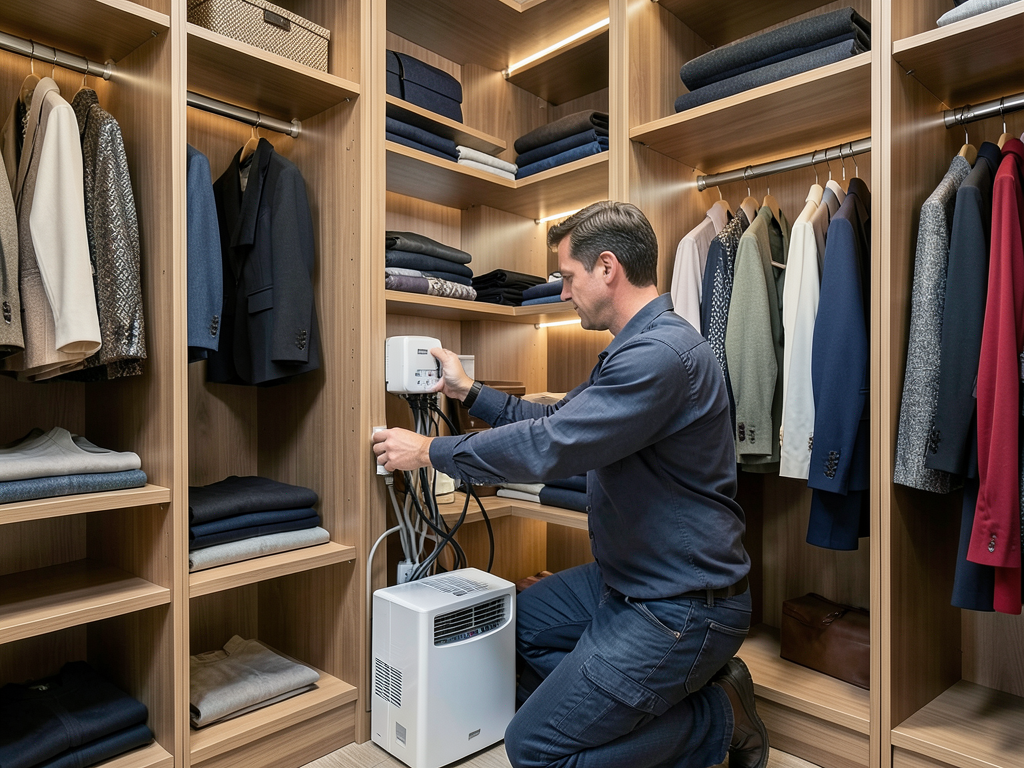
Protecting your Gables Estates walk-in closet from mold and leather damage Your walk-in closet in…
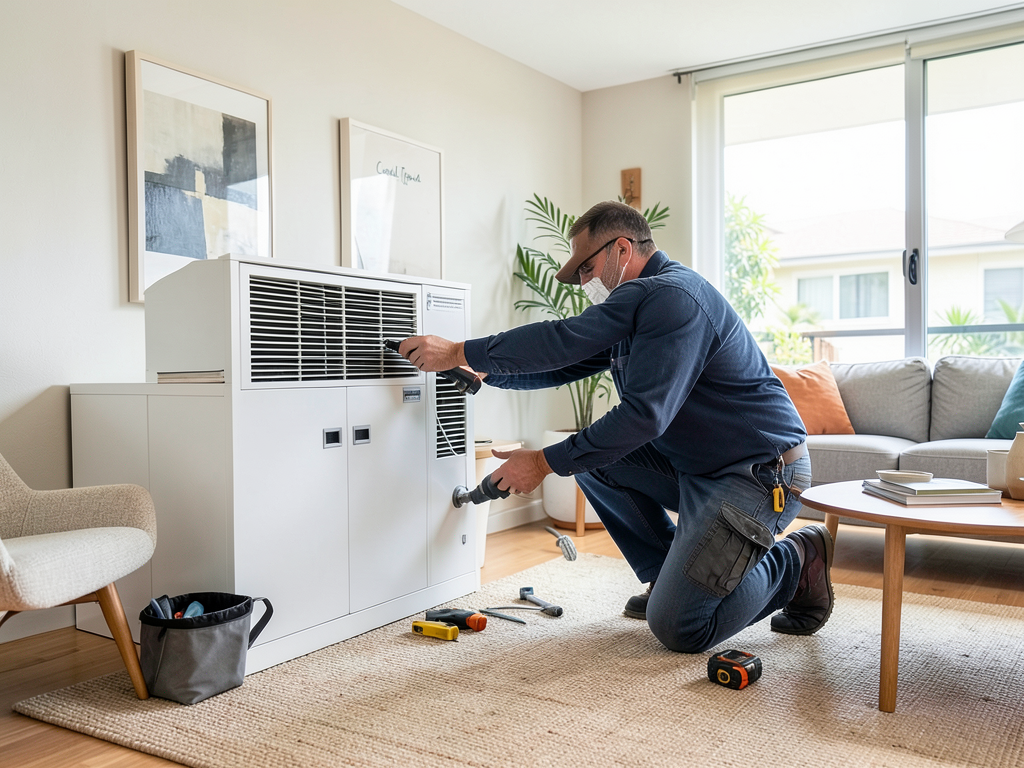
Smart vents and dampers for fixing uneven cooling in older Coral Terrace houses If you…
Your comfort cannot wait. Call Horizon Heating and Cooling Miami at (786) 789-8277 for same-day HVAC repair in North Miami Beach. Our technicians are ready to diagnose your problem and restore your cooling fast.