menu

HVAC Warranty Guide Miami – Everything You Need to Know About Your System's Coverage

Get Clear Answers on HVAC Warranty Guide for Miami Homes and Businesses, Including What's Covered, How to File Claims, and How to Avoid Voiding Your Protection

Slider Image 1
Slider Image 2
Slider Image 3
Slider Image 4
Slider Image 5
Slider Image 7
Slider Image 8
Slider Image 9
Slider Image 10
Slider Image 11

Why HVAC Warranties Matter More in Miami's Climate

Your HVAC system runs harder in Miami than almost anywhere else in the country. The combination of year-round humidity, salt air from coastal proximity, and extreme heat cycles means your equipment operates under constant stress. Most homeowners buy a system thinking the warranty protects everything, then discover too late that major repairs fall outside their coverage.

HVAC system warranty coverage splits into two categories: parts and labor. Manufacturers cover equipment failures, but you often pay for the technician's time. Heating and cooling warranty terms vary wildly between brands, with some offering ten-year compressor protection while others cap coverage at five years with strict registration requirements.

The coastal environment in Miami accelerates corrosion on condensers and coil assemblies. Salt deposits build up faster here than inland cities, which creates unique failure points that some HVAC manufacturer warranty details explicitly exclude. You need to understand what your specific policy covers before a capacitor fails on a 95-degree afternoon and you face a bill you thought was covered.

HVAC equipment warranty policies require professional installation to remain valid. DIY repairs or unlicensed contractor work void most protections immediately. In neighborhoods from Coconut Grove to Aventura, systems lose coverage every week because owners tried to save money on maintenance or used unqualified technicians. HVAC unit warranty information includes fine print about annual maintenance requirements that many people miss until claim time.

The difference between a covered repair and a four-figure out-of-pocket expense often comes down to reading the actual policy documents and following the rules exactly as written.

Why HVAC Warranties Matter More in Miami's Climate
How HVAC Warranties Actually Work in Practice

How HVAC Warranties Actually Work in Practice

Most HVAC warranties consist of three layers: manufacturer equipment coverage, extended service agreements, and labor warranties from your installer. The manufacturer covers defects in the compressor, heat exchanger, and other core components. Extended warranties add protection for parts that typically fail after the base coverage expires. Labor warranties cover the technician fees for warranty repairs.

The registration process matters more than most people realize. You have a limited window after installation, usually 60 to 90 days, to register your system with the manufacturer. Miss that deadline and your ten-year parts warranty drops to one or two years automatically. The registration requires your installer's license number, installation date, and equipment serial numbers. Keep those documents in a dedicated file.

Heating and cooling warranty terms often exclude refrigerant leaks caused by corrosion, which happens frequently in coastal Miami due to salt exposure. They cover manufacturing defects in coils but not environmental damage. The distinction seems arbitrary until you file a claim and the adjuster denies it based on leak location or corrosion patterns.

Preventive maintenance requirements appear in almost every HVAC manufacturer warranty policy. You must prove annual service by a licensed technician to maintain coverage. That means keeping invoices that show filter changes, coil cleaning, refrigerant level checks, and electrical connection inspections. Without that paper trail, manufacturers deny claims even for legitimate equipment failures.

Labor coverage typically lasts one year from installation, though some contractors offer extended labor warranties as part of their service agreements. After that period, you pay the diagnostic fee and hourly rate even when the manufacturer supplies the replacement part at no charge.

How to Maximize Your HVAC Warranty Protection

HVAC Warranty Guide Miami – Everything You Need to Know About Your System's Coverage
01

Register and Document

Complete manufacturer registration within 60 days of installation using the paperwork your contractor provides. Photograph your equipment's data plate showing model and serial numbers. Store installation invoices, permit documents, and warranty booklets in a waterproof file. Create a maintenance log that tracks every service visit, filter change, and repair. This documentation becomes critical when filing claims, especially for systems approaching the end of their coverage period.
02

Schedule Annual Maintenance

Book professional service every year before cooling season starts, typically in March or April for Miami. The technician cleans coils, checks refrigerant levels, tests capacitors, inspects electrical connections, and measures airflow. Request a detailed invoice that lists every task performed. Most warranty denials happen because homeowners cannot prove they maintained their system according to manufacturer specifications. Annual service costs less than a single denied warranty claim.
03

File Claims Properly

When equipment fails, call a licensed contractor who works with your system's brand. The technician diagnoses the problem, identifies the failed component, and contacts the manufacturer for warranty approval before ordering parts. You provide your maintenance records and registration confirmation. The manufacturer ships the replacement part to your contractor, who installs it. You pay only for labor unless your service agreement covers that cost. Keep copies of all claim paperwork for future reference.

Why Local Miami HVAC Expertise Protects Your Warranty

Working with contractors who understand Miami-specific warranty issues saves you money and frustration. Horizon Heating and Cooling Miami knows which failure modes manufacturers commonly deny in coastal environments and how to document claims to maximize approval rates. We register every system we install and provide customers with copies of all warranty documentation at the time of service.

South Florida's building codes require specific installation practices that affect warranty validity. Condensate drain lines must include traps and secondary overflow protection. Electrical disconnects need weather-resistant enclosures. Refrigerant line sets require proper insulation to prevent condensation damage. Contractors unfamiliar with local requirements sometimes cut corners that void manufacturer coverage without realizing it.

The salt air in Miami Beach, Key Biscayne, and other coastal areas causes accelerated corrosion that manufacturers handle differently depending on distance from the ocean. Some brands offer coastal protection packages with enhanced coil coatings. Others explicitly limit coverage for systems installed within certain distances from saltwater. Local contractors know which brands hold up better in specific neighborhoods and which warranty terms to negotiate before purchase.

Our team maintains direct relationships with manufacturer representatives for all major HVAC brands. When warranty questions arise, we contact the right people immediately instead of navigating phone trees and waiting for callbacks. That direct access speeds up claim approvals and helps resolve coverage disputes before they escalate.

We also understand the difference between warranty-covered failures and maintenance-related issues. Capacitor failures usually result from age and use, not manufacturing defects. Dirty coils cause compressor strain that voids warranties. Explaining these distinctions upfront helps customers make informed decisions about repairs and avoid surprise expenses.

What You Can Expect from HVAC Warranty Service

Response Time for Warranty Claims

Warranty repairs move faster when you work with established contractors who stock common replacement parts and maintain manufacturer accounts. After diagnosing the failure, we submit warranty claims electronically, usually receiving approval within 24 to 48 hours for straightforward component replacements. Complex claims involving heat exchangers or compressors may require manufacturer inspection, which adds several days to the timeline. We keep you informed throughout the process and provide temporary cooling solutions when necessary. Emergency situations get priority handling, though warranty approval timelines remain outside our direct control.

How Warranty Inspections Work

When equipment fails during the warranty period, our technician performs a complete diagnostic to identify the failed component and determine the failure cause. We test capacitors, measure refrigerant pressures, check electrical voltages, and inspect coils for damage. The diagnostic includes photographing the failed part and documenting system conditions. This information goes into the warranty claim along with your maintenance records and registration details. For denied claims, we explain why coverage was rejected and provide options for moving forward. Transparent communication prevents surprises when it comes time to discuss payment.

Quality of Warranty Repairs

Manufacturer-supplied warranty parts meet the same specifications as original equipment. When a compressor or blower motor fails under warranty, you receive a new component, not a refurbished unit, in most cases. The replacement process includes evacuating refrigerant systems, installing the new part, pressure testing for leaks, recharging refrigerant to specification, and testing system operation under load. We treat warranty repairs with the same attention to detail as paid work because proper installation protects both you and our reputation. Every warranty repair includes documentation of the work performed and parts installed.

Post-Repair Coverage and Support

Warranty parts typically carry their own coverage period that starts from the installation date of the replacement component. A new compressor installed under warranty usually includes a one-year parts warranty on that specific component. Our labor warranty covers the installation work for 30 days after the repair, protecting you if installation issues arise. We recommend scheduling a follow-up inspection 30 days after major warranty repairs to verify system performance and catch any secondary issues early. Maintaining detailed service records of warranty work helps if future claims become necessary.

Frequently Asked Questions

You Have Questions,
We Have Answers

What is the typical warranty on a HVAC system? +

Most HVAC systems come with a parts warranty ranging from 5 to 10 years, depending on the manufacturer. Labor warranties are separate and typically last 1 to 2 years unless you purchase an extended plan. In Miami's humid climate, manufacturer warranties often require proof of annual maintenance to remain valid. Register your system within 60 days of installation to activate coverage. Keep all maintenance records and receipts. Some manufacturers offer limited lifetime warranties on specific components like compressors or heat exchangers, but read the fine print carefully.

What is the $5000 rule for HVAC? +

The $5,000 rule refers to a common guideline for repair decisions. Multiply the age of your HVAC system by the repair cost. If the total exceeds $5,000, replace the unit rather than repair it. For example, a 12-year-old system needing a $500 repair equals $6,000, so replacement makes more sense. In Miami's year-round cooling demands, older systems lose efficiency quickly due to high humidity and salt air corrosion. This rule helps you avoid throwing money at a failing system that will require more repairs soon.

What voids a HVAC warranty? +

Skipping annual maintenance is the fastest way to void your HVAC warranty. Manufacturers require professional service at least once yearly. Using the wrong refrigerant type, installing mismatched components, or hiring unlicensed technicians also void coverage. In Miami, failing to clean coils regularly in our salty coastal air can lead to corrosion that manufacturers classify as neglect. Tampering with system settings, modifying equipment without authorization, or ignoring filter changes all terminate warranties. Always keep detailed service records and use licensed contractors to protect your investment.

What is the average lifespan of an HVAC? +

HVAC systems last 12 to 15 years on average in Miami, though this varies by usage and maintenance. Our year-round cooling demands and high humidity shorten equipment lifespan compared to northern climates where systems rest during winter. Units that receive annual professional maintenance and monthly filter changes can reach 15 to 18 years. Neglected systems often fail by year 10. Coastal homes face additional challenges from salt air, which corrodes coils faster. Quality installation and proper sizing significantly impact longevity in our subtropical environment.

Which HVAC company has the best warranty? +

Warranty quality varies by manufacturer and specific model. Carrier, Trane, and Lennox offer strong coverage, typically 10 years on parts with optional extended labor plans. In Miami, warranty value depends on local service network availability. Some brands provide better corrosion protection riders for coastal installations. Look beyond warranty length to coverage details. Does it include coils prone to Miami's salt air damage? Are there loopholes requiring expensive registration or maintenance contracts? Read exclusions carefully. The best warranty is one backed by a reputable local contractor who honors claims quickly.

How many years should an AC compressor last? +

AC compressors typically last 10 to 15 years with proper maintenance. In Miami's climate, compressors work year-round without seasonal breaks, increasing wear. High humidity and electrical storms stress components faster. Factors affecting lifespan include installation quality, refrigerant levels, and voltage stability. Dirty coils force compressors to work harder, shortening life. Coastal properties face accelerated corrosion from salt air. Most manufacturers warranty compressors for 5 to 10 years, though coverage often excludes labor costs after year one. Warning signs include loud noises, hard starting, or warm air output.

Is a new HVAC system tax deductible in 2025? +

As of 2025, high-efficiency HVAC systems may qualify for federal tax credits under the Inflation Reduction Act if they meet specific efficiency ratings. Systems must achieve SEER2 ratings of 16 or higher for central air. You can claim up to 30% of the cost, capped at $2,000 for qualified equipment. In Miami, upgrading to high-efficiency units also reduces electric bills in our cooling-heavy climate. Consult a tax professional for current guidelines and eligibility requirements. Keep all receipts and manufacturer certifications documenting equipment specifications and installation dates.

What is the 3 minute rule for AC? +

The 3-minute rule protects your compressor from short cycling damage. After your AC shuts off, wait at least 3 minutes before restarting to allow refrigerant pressures to equalize. Immediate restarts force the compressor to start against high pressure, which burns out motors and causes premature failure. In Miami's frequent afternoon storms, power fluctuations make this rule critical. Modern systems include built-in delay timers, but older units rely on manual waiting. This simple practice extends compressor life and prevents expensive emergency repairs during our hottest months.

What is the best month to buy an HVAC system? +

Late fall through early winter offers the best HVAC pricing in Miami. October through December brings slower demand after summer's peak cooling season, prompting contractors to offer discounts. Equipment manufacturers release new models in spring, making previous-year inventory cheaper in winter. Avoid purchasing during peak cooling months (May through September) when contractors charge premium rates and have limited availability. Hurricane season (June through November) can delay installations. Schedule replacements during our mild winter months when technicians have flexible schedules and competitive pricing. Plan ahead rather than waiting for emergency failure.

What is considered old for HVAC? +

HVAC systems become old at 10 to 12 years in Miami's demanding climate. While northern systems might function adequately at 15 years, our year-round cooling requirements and high humidity age equipment faster. Units over 10 years lose efficiency, increasing electric bills substantially. Parts become harder to source as manufacturers discontinue older models. Systems approaching 12 years face higher repair costs and frequent breakdowns. Coastal properties experience accelerated aging from salt corrosion. If your system exceeds 10 years and requires major repairs, replacement often provides better value than continued fixes.

How Miami's Humidity and Salt Air Affect HVAC Warranty Coverage

Miami's coastal location creates warranty complications that inland homeowners never face. Salt-laden air accelerates corrosion on outdoor condenser units, particularly on coil fins and copper refrigerant lines. Many HVAC manufacturer warranty policies classify this as environmental damage rather than equipment defects, which shifts repair costs to the homeowner. Humidity levels that regularly exceed 70 percent promote mold growth in air handlers and ductwork, another exclusion in most heating and cooling warranty terms. Properties within three miles of Biscayne Bay or the Atlantic Ocean face the highest risk of warranty-excluded corrosion damage. Understanding these local factors helps you choose equipment with appropriate coastal ratings and coatings that better resist Miami's harsh environment.

Working with Miami-based HVAC contractors who understand local warranty limitations protects your investment better than national chains unfamiliar with coastal installation requirements. Horizon Heating and Cooling Miami specializes in warranty navigation for South Florida properties, helping customers document maintenance properly and file claims that meet manufacturer standards. Our experience with Miami-Dade County building codes and local inspection requirements ensures installations meet the standards necessary to maintain full warranty coverage. We also understand which equipment brands offer better protection for coastal installations and which extended warranty options actually provide value in high-humidity environments versus marketing fluff that costs money without delivering real protection.
Heating and Cooling Services in The Miami Area

Need dependable HVAC service near you? Horizon Heating and Cooling Miami proudly serves homes and businesses across the Miami metro area with top-rated heating and cooling repairs, installations, and emergency services. Whether you’re in Kendall, Doral, or Aventura, our expert technicians are just a call away. Check the map below to explore our coverage zones and get fast, professional HVAC help in your neighborhood.

Address:
Horizon Heating and Cooling Miami, 1221 Brickell Ave, Miami, FL, 33131

Additional Services We Offer

Our news updates

Latest Articles & News from The Blogs

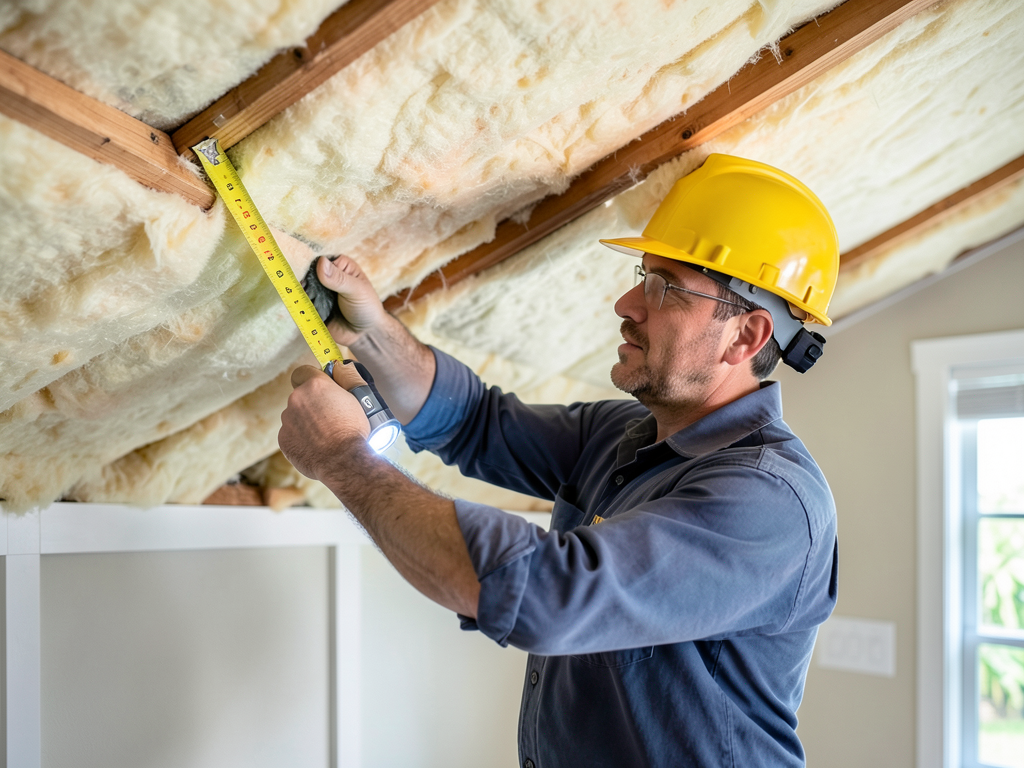
How to tell if your attic insulation has flattened and is making your North Miami Beach home hotter Your attic…

How to tell if your attic insulation has flattened and is making your North Miami Beach home hotter

How to tell if your attic insulation has flattened and is making your North Miami Beach home hotter Your attic…

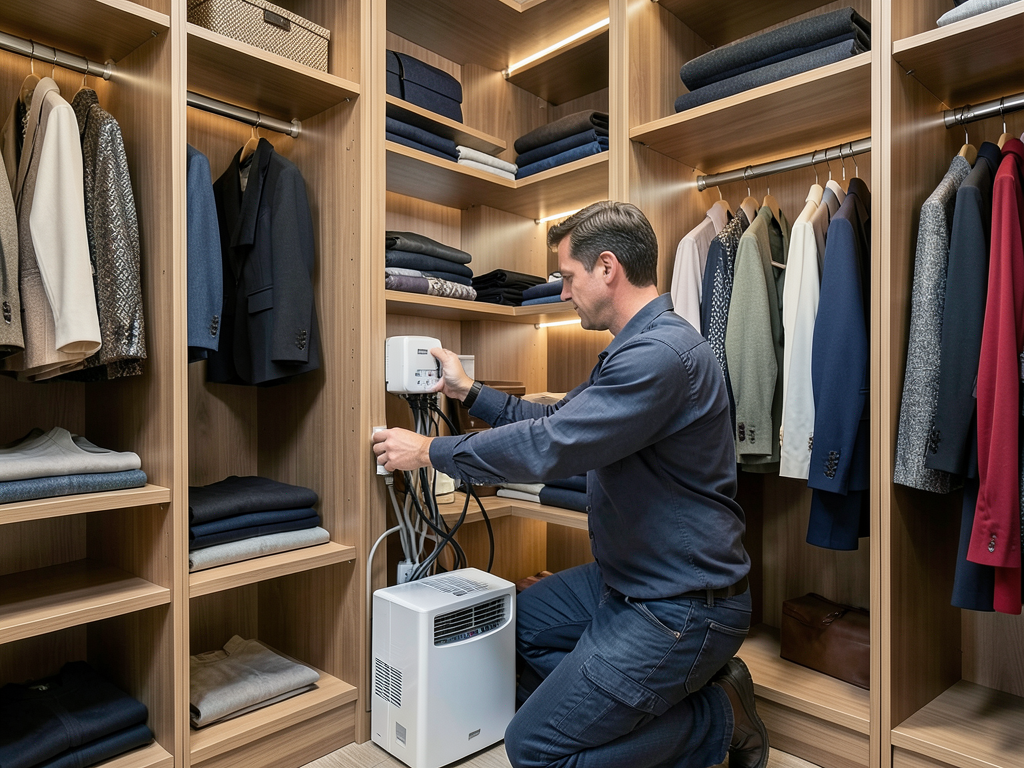
Protecting your Gables Estates walk-in closet from mold and leather damage

Protecting your Gables Estates walk-in closet from mold and leather damage Your walk-in closet in Gables Estates faces a constant…

Smart vents and dampers for fixing uneven cooling in older Coral Terrace houses

Smart vents and dampers for fixing uneven cooling in older Coral Terrace houses If you live in a Coral Terrace…

Contact Us

Stop guessing about your warranty coverage. Call Horizon Heating and Cooling Miami at (786) 789-8277 for a free warranty review. We explain what your policy covers, identify maintenance requirements, and help you protect your investment.