menu

Furnace Pilot Light Issues in Miami – Fast Diagnosis and Expert Repairs You Can Trust

When your pilot light won't stay lit or keeps going out, you need accurate troubleshooting and proven fixes. We diagnose gas furnace pilot light malfunctions quickly and restore reliable heat to Miami homes.

Slider Image 1
Slider Image 2
Slider Image 3
Slider Image 4
Slider Image 5
Slider Image 7
Slider Image 8
Slider Image 9
Slider Image 10
Slider Image 11

Why Pilot Light Problems Are More Common in South Florida Than You Think

You walk past your furnace and notice the pilot light is out again. You relight it, and within hours it goes dark. This cycle frustrates homeowners across Miami, Coral Gables, and Kendall because most people assume furnaces are low-maintenance once installed.

Pilot light won't stay lit scenarios happen more frequently in coastal areas like Miami. Salt air accelerates corrosion on thermocouples and gas valves. High humidity causes mineral deposits to clog the pilot orifice. When the pilot light keeps going out, you lose heat and risk incomplete combustion, which releases carbon monoxide into your home.

Miami's subtropical climate means most furnaces sit idle for months. When you finally need heat during a cold snap in January or February, dormant systems fail. Dust and debris settle into burner assemblies. Pilot tubes corrode. The thermocouple weakens from disuse. These furnace pilot light problems compound when systems go unused for extended periods.

Gas furnace pilot light malfunctions create safety risks beyond discomfort. A weak flame cannot properly trigger the thermocouple. The gas valve stays closed. Your home stays cold. Worse, a dirty or misaligned pilot assembly can allow unburned gas to accumulate, creating a hazard.

If your furnace pilot light not working persists after relighting, the issue goes deeper than a gust of wind or a temporary gas pressure drop. Thermocouples fail. Pilot orifices clog. Gas valves malfunction. These components require diagnostic testing and precise repairs, not guesswork.

Why Pilot Light Problems Are More Common in South Florida Than You Think
How We Diagnose and Fix Pilot Light Problems the Right Way

How We Diagnose and Fix Pilot Light Problems the Right Way

We do not guess. We test. When you call Horizon Heating and Cooling Miami with a pilot light issue, we begin with a systematic diagnostic protocol.

First, we measure the thermocouple output with a multimeter. A functioning thermocouple generates 25 to 30 millivolts when heated properly. Anything below 20 millivolts signals failure. We replace faulty thermocouples immediately because they are the most common cause of pilot lights that won't stay lit.

Next, we inspect the pilot orifice. Salt air and humidity cause mineral deposits to restrict gas flow. A restricted orifice produces a weak, yellow flame instead of a strong blue flame. We remove the pilot assembly, clean the orifice with specialized tools, and reassemble it to manufacturer specifications.

We also test gas pressure at the valve. Low pressure from the utility or a failing regulator prevents the pilot from staying lit. High pressure creates an unstable flame that lifts off the thermocouple. We use a manometer to verify pressure falls within the furnace manufacturer's range, typically 3.5 inches of water column for natural gas systems.

The gas valve itself can fail. Internal diaphragms wear out. Solenoids stick. We test the valve electrically and mechanically. If it fails either test, we replace it with the correct OEM part, not a universal substitute that might cause future problems.

Finally, we check draft and combustion air supply. Blocked flues or insufficient ventilation cause backdrafts that blow out pilot lights. We verify proper venting and clearances to ensure stable combustion.

What Happens When You Call Us About Your Pilot Light

Furnace Pilot Light Issues in Miami – Fast Diagnosis and Expert Repairs You Can Trust
01

Initial Safety Assessment

We arrive and immediately check for gas leaks using electronic detection equipment. We verify the area around your furnace is safe before beginning diagnostics. If we detect gas, we shut off the supply and ventilate the space. Your safety comes first, then we troubleshoot the pilot assembly and control systems to identify why the flame keeps extinguishing.
02

Component-Level Testing

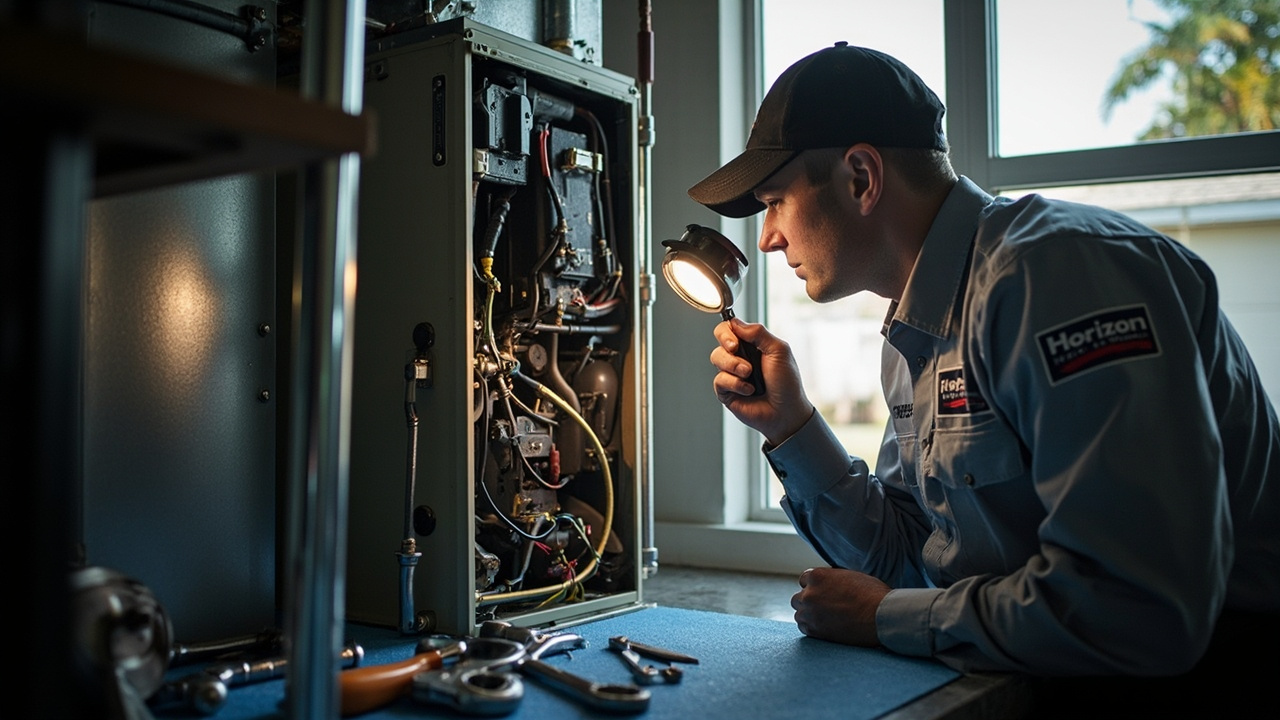
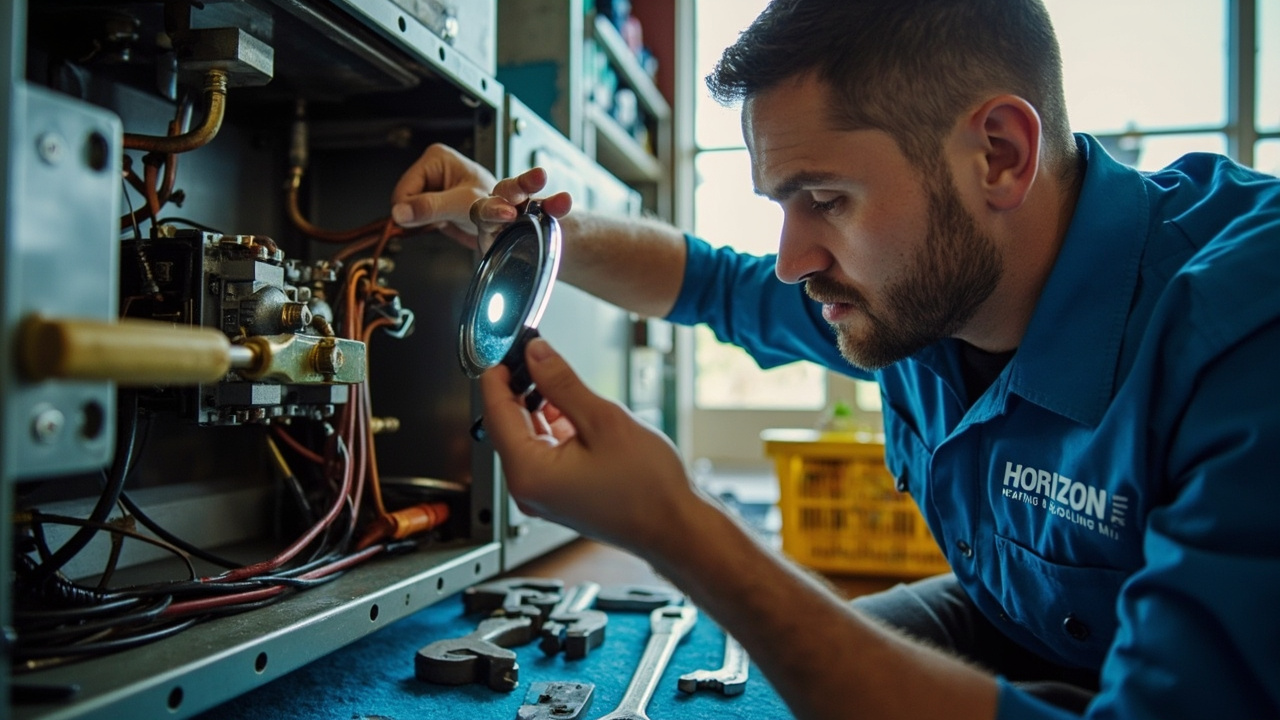
We disassemble the pilot assembly and test each component individually. We measure thermocouple voltage, inspect the pilot orifice under magnification, and test gas valve operation with a multimeter. We check flame color and shape. We verify gas pressure at multiple points. This methodical approach identifies the exact failure point instead of replacing parts randomly until something works.
03

Repair and Verification

We install the correct replacement parts and reassemble the pilot system. We relight the pilot and monitor it for at least 15 minutes to confirm stable operation. We test the thermocouple response and verify the main burners ignite properly. Before we leave, we show you the steady blue pilot flame and explain what we fixed and why it failed.

Why Miami Homeowners Choose Us for Furnace Repairs

Most HVAC companies in Miami focus on air conditioning because that drives volume. Furnace work becomes an afterthought. We maintain deep expertise in gas furnace diagnostics because we understand South Florida homes still need reliable heat during winter cold fronts.

We stock thermocouples, pilot assemblies, and gas valves for all major furnace brands. We do not schedule a second trip to install parts. We carry inventory for Carrier, Trane, Lennox, Goodman, and Rheem systems. When we diagnose your pilot light problem, we fix it the same day.

Our technicians receive ongoing training in combustion analysis and gas system safety. We follow National Fuel Gas Code standards and Miami-Dade County mechanical code requirements. We understand local inspection protocols if your system requires permitting for valve replacement or venting modifications.

We also recognize the unique challenges Miami's environment creates for furnace components. Salt air from Biscayne Bay corrodes metal faster than inland environments. We recommend corrosion-resistant replacement parts when appropriate. We explain maintenance steps you can take to extend component life in coastal conditions.

Horizon Heating and Cooling Miami has served neighborhoods from Coconut Grove to Aventura for years. We understand local home construction, from mid-century ranch homes with original furnaces to newer townhomes with high-efficiency condensing units. We have seen how different system designs respond to South Florida's climate. That experience means faster diagnosis and more accurate repairs.

We do not upsell. If your pilot light issue stems from a five-dollar thermocouple, we replace the thermocouple. We explain when a full system replacement makes financial sense versus ongoing repairs, but we never pressure you into unnecessary equipment changes.

What You Can Expect When We Service Your Furnace

Same-Day Service Availability

We schedule most pilot light repairs within 24 hours of your call. Cold weather events in Miami create demand spikes, but we maintain adequate staffing to respond quickly. We arrive in a fully stocked service vehicle with diagnostic tools and common replacement parts. Most pilot light repairs take 45 to 90 minutes from arrival to completion. We do not leave until your furnace operates reliably and you understand what we fixed.

Thorough Diagnostic Process

We perform a complete combustion analysis, not just a visual inspection. We test gas pressure, measure thermocouple output, check draft conditions, and verify proper flame characteristics. We use calibrated instruments, not guesswork. We explain our findings in plain language. You receive a written diagnostic report that details what failed, why it failed, and what we recommend. We answer questions before starting repairs so you understand exactly what we are doing.

Reliable, Long-Term Repairs

We use OEM parts or equivalent-quality replacements rated for coastal environments. We do not install universal-fit components that might work temporarily but fail prematurely. After repairs, we test system operation through multiple heating cycles. We verify the pilot stays lit, the thermocouple responds correctly, and the main burners ignite smoothly. We clean the burner assembly and adjust the flame if necessary. You get a system that works reliably, not a temporary fix that fails again next month.

Service Documentation and Maintenance Guidance

We document every repair with detailed service records. You receive a breakdown of parts installed, tests performed, and system settings. We explain maintenance steps to prevent future pilot light problems, including annual cleaning schedules and humidity control strategies. We offer maintenance plans that include annual furnace inspections timed before winter. These inspections catch corroding thermocouples and clogged pilot orifices before they fail. We provide straightforward information about what you need, not aggressive sales pitches.

Frequently Asked Questions

You Have Questions,
We Have Answers

What are the common pilot light problems? +

Common pilot light problems include a weak or yellow flame instead of a strong blue flame, which signals incomplete combustion. The pilot may fail to stay lit due to a faulty thermocouple or dirty pilot tube. You might notice the pilot won't ignite at all, often caused by gas supply issues or a clogged orifice. A flickering flame usually indicates airflow problems or debris blockage. In Miami's humid climate, moisture can corrode components faster, leading to thermocouple failure. Draft issues from poor ventilation or nearby air conditioning vents can also blow out the pilot flame repeatedly.

Why is my furnace pilot light not igniting? +

Your pilot light may not ignite because the gas valve is closed or partially blocked. Check that your gas supply is turned on fully. A clogged pilot orifice from dust or debris prevents gas flow to the ignition point. The thermocouple might be positioned incorrectly, preventing it from sensing heat and allowing gas flow. In Miami homes, high humidity can cause internal corrosion that blocks gas lines. The igniter itself could be worn out or broken. Air in the gas line after a service interruption can also prevent ignition until purged properly.

How do you fix a pilot light that keeps going out? +

A pilot light that keeps going out typically has a failing thermocouple that cannot hold the gas valve open. Replace the thermocouple if it's worn or corroded. Clean the pilot tube and orifice to remove any blockage restricting gas flow. Check for drafts near your furnace from doors, windows, or AC vents that blow out the flame. Adjust the pilot flame height if it's too low to properly heat the thermocouple. In Miami's coastal areas, salt air accelerates corrosion, so inspect all metal components for rust or deterioration that affects performance.

Does a flickering pilot light mean danger? +

A flickering pilot light can indicate danger. Yellow or orange flames suggest incomplete combustion, which produces carbon monoxide. This happens when the air-to-gas mixture is incorrect or the orifice is partially blocked. A flickering blue flame might just mean nearby airflow disturbance, which is less concerning but still needs attention. If you smell gas or notice soot buildup around the pilot area, shut off your furnace immediately and call a technician. Miami's high humidity can cause rust buildup that restricts airflow, creating dangerous combustion conditions requiring professional inspection.

What are the symptoms of a bad igniter on a furnace? +

A bad igniter shows several symptoms. You'll hear the furnace click on, but no ignition occurs. The igniter may glow weakly or not at all when the thermostat calls for heat. Visible cracks on a hot surface igniter signal replacement is needed. Your furnace may cycle repeatedly without lighting. Some igniters glow bright orange but fail to ignite the gas, indicating weakness. In Miami's humid conditions, igniters can fail prematurely due to moisture exposure during off-seasons. You might smell gas briefly without ignition, which requires immediate professional attention to prevent safety hazards.

How do you clean a clogged pilot tube? +

To clean a clogged pilot tube, first shut off the gas supply and let components cool completely. Remove the pilot assembly carefully, noting its position for reassembly. Use compressed air to blow out debris from the tube and orifice opening. A thin wire or needle can gently clear stubborn blockages, but avoid enlarging the orifice opening. Clean external surfaces with a soft brush. In Miami, dust and humidity create sticky residue that clogs tubes faster. Reassemble the pilot, restore gas flow, and relight carefully. If unsure, call a technician to avoid gas leaks.

How do I know if my thermocouple is bad on my furnace? +

A bad thermocouple shows specific signs. The pilot lights but won't stay lit when you release the control knob. The thermocouple tip may look corroded, bent, or covered in soot. You can test it with a multimeter, looking for 25-30 millivolts when heated. If readings are low or zero, replacement is needed. The thermocouple might be positioned too far from the pilot flame to sense heat properly. Miami's salty, humid air corrodes thermocouples faster than drier climates. A pilot that stays lit only when you hold the button down confirms thermocouple failure.

How much does it cost to relight a furnace? +

Relighting a furnace pilot light yourself costs nothing if you follow the manufacturer's instructions safely. The process takes about 10 minutes. However, if you need a technician to relight it, expect a service call fee. If relighting fails repeatedly, the underlying issue needs diagnosis. A faulty thermocouple, clogged pilot tube, or gas valve problem requires repair, not just relighting. In Miami, some HVAC companies offer seasonal maintenance plans that include pilot light service. Never attempt relighting if you smell gas strongly. Call a professional immediately for safety.

Can hear your furnace click on but it does not fire up? +

When your furnace clicks but doesn't fire, the ignition system is trying to start but failing. A weak or broken igniter cannot generate enough heat to light the gas. The flame sensor might be dirty or corroded, preventing it from detecting ignition. Low gas pressure or a closed gas valve stops fuel from reaching the burners. The control board could send signals without proper igniter voltage. In Miami's humid climate, condensation causes sensor corrosion. You might also have a tripped limit switch from overheating or blocked airflow that prevents the furnace from completing ignition.

Is it expensive to repair a pilot light? +

Pilot light repair costs vary by the actual problem. Relighting a pilot that simply went out is inexpensive. Replacing a thermocouple typically costs less than a full igniter replacement. If the gas valve needs replacement, costs increase significantly. Most pilot light fixes fall into the affordable repair category compared to major furnace components. In Miami, coastal corrosion can require more frequent thermocouple replacements than inland areas. The diagnosis fee typically covers the service call, with parts and labor added. Preventive maintenance during Miami's mild winters helps avoid emergency repair premiums during occasional cold snaps.

How Miami's Coastal Environment Accelerates Furnace Component Failure

Miami sits between Biscayne Bay and the Atlantic Ocean. Salt air penetrates homes through ventilation systems and open windows. This salt accelerates oxidation on thermocouples, pilot tubes, and gas valves. Components that last 10 years in Denver or Atlanta fail in 5 to 7 years in Miami Beach or Key Biscayne. High humidity compounds the problem by allowing mineral deposits to form inside pilot orifices. These deposits restrict gas flow and create weak flames that cannot keep thermocouples hot enough to hold gas valves open. Coastal homeowners face pilot light problems more frequently than inland residents, not because their systems are lower quality, but because environmental conditions are harder on metal components.

South Florida's unique climate demands HVAC technicians who understand corrosion patterns and humidity effects on combustion systems. Miami-Dade County mechanical codes require proper venting and combustion air supply, but enforcement varies. We verify your furnace installation meets current code requirements even if it was installed years ago. We recognize common shortcuts previous contractors might have taken. We have worked in homes across Pinecrest, South Miami, and Homestead. We understand the difference between a 1970s CBS home with original ductwork and a 2015 townhouse with a high-efficiency system. That local knowledge means faster diagnosis and repairs done right the first time.
Heating and Cooling Services in The Miami Area

Need dependable HVAC service near you? Horizon Heating and Cooling Miami proudly serves homes and businesses across the Miami metro area with top-rated heating and cooling repairs, installations, and emergency services. Whether you’re in Kendall, Doral, or Aventura, our expert technicians are just a call away. Check the map below to explore our coverage zones and get fast, professional HVAC help in your neighborhood.

Address:
Horizon Heating and Cooling Miami, 1221 Brickell Ave, Miami, FL, 33131

Additional Services We Offer

Our news updates

Latest Articles & News from The Blogs

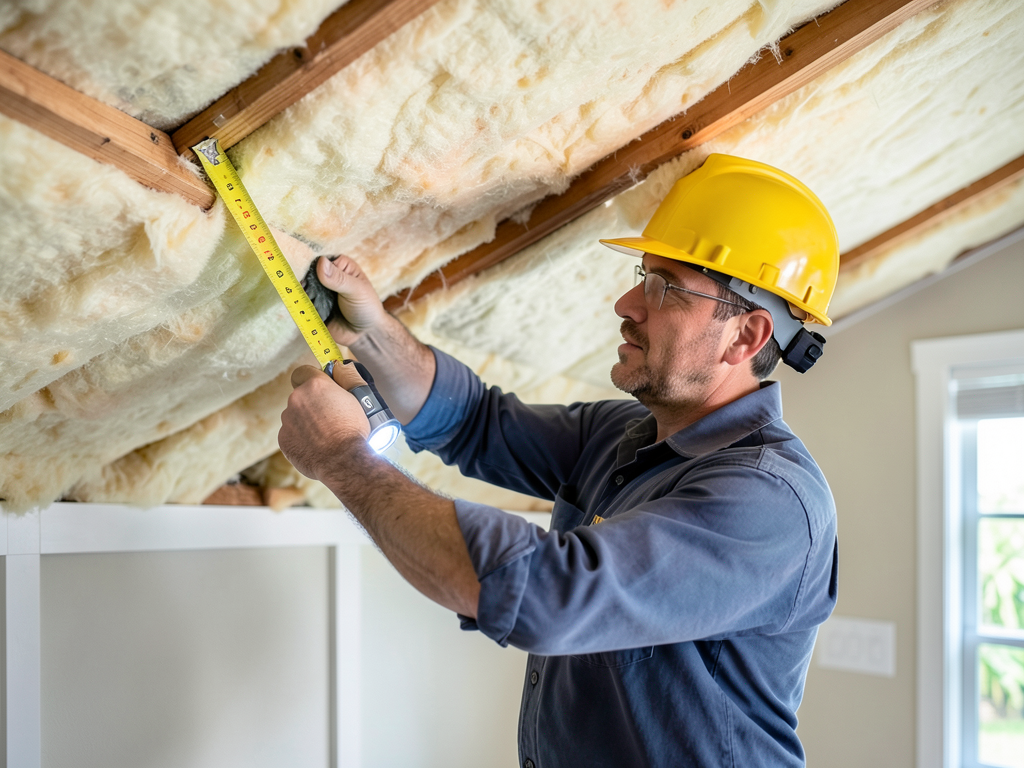
How to tell if your attic insulation has flattened and is making your North Miami Beach home hotter Your attic…

How to tell if your attic insulation has flattened and is making your North Miami Beach home hotter

How to tell if your attic insulation has flattened and is making your North Miami Beach home hotter Your attic…

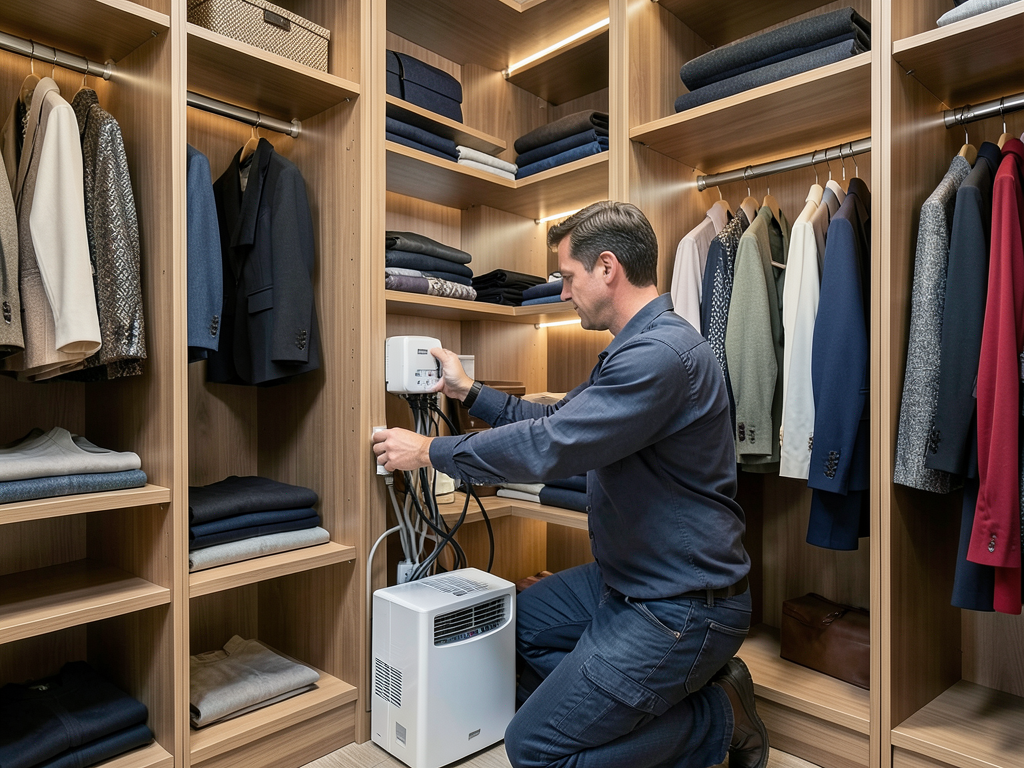
Protecting your Gables Estates walk-in closet from mold and leather damage

Protecting your Gables Estates walk-in closet from mold and leather damage Your walk-in closet in Gables Estates faces a constant…

Smart vents and dampers for fixing uneven cooling in older Coral Terrace houses

Smart vents and dampers for fixing uneven cooling in older Coral Terrace houses If you live in a Coral Terrace…

Contact Us

Do not waste time relighting a pilot that keeps going out. Call Horizon Heating and Cooling Miami at (786) 789-8277 right now. We will schedule a diagnostic visit, identify the problem, and fix it the same day. You get reliable heat and peace of mind.