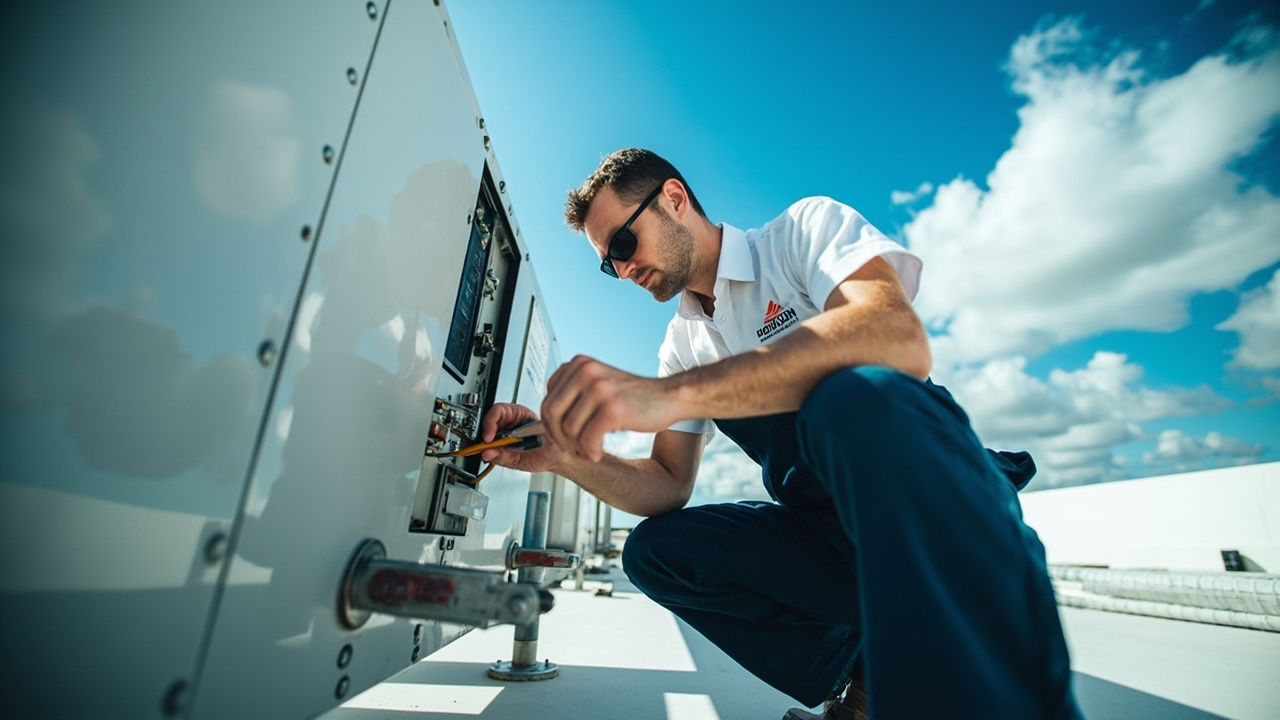
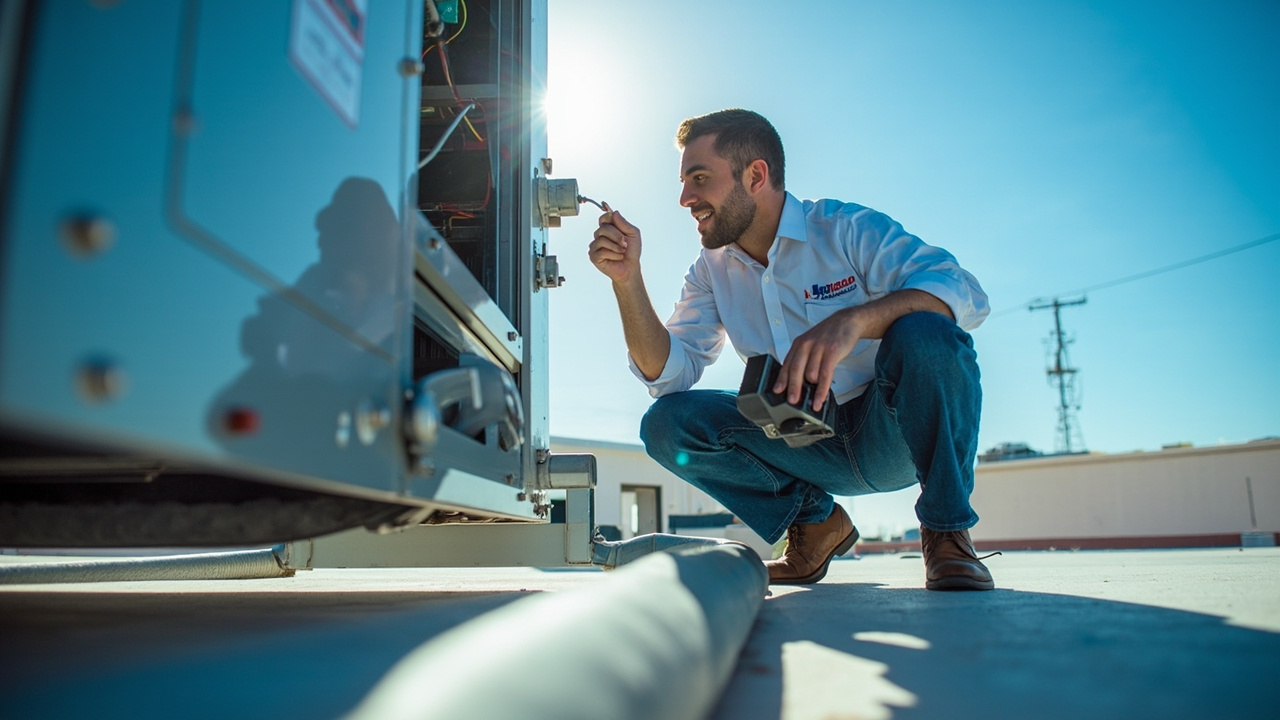
Saltwater aerosols from the Atlantic Ocean and Biscayne Bay coat outdoor HVAC equipment with corrosive residue. Condenser coils develop pinhole leaks within five years without protective treatments. Electrical components corrode faster than inland installations, causing nuisance trips and intermittent failures that complicate diagnostics. Year-round humidity promotes rust on cabinet panels and fasteners, compromising structural integrity of rooftop installations. Commercial HVAC service contracts in Miami must address these coastal factors through specialized cleaning protocols, corrosion-resistant component specifications, and accelerated inspection intervals that exceed manufacturer recommendations designed for moderate climates.
Miami-Dade County enforces mechanical codes that require documented maintenance for commercial occupancies. Building inspectors review service records during certificate of occupancy renewals and tenant improvement approvals. Insurance carriers increase premiums or deny claims when maintenance documentation gaps exist. HVAC preventive maintenance agreements provide the structured record-keeping that satisfies regulatory requirements and protects against liability exposure. Local commercial operators recognize that maintenance agreements function as risk management tools rather than optional service contracts, particularly in a jurisdiction where code enforcement actively monitors building systems.