menu

Commercial AC Repair in Miami – Minimize Downtime and Protect Your Bottom Line

When your commercial cooling system fails in Miami's relentless heat, every minute offline costs you money. Our industrial AC repair experts respond fast, diagnose accurately, and restore climate control with minimal disruption to your operations.

Slider Image 1
Slider Image 2
Slider Image 3
Slider Image 4
Slider Image 5
Slider Image 7
Slider Image 8
Slider Image 9
Slider Image 10
Slider Image 11

Why Commercial AC Failures in Miami Demand Immediate Action

Miami's subtropical climate creates a punishing environment for commercial HVAC systems. Year-round humidity above 70 percent accelerates corrosion in condensate drain lines and electrical contacts. Salt air from Biscayne Bay attacks outdoor condenser coils in properties from Brickell to Miami Beach. Combined with thermal loads that exceed 100 degrees during summer months, your business air conditioning works harder than units in almost any other U.S. market.

A failed commercial cooling system in Miami is not just uncomfortable. It threatens inventory in warehouses along the Miami River corridor. It violates health codes for restaurants in Wynwood and Coral Gables. It drives customers out of retail spaces in Aventura Mall. It damages server equipment in Dadeland office towers. A two-hour outage during peak business hours can cost thousands in lost revenue and spoiled product.

Most commercial hvac repair emergencies stem from predictable failures that Miami's climate accelerates. Compressor burnout from continuous operation. Refrigerant leaks in corroded line sets. Clogged condensate drains that overflow and trigger emergency shutoffs. Electrical contactors welded shut from humidity and heat cycling. Each failure mode demands different diagnostic tools and repair protocols.

Horizon Heating and Cooling Miami responds to commercial air conditioning repair calls across the metro with the equipment and expertise to handle systems from three-ton rooftop units to 50-ton chillers. We understand the liability and operational stakes when your climate control fails.

Why Commercial AC Failures in Miami Demand Immediate Action
How Professional Commercial AC Repair Restores Business Operations

How Professional Commercial AC Repair Restores Business Operations

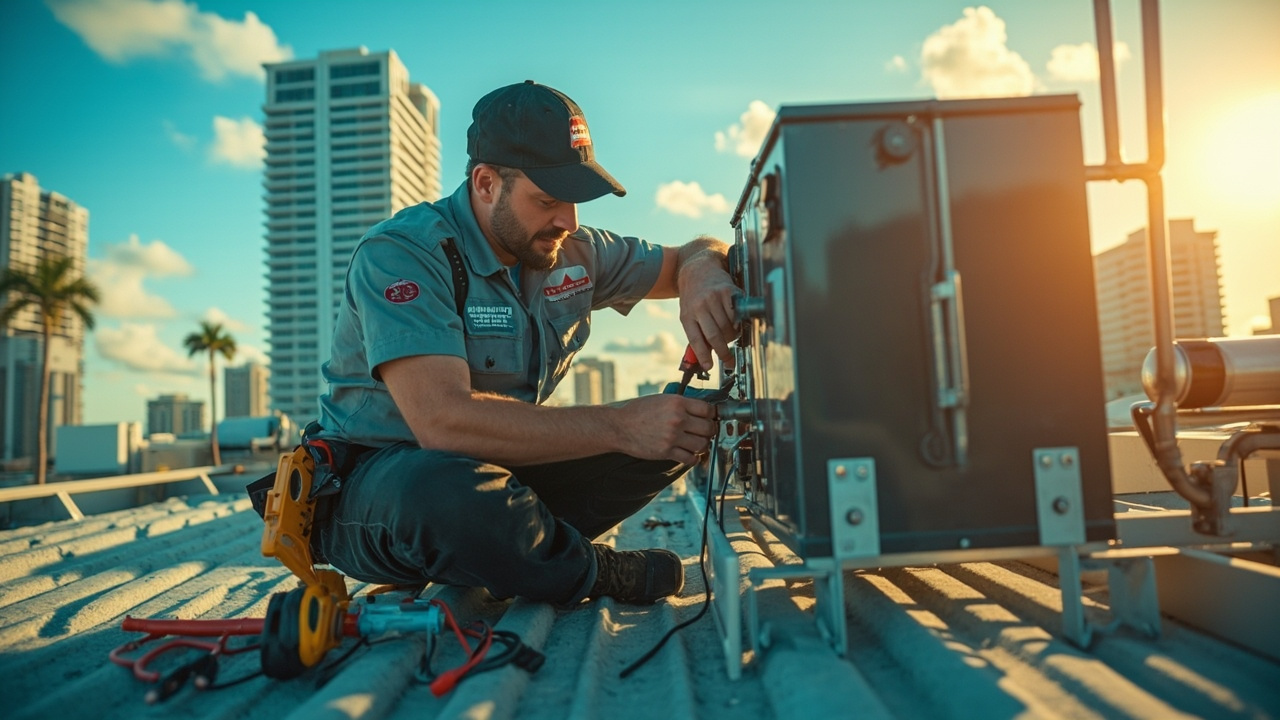
Commercial cooling repair differs fundamentally from residential service. Your business depends on system uptime. We arrive with diagnostic equipment calibrated for commercial refrigerant circuits, electrical loads, and airflow calculations. Our technicians carry manifold gauge sets, megohmeters for compressor testing, refrigerant leak detectors sensitive to parts per million, and infrared cameras to identify hot spots in electrical panels.

The diagnostic sequence begins with system observation under load. We measure supply and return air temperatures, static pressure across filters and coils, amp draw on compressor and fan motors, and superheat and subcooling at the refrigerant circuit. These measurements reveal whether your failure stems from mechanical issues, refrigerant problems, airflow restrictions, or electrical faults.

For compressor failures in commercial systems, we test winding resistance and ground continuity before condemning the component. A compressor replacement on a 20-ton rooftop unit requires crane access, refrigerant recovery, brazing under nitrogen purge, evacuation to 500 microns, and precise refrigerant charging by superheat method. Each step follows EPA Section 608 protocols and manufacturer specifications.

Refrigerant leaks in commercial systems demand different repair approaches than residential units. We use nitrogen pressure testing to 150 PSI, electronic leak detection, and UV dye injection to locate pinhole leaks in evaporator coils or line set connections. When Miami's salt air corrodes outdoor coil fins, we evaluate repair versus replacement based on remaining coil integrity and refrigerant circuit efficiency.

Control system failures require multimeter testing of relay coils, contactor points, and transformer secondary voltages. We carry replacement contactors rated for the continuous duty cycles that Miami's climate demands.

What Happens During Your Commercial AC Service Call

Commercial AC Repair in Miami – Minimize Downtime and Protect Your Bottom Line
01

Emergency Dispatch and Assessment

You call (786) 789-8277 and describe the failure symptoms. We dispatch a technician with commercial diagnostic equipment within the hour for emergency calls. On arrival, we perform a visual inspection of your rooftop or ground-level equipment, document nameplate data, and verify electrical supply. We ask about recent system behavior, maintenance history, and your immediate operational needs to prioritize the repair sequence.
02

System Diagnosis and Repair

We run the system through its operating cycle while measuring temperatures, pressures, voltages, and airflow. This reveals the root cause, whether mechanical, electrical, or refrigerant-related. For component failures, we source commercial-grade parts from local suppliers to minimize downtime. We complete repairs using proper brazing techniques, refrigerant handling procedures, and electrical terminations that meet Florida Building Code requirements for commercial installations.
03

Testing and Documentation

After repairs, we operate the system for a full cooling cycle, verify temperature drop across the evaporator coil, confirm proper refrigerant charge, and test all safety controls. You receive documentation of the failure mode, parts replaced, and system performance measurements. We provide recommendations for preventive maintenance intervals based on your equipment age, runtime hours, and Miami's harsh operating environment to prevent future failures.

Why Miami Businesses Trust Local Commercial HVAC Expertise

Commercial air conditioning repair in Miami requires familiarity with equipment exposed to conditions that accelerate wear. Salt air from the Atlantic and Biscayne Bay corrodes aluminum fins and copper refrigerant lines faster than inland locations. Humidity levels that never drop below 60 percent promote mold growth in ductwork and condensate pans. Electrical components degrade from thermal cycling between outdoor temperatures above 90 degrees and air-conditioned spaces at 72 degrees.

Miami-Dade County requires specific permitting for commercial HVAC work, including refrigerant handling documentation under EPA regulations and electrical permits for any circuit modifications. Technicians working on your business cooling system must understand local code requirements for condensate drain routing, electrical disconnects within sight of equipment, and rooftop equipment access compliance.

Horizon Heating and Cooling Miami services commercial properties from Homestead to North Miami Beach. We know the challenges of rooftop equipment access in downtown high-rises, the specialized requirements for restaurant kitchen makeup air systems, and the liability issues when cooling failures affect refrigerated inventory or temperature-sensitive equipment.

Our technicians carry Florida contractor licenses and EPA Section 608 Universal certifications required for commercial refrigerant work. We stock parts for the Carrier, Trane, Lennox, and York commercial equipment common in Miami installations. When your business air conditioning fails during peak season, response time determines whether you lose hours or days of operation.

Local expertise matters when your commercial hvac system protects inventory, employee comfort, and customer experience. We understand Miami's unique combination of heat, humidity, and salt air because we work in these conditions daily.

What Your Business Can Expect from Commercial AC Service

Rapid Response Times

For emergency commercial cooling failures, we dispatch technicians within 60 minutes to properties throughout Miami-Dade County. Our service vehicles stock common failure components including contactors, capacitors, and refrigerant for immediate repairs. For planned maintenance or non-emergency industrial ac repair, we schedule during your low-traffic hours to minimize disruption. Evening and weekend appointments accommodate businesses that cannot afford daytime downtime. Response speed directly impacts your revenue loss during system failures.

Thorough System Diagnosis

Commercial HVAC diagnosis requires measurement, not guesswork. We arrive with calibrated instruments to measure refrigerant pressures, electrical loads, airflow volumes, and temperature differentials. This reveals whether your system suffers from refrigerant loss, compressor failure, airflow restrictions, or control problems. You receive a clear explanation of the failure cause, required repairs, and expected system performance after service. Our diagnostic approach prevents misdiagnosis and unnecessary part replacement that waste your money.

Reliable System Performance

After completing business ac repair, we verify your system delivers design airflow, maintains setpoint temperatures, and operates within manufacturer specifications for amperage and refrigerant charge. You will notice immediate improvement in cooling capacity and temperature control. We test safety controls including high-pressure cutouts and freeze stats to confirm your equipment will not damage itself during future operation. Proper repairs restore the reliability your business operations demand from climate control equipment.

Preventive Maintenance Planning

Commercial cooling systems in Miami require more frequent maintenance than units in temperate climates. We provide written recommendations for filter changes, coil cleaning, and refrigerant circuit inspection based on your equipment type and runtime. Quarterly maintenance visits prevent the failures that cause emergency downtime. We track your equipment service history, replacement part installations, and refrigerant additions to identify degrading components before they fail. Preventive maintenance costs less than emergency repairs and extends equipment life.

Frequently Asked Questions

You Have Questions,
We Have Answers

What is the $5000 AC rule? +

The $5000 AC rule refers to IRS de minimis safe harbor provisions. If your commercial AC repair or replacement costs less than $5000 per unit or invoice, you can deduct it as a repair expense in the current tax year. If costs exceed $5000, you must capitalize and depreciate the expense over multiple years. This threshold applies per unit, not total building systems. For Miami commercial properties with multiple rooftop units, track each repair invoice separately. Consult your CPA to maximize deductions and ensure compliance with Section 1.263(a)-3 regulations when planning major HVAC expenditures.

What are common commercial HVAC problems? +

Miami's humid subtropical climate accelerates specific commercial HVAC failures. Condenser coil corrosion from salt air exposure is prevalent near coastal properties. Compressor failures spike due to constant high ambient temperatures and overwork. Drain line blockages from algae growth are common in high-humidity environments. Contactor and capacitor failures increase from electrical stress during peak cooling months. Refrigerant leaks develop at brazed joints due to thermal cycling. Outdoor unit fan motors wear faster from year-round operation. Salt air degrades electrical connections and control boards. These issues compound quickly without preventive maintenance, leading to unplanned downtime and lost revenue for your facility.

What are the costs of commercial HVAC repair? +

Commercial HVAC repair costs vary by system size, complexity, and component failure. Capacitor or contactor replacements range from moderate costs, while compressor replacements represent significant capital outlays. Refrigerant leak detection and repair costs depend on system accessibility and refrigerant type. Evaporator or condenser coil replacement requires substantial investment. Emergency after-hours service increases labor rates. Miami's salt air environment often necessitates more extensive repairs than inland locations. Multi-zone or rooftop packaged unit repairs cost more than simple split systems. Request detailed diagnostic assessments before authorizing work. Cost factors include labor, refrigerant type, parts availability, and business interruption risk during repairs.

What is the life expectancy of a commercial AC unit? +

Commercial AC units in Miami typically last 10 to 15 years with proper maintenance. Coastal properties experience shorter lifespans due to salt air corrosion affecting coils and electrical components. Rooftop units endure constant sun exposure and weather stress, reducing longevity compared to indoor equipment. Usage intensity matters. A retail space running 12 hours daily wears equipment faster than an office operating 8 hours. Miami's year-round cooling demands create constant compressor cycling, accelerating wear. Neglected maintenance cuts lifespan dramatically. Regular filter changes, coil cleaning, and refrigerant checks extend equipment life. Plan capital replacement budgets around the 12-year mark to avoid emergency failures during peak season.

What is the 3 minute rule for AC? +

The 3 minute rule prevents compressor damage by requiring a minimum 3 minute wait between shutdown and restart cycles. Commercial systems use this delay via time-delay relays or control board programming. When a compressor stops, high-pressure refrigerant remains in the system. Immediate restart forces the compressor to start against this pressure, causing electrical overload and mechanical stress. The 3 minute delay allows pressure equalization across the system. Miami facilities with frequent power fluctuations or voltage sags benefit from this protection. Override the delay only during genuine emergencies. Repeated short-cycling from faulty controls or thermostats damages compressors and increases operating costs substantially.

Can I write off my new AC unit on my taxes? +

Yes, under specific conditions. If your commercial AC replacement qualifies as a repair under the $5000 rule, deduct it immediately. Larger capital expenditures require depreciation over 39 years for commercial building HVAC systems under MACRS. However, Section 179 expensing allows immediate deduction of qualifying equipment costs up to annual limits. The 2023 limit is $1,160,000. Bonus depreciation may apply to new equipment purchases. Miami commercial property owners should document whether work constitutes repair or improvement. Energy-efficient systems may qualify for additional tax credits under Section 179D. Consult your tax advisor before purchase to structure transactions for maximum deductions and compliance.

What is the 2 foot rule for HVAC? +

The 2 foot rule requires a minimum 2 foot clearance around outdoor HVAC units for adequate airflow and service access. Obstructed airflow reduces efficiency, increases operating costs, and causes premature equipment failure. Miami landscaping grows aggressively year-round. Vegetation, storage items, or architectural features encroaching within 2 feet restrict condenser airflow, forcing units to work harder. This clearance allows technicians to access panels, electrical disconnects, and refrigerant ports during maintenance. Rooftop units need clearance from parapet walls and HVAC curbs. Code inspectors enforce this requirement. Maintain clear zones around all equipment to protect your investment and avoid liability issues during service calls.

What is the most common part to fail on an AC unit? +

Capacitors fail most frequently on commercial AC units. These components start compressor and fan motors, degrading from electrical stress, heat, and voltage fluctuations. Miami's high ambient temperatures and year-round operation accelerate capacitor failure. A failed capacitor prevents compressor startup, causing complete system shutdown during business hours. Symptoms include humming sounds without startup, intermittent cooling, or tripped breakers. Capacitors are inexpensive components but cause expensive emergency service calls when they fail unexpectedly. Preventive maintenance includes capacitor testing with multimeters to catch weak components before failure. Replace capacitors proactively during tune-ups to avoid unplanned downtime and lost productivity for your facility.

How often should a commercial HVAC system be serviced? +

Service commercial HVAC systems quarterly in Miami's demanding climate. Year-round cooling loads and high humidity require more frequent maintenance than seasonal climates. Quarterly inspections catch refrigerant leaks, electrical issues, and mechanical wear before they cause failures. Clean condenser coils quarterly to remove salt deposits and airborne debris common near coastal areas. Check drain lines monthly during humid months to prevent overflow damage. Replace filters monthly or quarterly depending on facility type. High-traffic retail or medical facilities need monthly service. Manufacturing or warehouse spaces tolerate quarterly schedules. Document all maintenance for warranty compliance and liability protection. Preventive maintenance contracts reduce emergency repair costs significantly.

Will insurance cover HVAC repair? +

Standard commercial property insurance rarely covers HVAC repairs from normal wear and tear or lack of maintenance. Insurance covers sudden mechanical breakdown only if you purchased equipment breakdown coverage or boiler and machinery endorsements. This optional coverage protects against unexpected compressor failures, electrical malfunctions, or refrigerant system ruptures not caused by neglect. Document regular maintenance to support claims. Insurance does not cover gradual deterioration, corrosion, or efficiency loss from age. Miami properties near saltwater should verify coverage for corrosion-related failures. Deductibles apply. Review your policy with your broker to understand specific exclusions and consider equipment breakdown endorsements for critical cooling systems.

How Miami's Coastal Climate Accelerates Commercial HVAC Failures

Commercial air conditioning equipment in Miami faces operational demands that inland locations never experience. Salt-laden air from the Atlantic Ocean corrodes condenser coils and electrical connections in rooftop units from South Beach to the Miami Design District. Year-round humidity above 70 percent floods condensate drain pans and promotes biological growth in air handlers. Equipment serving properties within two miles of Biscayne Bay requires coil coating and more frequent cleaning to combat accelerated corrosion. These environmental factors reduce equipment life and increase failure frequency compared to commercial hvac systems in drier climates.

Miami businesses need technicians who understand local failure patterns and stock parts for rapid repairs. Horizon Heating and Cooling Miami has served commercial properties across the metro long enough to know that compressor failures spike during August heat waves, that salt air destroys uncoated condenser coils in three years, and that drain line algae growth triggers nuisance shutdowns during rainy season. This local knowledge speeds diagnosis and reduces your downtime when commercial cooling repair becomes urgent.
Heating and Cooling Services in The Miami Area

Need dependable HVAC service near you? Horizon Heating and Cooling Miami proudly serves homes and businesses across the Miami metro area with top-rated heating and cooling repairs, installations, and emergency services. Whether you’re in Kendall, Doral, or Aventura, our expert technicians are just a call away. Check the map below to explore our coverage zones and get fast, professional HVAC help in your neighborhood.

Address:
Horizon Heating and Cooling Miami, 1221 Brickell Ave, Miami, FL, 33131

Additional Services We Offer

Our news updates

Latest Articles & News from The Blogs

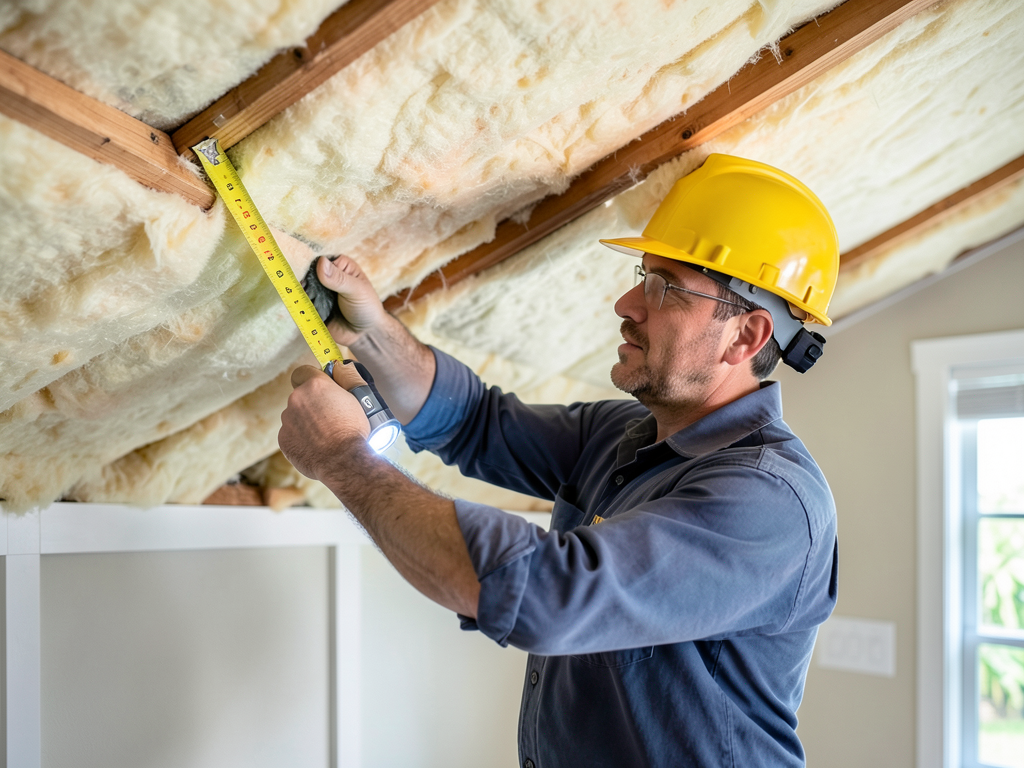
How to tell if your attic insulation has flattened and is making your North Miami Beach home hotter Your attic…

How to tell if your attic insulation has flattened and is making your North Miami Beach home hotter

How to tell if your attic insulation has flattened and is making your North Miami Beach home hotter Your attic…

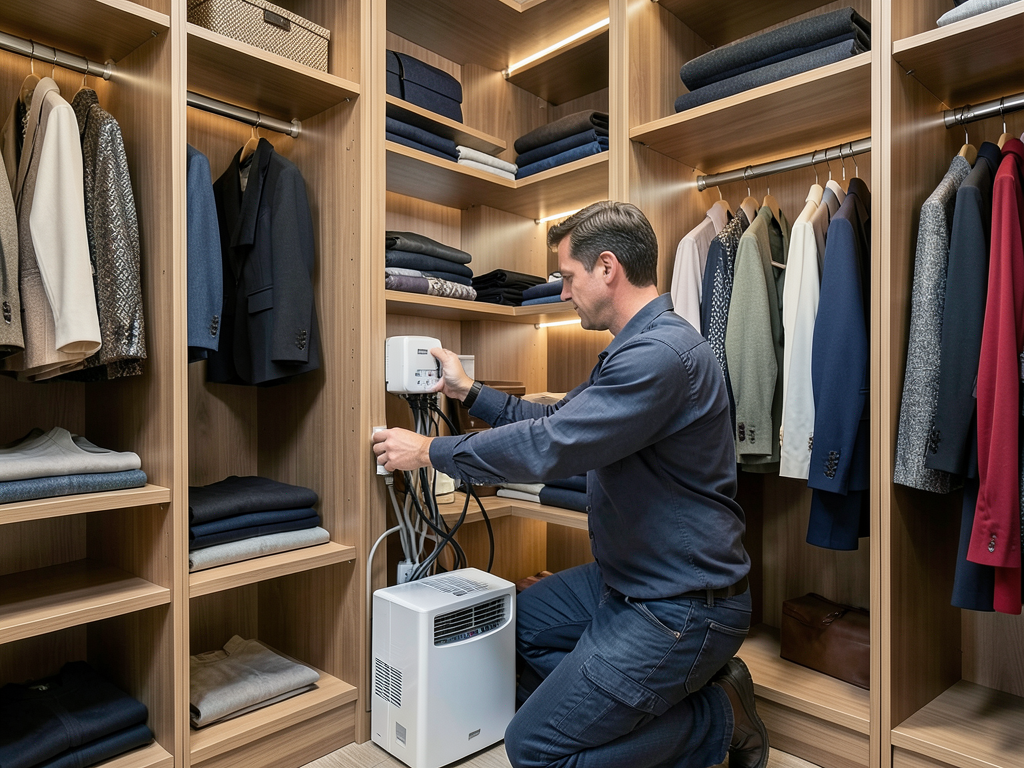
Protecting your Gables Estates walk-in closet from mold and leather damage

Protecting your Gables Estates walk-in closet from mold and leather damage Your walk-in closet in Gables Estates faces a constant…

Smart vents and dampers for fixing uneven cooling in older Coral Terrace houses

Smart vents and dampers for fixing uneven cooling in older Coral Terrace houses If you live in a Coral Terrace…

Contact Us

Every hour your commercial AC stays down costs you money. Call Horizon Heating and Cooling Miami at (786) 789-8277 for immediate dispatch. Our technicians arrive equipped to diagnose and repair your system fast. Do not let climate control failures disrupt your operations.