menu

Uneven Heating or Cooling in Miami – Expert Diagnosis and Permanent Solutions for Hot and Cold Spots

Stop wasting energy on a system that creates inconsistent room temperatures. Our technicians identify the root cause of uneven heating or cooling and deliver targeted repairs that restore balanced comfort throughout your home.

Slider Image 1
Slider Image 2
Slider Image 3
Slider Image 4
Slider Image 5
Slider Image 7
Slider Image 8
Slider Image 9
Slider Image 10
Slider Image 11

Why Your Miami Home Has Hot and Cold Spots

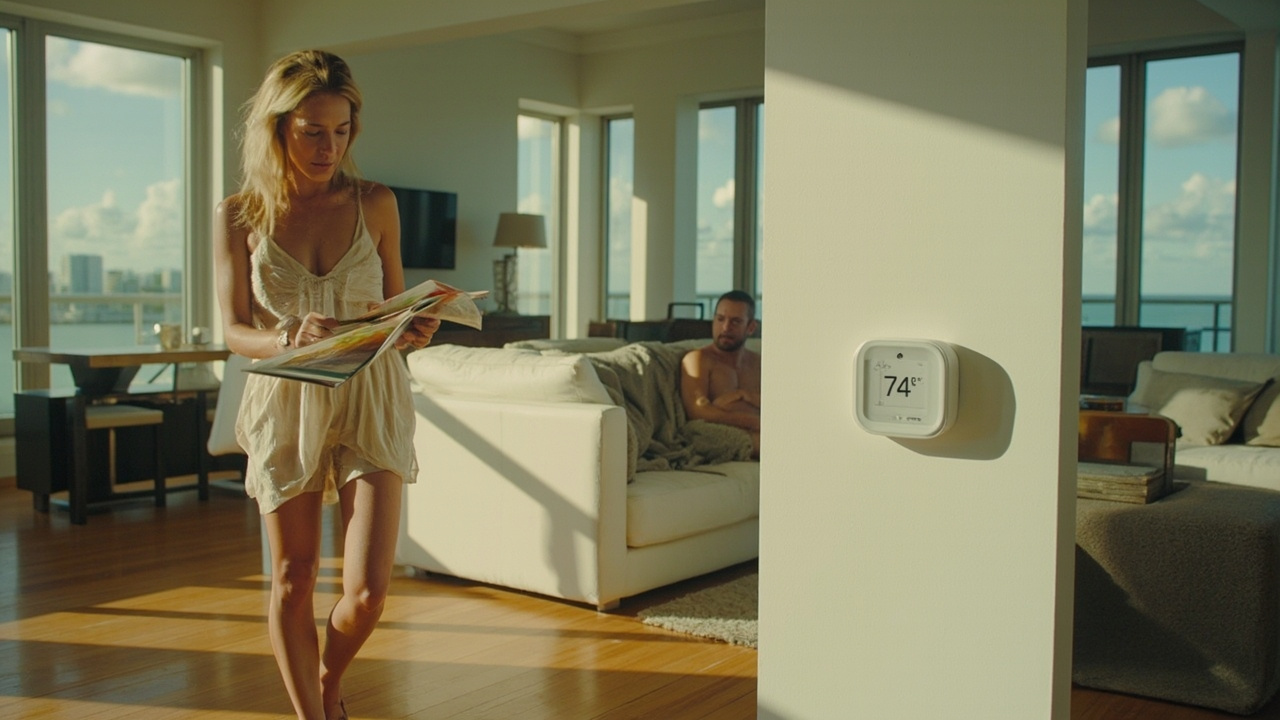
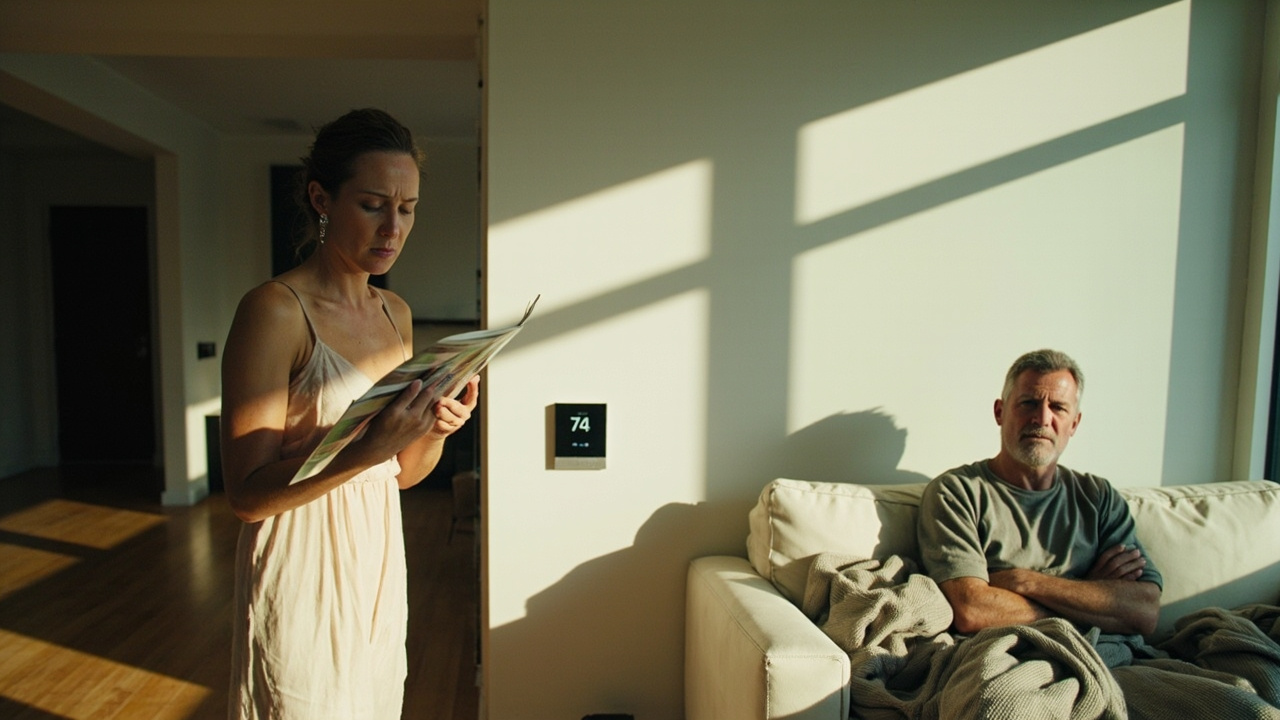
You walk from your bedroom into the living room and feel a 10-degree difference. One side of your house stays freezing while the other stays muggy. This is not normal, and you are not imagining it.

Miami's relentless humidity and heat put constant pressure on HVAC systems. When ductwork leaks, insulation fails, or airflow gets blocked, your system compensates by overworking in some areas and underperforming in others. The result is home temperature imbalance that makes certain rooms unbearable.

Uneven airflow distribution often starts small. A partially closed damper. A kinked flex duct. A return grille blocked by furniture. Over time, these small inefficiencies compound. Your compressor cycles more frequently. Your energy bills climb. You adjust the thermostat constantly, trying to find a setting that works for the entire house, but nothing fixes the problem.

In South Florida's climate, inconsistent room temperatures also create moisture problems. Cold spots condense humidity, leading to mold growth in ducts and drywall. Hot spots allow heat to bake your insulation, degrading its R-value and making the problem worse.

Different temperatures in each room signal a deeper system failure. It could be undersized equipment, poorly designed duct runs, or a return air imbalance. You need a diagnostic approach, not a band-aid fix. Adjusting the thermostat or closing vents only masks the issue and forces your system to work harder.

If you feel a temperature swing between rooms, your HVAC system is not distributing conditioned air correctly. This problem will not resolve on its own.

Why Your Miami Home Has Hot and Cold Spots
How We Fix Uneven Heating and Cooling in Miami Homes

How We Fix Uneven Heating and Cooling in Miami Homes

We do not guess. We measure. Our technicians use digital manometers, infrared thermometers, and airflow hoods to quantify the exact pressure and temperature differentials in your ductwork and living spaces. This data tells us where your system is failing.

The first step is a room-by-room thermal scan. We measure supply register output, return air velocity, and static pressure at the plenum. If your system shows high static pressure, we know there is a restriction somewhere in the duct network. Low airflow at specific registers points to crushed ducts, disconnected boots, or undersized branch runs.

Next, we inspect your duct system from the air handler to every terminal point. In Miami homes, especially those built in the 1980s and 1990s, ductwork often runs through unconditioned attics where summer temperatures exceed 140 degrees. Poorly insulated ducts bleed energy, and leaky seams dump conditioned air into spaces that do not matter. We use a duct blaster test to measure total leakage as a percentage of system airflow. Anything above 10 percent requires sealing or replacement.

We also evaluate your zoning setup. Many Miami homes have single-zone systems trying to cool multi-story layouts or sprawling floor plans. If your home has significant square footage or large glass exposures facing west, a single thermostat cannot manage the load effectively. We calculate heat gain for each zone and recommend damper controls or multi-stage systems that match your actual cooling demand.

Once we identify the root cause, we fix it with precision. Sealing ductwork with mastic and foil tape. Installing balancing dampers. Upgrading to variable-speed air handlers. Adding return air pathways. Every repair is specific to your home's airflow dynamics.

What Happens During Your Airflow Balance Service

Uneven Heating or Cooling in Miami – Expert Diagnosis and Permanent Solutions for Hot and Cold Spots
01

Complete System Mapping

We document every supply and return register in your home, measure baseline temperatures in each room, and test static pressure at the air handler. This creates a diagnostic map that shows exactly where your system is losing efficiency. We check damper positions, filter condition, and blower motor operation to rule out simple fixes before moving into the duct system.
02

Duct Inspection and Sealing

We inspect accessible ductwork in the attic, crawlspace, or mechanical closet for leaks, disconnections, and insulation damage. Using mastic sealant and UL-rated foil tape, we seal every joint and seam to prevent conditioned air loss. If ducts are crushed or improperly sized, we fabricate new sections or install insulated flex duct to restore proper airflow distribution across all zones.
03

Airflow Balancing and Verification

After sealing and repairs, we adjust balancing dampers to equalize airflow to each room based on its cooling load. We retest temperatures and airflow at every register, confirming that your system now delivers consistent comfort. You receive a report showing before and after measurements, so you can see the exact improvement in system performance and energy efficiency.

Why Miami Homeowners Trust Horizon Heating and Cooling Miami

South Florida's climate demands HVAC systems that run efficiently under extreme conditions. We understand how Miami's heat, humidity, and afternoon thunderstorms affect indoor comfort. Our technicians are trained to diagnose the specific airflow and insulation challenges common to homes in Coral Gables, Kendall, Pinecrest, and across Miami-Dade County.

Many HVAC companies will sell you a new system when your existing equipment just needs proper airflow correction. We take a different approach. If your air handler and condenser are functioning correctly, we focus on optimizing duct performance and zoning controls. This saves you thousands compared to unnecessary replacements.

We also know Miami's building characteristics. Homes built during the 1970s oil crisis often have minimal insulation and single-pane windows. Properties near Biscayne Bay face salt air corrosion that degrades outdoor units faster. New construction in Doral and Aventura often features open floor plans that require multi-zone systems to avoid hot and cold spots. We factor in these variables when diagnosing your system.

Our technicians carry diagnostic tools that most residential HVAC companies do not use. Thermal imaging cameras. Digital psychrometers. Combustion analyzers. These instruments provide objective data, so our recommendations are based on measured performance, not sales quotas.

We also provide transparent explanations. You will understand what is wrong, why it is wrong, and what it takes to fix it. No upselling. No scare tactics. Just clear information that helps you make an informed decision.

Local expertise matters when your home's comfort depends on a system designed for a climate that pushes equipment to its limits nine months a year. We have been solving airflow problems in Miami long enough to know what works and what does not.

What to Expect When You Call Horizon Heating and Cooling Miami

Fast Scheduling and Same-Day Availability

We know uneven temperatures make your home uncomfortable. Most service calls are scheduled within 24 hours, and we offer same-day appointments when availability allows. Our dispatch team confirms your arrival window the morning of your appointment, so you are not waiting around all day. If your system is creating unsafe conditions or your AC has stopped working entirely, we prioritize emergency calls to restore comfort as quickly as possible.

Thorough Diagnostic Assessment

Our technicians spend 60 to 90 minutes on the initial diagnostic visit. We measure airflow at every register, test duct pressure, inspect insulation, and evaluate your thermostat settings. You receive a written report detailing what we found, including temperature differentials, static pressure readings, and photos of any duct damage. We explain the root cause of your uneven heating or cooling and outline the exact repairs needed to restore balance. No guessing. No generic recommendations.

Precision Repairs That Solve the Problem

Once you approve the repair plan, we complete the work with attention to detail. Duct sealing is done with mastic and UL-rated materials that meet Florida building code. Balancing dampers are adjusted based on calculated CFM requirements for each room. If your system needs a zoning retrofit or air handler upgrade, we install equipment sized correctly for your home's square footage and insulation characteristics. The result is consistent room temperatures and lower energy bills.

Ongoing Maintenance and System Monitoring

After we fix your airflow imbalance, we recommend a maintenance plan that includes biannual inspections. These visits include filter replacement, coil cleaning, refrigerant level checks, and airflow verification to ensure your system continues performing as designed. Maintenance customers receive priority scheduling and discounted service rates. We also provide thermostat programming guidance and filter upgrade recommendations to help you maintain balanced comfort between service visits.

Frequently Asked Questions

You Have Questions,
We Have Answers

Is uneven heating normal? +

No, uneven heating is not normal and signals a problem with your HVAC system. In Miami's humid climate, temperature inconsistencies often stem from blocked vents, dirty air filters, or ductwork leaks. Your system should maintain consistent temperatures throughout your home. If one room feels colder than others, you may have insufficient insulation, poor air circulation, or an undersized unit struggling to keep up. High humidity here compounds the issue, making cool spots feel clammy and warm spots unbearable. Address uneven heating quickly to prevent higher energy bills and premature system failure.

Is 70 heat the same as 70 cool? +

No, 70 degrees heat feels different than 70 degrees cool. The difference lies in humidity and radiant heat. In Miami's winter months, heating mode produces drier air, which feels cooler on your skin despite matching the thermostat setting. Cooling mode removes humidity while lowering temperature, creating a crisp feel. Your body also radiates heat differently depending on ambient conditions. Cold windows and walls in winter pull warmth from your body, making 70 degrees feel chilly. In summer, that same 70 degrees with dehumidification feels comfortable and refreshing.

What is the $5000 rule for HVAC? +

The $5,000 rule is a quick guideline for deciding between repair and replacement. Multiply your system's age by the repair cost. If the result exceeds $5,000, replacement makes more financial sense. For example, a 12-year-old unit needing a $600 repair equals $7,200, suggesting replacement. In Miami's brutal heat and humidity, older systems work harder and fail faster. High salt air near coastal areas accelerates corrosion. This rule helps you avoid throwing money at a dying system when investing in new, efficient equipment saves you long-term.

How do you fix uneven heating in a house? +

Fixing uneven heating starts with simple checks. Replace your air filter, ensure all vents are open and unblocked, and verify your thermostat works correctly. In Miami homes, ductwork leaks are common culprits, wasting conditioned air in attics or crawlspaces. Seal visible gaps with mastic. Check insulation levels, especially in older homes where settling reduces effectiveness. Balance dampers in your duct system to redirect airflow to problem rooms. If issues persist, you may need a zoning system or ductwork redesign. Call a licensed HVAC technician to diagnose airflow restrictions or equipment malfunctions.

Why is half my house hot and half cold? +

Half your house feels different because of airflow imbalances, ductwork problems, or poor insulation. In Miami's single-story ranch homes and two-story layouts, distance from the air handler matters. Rooms farthest from your HVAC unit receive weaker airflow. Closed or blocked vents redirect air unevenly. Leaky ducts lose 20 to 30 percent of conditioned air before reaching distant rooms. South-facing rooms absorb more solar heat, overwhelming your system. Insufficient return air vents create pressure imbalances. A zoning system or ductwork assessment solves most problems by directing airflow where you need it.

Do I need a plumber to balance my radiators? +

No, you do not need a plumber to balance radiators. Most Miami homes use forced-air HVAC systems, not radiators. Radiator balancing involves adjusting valves to control hot water flow, a simple DIY task. However, if your forced-air system has uneven heating, an HVAC technician, not a plumber, should inspect ductwork, dampers, and airflow. Plumbers handle water supply and drainage, while HVAC specialists diagnose heating and cooling distribution. In South Florida's climate, radiators are rare. Focus on duct balancing, filter replacement, and proper system maintenance to fix temperature inconsistencies.

What is the 3 minute rule for AC? +

The 3-minute rule prevents short cycling and compressor damage. After your AC shuts off, wait at least 3 minutes before restarting it. This allows refrigerant pressure to equalize in the system. Immediate restarts force the compressor to work against high pressure, causing wear and potential failure. In Miami's year-round cooling demands, your AC runs frequently. Rapid on-off cycling wastes energy and reduces equipment lifespan. Modern thermostats enforce this delay automatically. If your system short cycles without manual intervention, you have a deeper problem like refrigerant leaks or faulty controls.

Why does my house feel cold at 73 in winter? +

Your house feels cold at 73 degrees in winter because of humidity, radiant heat loss, and air infiltration. Miami winters bring drier air, which feels cooler on your skin. Cold windows and exterior walls radiate chill inward, dropping your perceived temperature. Single-pane windows common in older Miami homes worsen this effect. Drafts from gaps around doors and windows create cold spots. Your heating system may struggle to maintain humidity levels, making the air feel colder than the thermostat indicates. Adding humidity, sealing air leaks, and using window treatments improve comfort.

How long should it take to cool a house from 78 to 74? +

Cooling from 78 to 74 degrees should take 30 to 60 minutes in a properly sized, well-maintained system. Miami's heat and humidity extend this timeframe if your unit is undersized or struggling. Factors include outdoor temperature, insulation quality, air filter condition, and refrigerant levels. A 4-degree drop is significant work for your compressor. If cooling takes longer than 90 minutes, you may have ductwork leaks, low refrigerant, or a failing compressor. Schedule maintenance to check airflow, clean coils, and verify your system operates at peak efficiency.

Is a 3 ton AC too big for 1500 square feet? +

A 3-ton AC may be too large for 1,500 square feet, depending on insulation, ceiling height, and sun exposure. Miami homes typically need 1 ton per 400 to 600 square feet, putting 1,500 square feet in the 2.5 to 3.75-ton range. Oversized units short cycle, failing to remove humidity properly. This leaves your home feeling clammy despite cool temperatures. Proper sizing requires a Manual J load calculation accounting for windows, insulation, and orientation. Coastal Miami homes with direct sun exposure may need larger capacity, but oversizing creates more problems than it solves.

How Miami's Heat and Humidity Amplify Airflow Problems

Miami's average summer humidity stays above 70 percent, and outdoor temperatures regularly exceed 90 degrees from May through October. This creates constant demand on your air conditioning system. When ductwork leaks or airflow gets restricted, your system cannot remove enough moisture from the air. The result is hot and cold spots that also feel clammy and uncomfortable. Duct leaks in unconditioned attics are especially problematic. Attic temperatures in Miami can reach 140 degrees, causing ducts to radiate heat and degrade insulation. Leaky ducts pull in hot, humid attic air, mixing it with conditioned air before it reaches your living spaces. This drives up energy costs and creates inconsistent room temperatures that no thermostat adjustment can fix.

South Florida building codes require duct systems to meet specific leakage standards, but many older homes were built before these regulations took effect. If your home was constructed before 2002, your ductwork may not meet current performance benchmarks. Horizon Heating and Cooling Miami understands the local code requirements and inspection protocols used by Miami-Dade County building officials. We bring duct systems into compliance using approved materials and testing procedures. When you choose a local provider, you work with technicians who know how Miami's climate affects HVAC performance and who stay current on the regulations that govern system installations and repairs.
Heating and Cooling Services in The Miami Area

Need dependable HVAC service near you? Horizon Heating and Cooling Miami proudly serves homes and businesses across the Miami metro area with top-rated heating and cooling repairs, installations, and emergency services. Whether you’re in Kendall, Doral, or Aventura, our expert technicians are just a call away. Check the map below to explore our coverage zones and get fast, professional HVAC help in your neighborhood.

Address:
Horizon Heating and Cooling Miami, 1221 Brickell Ave, Miami, FL, 33131

Additional Services We Offer

Our news updates

Latest Articles & News from The Blogs

How to tell if your attic insulation has flattened and is making your North Miami Beach home hotter Your attic…

How to tell if your attic insulation has flattened and is making your North Miami Beach home hotter

How to tell if your attic insulation has flattened and is making your North Miami Beach home hotter Your attic…

Protecting your Gables Estates walk-in closet from mold and leather damage

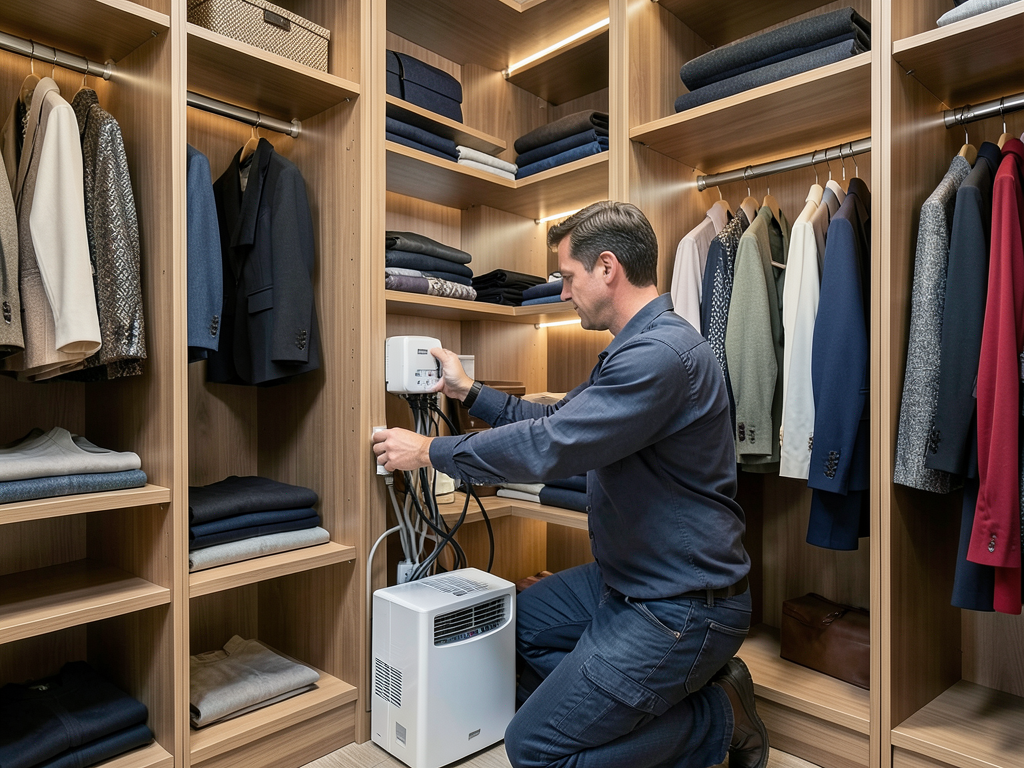
Protecting your Gables Estates walk-in closet from mold and leather damage Your walk-in closet in Gables Estates faces a constant…

Smart vents and dampers for fixing uneven cooling in older Coral Terrace houses

Smart vents and dampers for fixing uneven cooling in older Coral Terrace houses If you live in a Coral Terrace…

Contact Us

Stop tolerating uneven temperatures. Call Horizon Heating and Cooling Miami at (786) 789-8277 to schedule a diagnostic assessment. We will identify the root cause of your hot and cold spots and provide a clear plan to restore balanced comfort throughout your home.