menu

Outdoor Unit Not Spinning in Miami – Fast Diagnosis and Same-Day Repair

When your outdoor unit fan stops turning in Miami's relentless heat, you need expert diagnosis and repair that addresses the root cause, not temporary fixes that fail again in days.

Slider Image 1
Slider Image 2
Slider Image 3
Slider Image 4
Slider Image 5
Slider Image 7
Slider Image 8
Slider Image 9
Slider Image 10
Slider Image 11

Why Your Condenser Fan Stopped Working in Miami's Heat

You walk outside to check the AC. The compressor hums, but the condenser fan is not spinning. The outdoor unit sits silent while your home climbs past 85 degrees.

This is a crisis in Miami, where temperatures average 88 degrees from June through September and humidity sits above 70 percent. When the outside AC fan is not turning, the compressor overheats within minutes. The system shuts down on thermal overload. Your refrigerant pressure spikes. The compressor works twice as hard with zero airflow across the condenser coil.

The air conditioner outdoor fan not running is rarely the fan itself. The culprit is usually a failed capacitor, which stores the electrical charge needed to start the motor. Miami's extreme heat degrades capacitors faster than cooler climates. A dual-run capacitor that lasts eight years in Georgia fails in five here.

Other causes include a seized fan motor bearing, a blown contactor, or a tripped safety switch. Salt air from Biscayne Bay corrodes electrical connections in coastal neighborhoods like Brickell and Edgewater. Lizards nest in the contactor housing and short the circuit. Voltage sags during peak demand hours on the FPL grid can fry the start winding in the motor.

The outdoor unit fan stopped because something in the electrical or mechanical chain failed. You need a technician who diagnoses the actual failure point, not someone who replaces parts at random and hopes it works.

Why Your Condenser Fan Stopped Working in Miami's Heat
How We Diagnose and Repair a Condenser Fan Not Spinning

How We Diagnose and Repair a Condenser Fan Not Spinning

We do not guess. We test voltage, capacitance, and continuity at every connection point in the fan circuit.

First, we verify power to the contactor. If the contactor pulls in when you call for cooling, we know the low-voltage control circuit works. If the contactor is energized but the AC condenser fan is not working, the problem is downstream in the high-voltage fan circuit.

We test the run capacitor with a multimeter set to capacitance mode. A 35-microfarad capacitor that reads 28 microfarads is weak and will not start the motor reliably. We test under load because capacitors can show correct values when idle but fail under startup current draw.

Next, we check the fan motor windings for continuity and resistance. An open winding means a dead motor. A winding with abnormal resistance indicates shorted turns or internal breakdown. We spin the blade by hand to feel for bearing drag or rotor rub. A motor that spins freely but will not start electrically has a bad start winding or capacitor. A motor that resists rotation has a seized bearing.

We inspect the contactor for pitting, burn marks, or welded contacts. A contactor stuck open will not send power to the fan. A contactor with pitted contacts creates voltage drop and intermittent connection.

We replace only the failed component. If the capacitor is weak, we install a new dual-run capacitor rated for Miami's ambient temperatures. If the motor has failed, we install an OEM-equivalent motor with the correct horsepower, RPM, and rotation. We clean the contactor contacts with electrical cleaner if the points are salvageable. We tighten every wire termination and apply dielectric grease to outdoor connections.

What Happens During a Condenser Fan Repair Call

Outdoor Unit Not Spinning in Miami – Fast Diagnosis and Same-Day Repair
01

Safety and System Shutdown

We shut off power at the disconnect box and the breaker panel before opening the outdoor unit. Miami's electrical codes require lockout-tagout procedures on all service work. We discharge the capacitor with an insulated screwdriver to eliminate stored voltage. We confirm zero voltage at the contactor terminals before touching any wiring. This prevents electrical shock and protects sensitive components from accidental shorts.
02

Circuit Testing and Diagnosis

We test voltage at the contactor input, contactor output, capacitor terminals, and motor leads. We measure capacitance on both the HERM and FAN terminals. We test motor winding resistance between common, run, and start terminals. We check the thermal overload switch for continuity. We inspect all wire connections for corrosion, heat damage, or looseness. This process isolates the exact failure point in the fan circuit.
03

Component Replacement and Testing

We install the replacement capacitor, motor, or contactor with correct wire sizing and torque specifications. We restore power and monitor startup amperage draw on the fan motor. We verify proper rotation direction and blade clearance. We run the system through three cooling cycles to confirm reliable operation under load. We check refrigerant pressures to ensure the outdoor coil is cooling properly now that airflow is restored.

Why Miami Homeowners Choose Horizon Heating and Cooling Miami for Fan Motor Repairs

You need a technician who understands how Miami's climate accelerates component failure. Capacitors degrade faster here because of sustained high temperatures. Fan motors fail earlier because they run nine months per year with no off-season rest. Contactors pit faster because of voltage fluctuations during afternoon thunderstorms.

Horizon Heating and Cooling Miami stocks capacitors, contactors, and fan motors rated for Florida's thermal and electrical environment. We carry dual-run capacitors in every common microfarad rating. We stock 1/4-HP, 1/5-HP, and 1/6-HP condenser fan motors with multiple shaft sizes and rotations. We do not leave your home to pick up parts from a supply house while your AC sits dead in 90-degree heat.

We know the building codes for Miami-Dade County, which has stricter electrical and structural requirements than most of Florida because of hurricane wind loads. We secure outdoor units properly and install disconnect boxes that meet Florida Building Code and National Electric Code standards. We pull permits when required for motor replacements that involve electrical modifications.

We understand the geography of this city. Homes in Coral Gables with older electrical panels require different service protocols than new construction in Doral. Coastal properties in Miami Beach face saltwater corrosion that inland homes do not experience. We adjust our repair methods and component selection based on your specific location and exposure.

We respond fast because we know a non-spinning condenser fan in July is not a minor inconvenience. It is a health risk for elderly residents and young children. It is a mold risk when indoor humidity climbs above 65 percent. It is a $4,000 compressor replacement if the system runs too long without airflow across the condenser coil.

What to Expect When You Call for Condenser Fan Repair

Same-Day Service in Miami

We dispatch a technician within two hours of your call during business hours. We offer same-day service seven days per week because condenser fan failures happen without warning. We stock our trucks with the most common failure parts so we can complete most repairs on the first visit. You do not wait three days for your AC to work again. We understand that Miami heat is not survivable without air conditioning, especially for families with medical conditions or elderly members.

Complete Electrical and Mechanical Testing

We test every component in the fan circuit before we tell you what failed. We measure voltage, capacitance, resistance, and amperage at multiple test points. We do not quote you a repair until we know exactly what broke and why. We explain the failure in terms you understand. We show you the failed part. We explain what caused the failure so you know if it was normal wear, an electrical surge, or a maintenance issue you can prevent next time.

Quality Components and Proper Installation

We install OEM-equivalent or better components. We use capacitors with temperature ratings appropriate for Miami's outdoor conditions. We install fan motors with sealed bearings that resist moisture intrusion. We torque wire connections to manufacturer specifications. We secure all wiring with UV-resistant zip ties. We test the system under load to verify proper operation. You get a repair that lasts, not a temporary fix that fails again in six weeks.

Service Documentation and Maintenance Guidance

We document every test result and every component we replace. We provide a written invoice with part numbers and labor descriptions. We explain what maintenance steps will extend the life of your new components. We recommend a maintenance schedule that makes sense for Miami's climate. We do not push unnecessary service contracts, but we do explain the value of annual capacitor testing and contactor inspection in a high-use environment like South Florida.

Frequently Asked Questions

You Have Questions,
We Have Answers

Why is my outside unit not spinning? +

Your outside unit stops spinning when the capacitor fails, the motor burns out, or the contactor sticks. Miami's relentless heat and humidity accelerate capacitor wear faster than cooler climates. A tripped breaker or blown fuse can also stop the fan. Electrical issues like corroded wiring connections from salt air exposure near the coast create resistance. The thermostat might not be sending power to the condenser. Debris like palm fronds or seed pods can jam the blades. Freezing on the indoor coil sometimes triggers a safety shutdown that stops outdoor fan operation.

What is the problem if the fan is not spinning? +

A non-spinning fan means your condenser cannot release heat. The compressor runs but refrigerant stays hot, so you get warm air inside. This strains the compressor and risks burnout within hours. The capacitor supplies starting voltage to the motor. When it weakens, the fan hums but won't turn. A seized motor bearing from humidity corrosion stops rotation completely. Contactor failure prevents power from reaching the motor. In Miami's aggressive climate, these electrical components degrade faster. Ignoring this problem leads to compressor replacement, which costs thousands more than a simple motor or capacitor swap.

Why is my AC unit making a sound but not spinning? +

That humming sound is the motor trying to start but failing. The capacitor likely lost capacity and cannot provide enough voltage kick to spin the blades. You might also hear buzzing from a struggling contactor. Debris blocking the fan creates resistance the motor cannot overcome. A seized bearing from salt air corrosion makes grinding or screeching noises. The compressor may still run, creating normal operational sounds while the fan stays stuck. Miami's coastal moisture accelerates electrical component failure. Shut off your system immediately. Running with a stalled motor burns out the windings and turns a simple fix into expensive motor replacement.

Should I turn off my AC if the fan isn't spinning? +

Yes, turn it off immediately. Running your AC without the outdoor fan spinning forces the compressor to work against superheated refrigerant it cannot cool. This causes internal temperatures to spike beyond safe limits. Compressor failure happens fast, often within a few hours of continuous operation. You'll damage the entire condensing unit, turning a manageable repair into a full system replacement. Miami's ambient heat makes this worse because there's no natural cooling. Flip the breaker or turn off the thermostat completely. Do not restart until a technician diagnoses and fixes the fan issue. Protecting your compressor saves thousands.

How much does it cost to fix a AC fan not spinning? +

Repairs typically range from affordable to moderate depending on the root cause. Capacitor replacement is the cheapest fix because the part costs little and labor is quick. A fan motor runs higher due to part expense and longer installation time. Contactor replacement falls in between. If the compressor seized from overheating caused by the stuck fan, you face major expense approaching new system territory. Miami's salt air and humidity complicate diagnosis because corrosion hides on wiring and terminals. Always get a detailed diagnostic before approving work. Multiple failed components often indicate electrical issues that need full correction to prevent repeat failures.

How do you reset your outside AC unit? +

Locate your outdoor disconnect box near the condenser. Pull out the fuse block or flip the breaker to cut power. Wait five full minutes to let capacitors discharge completely and the system pressure equalize. Miami's heat keeps refrigerant pressure high, so this pause matters. Restore power by reinserting the fuse block or flipping the breaker back on. Go inside and set your thermostat five degrees below room temperature to trigger a cooling call. The system should restart. If the fan still won't spin, you have a component failure that needs professional diagnosis. Do not reset repeatedly.

How do I know if my fan motor is blown? +

A blown motor shows clear signs during inspection. Spin the fan blade manually with power off. If it turns freely and coasts, the motor windings likely failed. If it barely moves or feels gritty, the bearings seized. Use a multimeter to check continuity across motor terminals. No continuity means open windings. You might smell burnt insulation or see discolored wiring at the motor connection. Motors exposed to Miami humidity and heat cycles fail when moisture penetrates the housing and corrodes internal components. Repeated starting under load from a weak capacitor also burns windings prematurely.

Can you spray WD-40 in a fan motor? +

No, never spray WD-40 into a sealed condenser fan motor. Modern motors are permanently lubricated and sealed units. WD-40 attracts dust and creates gummy residue that damages bearings worse than the original problem. It also displaces proper lubricant if any access points exist. Miami's humidity makes this worse because the spray traps moisture inside the motor housing. If your motor needs lubrication, it has oil ports that require specific motor oil, not penetrating spray. Most residential condenser motors are maintenance-free designs. If yours squeals or binds, replacement is the correct fix, not improvised lubrication attempts.

How do I make my fan spin again? +

First, cut power and manually spin the blade to check for obstructions or seized bearings. Remove any debris blocking rotation. If it spins freely, the motor or capacitor failed. Replace a bulging or leaking capacitor yourself if you have electrical experience, but most homeowners should call a technician. Test the contactor for pitting or welding. Miami's electrical storms and power fluctuations damage contactors frequently. If the motor hums but won't start, a new capacitor usually solves it. If the motor is silent, you need motor replacement. Never force a stuck fan or hit it to start rotation.

What is the $5000 rule for AC? +

The $5000 rule is a calculation for replacement decisions. Multiply the repair cost by your system's age in years. If the total exceeds $5000, replacement makes more financial sense than repair. For example, a $600 repair on a 10-year-old system equals $6000, suggesting replacement. A $400 fix on a 5-year-old unit totals $2000, so repair is smarter. This rule accounts for efficiency gains, future repair likelihood, and remaining lifespan. Miami systems age faster due to year-round operation and coastal conditions. Factor in rising energy bills from an aging inefficient system when deciding between repair and replacement.

How Miami's Heat and Humidity Accelerate Condenser Fan Failures

Miami experiences the longest cooling season in the continental United States. Your outdoor unit runs from March through November with almost no downtime. Capacitors degrade faster when they operate at sustained high temperatures. A condenser fan motor in Miami cycles 2,500 times per year compared to 1,200 cycles in Atlanta. Bearings wear out. Start windings develop shorts. Salt air from the Atlantic and Biscayne Bay corrodes electrical connections in neighborhoods within three miles of the coast. The combination of heat, humidity, and airborne salt creates the harshest operating environment for HVAC equipment outside of industrial settings.

Choosing a local HVAC company means working with technicians who stock the right parts and understand Miami-Dade County's electrical codes. Horizon Heating and Cooling Miami keeps Florida-rated capacitors and motors on every truck because we know what fails here. We understand the permit requirements for electrical work and the inspection protocols for outdoor unit repairs. We know which neighborhoods experience voltage sags during peak demand and which areas face the worst saltwater corrosion. Local expertise means faster diagnosis, correct repairs, and components that survive in Miami's climate.

Heating and Cooling Services in The Miami Area

Need dependable HVAC service near you? Horizon Heating and Cooling Miami proudly serves homes and businesses across the Miami metro area with top-rated heating and cooling repairs, installations, and emergency services. Whether you’re in Kendall, Doral, or Aventura, our expert technicians are just a call away. Check the map below to explore our coverage zones and get fast, professional HVAC help in your neighborhood.

Address:
Horizon Heating and Cooling Miami, 1221 Brickell Ave, Miami, FL, 33131

Additional Services We Offer

Our news updates

Latest Articles & News from The Blogs

How to tell if your attic insulation has flattened and is making your North Miami Beach home hotter Your attic…

How to tell if your attic insulation has flattened and is making your North Miami Beach home hotter

How to tell if your attic insulation has flattened and is making your North Miami Beach home hotter Your attic…

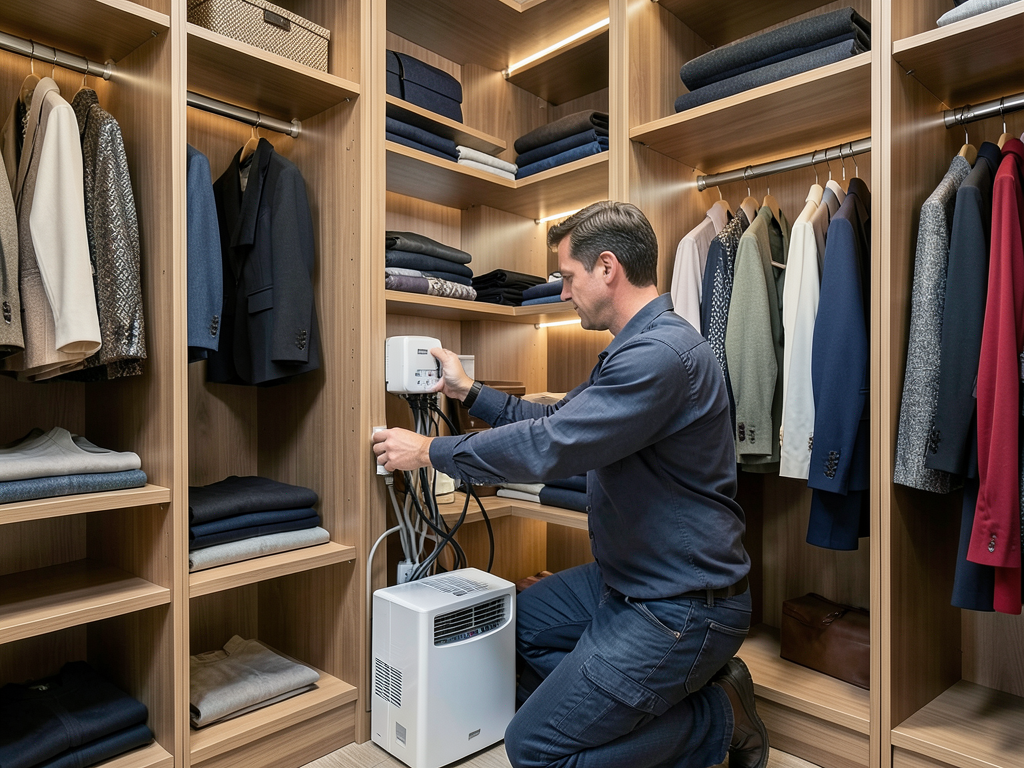
Protecting your Gables Estates walk-in closet from mold and leather damage

Protecting your Gables Estates walk-in closet from mold and leather damage Your walk-in closet in Gables Estates faces a constant…

Smart vents and dampers for fixing uneven cooling in older Coral Terrace houses

Smart vents and dampers for fixing uneven cooling in older Coral Terrace houses If you live in a Coral Terrace…

Contact Us

Your outdoor unit will not fix itself. Call Horizon Heating and Cooling Miami at (786) 789-8277 for same-day condenser fan repair. We diagnose the failure, stock the parts, and restore your cooling fast.