menu

Air Purification Systems in Miami – Whole-Home Solutions That Target Humidity, Mold Spores, and Salt Air Contaminants

Advanced air filtration systems engineered for Miami's tropical climate remove airborne allergens, bacteria, and volatile organic compounds circulating through your central HVAC system 24/7.

Slider Image 1
Slider Image 2
Slider Image 3
Slider Image 4
Slider Image 5
Slider Image 7
Slider Image 8
Slider Image 9
Slider Image 10
Slider Image 11

Why Miami's Air Quality Demands More Than Standard Filtration

Miami's subtropical humidity creates a breeding ground for mold spores, dust mites, and airborne bacteria that standard HVAC filters cannot capture. When outdoor humidity levels hover between 70% and 90% year-round, your indoor air becomes saturated with microscopic contaminants that recirculate through your ventilation system every time your AC runs.

Salt air from the Atlantic Ocean carries particulate matter inland, coating HVAC components and introducing corrosive particles into your ductwork. These particles settle in return air grilles, accumulate on evaporator coils, and get pushed back into living spaces during cooling cycles. Standard one-inch pleated filters capture only larger debris like pet hair and visible dust, allowing particles smaller than 10 microns to pass through freely.

Residents in Coral Gables, Coconut Grove, and Brickell face additional challenges from urban pollution, construction dust, and vehicle emissions that penetrate building envelopes through windows, doors, and HVAC intake vents. Without proper air cleaning systems, these contaminants trigger allergies, aggravate asthma, and reduce indoor air quality to levels that impact sleep, concentration, and respiratory health.

Whole-house air purifiers integrate directly into your existing HVAC infrastructure, treating every cubic foot of air that passes through your system. Unlike portable units that clean a single room, central air cleaners work continuously to remove particles as small as 0.3 microns, eliminating mold spores, pollen, bacteria, and volatile organic compounds before they reach your lungs. HVAC air purifiers offer the only scalable solution for homes with open floor plans, multiple levels, or central cooling systems that serve more than 2,000 square feet.

Why Miami's Air Quality Demands More Than Standard Filtration
How Medical-Grade Filtration Integrates With Your HVAC System

How Medical-Grade Filtration Integrates With Your HVAC System

Air filtration systems designed for Miami homes require precise integration with your existing air handler, ductwork, and blower motor to avoid airflow restriction and premature equipment failure. We start by measuring static pressure across your current filter rack to determine how much additional resistance your blower can handle without overworking the motor or reducing cooling capacity.

Most whole-house air purifiers fall into three categories based on filtration method. Media air cleaners use pleated filter cartridges with MERV ratings between 11 and 16, capturing particles through mechanical filtration without producing ozone or requiring electrical connections. Electronic air cleaners use ionization to charge particles, then collect them on oppositely charged plates that require monthly cleaning. Hybrid systems combine mechanical filtration with UV-C germicidal lights that sterilize mold spores and bacteria as air passes through the treatment chamber.

We analyze your ductwork layout to identify the optimal installation point, usually between the return air plenum and the air handler cabinet. This location treats air before it reaches your evaporator coil, preventing biological growth on the coil fins and drain pan. For homes with multiple return air grilles, we install the central air cleaner at the main trunk line to ensure complete air treatment before distribution to individual rooms.

Your blower motor's CFM rating determines which air purification systems will work without causing pressure drop issues. We calculate your system's total external static pressure, then select a filtration unit that adds no more than 0.5 inches of water column to avoid reducing airflow below manufacturer specifications. This engineering step prevents short cycling, frozen coils, and compressor damage that result from improper filtration upgrades.

What Happens During Your Air Purification System Installation

Air Purification Systems in Miami – Whole-Home Solutions That Target Humidity, Mold Spores, and Salt Air Contaminants
01

System Compatibility Assessment

We measure your air handler's dimensions, photograph your current filter configuration, and use a manometer to test static pressure at supply and return plenums. This diagnostic reveals whether your blower motor can support upgraded filtration without modifications. We inspect your evaporator coil for existing mold growth, check drain pan condition, and document ductwork integrity to identify air leakage points that reduce filtration efficiency.
02

Precision Duct Integration

Our installation team fabricates custom transition fittings that connect the air cleaner cabinet to your existing return air plenum without gaps or bypass leaks. We cut sheet metal access panels, seal all joints with mastic, and mount the filtration housing using vibration isolators that prevent rattling during blower operation. For electronic models, we run dedicated electrical circuits and install transformer modules that regulate ionization voltage.
03

Airflow Verification and Calibration

After installation, we restart your HVAC system and use digital instruments to verify that static pressure remains within acceptable limits and airflow velocity matches your equipment's design specifications. We adjust blower speed settings if needed, test all electrical connections, and document baseline particle counts using a laser particle counter. You receive a maintenance schedule detailing when to replace filter media or clean ionizer plates based on your home's specific contamination levels.

Why Miami Homeowners Trust Local HVAC Expertise for Air Quality

Air purification systems fail when installed by technicians unfamiliar with Miami-Dade County's building codes, high humidity challenges, and salt air corrosion patterns. Generic installations ignore duct sealing requirements, skip static pressure testing, and overlook the need for UV-resistant components in coastal environments where UV light from windows accelerates plastic degradation.

Horizon Heating and Cooling Miami understands that homes built before 2002 often lack adequate return air pathways, creating negative pressure that pulls humid outdoor air through wall cavities and window frames. We identify these deficiencies during our assessment and recommend duct modifications that prevent your new air filtration system from fighting against unfiltered infiltration air. Our team knows which manufacturers use marine-grade electrical components that resist corrosion in the 33139, 33149, and 33156 zip codes where salt spray accelerates metal oxidation.

Local expertise matters when matching filtration technology to Miami's microbial profile. Homes near Biscayne Bay face different contamination sources than properties in Westchester or Kendall. We analyze your specific exposure risks based on proximity to construction sites, major roadways, industrial zones, and wetland areas that produce elevated mold spore counts. This geographic knowledge allows us to recommend whether you need MERV 13 mechanical filtration, UV-C germicidal treatment, or activated carbon filtration to address volatile organic compounds from nearby refineries.

We maintain relationships with local suppliers who stock replacement filters sized for South Florida's most common air handler models. This means you get overnight access to consumables instead of waiting for shipments from out-of-state distributors. Our service database tracks your filter change intervals based on Miami's actual pollen seasons, not generic six-month schedules that ignore local environmental conditions.

What You Can Expect From Professional Air Purification Installation

Installation Timeline and Scheduling

Most whole-house air purifier installations take between four and six hours depending on ductwork accessibility and electrical requirements. We schedule appointments during weekday mornings to minimize disruption and complete work before Miami's afternoon heat peaks. Our trucks carry common sheet metal fabrication tools, allowing us to create custom fittings on-site without delaying your project for special order components. You can use your HVAC system the same day once we complete airflow verification testing and confirm all electrical connections meet code requirements.

Pre-Installation Evaluation Process

We begin with a detailed inspection of your air handler, measuring cabinet dimensions, testing static pressure, and photographing your current filter configuration. Our technicians check for duct leakage using smoke pencils, inspect evaporator coil condition, and verify that your blower motor operates within manufacturer specifications. This diagnostic identifies potential obstacles before installation begins, preventing mid-project surprises that delay completion. You receive a written assessment explaining which air filtration system models will integrate properly with your existing equipment and why certain options may require duct modifications or electrical upgrades.

Performance Standards and Air Quality Results

Properly installed air purification systems reduce airborne particle counts by 85% to 95% within the first 24 hours of operation. We use laser particle counters to document baseline contamination levels before installation, then retest after your system runs through multiple cooling cycles. You receive printed reports showing particle reduction across different size ranges, from large pollen grains down to submicron bacteria. Most clients notice reduced dust accumulation on furniture within three to five days and report fewer allergy symptoms within two weeks as their HVAC system continuously filters recirculated air.

Maintenance Requirements and Filter Replacement

Media air cleaners require filter cartridge replacement every 12 to 18 months depending on contamination levels and system runtime. Electronic air cleaners need monthly plate cleaning using dishwasher-safe ionizer cells that you can maintain yourself or schedule through our service program. We provide detailed maintenance instructions specific to your installed model, including photos showing proper filter orientation and torque specifications for cabinet fasteners. Our service department sends replacement reminders based on your home's actual usage patterns rather than arbitrary calendar intervals, ensuring optimal filtration performance without premature filter changes that waste money.

Frequently Asked Questions

You Have Questions,
We Have Answers

What is the best home air purifying system? +

The best system depends on your specific needs in Miami's humid climate. Whole-home HEPA systems integrate with your HVAC to trap 99.97% of airborne particles, making them ideal for allergens and mold spores common in South Florida. UV light systems kill bacteria and mold inside ductwork, addressing moisture-related growth. For high humidity areas like Miami, combining HEPA filtration with UV germicidal lights delivers comprehensive protection. Standalone units work for single rooms but cannot match whole-home coverage. Consider your home size, ductwork condition, and whether you need mold control or allergen removal when choosing.

Is there a downside to air purifiers? +

Air purifiers have minimal downsides if properly sized and maintained. Ozone generators can irritate lungs and worsen asthma, so avoid them entirely. HEPA filters require regular replacement every 6-12 months, adding maintenance costs. Undersized units won't circulate enough air for larger Miami homes, wasting energy without results. Some models create white noise that bothers light sleepers. In Miami's humidity, neglected filters grow mold and recirculate spores instead of capturing them. Ionic purifiers produce trace ozone as a byproduct. Choose HEPA-based systems, replace filters on schedule, and size units correctly to avoid these issues.

Are air purification systems worth it? +

Air purification systems are worth it for Miami residents dealing with high humidity, mold spores, and allergens year-round. South Florida's moisture creates ideal conditions for mold growth inside HVAC systems and living spaces. Air purifiers reduce asthma triggers, pet dander, and pollen that circulate through your home. They also capture outdoor pollutants that enter through windows and doors. For families with respiratory conditions or allergies, the health benefits outweigh costs. Systems pay for themselves by reducing medical visits and improving sleep quality. In Miami's climate, air purification is preventive maintenance for your respiratory health.

What is an air purification system? +

An air purification system removes contaminants from indoor air through mechanical or electronic filtration. HEPA filters trap particles as small as 0.3 microns, including dust, pollen, and mold spores. UV light systems use germicidal radiation to kill bacteria and viruses inside ductwork. Activated carbon filters absorb odors and volatile organic compounds. Whole-home systems integrate with your HVAC, treating air throughout your entire house. Portable units serve individual rooms. In Miami, these systems address high humidity challenges by reducing mold spores and allergens that thrive in South Florida's subtropical climate.

How much does a whole-house air purification system cost? +

Whole-house air purification systems vary widely based on technology and installation complexity. Basic HEPA filter upgrades for existing HVAC systems start lower, while advanced UV germicidal systems with multi-stage filtration cost more. Installation factors include ductwork modifications, electrical requirements, and system integration. In Miami, expect higher costs for systems addressing humidity and mold concerns specific to South Florida. Professional installation ensures proper sizing and efficiency. Replacement filters add ongoing costs, typically required every 6-12 months. Contact local HVAC contractors for accurate quotes based on your home size and specific air quality needs.

What air purifier do consumer reports recommend? +

Consumer Reports evaluates portable air purifiers annually, rating models on particle removal, noise levels, and energy efficiency. They typically recommend HEPA-certified units from manufacturers with proven track records. For whole-home systems, they favor integrated HVAC solutions over standalone units for comprehensive coverage. In Miami's climate, look for models that handle high humidity without filter degradation. Consumer Reports tests focus on CADR ratings, which measure clean air delivery rate. Check their current year rankings for specific model recommendations. Professional HVAC contractors can match Consumer Reports findings to whole-home systems appropriate for South Florida conditions.

What are signs you need an air purifier? +

You need an air purifier if you experience persistent allergy symptoms indoors, wake with congestion, or notice musty odors in your Miami home. Visible dust accumulation despite regular cleaning indicates poor air circulation. Family members with asthma or respiratory issues signal compromised air quality. Mold spots on walls or in AC vents are red flags in South Florida's humidity. Pet owners dealing with dander buildup benefit from filtration. If you live near busy roads or industrial areas, outdoor pollutants infiltrate your home. Frequent sinus infections or headaches that improve when you leave home indicate air quality problems.

Is it okay to sleep with an air purifier on all night? +

Running an air purifier all night is safe and beneficial for sleep quality. Continuous operation maintains consistent air filtration, removing allergens and irritants that accumulate overnight. Most modern units operate quietly on low settings, producing white noise that helps some people sleep better. In Miami's humid climate, overnight operation prevents mold spore buildup while you sleep. Air purifiers consume minimal electricity, similar to a light bulb. HEPA filters work best with constant airflow rather than intermittent use. Place the unit across the room from your bed to avoid direct airflow. Clean or replace filters regularly to maintain efficiency.

What to avoid when buying an air purifier? +

Avoid ozone generators marketed as air purifiers. They produce lung irritants and do not effectively remove particles. Skip undersized units that cannot handle your room's square footage. They waste energy without adequate air circulation. Avoid proprietary filter systems with expensive replacements. Choose standard HEPA filters for cost-effective maintenance. In Miami, avoid units without moisture-resistant filters. They grow mold in high humidity. Skip models making unverified health claims about curing diseases. Avoid ionizers as primary filtration. They produce minimal particle removal compared to HEPA systems. Check CADR ratings before purchase to ensure adequate performance for your space.

Where is the best place to put an air purifier in your home? +

Place air purifiers where you spend the most time, typically bedrooms and living areas. Position units at least three feet from walls and furniture to allow proper air circulation. In Miami homes, place purifiers near return air vents to work with your HVAC system. Avoid corners where airflow stagnates. Keep units away from curtains and obstacles that block intake or output. For bedroom placement, position across the room from your bed rather than on nightstands. In open floor plans, central placement maximizes coverage. Avoid bathrooms and laundry rooms where humidity damages filters. Elevate units slightly for better air intake in humid South Florida conditions.

How Miami's Humidity and Salt Air Accelerate Indoor Contamination

Miami's year-round humidity levels above 70% create ideal conditions for mold spore germination inside HVAC ductwork and on evaporator coils. When outdoor air enters your home through door openings, window seals, or ventilation intakes, moisture condenses on cold surfaces and provides the damp environment needed for Aspergillus, Cladosporium, and Stachybotrys growth. Salt particles carried inland from the Atlantic Ocean settle on duct interiors and mix with organic debris to form a substrate that accelerates microbial colonization. Without continuous air purification systems, these contaminants multiply during cooling cycles and distribute throughout your home every time your blower runs.

Miami-Dade County requires mechanical ventilation in homes built after 2002, which introduces outdoor air directly into your HVAC system to meet fresh air exchange standards. This requirement makes central air cleaners necessary rather than optional, because code-mandated outdoor air intake brings unfiltered pollen, mold spores, and particulate matter into your ductwork continuously. Local HVAC professionals understand how to balance ventilation requirements with filtration needs, ensuring your system meets building codes while maintaining indoor air quality. Horizon Heating and Cooling Miami installs air filtration systems that integrate with ventilation dampers and comply with Florida Mechanical Code Chapter 4, giving you both code compliance and measurable air quality improvement.
Heating and Cooling Services in The Miami Area

Need dependable HVAC service near you? Horizon Heating and Cooling Miami proudly serves homes and businesses across the Miami metro area with top-rated heating and cooling repairs, installations, and emergency services. Whether you’re in Kendall, Doral, or Aventura, our expert technicians are just a call away. Check the map below to explore our coverage zones and get fast, professional HVAC help in your neighborhood.

Address:
Horizon Heating and Cooling Miami, 1221 Brickell Ave, Miami, FL, 33131

Additional Services We Offer

Our news updates

Latest Articles & News from The Blogs

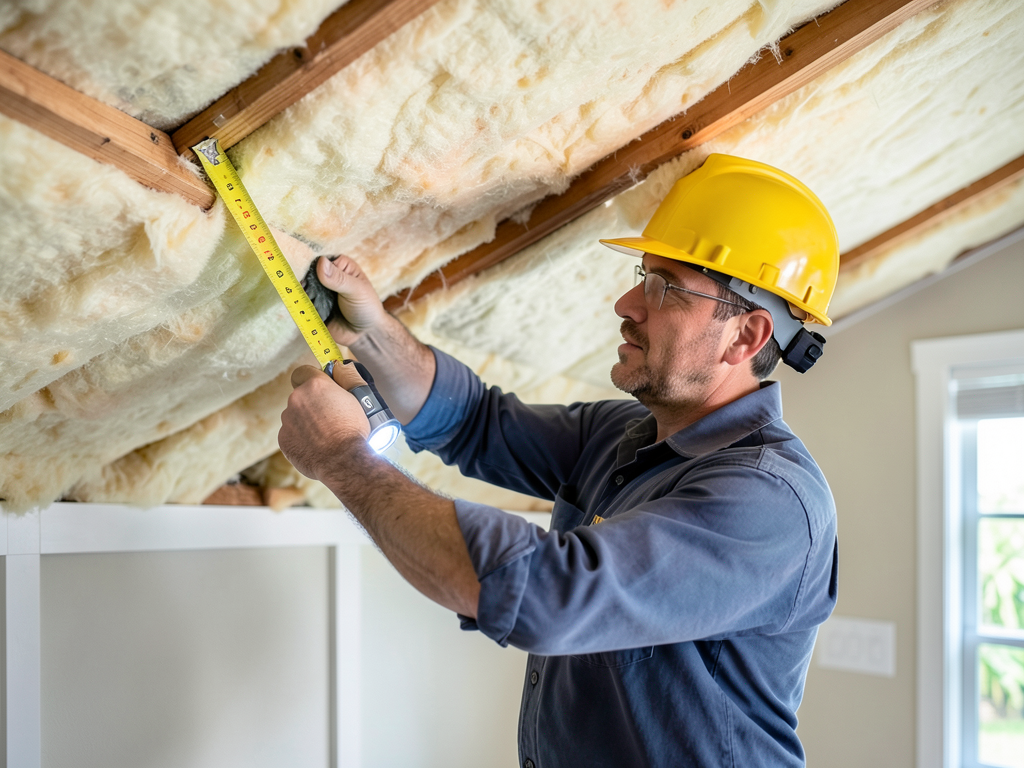
How to tell if your attic insulation has flattened and is making your North Miami Beach home hotter Your attic…

How to tell if your attic insulation has flattened and is making your North Miami Beach home hotter

How to tell if your attic insulation has flattened and is making your North Miami Beach home hotter Your attic…

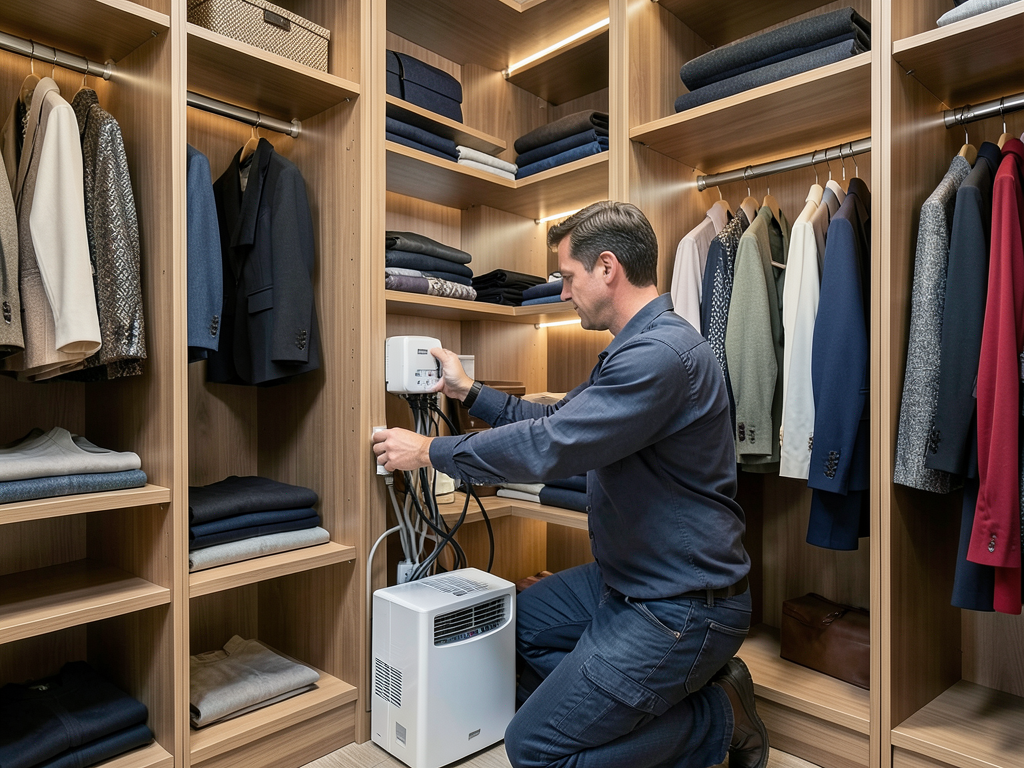
Protecting your Gables Estates walk-in closet from mold and leather damage

Protecting your Gables Estates walk-in closet from mold and leather damage Your walk-in closet in Gables Estates faces a constant…

Smart vents and dampers for fixing uneven cooling in older Coral Terrace houses

Smart vents and dampers for fixing uneven cooling in older Coral Terrace houses If you live in a Coral Terrace…

Contact Us

Stop breathing recirculated mold spores and allergens. Call Horizon Heating and Cooling Miami at (786) 789-8277 to schedule your air purification system evaluation. We provide same-week appointments, transparent pricing, and installations that meet Miami-Dade mechanical codes.