


Hialeah Gardens sits in the humid subtropical zone where air conditioning runs nine months a year. Summer temperatures regularly hit 92 degrees with 80 percent humidity, creating heat index values over 105 degrees. Your HVAC system does not just cool air. It removes moisture that breeds mold in walls and ruins furniture. It filters saltwater air blown inland from the coast, protecting your lungs and your ductwork from corrosion.
The city sits just miles from the Everglades, where limestone bedrock creates drainage challenges. Ground moisture seeps into concrete slab foundations, making proper dehumidification critical. Many homes in the Palm Springs and Royal Poinciana neighborhoods were built in the 1980s with original ductwork now leaking 30 percent of cooled air into attics. That drives electric bills over 300 dollars monthly during summer.
Miami-Dade County enforces strict building codes after Hurricane Andrew. Your HVAC installation must withstand 175 mph winds and pass inspections that check refrigerant pressures, electrical connections, and condensate drainage. A system installed wrong will fail inspection, void warranties, and leave you sweating while waiting for repairs. Hialeah Gardens homeowners need technicians who know these codes and install systems right the first time.
Horizon Heating and Cooling Miami built our reputation responding to emergency calls in Hialeah Gardens when other companies put you on a waiting list. We staff enough technicians to answer your call today, not next week. Our dispatch system routes the closest available tech to your home within two hours for emergencies. We carry parts for Carrier, Trane, Lennox, Rheem, and Goodman systems on every truck so repairs happen on the first visit.
Our technicians train on Florida-specific HVAC challenges. They understand how salt air corrodes outdoor condenser coils faster than inland locations. They know Miami-Dade requires secondary drain pans under indoor air handlers because flooded homes cost insurance companies millions after condensate line clogs. They recognize when ductwork installed in unconditioned attics loses efficiency because 140-degree attic temperatures make your system work twice as hard.
We do not upsell. When your compressor fails on a 15-year-old system, we give you honest repair versus replacement numbers. We explain that a new compressor costs 1,800 dollars installed but your old system will still have 15-year-old coils, circuit boards, and a blower motor ready to fail. We show you energy savings with new high-efficiency systems and let you decide. No pressure. No games.
Hialeah Gardens families call us back because we show up on time, fix the problem, and charge what we quoted. We pull permits for installations, pass inspections on the first attempt, and warranty our work for a full year. When you call at 9 PM because your AC died and your house is 88 degrees, we answer the phone and send help.

Your AC breaks when temperatures hit 95 degrees and humidity makes your home unbearable. Horizon Heating and Cooling Miami dispatches technicians to Hialeah Gardens within two hours for emergencies. We stock common parts on every truck so most repairs finish the same day. You should not suffer through Florida heat waiting for service.

We diagnose the actual problem, not the most expensive one. Our technicians show you the failed part, explain why it failed, and give you repair options with real numbers. If your system is old and repairs cost more than replacement value, we tell you. If a simple fix gets you through another season, we do that instead.
Miami-Dade County enforces the strictest HVAC codes in Florida. Horizon Heating and Cooling Miami pulls proper permits, installs systems to hurricane wind load standards, and passes inspections on the first attempt. Your installation includes proper refrigerant pressures, secondary drain protection, and electrical connections that meet Florida Building Code requirements without shortcuts.
We service homes from the Westward neighborhood near Okeechobee Road to houses along West 74th Street. We understand how salt air from nearby coastal areas corrodes outdoor units faster. We recognize drainage issues common to properties near the canal systems connecting to the Everglades. Local knowledge means faster diagnosis and repairs that last.
South Florida homes need air conditioning systems that run reliably through brutal summers and handle humidity year-round. Horizon Heating and Cooling Miami provides emergency repair when your system fails, preventive maintenance to stop breakdowns before they happen, and complete installation when old equipment finally dies.
We service all residential HVAC equipment including central air systems, heat pumps, ductless mini-splits, and packaged units. Our technicians handle refrigerant leaks, compressor failures, blower motor problems, thermostat issues, and ductwork repairs. We replace failed capacitors, clean clogged drain lines, and recharge systems with the correct refrigerant type and pressure.
Your air conditioner works harder in Hialeah Gardens than almost anywhere else in America. It runs constantly from May through October, removing gallons of water from your indoor air daily while fighting heat and humidity. That constant operation wears parts faster than northern climates where AC runs a few months yearly. Regular service catches small problems before they become expensive failures. New installations use high-efficiency equipment that cuts electric bills while handling Florida humidity better than old systems.
Your compressor seizes at 2 PM when outside temperature hits 94 degrees. Your blower motor fails on Saturday night. Your refrigerant line develops a leak and your system blows warm air. Horizon Heating and Cooling Miami responds to emergency calls within two hours in Hialeah Gardens. We diagnose the problem, source the right parts, and complete most repairs the same day. Our technicians carry replacement capacitors, contactors, thermostats, and circuit boards for major brands so your family gets relief fast.
Old air conditioners waste electricity and fail to control humidity properly. Horizon Heating and Cooling Miami installs Carrier, Trane, Lennox, and Rheem systems sized correctly for your home. We calculate cooling loads based on square footage, insulation, window placement, and occupancy. We pull Miami-Dade County permits, install equipment to hurricane wind standards, and pass inspections on the first attempt. Your new system includes proper ductwork design, correct refrigerant charge, and programmable thermostats that reduce electric bills while keeping your home comfortable.
Air conditioners that run constantly need regular maintenance to prevent failure. Horizon Heating and Cooling Miami maintenance service includes cleaning condenser coils, checking refrigerant pressures, testing electrical connections, lubricating motors, clearing condensate drains, and replacing air filters. We catch failing capacitors before they burn out compressors. We spot refrigerant leaks while they are small. We clean coils before dirt buildup forces your system to work harder and waste electricity. Regular service extends equipment life and prevents emergency breakdowns during the hottest weather.
Hialeah Gardens sits in a climate that punishes air conditioning systems. Constant heat and humidity force your AC to run longer hours than systems in most American cities. Salt air blown inland from the coast corrodes metal components. Afternoon thunderstorms flood condensate drains with algae. Limestone dust from nearby construction sites clogs outdoor coils. Power surges from summer lightning storms fry circuit boards and capacitors.
Many homes in established neighborhoods like Palm Springs and areas near West 74th Street have original HVAC systems installed 20 or 30 years ago. These old units use R-22 refrigerant that costs 150 dollars per pound now that production stopped. They lack modern humidity control and waste electricity with single-stage compressors that run at full power or shut off completely. Ductwork installed in unconditioned attics leaks cooled air into 140-degree spaces, forcing your system to work twice as hard.
Your HVAC system shows warning signs before complete failure. Understanding these problems helps you call for service before a small issue becomes an expensive emergency requiring full system replacement.
Salt air corrodes copper refrigerant lines and aluminum coil fins faster in Hialeah Gardens than inland locations. Small leaks reduce cooling capacity and force your compressor to run constantly. Your electric bill climbs while your home stays warm. Refrigerant leaks require finding the source, repairing the line, and recharging the system with the correct amount and type of refrigerant for your equipment.
Your air conditioner removes 20 gallons of water daily from indoor air during summer. This water drains through PVC pipes that grow algae in Florida humidity. Clogged drains back up and flood your air handler, dripping through ceilings and ruining drywall. Miami-Dade code requires secondary drain pans and float switches, but older systems lack this protection. Regular drain cleaning prevents water damage.
Capacitors start your compressor and blower motor. Florida heat degrades these electrical components faster than cooler climates. A failed start capacitor leaves your compressor humming but not running, quickly overheating and causing permanent damage. A failed run capacitor makes your compressor struggle, drawing excess amperage and shortening its life. Capacitor replacement costs 200 dollars. Compressor replacement costs 2,000 dollars. Catching capacitor failure early prevents expensive damage.
Flexible ductwork installed in attics deteriorates after 15 years. Connections separate. Joints leak. Rodents chew holes. Your system pumps expensive cooled air into 140-degree attic spaces instead of into your rooms. You notice weak airflow from vents and high electric bills while your thermostat struggles to reach set temperature. Duct sealing and replacement restore efficiency and cut cooling costs by 30 percent.
You call because your home is hot and uncomfortable. You need help fast, not days from now. Horizon Heating and Cooling Miami answers your call with a real person who asks about your problem and schedules service the same day for emergencies.
Our dispatcher gives you a two-hour arrival window and sends your technician's name and photo to your phone. The technician arrives in a marked truck with parts and tools to diagnose and repair most problems immediately. He introduces himself, puts on shoe covers, and listens while you explain the issue.
The diagnostic process takes 20 to 40 minutes depending on the problem. Your technician checks thermostat operation, measures supply and return air temperatures, tests electrical components, checks refrigerant pressures, inspects ductwork connections, and examines your outdoor condenser unit. He explains what he finds in plain language without jargon. He shows you the failed part if possible. He gives you repair options with honest pricing and lets you decide how to proceed. No pressure. No upselling. Just clear information so you can make the right choice for your family and budget.
Our dispatcher asks detailed questions about your problem and schedules service during your preferred time window. We send your technician's information to your phone so you know who is coming. Your technician calls 20 minutes before arrival. He explains the problem clearly, answers your questions without technical jargon, and provides written estimates before starting work. You approve the cost before we begin repairs. No surprise charges. No hidden fees.
Horizon Heating and Cooling Miami technicians carry replacement parts for Carrier, Trane, Lennox, Rheem, Goodman, and other major brands on every truck. We stock capacitors, contactors, thermostats, circuit boards, and blower motors for common repairs. Most service calls finish the same day without ordering parts or scheduling return visits. When we do need special components, we source them quickly from local suppliers and return within 24 hours.
We warranty all repairs for one full year including parts and labor. If something fails because of our work, we return and fix it at no charge. New system installations include manufacturer warranties on equipment plus our labor warranty. We pull proper permits for installations, pass Miami-Dade County inspections on the first attempt, and provide you with copies of all inspection certificates. Your installation meets Florida Building Code requirements without shortcuts.
Emergency HVAC repair follows a simple three-step process designed to get your home comfortable again as quickly as possible. We diagnose the actual problem, explain your options clearly, and complete the repair efficiently.
Your technician arrives within your scheduled window, introduces himself, and listens while you describe the problem. He tests your thermostat operation, measures supply and return air temperatures, checks electrical components with meters, tests refrigerant pressures, inspects indoor and outdoor units, and examines ductwork. This thorough diagnostic process takes 20 to 40 minutes and identifies the root cause, not just symptoms. He explains what failed and why in plain language you can understand.
Your technician provides a written estimate for repair with honest pricing. If your system is old, he explains repair costs versus replacement value so you can make an informed decision. He answers your questions without pressure or upselling. You approve the work and cost before he starts the repair. For major replacements, he schedules installation at your convenience and explains the timeline, permit requirements, and what to expect during the work.
Your technician completes the repair using quality parts from his truck. He tests the system thoroughly after repair, measuring temperatures, checking pressures, and confirming proper operation. He cleans up his work area, shows you the old failed part, and explains how to prevent similar problems. He provides a written invoice with warranty information. For installations, we schedule final inspection, pass on the first attempt, and provide you with copies of all permits and certificates.
Miami-Dade County enforces the Florida Building Code with additional requirements based on lessons learned from Hurricane Andrew. Your HVAC installation must meet strict standards for wind resistance, electrical safety, refrigerant handling, and condensate drainage. These codes protect your home and ensure your system operates safely and efficiently.
All HVAC installations require permits from Miami-Dade Building Department. Your contractor submits plans showing equipment locations, ductwork design, electrical connections, and refrigerant line routing. The inspector checks that outdoor units are anchored to concrete pads with hurricane straps rated for 175 mph winds. He verifies that refrigerant lines are brazed properly, not simply coupled with compression fittings that leak. He tests that electrical disconnects are installed within sight of the outdoor unit and that wire gauge matches the equipment amperage draw.
Indoor air handlers require secondary drain pans with independent drainage and float switches that shut down the system if the primary condensate drain clogs. This prevents the catastrophic water damage that occurred in thousands of homes when drain lines backed up during Hurricane Wilma. The inspector verifies proper drain installation and tests the float switch operation.
Refrigerant handling follows EPA Section 608 regulations. Technicians must hold EPA certification to purchase, handle, and charge systems with refrigerant. They must recover old refrigerant rather than venting it to atmosphere. They must charge systems by weight or subcooling method to manufacturer specifications, not by guessing or using old rule-of-thumb methods. Incorrect refrigerant charge reduces efficiency, damages compressors, and voids warranties.
Ductwork design follows Manual D calculations that size supply runs based on airflow requirements for each room. Undersized ducts create high static pressure that overworks blower motors and reduces airflow. Oversized ducts waste money and space. Proper duct sealing uses mastic or approved foil tape at all joints. Standard cloth duct tape fails in attic heat. Return air ductwork must be sealed completely because leaks pull unconditioned attic air into your system, wasting energy and introducing dust into your home.
Modern residential systems use R-410A refrigerant that operates at higher pressures than old R-22 systems. Installation requires matching components designed for higher pressures. Mixing old and new components causes failures. Systems must include filter driers that remove moisture and contaminants from refrigerant. Moisture in the system forms acids that corrode copper lines and damage compressors.
Miami-Dade County requires outdoor condensing units anchored to concrete pads with hurricane straps rated for 175 mph winds. Refrigerant lines must be secured to prevent wind damage. Electrical disconnects mount in weatherproof enclosures. These standards prevent equipment damage during hurricanes and tropical storms that strike South Florida regularly. Proper installation protects your investment and maintains insurance coverage.
Proper HVAC sizing uses Manual J load calculations that factor your home's square footage, insulation values, window area, orientation, and occupancy. Oversized systems short-cycle and fail to remove humidity. Undersized systems run constantly and never cool properly. A three-ton system costs the same to install as a four-ton system, but the correctly-sized unit saves hundreds yearly on electricity while controlling humidity better.
EPA Section 608 requires technicians to hold certification before handling refrigerants. Proper charging uses manufacturer specifications, not guesses. Systems must be evacuated to remove moisture before charging. Moisture creates acids that corrode copper lines and destroy compressors. Horizon Heating and Cooling Miami technicians hold current EPA certifications and use calibrated gauges and scales to charge systems correctly.
Miami-Dade code requires secondary drain pans under indoor air handlers installed in attics or above living spaces. The pan drains independently from the primary condensate line. A float switch in the pan shuts down your system if the primary drain clogs, preventing water from dripping through ceilings and ruining drywall. This code requirement prevents water damage that costs thousands to repair.
This video explains common HVAC failures affecting Hialeah Gardens homeowners including refrigerant leaks from salt air corrosion, clogged condensate drains, failed capacitors, and ductwork problems. Learn warning signs of system failure, what repairs cost, and Miami-Dade County code requirements for HVAC installation. Horizon Heating and Cooling Miami provides emergency repair, system replacement, and maintenance service throughout Hialeah Gardens with same-day response for AC failures.
Horizon Heating and Cooling Miami serves residential customers throughout Hialeah Gardens and neighboring communities in northwest Miami-Dade County. Our technicians respond quickly to homes in established neighborhoods like Palm Springs near West 74th Street, properties along West 84th Street and Okeechobee Road, and newer developments in the Westward area.
Hialeah Gardens sits between Hialeah to the east and the Everglades to the west, creating unique HVAC challenges. Homes near the canal systems and retention ponds fight higher humidity levels than properties a few miles inland. Salt air blown from the coast corrodes outdoor condenser units faster in this area than in central Florida. We understand these local factors and recommend equipment and maintenance schedules that handle the conditions your home faces.
Many homes in the Royal Poinciana neighborhood and areas near Okeechobee Road were built in the 1980s and 1990s with original HVAC systems nearing end of life. These older systems use R-22 refrigerant that costs 150 dollars per pound now that production ended. They lack modern humidity control and waste electricity with outdated single-stage compressors. We help homeowners in these established neighborhoods evaluate repair versus replacement decisions honestly.
We also service newer homes in developments west of Northwest 107th Avenue where modern subdivisions meet the Everglades buffer zone. These properties often have builder-grade HVAC systems installed to minimum code requirements. Upgrading to higher-efficiency equipment or adding proper dehumidification makes these homes more comfortable while reducing electric bills.
Our service area extends to neighboring communities including Hialeah, Miami Lakes, and Medley. We respond to calls along major corridors like Okeechobee Road, Northwest 138th Street, and the Palmetto Expressway. Our central location allows us to reach most service calls in Hialeah Gardens within 30 to 45 minutes during normal traffic conditions.
The proximity to Miami International Airport and the industrial areas along Northwest 74th Street means many Hialeah Gardens residents work shifts that require flexible service scheduling. We accommodate evening and weekend appointments for homeowners who cannot take time off work. Our emergency service operates seven days a week because air conditioning failures do not wait for business hours.
Hialeah Gardens homes face the same brutal summer heat and humidity as the rest of South Florida, but the area's location near the Everglades creates additional moisture challenges. Proper HVAC design includes equipment sized to handle both temperature and humidity loads. We help homeowners throughout Hialeah Gardens select and maintain systems that keep their families comfortable year-round while managing the electricity costs that come with constant air conditioner operation.
The $5000 AC rule relates to IRS tax code. If your AC replacement costs under $5000, you may deduct it as a repair expense. If it exceeds $5000, the IRS treats it as a capital improvement, which you must depreciate over time instead of deducting immediately. This threshold matters for rental properties and home offices in Hialeah Gardens. Keep all receipts and invoices. The rule applies to the total system cost, including labor and parts. Consult a tax professional to determine if your specific situation qualifies, especially with Florida's high replacement costs due to humidity and year-round use.
A new HVAC system in Florida typically ranges from several thousand dollars to mid-range pricing, depending on system size, efficiency rating, and installation complexity. Hialeah Gardens homes face unique demands from constant humidity and heat, which drive residents toward higher SEER units for better efficiency. Factors affecting cost include ductwork condition, system tonnage, refrigerant type, and whether you choose a heat pump or standard AC. Older homes with outdated ductwork or electrical panels require additional work. Get multiple quotes from licensed contractors familiar with South Florida building codes and hurricane-resistant installation requirements.
For a 2000 square foot house in Hialeah Gardens, expect AC installation costs in the mid-to-upper range, depending on system efficiency and existing infrastructure. South Florida's climate demands properly sized equipment. A 2000 square foot home typically needs a 3.5 to 4-ton unit, but factors like insulation quality, window placement, ceiling height, and sun exposure affect sizing. Homes built before updated energy codes may need ductwork modifications. Choose a contractor who performs Manual J load calculations rather than guessing based on square footage alone. Proper sizing prevents short cycling and humidity problems common in our area.
The $5000 AC rule relates to IRS tax code. If your AC replacement costs under $5000, you may deduct it as a repair expense. If it exceeds $5000, the IRS treats it as a capital improvement, which you must depreciate over time instead of deducting immediately. This threshold matters for rental properties and home offices in Hialeah Gardens. Keep all receipts and invoices. The rule applies to the total system cost, including labor and parts. Consult a tax professional to determine if your specific situation qualifies, especially with Florida's high replacement costs due to humidity and year-round use.
A new HVAC system in Florida typically ranges from several thousand dollars to mid-range pricing, depending on system size, efficiency rating, and installation complexity. Hialeah Gardens homes face unique demands from constant humidity and heat, which drive residents toward higher SEER units for better efficiency. Factors affecting cost include ductwork condition, system tonnage, refrigerant type, and whether you choose a heat pump or standard AC. Older homes with outdated ductwork or electrical panels require additional work. Get multiple quotes from licensed contractors familiar with South Florida building codes and hurricane-resistant installation requirements.
For a 2000 square foot house in Hialeah Gardens, expect AC installation costs in the mid-to-upper range, depending on system efficiency and existing infrastructure. South Florida's climate demands properly sized equipment. A 2000 square foot home typically needs a 3.5 to 4-ton unit, but factors like insulation quality, window placement, ceiling height, and sun exposure affect sizing. Homes built before updated energy codes may need ductwork modifications. Choose a contractor who performs Manual J load calculations rather than guessing based on square footage alone. Proper sizing prevents short cycling and humidity problems common in our area.
Several large HVAC contractors operate across Florida, including national chains and regional companies with multiple locations. The largest contractor by location count may not be the best choice for Hialeah Gardens residents. Size does not guarantee quality service, faster response times, or knowledge of local building codes. Many homeowners prefer established local contractors who understand South Florida's specific challenges like humidity control, salt air corrosion near the coast, and hurricane preparedness. Local companies often provide more personalized service and faster emergency response than corporate chains. Research customer reviews and verify licensing before choosing any contractor.
You may write off a new AC unit on your taxes under specific conditions. For rental properties, AC replacement is typically deductible as a repair expense if under $5000, or depreciated if over that threshold. For primary residences, standard replacements are not deductible. However, energy-efficient systems may qualify for federal tax credits under the Inflation Reduction Act. Check current IRS guidelines, as credits change yearly. Medical necessity deductions exist in rare cases with doctor documentation. Home office users may qualify for partial deductions. Always consult a tax professional familiar with Florida property rules before claiming HVAC expenses.
A new HVAC system for 1500 square feet in Hialeah Gardens typically falls in the moderate price range, depending on efficiency and installation factors. A home this size usually requires a 2.5 to 3-ton unit. Your actual cost depends on SEER rating, existing ductwork condition, thermostat upgrades, and whether you install a basic system or high-efficiency unit. South Florida's climate justifies higher SEER ratings for long-term savings. Homes with poor insulation or older windows may need larger units. Request load calculations from contractors. Avoid companies that quote over the phone without inspecting your home and ductwork.
The 3-minute rule for AC requires waiting three minutes between system shutdowns and restarts. This delay protects the compressor by allowing refrigerant pressure to equalize throughout the system. Starting the compressor against high pressure causes mechanical stress and potential failure. Most modern thermostats have built-in delay circuits. In Hialeah Gardens, where AC units run constantly during summer months, this protection prevents premature compressor burnout. If you lose power during a storm, the delay feature prevents damage when electricity returns. Never rapidly cycle your thermostat on and off. Respect the delay to extend your equipment lifespan and avoid expensive repairs.
A 2000 square foot house in Florida typically needs a 3.5 to 4-ton air conditioner, but square footage alone does not determine proper sizing. Hialeah Gardens homes require Manual J load calculations that account for insulation levels, window orientation, ceiling height, roof color, and occupancy patterns. South Florida's intense sun and humidity increase cooling demands. Oversized units short cycle, causing poor humidity control and higher bills. Undersized units run constantly and fail prematurely. A qualified contractor measures your specific home rather than guessing. Proper sizing ensures comfort, efficiency, and equipment longevity in our demanding climate.
Replace your HVAC system in Florida every 10 to 15 years, depending on maintenance quality and usage intensity. Hialeah Gardens homes run AC nearly year-round, accelerating wear compared to northern climates. High humidity and salt air near the coast corrode components faster. Systems older than 12 years often use outdated refrigerants and have declining efficiency. Watch for frequent repairs, rising energy bills, inconsistent temperatures, and poor humidity control. Well-maintained systems with annual tune-ups last longer. If your unit uses R-22 refrigerant, replacement makes financial sense since R-22 prices have skyrocketed. Modern high-efficiency systems pay for themselves through lower operating costs.
A 16 SEER system is better than 13 SEER for Hialeah Gardens homes. Higher SEER ratings mean better efficiency and lower monthly bills. Since AC runs nearly 24/7 in South Florida, the energy savings add up quickly. A 16 SEER unit costs more upfront but pays back through reduced electricity consumption. It also provides better humidity control, which matters in our muggy climate. Newer homes must meet minimum efficiency standards above 13 SEER. A 16 SEER system reduces environmental impact and increases home value. The comfort improvement and long-term savings justify the initial investment for year-round cooling demands.
Several large HVAC contractors operate across Florida, including national chains and regional companies with multiple locations. The largest contractor by location count may not be the best choice for Hialeah Gardens residents. Size does not guarantee quality service, faster response times, or knowledge of local building codes. Many homeowners prefer established local contractors who understand South Florida's specific challenges like humidity control, salt air corrosion near the coast, and hurricane preparedness. Local companies often provide more personalized service and faster emergency response than corporate chains. Research customer reviews and verify licensing before choosing any contractor.
You may write off a new AC unit on your taxes under specific conditions. For rental properties, AC replacement is typically deductible as a repair expense if under $5000, or depreciated if over that threshold. For primary residences, standard replacements are not deductible. However, energy-efficient systems may qualify for federal tax credits under the Inflation Reduction Act. Check current IRS guidelines, as credits change yearly. Medical necessity deductions exist in rare cases with doctor documentation. Home office users may qualify for partial deductions. Always consult a tax professional familiar with Florida property rules before claiming HVAC expenses.
A new HVAC system for 1500 square feet in Hialeah Gardens typically falls in the moderate price range, depending on efficiency and installation factors. A home this size usually requires a 2.5 to 3-ton unit. Your actual cost depends on SEER rating, existing ductwork condition, thermostat upgrades, and whether you install a basic system or high-efficiency unit. South Florida's climate justifies higher SEER ratings for long-term savings. Homes with poor insulation or older windows may need larger units. Request load calculations from contractors. Avoid companies that quote over the phone without inspecting your home and ductwork.
The 3-minute rule for AC requires waiting three minutes between system shutdowns and restarts. This delay protects the compressor by allowing refrigerant pressure to equalize throughout the system. Starting the compressor against high pressure causes mechanical stress and potential failure. Most modern thermostats have built-in delay circuits. In Hialeah Gardens, where AC units run constantly during summer months, this protection prevents premature compressor burnout. If you lose power during a storm, the delay feature prevents damage when electricity returns. Never rapidly cycle your thermostat on and off. Respect the delay to extend your equipment lifespan and avoid expensive repairs.
A 2000 square foot house in Florida typically needs a 3.5 to 4-ton air conditioner, but square footage alone does not determine proper sizing. Hialeah Gardens homes require Manual J load calculations that account for insulation levels, window orientation, ceiling height, roof color, and occupancy patterns. South Florida's intense sun and humidity increase cooling demands. Oversized units short cycle, causing poor humidity control and higher bills. Undersized units run constantly and fail prematurely. A qualified contractor measures your specific home rather than guessing. Proper sizing ensures comfort, efficiency, and equipment longevity in our demanding climate.
Replace your HVAC system in Florida every 10 to 15 years, depending on maintenance quality and usage intensity. Hialeah Gardens homes run AC nearly year-round, accelerating wear compared to northern climates. High humidity and salt air near the coast corrode components faster. Systems older than 12 years often use outdated refrigerants and have declining efficiency. Watch for frequent repairs, rising energy bills, inconsistent temperatures, and poor humidity control. Well-maintained systems with annual tune-ups last longer. If your unit uses R-22 refrigerant, replacement makes financial sense since R-22 prices have skyrocketed. Modern high-efficiency systems pay for themselves through lower operating costs.
A 16 SEER system is better than 13 SEER for Hialeah Gardens homes. Higher SEER ratings mean better efficiency and lower monthly bills. Since AC runs nearly 24/7 in South Florida, the energy savings add up quickly. A 16 SEER unit costs more upfront but pays back through reduced electricity consumption. It also provides better humidity control, which matters in our muggy climate. Newer homes must meet minimum efficiency standards above 13 SEER. A 16 SEER system reduces environmental impact and increases home value. The comfort improvement and long-term savings justify the initial investment for year-round cooling demands.
Need dependable HVAC service near you? Horizon Heating and Cooling Miami proudly serves homes and businesses across the Miami metro area with top-rated heating and cooling repairs, installations, and emergency services. Whether you’re in Kendall, Doral, or Aventura, our expert technicians are just a call away. Check the map below to explore our coverage zones and get fast, professional HVAC help in your neighborhood.
Address:
Hialeah Gardens, FL, 33178
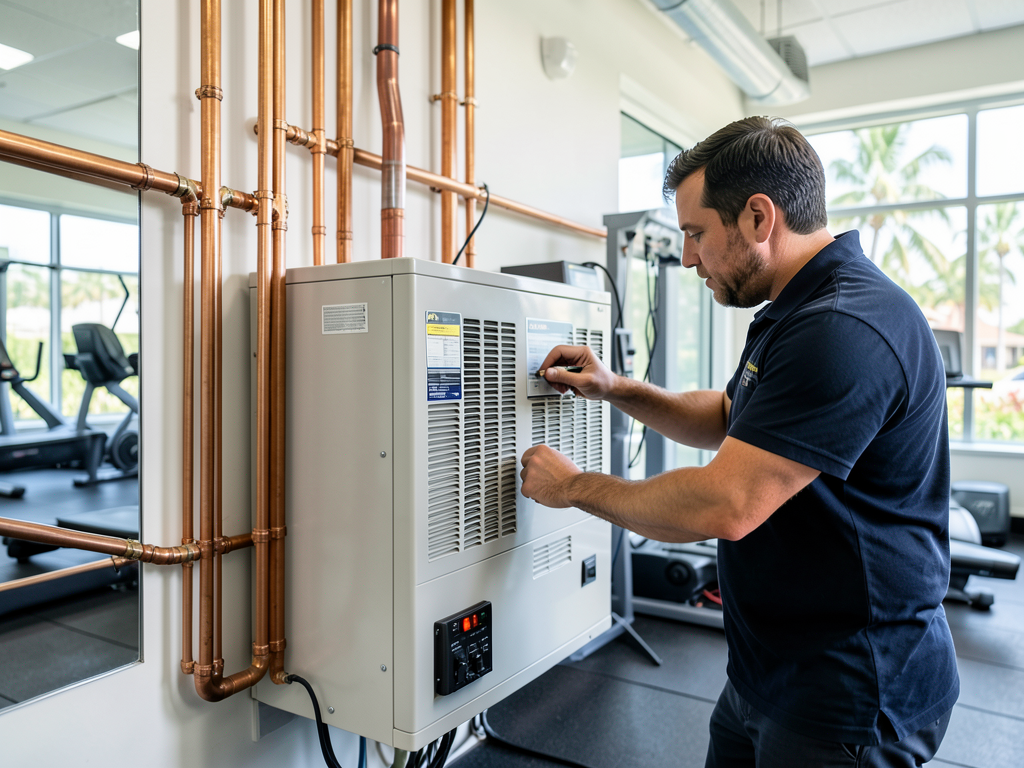
Managing the humidity in your Sunset Harbour gym or yoga studio for better air quality High humidity in Miami gyms creates more than discomfort. It accelerates equipment rust, promotes mold growth, and drives up energy…
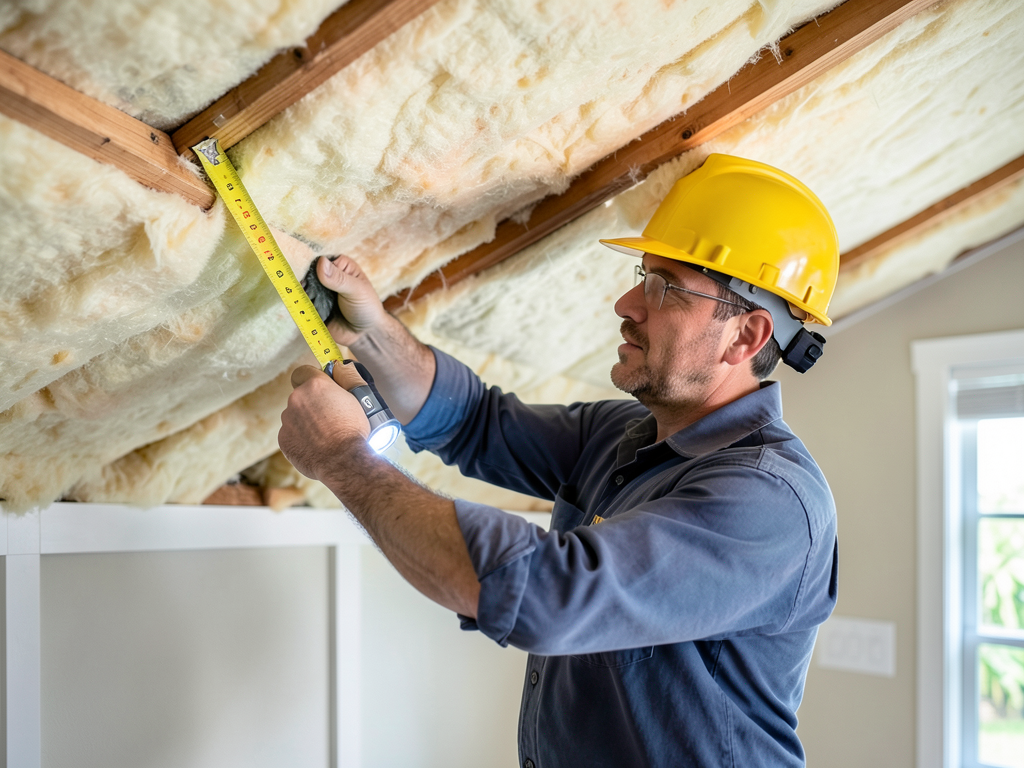
How to tell if your attic insulation has flattened and is making your North Miami…
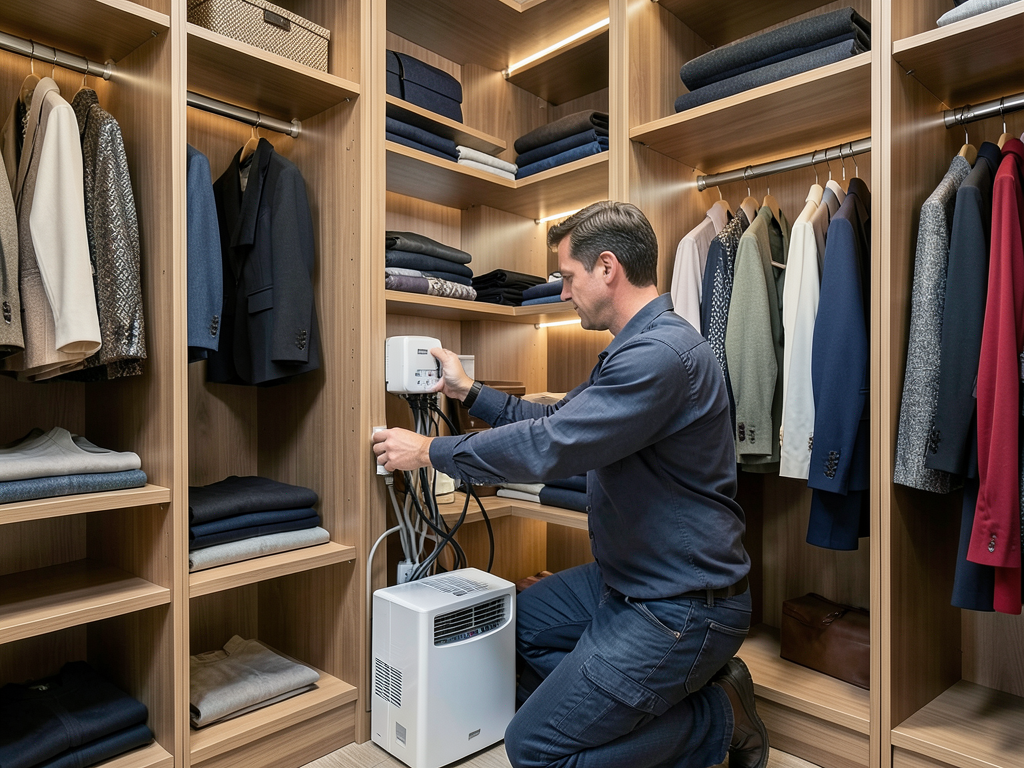
Protecting your Gables Estates walk-in closet from mold and leather damage Your walk-in closet in…
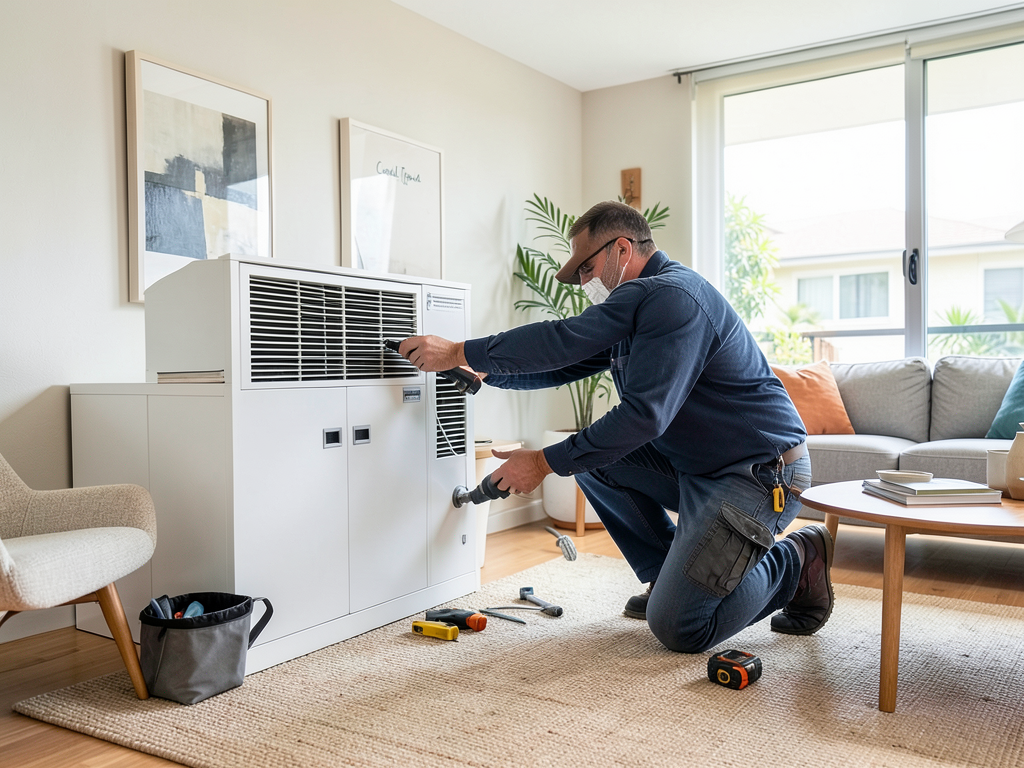
Smart vents and dampers for fixing uneven cooling in older Coral Terrace houses If you…
Your air conditioner just failed and your home is getting hotter by the minute. Do not wait days for service. Call Horizon Heating and Cooling Miami at (786) 789-8277 right now. We dispatch technicians to Hialeah Gardens within two hours for emergencies and complete most repairs the same day.