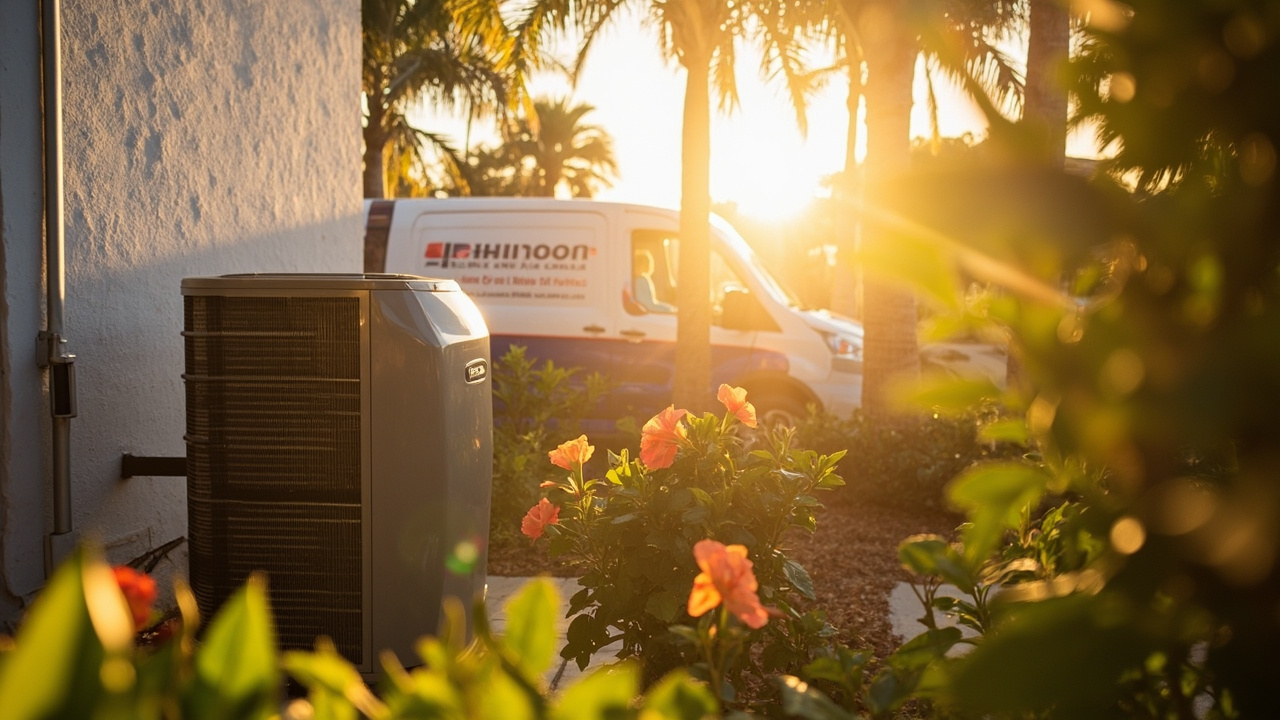
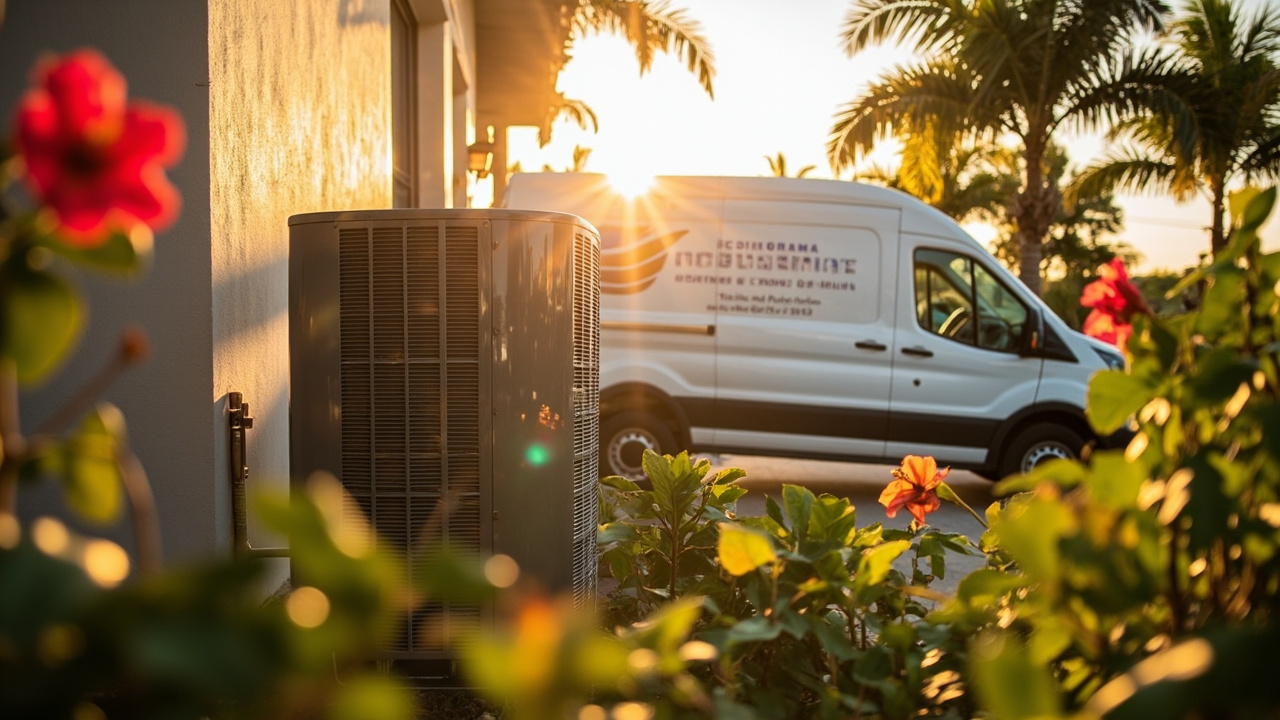
The average HVAC system price 2026 in Miami includes marine-grade components that inland markets do not require. Salt-laden air from the Atlantic Ocean and Biscayne Bay corrodes copper refrigerant lines, aluminum coil fins, and steel cabinet panels within three to five years without proper protection. Systems installed near the coast need factory-applied or field-applied coil coatings that resist galvanic corrosion. Stainless steel fasteners, mounting brackets, and electrical connections prevent rust-through that causes refrigerant leaks and electrical failures. Hurricane code compliance adds reinforced concrete equipment pads, engineered anchor straps rated for 175 mph wind loads, and impact-resistant disconnect boxes. These requirements increase the new HVAC installation pricing 2026 by 15 to 25 percent compared to standard installations, but they protect your investment from Miami's harsh coastal environment and extreme weather events.
Horizon Heating and Cooling Miami maintains relationships with local building inspectors, stays current on Miami-Dade County code updates, and stocks hurricane-rated installation materials that out-of-town contractors special order at markup. We understand the permitting process for single-family homes, condominiums with shared mechanical rooms, and historic properties in neighborhoods like Coral Gables where architectural review boards scrutinize exterior equipment placement. Our familiarity with Miami's building stock means we accurately estimate ductwork modifications for mid-century concrete block homes, 1980s frame construction with vented attics, and newer concrete construction with sealed attic assemblies. Local expertise translates to accurate estimates, compliant installations, and systems engineered for Miami's unique climate challenges rather than generic solutions imported from other markets.