menu

Furnace Blowing Cold Air in Miami – Expert Diagnosis and Same-Day Fixes

When your furnace blows cold air instead of heat, you need accurate diagnosis fast. We identify the root cause and restore proper heating the same day across Miami-Dade County.

Slider Image 1
Slider Image 2
Slider Image 3
Slider Image 4
Slider Image 5
Slider Image 7
Slider Image 8
Slider Image 9
Slider Image 10
Slider Image 11

Why Your Heater Is Blowing Cold Air in Miami

You expect warm air when the thermostat is set to heat. Instead, you feel cool air blowing from the vents. This creates confusion and discomfort, especially during Miami's brief but chilly winter nights when temperatures drop into the 50s and 60s.

A furnace blowing cold air signals a system malfunction. The blower fan runs, but the burner assembly fails to ignite or the heat exchanger does not transfer warmth. In Miami's coastal environment, salt air accelerates corrosion on ignition components and burner assemblies. This creates premature failures that leave you with a heating system blowing cold air when you need it most.

Common causes include a malfunctioning pilot light, a faulty flame sensor coated in carbon buildup, or a gas valve that refuses to open. Thermostat wiring issues can also trick your system into running the blower without activating the heating cycle. In older systems serving Miami Beach condos or Coral Gables historic homes, aging heat exchangers develop cracks that trigger safety shutoffs, leaving you with a furnace not blowing hot air.

Your thermostat may read 72 degrees, but the air coming from the registers feels room temperature or cooler. The system cycles constantly without delivering warmth. You adjust the settings repeatedly with no improvement. This wastes energy and drives up your electric bill while you layer blankets at night.

The longer you wait, the harder your system works. Components strain under the load. What starts as a simple sensor issue can cascade into compressor damage or a cracked heat exchanger that requires full unit replacement.

Why Your Heater Is Blowing Cold Air in Miami
How We Fix a Furnace Blowing Cool Air

How We Fix a Furnace Blowing Cool Air

We start with systematic diagnostics, not guesswork. Our technicians test the thermostat first to confirm it sends the correct call for heat. We verify voltage at the control board and check for short circuits or loose connections that interrupt the heating sequence.

Next, we inspect the ignition system. We test the hot surface ignitor for continuity and examine the flame sensor for carbon fouling that prevents flame detection. If the burner assembly fires but shuts off within seconds, a dirty flame sensor is the typical culprit. We clean or replace it to restore proper ignition cycles.

We measure gas pressure at the valve to ensure adequate fuel delivery. Low gas pressure prevents burners from lighting. We inspect the pilot assembly on older standing pilot systems and replace thermocouples that fail to maintain gas flow. On electronic ignition systems common in Miami's newer construction, we test the ignition control module and replace failed components.

Airflow problems also cause a furnace blowing unheated air. We examine the air filter and replace clogged media that restricts airflow. Reduced airflow triggers the high limit switch, which shuts down the burners to prevent overheating. We verify proper blower motor operation and inspect the ductwork for disconnected supply runs that dump heated air into the attic instead of your living space.

Heat exchanger integrity is critical. We perform visual inspections for cracks or rust-through that allow combustion gases to mix with supply air. A compromised heat exchanger requires immediate unit replacement for safety reasons. We never bypass safety controls or patch failed components.

After repairs, we test the complete heating cycle from thermostat call to burner ignition to warm air delivery. We verify proper temperature rise across the heat exchanger and confirm the system maintains set point without short cycling.

What Happens During Your Cold Air Service Call

Furnace Blowing Cold Air in Miami – Expert Diagnosis and Same-Day Fixes
01

Initial System Assessment

Our technician arrives with full diagnostic equipment and tests your thermostat settings first. We verify the system receives a proper call for heat and check that the blower motor responds correctly. We listen for burner ignition attempts and measure supply air temperature at the registers to establish baseline performance before disassembly.
02

Component Testing and Repair

We remove access panels and test each component in the ignition sequence using multimeters and manometers. We clean flame sensors, test gas valves, verify proper flame propagation across burners, and inspect limit switches. If we find failed parts, we replace them with manufacturer-approved components and retest the complete heating cycle to confirm proper operation.
03

Performance Verification

After repairs, we run multiple heating cycles and measure temperature rise to confirm the system delivers proper heat output. We verify the burner assembly ignites reliably, the blower delivers heated air at the correct temperature, and the thermostat maintains your set point. You feel warm air from the vents before we leave your property.

Why Miami Residents Choose Us for Furnace Repairs

Miami's heating needs differ from northern climates. You run your furnace sporadically during winter months, then the system sits dormant through long, humid summers. This creates unique challenges. Moisture infiltration corrodes electrical connections. Salt air from Biscayne Bay accelerates oxidation on burner assemblies and gas valves. Components that work fine in dry climates fail prematurely in our coastal environment.

We understand these local conditions because we service systems across Miami Beach, Coral Gables, Coconut Grove, and throughout Miami-Dade County. We know which heat exchanger designs hold up to salt air exposure and which ignitors fail after extended dormancy. We stock parts that match the equipment installed in Miami homes, from high-rise condos in Brickell to single-family homes in Pinecrest.

Our technicians train specifically on the Carrier, Trane, Lennox, and Rheem systems common to South Florida construction. We know the quirks of each brand and model. We recognize patterns in failure modes specific to our climate. This experience means faster diagnosis and correct repairs the first time.

We respond quickly because we know a malfunctioning furnace creates real discomfort during Miami's cooler nights. Our dispatch system prioritizes calls based on urgency and location. We carry fully stocked vehicles with the components that fail most frequently in Miami systems.

You get transparent pricing before we start work. We explain what failed, why it failed, and what we recommend to prevent recurrence. We do not upsell unnecessary replacements. If your system needs a simple sensor cleaning, that is what you pay for. If the heat exchanger is cracked and the unit requires replacement, we show you the damage and explain your options clearly.

Horizon Heating and Cooling Miami has served the local community for years. We know your neighbors and your neighborhood. We follow Miami-Dade County building codes and pull permits when required for equipment replacement.

What You Can Expect From Start to Finish

Same-Day Response

We schedule service calls the same day you contact us. Most cold air issues get resolved during the first visit because we carry common repair parts on every truck. Our technicians arrive within your scheduled window and complete diagnostics immediately. You do not wait days for parts to arrive or schedule follow-up appointments unless your system requires specialty components. We understand Miami's heating season is short and every cold night matters when your furnace fails.

Thorough Diagnostics

We test every component in the heating sequence before making repair recommendations. You receive a written diagnostic report that explains what we found, what failed, and why. We use calibrated testing equipment to measure gas pressure, electrical continuity, and airflow. We document temperature readings and system performance metrics. If multiple issues exist, we prioritize repairs based on safety and system function. You understand exactly what needs repair and what can wait.

Verified Repairs

Every repair includes post-work testing to verify proper operation. We run multiple heating cycles and monitor burner ignition, flame propagation, and heat delivery. We measure supply air temperature at your registers to confirm the system produces adequate heat. We adjust gas pressure if needed and verify proper combustion. You feel warm air blowing from your vents before we consider the job complete. We do not leave until your system heats your home properly.

Ongoing Support

After repairs, we explain what caused the failure and how to prevent future issues. We recommend maintenance schedules based on your system age and Miami's climate conditions. We offer seasonal tune-ups that clean burner assemblies, test ignition components, and verify proper gas pressure before heating season begins. If you experience issues after our repair, we return promptly to diagnose and resolve the problem. You receive direct contact information for our service team.

Frequently Asked Questions

You Have Questions,
We Have Answers

How do you fix a furnace that blows cold air? +

Start by checking your thermostat settings. Make sure it is set to heat mode and the temperature is higher than the current room temperature. Next, inspect your air filter. A clogged filter restricts airflow and forces your system to work harder. Replace it if dirty. Check your circuit breaker to confirm the furnace has power. If the pilot light is out on a gas furnace, relight it following manufacturer instructions. If these steps do not resolve the issue, your furnace may have a faulty ignition system, broken blower motor, or ductwork leaks. Call a licensed HVAC technician to diagnose and repair the problem safely.

Why is cold air blowing when heat is on? +

Cold air blowing when heat is on usually indicates a thermostat misconfiguration or a failing heating component. First, verify your thermostat is set to heat, not cool or fan-only mode. If settings are correct, your furnace may have a malfunctioning flame sensor, ignitor, or gas valve. In Miami, many homes use heat pumps instead of furnaces. If you have a heat pump, the reversing valve may be stuck in cooling mode. Low refrigerant levels or a defrost cycle can also cause cool air output. A professional HVAC inspection can pinpoint the exact cause and restore proper heating function quickly.

Why is my furnace blowing air but not warm? +

Your furnace blowing air without warmth signals a heat production failure. Check if the pilot light or electronic ignition is working. If the burners do not ignite, you will only get fan air with no heat. A dirty flame sensor can shut off burners prematurely as a safety measure. Low gas supply or a closed gas valve will also prevent heating. In Miami's humid climate, condensation buildup in heat exchangers or flue pipes can cause blockages that prevent proper combustion. Ductwork leaks lose heated air before it reaches your rooms. A trained technician should inspect your system to identify and fix the root cause.

How do I reset my furnace? +

To reset your furnace, first turn off the power at the thermostat. Locate your furnace's circuit breaker and switch it off. Wait three to five minutes to allow capacitors to discharge and internal systems to reset. Turn the circuit breaker back on, then restore power at the thermostat. Listen for the furnace to restart its ignition sequence. If your furnace has a reset button, usually red or yellow and located near the blower motor, press it once. Do not press it repeatedly, as this can indicate a deeper issue. If the furnace does not restart or trips again immediately, call an HVAC professional.

Should I turn off my furnace if it blows cold air? +

Yes, turn off your furnace if it blows cold air continuously and you smell gas, hear unusual noises, or see smoke. These signs indicate a safety hazard or serious malfunction. Leaving a malfunctioning furnace running can worsen damage and increase repair costs. In Miami's mild winters, shutting off your furnace temporarily will not cause frozen pipes like it would in colder climates. However, if the furnace simply cycles cold air without other warning signs, you can leave it off until a technician arrives. Do not attempt DIY repairs on gas lines, igniters, or heat exchangers. Contact a licensed HVAC professional immediately.

What is the most expensive part to fix on a furnace? +

The heat exchanger is the most expensive furnace component to replace, often costing as much as a new furnace installation. This metal chamber transfers heat from burning fuel to the air circulating through your home. Cracks or corrosion in the heat exchanger pose serious carbon monoxide risks and require immediate replacement. Control boards, blower motors, and gas valves also carry significant price tags. In Miami's humid conditions, condensation and salt air accelerate corrosion in heat exchangers and other metal components. Regular maintenance helps extend component lifespan and catch small issues before they become costly failures. Always get multiple quotes for major repairs.

What are signs of furnace failure? +

Watch for these furnace failure warning signs. Strange noises like banging, screeching, or rumbling indicate worn bearings, loose parts, or ignition problems. Yellow or flickering pilot flames suggest incomplete combustion and possible carbon monoxide production. A healthy flame burns steady blue. Frequent cycling on and off signals thermostat issues, clogged filters, or failing limit switches. Rising energy bills without increased usage point to declining efficiency. Visible rust or corrosion on the furnace cabinet indicates moisture problems. Persistent cold spots in your home suggest ductwork issues or inadequate heating capacity. If your furnace is over 15 years old and needs frequent repairs, replacement is more economical.

How can I tell if my heat pump is low on refrigerant? +

Low refrigerant in your heat pump causes several noticeable symptoms. Ice buildup on the outdoor coil during heating mode indicates insufficient refrigerant flow. Your system will run longer cycles without reaching the set temperature. You may notice weak airflow from vents or lukewarm air instead of warm air. Listen for hissing sounds near refrigerant lines, which suggest leaks. In Miami's humid climate, reduced dehumidification during cooling season also signals low refrigerant. Your outdoor unit may struggle to start or short cycle frequently. High energy bills without increased usage indicate the system is working harder to compensate. Only EPA-certified technicians can legally check and recharge refrigerant levels.

Should I turn my heat pump to emergency heat in extreme cold? +

In Miami, you rarely need emergency heat mode because extreme cold is uncommon. Emergency heat bypasses the heat pump and activates electric resistance heating, which costs two to three times more to operate. Use it only if your heat pump completely fails or outdoor temperatures drop below 25 degrees Fahrenheit for extended periods. Emergency heat mode should be temporary until a technician can repair your heat pump. Most Miami winters stay mild enough for standard heat pump operation. If your system struggles during cooler nights, the issue is likely low refrigerant, a faulty reversing valve, or dirty coils requiring professional service, not weather-related.

How to tell if a furnace thermostat is bad? +

A failing thermostat shows specific symptoms. Your furnace does not respond when you adjust temperature settings. The display screen is blank or shows error codes. Room temperature does not match the thermostat reading by more than three degrees. Your system cycles on and off too frequently or runs continuously. You hear clicking sounds from the thermostat without system response. Check the batteries first and replace if needed. Make sure the thermostat is level on the wall and wires are secure. Dust buildup inside can cause misreadings. Test by bypassing the thermostat and jumping the R and W wires at the furnace. If the system starts, the thermostat is faulty.

Why Miami's Climate Causes Unique Furnace Problems

Miami's coastal environment creates specific challenges for heating systems. Salt-laden air from the Atlantic and Biscayne Bay infiltrates outdoor units and corrodes electrical connections faster than inland climates. The combination of high humidity and long periods of inactivity between heating cycles allows moisture to accumulate inside cabinets and control boxes. This moisture corrodes circuit boards, oxidizes gas valve components, and degrades wiring connections. When you finally need heat during a cold snap, ignition components that sat dormant for months fail to function. Flame sensors develop corrosion coatings that prevent proper flame detection. Burner assemblies rust and create uneven flame patterns that trigger safety shutoffs.

Local HVAC expertise matters in Miami because generic troubleshooting fails to account for salt air corrosion and extended dormancy periods. Technicians from northern climates often misdiagnose Miami furnace issues because they expect different failure patterns. We understand which components fail first in coastal environments and stock the parts that match Miami's installed equipment base. We know the Carrier and Trane models popular in South Florida construction and recognize the ignition control modules prone to humidity damage. This local knowledge means accurate diagnosis and proper repairs that address the root cause, not just symptoms.
Heating and Cooling Services in The Miami Area

Need dependable HVAC service near you? Horizon Heating and Cooling Miami proudly serves homes and businesses across the Miami metro area with top-rated heating and cooling repairs, installations, and emergency services. Whether you’re in Kendall, Doral, or Aventura, our expert technicians are just a call away. Check the map below to explore our coverage zones and get fast, professional HVAC help in your neighborhood.

Address:
Horizon Heating and Cooling Miami, 1221 Brickell Ave, Miami, FL, 33131

Additional Services We Offer

Our news updates

Latest Articles & News from The Blogs

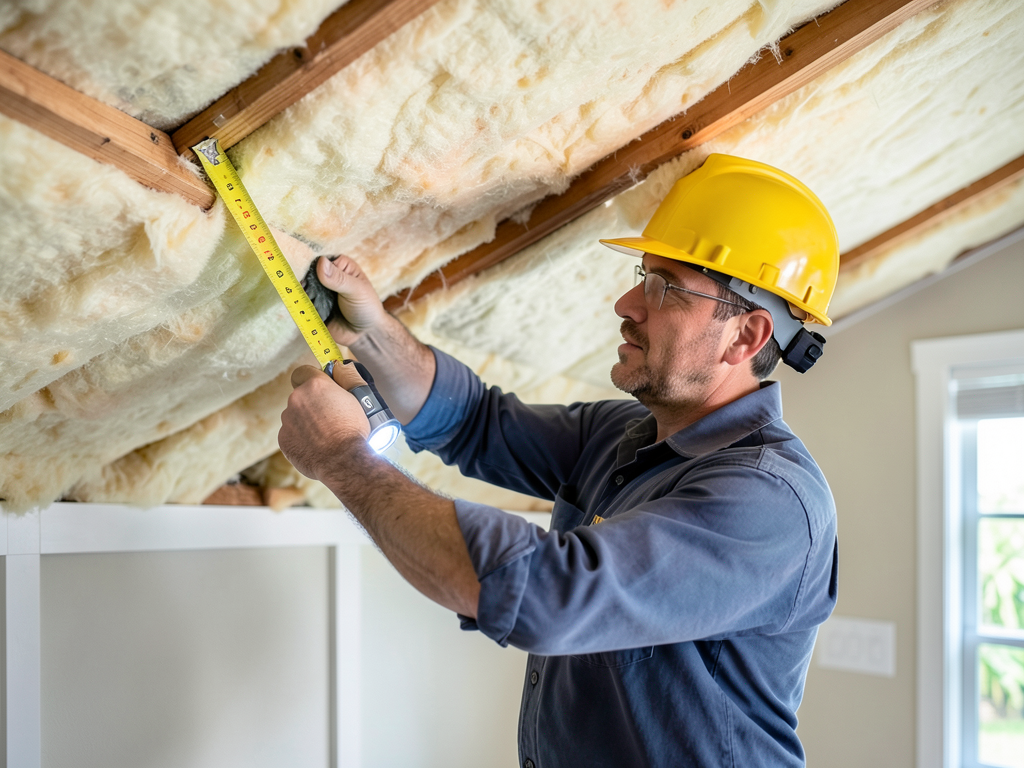
How to tell if your attic insulation has flattened and is making your North Miami Beach home hotter Your attic…

How to tell if your attic insulation has flattened and is making your North Miami Beach home hotter

How to tell if your attic insulation has flattened and is making your North Miami Beach home hotter Your attic…

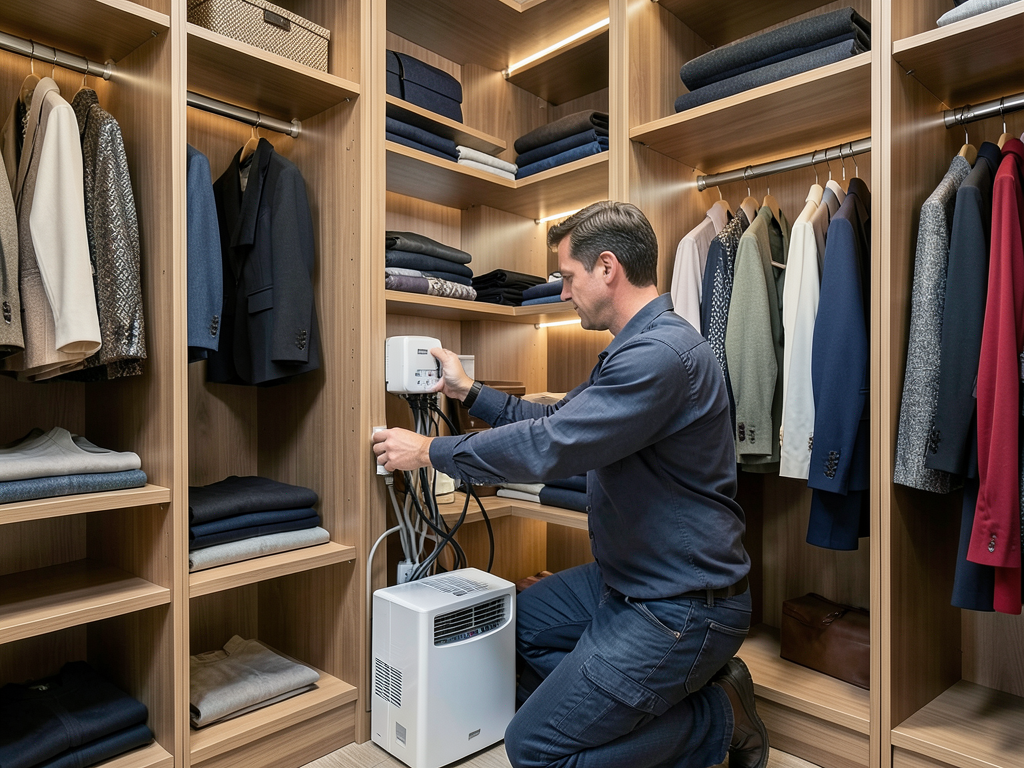
Protecting your Gables Estates walk-in closet from mold and leather damage

Protecting your Gables Estates walk-in closet from mold and leather damage Your walk-in closet in Gables Estates faces a constant…

Smart vents and dampers for fixing uneven cooling in older Coral Terrace houses

Smart vents and dampers for fixing uneven cooling in older Coral Terrace houses If you live in a Coral Terrace…

Contact Us

Do not spend another night without proper heating. Call Horizon Heating and Cooling Miami now at (786) 789-8277 for same-day furnace repair. Our technicians diagnose the problem quickly and restore warm air to your home today.