


Coral Gables presents unique challenges for heating and cooling systems. The constant humidity from Biscayne Bay drives up moisture loads, forcing air conditioners to work overtime removing water from the air. Salt air corrodes outdoor condenser units faster here than in inland Florida cities. Historic Mediterranean Revival homes in neighborhoods like Coral Gables Section and Granada often lack modern ductwork, creating airflow issues that stress systems.
The urban canopy provides shade but traps heat between buildings, especially in denser areas near Miracle Mile and downtown Coral Gables. This microclimate effect means systems cycle more frequently. Add in the strict historic preservation codes that limit exterior equipment placement, and you face installation challenges that generic HVAC companies miss.
Older homes near Riviera and Ponce Davis feature original ductwork sized for different cooling loads. Modern high-efficiency systems need proper airflow calculations or they fail early. The coral rock foundation common throughout Coral Gables also affects drainage for condensate lines. Without local knowledge, technicians install systems that flood or fail inspection.
We built our reputation fixing problems other companies create. Too many homeowners call us after a cheap installation fails within two years. We see oversized units that cycle constantly, undersized systems that never cool properly, and ductwork installed without calculating static pressure. These mistakes cost thousands to fix.
Our technicians train specifically on challenges common to Coral Gables homes. We understand how salt air affects coil life, how to navigate historic district restrictions, and how to size systems for homes with high ceilings and large windows. Every installation includes Manual J load calculations, not guesswork based on square footage.
We stock parts for major brands so most repairs finish the same day. Our trucks carry capacitors, contactors, and circuit boards for Carrier, Trane, Lennox, and Rheem systems common in Coral Gables. This matters when your AC quits on a 95-degree afternoon.
Unlike companies that push replacements, we tell you honestly whether repair makes sense. A worn contactor costs under two hundred dollars to replace. You do not need a new system for simple failures. We protect your investment and only recommend replacement when repair costs approach system value.
Our service area focuses exclusively on Coral Gables and immediate surrounding areas. This tight geographic focus means faster response times and technicians who know your neighborhood's common issues.

We answer emergency calls 24 hours a day, seven days a week. Most repairs in Coral Gables finish the same day because our trucks carry common parts. No waiting days for repairs while South Florida heat makes your home unlivable.

We diagnose the actual problem, not the most expensive one. You get a clear explanation of what failed, why it failed, and how much repair costs compared to replacement. No pressure tactics or inflated quotes.
Every technician holds Florida state licensing and manufacturer certifications. We invest in ongoing training for new refrigerants, smart thermostats, and high-efficiency systems. Your system gets serviced by technicians who know what they are doing.
We work exclusively in Coral Gables and nearby communities. This focus means we understand local building codes, know how historic district rules affect installations, and recognize problems common to homes in your specific neighborhood.
Horizon Heating and Cooling Miami handles every aspect of residential and commercial climate control. From emergency AC repair on weekend heat waves to planned system replacements and seasonal maintenance, we provide complete coverage for Coral Gables properties.
Our service range reflects how homeowners and businesses actually use HVAC systems. You need fast repairs when systems fail, expert installation when replacement makes sense, and preventive maintenance to avoid breakdowns. We structured our services around these real needs rather than arbitrary categories.
Central air conditioning dominates Coral Gables homes, but we also service heat pumps, ductless mini-splits, and commercial rooftop units. Our technicians diagnose refrigerant leaks, electrical failures, compressor problems, and airflow issues across all major brands. Whether you face a minor repair or complete system failure, we have the expertise and parts inventory to restore comfort quickly.
Commercial properties need different service levels than homes. We offer maintenance contracts for businesses, priority emergency response, and after-hours service to avoid disrupting operations. Our commercial experience covers office buildings, restaurants, retail spaces, and medical facilities throughout Coral Gables.
System failures do not wait for business hours. We provide round-the-clock emergency AC service throughout Coral Gables, responding quickly when your air conditioner quits. Our technicians arrive with diagnostic tools and common replacement parts to fix most problems the same visit. We repair compressor failures, refrigerant leaks, electrical issues, frozen coils, and blower motor problems across all major brands. You get honest assessment and transparent pricing before any work begins.
When repair costs approach replacement value or your system exceeds 15 years old, new installation makes financial sense. We perform Manual J load calculations to size systems correctly for your home's specific cooling requirements. Our installations include proper ductwork assessment, refrigerant line sizing, condensate drainage, and electrical capacity verification. We handle permit applications, inspection scheduling, and coordination with Coral Gables building department. Every installation meets or exceeds manufacturer specifications and Florida building codes.
Regular maintenance catches small problems before they become expensive failures. Our tune-ups include refrigerant level checks, electrical connection inspection, condensate drain cleaning, coil cleaning, and airflow measurement. We identify worn components that will fail soon and recommend replacement before they leave you without cooling. Maintained systems run more efficiently, cost less to operate, and last years longer than neglected equipment. We offer annual maintenance plans for both residential and commercial properties.
Coastal climate creates specific problems for cooling systems in Coral Gables. High humidity forces air conditioners to remove moisture constantly, wearing components faster than in dry climates. Salt air from Biscayne Bay corrodes outdoor units, degrading coils and electrical connections. These environmental factors combine with installation mistakes and deferred maintenance to create the most common service calls we handle.
Many problems stem from improper installation by unlicensed contractors or companies unfamiliar with South Florida requirements. We routinely find systems sized incorrectly, ductwork installed without proper sealing, and refrigerant charges that do not match manufacturer specifications. These mistakes shorten system life and drive up operating costs.
Older homes present unique challenges. Original ductwork may not support modern high-velocity systems. Electrical panels might lack capacity for larger units. Historic preservation rules limit equipment placement and exterior modifications. Understanding these constraints separates competent service from costly mistakes.
Salt air corrodes aluminum coils in outdoor condensing units. Pinhole leaks develop over time, allowing refrigerant to escape. Systems lose cooling capacity gradually, then fail completely. We locate leaks, repair when possible, or replace coils that show extensive corrosion damage throughout.
Ice buildup on indoor coils stops cooling and can damage compressors. Common causes include dirty filters restricting airflow, low refrigerant from leaks, or failed blower motors. We identify the root cause, thaw coils properly, and fix the underlying problem to prevent recurrence.
Capacitors, contactors, and control boards fail more frequently in systems that run constantly. Coral Gables heat demands near-continuous operation during summer months. Electrical components wear from repeated cycling and heat exposure. We stock these parts for same-day replacement without lengthy waits.
Contractors who guess at tonnage instead of calculating loads install systems too small for cooling requirements. These units run constantly, never reach thermostat settings, and fail early from overwork. Proper Manual J calculations prevent this expensive mistake during replacement or new installation.
Clear communication starts with your first phone call. We ask questions about your system, what symptoms you notice, and how long problems have existed. This helps us send the right technician with appropriate tools and likely replacement parts.
You get a specific arrival window, not all-day waits. We call when the technician is on the way and respect your schedule. Our trucks arrive clearly marked and technicians wear uniforms with identification.
Diagnosis comes before pricing. The technician explains what failed, shows you the problem when possible, and discusses options. You receive written estimates for recommended work before we touch your system. No surprise charges appear on final invoices.
We complete most repairs the same visit because trucks carry extensive parts inventory. When we need special components, we tell you exact timelines for ordering and return visits. You know what to expect at every step.
Every repair includes written estimates that break down parts and labor costs separately. You see exactly what you pay for and why. We explain whether repair makes economic sense compared to replacement for older systems. Our goal is informed decisions, not pressure sales. Estimates remain valid for 30 days so you can consider options without rush. Emergency service calls receive the same transparent pricing as scheduled appointments.
Our trucks function as mobile warehouses for common HVAC parts. We stock capacitors, contactors, thermostats, circuit boards, and motors for major brands installed throughout Coral Gables. This inventory investment means most repairs finish the same day without return trips waiting for parts. For emergency calls, we prioritize speed without sacrificing diagnostic accuracy or repair quality. You get working air conditioning restored quickly.
We guarantee all repair work and installations. If something we fixed fails within the warranty period, we return and make it right at no additional charge. New installations include manufacturer equipment warranties plus our workmanship guarantee. We stay accountable for our work and stand behind every service call. This commitment protects your investment and gives you confidence in choosing Horizon Heating and Cooling Miami.
We eliminate confusion from HVAC service. You know what happens next at every stage. This structured approach gets your system running again quickly while keeping you informed throughout the repair or installation process.
Call (786) 789-8277 to describe your problem or schedule service. We ask about symptoms, system age, and your availability. For emergencies, we dispatch immediately. For routine service, you choose appointment times that fit your schedule. We provide specific arrival windows and call when the technician is 30 minutes away. You receive the technician's name and photo before arrival for security and peace of mind.
The technician inspects your system, tests components, and identifies the failure. You receive a clear explanation of what broke and why. We show you the failed part when possible and discuss repair versus replacement for older systems. Written estimates detail all costs before work begins. You approve the repair scope and pricing, then we proceed immediately. Most repairs finish within two hours once approved.
After repairs, we test system operation thoroughly. This includes checking refrigerant pressures, measuring airflow, verifying electrical draws, and confirming the system reaches thermostat settings. You receive documentation of work performed, parts replaced, and warranty information. We explain any maintenance recommendations to prevent future problems. Payment processes quickly with multiple options accepted. Your system runs correctly before we leave.
Florida Building Code drives HVAC installation and repair requirements throughout Coral Gables. These standards exist for safety and performance, not bureaucracy. Proper installations meet load calculations per Manual J, ductwork design per Manual D, and equipment selection per Manual S protocols established by Air Conditioning Contractors of America.
Refrigerant handling requires EPA Section 608 certification. Technicians must recover refrigerants properly, not vent them to atmosphere. R-22 refrigerant used in older systems faces phase-out restrictions, making leak repair critical for extending system life. Newer systems use R-410A refrigerant requiring different pressures and handling procedures.
Electrical work must meet National Electrical Code standards adopted by Florida. This includes proper wire sizing for amperage loads, disconnect installation within sight of outdoor units, and overcurrent protection matched to equipment specifications. Undersized wiring causes voltage drops that damage compressors and void warranties.
Coral Gables building permits apply to system replacements and substantial modifications. Permit requirements ensure installations meet code and pass inspection. Historic district properties face additional restrictions on equipment placement and exterior visibility. We navigate these requirements daily, handling permit applications and inspection scheduling.
Ductwork installations require pressure testing to verify proper sealing. Florida energy code mandates maximum leakage rates measured by duct blaster testing. Leaky ducts waste energy and prevent systems from meeting rated efficiency. Proper sealing, insulation, and support prevent these losses.
Indoor air quality standards address ventilation requirements and humidity control. Florida's high humidity requires dehumidification beyond cooling. Properly sized systems remove moisture effectively. Oversized units cool quickly without adequate dehumidification runtime, creating clammy indoor conditions.
Manual J load calculations determine proper system size based on home square footage, insulation levels, window area, orientation, and occupancy. Guessing tonnage leads to oversized or undersized systems that fail early. We calculate loads for every installation, ensuring equipment matches actual cooling requirements for your specific home.
System replacement costs vary based on equipment efficiency ratings, tonnage requirements, ductwork modifications, and electrical upgrades needed. Higher SEER ratings cost more upfront but reduce operating costs over system life. Complex installations requiring ductwork replacement or electrical panel upgrades increase investment. We provide itemized estimates showing exactly what drives costs.
Complete system replacement typically requires one to two days depending on complexity. Permit approval adds several days before installation begins. Ductwork modifications extend timelines. We provide specific schedules during estimation and coordinate work to minimize disruption. Emergency repairs finish same day when parts are available, usually within hours of arrival.
Florida requires state contractor licensing for HVAC work. Our technicians hold active licenses and maintain continuing education requirements. EPA certification allows legal refrigerant handling. Manufacturer certifications ensure technicians understand specific equipment. These credentials protect you from unlicensed contractors who create expensive problems requiring correction.
Licensed HVAC contractor explains common air conditioning problems in Coral Gables, Florida homes and what repairs should cost. Video covers how coastal climate affects AC systems, refrigerant leak diagnosis, electrical component failures, and system sizing requirements. Includes guidance for choosing honest HVAC contractors, understanding repair versus replacement decisions, and recognizing warning signs before complete system failure. Focuses on salt air corrosion, humidity loads, and building code requirements specific to Coral Gables properties.
Horizon Heating and Cooling Miami focuses service throughout Coral Gables, from historic neighborhoods near downtown to residential areas bordering South Miami and Pinecrest. We work daily in Coral Gables Section where Mediterranean Revival homes present unique installation challenges with their high ceilings and original ductwork. Granada residents know us for fast response and honest assessment of their aging HVAC systems.
Our technicians understand differences between neighborhoods. Homes in Ponce Davis and Riviera often feature larger floor plans requiring multiple zones for effective cooling. The dense tree canopy provides shade but restricts airflow around outdoor condensing units. We account for these factors during installation and maintenance.
Properties near Miracle Mile and downtown Coral Gables include commercial buildings, office spaces, and mixed-use developments. These properties need different service than single-family homes. We handle commercial rooftop units, tenant improvement projects, and maintenance contracts for business owners who cannot afford cooling failures during operating hours.
North Gables and areas near University of Miami see high tenant turnover in rental properties. Landlords need reliable service providers who respond quickly to tenant complaints and keep systems running affordably. We work with property managers throughout Coral Gables on maintenance schedules and emergency repairs.
Historic preservation rules affect equipment placement in older neighborhoods. Outdoor units cannot be visible from street frontages in many areas. We design installations that meet these restrictions while maintaining proper airflow and service access. This experience prevents costly mistakes that require reinstallation to pass inspection.
Salt air from Biscayne Bay affects properties throughout eastern Coral Gables more severely than inland areas. We recommend more frequent maintenance for homes near the water and use corrosion-resistant materials when available. Proximity to the bay also influences humidity loads and system sizing requirements.
We also serve adjacent communities including South Miami, Pinecrest, Coconut Grove, and Southwest Miami-Dade. This focused service area allows fast response times across all locations. You get technicians familiar with your neighborhood's specific challenges and building characteristics.
The $5000 rule helps you decide between repair and replacement. If your system is over 10 years old, multiply its age by the repair estimate. If the total exceeds $5000, replacement makes better financial sense. For example, a 15-year-old unit needing $400 in repairs equals $6000, signaling replacement time. Coral Gables homes face high humidity and salt air exposure, which accelerates wear. Older systems also struggle with Miami-Dade's brutal cooling demands, driving up energy bills. This rule gives you a clear benchmark for making smart decisions about your equipment's future.
A new HVAC system in Florida typically ranges from the mid-range to upper tier depending on capacity, efficiency rating, and installation complexity. Coral Gables homes often need higher-capacity units due to our intense heat and humidity. Factors affecting price include ductwork condition, home size, SEER rating, and whether you choose a single-stage or variable-speed system. Historic Coral Gables properties with unique architectural features may require custom installation work. Always get load calculations done before purchasing to avoid undersized equipment that cannot handle South Florida's climate demands.
For a 2000 square foot house, you need a 3 to 4-ton system, with installation complexity driving final pricing. Coral Gables homes built before 1980 may need ductwork modifications or asbestos abatement, increasing total investment. Our high humidity requires proper dehumidification capacity, not just cooling power. Factors include existing ductwork condition, insulation levels, window quality, and ceiling height. Two-story Mediterranean Revival homes common here need careful zoning considerations. Request a Manual J load calculation to ensure proper sizing for our subtropical climate and avoid short cycling issues.
The $5000 rule helps you decide between repair and replacement. If your system is over 10 years old, multiply its age by the repair estimate. If the total exceeds $5000, replacement makes better financial sense. For example, a 15-year-old unit needing $400 in repairs equals $6000, signaling replacement time. Coral Gables homes face high humidity and salt air exposure, which accelerates wear. Older systems also struggle with Miami-Dade's brutal cooling demands, driving up energy bills. This rule gives you a clear benchmark for making smart decisions about your equipment's future.
A new HVAC system in Florida typically ranges from the mid-range to upper tier depending on capacity, efficiency rating, and installation complexity. Coral Gables homes often need higher-capacity units due to our intense heat and humidity. Factors affecting price include ductwork condition, home size, SEER rating, and whether you choose a single-stage or variable-speed system. Historic Coral Gables properties with unique architectural features may require custom installation work. Always get load calculations done before purchasing to avoid undersized equipment that cannot handle South Florida's climate demands.
For a 2000 square foot house, you need a 3 to 4-ton system, with installation complexity driving final pricing. Coral Gables homes built before 1980 may need ductwork modifications or asbestos abatement, increasing total investment. Our high humidity requires proper dehumidification capacity, not just cooling power. Factors include existing ductwork condition, insulation levels, window quality, and ceiling height. Two-story Mediterranean Revival homes common here need careful zoning considerations. Request a Manual J load calculation to ensure proper sizing for our subtropical climate and avoid short cycling issues.
The most common HVAC problems include refrigerant leaks, clogged condensate drains, dirty air filters, and failed capacitors. In Coral Gables, salt air corrosion accelerates coil deterioration, while high humidity causes drain line clogs that lead to water damage. Thermostat malfunctions and electrical connection failures happen frequently in older systems. Ductwork leaks waste cooled air in attics where temperatures exceed 140 degrees. Compressor failures often result from running undersized equipment too hard in our brutal heat. Regular maintenance catches these issues early before they become expensive emergency repairs during summer peaks.
A 4000 square foot home needs a 5 to 7-ton system or multiple units for proper zoning. Coral Gables estates with high ceilings, large windows, and multiple stories often require dual systems to handle load distribution effectively. Installation complexity increases with square footage due to longer ductwork runs, multiple zones, and sophisticated controls. Historic properties may need creative solutions to preserve architectural integrity while providing modern comfort. Two-stage or variable-speed systems offer better humidity control for larger homes. Your specific needs depend on insulation quality, window efficiency, and sun exposure.
The 2025 Energy Efficient Home Improvement Credit allows up to 30% back on qualified HVAC systems, capped at specific limits annually. Your new system must meet efficiency requirements, including minimum SEER2 ratings for air conditioners and HSPF2 ratings for heat pumps. Installation must occur in your primary residence, which includes Coral Gables single-family homes and condos you own. Keep manufacturer certifications and receipts for tax filing. Consult a tax professional to verify eligibility and maximize your benefit. This credit helps offset the higher initial investment in efficient equipment suited for Florida's demanding climate.
A 2000 square foot house in Florida needs a 3 to 4-ton air conditioner, but load calculations determine exact sizing. Coral Gables factors include our intense sun exposure, high humidity, insulation quality, and window orientation. Mediterranean-style homes with tile roofs and concrete construction retain heat differently than wood-frame houses. Never rely on square footage alone. Oversized units short cycle and fail to dehumidify properly, while undersized units run constantly and break down faster. A Manual J calculation accounts for our subtropical climate, ductwork condition, and home-specific factors to prevent expensive sizing mistakes.
The 3-minute rule protects your compressor from damage by preventing rapid on-off cycling. After your AC shuts off, wait at least 3 minutes before restarting. This allows refrigerant pressure to equalize throughout the system. Restarting too quickly forces the compressor to start against high pressure, causing excessive electrical draw and mechanical stress. In Coral Gables, where systems run almost year-round, this protection matters even more. Modern thermostats have built-in delay timers. If you experience frequent short cycling, you may have an oversized unit or failing components that need professional diagnosis.
A 1200 square foot house needs a 2 to 2.5-ton system depending on specific conditions. Coral Gables bungalows and smaller homes benefit from right-sized equipment that properly dehumidifies while cooling. Your investment depends on efficiency rating, equipment brand, ductwork condition, and whether you need air handler replacement. Older homes may require electrical panel upgrades to handle modern equipment. Single-story concrete block construction common here affects load calculations differently than wood-frame homes. Proper sizing prevents short cycling and ensures comfort in our humid climate. Get multiple quotes with load calculations included.
16 SEER beats 13 SEER for Coral Gables homes due to our extreme cooling demands and high electricity rates. You will recoup the higher upfront investment through lower monthly bills within 5 to 7 years. Higher efficiency means better humidity removal, which matters in our subtropical climate. 16 SEER units often include variable-speed technology that runs more consistently, preventing the temperature swings common with single-stage 13 SEER systems. Miami-Dade already requires minimum 15 SEER for new installations. Consider 16 SEER or higher as standard for our climate, not a luxury upgrade.
The most common HVAC problems include refrigerant leaks, clogged condensate drains, dirty air filters, and failed capacitors. In Coral Gables, salt air corrosion accelerates coil deterioration, while high humidity causes drain line clogs that lead to water damage. Thermostat malfunctions and electrical connection failures happen frequently in older systems. Ductwork leaks waste cooled air in attics where temperatures exceed 140 degrees. Compressor failures often result from running undersized equipment too hard in our brutal heat. Regular maintenance catches these issues early before they become expensive emergency repairs during summer peaks.
A 4000 square foot home needs a 5 to 7-ton system or multiple units for proper zoning. Coral Gables estates with high ceilings, large windows, and multiple stories often require dual systems to handle load distribution effectively. Installation complexity increases with square footage due to longer ductwork runs, multiple zones, and sophisticated controls. Historic properties may need creative solutions to preserve architectural integrity while providing modern comfort. Two-stage or variable-speed systems offer better humidity control for larger homes. Your specific needs depend on insulation quality, window efficiency, and sun exposure.
The 2025 Energy Efficient Home Improvement Credit allows up to 30% back on qualified HVAC systems, capped at specific limits annually. Your new system must meet efficiency requirements, including minimum SEER2 ratings for air conditioners and HSPF2 ratings for heat pumps. Installation must occur in your primary residence, which includes Coral Gables single-family homes and condos you own. Keep manufacturer certifications and receipts for tax filing. Consult a tax professional to verify eligibility and maximize your benefit. This credit helps offset the higher initial investment in efficient equipment suited for Florida's demanding climate.
A 2000 square foot house in Florida needs a 3 to 4-ton air conditioner, but load calculations determine exact sizing. Coral Gables factors include our intense sun exposure, high humidity, insulation quality, and window orientation. Mediterranean-style homes with tile roofs and concrete construction retain heat differently than wood-frame houses. Never rely on square footage alone. Oversized units short cycle and fail to dehumidify properly, while undersized units run constantly and break down faster. A Manual J calculation accounts for our subtropical climate, ductwork condition, and home-specific factors to prevent expensive sizing mistakes.
The 3-minute rule protects your compressor from damage by preventing rapid on-off cycling. After your AC shuts off, wait at least 3 minutes before restarting. This allows refrigerant pressure to equalize throughout the system. Restarting too quickly forces the compressor to start against high pressure, causing excessive electrical draw and mechanical stress. In Coral Gables, where systems run almost year-round, this protection matters even more. Modern thermostats have built-in delay timers. If you experience frequent short cycling, you may have an oversized unit or failing components that need professional diagnosis.
A 1200 square foot house needs a 2 to 2.5-ton system depending on specific conditions. Coral Gables bungalows and smaller homes benefit from right-sized equipment that properly dehumidifies while cooling. Your investment depends on efficiency rating, equipment brand, ductwork condition, and whether you need air handler replacement. Older homes may require electrical panel upgrades to handle modern equipment. Single-story concrete block construction common here affects load calculations differently than wood-frame homes. Proper sizing prevents short cycling and ensures comfort in our humid climate. Get multiple quotes with load calculations included.
16 SEER beats 13 SEER for Coral Gables homes due to our extreme cooling demands and high electricity rates. You will recoup the higher upfront investment through lower monthly bills within 5 to 7 years. Higher efficiency means better humidity removal, which matters in our subtropical climate. 16 SEER units often include variable-speed technology that runs more consistently, preventing the temperature swings common with single-stage 13 SEER systems. Miami-Dade already requires minimum 15 SEER for new installations. Consider 16 SEER or higher as standard for our climate, not a luxury upgrade.
Need dependable HVAC service near you? Horizon Heating and Cooling Miami proudly serves homes and businesses across the Miami metro area with top-rated heating and cooling repairs, installations, and emergency services. Whether you’re in Kendall, Doral, or Aventura, our expert technicians are just a call away. Check the map below to explore our coverage zones and get fast, professional HVAC help in your neighborhood.
Address:
Coral Gables, FL, 33134
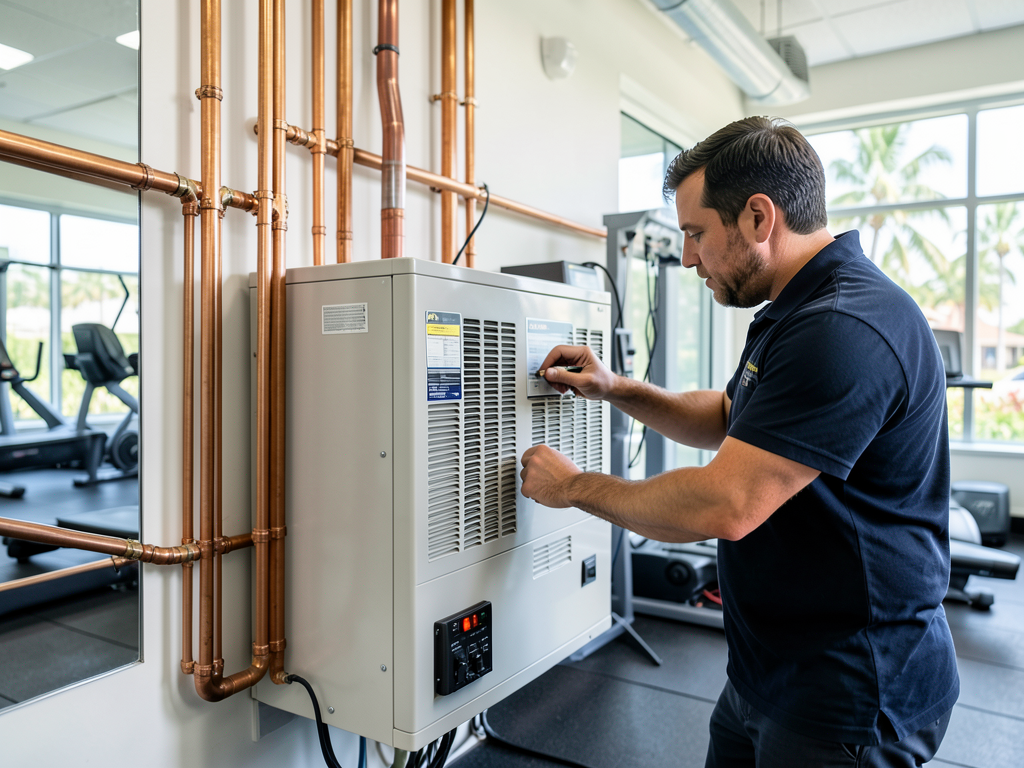
Managing the humidity in your Sunset Harbour gym or yoga studio for better air quality High humidity in Miami gyms creates more than discomfort. It accelerates equipment rust, promotes mold growth, and drives up energy…
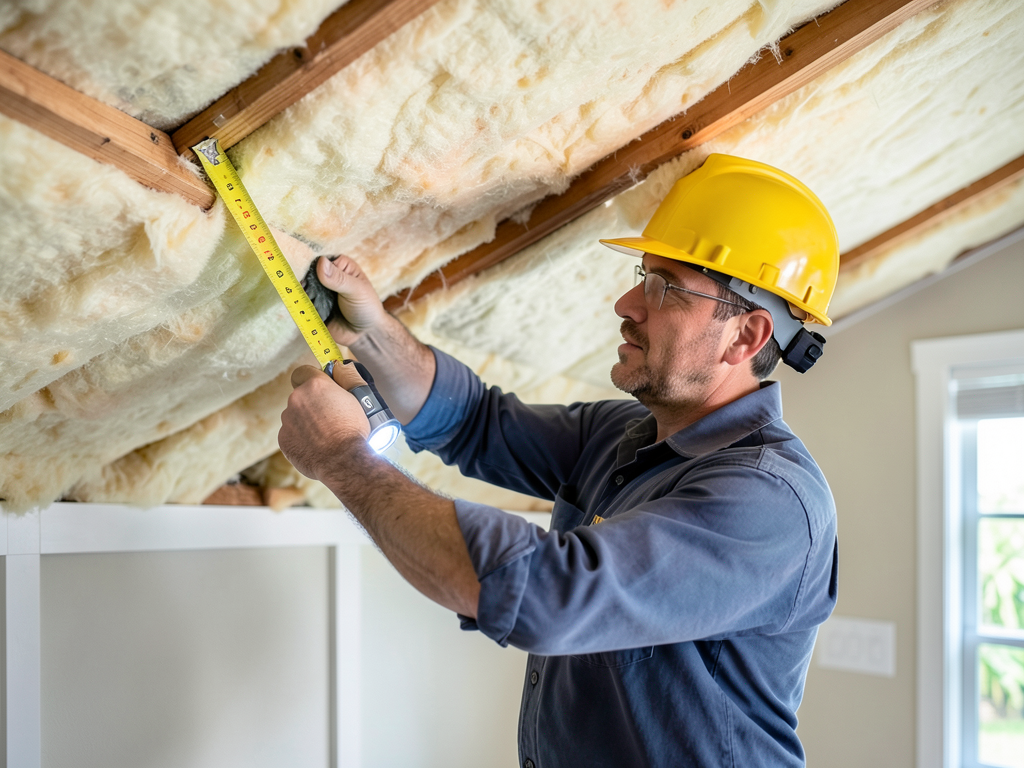
How to tell if your attic insulation has flattened and is making your North Miami…
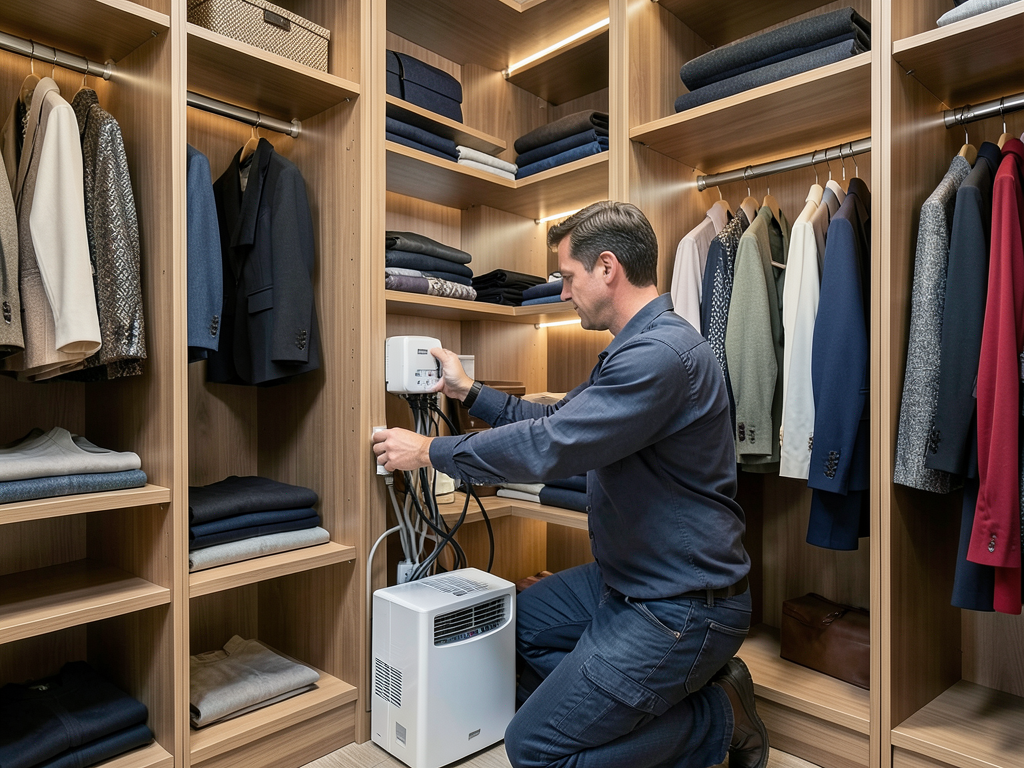
Protecting your Gables Estates walk-in closet from mold and leather damage Your walk-in closet in…
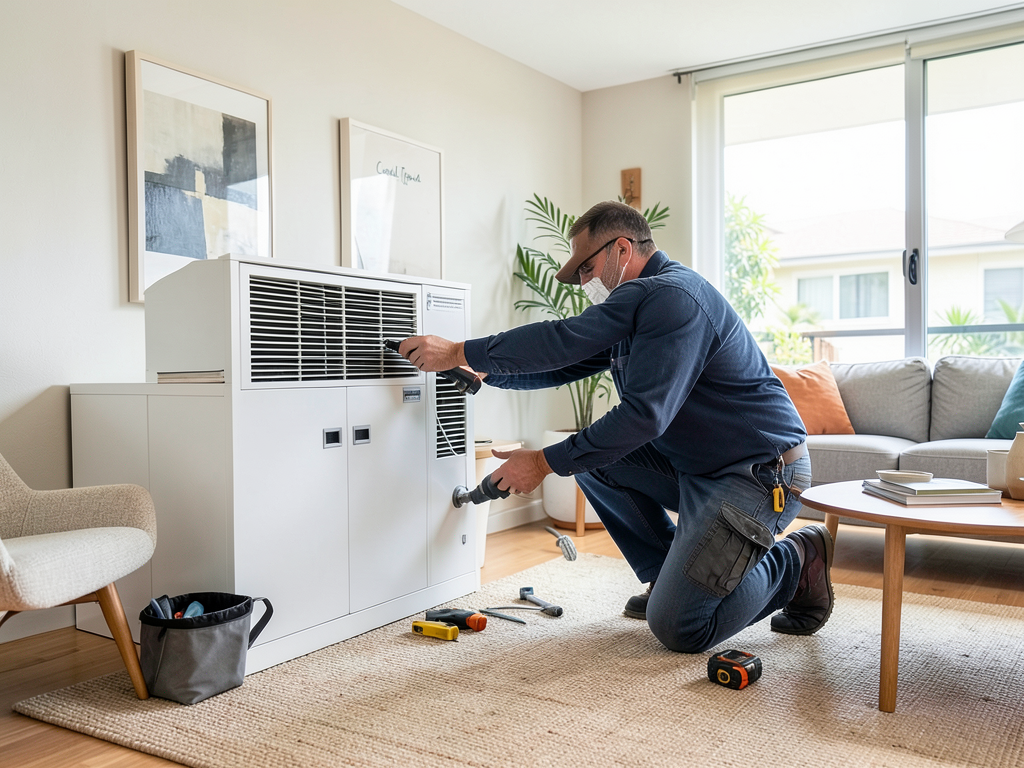
Smart vents and dampers for fixing uneven cooling in older Coral Terrace houses If you…
Your comfort cannot wait. Call Horizon Heating and Cooling Miami at (786) 789-8277 right now for same-day service throughout Coral Gables. We answer every call, respond quickly, and fix systems right the first time.