Miami sits between the Atlantic Ocean and the Everglades, which means your home is constantly exposed to salt-laden air and moisture. This combination corrodes low-voltage thermostat wiring faster than almost anywhere else in the country. The 24-volt wiring that connects your thermostat to your air handler is often copper with thin insulation. When salt penetrates that insulation, it creates resistance and voltage drop. Your thermostat screen might go black intermittently before failing completely. Miami also leads the nation in lightning strikes per square mile. A nearby strike doesn't have to hit your home directly to send a surge through your electrical system and fry your thermostat's circuit board.
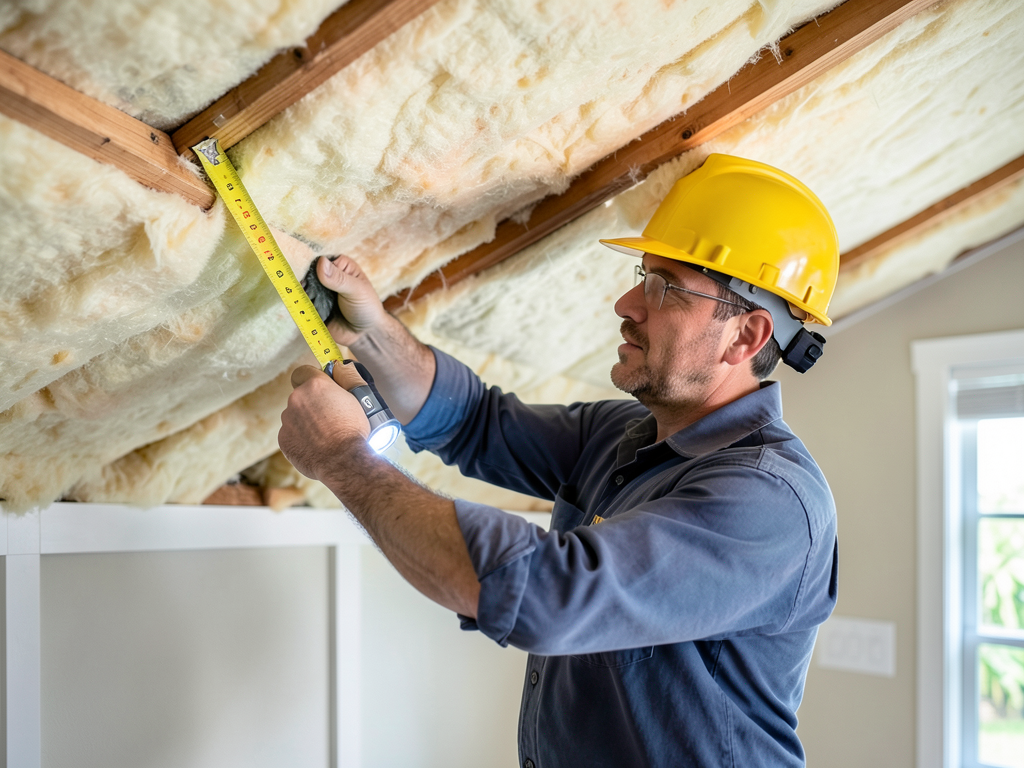
We've been working on HVAC systems in Miami long enough to recognize patterns other companies miss. Homes in Pinecrest and South Miami built before 2000 often have thermostat wiring run through unconditioned attics, where heat and humidity degrade wire insulation faster. Condos along Brickell Avenue and Miami Beach frequently have shared electrical risers that introduce voltage fluctuations, which can damage sensitive thermostat electronics. We know which thermostat models hold up best in coastal environments and which ones fail within two years. That local knowledge saves you from repeat failures and wasted money.