


Miami air conditioners run nearly year-round in conditions that destroy equipment faster than anywhere else in the country. The combination of 80-90% humidity, saltwater corrosion from ocean air, and temperatures that rarely drop below 70 degrees creates a perfect storm for system failure.
Your compressor works harder here than it would in Arizona. The moisture loads stress evaporator coils. Salt air corrodes condenser fins in Brickell high-rises and Coconut Grove waterfront homes. Afternoon thunderstorms flood drain pans. Hurricane season brings power surges that fry circuit boards.
Miami-Dade building codes require 14 SEER minimum for new installations, but older systems pull massive power bills while struggling to dehumidify. The coral rock foundation common in South Miami traps heat under slab homes. Concrete block construction in Little Havana and Kendall holds interior heat long after sunset. Your system never gets a break. Most central air units fail between years 8-12 here, compared to 15-20 years in moderate climates. When refrigerant lines corrode through or compressors seize, you need technicians who understand why Miami destroys equipment and how to prevent the next failure.
We have served Miami-Dade County for over a decade, responding to emergency calls from Aventura to Homestead. Our technicians average 12 years of experience working specifically on coastal HVAC systems. That matters because Miami air conditioners fail differently than systems inland.
We stock our trucks with parts for Carrier, Trane, Lennox, Rheem, Goodman, and York systems. Most companies send technicians to diagnose, then order parts, then return days later. We fix 85% of breakdowns during the first visit because our inventory matches what actually fails in this climate. Compressors, capacitors, contactors, reversing valves, and TXV valves are on every truck.
Our diagnostic process finds root causes, not symptoms. A frozen evaporator coil might be low refrigerant, but we trace why you lost refrigerant. Corroded line set? Failed service valve? Vibration crack? We fix the leak and recharge the system properly, using digital manifolds and micron gauges to verify the repair. Sloppy shops just add refrigerant and leave. You call them back in six months.
We provide written estimates before starting repairs over $300. You see the part numbers, labor time, and warranty terms. No surprise bills. Our technicians explain what failed, why it failed, and what you can do to extend system life. We photograph damaged components and show you the evidence. Most Miami homeowners have been burned by HVAC companies that vanished after taking deposits or performed unnecessary repairs. We earn trust through transparency.
Every repair includes a 90-day labor warranty and manufacturer parts warranty. If the same component fails again, we return at no charge. Our office answers calls from 7 AM to 9 PM, seven days a week, because emergencies do not wait for business hours.

We dispatch technicians within two hours for emergency no-cooling calls. Our trucks are already on the road in Miami, not coming from Broward or Palm Beach. When your house hits 85 degrees and you have young children or elderly family, speed matters. We stop the crisis fast.

We carry the parts that fail most often in Miami's brutal climate. Compressors, capacitors, contactors, blower motors, and reversing valves are on every truck. Most repairs finish the same day because we come prepared. Other companies diagnose and return later. We fix it now.
You receive a written estimate before we touch your system. No hidden fees, no surprise charges. We explain what failed, show you the damaged part, and walk through repair options. You decide what gets fixed. Too many Miami homeowners have been cheated by companies that pad invoices.
Our technicians have spent years repairing systems destroyed by salt air, humidity, and constant operation. We know how ocean corrosion attacks condenser coils in waterfront buildings. We know how afternoon storms flood drain pans. We understand why your system fails, and we prevent it from happening again.
We handle everything from emergency breakdowns to planned replacements across Miami-Dade County. Most homeowners call us when their air conditioner stops cooling, but we also provide maintenance contracts, duct repairs, and full system installations. Our service range covers single-family homes, townhouses, condominiums, and small commercial buildings.
Emergency repairs get priority dispatch because we understand what happens when AC fails in Miami heat. Planned maintenance prevents those emergencies. New installations require engineering to match equipment capacity to your home's cooling load, insulation values, and duct system. We calculate Manual J load requirements and verify airflow using digital instruments, not guesswork.
Whether you need a capacitor replaced tonight or a complete system designed for a home addition, we have the expertise and equipment to handle it. Our technicians are EPA-certified to handle refrigerants and trained on the latest variable-speed and inverter-driven systems. The three service categories below cover how most Miami residents work with us.
Your system just quit, and your house is heating up fast. We dispatch a technician to your location within two hours. Our trucks carry the parts that fail most often in Miami, so we complete most repairs during the first visit. Compressor failures, refrigerant leaks, electrical faults, and blower motor problems get diagnosed and fixed the same day. We work evenings and weekends because emergencies do not follow schedules. You get written estimates before we start repairs over $300.
Systems over 12 years old often cost more to repair than they are worth. We provide honest recommendations when replacement makes financial sense. Our installations include Manual J load calculations to properly size equipment for your home. We install Carrier, Trane, Lennox, and Rheem systems with warranties up to 10 years. Every installation includes new line sets, pad leveling, electrical disconnect, and thermostat. We pull permits and schedule inspections. Most residential changeouts complete in one day.
Regular maintenance catches problems before they cause failures. We inspect electrical connections, measure refrigerant charge, clean condenser coils, check drain lines, and test capacitors. Most breakdowns happen on the hottest days because stressed components finally fail under load. Our maintenance visits happen in spring before peak cooling season. We identify weak capacitors, corroded contactors, and refrigerant leaks while they are still minor issues. Maintenance customers get priority scheduling and discounted repair rates.
Miami's climate causes specific failures that homeowners in other regions never experience. The constant humidity rots drain pans and clogs condensate lines. Salt air from the Atlantic corrodes aluminum fins on condenser coils, reducing airflow and efficiency. Afternoon thunderstorms bring power surges that damage control boards. Your system runs nearly year-round, so components wear out faster than in moderate climates.
We see the same problems repeat across every Miami neighborhood. Understanding why these failures happen helps you recognize warning signs before your system quits completely. Strange noises, weak airflow, and rising electric bills all indicate developing problems. Catching them early saves money and prevents emergency breakdowns during the hottest weeks of summer. The issues below represent 80% of service calls we receive from Miami-Dade homeowners.
Salt air corrodes copper refrigerant lines, especially on coastal properties. Small leaks cause your system to lose cooling capacity gradually. You notice weak airflow and higher bills before the system stops working completely. We locate leaks using electronic detectors and UV dye, then repair or replace damaged sections. Just adding refrigerant without fixing the leak wastes money.
Start capacitors and run capacitors fail frequently in Miami heat. A bad capacitor prevents your compressor or blower motor from starting. You hear clicking or humming but no cooling. Capacitors are inexpensive parts, but failure happens without warning. We test capacitors during maintenance visits to catch weak ones before they fail on the hottest day of summer.
Your evaporator coil produces gallons of condensation daily. Drain lines clog with algae and cause overflow. Water damages ceilings, ruins drywall, and triggers mold growth. Float switches should shut your system down before overflow happens, but many older units lack this safety. We clear drain lines using compressed air and treat them with algaecide tablets to prevent regrowth.
Lightning strikes and power grid fluctuations destroy compressors. Miami gets more lightning than almost anywhere in the United States. A surge fries the compressor motor windings. Replacement costs $1,200 to $2,500 depending on system size. Hard start kits and surge protectors reduce failure risk. If your compressor fails and your system is over 10 years old, replacement often makes more sense than repair.
We answer calls from 7 AM to 9 PM, seven days a week. When you call for emergency service, we gather basic information about your system and symptoms, then dispatch a technician to your location. You receive a text message with technician name, photo, and estimated arrival time. Most emergency calls get same-day response.
Our technicians arrive in marked trucks with your address confirmed. They wear boot covers inside your home and lay down floor protection. Diagnosis takes 20-45 minutes depending on system complexity. The technician explains what failed, shows you the damaged component, and provides a written estimate before starting repairs. You approve the work before we proceed.
After repairs, the technician tests system operation and verifies proper airflow and temperature drop. You receive an invoice with detailed work description, part numbers, and warranty information. We follow up within 48 hours to confirm your system is working properly. This process applies whether you need a simple capacitor replaced or a complete system diagnosed.
You will never wonder what is happening with your repair. Our office confirms appointment times and sends technician details by text. The technician calls when he is 20 minutes away. He explains diagnostic findings in plain language, not technical jargon. You receive written estimates before work starts. After repairs, you get detailed invoices showing exactly what was done and what you paid for. We answer questions before, during, and after the service call.
Our technicians wear boot covers and use floor protection inside your home. We do not track dirt or leave a mess. We arrive during the scheduled window or call if delays happen. Most repairs finish within two hours of arrival. If parts need ordering, we explain the timeline and offer temporary solutions when possible. We work around your schedule for non-emergency appointments. You should not have to take a full day off work for a maintenance visit.
Every repair includes a 90-day labor warranty. Parts carry manufacturer warranties ranging from one to 10 years depending on component. If the same problem happens again within the warranty period, we return at no charge. We stand behind our work because we fix problems correctly the first time. You receive warranty terms in writing with your invoice. No fine print, no excuses. If we installed it and it fails, we make it right.
Most repairs follow three stages. Emergency response happens fast, diagnosis identifies the problem accurately, and repair work finishes the same day whenever possible. You stay informed at every step.
You call our office and describe the problem. We gather basic information about your system and symptoms. The dispatcher assigns a technician and provides an estimated arrival time, usually within two hours for emergencies. You receive a text message with technician details and GPS tracking. The technician calls when he is 20 minutes away. He arrives with a fully stocked truck ready to diagnose and repair your system.
The technician inspects your system and runs diagnostic tests. He checks electrical connections, measures refrigerant pressures, tests capacitors, and identifies failed components. Diagnosis takes 20-45 minutes. He explains what failed and why, then shows you the damaged part. You receive a written estimate with part costs, labor charges, and warranty terms. You approve the repair before work begins. No surprise bills.
The technician replaces failed components using parts from his truck. Most repairs finish within 90 minutes of diagnosis. He tests system operation, verifies proper airflow, and measures temperature drop across the evaporator coil. He shows you the system running properly before leaving. You receive a detailed invoice with warranty information. Our office follows up within 48 hours to confirm everything is still working correctly.
Florida Building Code requires HVAC installations to meet strict standards that many national companies ignore. Section 614 covers mechanical system sizing and duct design. Miami-Dade County requires additional wind load calculations for hurricane resistance and corrosion-resistant materials in coastal zones within three miles of saltwater.
Proper system sizing requires Manual J load calculations per ACCA standards. This accounts for window area, insulation values, roof color, orientation, and internal heat gains. Oversized systems short-cycle and fail to dehumidify. Undersized systems run constantly and never reach setpoint. Most companies guess at tonnage based on square footage alone. A 2,000 square foot home might need three tons or five tons depending on construction details.
Duct design follows Manual D protocols. Undersized ducts create high static pressure, reduce airflow, and waste energy. Return air requires one square inch of opening per CFM. Supply registers need proper throw distance and velocity. We measure actual airflow using a digital hood and compare against design CFM. Many homes have 30-40% less airflow than needed because of crushed ducts in attics or poorly designed plenum chambers.
Refrigerant charging requires weighing in the exact factory charge, then verifying superheat and subcooling values. We evacuate line sets to 500 microns using a vacuum pump and watch for decay that indicates leaks. Sloppy charging causes compressor damage and efficiency losses. Florida licenses HVAC contractors through the Department of Business and Professional Regulation. We carry a state-certified license and pull permits for all installations and system changeouts.
Miami-Dade County inspectors verify compliance with energy code, wind load requirements, and electrical connections. We coordinate inspections and ensure systems pass the first time. Homeowners insurance requires permitted installations. Unpermitted work voids warranties and causes problems when you sell your property.
We calculate cooling loads using Manual J software that accounts for your home's specific construction details. Window area, insulation levels, roof color, and orientation all affect tonnage requirements. Proper sizing ensures your system dehumidifies properly and reaches setpoint without short-cycling. Guessing tonnage based only on square footage causes failures. Every installation includes detailed load calculations.
System cost depends on tonnage, efficiency rating, and brand. A basic 14 SEER system costs less than a 20 SEER variable-speed unit, but monthly electric bills differ significantly. Installation complexity affects labor costs. Attic access, electrical panel upgrades, and duct modifications add expense. We provide itemized estimates showing equipment costs, labor, permits, and warranties separately. You see exactly what you are paying for.
Most residential system changeouts complete in one day. We remove the old system, install the new equipment, charge refrigerant, and test operation within 6-8 hours. Complex installations requiring electrical upgrades or extensive duct modifications may take two days. We schedule inspections within 48 hours of completion. You have working air conditioning the day we finish. Emergency replacements get priority scheduling during cooling season.
All system replacements require building permits and inspections in Miami-Dade County. We pull permits, coordinate inspections, and ensure compliance with Florida Building Code. County inspectors verify proper refrigerant charge, electrical connections, and hurricane-rated equipment mounts. Unpermitted work voids manufacturer warranties and creates problems with insurance claims. We handle the entire permitting process as part of every installation.
This video explains common HVAC problems Miami homeowners face and how to choose a reliable air conditioning repair company. Topics include why Miami's climate causes faster system failures, what drives AC repair costs, how to identify refrigerant leaks and compressor damage, and the importance of proper load calculations for system replacements. Learn the difference between emergency repair and planned maintenance, and understand Florida Building Code requirements for HVAC installations in Miami-Dade County.
We dispatch technicians across all of Miami-Dade County, from the waterfront condominiums in Brickell to single-family homes in Kendall. Our coverage extends north to Aventura and Sunny Isles Beach, west through Doral and Hialeah, and south to Homestead and Florida City. Response times average under two hours for emergency calls throughout the metro area.
Downtown Miami high-rises present unique challenges. Building engineers require certificates of insurance and restrict access hours. Rooftop equipment suffers severe corrosion from ocean salt carried on prevailing winds. We work regularly with property managers in Brickell, Edgewater, and Midtown Miami on both emergency repairs and planned maintenance for residential tower HVAC systems.
Coral Gables and Coconut Grove feature older homes with historic architecture and mature tree canopy. These properties often have undersized duct systems installed decades ago. Air conditioning loads increased as insulation standards improved and homeowners added square footage. We design solutions that deliver proper airflow without destroying historic plaster ceilings or wood floors.
South Miami, Pinecrest, and Palmetto Bay have larger homes on significant lots. Many properties include guest houses or converted garages requiring separate systems. Coral rock foundations and concrete block construction hold heat longer than wood frame homes. We calculate loads carefully and recommend proper tonnage for your specific construction type.
West of the Turnpike, Kendall, Westchester, and Fountainbleau neighborhoods have thousands of homes built between 1970 and 1990. Original systems are failing and need replacement. These communities sit inland where afternoon temperatures climb higher than coastal areas. Proper sizing and efficient equipment make significant differences in comfort and electric bills.
North Miami Beach, Aventura, and Sunny Isles Beach face constant salt air exposure. Condenser coils corrode faster here than anywhere else in the county. We recommend coated coils and frequent maintenance for properties within a mile of the Atlantic. Condo associations in these areas contract with us for building-wide maintenance programs covering dozens of units.
Little Havana and Allapattah have older single-story homes with original duct systems in attics. Summer attic temperatures exceed 140 degrees. Poorly insulated ducts lose 30% of cooling capacity before air reaches living spaces. We seal and insulate ductwork to reduce energy waste. Many properties here have window units supplementing failing central systems. We replace them with properly sized central air that cools the entire home efficiently.
The $5000 rule is a simple guideline for repair-versus-replace decisions. Multiply your system's age by the repair cost. If the total exceeds $5000, replacement makes more financial sense than fixing it. For example, a 12-year-old AC needing a $500 compressor repair equals $6000, which suggests replacement. In Miami's high-humidity climate, older systems lose efficiency fast and struggle with moisture control. Units over 10 years old often face cascading failures due to constant use. This rule helps you avoid throwing money at a failing system when a new, efficient unit better serves your home.
HVAC technicians in Miami earn between $38,000 and $65,000 annually, depending on experience and certifications. Entry-level techs start around $16 to $18 per hour, while experienced technicians with EPA certifications and specialized skills in commercial refrigeration or controls can earn $28 to $32 per hour. Miami's year-round cooling demand creates steady work, and technicians who handle emergency calls or work for commercial clients often earn more. Those with business acumen who start their own service companies can exceed $80,000. The high humidity and constant AC use in South Florida make HVAC skills valuable and in demand.
A complete HVAC system for a 2000-square-foot Miami home typically ranges from $5,500 to $12,000, depending on efficiency ratings, brand, and installation complexity. Miami homes need 3.5 to 5-ton units to handle high humidity and heat. Entry-level 14 SEER systems cost less but run more often in our climate. Higher-efficiency 16 to 18 SEER systems cost more upfront but lower electric bills significantly. Factors like ductwork condition, insulation quality, and whether you need a two-stage or variable-speed system affect final costs. Homes near the coast may need corrosion-resistant coil coatings.
The $5000 rule is a simple guideline for repair-versus-replace decisions. Multiply your system's age by the repair cost. If the total exceeds $5000, replacement makes more financial sense than fixing it. For example, a 12-year-old AC needing a $500 compressor repair equals $6000, which suggests replacement. In Miami's high-humidity climate, older systems lose efficiency fast and struggle with moisture control. Units over 10 years old often face cascading failures due to constant use. This rule helps you avoid throwing money at a failing system when a new, efficient unit better serves your home.
HVAC technicians in Miami earn between $38,000 and $65,000 annually, depending on experience and certifications. Entry-level techs start around $16 to $18 per hour, while experienced technicians with EPA certifications and specialized skills in commercial refrigeration or controls can earn $28 to $32 per hour. Miami's year-round cooling demand creates steady work, and technicians who handle emergency calls or work for commercial clients often earn more. Those with business acumen who start their own service companies can exceed $80,000. The high humidity and constant AC use in South Florida make HVAC skills valuable and in demand.
A complete HVAC system for a 2000-square-foot Miami home typically ranges from $5,500 to $12,000, depending on efficiency ratings, brand, and installation complexity. Miami homes need 3.5 to 5-ton units to handle high humidity and heat. Entry-level 14 SEER systems cost less but run more often in our climate. Higher-efficiency 16 to 18 SEER systems cost more upfront but lower electric bills significantly. Factors like ductwork condition, insulation quality, and whether you need a two-stage or variable-speed system affect final costs. Homes near the coast may need corrosion-resistant coil coatings.
Yes, skilled HVAC professionals can earn $100,000 annually in the right roles. Commercial service technicians, controls specialists, and those in industrial refrigeration often reach six figures with overtime and bonuses. In Miami, technicians who specialize in large-scale systems for hotels, hospitals, or high-rises earn premium wages. Business owners who run efficient service companies can exceed this amount. Certifications in building automation systems, chillers, or energy management increase earning potential. The key is specialization, business development, and working in commercial or industrial sectors rather than residential service alone.
Your HVAC system may qualify for federal tax credits if it meets specific efficiency standards. As of 2024, the Inflation Reduction Act offers credits up to $2,000 for heat pumps and high-efficiency systems. In Miami, where cooling dominates, you need a system with at least 16 SEER2 for central AC or a heat pump with specific HSPF2 ratings. Keep your manufacturer's certification statement and installation receipts. Florida has no state income tax, so only federal credits apply. Consult a tax professional to confirm eligibility based on your specific equipment and installation date.
A complete HVAC system for a 4000-square-foot home in Miami typically costs $10,000 to $20,000. You need a 7.5 to 10-ton system or possibly two separate units for proper zoning and efficiency. Larger homes often benefit from dual-zone systems to manage airflow and temperature control better. Miami's humidity and heat require robust dehumidification and cooling capacity. Factors affecting cost include ductwork design, ceiling height, insulation quality, and whether you choose single-stage, two-stage, or variable-speed equipment. Waterfront properties near Biscayne Bay may need specialized corrosion-resistant components, which add cost.
A $90,000 salary in Miami is above the median household income but requires careful budgeting. Miami's cost of living, especially housing, is high compared to the national average. Rent for a two-bedroom apartment in desirable neighborhoods like Coral Gables or Brickell can exceed $3,000 monthly. You can live comfortably on $90,000 if you manage housing costs and transportation wisely. This income supports a decent lifestyle with some discretionary spending, but you will not feel wealthy. It depends on your lifestyle expectations, debt load, and whether you have dependents. It is a solid middle-class income locally.
Yes, HVAC is a strong career in Florida. Year-round cooling demand creates constant work, unlike northern states with seasonal slowdowns. Technicians in Miami, Tampa, and Orlando stay busy repairing and maintaining systems that run nearly 24/7. Experienced techs earn $45,000 to $70,000, with opportunities for overtime and emergency call premiums. Florida's population growth drives new construction and system installations. High humidity and salt air near coastal areas create more frequent repairs. The trade offers job security, growth potential, and the option to start your own business without a four-year degree.
Commercial refrigeration and industrial HVAC technicians earn the most in the field. Specialists in building automation systems, chillers, and large-scale commercial equipment often earn $70,000 to $100,000-plus. In Miami, technicians servicing hotels, cruise terminals, hospitals, and data centers command premium wages due to complexity and critical uptime requirements. Controls technicians who program and troubleshoot advanced HVAC automation systems also earn top rates. Underwater welding combined with refrigeration skills pays exceptionally well in marine and industrial settings. Medical gas and clean room HVAC specialists earn more due to strict regulations and specialized knowledge requirements.
The 3-minute rule protects your compressor from short cycling damage. After your AC shuts off, wait at least three minutes before restarting it. This delay allows refrigerant pressure to equalize throughout the system. Restarting too quickly forces the compressor to start against high pressure, which strains the motor and can cause premature failure. In Miami's climate, where AC units run frequently, this rule matters during power outages or thermostat adjustments. Most modern thermostats have built-in delay timers. If yours does not, manually wait before switching the system back on after any shutdown.
Yes, skilled HVAC professionals can earn $100,000 annually in the right roles. Commercial service technicians, controls specialists, and those in industrial refrigeration often reach six figures with overtime and bonuses. In Miami, technicians who specialize in large-scale systems for hotels, hospitals, or high-rises earn premium wages. Business owners who run efficient service companies can exceed this amount. Certifications in building automation systems, chillers, or energy management increase earning potential. The key is specialization, business development, and working in commercial or industrial sectors rather than residential service alone.
Your HVAC system may qualify for federal tax credits if it meets specific efficiency standards. As of 2024, the Inflation Reduction Act offers credits up to $2,000 for heat pumps and high-efficiency systems. In Miami, where cooling dominates, you need a system with at least 16 SEER2 for central AC or a heat pump with specific HSPF2 ratings. Keep your manufacturer's certification statement and installation receipts. Florida has no state income tax, so only federal credits apply. Consult a tax professional to confirm eligibility based on your specific equipment and installation date.
A complete HVAC system for a 4000-square-foot home in Miami typically costs $10,000 to $20,000. You need a 7.5 to 10-ton system or possibly two separate units for proper zoning and efficiency. Larger homes often benefit from dual-zone systems to manage airflow and temperature control better. Miami's humidity and heat require robust dehumidification and cooling capacity. Factors affecting cost include ductwork design, ceiling height, insulation quality, and whether you choose single-stage, two-stage, or variable-speed equipment. Waterfront properties near Biscayne Bay may need specialized corrosion-resistant components, which add cost.
A $90,000 salary in Miami is above the median household income but requires careful budgeting. Miami's cost of living, especially housing, is high compared to the national average. Rent for a two-bedroom apartment in desirable neighborhoods like Coral Gables or Brickell can exceed $3,000 monthly. You can live comfortably on $90,000 if you manage housing costs and transportation wisely. This income supports a decent lifestyle with some discretionary spending, but you will not feel wealthy. It depends on your lifestyle expectations, debt load, and whether you have dependents. It is a solid middle-class income locally.
Yes, HVAC is a strong career in Florida. Year-round cooling demand creates constant work, unlike northern states with seasonal slowdowns. Technicians in Miami, Tampa, and Orlando stay busy repairing and maintaining systems that run nearly 24/7. Experienced techs earn $45,000 to $70,000, with opportunities for overtime and emergency call premiums. Florida's population growth drives new construction and system installations. High humidity and salt air near coastal areas create more frequent repairs. The trade offers job security, growth potential, and the option to start your own business without a four-year degree.
Commercial refrigeration and industrial HVAC technicians earn the most in the field. Specialists in building automation systems, chillers, and large-scale commercial equipment often earn $70,000 to $100,000-plus. In Miami, technicians servicing hotels, cruise terminals, hospitals, and data centers command premium wages due to complexity and critical uptime requirements. Controls technicians who program and troubleshoot advanced HVAC automation systems also earn top rates. Underwater welding combined with refrigeration skills pays exceptionally well in marine and industrial settings. Medical gas and clean room HVAC specialists earn more due to strict regulations and specialized knowledge requirements.
The 3-minute rule protects your compressor from short cycling damage. After your AC shuts off, wait at least three minutes before restarting it. This delay allows refrigerant pressure to equalize throughout the system. Restarting too quickly forces the compressor to start against high pressure, which strains the motor and can cause premature failure. In Miami's climate, where AC units run frequently, this rule matters during power outages or thermostat adjustments. Most modern thermostats have built-in delay timers. If yours does not, manually wait before switching the system back on after any shutdown.
Need dependable HVAC service near you? Horizon Heating and Cooling Miami proudly serves homes and businesses across the Miami metro area with top-rated heating and cooling repairs, installations, and emergency services. Whether you’re in Kendall, Doral, or Aventura, our expert technicians are just a call away. Check the map below to explore our coverage zones and get fast, professional HVAC help in your neighborhood.
Address:
Miami, FL, 33131
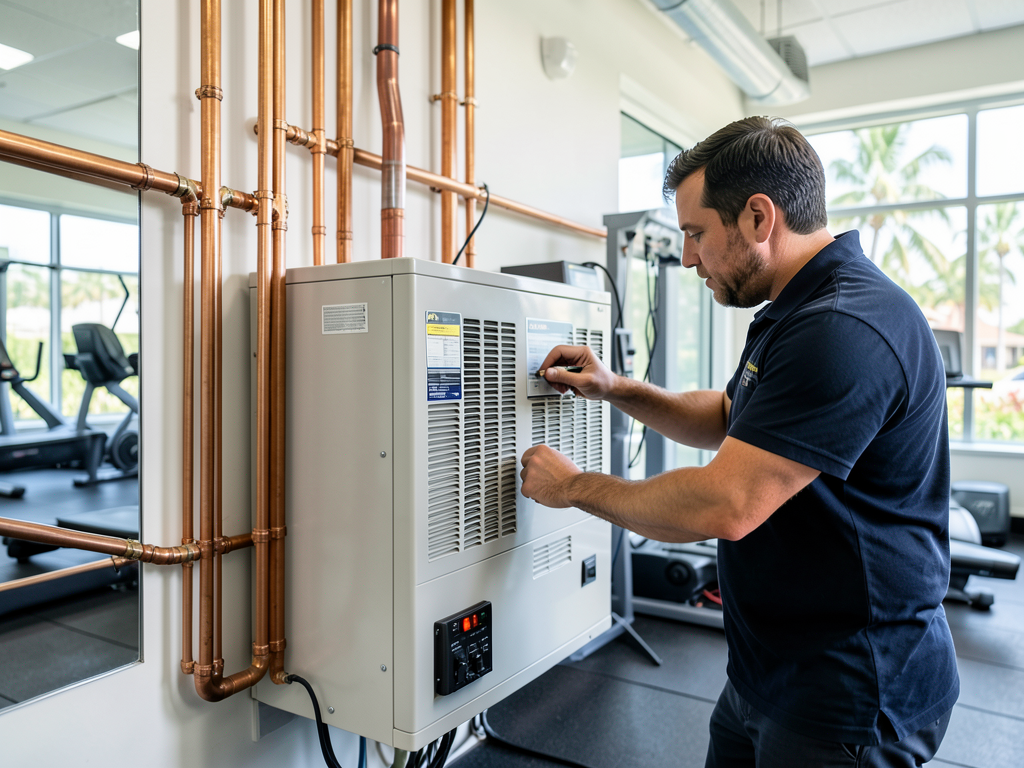
Managing the humidity in your Sunset Harbour gym or yoga studio for better air quality High humidity in Miami gyms creates more than discomfort. It accelerates equipment rust, promotes mold growth, and drives up energy…
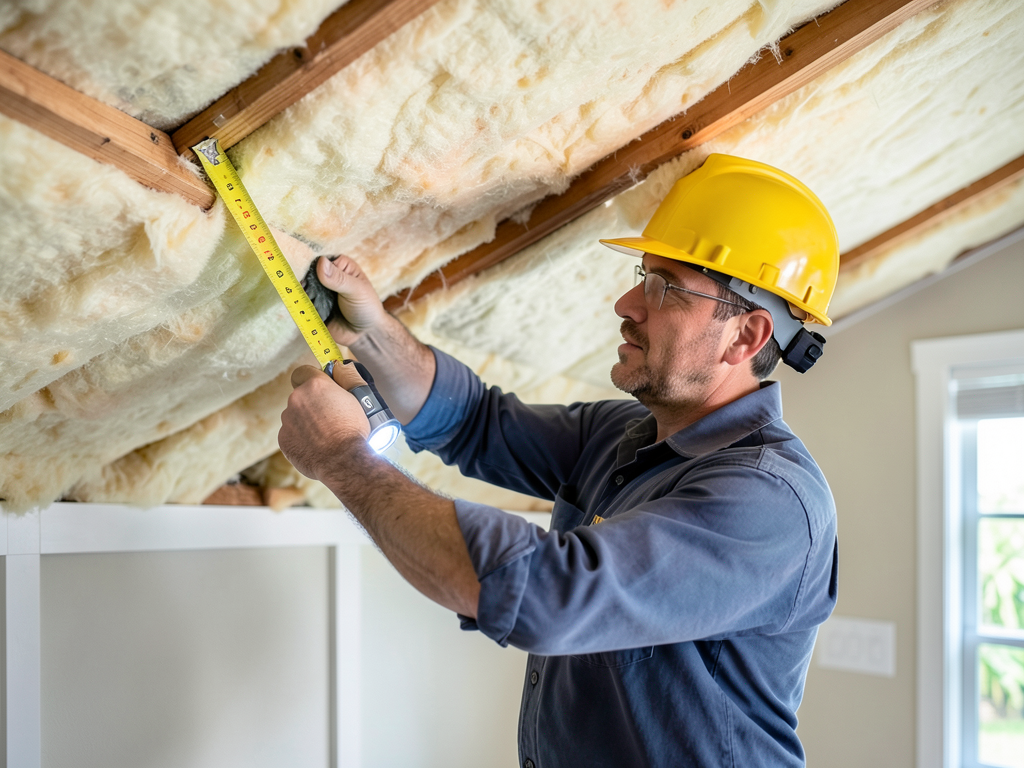
How to tell if your attic insulation has flattened and is making your North Miami…
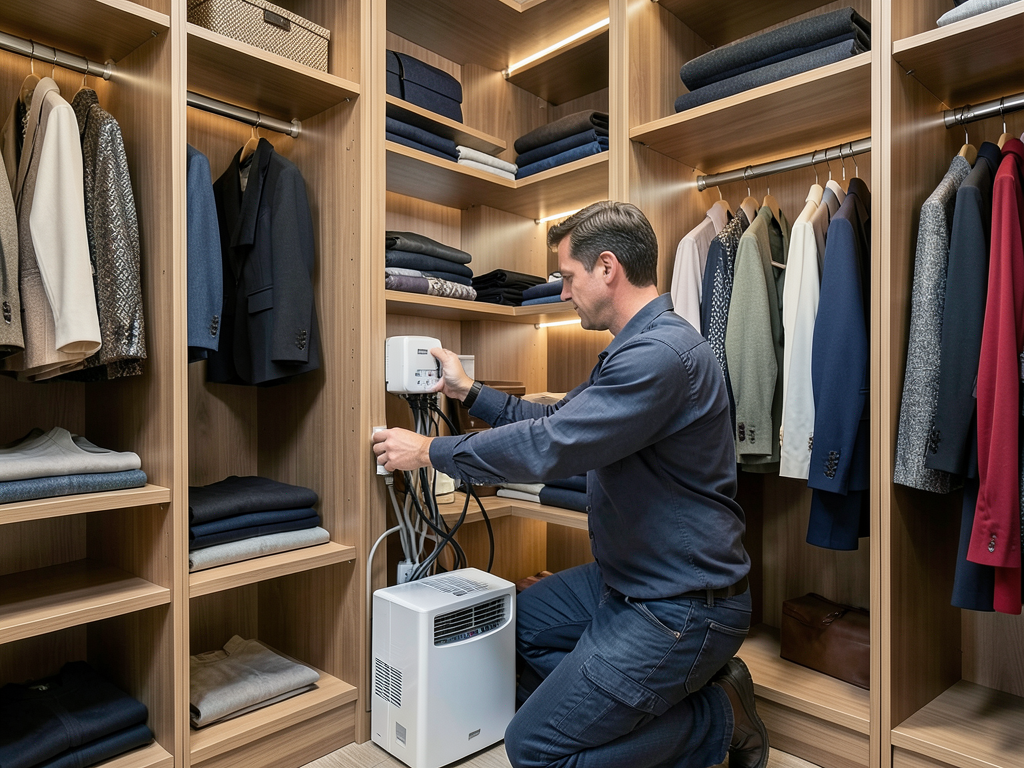
Protecting your Gables Estates walk-in closet from mold and leather damage Your walk-in closet in…
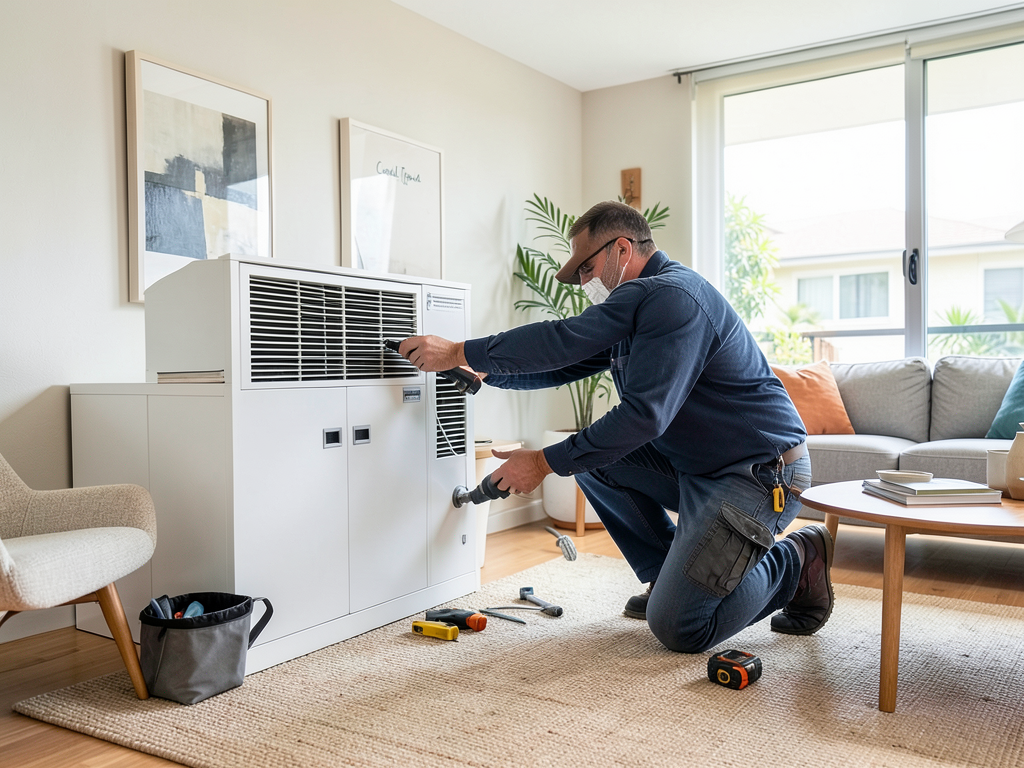
Smart vents and dampers for fixing uneven cooling in older Coral Terrace houses If you…
Your air conditioner will not fix itself. The longer you wait, the hotter your house gets. Call Horizon Heating and Cooling Miami at (786) 789-8277 right now. We dispatch technicians within two hours and fix most problems the same day.