
menu

Excess Dust in Home in Miami – Expert Diagnosis and Permanent Solutions

Horizon Heating and Cooling Miami identifies the hidden HVAC failures causing excessive house dust and delivers targeted fixes that eliminate constant dust in house for good.

Slider Image 1
Slider Image 2
Slider Image 3
Slider Image 4
Slider Image 5
Slider Image 7
Slider Image 8
Slider Image 9
Slider Image 10
Slider Image 11

Why Miami Homes Struggle with Constant Dust Buildup

You vacuum twice a week. You wipe down surfaces daily. Yet within hours, that heavy dust buildup reappears on your furniture, floors, and vents. This is not a cleaning problem. It is an airflow problem.

Miami's relentless humidity creates the perfect environment for mold spores, pollen, and particulate matter to multiply. When your HVAC system develops leaks in the ductwork or fails to filter incoming air properly, it circulates these contaminants throughout your home. Salt air from the coast accelerates corrosion on vent seals and registers, creating gaps that pull unfiltered attic dust directly into your living space. Older homes near Coral Gables or Coconut Grove often have original duct systems that were never sealed to modern standards, meaning every cooling cycle introduces more dirt.

Too much dust in home environments is not just an annoyance. It aggravates asthma, triggers allergies, and forces your HVAC system to work harder as filters clog within days instead of weeks. The constant layer of grit on surfaces is a symptom of compromised indoor air quality. Your system is supposed to filter and condition air, not distribute pollutants.

The unusually dusty home you live in signals duct leakage, failing filters, or inadequate return air pathways. Miami's subtropical climate makes this worse because outdoor air is rarely clean. Pollen counts spike in spring. Construction dust from new developments settles for miles. Without a properly sealed and maintained HVAC system, your home becomes a collection point for every airborne particle in the neighborhood.

Fixing excessive house dust requires more than better filters. It requires finding where your system is failing and stopping the intrusion at the source.

Why Miami Homes Struggle with Constant Dust Buildup
How We Eliminate Dust at the Source

How We Eliminate Dust at the Source

We do not guess. We measure static pressure across your duct system to quantify leakage. Most contractors replace filters and call it done. We use a duct blaster test to calculate exactly how much conditioned air escapes before it reaches your rooms. If your ducts leak more than 10% of total airflow, you are pulling makeup air from unconditioned spaces like attics and crawlspaces, and that air carries dust, insulation fibers, and allergens.

Next, we inspect every supply and return register for gaps, corrosion, or improper sealing. Miami's salt air eats through cheap metal vents within five years, creating visible holes that bypass filtration entirely. We check the plenum connections at your air handler because this is where most leaks originate. A single unsealed joint at the return plenum can pull attic air directly into your blower, distributing dust faster than any filter can capture it.

We evaluate your filter setup. If you are using standard one-inch fiberglass filters, you are capturing less than 20% of airborne particles. We recommend upgrading to MERV 11 or higher pleated filters, but only after confirming your blower motor can handle the increased resistance. Installing a high-efficiency filter on an undersized system chokes airflow and causes the evaporator coil to freeze.

Ductwork in Miami often runs through attics where temperatures exceed 140 degrees in summer. If your ducts are not insulated to R-6 or higher, condensation forms inside the metal, promoting mold growth that releases spores into your air. We seal all joints with mastic, not tape, because tape fails in high heat. We replace corroded flex duct sections and reseal boot connections at every register.

The goal is simple. Stop unfiltered air from entering your system. Once we close the leaks, your home stays cleaner with half the effort.

What Happens During Your Dust Assessment

Excess Dust in Home in Miami – Expert Diagnosis and Permanent Solutions
01

System Pressure Diagnostics

We connect a digital manometer to your supply and return plenums to measure static pressure. High readings indicate restricted airflow from clogged filters or collapsed ducts. Low readings suggest leaks. This data tells us whether dust is entering through gaps or if your system simply cannot move enough air to maintain positive pressure, which allows outside dust to infiltrate through every crack in your building envelope.
02

Duct Leak Quantification

We seal all registers and pressurize your duct system with a calibrated fan. By measuring how much air we must add to maintain pressure, we calculate total leakage in cubic feet per minute. Anything above 10% of system capacity means unfiltered air is entering. We mark every leak with tape so you can see exactly where dust originates before we begin repairs.
03

Filtration and Sealing Plan

We provide a written report showing leakage locations, pressure imbalances, and filter efficiency gaps. You receive a prioritized repair list with cost factors for each fix. Most clients see dramatic dust reduction after sealing the three largest leaks and upgrading to MERV 11 filters. We return after repairs to verify pressure readings and confirm dust intrusion has stopped.

Why Miami Homeowners Choose Horizon Heating and Cooling Miami for Dust Problems

Most HVAC companies treat dust complaints as a filter issue. They sell you a maintenance plan and move on. We treat it as a diagnostic challenge because dust symptoms point to system failures that waste energy and degrade indoor air quality.

We understand how Miami's climate interacts with HVAC systems. The high humidity means your evaporator coil operates at maximum capacity for eight months a year. If duct leaks allow humid attic air into your system, condensation forms inside the ducts, promoting mold that releases spores with every cooling cycle. Sealing ducts in Miami is not optional. It is essential for both efficiency and health.

We know the building stock. Homes built before 2002 often lack proper duct sealing because older building codes did not require it. Ductwork in Coral Gables bungalows or Coconut Grove ranch homes frequently runs through vented attics where temperatures and humidity create the worst possible conditions for air distribution. We have repaired duct systems in every architectural style common to Miami, from mid-century modern to new construction in Doral and Kendall.

Our technicians carry duct blasters, manometers, and thermal cameras on every truck. We do not schedule a second visit to test your system. We diagnose and quantify the problem during the first appointment. You receive data, not opinions. If your ducts leak 200 cubic feet per minute at 25 pascals of pressure, we show you the printout and explain what it means for your dust problem and your energy bill.

We also understand the cost sensitivity of duct sealing. Not every leak requires replacement. We prioritize repairs that deliver the highest impact for the lowest cost. Sealing a return plenum gap takes 20 minutes and eliminates 40% of dust intrusion. Replacing 50 feet of crushed flex duct costs more but solves airflow problems that filters cannot fix. We give you options, not sales pitches.

What to Expect When We Solve Your Dust Problem

Rapid Diagnostic Appointments

We schedule diagnostics within 48 hours of your call. Most assessments take 90 minutes. We test static pressure, inspect accessible ductwork, evaluate filter efficiency, and check for return air pathway restrictions. You receive a written report before we leave. If your dust problem stems from a single failed component like a cracked return boot, we can often repair it the same day. Complex duct sealing projects require a follow-up appointment with specialized equipment, but you will know the scope and cost factors before we schedule the work.

Transparent Testing Process

We show you the manometer readings in real time. You see the static pressure drop across your filter, the pressure difference between supply and return plenums, and the total system airflow in cubic feet per minute. If we recommend a duct blaster test, we explain what the results mean in plain language. A leak rate of 150 CFM at 25 pascals tells us your system loses 15% of conditioned air before it reaches your rooms, and we show you where that air escapes using smoke pencils and thermal imaging.

Measurable Dust Reduction

After sealing leaks and upgrading filtration, most clients notice cleaner surfaces within three days. The improvement is not subtle. Dust accumulation slows by 60 to 80% because unfiltered air no longer bypasses your filter media. Your HVAC system operates more efficiently because the blower does not work against leaks. Cooling cycles shorten. Temperature consistency improves. If you do not see significant dust reduction within one week of repairs, we return to identify additional intrusion points at no extra diagnostic charge.

Ongoing Filter Maintenance

We provide a filter replacement schedule based on your system's airflow and your home's dust load. High-efficiency filters require monthly checks during peak cooling season because they capture more particles and clog faster. We offer filter delivery service so you never run a dirty filter longer than necessary. If you upgrade to a whole-home air purifier or electronic filter, we provide annual maintenance to ensure it continues removing particles below one micron that standard filters miss.

Frequently Asked Questions

You Have Questions,
We Have Answers

What causes so much dust in my house? +

Dust accumulates from multiple sources. Dead skin cells, fabric fibers, and tracked-in dirt are common culprits. In Miami, high humidity causes outdoor pollen, mold spores, and salt particles from ocean air to settle indoors. Leaky ductwork in your HVAC system recirculates attic dust and insulation fibers. Dirty air filters force your system to work harder and spread particulates. Construction activity in growing Miami neighborhoods adds external dust infiltration. Old windows and poor weatherstripping allow contaminated outdoor air inside. Your AC system cycles constantly in Florida's heat, meaning any internal dust gets redistributed faster than in cooler climates.

How do I stop my house from getting so dusty? +

Start with your HVAC system. Replace air filters monthly during Miami's cooling season. Seal ductwork leaks and gaps where dust enters from attics or crawl spaces. Upgrade to MERV 11 or higher filters if your system allows. Vacuum weekly using a HEPA filter vacuum to trap fine particles instead of blowing them back into the air. Weatherstrip doors and windows to block outdoor pollen and salt air. Remove shoes at entry points to stop tracking in Miami's sandy soil. Wash bedding weekly in hot water. Schedule professional duct cleaning every three to five years to remove built-up debris.

Do air purifiers actually reduce dust? +

Yes, when properly sized and maintained. Air purifiers with true HEPA filters capture 99.97% of particles down to 0.3 microns, including dust mites, pollen, and mold spores common in Miami's humid climate. Place units in high-traffic rooms or bedrooms for maximum benefit. You need adequate coverage for your square footage or the unit becomes ineffective. Change filters on schedule or performance drops sharply. Purifiers work best alongside regular cleaning and HVAC maintenance, not as replacements. They reduce airborne dust but cannot eliminate settled dust on surfaces. Consider models with activated carbon to handle Miami's outdoor odors and humidity-related mustiness.

Is it unhealthy to live in a dusty house? +

Yes, chronic dust exposure triggers health problems. Dust mites thrive in Miami's humid environment and cause allergic reactions, asthma flare-ups, and respiratory irritation. Fine particulates inflame airways and worsen existing conditions like COPD. Mold spores in household dust grow quickly in Florida's moisture and release allergens. Children and elderly residents face higher risks from prolonged exposure. Dust harbors bacteria, pet dander, and chemical residues from cleaning products. You may experience itchy eyes, congestion, coughing, and fatigue. Long-term exposure can lead to chronic sinusitis. Regular cleaning and air filtration protect your family's respiratory health in Miami's challenging climate.

What is grandmas' simple trick to eliminate dust? +

The traditional trick involves damp microfiber cloths. Dry dusting just moves particles into the air where they resettle minutes later. Slightly dampening your cloth traps dust through surface tension instead of dispersing it. Microfiber's split fibers grab particles better than cotton rags. Another method uses fabric softener diluted in water as a dusting spray, creating a thin barrier that repels dust temporarily. In Miami's humidity, this works short-term but attracts moisture if overused. The real secret combines frequent damp wiping with addressing root causes like dirty HVAC filters and leaky ductwork. Surface tricks help but systemic fixes stop dust at the source.

How to clean an extremely dusty house? +

Start from top to bottom. Dust ceiling fans, light fixtures, and crown molding first so debris falls to lower surfaces. Use a vacuum with a HEPA filter and brush attachment on furniture, baseboards, and vents. Wipe hard surfaces with damp microfiber cloths, rinsing frequently to avoid spreading grime. Vacuum upholstery and under furniture where dust hides. In Miami homes, check window tracks and AC vents where humidity traps particles. Wash curtains and bedding in hot water. Replace HVAC filters immediately after heavy cleaning to capture stirred-up dust. Finish by mopping hard floors. Schedule professional duct cleaning if neglect lasted months or years.

What absorbs dust in the house? +

Nothing truly absorbs dust, but materials trap it temporarily. Microfiber cloths use electrostatic charge to attract particles. HVAC filters capture airborne dust before it settles. Houseplants like spider plants and peace lilies filter some particulates through their leaves, though the effect is minimal in typical room sizes. In Miami, dehumidifiers reduce moisture that causes dust to clump and stick to surfaces. Area rugs and fabric furniture trap dust in fibers but require frequent vacuuming. Air purifiers with HEPA filters remove circulating dust. The key is regular removal through vacuuming and damp wiping rather than relying on absorption alone.

What is the golden rule of dusting? +

Always dust from top to bottom. Gravity pulls dislodged particles downward, so starting low means re-dusting upper surfaces after they drop debris. Begin with ceiling fans and tall shelves, work down to tables and baseboards, then finish by vacuuming or mopping floors. This single pass approach saves time and effort. In Miami's humid climate, use slightly damp cloths instead of dry dusters to prevent particles from becoming airborne and resettling. Pair directional dusting with regular HVAC filter changes. The golden rule works because it respects physics rather than fighting it. One efficient pass beats multiple random attempts.

Does opening a window reduce dust? +

In Miami, opening windows often increases dust rather than reducing it. Outdoor pollen counts run high year-round in South Florida. Salt particles from ocean breezes, construction dust from development projects, and vehicle exhaust enter through open windows. Humidity allows particles to clump and settle on surfaces faster. Windows provide temporary ventilation but introduce more contaminants than they remove. Your AC system filters indoor air more effectively when windows stay closed. Open windows during low-pollen mornings if you need fresh air, but keep them shut during peak traffic hours and windy days when dust and allergens concentrate.

Is there a machine that removes dust from the air? +

Yes, several machines remove airborne dust. Whole-house air purifiers integrate with your HVAC system and filter all circulating air. Portable HEPA air purifiers target specific rooms and capture 99.97% of particles. In Miami, consider units with humidity sensors since moisture affects dust behavior. Electrostatic precipitators charge particles and collect them on metal plates. UV air purifiers kill biological contaminants but do not capture dust. Professional-grade air scrubbers handle severe contamination during renovations. Your existing HVAC system removes dust when you upgrade to high-MERV filters and maintain clean ductwork. Match the machine type to your specific dust source for best results.

How Miami's Coastal Environment Accelerates HVAC Dust Problems

Salt air corrodes metal duct connections and vent registers faster than in any other climate. Homes within five miles of Biscayne Bay or the Atlantic experience accelerated deterioration of galvanized ductwork, creating gaps that allow attic dust and insulation fibers to enter the air stream. High humidity keeps dust particles suspended longer, meaning they travel farther through your home before settling. Pollen from tropical landscaping, construction dust from constant redevelopment, and fine sand particles from coastal wind make Miami's outdoor air quality poor enough that even small duct leaks introduce heavy dust buildup indoors.

Horizon Heating and Cooling Miami specializes in duct systems exposed to coastal conditions. We understand which sealants withstand humidity and salt exposure, and we know that standard duct tape fails within two years in Miami attics. Our technicians have diagnosed dust problems in thousands of homes from Coral Gables to Aventura, and we recognize the specific failure patterns common to Florida construction methods. Choosing a local provider means working with technicians who understand why your dust problem is worse in summer and how to fix it permanently.
Heating and Cooling Services in The Miami Area

Need dependable HVAC service near you? Horizon Heating and Cooling Miami proudly serves homes and businesses across the Miami metro area with top-rated heating and cooling repairs, installations, and emergency services. Whether you’re in Kendall, Doral, or Aventura, our expert technicians are just a call away. Check the map below to explore our coverage zones and get fast, professional HVAC help in your neighborhood.

Address:
Horizon Heating and Cooling Miami, 1221 Brickell Ave, Miami, FL, 33131

Additional Services We Offer

Our news updates

Latest Articles & News from The Blogs

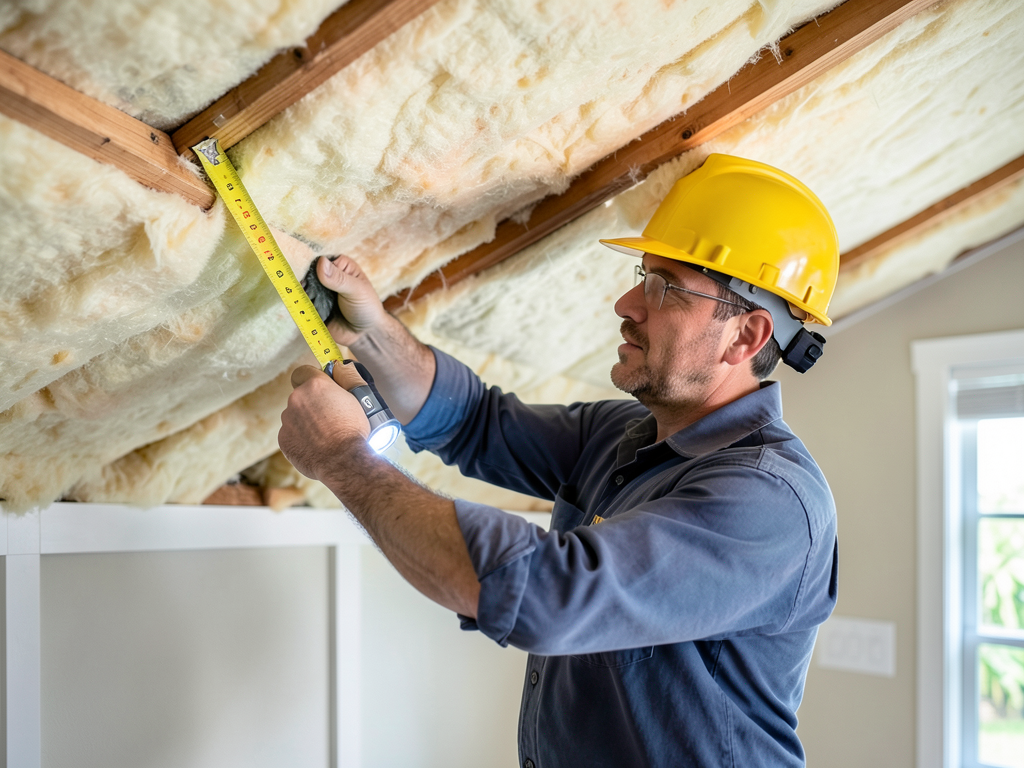
How to tell if your attic insulation has flattened and is making your North Miami Beach home hotter Your attic…

How to tell if your attic insulation has flattened and is making your North Miami Beach home hotter

How to tell if your attic insulation has flattened and is making your North Miami Beach home hotter Your attic…

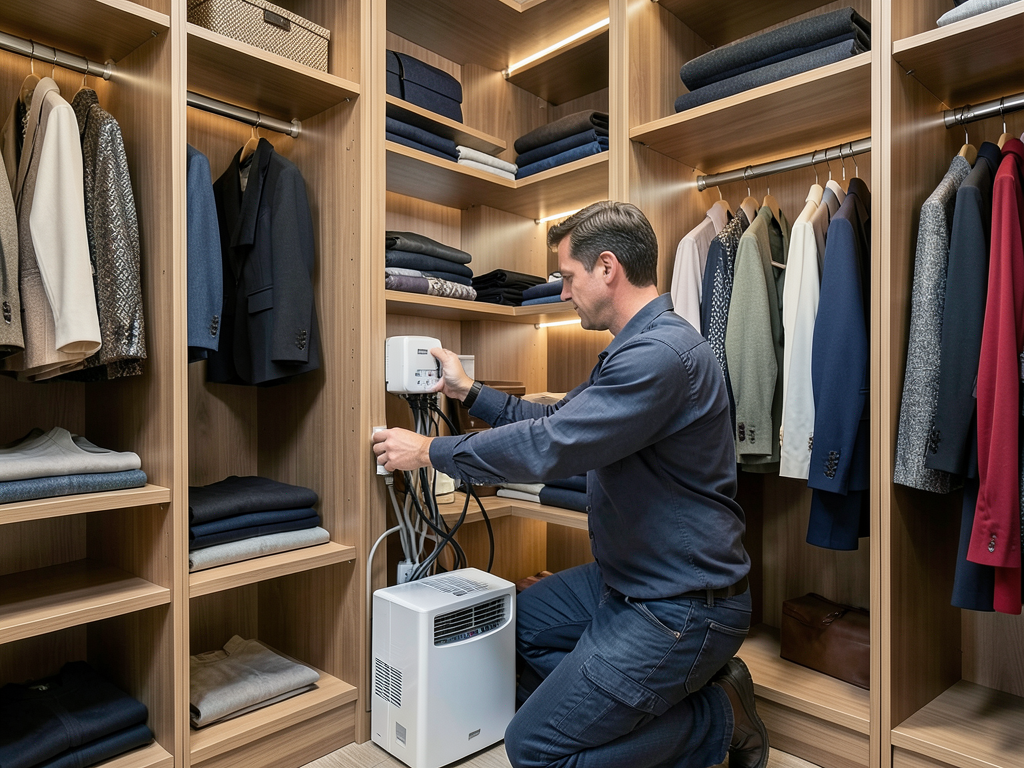
Protecting your Gables Estates walk-in closet from mold and leather damage

Protecting your Gables Estates walk-in closet from mold and leather damage Your walk-in closet in Gables Estates faces a constant…

Smart vents and dampers for fixing uneven cooling in older Coral Terrace houses

Smart vents and dampers for fixing uneven cooling in older Coral Terrace houses If you live in a Coral Terrace…

Contact Us

Call Horizon Heating and Cooling Miami at (786) 789-8277 to schedule a dust diagnostic. We identify the source of excessive house dust and provide a clear repair plan. Your home should not require daily cleaning to stay comfortable.