
How to tell if your attic insulation has flattened and is making your North Miami Beach home hotter
Your attic insulation works silently to keep your North Miami Beach home comfortable. But over time it can settle compact and lose its ability to block South Florida’s intense heat. When this happens your AC works harder your energy bills climb and your home feels stuffy even with the thermostat set low. How to Get Your Miami Lakes HVAC System Ready for the Summer Heat.
Living in North Miami Beach means dealing with year-round heat and humidity. Poor attic insulation makes this climate even more challenging. The good news is you can spot the warning signs before calling for a professional inspection. This guide will help you identify whether your attic insulation has flattened and what steps to take next. HVAC Miami Lakes.
Why attic insulation matters in North Miami Beach
North Miami Beach sits in Miami-Dade County’s hot humid climate zone. Summer temperatures regularly hit 90 degrees with humidity levels above 70 percent. Your attic can reach 130 to 150 degrees on a sunny afternoon. Without proper insulation this heat radiates into your living spaces forcing your air conditioner to run constantly.. Read more about Why your baby’s nursery in Miami Shores feels warmer than the rest of the house.
Good attic insulation creates a thermal barrier that keeps hot air out and cool air in. It also helps control moisture which is critical in South Florida where high humidity can lead to mold growth and wood rot. When insulation loses its thickness or gets compressed it can no longer perform these essential functions.
7 warning signs your attic insulation has flattened
1. Rising energy bills
If your electricity costs keep climbing even though your AC usage hasn’t changed your insulation might be failing. Heat from your attic seeps into your home through the ceiling making your AC run longer to maintain the same temperature. This creates a cycle where your system works overtime trying to overcome the heat gain.
Check your FPL (Florida Power & Light) bills from the past year. Compare summer months to the same period last year. A 15 to 20 percent increase without a change in usage patterns suggests your home is losing its thermal efficiency. FPL energy efficiency rebates.
2. Uneven temperatures between rooms
Do some rooms feel significantly warmer than others especially upstairs? This temperature difference often points to poor attic insulation. Heat rises and if your attic can’t block it upper floors become heat traps. You might notice that bedrooms under the roof feel stuffy while lower rooms stay comfortable.
In North Miami Beach split-level homes and two-story houses are common. These designs make temperature differences more noticeable when insulation fails. The problem gets worse during afternoon hours when the sun beats down on your roof.
3. Your AC runs constantly
A healthy AC system cycles on and off to maintain your set temperature. If yours runs non-stop or turns on immediately after shutting off your attic might be pushing too much heat into your home. This forces your system to work at maximum capacity just to keep up.
Listen to your outdoor unit. If it never seems to rest especially on moderately warm days your insulation could be the culprit. This constant operation not only raises your bills but also shortens your AC’s lifespan.
4. Visible compression or settling
If you can safely access your attic look for these visual clues. Fiberglass batt insulation should maintain its thickness. When it compresses from foot traffic or age it loses R-value. You might see areas where the insulation looks flat or has gaps exposing the ceiling below.
Blown-in insulation should appear fluffy and even. If it looks matted down or has bare spots it’s not providing proper coverage. Water damage from roof leaks can also cause insulation to clump and lose effectiveness.
5. High indoor humidity
South Florida’s humidity is already a challenge. Poor attic insulation makes it worse by allowing warm moist air to enter your home. You might notice condensation on windows or a general feeling of dampness even when your AC runs.
High humidity makes your home feel warmer than it is. It also creates conditions for mold growth which can damage your home and affect your health. If you’re running a dehumidifier constantly your attic insulation might be part of the problem.
6. Pest infestations
Flattened or damaged insulation often indicates pest problems. Rodents birds and insects can nest in attic insulation. They compress it as they move through creating trails and bare spots. You might find droppings shredded material or actual pests in your attic.
South Florida’s warm climate means year-round pest activity. If you hear scratching in your ceiling or notice signs of animals your insulation may need replacement regardless of its age.
7. Ice on AC components
This might seem counterintuitive in Miami but ice on your evaporator coils or refrigerant lines indicates your system is working too hard. When your attic pushes excess heat into your home your AC runs longer and may develop freezing issues.
Ice forms when the system can’t remove enough heat or when airflow becomes restricted. Both problems can stem from your attic’s inability to keep heat out. If you see ice turn off your system and call a professional immediately.
Understanding R-value and Miami’s requirements
R-value measures insulation’s resistance to heat flow. The higher the R-value the better the insulation performs. Miami-Dade County falls in Climate Zone 1 which has specific requirements for new construction.
The Department of Energy recommends R-30 to R-49 for attics in South Florida. Many older North Miami Beach homes were built with R-19 or less which isn’t sufficient for our climate. Modern building codes require much higher R-values to handle our intense heat and humidity. Department of Energy insulation guide.
Different insulation types provide different R-values per inch. Fiberglass batts offer about R-3 per inch while spray foam can provide R-6 per inch. This means you need 10 to 16 inches of fiberglass or 5 to 8 inches of spray foam to meet current recommendations.
Common insulation problems in North Miami Beach homes
Many homes in North Miami Beach were built before modern energy codes existed. These older homes often have inadequate insulation that has degraded over decades of South Florida heat and humidity. Installing Modern AC Systems in Historic Coral Gables Homes Without Damaging the Architecture.
Flat or low-slope roofs common in mid-century construction can make proper attic insulation challenging. Some homes have minimal attic space or use roof deck insulation instead of traditional attic floor insulation. This requires different approaches to achieve proper thermal protection.
Ventilation issues often compound insulation problems. Without proper attic ventilation even good insulation can’t perform optimally. Hot air gets trapped creating a heat dome effect that pushes temperatures even higher.
DIY inspection: How to check your attic insulation
Before calling a professional you can do a basic inspection. Remember safety first: never walk on ceiling joists and watch for exposed nails or electrical wiring.
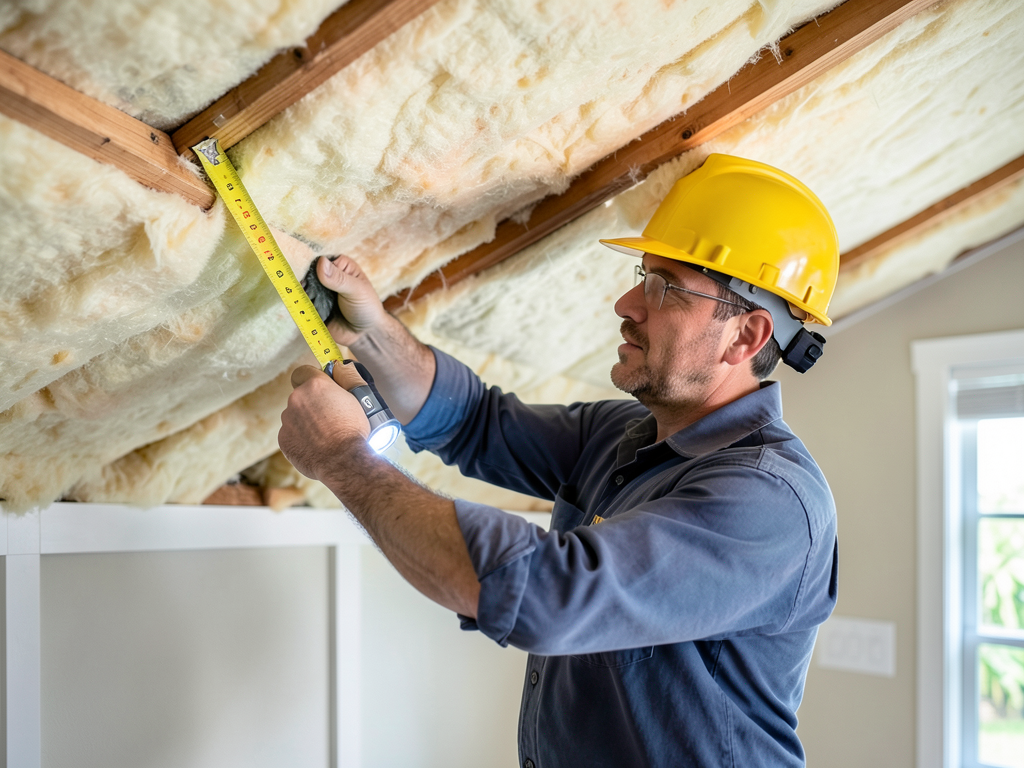
Wear protective gear including gloves long sleeves and a dust mask. Bring a flashlight and a ruler to measure insulation depth. Look for these issues:
- Uniform coverage across the entire attic floor
- Minimum 10 to 12 inches of insulation depth
- No compressed areas or gaps
- No water stains or mold growth
- No pest droppings or nesting material
- Proper ventilation around soffit vents
Pay special attention to areas around recessed lights attic access points and the perimeter where insulation often settles or gets disturbed.
Cost factors for insulation improvement
Several factors affect the cost of improving your attic insulation. The size of your attic is the biggest factor but other considerations include:
Existing insulation condition: If you need complete removal of old insulation costs increase. Contaminated insulation from pests or mold requires special handling.
Access issues: Tight attic spaces or obstacles like HVAC equipment can make installation more labor-intensive.
Material choice: Blown-in cellulose is often less expensive than spray foam but may not provide the same air sealing benefits.
Air sealing needs: Before adding insulation professionals often seal air leaks around penetrations. This improves overall performance but adds to the project cost.
Benefits of proper attic insulation
Upgrading your attic insulation offers multiple benefits beyond just lower energy bills. You’ll notice improved comfort with more consistent temperatures throughout your home. Your AC system will run less frequently reducing wear and extending its lifespan.
Better humidity control means reduced risk of mold growth and improved indoor air quality. You might also qualify for FPL rebates or federal tax credits for energy efficiency improvements. Some homeowners report 20 to 30 percent reductions in cooling costs after proper insulation upgrades.
Beyond the financial benefits proper insulation increases your home’s value and makes it more attractive to potential buyers who understand energy efficiency.
When to call a professional
While DIY inspection helps you identify potential problems a professional assessment is often necessary. Call an expert if you notice: Expert Ductless Mini Split Installation for Coconut Grove Cottages.
- Significant temperature differences between rooms
- Consistently high energy bills
- Visible water damage or mold in your attic
- Pest activity or droppings
- Your AC runs constantly without maintaining temperature
Professionals can perform thermal imaging to identify heat loss areas conduct blower door tests and recommend the most cost-effective solutions for your specific home.
Local building codes and regulations
Miami-Dade County has strict building codes especially in the High Velocity Hurricane Zone (HVHZ). These regulations affect insulation installation and require specific materials and methods to withstand hurricane conditions.
Local contractors must follow Florida Building Code requirements for insulation R-values and installation methods. They also need to consider factors like wind uplift and moisture management that are unique to coastal South Florida.
Working with a local professional ensures your insulation project meets all code requirements and includes proper documentation for permits if needed.
Frequently Asked Questions
How often should attic insulation be replaced?
Most insulation lasts 15 to 25 years but South Florida’s climate can shorten this lifespan. Check your insulation every 5 years and replace it if you notice significant settling moisture damage or pest infestations.
Can I add new insulation over old insulation?
Yes in many cases you can add new insulation over existing material. However you must first address any moisture problems pest infestations or air leaks. Never add insulation over wet or moldy material.
What’s the best insulation for Miami’s climate?
Both spray foam and blown-in cellulose work well in Miami. Spray foam provides superior air sealing but costs more. Cellulose is more affordable and offers good moisture resistance. A professional can recommend the best option based on your home’s specific needs.
Will new insulation eliminate my high AC bills?
While new insulation significantly reduces cooling costs other factors affect your energy bills. Your AC system’s efficiency ductwork condition and home air sealing all play important roles. Insulation is often the first and most cost-effective improvement to make.
How long does insulation installation take?
Most residential attic insulation projects take one to two days depending on the size of your home and the complexity of the work. Professional installers can often complete the job while you’re away from home.
Take action to improve your home’s comfort
If you’ve noticed any of the warning signs mentioned in this article your attic insulation might be failing. The combination of North Miami Beach’s intense heat and humidity makes proper insulation essential for comfort and energy efficiency.
Don’t wait until your AC system fails or your energy bills become unmanageable. A professional inspection can identify problems and recommend solutions that fit your budget and home’s specific needs.
Call Horizon Heating and Cooling today at (786) 789-8277 for a comprehensive attic insulation assessment. Our local experts understand Miami-Dade County’s unique climate challenges and can help you create a more comfortable energy-efficient home.
Visit our website to learn more about our energy efficiency services and how we can help you beat the South Florida heat. Your comfort is our priority and we’re ready to help you make your North Miami Beach home cooler and more efficient.
Remember: Proper attic insulation isn’t just about comfort it’s about protecting your investment and reducing your environmental impact. Take the first step toward a more efficient home today.
{
“@context”: “https://schema.org”,
“@type”: “BlogPosting”,
“headline”: “How to tell if your attic insulation has flattened and is making your North Miami Beach home hotter”,
“description”: “Is your North Miami Beach home hotter than it should be? Learn the 7 warning signs of poor attic insulation and how to fix it before your AC bills skyrocket.”,
“wordCount”: 2034,
“datePublished”: “2026-06-29T13:11:00.000Z”,
“dateModified”: “2026-06-29T13:11:00.000Z”,
“inLanguage”: “en-US”,
“mainEntityOfPage”: {
“@type”: “WebPage”,
“@id”: “https://horizonheatingandcoolingmiami.com”
},
“publisher”: {
“@type”: “LocalBusiness”,
“name”: “Horizon Heating and Cooling Miami”,
“url”: “https://horizonheatingandcoolingmiami.com”
},
“author”: {
“@type”: “Organization”,
“name”: “Horizon Heating and Cooling Miami”,
“url”: “https://horizonheatingandcoolingmiami.com”
},
“image”: {
“@type”: “ImageObject”,
“url”: “https://horizonheatingandcoolingmiami.com/wp-content/uploads/2026/03/how-to-tell-if-your-attic-insulation-has-flattened-1.png”
}
}
{
“@context”: “https://schema.org”,
“@type”: “HVACBusiness”,
“name”: “Horizon Heating and Cooling Miami”,
“url”: “https://horizonheatingandcoolingmiami.com”,
“address”: {
“@type”: “PostalAddress”,
“addressLocality”: “Miami”
},
“areaServed”: {
“@type”: “City”,
“name”: “Miami”
}
}
{
“@context”: “https://schema.org”,
“@type”: “FAQPage”,
“mainEntity”: [
{
“@type”: “Question”,
“name”: “How often should attic insulation be replaced?”,
“acceptedAnswer”: {
“@type”: “Answer”,
“text”: “Most insulation lasts 15 to 25 years but South Florida’s climate can shorten this lifespan. Check your insulation every 5 years and replace it if you notice significant settling moisture damage or pest infestations.”
}
},
{
“@type”: “Question”,
“name”: “Can I add new insulation over old insulation?”,
“acceptedAnswer”: {
“@type”: “Answer”,
“text”: “Yes in many cases you can add new insulation over existing material. However you must first address any moisture problems pest infestations or air leaks. Never add insulation over wet or moldy material.”
}
},
{
“@type”: “Question”,
“name”: “What’s the best insulation for Miami’s climate?”,
“acceptedAnswer”: {
“@type”: “Answer”,
“text”: “Both spray foam and blown-in cellulose work well in Miami. Spray foam provides superior air sealing but costs more. Cellulose is more affordable and offers good moisture resistance. A professional can recommend the best option based on your home’s specific needs.”
}
},
{
“@type”: “Question”,
“name”: “Will new insulation eliminate my high AC bills?”,
“acceptedAnswer”: {
“@type”: “Answer”,
“text”: “While new insulation significantly reduces cooling costs other factors affect your energy bills. Your AC system’s efficiency ductwork condition and home air sealing all play important roles. Insulation is often the first and most cost-effective improvement to make.”
}
},
{
“@type”: “Question”,
“name”: “How long does insulation installation take?”,
“acceptedAnswer”: {
“@type”: “Answer”,
“text”: “Most residential attic insulation projects take one to two days depending on the size of your home and the complexity of the work. Professional installers can often complete the job while you’re away from home.”
}
}
]
}
{
“@context”: “https://schema.org”,
“@type”: “BreadcrumbList”,
“itemListElement”: [
{
“@type”: “ListItem”,
“position”: 1,
“name”: “Home”,
“item”: “https://horizonheatingandcoolingmiami.com”
},
{
“@type”: “ListItem”,
“position”: 2,
“name”: “Blog”,
“item”: “https://horizonheatingandcoolingmiami.com/blog”
},
{
“@type”: “ListItem”,
“position”: 3,
“name”: “How to tell if your attic insulation has flattened and is making your North Miami Beach home hotter”
}
]
}
{
“@context”: “https://schema.org”,
“@type”: “Service”,
“serviceType”: “HVAC”,
“provider”: {
“@type”: “LocalBusiness”,
“name”: “Horizon Heating and Cooling Miami”,
“url”: “https://horizonheatingandcoolingmiami.com”
},
“areaServed”: {
“@type”: “City”,
“name”: “Miami”
},
“description”: “Is your North Miami Beach home hotter than it should be? Learn the 7 warning signs of poor attic insulation and how to fix it before your AC bills skyrocket.”
}