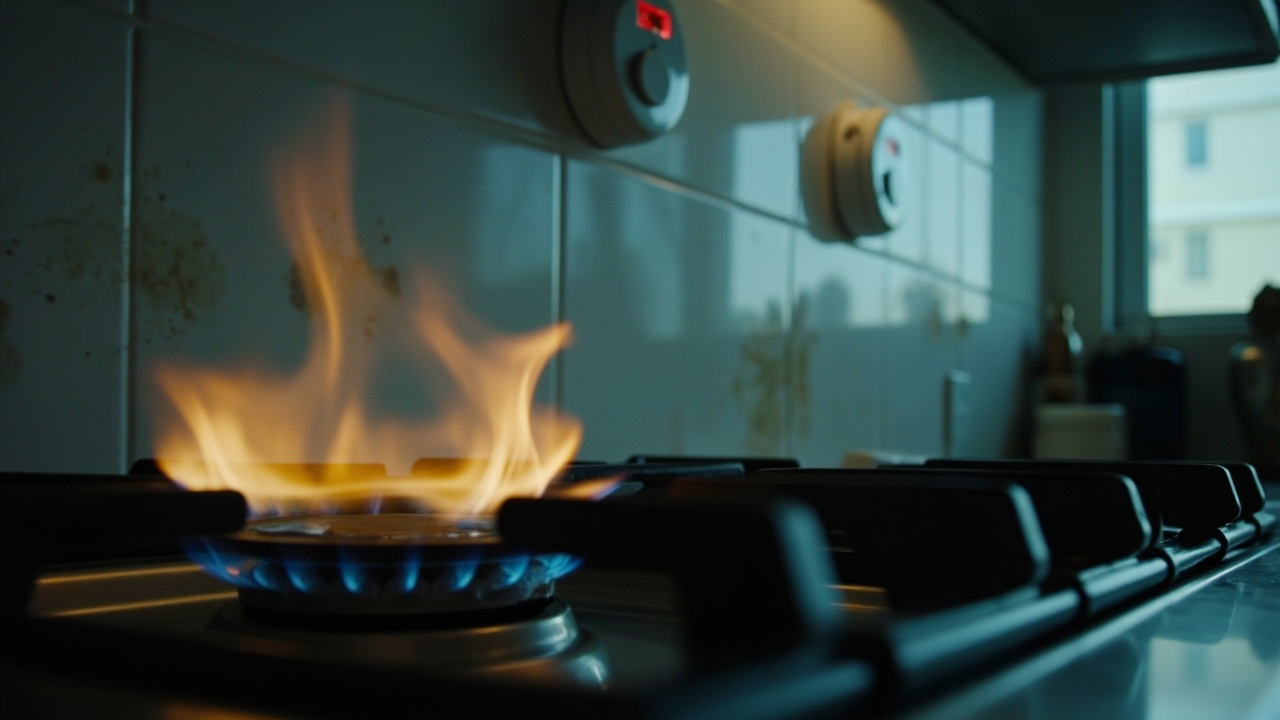
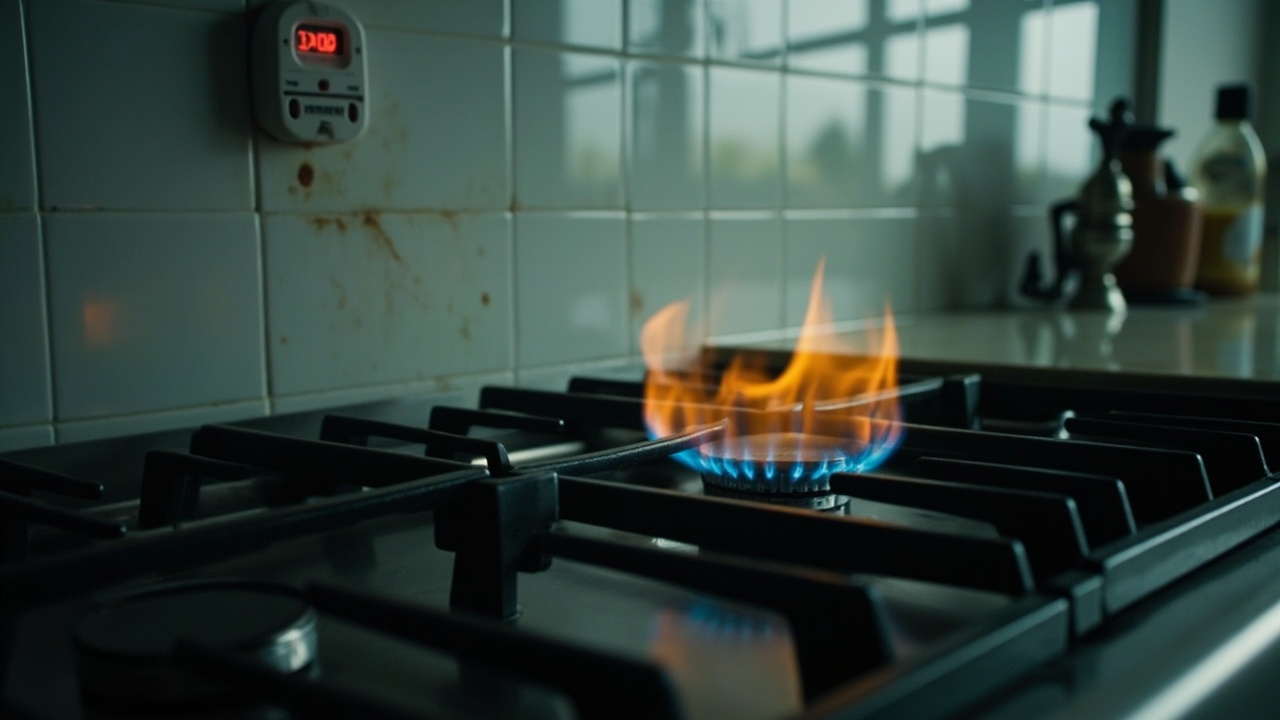
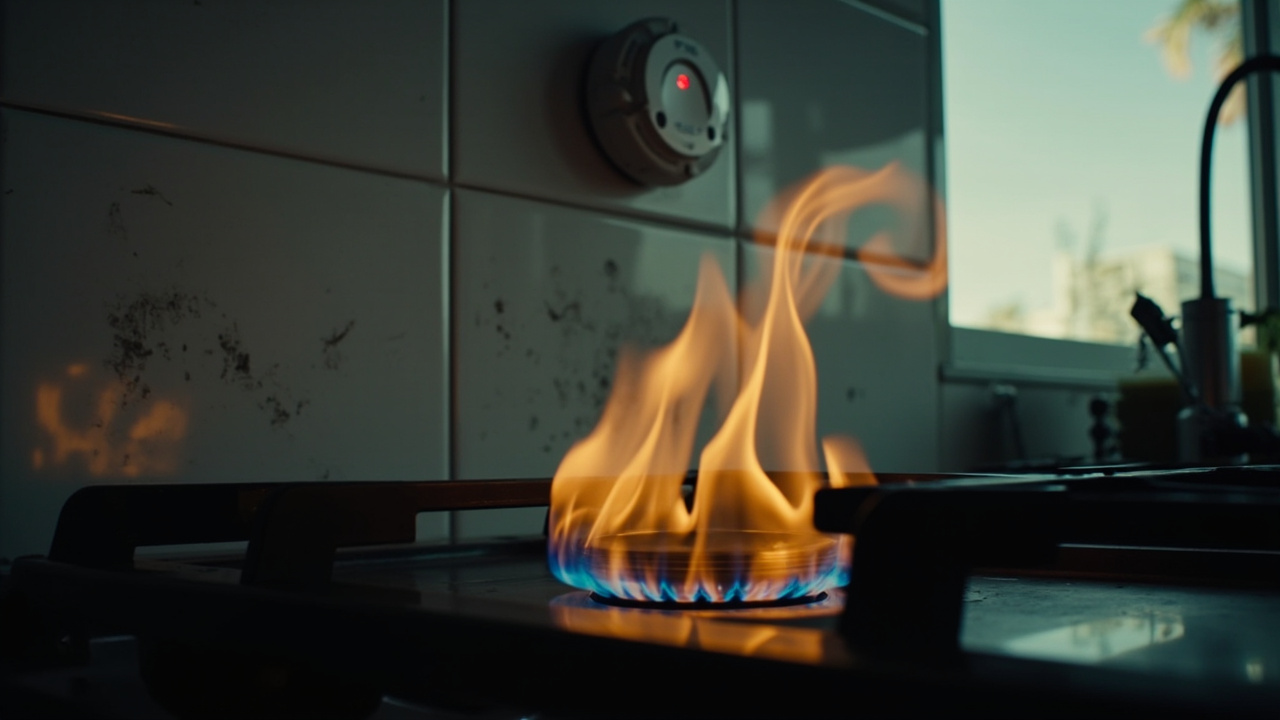
Miami's tropical climate means your HVAC system runs more hours annually than systems in most U.S. cities. Air conditioning operates from March through November without significant breaks. Heat pumps or furnaces handle periodic cold fronts from December through February. This constant operation accelerates heat exchanger fatigue and increases carbon monoxide risk. Metal components expand and contract with temperature cycling, creating stress fractures invisible during visual inspection. Coastal humidity accelerates corrosion of vent pipes, especially in homes near Biscayne Bay, Miami Beach, or Coconut Grove waterfront areas. Salt air infiltration corrodes flue pipes from the inside out. Hurricane wind events can shift vent terminations, crack heat exchangers, or damage exhaust systems without obvious external signs. These factors make regular combustion testing critical for Miami homeowners even if appliances appear to function normally.
Miami-Dade County enforces strict building codes for gas appliance installations, but older homes were built before modern carbon monoxide safety standards existed. Properties in historic districts like Coral Gables, Buena Vista, or Morningside often have HVAC systems installed before 1990 that lack modern safety controls. Local inspectors require carbon monoxide detectors in specific locations during home sales and rental certifications. We stay current with county code updates and help homeowners meet compliance requirements. Our technicians understand the permitting process for gas appliance replacements and can identify when existing installations need upgrades to meet current standards. Choosing a local company familiar with Miami-Dade requirements ensures your carbon monoxide detection and any needed repairs meet code without delays or failed inspections.