menu

AC Repair Services in Miami | Fast, Expert Fixes for Residential and Commercial Systems

When your air conditioner fails in Miami's heat, you need technicians who understand high-humidity systems, salt air corrosion, and the demands of year-round cooling. Horizon Heating and Cooling Miami delivers expert AC repair services with same-day availability across South Florida.

Slider Image 1
Slider Image 2
Slider Image 3
Slider Image 4
Slider Image 5
Slider Image 7
Slider Image 8
Slider Image 9
Slider Image 10
Slider Image 11

Why Air Conditioning Systems Fail Faster in Miami

Miami's tropical climate creates the perfect storm for air conditioner breakdown. Your system runs 10 to 12 months a year, compared to 4 to 6 months in temperate climates. That constant load accelerates compressor wear, refrigerant leaks, and capacitor failure.

Salt air from Biscayne Bay and the Atlantic corrodes condenser coils and electrical connections. You will see green oxidation on copper lines and pitted aluminum fins within months of installation if the unit sits near the coast. Properties in Coconut Grove, Key Biscayne, and Miami Beach face this challenge every season.

High humidity puts additional strain on evaporator coils and drain lines. When your system cannot remove moisture fast enough, you get frozen coils, water damage, and mold growth in ductwork. The air feels sticky even when the thermostat reads 72 degrees.

Afternoon thunderstorms cause voltage spikes that fry circuit boards and contactors. Lightning strikes within a mile of your property can send surges through power lines, damaging sensitive electronics in modern HVAC systems.

Most Miami homes and businesses run undersized systems installed during construction booms. Builders cut corners on tonnage calculations, leaving you with a 3-ton unit struggling to cool 2,400 square feet. The compressor cycles constantly, driving up energy bills and shortening equipment life.

When you need air conditioning repair, the problem usually stems from one of these local factors. Quick diagnosis prevents a $300 fix from becoming a $3,000 replacement.

Why Air Conditioning Systems Fail Faster in Miami
How Professional HVAC Repair Solves the Problem Correctly

How Professional HVAC Repair Solves the Problem Correctly

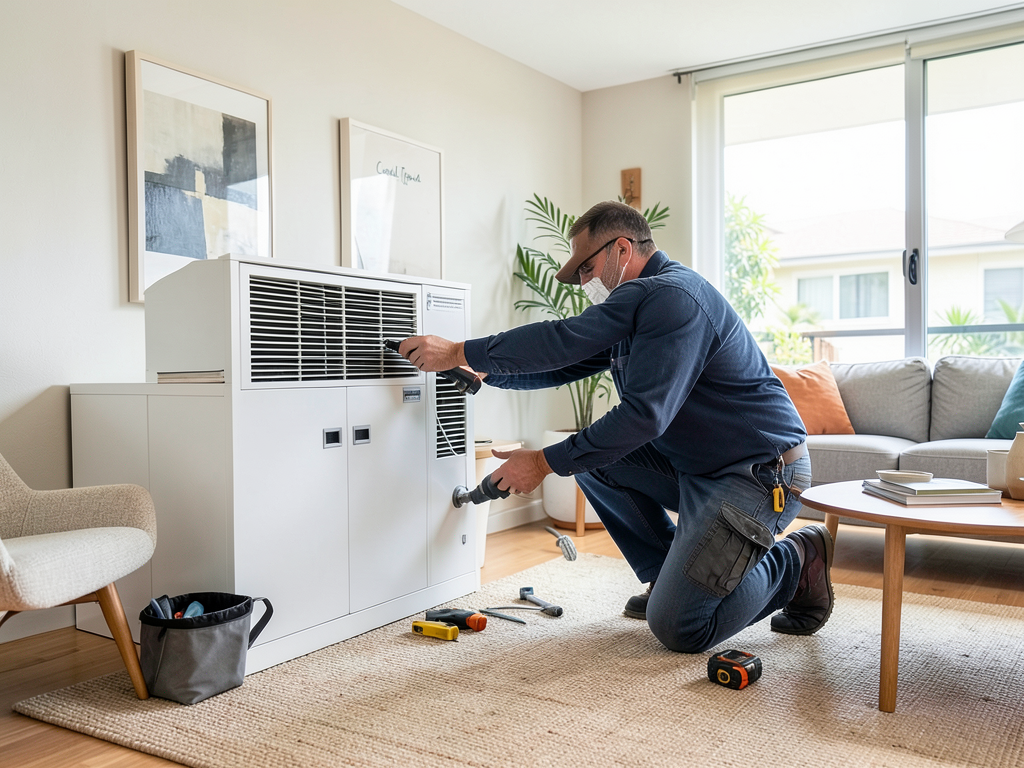
Proper AC service starts with refrigerant pressure testing, not guesswork. We connect manifold gauges to the service ports and compare subcooling and superheat readings against manufacturer specs. This tells us if you have a leak, an overcharge, or a restriction in the liquid line.

Electrical diagnostics come next. We measure voltage and amperage at the contactor, capacitor, and compressor terminals. A weak capacitor shows up as low microfarad readings on a multimeter. A failing compressor draws higher amps than the nameplate rating, signaling internal damage.

Airflow measurement separates real problems from phantom ones. We use a hot wire anemometer at supply registers to calculate CFM. If your 4-ton system moves less than 1,400 CFM, you have a restriction. That could be a clogged filter, collapsed duct, or undersized return grille.

Drain line inspection prevents water damage. We flush the condensate line with a wet-dry vacuum and check the P-trap for proper installation. Miami's flat elevation means drain lines do not slope naturally. Poor installation causes backups that flood your air handler closet.

Condenser coil cleaning restores heat transfer. We use a low-pressure sprayer and coil cleaner to remove salt deposits and organic buildup. Dirty coils reduce capacity by 20 to 30 percent, forcing your compressor to work harder. This single step can drop your electric bill by $40 to $60 per month.

Central air repair requires matching parts to your specific model. We cross-reference the serial number to order OEM capacitors, contactors, and control boards. Aftermarket parts fail faster in Miami's heat and humidity.

What Happens During Your AC Repair Appointment

AC Repair Services in Miami | Fast, Expert Fixes for Residential and Commercial Systems
01

Initial System Diagnosis

Our technician arrives within your scheduled window and begins with a visual inspection of the outdoor condenser and indoor air handler. We check for obvious signs of failure like tripped breakers, frozen coils, or refrigerant oil stains. Then we test system operation, measuring temperatures at the supply and return vents. The temperature split should be 18 to 22 degrees. Anything outside that range indicates a refrigerant issue, airflow problem, or failed component.
02

Component Testing and Repair

We isolate the failed part using electrical meters and pressure gauges. Common failures include run capacitors, contactor points, and reversing valves. If you have a refrigerant leak, we use electronic leak detectors and UV dye to pinpoint the exact location. Small leaks get brazed and pressure tested. Large leaks may require coil replacement. We only add refrigerant after confirming the system holds pressure for 30 minutes.
03

Testing and Performance Verification

After repairs, we run the system through a full cooling cycle and recheck all measurements. Refrigerant pressures should match the ambient temperature chart for your specific refrigerant type. Amperage draw should fall within nameplate specifications. We adjust the thermostat anticipator if needed and verify proper cycling. You receive a detailed invoice listing all parts replaced and measurements recorded. This documentation helps track system health over time.

Why Miami Property Owners Choose Local HVAC Expertise

Air conditioner repair in South Florida requires knowledge of high-humidity system design. Technicians from other climates do not understand why your drain line needs a proper trap or why condenser coils corrode so quickly. We see this when out-of-state companies expand into Miami and misdiagnose salt air damage as refrigerant leaks.

Local building codes changed after Hurricane Andrew, requiring specific tie-down straps and concrete pads for condenser units. Systems installed before 1995 may not meet current wind load requirements. We know which permits apply when replacing outdoor units in Miami-Dade County.

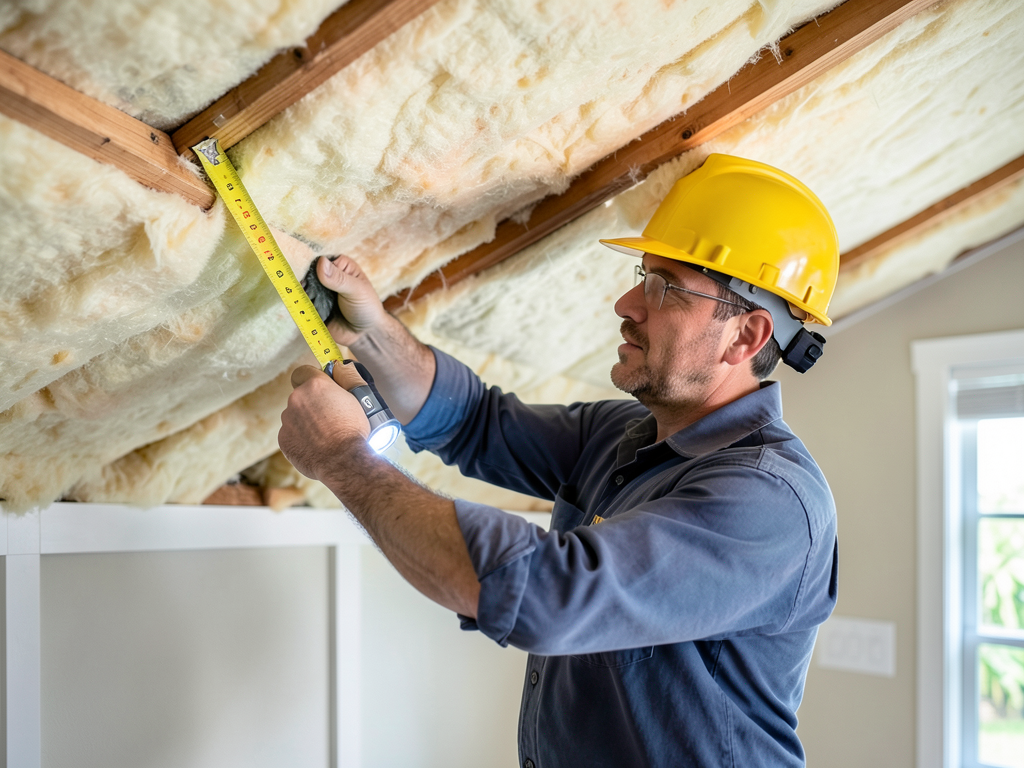
Our experience with Miami's housing stock matters. Coral Gables homes have different ductwork challenges than Brickell condos. Single-family homes in Kendall often have attic air handlers with poor insulation. Condos in Edgewater deal with shared chilled water systems that require coordination with building management.

We stock parts for the brands most common in South Florida. Carrier, Trane, and Lennox dominate residential installations. Rheem and Goodman appear in rental properties and older homes. When your compressor fails on a Saturday afternoon in July, we have the replacement contactor on the truck.

Horizon Heating and Cooling Miami handles both residential service calls and commercial contracts. We maintain rooftop units for office buildings in Doral and split systems for restaurants in Wynwood. That range of experience means we have seen every failure mode your system can produce.

Choosing a local HVAC company means faster response times. We reach most Miami addresses within 90 minutes of your call. National chains dispatch from regional hubs, adding hours to your wait time while your building heats up.

What You Get with Professional AC Service

Same-Day Service Availability

We dispatch technicians seven days a week, including holidays. Most service calls get scheduled within 4 to 6 hours of your initial contact. Emergency situations like total system failure or water leaks receive priority routing. Our trucks carry common replacement parts, so most repairs finish in a single visit. You do not wait days for a capacitor or contactor to arrive. For commercial properties, we offer after-hours service to avoid disrupting business operations. Restaurants and medical offices schedule repairs during closed hours to maintain climate control for customers and patients.

Thorough System Evaluation

Your service call includes a complete system inspection, not just a fix for the immediate problem. We check refrigerant charge, electrical connections, drain line function, and thermostat calibration. This catches developing issues before they cause breakdowns. You receive a written report listing any components showing wear. We explain what needs attention now versus what can wait six months. This transparency helps you budget for future repairs and avoid surprise failures. Our goal is to keep your system running efficiently, not to sell you parts you do not need yet.

Restored Comfort and Efficiency

Proper air conditioning repair brings your system back to factory performance specifications. You notice the difference immediately. Supply air temperature drops to the correct range. Humidity levels fall to comfortable levels. The compressor stops short cycling. Your electric bill decreases because the system does not run constantly. We verify proper operation before leaving your property, checking temperatures at multiple vents and confirming the thermostat cycles correctly. If the repair involves refrigerant, we provide documentation of the amount added, which you need for future service and EPA compliance.

Parts Warranty and Service Records

Replacement parts come with manufacturer warranties that we honor and track. Capacitors and contactors typically carry one-year coverage. Compressors and coils may have longer protection depending on your system age. We maintain digital service records for every customer, creating a repair history that helps diagnose future problems. This documentation proves valuable when selling your property or filing insurance claims. Preventive maintenance plans offer additional protection, with seasonal tune-ups that catch small issues before they become expensive failures. Regular maintenance extends equipment life by three to five years.

Frequently Asked Questions

You Have Questions,
We Have Answers

What is the $5000 AC rule? +

The $5000 AC rule is a guideline used to decide between repair or replacement. You multiply the cost of the repair by the age of your unit. If the total exceeds $5000, replacement makes more financial sense. For example, a $600 repair on a 10-year-old unit equals $6000, suggesting replacement is smarter. In Miami's humid climate, older units work harder and fail sooner due to constant runtime. A technician can assess whether your system is worth fixing or if investing in a new, efficient unit will save you money long-term on energy bills.

How much does an AC service call cost? +

An AC service call in Miami typically includes a diagnostic fee ranging from $75 to $150. This covers the technician's time to inspect your system, identify the problem, and provide a repair estimate. Many companies apply this fee toward the repair cost if you proceed. Miami's high humidity and year-round AC usage mean service calls often reveal issues like clogged condensate drains, refrigerant leaks, or electrical failures. Emergency calls after hours or weekends cost more. Always ask upfront about diagnostic fees and whether they credit toward repairs to avoid surprises.

What is the most expensive repair on an AC unit? +

Compressor replacement is the most expensive AC repair, often costing $1500 to $3000. The compressor pumps refrigerant through your system and handles extreme pressure. In Miami's brutal heat, compressors run nearly nonstop, accelerating wear. Failure usually stems from electrical issues, refrigerant leaks, or lack of maintenance. If your compressor fails and your unit is over 10 years old, replacement often makes better financial sense than repair. A technician will test compressor function, check electrical components, and evaluate whether repair or replacement is the smarter investment for your situation.

Can I write off my new AC unit on my taxes? +

You may qualify for a tax deduction if your new AC unit is energy-efficient and meets federal standards. The Inflation Reduction Act offers credits up to $2000 for high-efficiency HVAC systems with specific SEER ratings. Medical deductions apply if a doctor prescribes AC for a health condition, though you must itemize deductions. In Miami, upgrading to a high-SEER unit saves money year-round due to constant use. Consult a tax professional to confirm eligibility, as rules change. Keep all receipts, manufacturer certifications, and installation invoices to substantiate your claim during tax filing.

What is the 3 minute rule for AC? +

The 3-minute rule prevents compressor damage by requiring a three-minute wait between system cycles. When you turn your AC off, refrigerant pressure remains high. Restarting immediately forces the compressor to work against this pressure, causing mechanical stress and potential failure. Most modern thermostats include this delay automatically. In Miami's climate, where AC units cycle frequently due to humidity and heat, the 3-minute rule protects your compressor from premature wear. If your system short-cycles or restarts too quickly, call a technician. It signals electrical problems, refrigerant issues, or thermostat failure requiring immediate attention.

What is the average lifespan of an AC unit? +

AC units last 10 to 15 years on average, but Miami's climate shortens this lifespan. Year-round operation, high humidity, salt air in coastal areas, and constant heat stress components faster than in cooler climates. Units running 12 months annually accumulate wear equivalent to 20+ years elsewhere. Regular maintenance extends lifespan by preventing small issues from becoming catastrophic failures. If your system exceeds 12 years, plan for replacement. Newer units offer better efficiency, saving money on electric bills. Watch for frequent repairs, rising energy costs, or uneven cooling as signals your unit is failing.

Can I service my AC myself? +

You can handle basic AC maintenance like changing filters monthly and clearing debris from the outdoor unit. Miami's humidity clogs filters fast, restricting airflow and forcing your system to work harder. However, refrigerant handling, electrical repairs, and component replacement require EPA certification and specialized tools. DIY repairs risk voiding warranties, causing refrigerant leaks, or creating electrical hazards. Florida law requires licensed contractors for most HVAC work. A professional tune-up twice yearly catches problems early, ensures safe operation, and maintains efficiency. Attempting complex repairs yourself often costs more when you eventually call a technician to fix mistakes.

What are common AC problems? +

Common AC problems in Miami include refrigerant leaks, clogged condensate drains, dirty coils, and thermostat failures. High humidity causes drain lines to clog with algae, leading to water damage and shutdowns. Salt air corrodes coils and electrical components in coastal areas. Constant runtime wears out capacitors and contactors. Dirty filters restrict airflow, freezing evaporator coils. Ductwork in attics suffers from heat exposure, developing leaks that waste energy. Regular maintenance prevents most issues. If you notice weak airflow, warm air, strange noises, or water leaks, call a technician immediately. Delaying repairs in Miami's heat leads to complete system failure.

Is AC repair covered by insurance? +

Homeowners insurance typically covers AC damage from covered perils like hurricanes, lightning strikes, or falling trees. Miami residents face hurricane risks, making this coverage critical. However, insurance does not cover mechanical failure, wear and tear, or lack of maintenance. If a storm damages your compressor or debris punctures your unit, file a claim immediately with documentation and photos. Neglected maintenance voids claims. Flood damage requires separate flood insurance. Review your policy annually to understand what AC damage qualifies. Keep maintenance records proving you serviced your system regularly, as insurers request this documentation when processing claims.

What is the most expensive part to replace on an air conditioner? +

The compressor is the most expensive AC part to replace, costing $1500 to $3000 installed. It circulates refrigerant and maintains system pressure. In Miami's extreme heat, compressors endure constant stress, running nearly year-round compared to seasonal climates. Electrical surges from summer storms, refrigerant leaks, and dirty coils cause premature failure. If your compressor fails and your unit exceeds 10 years, replacement beats repair financially. Heat exchangers and evaporator coils also cost over $1000 to replace. Regular maintenance prevents these failures by catching refrigerant leaks, electrical issues, and airflow restrictions before they destroy expensive components.

How Miami's Climate Accelerates AC Repair Needs

The combination of year-round operation, salt air exposure, and extreme humidity makes Miami one of the harshest environments for air conditioning systems. Your compressor accumulates operating hours three times faster than systems in Georgia or North Carolina. Condenser coils face constant salt spray if you live within two miles of the coast, causing premature corrosion that no amount of cleaning can reverse. The high dew point means your evaporator coil stays wet for extended periods, creating conditions for biological growth and drain line clogs. These factors combine to shorten equipment life and increase repair frequency compared to other regions.

Working with a Miami-based HVAC company means your technician understands these local challenges without explanation. We know that properties in Coconut Grove need more frequent coil cleaning than homes in Hialeah. We recognize salt air corrosion patterns and humidity-related failures on sight. Our familiarity with local building inspectors and permitting processes speeds up any work requiring code compliance. When you call for AC service, you talk to someone who services your neighborhood daily, not a call center routing tickets across three states. That local knowledge translates to faster diagnosis and repairs that account for South Florida conditions.
Heating and Cooling Services in The Miami Area

Need dependable HVAC service near you? Horizon Heating and Cooling Miami proudly serves homes and businesses across the Miami metro area with top-rated heating and cooling repairs, installations, and emergency services. Whether you’re in Kendall, Doral, or Aventura, our expert technicians are just a call away. Check the map below to explore our coverage zones and get fast, professional HVAC help in your neighborhood.

Address:
Horizon Heating and Cooling Miami, 1221 Brickell Ave, Miami, FL, 33131

Additional Services We Offer

Our news updates

Latest Articles & News from The Blogs

What to do when your AC unit starts making a loud banging noise in North Miami\n\nYour AC should run quietly…

What to do when your AC unit starts making a loud banging noise in North Miami

What to do when your AC unit starts making a loud banging noise in North Miami\n\nYour AC should run quietly…

Common reasons your Hialeah air conditioner is blowing warm air

Common reasons your Hialeah air conditioner is blowing warm air When your air conditioner starts blowing warm air in Hialeah…

How to lower your Miami electric bill without suffering in the heat

How to lower your Miami electric bill without suffering in the heat Living in Miami means battling high humidity and…

Contact Us

Your air conditioner will not fix itself. Every hour of operation with a failing component increases the damage and repair cost. Call Horizon Heating and Cooling Miami at (786) 789-8277 for same-day service. We answer calls seven days a week and provide upfront pricing before starting work.