menu

Benefits of Inverter Technology in Miami – Cut Your Cooling Costs Up to 40% Year-Round

Inverter-driven air conditioning systems adapt to Miami's relentless heat and humidity in real time, delivering precise temperature control while slashing energy waste and extending equipment lifespan far beyond traditional single-speed units.

Slider Image 1
Slider Image 2
Slider Image 3
Slider Image 4
Slider Image 5
Slider Image 7
Slider Image 8
Slider Image 9
Slider Image 10
Slider Image 11

Why Miami's Climate Makes Inverter Technology Essential

Miami's year-round heat and crushing humidity create a punishing environment for traditional HVAC systems. Conventional single-speed compressors run at full throttle or shut off completely, cycling on and off dozens of times per day. Each startup surge draws massive power, and the constant stop-start pattern never allows your system to maintain stable humidity control.

The advantages of inverter air conditioners become obvious in this subtropical climate. A variable speed compressor adjusts output incrementally, ramping up during peak afternoon heat and dialing back during milder morning hours. This continuous modulation prevents the temperature swings that plague older systems, keeping indoor spaces between 72 and 76 degrees without the jarring blasts of cold air.

Inverter HVAC energy efficiency shines in Miami because your system rarely shuts down completely. Instead of burning 3,500 watts on every startup, the compressor maintains a low-speed baseline that uses 30 to 50 percent less electricity. Over a typical cooling season that runs ten months in South Florida, this translates to measurable savings on your electric bill.

The pros of inverter heat pumps extend beyond cost. Miami's salt air and high moisture content corrode components faster than inland climates. Because inverter systems run at lower speeds most of the time, mechanical wear decreases. Compressor bearings last longer, refrigerant pressures stay balanced, and capacitors endure fewer stress cycles. You replace fewer parts over the system's lifespan.

Inverter technology power savings matter most during August and September when afternoon temperatures hit 92 degrees with 80 percent humidity. Your system works hardest when electricity rates peak, so the efficiency gains compound during the months that drive your annual energy costs.

Why Miami's Climate Makes Inverter Technology Essential
How Variable Speed Compressors Outperform Traditional Systems

How Variable Speed Compressors Outperform Traditional Systems

Traditional air conditioners use fixed-speed compressors that operate like a light switch, either running at 100 percent capacity or shutting off. This binary approach creates inefficiency because your cooling load changes throughout the day. Morning requires less output than midday, but a single-speed system cannot adjust.

Variable speed compressor benefits center on proportional control. The inverter board modulates electrical frequency to the compressor motor, allowing speeds from 20 percent up to 110 percent of rated capacity. When you first turn on the system after being away, the compressor ramps to maximum output to pull down temperature quickly. Once the setpoint is reached, it drops to 30 or 40 percent speed to maintain comfort without cycling off.

This continuous operation changes how your system manages humidity. In Miami, removing moisture from indoor air matters as much as lowering temperature. Single-speed systems cool air rapidly but shut off before enough moisture condenses on the evaporator coil. You end up with cold, clammy rooms. Inverter systems run longer at lower speeds, giving the evaporator time to wring out humidity while maintaining steady temperatures.

The inverter board constantly monitors suction pressure, discharge temperature, and ambient conditions through multiple sensors. If outdoor temperature climbs from 85 to 92 degrees during the afternoon, the system detects rising load and increases compressor speed incrementally. You never notice the adjustment because temperature stays locked within one degree of setpoint.

Refrigerant flow becomes more efficient because the expansion valve works in tandem with compressor speed. At low speeds, less refrigerant circulates, reducing pressure drop across the system. This lowers the temperature differential the compressor must overcome, cutting energy input. The system delivers the same cooling output using less electrical power.

Horizon Heating and Cooling Miami installs inverter systems sized precisely for your space, accounting for insulation quality, window exposure, and typical occupancy patterns to maximize these efficiency advantages.

What Happens During an Inverter System Evaluation

Benefits of Inverter Technology in Miami – Cut Your Cooling Costs Up to 40% Year-Round
01

Load Calculation and Analysis

We measure your home's actual cooling requirements using Manual J calculations that account for square footage, ceiling height, window area, insulation R-values, and orientation. Miami's intense solar gain through east and west-facing windows significantly impacts sizing. We also evaluate existing ductwork for leaks or restrictions that would undermine inverter efficiency. Proper sizing ensures the variable speed compressor operates in its optimal range rather than running at maximum output constantly.
02

System Matching and Selection

We pair the outdoor inverter-driven condensing unit with an indoor air handler that supports variable airflow. The blower motor must also use electronically commutated motor technology to adjust CFM output proportionally with compressor speed. We verify refrigerant line set length stays within manufacturer specifications because inverter systems are sensitive to charge accuracy. Mismatched components eliminate efficiency gains, so every element must communicate through the control board properly.
03

Commissioning and Optimization

After installation, we run the system through multiple speed ranges while monitoring superheat, subcooling, and amperage draw at each level. The inverter board requires parameter programming to match your specific indoor and outdoor unit pairing. We adjust airflow across the evaporator coil to ensure proper dehumidification at low speeds and adequate heat exchange at high speeds. You receive documentation showing baseline efficiency metrics and projected energy savings compared to your previous system.

Why Miami Homeowners Choose Local Inverter Experts

Inverter technology requires diagnostic expertise beyond traditional HVAC troubleshooting. The control boards, variable frequency drives, and communication protocols between components create complexity that generic service providers often misdiagnose. Horizon Heating and Cooling Miami technicians train specifically on inverter systems, understanding how to interpret error codes, measure DC voltage to the compressor, and test sensor inputs that govern speed modulation.

Miami's coastal environment accelerates corrosion on circuit boards and electrical connections. We apply conformal coating to vulnerable components during installation and inspect these areas during maintenance visits. Salt air infiltration through poorly sealed electrical compartments causes failures that void warranties if not addressed proactively.

Local building codes in Miami-Dade County require hurricane-rated equipment anchoring and specific electrical disconnect placement. We pull permits for every inverter system installation, ensuring compliance with the latest Florida Building Code amendments. Inspectors recognize our work because we follow the county's interpretations of mechanical code sections that apply specifically to variable refrigerant flow systems.

Our familiarity with South Florida's electrical infrastructure matters when integrating inverter systems. Many older homes in Coral Gables, Coconut Grove, and South Beach have 100-amp panels that require careful load management. We calculate startup current draw for inverter compressors, which is significantly lower than single-speed units, and confirm your existing panel can support the new system without upgrades.

We stock inverter-specific replacement parts because shipping delays from manufacturers can leave you without cooling in Miami's heat. Control boards, inverter modules, and electronic expansion valves arrive within hours rather than days. This parts availability shortens repair times and gets your system back to peak efficiency quickly.

The relationship continues after installation. We track system performance through smart thermostat integration, monitoring runtime patterns and efficiency metrics remotely. If the system starts running at higher speeds more frequently, indicating a developing issue, we contact you before a complete failure occurs.

What You Can Expect From an Inverter System Installation

Installation Timeline and Planning

Most inverter system installations take one full day for a typical single-zone residential setup. We arrive early to remove your existing equipment and prepare the installation site. If we need to modify refrigerant line sets or upgrade electrical service, the project extends to two days. We communicate the timeline clearly during the estimate phase and send updates if unexpected conditions arise. Permit inspection typically occurs within 24 hours of completion in Miami-Dade County, so you have full system operation quickly without waiting weeks for final approval.

System Startup and Calibration

After connecting all components, we evacuate the refrigerant lines to remove moisture and air, then charge the system to manufacturer specifications using digital scales. We power up the inverter board and outdoor unit, monitoring the compressor as it ramps through speed ranges. The system runs through multiple cycles while we measure temperature split across the evaporator coil, verify proper condensate drainage, and confirm the thermostat communicates correctly with the control board. We adjust parameters in the inverter programming to optimize performance for your specific home.

Performance Documentation and Training

You receive a startup report showing baseline efficiency metrics including SEER rating achieved during commissioning, refrigerant pressures at various compressor speeds, and amperage draw at low and high output levels. We walk you through thermostat operation, explaining how to use features like automatic changeover between heating and cooling modes and how to read real-time energy consumption data. You learn what normal operating sounds are, because inverter compressors produce a different acoustic signature than single-speed units as they modulate up and down.

Ongoing Maintenance and Support

Inverter systems require biannual maintenance to sustain efficiency gains. We clean the evaporator coil, inspect electrical connections for corrosion, test capacitor values, and verify refrigerant charge remains accurate. The control board diagnostics get reviewed for any logged errors or anomalies in compressor operation. Filter replacement schedules become critical because restricted airflow forces the inverter to compensate by running at higher speeds, negating efficiency benefits. We provide filter reminders and stock the correct MERV-rated filters for your specific air handler model.

Frequently Asked Questions

You Have Questions,
We Have Answers

What are the benefits of inverter technology? +

Inverter technology adjusts compressor speed to match cooling demand, which slashes energy consumption by up to 50% compared to traditional systems. In Miami's relentless heat and humidity, your AC runs constantly. Inverter units prevent the energy spikes caused by stop-start cycles. You get precise temperature control, lower electric bills, quieter operation, and extended equipment life. The consistent airflow also improves dehumidification, which matters in South Florida's muggy climate. Inverter systems reach target temperatures faster and maintain comfort without the temperature swings common in older units.

What is the disadvantage of an inverter? +

The main disadvantage is upfront cost. Inverter systems cost 20-40% more than conventional units. The complex electronics require specialized repair knowledge, and replacement parts can be expensive if you're outside warranty. In Miami's salt air and humidity, electronic components face more stress, which can shorten lifespan if maintenance lapses. Power surges from summer storms can damage inverter boards. You need a qualified technician familiar with variable-speed technology. For budget-conscious homeowners, the higher initial investment can be a barrier, even though long-term savings usually offset the difference.

What should you not plug into an inverter? +

Never plug high-inrush devices like laser printers, power tools with universal motors, or appliances with compressors directly into small inverters. They draw surge currents that exceed inverter capacity and trip protection circuits. Avoid medical equipment unless the inverter is medical-grade certified. Space heaters and hair dryers pull continuous high wattage that drains batteries fast and overheats cheaper inverters. In Miami, resist the urge to plug window AC units into portable inverters during power outages. The startup load will fry most consumer inverters. Microwaves also pull more wattage than their label suggests.

What are inverters good for? +

Inverters convert DC power from batteries or solar panels into AC power for household devices. They provide backup power during Miami's hurricane season outages, keeping essentials like refrigerators, fans, and phone chargers running. Inverters enable off-grid living and support renewable energy systems. RV owners rely on them for appliances while traveling. In vehicles, small inverters power laptops and tools at job sites. Marine applications use inverters on boats. For South Florida residents, inverters paired with generators offer cleaner power for sensitive electronics than raw generator output, preventing damage to computers and TVs.

Can an inverter run a fridge? +

Yes, but size matters. A typical refrigerator needs 1,500-2,000 watts at startup and 100-200 watts running. You need a pure sine wave inverter rated for at least double the startup surge. A 2,000-watt inverter handles most residential fridges. In Miami's heat, your fridge works harder, cycling more frequently. This drains batteries faster during outages. A deep-cycle battery bank and proper ventilation for the inverter are essential. Cheaper modified sine wave inverters can damage fridge compressors over time. Calculate your runtime needs carefully before hurricane season to avoid spoiled food.

How long will a 12V battery last with an inverter? +

Runtime depends on battery capacity and load. A 100-amp-hour 12V battery provides roughly 1,200 usable watt-hours. A 200-watt load drains it in six hours. A 50-watt load runs 24 hours. Inverter efficiency losses reduce actual runtime by 10-15%. Drawing batteries below 50% capacity shortens their lifespan. In Miami's heat, batteries discharge faster and lose capacity quicker than in cooler climates. Heavy loads like air conditioners drain batteries in minutes, not hours. For extended outages, you need multiple batteries or a generator. Always size your battery bank for realistic loads, not theoretical maximums.

How Miami's Year-Round Cooling Demand Maximizes Inverter ROI

Miami's subtropical climate eliminates the seasonal downtime that reduces inverter system value in northern regions. Your air conditioner runs ten to eleven months annually, making continuous compressor operation and variable speed efficiency crucial. Single-speed systems waste energy during the mild winter months when cooling loads drop but the compressor still runs at full capacity during each cycle. Inverter technology adapts to February's 75-degree afternoons just as effectively as August's 95-degree heat, maintaining comfort while using 40 to 50 percent less power during shoulder seasons. The coastal humidity compounds the challenge because moisture removal requires longer runtime, which inverter systems handle efficiently at low speeds while conventional units short-cycle and leave indoor air clammy.

Miami-Dade County's strict energy codes increasingly favor high-efficiency equipment, with recent amendments to the Florida Building Code raising minimum SEER requirements for new installations. Inverter-driven systems easily exceed these thresholds, typically achieving SEER ratings between 18 and 25 compared to 14 or 15 for standard equipment. Horizon Heating and Cooling Miami stays current on these code changes and works directly with county inspectors who recognize our installations meet or surpass requirements. Local utility providers also offer rebates for high-efficiency HVAC upgrades, and we handle the paperwork to secure these incentives, which can offset 10 to 15 percent of installation costs.

Heating and Cooling Services in The Miami Area

Need dependable HVAC service near you? Horizon Heating and Cooling Miami proudly serves homes and businesses across the Miami metro area with top-rated heating and cooling repairs, installations, and emergency services. Whether you’re in Kendall, Doral, or Aventura, our expert technicians are just a call away. Check the map below to explore our coverage zones and get fast, professional HVAC help in your neighborhood.

Address:
Horizon Heating and Cooling Miami, 1221 Brickell Ave, Miami, FL, 33131

Additional Services We Offer

Our news updates

Latest Articles & News from The Blogs

How to tell if your attic insulation has flattened and is making your North Miami Beach home hotter Your attic…

How to tell if your attic insulation has flattened and is making your North Miami Beach home hotter

How to tell if your attic insulation has flattened and is making your North Miami Beach home hotter Your attic…

Protecting your Gables Estates walk-in closet from mold and leather damage

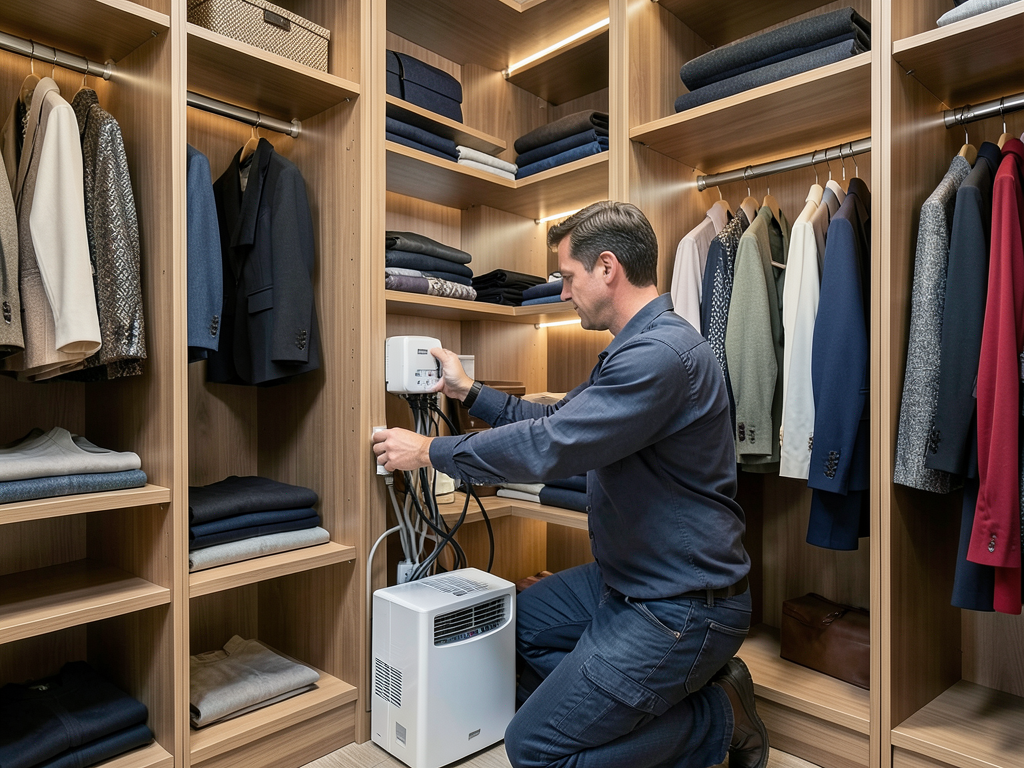
Protecting your Gables Estates walk-in closet from mold and leather damage Your walk-in closet in Gables Estates faces a constant…

Smart vents and dampers for fixing uneven cooling in older Coral Terrace houses

Smart vents and dampers for fixing uneven cooling in older Coral Terrace houses If you live in a Coral Terrace…

Contact Us

Stop wasting money on an outdated air conditioning system that runs at full blast or sits idle. Call Horizon Heating and Cooling Miami at (786) 789-8277 now for a free inverter system evaluation and see exactly how much you can save on energy costs this year.