

menu

Energy Saving Tips for Summer in Miami – Cut Your Cooling Bills Without Sacrificing Comfort

Learn proven energy saving tips for summer that help Miami homeowners reduce air conditioning bills by optimizing system performance and making smart adjustments that work specifically in South Florida's humid climate.

Slider Image 1
Slider Image 2
Slider Image 3
Slider Image 4
Slider Image 5
Slider Image 7
Slider Image 8
Slider Image 9
Slider Image 10
Slider Image 11

Why Miami's Summer Heat Makes Energy Costs Skyrocket

Miami's relentless summer heat and crushing humidity force air conditioners to work harder and longer than almost anywhere else in the country. When outdoor temperatures hover in the low 90s with humidity levels at 75% or higher, your cooling system runs almost continuously just to maintain a tolerable indoor temperature. This constant operation drives electricity consumption through the roof.

The problem gets worse when you factor in Miami's intense solar radiation. South-facing walls and windows absorb heat all day, turning your home into a heat battery that releases warmth well into the evening. Your AC unit fights this thermal load for hours after the sun goes down. Many Miami residents see their summer utility costs double or triple compared to winter months.

The real challenge is that most homeowners don't realize their cooling systems are working against easily fixable problems. Dirty filters, blocked condenser coils, and poorly sealed ductwork force your equipment to consume 20 to 30% more electricity than necessary. When you combine these inefficiencies with Miami's brutal summer conditions, you end up paying for wasted energy month after month.

Understanding ways to lower cooling costs starts with recognizing that summer energy efficiency ideas must account for South Florida's unique climate. Reducing air conditioning bills here requires a different approach than what works in Phoenix or Atlanta. You need strategies designed for constant humidity, salt air corrosion, and year-round cooling demands. The good news is that small adjustments to how your system operates can deliver significant savings without making your home uncomfortable.

Why Miami's Summer Heat Makes Energy Costs Skyrocket
How to Maximize Your AC Efficiency This Summer

How to Maximize Your AC Efficiency This Summer

Lowering summer utility costs begins with optimizing your existing cooling system before considering any major upgrades. The most impactful step is maintaining proper airflow through your evaporator coil and air handler. When airflow drops due to dirty filters or blocked return vents, your system's coefficient of performance plummets. The compressor works harder to achieve the same cooling effect, burning more electricity for less comfort.

Check your air filter every 30 days during summer months. In Miami's dusty, pollen-heavy environment, filters clog faster than the standard 90-day replacement cycle suggests. A restricted filter forces your blower motor to work harder and reduces heat transfer at the evaporator coil. This single issue can increase your operating costs by 15% or more.

Your outdoor condenser unit needs attention too. Salt air and organic debris accumulate on the condenser fins, blocking heat rejection. When your condenser cannot expel heat efficiently, the refrigerant stays warmer and system capacity drops. Gently washing the condenser coils with a garden hose removes surface buildup and restores heat transfer. Do this every few months during summer.

Thermostat strategy matters more than most people realize. Every degree you raise your setpoint reduces runtime by approximately 3 to 5%. Setting your thermostat to 78 degrees instead of 72 degrees delivers measurable savings without creating an uncomfortable environment. Use a programmable or smart thermostat to raise the temperature when you're away, then cool the house down before you return.

Duct leakage is the hidden energy thief in most Miami homes. When cooled air escapes into your attic or crawlspace before reaching living areas, you're cooling spaces that don't need it. Professional duct sealing can recover 20 to 40% of lost capacity and significantly reduce runtime.

Your Path to Lower Cooling Bills

Energy Saving Tips for Summer in Miami – Cut Your Cooling Bills Without Sacrificing Comfort
01

System Performance Assessment

We start by measuring your current system efficiency through temperature differential testing and airflow calculations. This diagnostic reveals exactly how much capacity you're losing to dirty coils, low refrigerant, or blower issues. We check your ductwork for leaks and measure static pressure to identify restrictions. This baseline assessment shows you where energy waste is occurring and which fixes will deliver the biggest impact on your monthly bills.
02

Targeted Efficiency Improvements

Based on the assessment findings, we perform maintenance tasks that restore your system to designed efficiency levels. This includes coil cleaning, refrigerant charge optimization, and blower calibration. We seal accessible duct leaks and verify that your thermostat accurately reflects indoor conditions. Each improvement is chosen based on its return on investment, focusing on changes that pay for themselves through reduced electricity consumption within one cooling season.
03

Ongoing Optimization Plan

After implementing improvements, we provide you with a customized maintenance schedule and operation guidelines specific to your system and home. You receive clear instructions on filter replacement timing, thermostat settings that balance comfort with efficiency, and simple checks you can perform yourself. We establish monitoring points so you can track your energy consumption and verify that the improvements are delivering the promised savings throughout the entire summer season.

Why Miami Homeowners Trust Local HVAC Expertise

Effective energy saving strategies for Miami homes require understanding the specific challenges that South Florida's climate creates. HVAC systems here face year-round cooling loads, constant humidity that promotes mold growth in ductwork, and salt air that accelerates corrosion on outdoor units. Technicians without local experience often apply generic advice that doesn't account for these factors.

Horizon Heating and Cooling Miami has spent years diagnosing efficiency problems specific to Miami-Dade County homes. We know that attic temperatures here regularly exceed 140 degrees, which means duct insulation must meet higher R-values than northern climates require. We understand how Miami's afternoon thunderstorms affect indoor humidity levels and why your dehumidification strategy matters as much as your cooling strategy.

Our technicians recognize the signs of salt air damage on condenser coils before they cause compressor failure. We know which neighborhoods have hard water that causes scale buildup in drain lines, leading to overflow and system shutdowns. This local knowledge allows us to recommend preventive measures that save you from expensive repairs down the road.

We also understand Miami's building codes and how they've evolved to address energy efficiency. Homes built before 2002 often have undersized return ducts that create negative pressure problems. Properties in historic districts like Coral Gables have unique architectural features that affect cooling load calculations. We factor these details into every recommendation we make.

When you work with a local HVAC company, you get advice calibrated to your actual environment rather than generic tips from a national website. We know what works in Kendall differs from what works in Miami Beach because we service both areas every day. That experience translates directly into more accurate diagnostics and more effective solutions for reducing your summer cooling costs.

What You Can Expect From Professional Energy Optimization

Fast Turnaround on Assessments

Most efficiency assessments take 60 to 90 minutes to complete. We schedule appointments within two to three business days and work around your availability. Our technicians arrive with diagnostic equipment ready to measure system performance, airflow, and temperature differentials. You receive findings and recommendations before we leave your property. If you choose to proceed with maintenance or repairs, most efficiency improvements can be completed during the same visit. This means you start seeing lower electricity consumption within days rather than weeks.

Comprehensive System Evaluation

Our evaluation goes beyond basic maintenance. We measure superheat and subcool to verify proper refrigerant charge, test capacitor values to catch failing components before they strand you without cooling, and use thermal imaging to identify duct leaks in accessible areas. We inspect your condensate drain system for blockages that can trigger float switch shutdowns. You receive a written report showing current efficiency levels, identified problems, and projected savings from each recommended improvement. This transparency allows you to prioritize fixes based on your budget and expected return.

Measurable Reduction in Energy Use

The goal is tangible results you can verify on your utility bill. After completing efficiency improvements, most Miami homeowners see a 15 to 25% reduction in cooling costs during summer months. The exact savings depend on your system's starting condition and which improvements you implement. We provide before and after measurements of system capacity and efficiency so you can track performance. Your indoor comfort improves at the same time because an efficient system maintains more consistent temperatures and better humidity control than an overworked, struggling unit.

Ongoing Support and Maintenance

Energy efficiency requires ongoing attention, not one-time fixes. We offer maintenance agreements that include seasonal tune-ups, priority scheduling, and discounted repair rates. These plans ensure your system maintains peak efficiency year after year. Between visits, you have access to phone support for questions about thermostat settings, unusual noises, or performance concerns. We keep detailed service records for your equipment, which helps us spot developing problems before they become expensive failures. This proactive approach protects your investment and keeps your operating costs low.

Frequently Asked Questions

You Have Questions,
We Have Answers

How can we save energy in summer? +

Save energy in summer by setting your thermostat to 78 degrees when home and higher when away. Close blinds during peak sun hours to block heat. Run ceiling fans counterclockwise to push cool air down. Schedule AC maintenance before summer starts to ensure efficient operation. In Miami's humid climate, change air filters monthly to maintain airflow. Seal air leaks around windows and doors. Use a programmable thermostat to avoid cooling an empty home. Grill outdoors instead of using your oven. Wash clothes in cold water and run full loads only. Switch to LED bulbs to reduce heat output.

What are the 5 P's of energy conservation? +

The 5 P's of energy conservation are Priority, Planning, People, Process, and Performance. Priority means identifying which systems use the most energy in your home. Planning involves creating a strategy to reduce consumption during peak hours. People refers to getting everyone in your household to commit to energy-saving habits. Process establishes routines like adjusting thermostats and turning off lights. Performance tracks your results through utility bills to measure progress. In Miami, applying these principles to your AC system delivers the biggest impact because cooling accounts for the majority of summer energy costs.

Does keeping the AC at 72 save money? +

Keeping your AC at 72 degrees does not save money in Miami's summer heat. Every degree below 78 increases energy costs by approximately 3 to 5 percent. The Department of Energy recommends 78 degrees when you are home for optimal comfort and efficiency. Your system works harder to maintain 72 degrees against Miami's 90-plus degree outdoor temperatures and high humidity. The constant runtime increases wear on components and drives up monthly bills. Set your thermostat to 78 degrees and use ceiling fans to create wind chill. You will notice lower bills without sacrificing comfort.

What runs up your electric bill the most? +

Air conditioning runs up your electric bill the most in Miami, accounting for 40 to 60 percent of summer energy costs. The constant battle against heat and humidity forces your system to run longer cycles. Water heaters rank second, using 14 to 18 percent of household energy. Washers and dryers follow, especially when running multiple loads weekly. Pool pumps consume significant energy if they run 24 hours daily. Refrigerators run constantly and older models waste energy. Electronics on standby mode create phantom loads. Address your AC efficiency first through maintenance, proper insulation, and thermostat management to see the biggest bill reduction.

What is the $5000 AC rule? +

The $5000 AC rule suggests replacing your system if repair costs exceed $5000 or if you multiply the repair cost by the system's age and the result exceeds $5000. For example, a $500 repair on a 12-year-old unit equals $6000, signaling replacement makes more sense. This guideline helps Miami homeowners decide between fixing an aging system and investing in a new, efficient model. Newer systems offer better SEER ratings and lower monthly bills. Consider Miami's year-round cooling demands when making this decision. An efficient system pays for itself through reduced energy costs over time.

What are 5 energy saving tips? +

Five energy-saving tips for Miami summers include raising your thermostat to 78 degrees when home. Install a programmable thermostat to adjust temperatures automatically. Replace AC filters monthly during heavy use periods to maintain airflow. Seal ductwork leaks that waste 20 to 30 percent of cooled air. Use window treatments to block direct sunlight during afternoon hours. Schedule annual AC maintenance to keep refrigerant levels optimal and coils clean. Run major appliances like dishwashers and dryers during evening hours when outdoor temperatures drop. These simple changes reduce your monthly bill without requiring major investments.

What are 8 ways to save energy? +

Eight ways to save energy include setting thermostats to 78 degrees, using ceiling fans to circulate air, closing blinds during peak sun hours, and switching to LED lighting. Change AC filters monthly to maintain efficiency. Seal gaps around windows and doors to prevent cool air loss. Install a programmable thermostat to avoid cooling empty rooms. Use exhaust fans in bathrooms and kitchens to remove hot, humid air. Grill outdoors to avoid heating your home. Wash clothes in cold water and air-dry when possible. Unplug devices when not in use to eliminate phantom loads that waste standby power.

What are 10 examples of conservation of energy? +

Ten examples of energy conservation include setting thermostats higher in summer, using natural lighting during the day, running full dishwasher loads, air-drying laundry, unplugging chargers when not in use, using cold water for washing clothes, turning off lights in empty rooms, closing vents in unused spaces, insulating your attic properly, and scheduling AC maintenance annually. In Miami, focus on humidity control by using bathroom exhaust fans and fixing plumbing leaks promptly. Install reflective window film to reduce solar heat gain. Use outdoor lighting with timers or motion sensors. These habits compound over time to deliver measurable savings on monthly bills.

What are 10 ways to conserve resources? +

Ten ways to conserve resources include upgrading to a high-efficiency AC system, installing low-flow showerheads, using rain sensors on irrigation systems, switching to Energy Star appliances, adding attic insulation, sealing ductwork properly, installing double-pane windows, using smart power strips, upgrading to a tankless water heater, and planting shade trees on south and west sides. In Miami's climate, focus on moisture management through proper ventilation to reduce AC strain. Fix leaks immediately to prevent water waste and humidity issues. Choose native landscaping that requires less watering. These investments reduce utility consumption and lower your carbon footprint long-term.

What is the 3 minute rule for AC? +

The 3-minute rule for AC means waiting at least three minutes after your system shuts off before restarting it. This delay protects the compressor by allowing refrigerant pressure to equalize throughout the system. Immediate restarts force the compressor to work against high pressure, which causes premature failure and increases energy consumption. Most modern thermostats include built-in delay timers. In Miami's demanding climate where systems cycle frequently, this protection prevents costly repairs. If your unit short-cycles or restarts rapidly, call a technician to diagnose the issue. Proper cycling extends equipment life and maintains efficiency throughout the cooling season.

How Miami's Humidity Demands Smarter Cooling Strategies

Miami's summer humidity levels create a unique challenge that affects how to save electricity without compromising comfort. When outdoor humidity sits at 75 to 85%, your air conditioner must remove moisture from indoor air while cooling it. This dehumidification process consumes significant energy. If your system is oversized for your home, it cools the space too quickly without running long enough to remove humidity. You end up with a cold, clammy house and high electricity bills. Right-sizing equipment and optimizing airflow ensures your system runs long enough to dehumidify properly while consuming the least energy possible.

Working with HVAC professionals who understand Miami-Dade County's climate patterns and building characteristics gives you an advantage when implementing ways to lower cooling costs. We've diagnosed thousands of local systems and understand how different neighborhoods and home ages affect efficiency. Properties near the coast face different challenges than inland homes. Coral Gables bungalows need different approaches than Brickell high-rises. This neighborhood-level knowledge allows us to recommend summer energy efficiency ideas that work specifically for your situation rather than generic advice that may not apply to South Florida conditions.
Heating and Cooling Services in The Miami Area

Need dependable HVAC service near you? Horizon Heating and Cooling Miami proudly serves homes and businesses across the Miami metro area with top-rated heating and cooling repairs, installations, and emergency services. Whether you’re in Kendall, Doral, or Aventura, our expert technicians are just a call away. Check the map below to explore our coverage zones and get fast, professional HVAC help in your neighborhood.

Address:
Horizon Heating and Cooling Miami, 1221 Brickell Ave, Miami, FL, 33131

Additional Services We Offer

Our news updates

Latest Articles & News from The Blogs

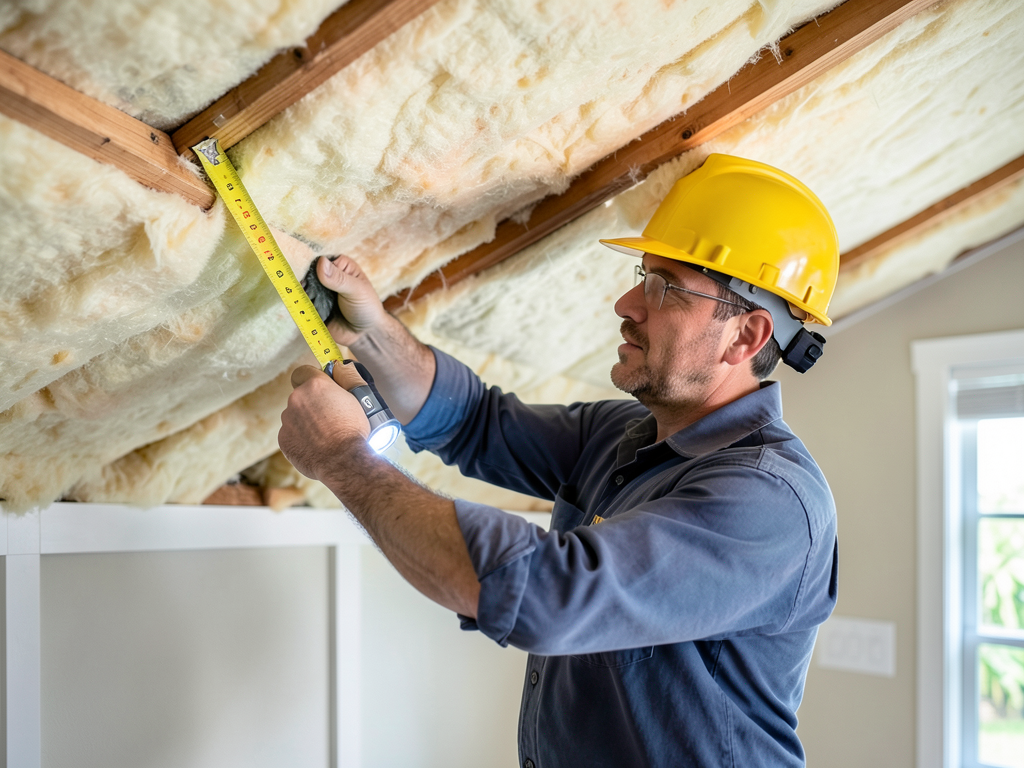
How to tell if your attic insulation has flattened and is making your North Miami Beach home hotter Your attic…

How to tell if your attic insulation has flattened and is making your North Miami Beach home hotter

How to tell if your attic insulation has flattened and is making your North Miami Beach home hotter Your attic…

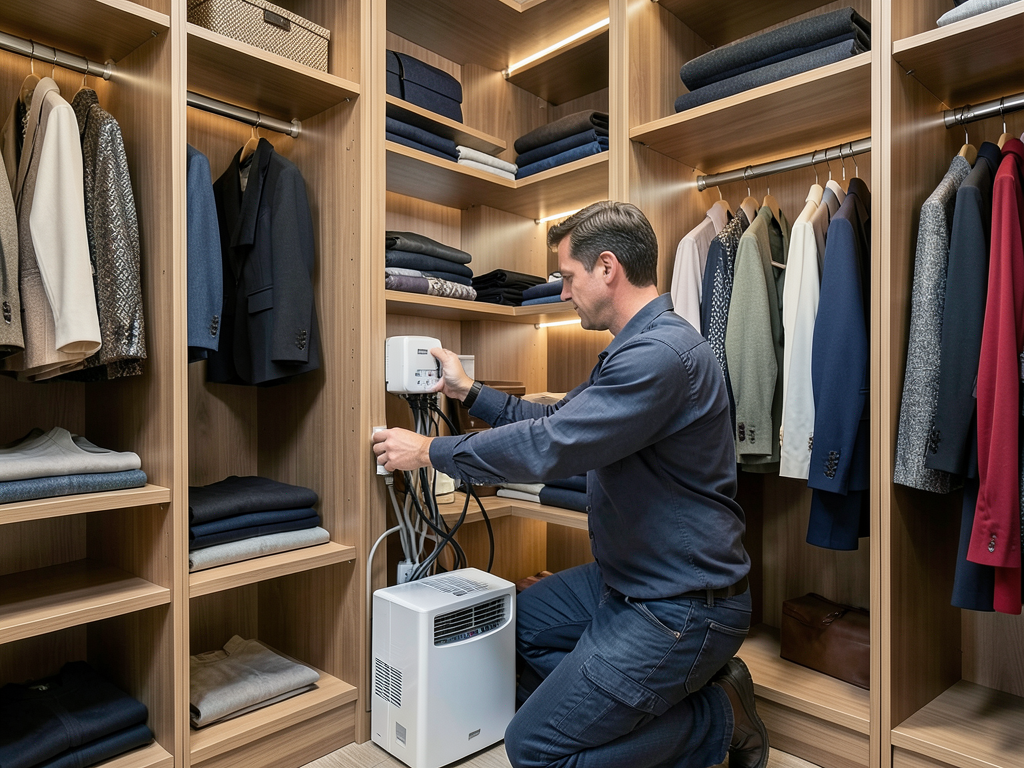
Protecting your Gables Estates walk-in closet from mold and leather damage

Protecting your Gables Estates walk-in closet from mold and leather damage Your walk-in closet in Gables Estates faces a constant…

Smart vents and dampers for fixing uneven cooling in older Coral Terrace houses

Smart vents and dampers for fixing uneven cooling in older Coral Terrace houses If you live in a Coral Terrace…

Contact Us

Stop overpaying for summer cooling. Call Horizon Heating and Cooling Miami at (786) 789-8277 to schedule your energy efficiency assessment. We'll identify exactly where your system is wasting energy and show you how to cut your bills without sacrificing comfort.