menu

Storm Damage HVAC Repair in Miami – Emergency Response Teams Deployed in Under 90 Minutes

When hurricane-force winds, lightning strikes, or flooding wreck your air conditioning or heating system, our emergency HVAC storm repair crews arrive fast to restore cooling before heat and humidity turn your property into a health hazard.

Slider Image 1
Slider Image 2
Slider Image 3
Slider Image 4
Slider Image 5
Slider Image 7
Slider Image 8
Slider Image 9
Slider Image 10
Slider Image 11

What Storm Damage Does to Your HVAC System in Miami

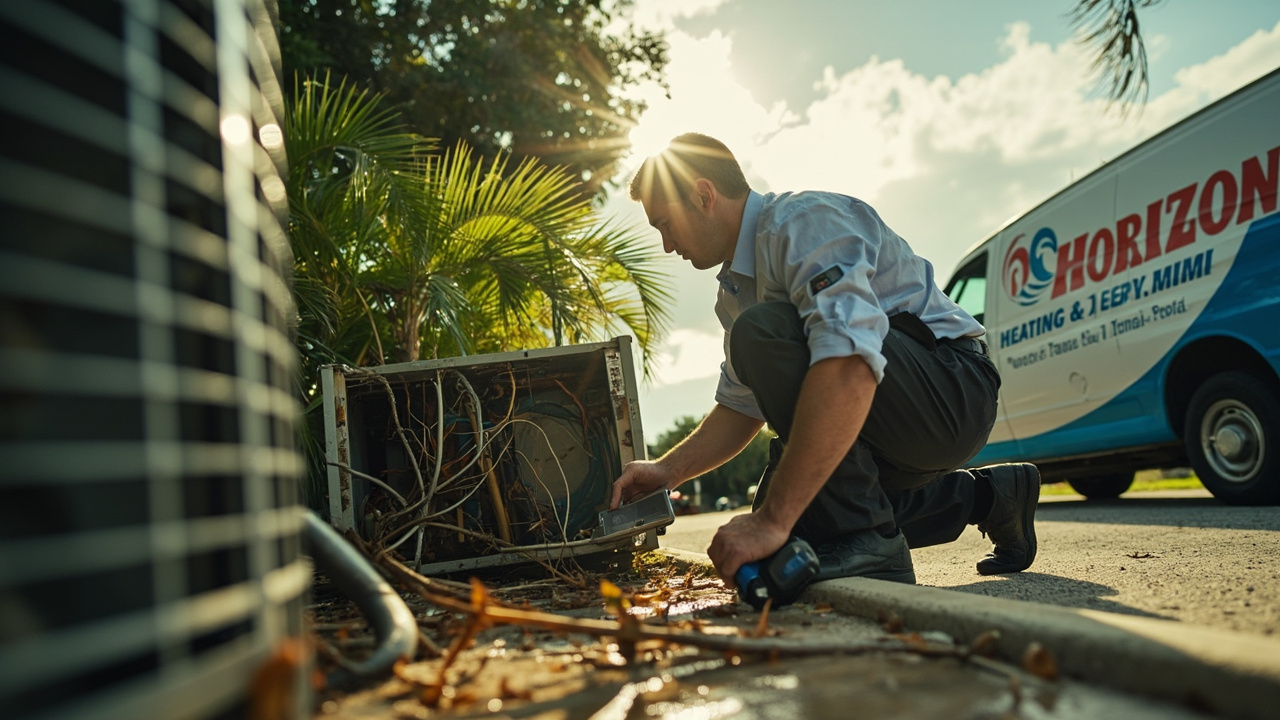
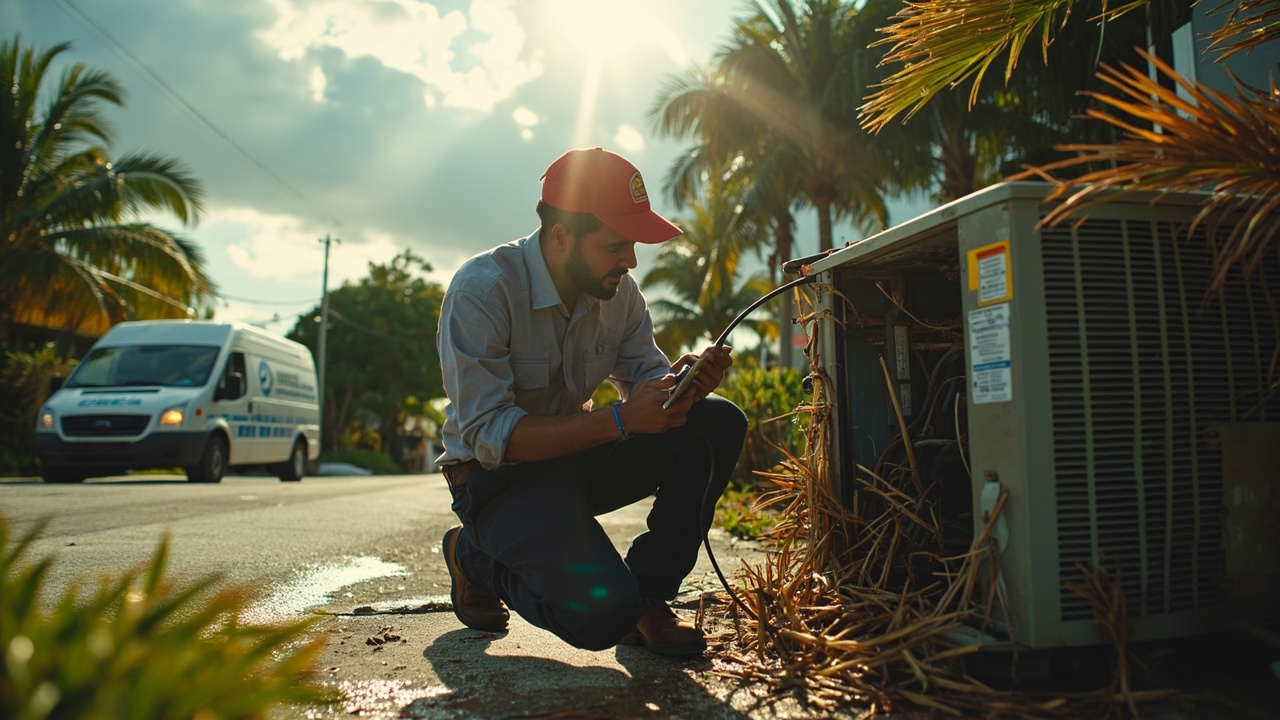
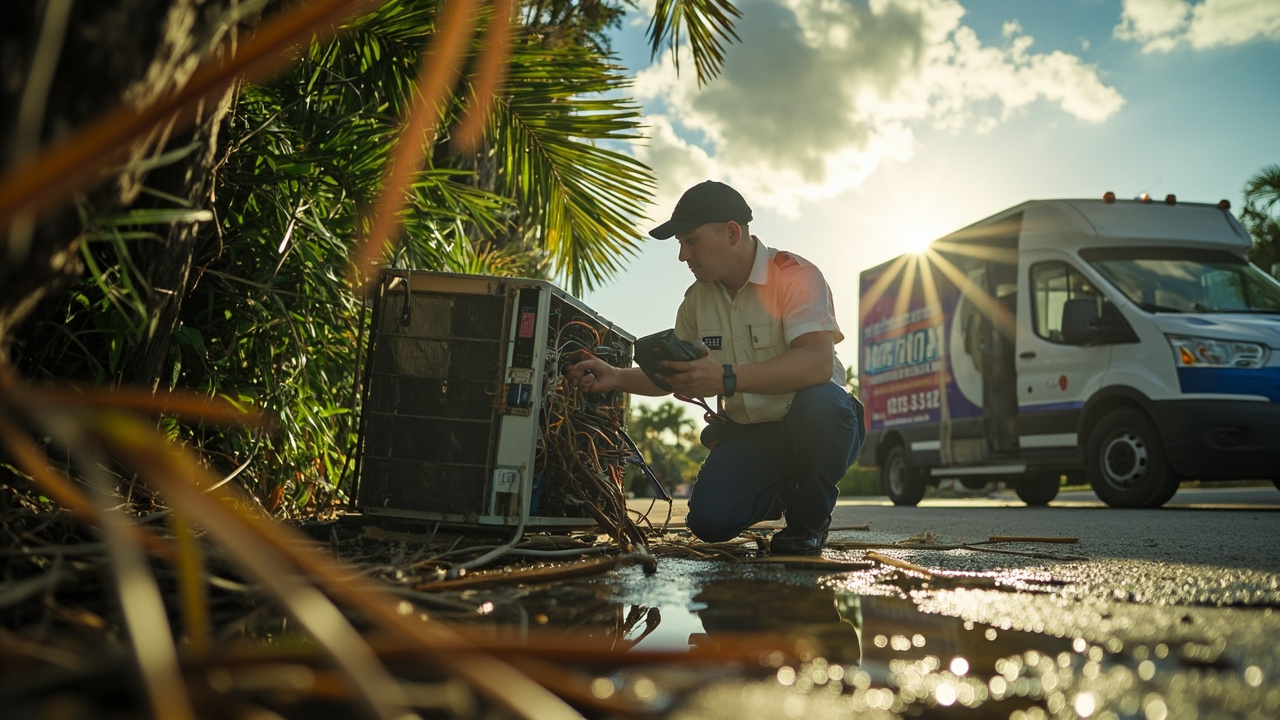
Miami takes direct hits. Tropical storms and hurricanes bring wind gusts exceeding 100 mph, saltwater storm surge, and torrential rain that floods compressor pads and electrical panels. Your outdoor condensing unit sits exposed on a concrete slab or rooftop, vulnerable to flying debris, projectile tree branches, and standing water that corrodes copper refrigerant lines and shorts electrical components.

You walk outside after the storm passes and see the condenser fan bent, the refrigerant lines kinked, or the unit submerged in floodwater. Inside, your thermostat screen stays blank. The air feels thick and hot. Mold starts growing within 24 hours in Miami's 80-degree heat and 90-percent humidity. You need emergency HVAC storm repair now, not next week.

Storm damaged AC unit repair requires immediate triage. Wind can rip the compressor loose from its mounting bolts. Hail dents condenser coils and reduces airflow. Saltwater intrusion corrodes electrical contactors and capacitors, causing system failure even if the unit looks intact. Lightning strikes fry circuit boards and transformers, requiring complete control board replacement.

Horizon Heating and Cooling Miami dispatches HVAC storm restoration services within 90 minutes of your call. We assess structural damage to the outdoor unit, test electrical continuity, check refrigerant pressures, and determine whether you need heating and cooling storm damage repair or full system replacement. Speed matters because every hour without AC in Miami accelerates moisture damage, puts vulnerable residents at risk of heat exhaustion, and allows microbial growth to colonize your ductwork.

You cannot wait three days for a callback. You need someone who knows how to fix storm damaged HVAC systems right now.

What Storm Damage Does to Your HVAC System in Miami
How We Restore Storm-Damaged HVAC Systems in Miami

How We Restore Storm-Damaged HVAC Systems in Miami

Our storm damage HVAC repair process starts with electrical safety. We disconnect power at the breaker and visually inspect the disconnect box for water intrusion, corrosion, or burn marks. If floodwater submerged your outdoor unit, we assume electrical components are compromised and test each contactor, capacitor, and relay with a multimeter before applying power.

Next, we examine the condensing unit for structural damage. We check the fan blades for bending or cracking, inspect the compressor mounting bolts for shearing, and look for refrigerant line kinks that restrict flow. If the condenser coil fins are flattened by hail or debris, we straighten them with a fin comb to restore airflow. If the coil is punctured, we locate the leak with nitrogen pressure testing and determine whether brazing the hole is viable or if coil replacement is necessary.

We inspect the evaporator coil inside your air handler for water damage. Storm surge can flood attics and closets where air handlers sit. If the coil sat in standing water, we flush the drain pan, replace the float switch, and test the condensate pump. We pull the blower wheel and check for rust on the motor bearings.

Refrigerant system integrity is critical. We perform a standing pressure test, add tracer dye if needed, and use an electronic leak detector to find pinhole leaks in the suction or liquid lines. If the system lost refrigerant, we evacuate moisture with a vacuum pump, pressure-test to 300 psi, then recharge to manufacturer specifications using R-410A or R-22 depending on your system age.

Control boards and thermostats often fail after power surges. We test low-voltage wiring, replace burnt transformers, and install new circuit boards if the existing ones show scorch marks or failed solder joints. This diagnostic rigor prevents callback visits and ensures your system runs reliably after we leave.

What Happens During Your Emergency Storm Damage Call

Storm Damage HVAC Repair in Miami – Emergency Response Teams Deployed in Under 90 Minutes
01

Immediate Dispatch and Safety Assessment

You call our emergency line at (786) 789-8277 and speak to a live technician, not an answering service. We dispatch a truck within 90 minutes. Our first action onsite is electrical safety. We verify the main breaker is off, check for standing water near the outdoor unit, and ensure no downed power lines contact your equipment before we begin hands-on diagnostics.
02

Damage Documentation and Diagnosis

We photograph all visible damage for your insurance claim. We test electrical components, check refrigerant pressures, inspect ductwork for collapse or disconnection, and assess whether the compressor seized or the condenser coil is repairable. You get a written diagnostic report listing each failed component, the repair cost, and whether temporary cooling solutions are possible while we order parts.
03

Repair Execution and System Restart

We replace damaged components, braze refrigerant leaks, install new contactors or capacitors, and recharge the system to factory specifications. After repairs, we run a full system test, measure airflow at the registers, check temperature splits across the evaporator coil, and verify the thermostat communicates properly. You get cooling restored the same day in most cases, or we provide portable AC units if overnight parts are required.

Why Miami Property Owners Choose Horizon Heating and Cooling for Storm Damage Repairs

You need a contractor who understands Miami-Dade County's unique storm exposure. We work on HVAC systems in Coral Gables, Coconut Grove, Kendall, Hialeah, and Miami Beach year-round. We know the older homes near Biscayne Bay sit below the storm surge line. We know the high-rise condos on Collins Avenue take hurricane-force winds that rip rooftop units from their pads. We know the concrete block homes in Little Havana flood during king tides and summer downpours.

Our technicians carry storm-specific replacement parts on every truck because we cannot wait for distributor deliveries during peak hurricane season. We stock condensing unit fan motors, run capacitors, contactors, reversing valves, and circuit boards for the Carrier, Trane, Lennox, and Rheem units common in South Florida. If your compressor is destroyed and replacement is not economical, we can install a new high-efficiency split system within 48 hours.

We also understand Miami's building codes. The Florida Building Code requires hurricane straps on outdoor units, elevated equipment in flood zones, and specific electrical disconnects. If your storm damaged unit was not properly secured and failed during the storm, we install it correctly this time so you pass inspection and avoid future damage.

Insurance companies trust our documentation. We provide itemized repair estimates, annotated photos showing pre-existing damage versus storm damage, and technical explanations that adjusters need to approve claims. We work directly with your carrier if you authorize us, eliminating the back-and-forth that delays repairs.

You get honesty. If your 18-year-old system took catastrophic compressor damage and repair costs exceed 60 percent of replacement value, we tell you. We do not sell unnecessary repairs. We give you the information to make the right financial decision for your property.

What to Expect When You Call for Storm Damage HVAC Repair

Response Time and Availability

We operate 24-hour emergency storm damage services throughout hurricane season and after major weather events. You call (786) 789-8277 and reach a technician who can dispatch a truck within 90 minutes for true emergencies like total system failure in extreme heat. Non-emergency storm damage gets same-day or next-day scheduling depending on call volume. We prioritize homes with elderly residents, medical equipment that requires climate control, and properties with visible mold growth.

Initial Assessment and Diagnostic Process

Our diagnostic fee covers the service call, electrical safety testing, refrigerant pressure checks, and a written damage report. We identify all failed components and explain whether repair is feasible or replacement is the smarter investment. You get photos of damaged parts, written cost estimates, and a timeline for obtaining replacement components. If we proceed with repairs, we credit the diagnostic fee toward the total job cost. This transparency ensures you understand exactly what failed and why.

Repair Quality and System Testing

We use OEM replacement parts whenever possible to maintain system integrity and manufacturer compatibility. After installing new components, we evacuate the refrigerant system to remove moisture, pressure-test for leaks, and recharge to exact specifications. We measure supply and return air temperatures, verify proper airflow at each register, and test the thermostat cycling. You do not pay until the system runs correctly and delivers the cooling output it should. We leave the jobsite clean with all debris removed.

Post-Repair Support and Maintenance

Storm damage repairs include a 30-day labor warranty covering the specific components we replaced. If a capacitor we installed fails within that window, we return and replace it at no charge. We also provide a detailed maintenance checklist for preventing future storm damage, including instructions for securing outdoor units before hurricanes, elevating equipment in flood-prone areas, and installing surge protectors on your electrical panel. You can schedule seasonal maintenance visits to catch minor issues before the next storm season arrives.

Frequently Asked Questions

You Have Questions,
We Have Answers

What is the $5000 rule for HVAC? +

The $5000 rule helps you decide whether to repair or replace your HVAC system. Multiply your system's age by the repair cost. If the result exceeds $5000, replacement makes more financial sense. For example, if your 12-year-old unit needs a $500 repair, that equals $6000, so replacement is smarter. After Miami hurricanes or tropical storms, this rule helps you avoid throwing money at a damaged system that may fail again. High humidity and salt air already stress HVAC units here, so storm damage often tips older systems past economical repair.

Does insurance cover HVAC damage? +

Most homeowners insurance policies cover HVAC damage from sudden, covered perils like hurricane winds, fallen trees, or lightning strikes. Wind-driven rain during a tropical storm that damages your outdoor condenser typically qualifies. However, insurance does not cover flood damage to HVAC systems, you need separate flood insurance for that, critical in Miami's low-lying areas. Wear and tear, poor maintenance, or gradual damage from salt air corrosion will be denied. File your claim fast after a storm. Document everything with photos and get a professional inspection immediately to protect your coverage.

How long after storm damage can I claim? +

You typically have one to two years to file a storm damage claim in Florida, but this varies by your specific policy. Most carriers require notification within days of discovering damage, even if you file the formal claim later. After a Miami hurricane or severe storm, call your insurance company within 24 to 48 hours. Delays give insurers ammunition to deny claims, arguing damage came from neglect, not the storm. Photograph your HVAC damage immediately, covering the condenser, ductwork, and interior water damage. Fast action protects your claim and prevents mold growth in Miami's humid climate.

What is the 3 minute rule for AC? +

The 3 minute rule prevents compressor damage by requiring a 3 minute wait between AC cycles. Your compressor needs time to equalize refrigerant pressure after shutting down. Restarting too quickly forces the compressor to work against high pressure, risking burnout. Most modern systems have built-in delay timers. After storm damage or power outages in Miami, this rule becomes critical. Flickering power during hurricanes can rapid-cycle your system, damaging the compressor. If your AC lost power during a storm, wait at least 3 minutes before restarting to avoid adding compressor failure to your storm damage repair bill.

What is the average lifespan of an HVAC? +

HVAC systems last 15 to 20 years with proper maintenance, but Miami's environment shortens that timeline. High humidity, salt air from the coast, and constant cooling demand stress systems harder than northern climates. Your condenser runs year-round here, accumulating wear faster. Hurricane exposure, corrosion from coastal proximity, and tropical storm flooding all shorten lifespan. If your system is over 12 years old and suffered storm damage, replacement often makes more sense than expensive repairs. Newer systems also handle Miami's humidity better and run more efficiently, cutting your electric bills despite the upfront cost.

Is HVAC system cost tax deductible? +

HVAC system costs are not tax deductible for most homeowners as personal residence expenses. However, energy-efficient upgrades may qualify for federal tax credits under the Inflation Reduction Act, offering up to $2000 for high-efficiency heat pumps or AC systems meeting specific SEER2 ratings. If you use part of your Miami home for business, you can deduct a proportional amount of HVAC costs. Storm damage repairs covered by insurance are not deductible since insurance reimbursed you. Consult a tax professional about your specific situation, especially if replacing storm-damaged equipment with energy-efficient models after hurricane season.

What two events are not covered under homeowners insurance? +

Flood damage and earthquakes are the two major events excluded from standard homeowners insurance. In Miami, flood exclusion matters most. Hurricane wind damage is covered, but storm surge flooding that drowns your ground-level HVAC unit is not. You need separate flood insurance through NFIP or private carriers. Many Miami homeowners learn this too late after tropical storms flood their properties. Earth movement, including sinkholes common in South Florida's limestone, also gets excluded. Maintenance-related damage and wear from salt air corrosion fall outside coverage too. Review your policy before storm season hits.

How much does it cost to fix a leak in your AC system? +

AC refrigerant leak repairs cost $200 to $1500 depending on leak location and severity. Simple valve core leaks run $200 to $400. Evaporator coil leaks cost $800 to $1500. Condenser coil leaks, common after Miami storms throw debris into outdoor units, range from $600 to $1200. After adding refrigerant recharge, expect total costs of $500 to $2000. Storm damage complicates pricing since flying debris can puncture multiple points. If your system uses older R-22 refrigerant, costs jump significantly due to refrigerant scarcity. Get multiple quotes fast after storm damage to compare repair versus replacement economics.

What is the most common damage to your home that insurance does not cover? +

Flood damage is the most common exclusion that catches homeowners off guard. Your policy covers wind and rain damage but excludes rising water from storm surge, overflowing canals, or heavy rainfall accumulation. In Miami's low-lying neighborhoods, this matters tremendously during hurricane season. Ground-level HVAC condensers, ductwork in crawl spaces, and flooded air handlers all fall outside standard coverage. Mold growth from slow leaks or high humidity also gets denied as maintenance issues. Damage from pests, normal wear, and deferred maintenance round out common exclusions. Separate flood insurance is not optional in Miami, it is essential protection.

When not to file a homeowners insurance claim? +

Skip filing claims when repair costs barely exceed your deductible or for minor damage under $1000. Insurance claims raise your premiums for three to five years, and multiple claims can trigger policy cancellation. If storm damage repair costs $800 but your deductible is $2500, pay out of pocket. Also avoid claims for gradual damage like corrosion, which insurers deny anyway while still counting against your record. In Miami, save claims for major hurricane damage exceeding several thousand dollars. Document everything even if not filing immediately. You have time to decide, but report major storm damage fast to preserve your options.

How Hurricane Storm Surge and Saltwater Affect HVAC Systems in Coastal Miami

Miami sits less than 10 feet above sea level across most residential neighborhoods. When hurricanes push storm surge inland from Biscayne Bay or the Atlantic, saltwater floods condensing units, electrical panels, and air handlers in ground-floor utility rooms. Saltwater is 100 times more corrosive than freshwater. It eats through copper refrigerant lines, destroys compressor windings, and leaves crystalline deposits on circuit boards that cause short circuits weeks after the flood recedes. Storm damaged AC unit repair in Miami requires complete electrical component replacement after saltwater exposure, not just drying and cleaning.

Horizon Heating and Cooling Miami has repaired HVAC systems in every Miami neighborhood hit by hurricanes over the past decade. We understand the flood patterns in Shorecrest, the wind exposure on Fisher Island, and the power grid vulnerabilities in Overtown. Our technicians see the same storm damage failure modes repeatedly after each major weather event, giving us diagnostic speed other contractors lack. When you need heating and cooling storm damage repair, you want a company that has already fixed 200 systems identical to yours under identical conditions.
Heating and Cooling Services in The Miami Area

Need dependable HVAC service near you? Horizon Heating and Cooling Miami proudly serves homes and businesses across the Miami metro area with top-rated heating and cooling repairs, installations, and emergency services. Whether you’re in Kendall, Doral, or Aventura, our expert technicians are just a call away. Check the map below to explore our coverage zones and get fast, professional HVAC help in your neighborhood.

Address:
Horizon Heating and Cooling Miami, 1221 Brickell Ave, Miami, FL, 33131

Additional Services We Offer

Our news updates

Latest Articles & News from The Blogs

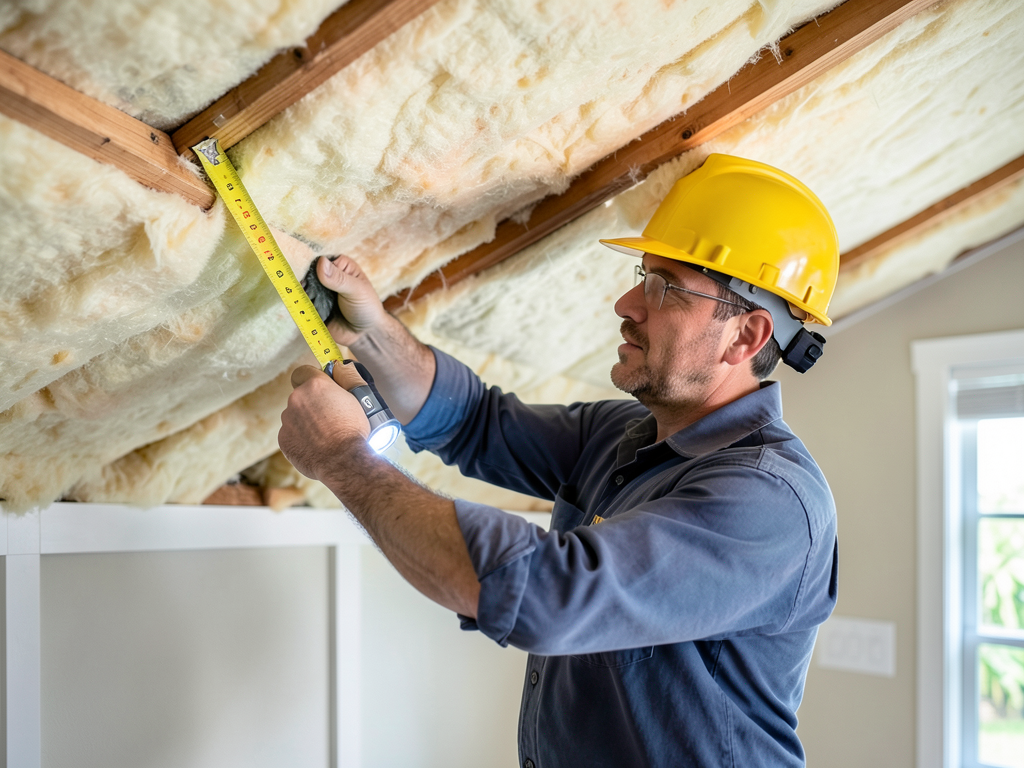
How to tell if your attic insulation has flattened and is making your North Miami Beach home hotter Your attic…

How to tell if your attic insulation has flattened and is making your North Miami Beach home hotter

How to tell if your attic insulation has flattened and is making your North Miami Beach home hotter Your attic…

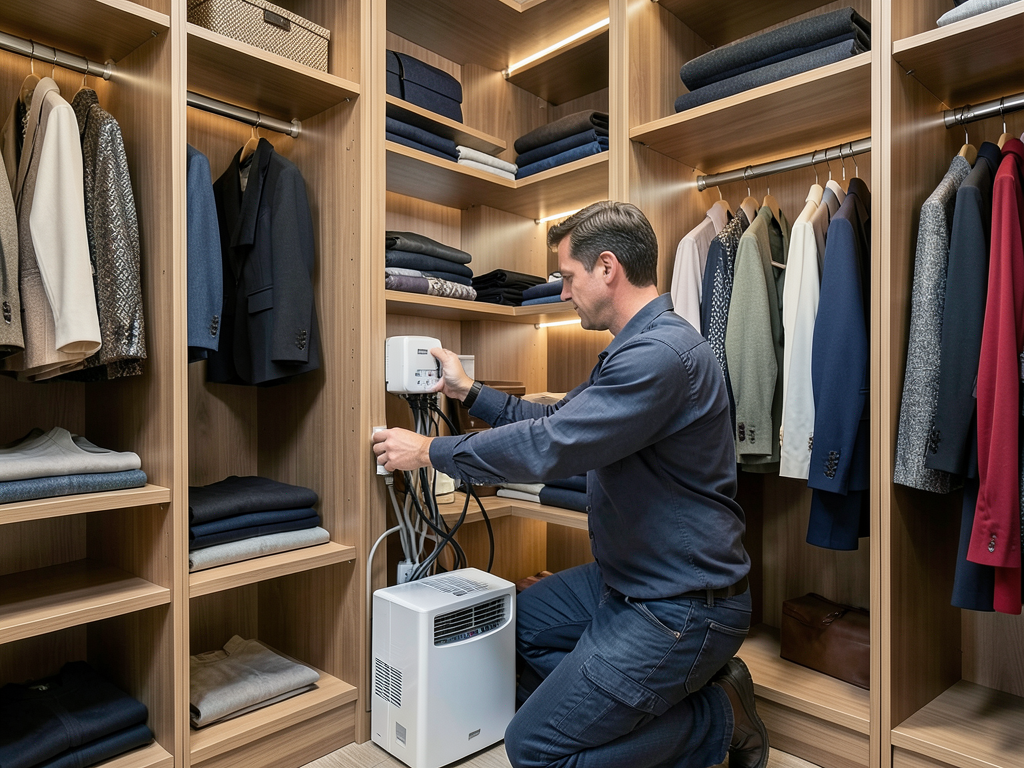
Protecting your Gables Estates walk-in closet from mold and leather damage

Protecting your Gables Estates walk-in closet from mold and leather damage Your walk-in closet in Gables Estates faces a constant…

Smart vents and dampers for fixing uneven cooling in older Coral Terrace houses

Smart vents and dampers for fixing uneven cooling in older Coral Terrace houses If you live in a Coral Terrace…

Contact Us

Call Horizon Heating and Cooling Miami now at (786) 789-8277 for emergency storm damage HVAC repair. Our trucks are loaded and ready to dispatch. You get same-day diagnostics, honest repair estimates, and fast restoration of cooling when you need it most.