menu

Commercial Maintenance Agreements in Miami | Eliminate Unplanned Downtime and Control Operating Costs

Protect your business operations with structured commercial HVAC maintenance plans that prevent equipment failures, extend system lifespan, and deliver predictable monthly budgeting for facilities across Miami-Dade County.

Slider Image 1
Slider Image 2
Slider Image 3
Slider Image 4
Slider Image 5
Slider Image 7
Slider Image 8
Slider Image 9
Slider Image 10
Slider Image 11

Why Miami Commercial Facilities Fail Without Structured HVAC Maintenance

Miami's saltwater air corrodes condenser coils. Year-round cooling loads stress compressors beyond typical operational limits. Your building operates 12 months without seasonal downtime to address deferred maintenance.

Without commercial HVAC service contracts, you operate reactively. Equipment fails during peak occupancy. Emergency service costs triple standard rates. Employee productivity drops when indoor temperatures exceed 78 degrees. Tenants threaten lease terminations. Your liability exposure increases when HVAC failures compromise air quality or violate Miami-Dade building code requirements.

Most commercial facilities in Miami run mixed-age equipment. Your 15-year-old rooftop unit shares ductwork with newer variable refrigerant flow systems. Without HVAC preventive maintenance agreements, technicians address symptoms rather than root causes. You replace capacitors repeatedly without diagnosing compressor inefficiencies. Refrigerant leaks go undetected until catastrophic failure.

Commercial planned maintenance agreements shift your operation from crisis management to strategic asset management. Scheduled inspections identify failing components before breakdowns occur. You replace a contactor during planned service rather than paying emergency rates on a Sunday. Your maintenance budget becomes predictable. Insurance claims decrease when documented maintenance proves due diligence.

The question is not whether your HVAC system will fail. The question is whether failure happens on your schedule or during your busiest revenue period. Commercial HVAC service agreements give you control over timing and costs.

Why Miami Commercial Facilities Fail Without Structured HVAC Maintenance
How Structured Service Agreements Protect Commercial Operations

How Structured Service Agreements Protect Commercial Operations

Commercial HVAC maintenance plans function as risk mitigation tools. You purchase operational continuity through scheduled interventions that prevent unplanned failures.

Your agreement begins with a comprehensive baseline assessment. Technicians document existing equipment conditions, identify deferred maintenance items, and establish performance benchmarks. You receive a priority matrix that categorizes issues by failure risk and financial impact. Critical items threatening immediate shutdown receive priority scheduling. Lower-risk components enter the quarterly inspection rotation.

Service frequency aligns with equipment type and usage intensity. Rooftop units serving occupied spaces receive monthly inspections during cooling season. Computer room air conditioning units maintaining server environments receive biweekly monitoring. Kitchen hood exhaust fans in restaurant facilities require weekly filter inspections to maintain Miami-Dade fire code compliance.

Each visit follows documented protocols. Technicians measure refrigerant pressures, verify electrical connections meet torque specifications, test safety controls, and inspect drain lines for biological growth common in Miami's humid climate. Thermal imaging identifies hot spots indicating electrical resistance. Ultrasonic leak detection locates refrigerant losses before EPA-reportable thresholds.

You receive detailed service reports documenting findings, corrective actions, and component lifecycle projections. This documentation proves maintenance compliance for insurance audits, tenant disputes, and sale transactions. Your facility management team gains visibility into asset conditions rather than relying on reactive failure reports.

Parts replacement occurs during scheduled service windows. You avoid premium pricing for overnight parts delivery. Labor happens during standard business hours rather than overtime emergency rates. Your operational budget stabilizes because expenses shift from unpredictable emergency repairs to planned maintenance expenditures.

How Your Service Agreement Gets Implemented

Commercial Maintenance Agreements in Miami | Eliminate Unplanned Downtime and Control Operating Costs
01

Initial System Audit

Technicians conduct a complete facility assessment, documenting all HVAC equipment, age, condition, and maintenance history. You receive a detailed report identifying immediate concerns, deferred maintenance items, and recommended service intervals. This baseline establishes the foundation for your customized commercial HVAC service agreement and provides budget projections for the contract term.
02

Scheduled Service Execution

Your designated service windows ensure minimal business disruption. Technicians arrive with parts inventory based on your equipment profile. They execute documented protocols including refrigerant analysis, electrical testing, control calibration, and component inspections. Each visit generates a digital service record accessible through your facility management portal, providing real-time visibility into maintenance completion and equipment health status.
03

Performance Tracking and Optimization

Quarterly reviews analyze service data to identify efficiency trends and predict component failures. You receive recommendations for equipment upgrades that reduce operating costs or improve reliability. Annual energy consumption reports demonstrate ROI through documented utility savings. Your agreement adapts to changing facility needs, ensuring maintenance resources align with actual equipment demands rather than generic service schedules.

Why Miami Commercial Operators Choose Horizon Heating and Cooling Miami

Miami commercial facilities operate under unique environmental stresses that generic maintenance programs fail to address. Saltwater corrosion from ocean proximity degrades outdoor equipment faster than inland locations. Year-round humidity promotes biological growth in drain pans and ductwork. Hurricane season demands pre-storm equipment securing and post-storm damage assessment.

Horizon Heating and Cooling Miami structures commercial HVAC maintenance plans around these local factors. Technicians prioritize coastal corrosion monitoring for facilities within three miles of Biscayne Bay. Condensate line treatments address the algae growth that thrives in Miami's climate. Pre-hurricane protocols include securing rooftop units, protecting electrical connections, and documenting pre-storm conditions for insurance purposes.

Your service agreement accounts for Miami-Dade building code requirements that exceed state minimums. Mechanical permit requirements for equipment replacement differ from Broward County standards. Fire code compliance for kitchen exhaust systems follows specific Miami-Dade protocols. Your maintenance documentation satisfies inspection requirements without supplemental reporting.

Commercial planned maintenance agreements include priority emergency response. When equipment fails outside scheduled service windows, agreement holders receive expedited dispatch. You avoid the queue that non-contract customers enter during peak summer demand. Your operational continuity receives priority because the service relationship extends beyond transactional repairs.

Facilities management teams gain a single point of contact for all HVAC service needs. You eliminate vendor management overhead associated with juggling multiple contractors. Consolidated billing simplifies accounting. Service history remains with one provider, ensuring continuity when personnel changes occur within your organization.

The investment in structured maintenance reduces total cost of ownership. Equipment lifespan extends through proper care. Energy efficiency improves through calibrated controls and clean heat exchangers. Insurance premiums decrease when documented maintenance proves risk mitigation. Your facility operates predictably rather than lurching between crises.

What Your Commercial Service Agreement Includes

Service Response and Scheduling

Your agreement defines specific service intervals based on equipment type and usage patterns. Standard agreements include quarterly inspections for rooftop units, monthly filter changes for high-occupancy spaces, and biweekly monitoring for critical cooling applications. You select service windows that minimize business disruption. Emergency response receives priority dispatch, with agreement holders moved to the front of the service queue. Most emergency calls receive same-day response during business hours. After-hours emergencies are dispatched within two hours for agreement holders.

Comprehensive Inspection Protocols

Each scheduled visit follows documented checklists specific to your equipment types. Technicians measure superheat and subcooling to verify proper refrigerant charge. They test capacitors, contactors, and compressor amp draw to identify components approaching failure. Electrical connections receive thermal imaging to detect high-resistance faults. Condensate drains are cleared and treated to prevent biological buildup. Control sequences are verified to ensure staging operates correctly. You receive detailed reports documenting all measurements and identifying components requiring near-term replacement.

Performance and Efficiency Monitoring

Your agreement includes performance tracking that identifies efficiency degradation over time. Technicians document temperature splits, airflow measurements, and energy consumption patterns. Quarterly reviews compare current performance against baseline metrics established during the initial audit. You receive recommendations for repairs or upgrades that improve efficiency or prevent failures. Annual energy reports quantify utility savings achieved through proper maintenance, providing documentation for sustainability reporting or LEED certification requirements.

Ongoing Documentation and Compliance Support

Every service visit generates digital records accessible through your facility management portal. Documentation includes date, technician, procedures completed, measurements recorded, and parts replaced. This maintenance log satisfies insurance requirements, supports property sale transactions, and provides evidence of due diligence in liability situations. Your agreement includes compliance support for Miami-Dade building inspections, EPA refrigerant reporting, and fire code requirements for kitchen exhaust systems. Technicians coordinate with inspectors and provide required documentation to streamline approval processes.

Frequently Asked Questions

You Have Questions,
We Have Answers

What should be included in a maintenance agreement? +

A commercial maintenance agreement should include scheduled preventive inspections, filter replacements, refrigerant checks, and emergency service priority. Specify response times for breakdowns, typically within 24 hours for commercial properties. Include coverage scope for compressors, evaporator coils, condensers, and electrical components. Detail parts and labor coverage limits. For Miami facilities, agreements must address high humidity corrosion prevention, salt air exposure on coastal properties, and frequent filter changes due to dust and pollen. Add provisions for hurricane season preparedness inspections. Define technician qualifications, service frequency, and documentation requirements. Include escalation clauses for inflation and clear termination terms to protect your business continuity.

What is the difference between AMC and CAMC? +

AMC (Annual Maintenance Contract) covers preventive maintenance only. You get scheduled inspections, cleaning, and minor adjustments. Parts, repairs, and emergency breakdowns cost extra. CAMC (Comprehensive Annual Maintenance Contract) includes everything: preventive maintenance, parts replacement, repairs, and emergency service calls. CAMC shifts equipment failure risk to the contractor. For Miami commercial properties facing extreme heat loads and humidity stress on HVAC systems, CAMC provides budget predictability. AMC costs 30-40% less but leaves you exposed to sudden repair expenses. CAMC works better for older equipment or facilities requiring guaranteed uptime. AMC suits newer systems where failure risk remains low.

What is the 10 rule in maintenance? +

The 10 rule in maintenance states that for every dollar you spend on preventive maintenance, you save 10 dollars in reactive repairs. Neglecting routine maintenance accelerates equipment degradation exponentially. A missed filter change causes coil fouling, increases compressor strain, and leads to complete system failure. In Miami commercial properties, this rule intensifies due to aggressive corrosion from salt air, constant high humidity, and year-round cooling demands. Equipment operates continuously without seasonal breaks. Regular maintenance catches minor issues before they cascade into operational shutdowns. The rule emphasizes ROI justification for maintenance agreements. Preventive care extends equipment lifespan and maintains warranty compliance.

What are the 4 types of maintenance? +

The four maintenance types are preventive, predictive, corrective, and reactive. Preventive maintenance follows scheduled intervals regardless of equipment condition. You change filters quarterly, inspect belts, and clean coils. Predictive maintenance uses data monitoring to anticipate failures before they occur. Vibration analysis or thermal imaging detects bearing wear early. Corrective maintenance addresses identified issues before they cause breakdowns. You replace a worn contactor during routine service. Reactive maintenance responds to complete failures after equipment stops working. For Miami commercial facilities, preventive and predictive strategies minimize downtime during peak cooling season. Reactive maintenance costs significantly more due to emergency service premiums and business disruption.

How Miami's Coastal Climate Accelerates HVAC Degradation Without Preventive Agreements

Saltwater aerosols from the Atlantic Ocean and Biscayne Bay coat outdoor HVAC equipment with corrosive residue. Condenser coils develop pinhole leaks within five years without protective treatments. Electrical components corrode faster than inland installations, causing nuisance trips and intermittent failures that complicate diagnostics. Year-round humidity promotes rust on cabinet panels and fasteners, compromising structural integrity of rooftop installations. Commercial HVAC service contracts in Miami must address these coastal factors through specialized cleaning protocols, corrosion-resistant component specifications, and accelerated inspection intervals that exceed manufacturer recommendations designed for moderate climates.

Miami-Dade County enforces mechanical codes that require documented maintenance for commercial occupancies. Building inspectors review service records during certificate of occupancy renewals and tenant improvement approvals. Insurance carriers increase premiums or deny claims when maintenance documentation gaps exist. HVAC preventive maintenance agreements provide the structured record-keeping that satisfies regulatory requirements and protects against liability exposure. Local commercial operators recognize that maintenance agreements function as risk management tools rather than optional service contracts, particularly in a jurisdiction where code enforcement actively monitors building systems.

Heating and Cooling Services in The Miami Area

Need dependable HVAC service near you? Horizon Heating and Cooling Miami proudly serves homes and businesses across the Miami metro area with top-rated heating and cooling repairs, installations, and emergency services. Whether you’re in Kendall, Doral, or Aventura, our expert technicians are just a call away. Check the map below to explore our coverage zones and get fast, professional HVAC help in your neighborhood.

Address:
Horizon Heating and Cooling Miami, 1221 Brickell Ave, Miami, FL, 33131

Additional Services We Offer

Our news updates

Latest Articles & News from The Blogs

How to tell if your attic insulation has flattened and is making your North Miami Beach home hotter Your attic…

How to tell if your attic insulation has flattened and is making your North Miami Beach home hotter

How to tell if your attic insulation has flattened and is making your North Miami Beach home hotter Your attic…

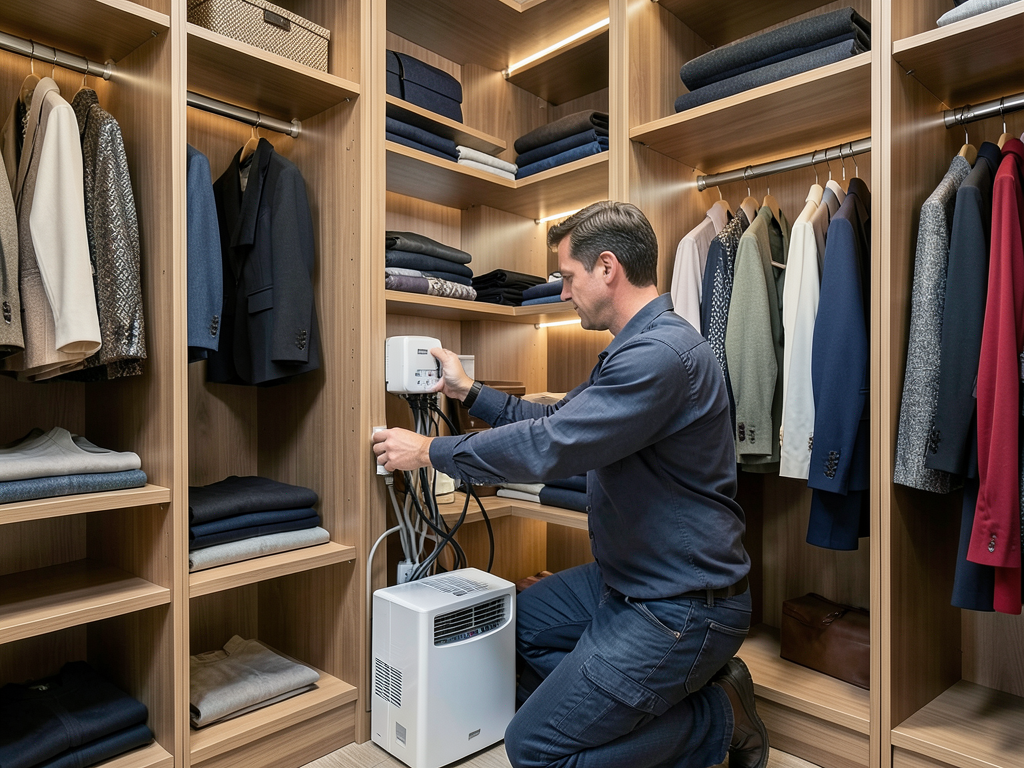
Protecting your Gables Estates walk-in closet from mold and leather damage

Protecting your Gables Estates walk-in closet from mold and leather damage Your walk-in closet in Gables Estates faces a constant…

Smart vents and dampers for fixing uneven cooling in older Coral Terrace houses

Smart vents and dampers for fixing uneven cooling in older Coral Terrace houses If you live in a Coral Terrace…

Contact Us

Eliminate unplanned equipment failures and budget uncertainty. Call (786) 789-8277 to schedule your facility assessment and receive a customized commercial maintenance agreement proposal. Your operational continuity depends on proactive service rather than reactive repairs.