


Miami Gardens sits in the heart of South Florida's most punishing climate zone. Your air conditioner runs nearly year-round, fighting 90-degree heat and humidity levels that regularly hit 80 percent. This constant operation causes compressor strain, refrigerant leaks, and electrical failures that northern systems never experience. Salt air from the Atlantic drifts inland, corroding condenser coils and electrical connections faster than manufacturers anticipate. Afternoon thunderstorms dump water onto rooftop units, overwhelming drain pans and causing water damage inside homes.
The city's mix of older concrete block homes and newer construction creates different cooling challenges. Older homes in neighborhoods near Bunche Park often lack proper insulation, forcing systems to work harder. Newer developments around Miami Gardens Drive feature modern high-efficiency units that require specialized diagnostic equipment when problems occur. Local building codes require higher SEER ratings than most states, meaning your system is more complex and needs technicians who understand these advanced components. When your AC fails here, it's not a minor inconvenience. Indoor temperatures climb to dangerous levels within hours, threatening elderly residents and young children throughout Andover, Carol City, and Norwood.
Most HVAC companies in Miami Gardens make you wait. They schedule appointments two or three days out while you sweat in 85-degree rooms. Horizon Heating and Cooling Miami built our entire operation around emergency response. We staff three fully-equipped trucks during peak summer months, each carrying over 200 common parts. When you call our emergency line, you reach a live dispatcher who knows exactly where our nearest technician is working. We commit to arrival times and send you text updates with technician location and estimated arrival.
Our technicians live and work in Miami Gardens. They know that older homes near Scott Lake need different approaches than newer builds in Biscayne River Gardens. They understand how Florida Power and Light's rate structure affects system sizing decisions. They've worked through every hurricane season since 2018, handling the surge demand when power returns and damaged systems fail. This local knowledge means faster diagnosis and accurate repairs the first time. We don't send apprentices to learn on your emergency. Every truck is staffed by a licensed technician with at least five years of Florida experience.
We also understand the financial stress of unexpected repairs. Unlike companies that push expensive replacements, we repair what can be fixed and explain your options honestly. If your compressor failed but your air handler works perfectly, we tell you the truth about repair costs versus replacement benefits. We offer financing through local credit unions that serve Miami Gardens residents, and we accept insurance claims for weather-related damage. Our goal is getting your family comfortable again, not maximizing our ticket price.

We dispatch emergency calls within 60 minutes across all Miami Gardens neighborhoods. Our trucks carry diagnostic equipment and common parts, so most repairs complete the same day. You get real-time text updates showing technician location and arrival time. No all-day waiting windows.

Every technician holds a Florida state license and carries five-plus years of South Florida experience. They've diagnosed systems in Miami Gardens homes from 1960s block construction to 2023 high-efficiency builds. We don't send apprentices to your emergency. You get experienced professionals who solve problems fast.
We repair what makes financial sense and recommend replacement when it doesn't. You get written estimates before work starts, with clear explanations of what failed and why. No pressure tactics or inflated quotes. Just honest advice about keeping your system running or upgrading when that's the smarter choice.
Our trucks stock over 200 common parts that fit systems throughout Miami Gardens. Capacitors, contactors, thermostats, and refrigerant are on every truck. We also maintain relationships with local suppliers for same-day delivery of specialty components. Most repairs finish without waiting for parts orders.
Horizon Heating and Cooling Miami handles every aspect of residential and light commercial climate control. Our service range covers emergency breakdowns, scheduled maintenance, full system replacement, and indoor air quality improvements. We work on all major brands including Carrier, Trane, Lennox, Rheem, Goodman, and American Standard. Whether you need a midnight compressor replacement or a planned upgrade to a high-efficiency system, we staff the expertise and carry the parts inventory to complete the work right.
Our approach separates services into three main categories based on urgency and scope. Emergency repairs get you back to comfort within hours. Maintenance and tune-ups prevent those emergencies from happening. System replacements and upgrades solve recurring problems while lowering your electric bills. Each service category uses different technician skills and requires different parts inventory, which is why we organize our trucks and scheduling around these distinct needs. When you call, we ask questions that route you to the right service team with the right equipment already loaded.
When your air conditioner stops cooling, you need help now. Our emergency repair service handles no-cool situations, refrigerant leaks, compressor failures, electrical problems, and water leaks. We diagnose the failure using digital testing equipment, explain what broke and why, then complete repairs using parts stocked on our trucks. Most emergency calls resolve the same day. We work until your system runs properly, even if that means finishing after normal business hours. This service covers central air systems, heat pumps, and ductless mini-splits in homes and small businesses throughout Miami Gardens.
Regular maintenance prevents most emergency repairs. Our tune-up service includes cleaning condenser coils, checking refrigerant levels, testing electrical connections, lubricating motors, clearing drain lines, and replacing filters. We inspect your system for wear before it causes failure. This catches small problems like worn contactors or dirty coils before they damage expensive compressors. We recommend maintenance twice yearly in Miami Gardens because your system runs constantly. Spring tune-ups prepare for summer heat. Fall service catches problems from months of heavy use. Maintenance customers get priority emergency scheduling if problems develop.
Old systems waste electricity and break down constantly. Our replacement service installs new high-efficiency air conditioners that cut cooling costs by 30 to 40 percent. We perform room-by-room load calculations to size your system correctly, unlike installers who guess based on existing equipment. Proper sizing means better humidity control and longer equipment life. We handle all permits required by Miami Gardens building codes, install systems to manufacturer specifications, and register warranties. Installation typically completes in one day. We remove old equipment and haul it away. You get a system sized correctly for Miami Gardens climate and built to last.
Miami Gardens climate creates specific failure patterns. Your air conditioner runs more hours annually than systems in almost any other city. This constant operation combined with salt air, afternoon storms, and extreme humidity causes predictable problems. Understanding these common issues helps you recognize warning signs before complete failure leaves your family sweating in dangerous heat.
Refrigerant leaks top the list. Vibration from constant compressor operation loosens connections and creates pinhole leaks in copper lines. Salt air corrodes the condenser coil, eventually eating through the thin copper tubing. Low refrigerant causes ice formation on indoor coils and reduces cooling capacity. Electrical failures follow close behind. Heat and humidity degrade wire insulation, corrode connections, and cause contactors to pit and fail. Capacitors wear out from heat stress. These electrical problems often cause compressors to run hot and fail early. Drain line clogs happen frequently because high humidity creates constant condensation. When drain pans overflow, water damages ceilings and creates mold problems inside your home.
Salt air from the Atlantic corrodes outdoor condenser coils, creating pinhole leaks that release refrigerant. Low refrigerant reduces cooling capacity and causes ice buildup on indoor coils. You notice weak airflow, warm air from vents, or ice forming on copper lines. Leaks require finding the exact hole, repairing it properly, then recharging the system to manufacturer specifications.
Capacitors store electrical charge that starts your compressor and fan motors. Miami Gardens heat causes these components to fail every three to five years. A failed capacitor means your outdoor unit won't start or hums without running. Contactors switch power to the compressor. They pit and burn from constant cycling, eventually failing to make clean contact. Both failures leave you without cooling.
High humidity creates constant condensation that drains from your indoor air handler. Drain lines clog with algae and mold, causing water to back up into the overflow pan. If the pan fills completely, water leaks through your ceiling, damaging drywall and creating mold problems. You notice water stains, musty smells, or the system shutting down from float switch activation.
Compressors pump refrigerant through your system. Constant operation in Miami Gardens heat stresses this expensive component. Compressors fail from electrical problems, low refrigerant operation, or simply wearing out from excessive runtime. You hear grinding noises, the outdoor unit won't start, or the system runs without cooling. Compressor replacement costs more than most other repairs, often making system replacement the smarter financial choice.
We know AC emergencies create stress. You're hot, worried about costs, and unsure if you're being told the truth about what's wrong. Horizon Heating and Cooling Miami built our customer experience around transparency and speed. From the moment you call to the final system test, you'll know exactly what's happening, how much it costs, and when you'll have cold air again.
Our process starts with a live person answering your call. We don't use answering services or voicemail during business hours. Our dispatcher asks specific questions about your system and symptoms, which helps us send the right technician with the right parts. You get a commitment for arrival time, usually within 60 minutes for emergencies. We send text updates showing technician location and estimated arrival. When the technician arrives, they introduce themselves, wear identification, and use floor mats to protect your home. The diagnostic process takes 15 to 30 minutes using digital meters and gauges. You get a written estimate before any repair work starts, explaining what failed, why it happened, and what the repair involves.
Our technicians use digital multimeters, refrigerant gauges, and thermal cameras to diagnose problems accurately. We test electrical components, measure refrigerant pressures, check airflow, and inspect all system connections. This thorough diagnostic process typically takes 15 to 30 minutes. You watch the testing if you want, and we explain findings in plain language. We identify the exact failed component, not just symptoms. You get a clear explanation of what broke, why it failed, and what repair involves before any work begins.
You receive a written estimate showing parts cost, labor cost, and total price before we start repairs. The estimate explains what we're replacing and why. If multiple repair options exist, we explain each approach with honest advice about which makes financial sense. You'll know if a repair buys you several more years or just limps the system through summer. We never start work without your approval. No surprise charges appear on your final bill. The estimate price is your final price.
Most repairs complete the same day because we stock common parts on every truck. After installation, we test the entire system to verify proper operation. We measure refrigerant pressures, check electrical draws, verify airflow, and monitor temperatures until the system reaches normal operating range. You feel cold air before we leave. We clean up completely, removing old parts and packaging. You get a service report showing what we replaced, test measurements, and maintenance recommendations. We also review your warranty coverage and schedule any recommended follow-up service.
Emergency repairs follow a proven process that gets your system running fast while ensuring quality work. We've refined this approach through thousands of Miami Gardens service calls.
Call our emergency line at (786) 789-8277. A live dispatcher answers immediately, asks about your system and symptoms, then commits to an arrival time, usually within one hour. We send text updates showing your technician's location and estimated arrival. The assigned technician calls 15 minutes before arrival. They arrive in a marked truck carrying diagnostic equipment and over 200 common parts. You'll know who's coming, when they'll arrive, and what happens next.
The technician inspects your system, tests electrical components, measures refrigerant levels, and checks all connections. Diagnosis takes 15 to 30 minutes using digital meters and pressure gauges. They identify the exact failed component causing your problem. You receive a written estimate showing repair cost before work begins. The estimate explains what failed, why it happened, and what the repair involves. You approve the work or decline with no diagnostic charge for emergency calls.
After you approve the estimate, we complete repairs using parts from our truck inventory. Most repairs finish within one to two hours. We test the entire system after repair, measuring pressures, temperatures, and electrical draws. You feel cold air before we leave. We clean up completely, review warranty coverage, and provide maintenance recommendations. You receive a service report documenting what we replaced and test measurements confirming proper operation.
Florida maintains some of the strictest HVAC regulations in the country, and Miami Gardens enforces additional requirements through Miami-Dade County building codes. These regulations protect homeowners by ensuring proper installation, adequate capacity, and safe operation. Every system replacement requires permits and inspections. Contractors must submit load calculations proving the new system is sized correctly for your home's square footage, insulation levels, window area, and ceiling height. These calculations follow Manual J standards established by the Air Conditioning Contractors of America.
Miami-Dade County requires higher wind resistance standards for all outdoor equipment because of hurricane risk. Outdoor condenser units must be anchored to concrete pads using corrosion-resistant hardware rated for 180 mph winds. Electrical disconnects must be installed within sight of the outdoor unit. All refrigerant lines require proper insulation rated for outdoor exposure to prevent condensation and energy loss. Ductwork in unconditioned spaces like attics must meet minimum insulation values, typically R-6 or higher, and all joints must be sealed with mastic, not just tape.
The state of Florida requires all HVAC technicians to hold an active license issued by the Department of Business and Professional Regulation. These licenses require passing trade exams, proving work experience, and maintaining liability insurance. Unlicensed work voids equipment warranties and creates liability if problems occur. When you hire Horizon Heating and Cooling Miami, you're working with licensed professionals who pull proper permits, follow code requirements, and ensure inspections pass on the first attempt. This protects your investment and ensures your new system qualifies for manufacturer warranties that typically run 10 years on compressors and heat exchangers.
Florida requires minimum 14 SEER ratings for all new air conditioner installations. SEER measures cooling efficiency. Higher numbers mean lower operating costs. Most quality systems now offer 16 to 20 SEER ratings. The efficiency difference between a 14 SEER and 18 SEER system saves approximately 200 to 300 dollars annually on Miami Gardens electric bills. High-efficiency systems also control humidity better, which matters in South Florida climate.
Repair costs depend on which component failed and labor complexity. Simple fixes like capacitor replacement cost less than refrigerant leak repairs that require finding and brazing pinhole leaks. Compressor replacement costs approach half the price of a complete system replacement. System replacement costs vary based on efficiency rating, brand selection, and installation complexity. Proper sizing calculations and quality installation matter more than equipment brand for long-term performance and reliability.
Emergency repairs typically complete the same day, usually within two to three hours after the technician arrives. System replacements take one full day for most homes. Complex installations involving ductwork modifications or electrical upgrades may require two days. We schedule replacements after permits are approved by Miami-Dade County, which typically takes three to five business days. We coordinate inspections after installation to finalize permits and activate manufacturer warranties.
All system replacements require Miami-Dade County permits. We handle permit applications, submit load calculations, and schedule required inspections. County inspectors verify proper installation, correct refrigerant charge, and code compliance. Passed inspections are required to activate manufacturer warranties. Most equipment warranties cover compressors for 10 years and parts for five years. These warranties require licensed installation and proper registration within 60 days of installation.
This video explains common air conditioning problems affecting Miami Gardens homes, including refrigerant leaks, capacitor failures, and compressor issues caused by South Florida climate. Learn how salt air and constant high humidity create specific HVAC challenges, what emergency repairs typically cost, and how to choose between AC repair versus system replacement. Covers Miami-Dade County permit requirements, SEER efficiency standards, and proper system sizing for Florida homes. Provides guidance on selecting licensed HVAC contractors and understanding manufacturer warranty requirements.
Horizon Heating and Cooling Miami provides emergency HVAC service throughout Miami Gardens and surrounding communities. Our technicians know this area intimately because they live and work here. We service homes from the older established neighborhoods near Bunche Park and Norwood to newer developments around Miami Gardens Drive and NW 183rd Street. Our trucks regularly run calls in Andover, Carol City, Lake Lucerne, and Biscayne River Gardens.
Each area of Miami Gardens presents different service challenges. Older homes near Scott Lake and the neighborhoods west of NW 27th Avenue often feature original HVAC systems from the 1970s and 1980s. These homes typically have concrete block construction with minimal attic space, which affects system replacement options. The ductwork often runs through concrete slabs, requiring careful planning when upgrading to modern high-efficiency equipment. We've worked on hundreds of these homes and understand how to retrofit new systems into older construction without major structural modifications.
Newer construction east of NW 27th Avenue and south of NW 183rd Street typically features higher-efficiency systems installed after 2010. These homes meet modern building codes with better insulation and sealed ductwork, but the systems use more complex control boards and variable-speed components that require specialized diagnostic equipment. When these systems fail, you need technicians who understand advanced electronics and refrigerant circuits, not just basic AC repair skills. Our trucks carry the laptop diagnostic tools and software required to troubleshoot these modern systems accurately.
The apartments and townhomes around Hard Rock Stadium and near Miami Gardens Drive often use package units installed on roofs or concrete pads. These all-in-one systems require different service approaches than split systems. We stock parts for both configurations and schedule our truck inventory based on which type of construction we're serving. We also work closely with property managers and HOA boards in developments like Rolling Oaks and Coconut Palm, providing seasonal maintenance contracts that prevent emergency breakdowns during peak summer months.
Our service area extends beyond Miami Gardens city limits to Opa-locka, North Miami Beach, and parts of unincorporated Miami-Dade County. We understand how proximity to the ocean affects corrosion rates on outdoor units. Homes within three miles of Biscayne Bay experience faster coil degradation than properties further inland. This local knowledge helps us provide accurate estimates for repair-versus-replace decisions and recommend the right coil coatings for coastal installations.
The $5000 rule helps you decide between repair and replacement. If your system's age multiplied by the repair cost exceeds $5000, replacement makes more financial sense. For example, a 10-year-old unit needing a $600 repair equals $6000, suggesting replacement. In Miami Gardens, high humidity and year-round cooling demand accelerate wear on compressors and evaporator coils. This rule provides a baseline, but factor in Miami Gardens' brutal heat cycles and your unit's efficiency rating. Older systems drain more electricity during summer peaks. A qualified technician can assess whether your aging system justifies continued investment or needs replacement.
Miami Gardens is a working-class and middle-income community. The median household income sits around $42,000, below Miami-Dade County's average. Most residents own modest single-family homes or live in rental properties. The area features primarily residential neighborhoods with local businesses serving everyday needs. While not considered affluent compared to nearby Aventura or Miami Beach, Miami Gardens offers affordable housing options and a tight-knit community atmosphere. The city's demographics reflect hardworking families and retirees seeking reasonable cost of living. Property values remain moderate, making homeownership accessible for first-time buyers and those prioritizing budget-conscious living in South Florida.
For a 2000 square foot home in Miami Gardens, expect to pay $5,500 to $10,000 for a complete AC system installation. The range depends on your SEER rating choice, ductwork condition, and equipment brand. Miami Gardens' heat and humidity require properly sized tonnage, usually 3.5 to 5 tons for this square footage. Higher SEER systems cost more upfront but slash electricity bills during brutal summer months. Duct modifications, electrical panel upgrades, or permit fees add cost. Local installation complexity varies by home age and existing infrastructure. Get three quotes from licensed contractors familiar with Miami Gardens building codes and humidity challenges.
The $5000 rule helps you decide between repair and replacement. If your system's age multiplied by the repair cost exceeds $5000, replacement makes more financial sense. For example, a 10-year-old unit needing a $600 repair equals $6000, suggesting replacement. In Miami Gardens, high humidity and year-round cooling demand accelerate wear on compressors and evaporator coils. This rule provides a baseline, but factor in Miami Gardens' brutal heat cycles and your unit's efficiency rating. Older systems drain more electricity during summer peaks. A qualified technician can assess whether your aging system justifies continued investment or needs replacement.
Miami Gardens is a working-class and middle-income community. The median household income sits around $42,000, below Miami-Dade County's average. Most residents own modest single-family homes or live in rental properties. The area features primarily residential neighborhoods with local businesses serving everyday needs. While not considered affluent compared to nearby Aventura or Miami Beach, Miami Gardens offers affordable housing options and a tight-knit community atmosphere. The city's demographics reflect hardworking families and retirees seeking reasonable cost of living. Property values remain moderate, making homeownership accessible for first-time buyers and those prioritizing budget-conscious living in South Florida.
For a 2000 square foot home in Miami Gardens, expect to pay $5,500 to $10,000 for a complete AC system installation. The range depends on your SEER rating choice, ductwork condition, and equipment brand. Miami Gardens' heat and humidity require properly sized tonnage, usually 3.5 to 5 tons for this square footage. Higher SEER systems cost more upfront but slash electricity bills during brutal summer months. Duct modifications, electrical panel upgrades, or permit fees add cost. Local installation complexity varies by home age and existing infrastructure. Get three quotes from licensed contractors familiar with Miami Gardens building codes and humidity challenges.
In Florida, HVAC units last 10 to 15 years, shorter than the national 15 to 20 year average. Miami Gardens' relentless humidity, salt air infiltration, and year-round operation stress components harder than moderate climates. Compressors work overtime fighting 90-degree heat and 80 percent humidity. Evaporator coils corrode faster. Lack of seasonal rest accelerates wear. Regular maintenance extends lifespan significantly. Annual tune-ups, quarterly filter changes, and keeping outdoor units clear of debris help maximize your investment. Systems older than 12 years in Miami Gardens often develop refrigerant leaks or compressor failures. Plan replacement budgets accordingly for South Florida's demanding conditions.
A 4000 square foot home in Miami Gardens requires a large-capacity system costing $10,000 to $18,000 installed. You need 7 to 10 tons of cooling capacity depending on insulation quality, window exposure, and ceiling height. Multi-zone systems or dual units often serve homes this size better than single large units. Miami Gardens' heat load calculations must account for sun exposure and attic temperatures exceeding 140 degrees. High-efficiency variable-speed systems cost more but deliver better humidity control and lower operating costs. Ductwork design becomes critical at this scale. Poor airflow distribution creates hot spots and wastes energy. Hire experienced contractors who understand large residential installations.
The 3-minute rule protects your compressor from short cycling damage. After your AC shuts off, wait at least 3 minutes before restarting. This delay allows refrigerant pressure to equalize between the high and low sides of the system. Immediate restarts force the compressor to start against high pressure, straining the motor and shortening its life. In Miami Gardens, where systems run constantly during summer, short cycling from thermostat errors or electrical issues causes premature compressor failure. Modern thermostats include built-in delay timers. If your system trips breakers or struggles to restart, the compressor may already show damage requiring professional diagnosis.
Billionaires concentrate in Miami Beach, Fisher Island, Star Island, and Coral Gables, not Miami Gardens. Fisher Island ranks as America's wealthiest zip code, accessible only by ferry or yacht. Star Island and Hibiscus Island feature waterfront mansions owned by celebrities and international wealth. Coral Gables' gated estates and Coconut Grove's bayfront properties attract ultra-high-net-worth residents. Brickell's luxury condos house finance executives and international investors. Miami Gardens lies northwest of these elite enclaves and serves as a residential community for working families. The city's demographics and property values differ significantly from Miami's billionaire neighborhoods along the coast and downtown corridors.
Miami Gardens is a predominantly Black community with over 75 percent African American residents, making it one of Florida's largest majority-Black cities. Hispanic and Latino residents comprise roughly 20 percent of the population. The remaining 5 percent includes White, Asian, and multiracial residents. This demographic makeup reflects the city's history and development patterns since its 2003 incorporation. Miami Gardens residents take pride in their community's cultural identity and local institutions. The city serves as an important political and economic hub for Black South Floridians. Understanding local demographics helps businesses and service providers connect authentically with the community's needs and preferences.
You need $60,000 to $75,000 annually to live comfortably in Miami, though Miami Gardens offers lower costs than coastal areas. Housing consumes the largest share. A two-bedroom apartment in Miami Gardens rents for $1,600 to $2,200 monthly, more affordable than Miami Beach or Brickell. Transportation costs run high without reliable public transit. Year-round AC usage inflates electricity bills to $200 to $350 monthly for typical homes. Groceries, insurance, and healthcare exceed national averages. The threshold depends on family size and lifestyle expectations. Miami Gardens provides better affordability than luxury zip codes while maintaining access to greater Miami employment opportunities.
16 SEER beats 13 SEER for Miami Gardens homes. The higher rating saves 20 to 25 percent on cooling costs, critical when your AC runs 10 months yearly. A 16 SEER system costs $1,000 to $2,000 more upfront but recovers that difference through lower electric bills within 5 to 7 years. Miami Gardens' extreme heat and humidity demand efficient equipment. Modern 16 SEER units include better humidity control and quieter operation. Federal minimum standards now require 14 SEER in the Southeast. While 13 SEER systems still exist as older stock, investing in 16 SEER or higher delivers measurable savings and improved comfort for South Florida's brutal climate.
In Florida, HVAC units last 10 to 15 years, shorter than the national 15 to 20 year average. Miami Gardens' relentless humidity, salt air infiltration, and year-round operation stress components harder than moderate climates. Compressors work overtime fighting 90-degree heat and 80 percent humidity. Evaporator coils corrode faster. Lack of seasonal rest accelerates wear. Regular maintenance extends lifespan significantly. Annual tune-ups, quarterly filter changes, and keeping outdoor units clear of debris help maximize your investment. Systems older than 12 years in Miami Gardens often develop refrigerant leaks or compressor failures. Plan replacement budgets accordingly for South Florida's demanding conditions.
A 4000 square foot home in Miami Gardens requires a large-capacity system costing $10,000 to $18,000 installed. You need 7 to 10 tons of cooling capacity depending on insulation quality, window exposure, and ceiling height. Multi-zone systems or dual units often serve homes this size better than single large units. Miami Gardens' heat load calculations must account for sun exposure and attic temperatures exceeding 140 degrees. High-efficiency variable-speed systems cost more but deliver better humidity control and lower operating costs. Ductwork design becomes critical at this scale. Poor airflow distribution creates hot spots and wastes energy. Hire experienced contractors who understand large residential installations.
The 3-minute rule protects your compressor from short cycling damage. After your AC shuts off, wait at least 3 minutes before restarting. This delay allows refrigerant pressure to equalize between the high and low sides of the system. Immediate restarts force the compressor to start against high pressure, straining the motor and shortening its life. In Miami Gardens, where systems run constantly during summer, short cycling from thermostat errors or electrical issues causes premature compressor failure. Modern thermostats include built-in delay timers. If your system trips breakers or struggles to restart, the compressor may already show damage requiring professional diagnosis.
Billionaires concentrate in Miami Beach, Fisher Island, Star Island, and Coral Gables, not Miami Gardens. Fisher Island ranks as America's wealthiest zip code, accessible only by ferry or yacht. Star Island and Hibiscus Island feature waterfront mansions owned by celebrities and international wealth. Coral Gables' gated estates and Coconut Grove's bayfront properties attract ultra-high-net-worth residents. Brickell's luxury condos house finance executives and international investors. Miami Gardens lies northwest of these elite enclaves and serves as a residential community for working families. The city's demographics and property values differ significantly from Miami's billionaire neighborhoods along the coast and downtown corridors.
Miami Gardens is a predominantly Black community with over 75 percent African American residents, making it one of Florida's largest majority-Black cities. Hispanic and Latino residents comprise roughly 20 percent of the population. The remaining 5 percent includes White, Asian, and multiracial residents. This demographic makeup reflects the city's history and development patterns since its 2003 incorporation. Miami Gardens residents take pride in their community's cultural identity and local institutions. The city serves as an important political and economic hub for Black South Floridians. Understanding local demographics helps businesses and service providers connect authentically with the community's needs and preferences.
You need $60,000 to $75,000 annually to live comfortably in Miami, though Miami Gardens offers lower costs than coastal areas. Housing consumes the largest share. A two-bedroom apartment in Miami Gardens rents for $1,600 to $2,200 monthly, more affordable than Miami Beach or Brickell. Transportation costs run high without reliable public transit. Year-round AC usage inflates electricity bills to $200 to $350 monthly for typical homes. Groceries, insurance, and healthcare exceed national averages. The threshold depends on family size and lifestyle expectations. Miami Gardens provides better affordability than luxury zip codes while maintaining access to greater Miami employment opportunities.
16 SEER beats 13 SEER for Miami Gardens homes. The higher rating saves 20 to 25 percent on cooling costs, critical when your AC runs 10 months yearly. A 16 SEER system costs $1,000 to $2,000 more upfront but recovers that difference through lower electric bills within 5 to 7 years. Miami Gardens' extreme heat and humidity demand efficient equipment. Modern 16 SEER units include better humidity control and quieter operation. Federal minimum standards now require 14 SEER in the Southeast. While 13 SEER systems still exist as older stock, investing in 16 SEER or higher delivers measurable savings and improved comfort for South Florida's brutal climate.
Need dependable HVAC service near you? Horizon Heating and Cooling Miami proudly serves homes and businesses across the Miami metro area with top-rated heating and cooling repairs, installations, and emergency services. Whether you’re in Kendall, Doral, or Aventura, our expert technicians are just a call away. Check the map below to explore our coverage zones and get fast, professional HVAC help in your neighborhood.
Address:
Miami Gardens, FL, 33056
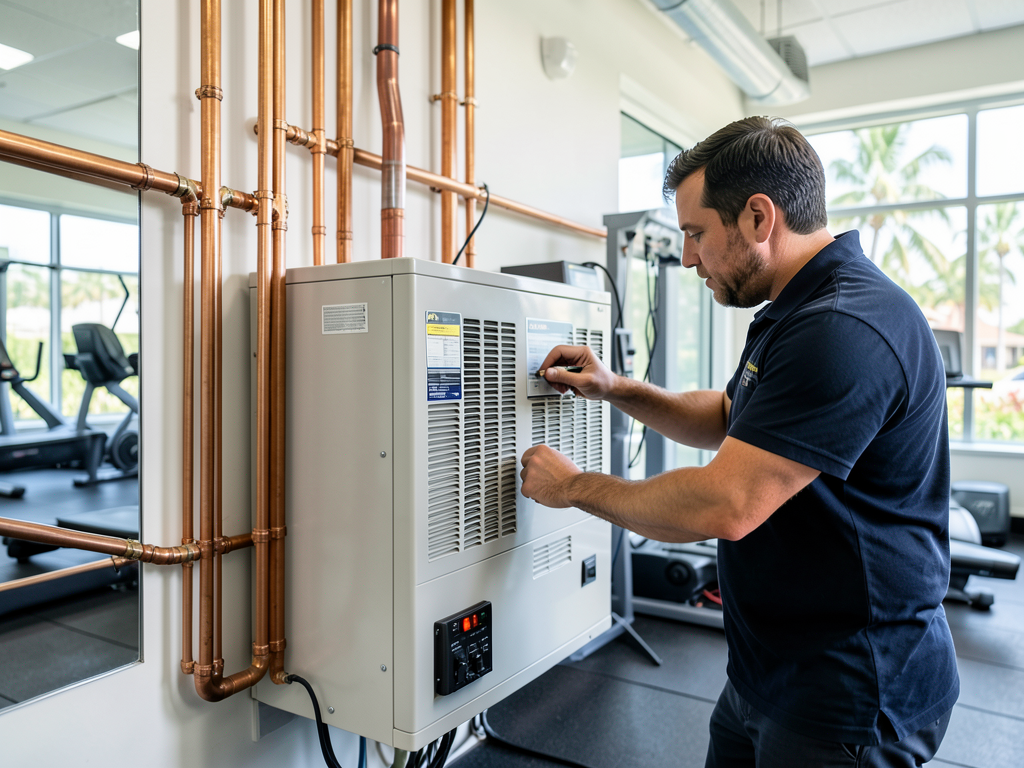
Managing the humidity in your Sunset Harbour gym or yoga studio for better air quality High humidity in Miami gyms creates more than discomfort. It accelerates equipment rust, promotes mold growth, and drives up energy…
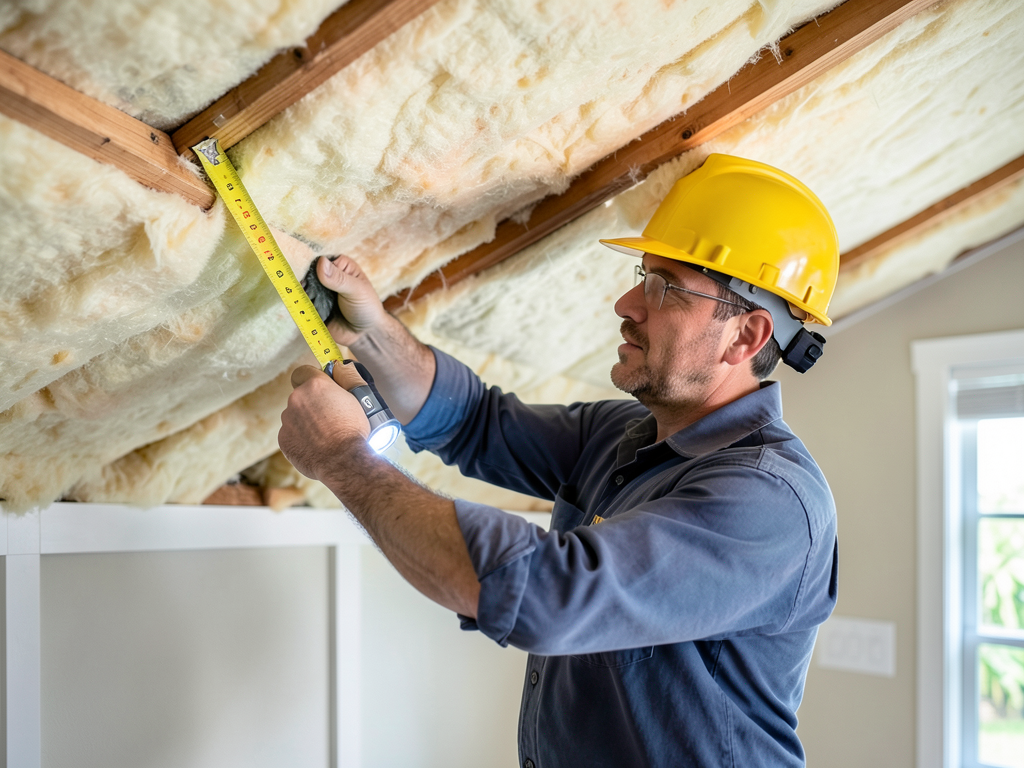
How to tell if your attic insulation has flattened and is making your North Miami…
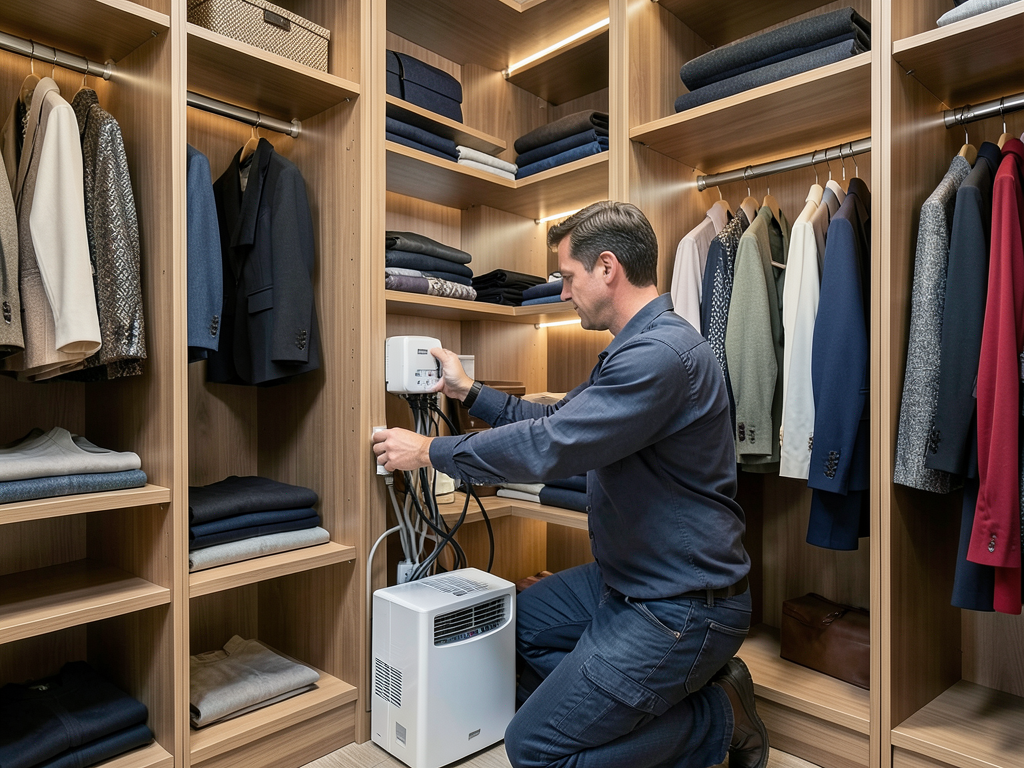
Protecting your Gables Estates walk-in closet from mold and leather damage Your walk-in closet in…
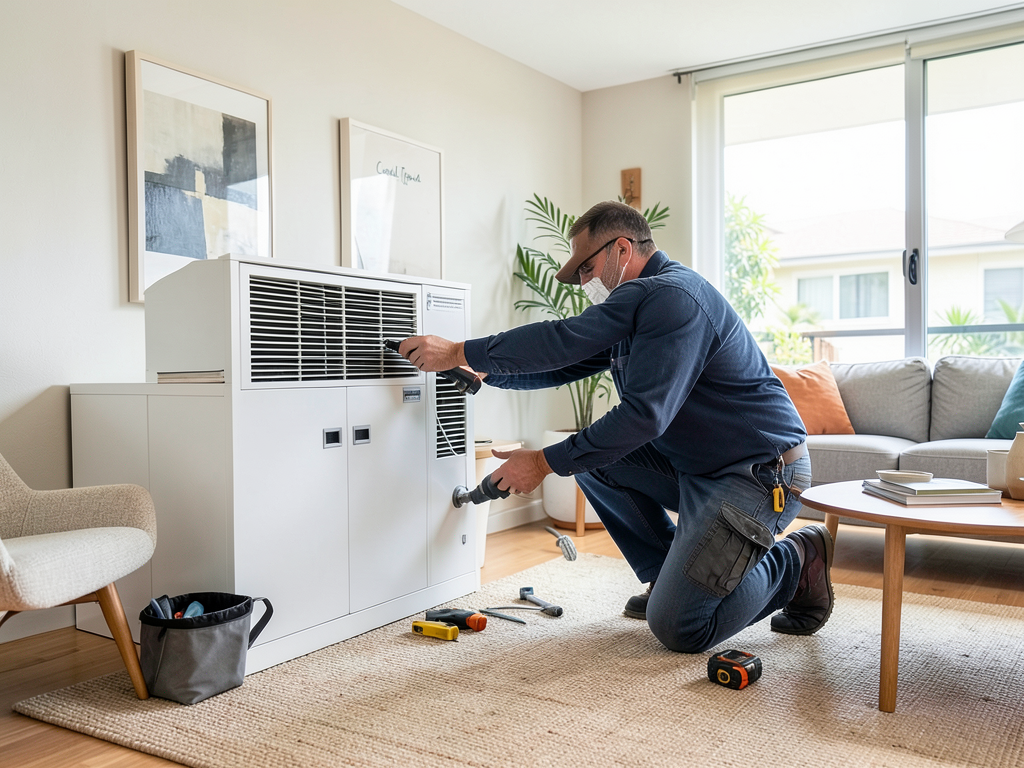
Smart vents and dampers for fixing uneven cooling in older Coral Terrace houses If you…
Your family shouldn't suffer in Miami Gardens heat. Call Horizon Heating and Cooling Miami at (786) 789-8277 right now. We'll dispatch a licensed technician to your home within one hour. Most repairs complete the same day, getting you back to comfort fast.