
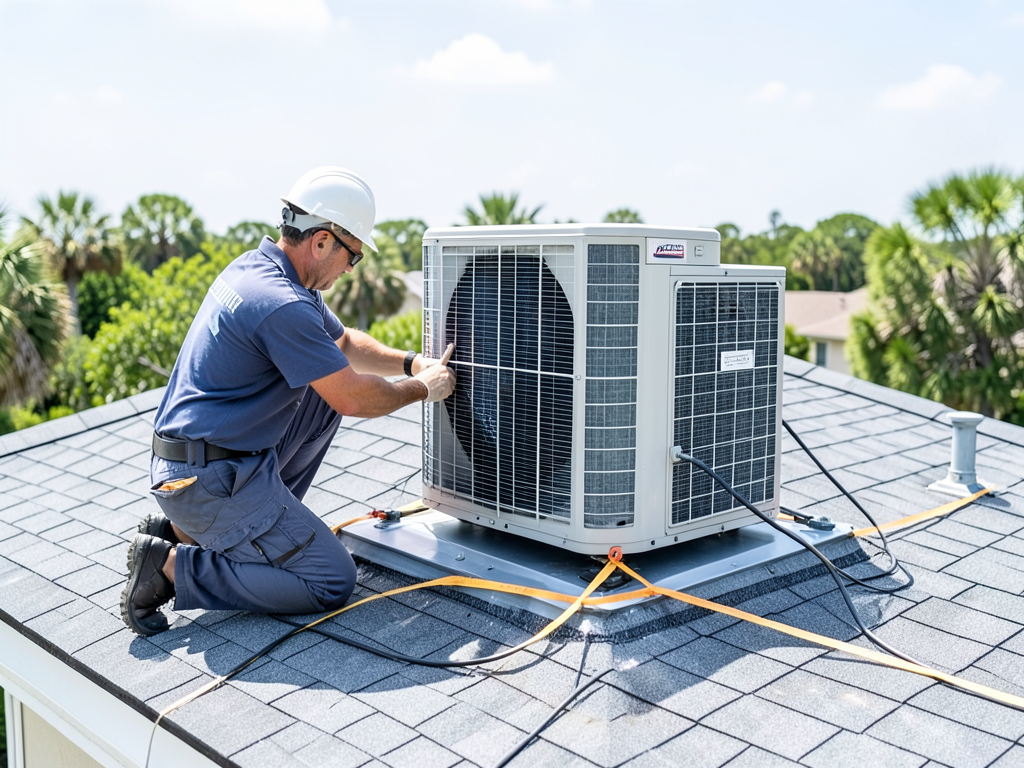
Navigating Miami-Dade AC replacement permits for your Tamiami home
Replacing your air conditioning system in Tamiami requires more than just selecting a new unit and scheduling installation. Miami-Dade County enforces strict permitting requirements through the Regulatory and Economic Resources department to ensure all mechanical work meets Florida Building Code standards and local safety regulations. Miami-Dade Regulatory and Economic Resources.
Understanding the permitting process before you begin helps avoid costly delays, potential fines, and complications with your homeowners insurance. This guide walks you through everything you need to know about obtaining permits for AC replacement in the Tamiami area. How to Get Your Miami Lakes HVAC System Ready for the Summer Heat.
Why Miami-Dade requires AC replacement permits
Miami-Dade County mandates permits for air conditioning replacements to protect public safety and ensure proper installation. The Florida Building Code requires mechanical permits for any changes to heating, ventilation, or air conditioning systems that affect the structure or operation of your home. Florida Building Code Information.
Unpermitted work creates several risks. First, you may face fines from the county for non-compliance. Second, insurance companies often deny claims for damage caused by unpermitted installations. Third, unpermitted work can complicate future home sales when buyers or inspectors discover the lack of proper documentation.
The permitting process ensures your new AC system meets current energy efficiency standards, proper electrical connections, and hurricane-zone requirements specific to Tamiami’s location within Miami-Dade County. HVAC Miami Lakes.
Step-by-step permit application process
The permit process follows a specific sequence that typically takes 5-10 business days for approval, though complex projects may require additional time.
First, you need to submit a complete permit application through Miami-Dade’s Regulatory and Economic Resources department. This requires detailed information about your property, the existing system, and the proposed replacement equipment.
Second, you must provide supporting documentation including manufacturer specifications, energy calculations, and contractor license information. Licensed HVAC contractors typically handle this documentation as part of their service.
Third, Miami-Dade RER reviews the application to ensure compliance with building codes and local ordinances. They may request additional information or clarification before approval.
Fourth, once approved, you receive your permit and can schedule installation. The permit must be displayed at the job site during all work.
Finally, after installation, you need a final inspection to verify the work meets all code requirements before the permit can be closed.
Permit costs and fee structure
Miami-Dade County calculates permit fees based on the total project value, including both labor and materials. Understanding the fee structure helps you budget accurately for your AC replacement project.
| Project Value Range | Permit Fee | Additional Surcharges |
|---|---|---|
| Under $5,000 | $100 – $150 | County surcharge 2-3% |
| $5,001 – $15,000 | $150 – $300 | County surcharge 2-3% |
| $15,001 – $50,000 | $300 – $600 | County surcharge 2-3% + School Board fee |
| Over $50,000 | $600+ | Additional county fees apply |
Additional costs may include plan review fees, expedited processing fees if you need faster turnaround, and inspection fees that are typically included in the base permit cost.
Homeowners should also budget for potential modifications to meet current code requirements, such as electrical panel upgrades or ductwork modifications that weren’t necessary when the original system was installed.
Special requirements for Tamiami and Miami-Dade coastal zones
Tamiami falls within Miami-Dade County’s High Velocity Hurricane Zone (HVHZ), which imposes additional requirements for AC installations. These regulations ensure equipment can withstand hurricane-force winds and protect against wind-borne debris.
HVHZ requirements include specific tie-down methods for outdoor condenser units, wind-load calculations for equipment placement, and corrosion-resistant materials suitable for the coastal environment. The county mandates that all outdoor units be properly anchored to prevent uplift during storms.. Read more about Protecting your outdoor condenser from flooding and storm surges in Ojus.
Elevation requirements may also apply depending on your property’s flood zone designation. Units installed in flood-prone areas must meet specific height requirements above the base flood elevation to prevent water damage during storm surges.
South Florida’s high humidity and salt-air exposure also influence equipment selection. Miami-Dade requires AHRI certificates showing the equipment meets current SEER2 efficiency standards and includes corrosion protection appropriate for coastal installations.
Notice of Commencement requirements
Florida law requires a Notice of Commencement (NOC) for residential construction projects exceeding $2,500 in value. Since most AC replacement projects exceed this threshold, you’ll likely need to file an NOC with the county.
The NOC protects homeowners by establishing a public record of the construction project and ensuring contractors follow proper procedures. It also helps prevent lien issues by requiring contractors to provide proper documentation and insurance.
Your HVAC contractor typically handles NOC filing as part of their permitting services. The form requires basic property information, contractor details, and project scope. Once filed, the NOC must be posted at the job site throughout the project.
Failure to file a required NOC can result in contractor penalties and potential complications with permit approval or final inspection.
Timeline expectations for permit approval and inspections
Understanding the timeline helps you plan your AC replacement project effectively. Standard permit processing typically takes 5-10 business days, though this varies based on current county workload and project complexity.
Expedited processing is available for an additional fee, reducing turnaround time to 24-48 hours in many cases. This option works well for emergency replacements when immediate installation is necessary. Reliable 24 Hour Emergency AC Repair in South Miami.
Once your permit is approved, you can schedule installation. Most AC replacement projects take 1-2 days for complete installation, depending on whether modifications to existing ductwork or electrical systems are needed. The Best Air Purification Systems for Luxury Pinecrest Estates.
After installation, you must schedule a final inspection. Miami-Dade inspectors typically conduct inspections within 24-48 hours of request, though scheduling may take longer during peak seasons.
The entire process from permit application to final approval usually takes 7-14 days under normal circumstances, but can extend to 3-4 weeks if complications arise or during busy periods.
Common permit application pitfalls to avoid
Several common mistakes can delay your AC replacement project. Missing or incomplete documentation is the most frequent cause of permit delays. Ensure your contractor provides all required specifications, energy calculations, and contractor license information.
Incorrect property information can also cause problems. Double-check that your application includes the correct address, parcel number, and property details. Errors here can result in permit denial or delays.
Using equipment that doesn’t meet current code requirements is another common issue. Miami-Dade has specific requirements for SEER2 ratings, noise levels, and hurricane zone compliance. Verify that your selected equipment meets all applicable standards.
Scheduling conflicts between contractors and inspectors can delay final approval. Plan your project timeline with buffer time for potential scheduling issues, especially during hurricane season when demand for inspections increases.
Finally, failing to display the permit at the job site can result in work stoppage orders from county inspectors. Always ensure the permit is prominently displayed where it can be easily seen by inspectors.
DIY vs. professional permit handling
Homeowners can technically pull their own permits for AC replacement, but this approach carries significant risks and complications. Professional contractors have experience navigating the permitting process and understand the specific requirements for Miami-Dade County.
DIY permit pulling requires you to understand complex building codes, complete detailed applications correctly, and handle all contractor coordination. Mistakes can result in permit denials, project delays, or even fines.
Professional contractors typically include permit handling as part of their service, ensuring all documentation is complete and accurate. They also maintain relationships with county inspectors and understand how to expedite the process when needed.
For most homeowners in Tamiami, working with a licensed HVAC contractor who handles permitting as part of their service provides the most reliable path to successful project completion.
Permit validity and renewal requirements
Miami-Dade County permits for AC replacement are typically valid for six months from the date of issuance. This timeframe allows sufficient time for installation and inspection while ensuring work proceeds within a reasonable period.
If your project extends beyond the six-month validity period, you may need to request a permit extension or reapply. Extensions are granted based on valid reasons for delay, such as weather-related issues or material shortages.
Work must begin within 180 days of permit issuance. If you don’t start the project within this timeframe, the permit expires and you must reapply, paying new fees.
Once work begins, you have 90 days to complete the project and schedule final inspection. This ensures that partially completed work doesn’t remain in limbo and that all installations meet current code requirements.
Understanding these timeframes helps you plan your project effectively and avoid costly permit renewal fees or delays.
Penalties for unpermitted work
Operating without required permits carries significant penalties in Miami-Dade County. The county can issue stop-work orders that halt your project until proper permits are obtained, potentially extending your timeline by weeks or months.
Financial penalties for unpermitted work can range from hundreds to thousands of dollars, depending on the scope of work and how long it proceeded without permits. These fines are in addition to the regular permit fees you’ll still need to pay.
Insurance complications represent another serious risk. If damage occurs to unpermitted work, your insurance company may deny claims, leaving you responsible for all repair costs. This risk extends to future owners if you sell the property without disclosing unpermitted work.
During home sales, unpermitted work must typically be disclosed to buyers. This disclosure can complicate negotiations or even derail sales if buyers are unwilling to accept the risk or cost of bringing work up to code.
In extreme cases, Miami-Dade County can require complete removal of unpermitted installations and restoration of the property to its original condition, resulting in substantial additional costs.
Resources for permit information
Miami-Dade County provides several resources to help homeowners understand permitting requirements. The Regulatory and Economic Resources department maintains a comprehensive website with permit application forms, fee schedules, and contact information for specific questions.
The county’s online permitting portal allows you to check permit status, schedule inspections, and access important documents. This system provides real-time updates on your application progress and any issues that need resolution.
Local building associations and HVAC industry groups often provide educational resources about permitting requirements specific to South Florida. These organizations can help you understand complex code requirements and best practices for compliance.
City of Miami and other municipal websites within Miami-Dade County may have additional requirements or processes beyond county-level permits. Always verify whether your specific location has municipal requirements that supplement county regulations.
For complex projects or unusual situations, consulting with a professional permit expediter can help navigate complicated requirements and ensure timely approval.
Final inspection preparation checklist
Preparing for your final inspection helps ensure a smooth approval process. Create a comprehensive checklist covering all aspects of the installation that inspectors will examine.
Verify that all equipment is properly installed according to manufacturer specifications and code requirements. This includes correct refrigerant charge, proper electrical connections, and appropriate condensate drainage.
Ensure all required documentation is readily available for the inspector, including manufacturer specifications, energy calculations, and any special certifications required for HVHZ installations.
Check that all permit displays are current and visible at the job site. Remove any temporary structures or debris that might obstruct the inspector’s access to equipment or interfere with their assessment.
Test all system functions before the inspection to identify any issues that need resolution. This includes verifying proper operation of all controls, safety features, and emergency shut-off systems.
Confirm that all tie-downs, supports, and hurricane protection measures are properly installed and meet Miami-Dade’s stringent requirements for wind resistance and structural integrity.
Having a licensed HVAC contractor present during the final inspection can help address any questions or concerns immediately, potentially avoiding the need for re-inspection and additional delays.
Frequently Asked Questions
How long does it take to get an AC replacement permit in Miami-Dade?
Standard permit processing typically takes 5-10 business days. Expedited processing is available for an additional fee, reducing turnaround time to 24-48 hours in many cases.
Can I replace my AC without a permit in Tamiami?
No. Miami-Dade County requires permits for all air conditioning replacements to ensure compliance with building codes and safety standards. Operating without permits can result in fines and insurance complications.
What happens if my permit application is denied?
Permit denials usually occur due to incomplete documentation or non-compliant equipment. You can address the specific issues cited in the denial notice and resubmit your application, though this may extend your project timeline.
Do I need separate permits for electrical or ductwork modifications?
Often, AC replacement permits include necessary electrical and minor ductwork modifications. However, significant electrical upgrades or major duct system changes may require additional permits or inspections.
How much does an AC replacement permit cost in Miami-Dade?
Permit fees range from $100 to $600+ depending on project value, plus county surcharges. The exact cost depends on your specific installation scope and equipment selection.
Can I sell my home if AC work was done without permits?
Unpermitted work must typically be disclosed to buyers. This disclosure can complicate sales and may require bringing the installation up to current code before closing, potentially at significant expense.
{
“@context”: “https://schema.org”,
“@type”: “BlogPosting”,
“headline”: “Navigating Miami-Dade AC replacement permits for your Tamiami home”,
“description”: “Learn the step-by-step process for obtaining Miami-Dade AC replacement permits in Tamiami. Understand costs, requirements, and timelines to avoid delays.”,
“wordCount”: 2177,
“datePublished”: “2026-04-11T07:39:00.000Z”,
“dateModified”: “2026-04-11T07:39:00.000Z”,
“inLanguage”: “en-US”,
“mainEntityOfPage”: {
“@type”: “WebPage”,
“@id”: “https://horizonheatingandcoolingmiami.com”
},
“publisher”: {
“@type”: “LocalBusiness”,
“name”: “Horizon Heating and Cooling Miami”,
“url”: “https://horizonheatingandcoolingmiami.com”
},
“author”: {
“@type”: “Organization”,
“name”: “Horizon Heating and Cooling Miami”,
“url”: “https://horizonheatingandcoolingmiami.com”
},
“image”: {
“@type”: “ImageObject”,
“url”: “https://horizonheatingandcoolingmiami.com/wp-content/uploads/2026/03/navigating-miami-dade-ac-replacement-permits-for-y-1.png”
}
}
{
“@context”: “https://schema.org”,
“@type”: “HVACBusiness”,
“name”: “Horizon Heating and Cooling Miami”,
“url”: “https://horizonheatingandcoolingmiami.com”,
“address”: {
“@type”: “PostalAddress”,
“addressLocality”: “Miami”
},
“areaServed”: {
“@type”: “City”,
“name”: “Miami”
}
}
{
“@context”: “https://schema.org”,
“@type”: “FAQPage”,
“mainEntity”: [
{
“@type”: “Question”,
“name”: “How long does it take to get an AC replacement permit in Miami-Dade?”,
“acceptedAnswer”: {
“@type”: “Answer”,
“text”: “Standard permit processing typically takes 5-10 business days. Expedited processing is available for an additional fee, reducing turnaround time to 24-48 hours in many cases.”
}
},
{
“@type”: “Question”,
“name”: “Can I replace my AC without a permit in Tamiami?”,
“acceptedAnswer”: {
“@type”: “Answer”,
“text”: “No. Miami-Dade County requires permits for all air conditioning replacements to ensure compliance with building codes and safety standards. Operating without permits can result in fines and insurance complications.”
}
},
{
“@type”: “Question”,
“name”: “What happens if my permit application is denied?”,
“acceptedAnswer”: {
“@type”: “Answer”,
“text”: “Permit denials usually occur due to incomplete documentation or non-compliant equipment. You can address the specific issues cited in the denial notice and resubmit your application, though this may extend your project timeline.”
}
},
{
“@type”: “Question”,
“name”: “Do I need separate permits for electrical or ductwork modifications?”,
“acceptedAnswer”: {
“@type”: “Answer”,
“text”: “Often, AC replacement permits include necessary electrical and minor ductwork modifications. However, significant electrical upgrades or major duct system changes may require additional permits or inspections.”
}
},
{
“@type”: “Question”,
“name”: “How much does an AC replacement permit cost in Miami-Dade?”,
“acceptedAnswer”: {
“@type”: “Answer”,
“text”: “Permit fees range from $100 to $600+ depending on project value, plus county surcharges. The exact cost depends on your specific installation scope and equipment selection.”
}
},
{
“@type”: “Question”,
“name”: “Can I sell my home if AC work was done without permits?”,
“acceptedAnswer”: {
“@type”: “Answer”,
“text”: “Unpermitted work must typically be disclosed to buyers. This disclosure can complicate sales and may require bringing the installation up to current code before closing, potentially at significant expense.”
}
}
]
}
{
“@context”: “https://schema.org”,
“@type”: “BreadcrumbList”,
“itemListElement”: [
{
“@type”: “ListItem”,
“position”: 1,
“name”: “Home”,
“item”: “https://horizonheatingandcoolingmiami.com”
},
{
“@type”: “ListItem”,
“position”: 2,
“name”: “Blog”,
“item”: “https://horizonheatingandcoolingmiami.com/blog”
},
{
“@type”: “ListItem”,
“position”: 3,
“name”: “Navigating Miami-Dade AC replacement permits for your Tamiami home”
}
]
}
{
“@context”: “https://schema.org”,
“@type”: “Service”,
“serviceType”: “HVAC”,
“provider”: {
“@type”: “LocalBusiness”,
“name”: “Horizon Heating and Cooling Miami”,
“url”: “https://horizonheatingandcoolingmiami.com”
},
“areaServed”: {
“@type”: “City”,
“name”: “Miami”
},
“description”: “Learn the step-by-step process for obtaining Miami-Dade AC replacement permits in Tamiami. Understand costs, requirements, and timelines to avoid delays.”
}