
How to Stop Your AC from Leaking Water into Your Westchester Home During Heavy Rain
Your AC should never leak water into your home—especially not during a rainstorm. If you’re seeing water pooling around your indoor unit or dripping through your ceiling when it rains, you’re dealing with a serious problem that needs immediate attention. This guide explains why your AC leaks during heavy rain and what you need to do right now to protect your Westchester home.. Read more about Managing indoor humidity levels in your Palmetto Estates home during the rainy season.

Why Your AC Leaks During Heavy Rain in Westchester
Many homeowners in Westchester assume rain should not affect their air conditioning system since it’s a closed unit. However, Miami’s intense tropical storms can overwhelm your AC’s drainage system through several mechanisms: How to Get Your Miami Lakes HVAC System Ready for the Summer Heat.
- Pressure differentials during wind-driven rain can force water backward through condensate drain lines
- Heavy rainfall can saturate the ground around outdoor units, affecting drainage
- Existing minor leaks become major problems when combined with storm pressure
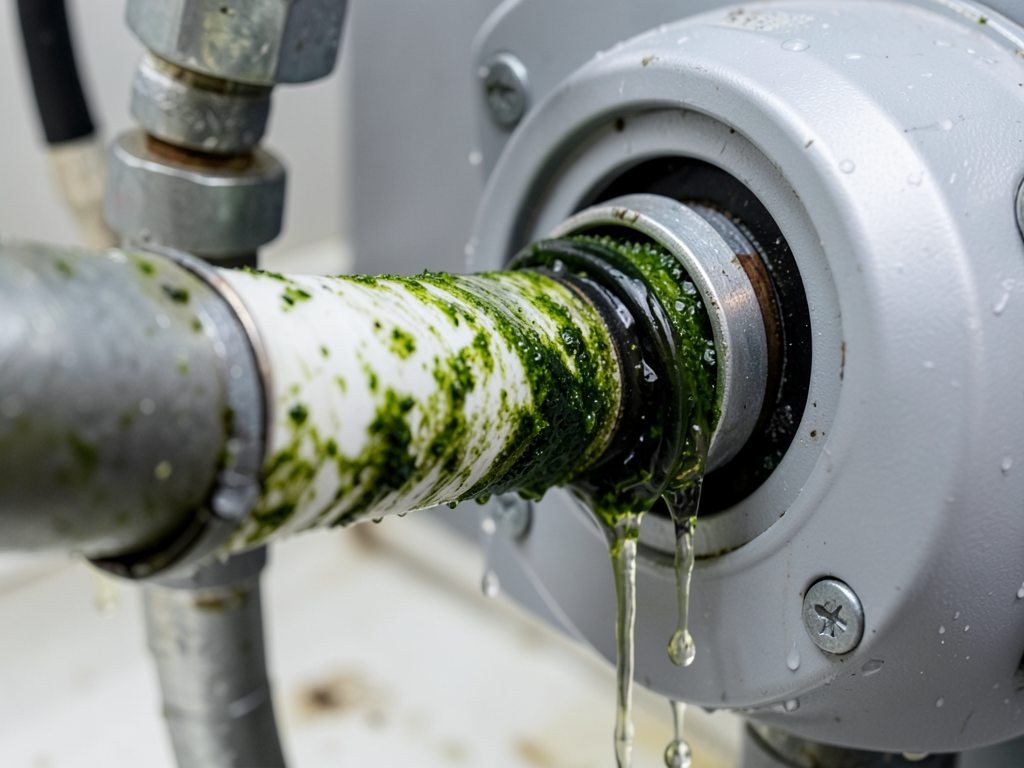
- Algae growth in drain lines clogs faster during Miami’s humid conditions
The most common culprit is a clogged condensate drain line that can’t handle the increased water flow during storms. When this line backs up, water has nowhere to go except into your home.. Read more about Common reasons your Hialeah air conditioner is blowing warm air.
Common Causes of AC Water Leaks During Rain in Westchester Homes
Clogged Condensate Drain Lines
Condensate drain lines carry away the water your AC naturally produces as it cools humid Miami air. Over time, these lines collect algae, mold, and debris. During heavy rain, the increased pressure can force water back through these clogged lines. HVAC Miami Lakes.
Westchester homes built in the 1970s-1990s often have original drain lines that are now brittle and prone to blockage. The combination of Miami’s year-round humidity and occasional construction debris creates perfect conditions for clogs.. Read more about Why your South Miami AC smells like dirty socks every time it turns on.
Damaged Roof Flashing Around AC Lines
Your AC’s refrigerant lines enter your home through the roof or exterior walls. If the flashing around these entry points is cracked, rusted, or improperly sealed, wind-driven rain can penetrate directly into your home.
Many Westchester homes feature Spanish-style architecture with complex rooflines where flashing failures are common. Salt air from coastal proximity accelerates corrosion of metal flashing materials.
Cracked or Rusted Drain Pans
The drain pan sits under your evaporator coil to catch condensation. In Miami’s humid climate, these pans can rust through in as little as 5-7 years. When compromised, they allow water to leak directly into your ceiling or walls.
Older Westchester homes with original equipment are particularly vulnerable since modern pans use rust-resistant materials that weren’t available decades ago. Installing Modern AC Systems in Historic Coral Gables Homes Without Damaging the Architecture.
Improper Window Unit Installation
If you have a through-the-wall or window AC unit, improper installation angle or degraded seals can allow rain to enter around the unit. The unit should tilt slightly outward to drain properly.
Many Westchester rental properties have older window units that were never professionally installed, creating chronic leak problems during storms.
Miami-Specific Factors Affecting AC Leaks During Rain
High Velocity Hurricane Zone Requirements
Westchester falls within Miami-Dade County’s High Velocity Hurricane Zone (HVHZ), which has strict requirements for how AC equipment must be secured and sealed. Older installations may not meet current standards.
Current HVHZ requirements mandate specific tie-down methods and wind-load calculations that prevent units from shifting during storms, which can break seals and create leak points.
Year-Round High Humidity Impact
Miami’s average humidity exceeds 70% year-round, meaning your AC runs constantly during warm months. This continuous operation accelerates wear on seals, gaskets, and drain components.
The constant moisture exposure in Westchester’s older homes creates ideal conditions for algae growth in drain lines, which compounds during rainy seasons.
Salt Air Corrosion
Even though Westchester is inland, Miami’s coastal proximity means salt air affects all equipment. Salt accelerates corrosion of metal components, particularly in older systems with less corrosion-resistant materials. The Best Air Purification Systems for Luxury Pinecrest Estates.
Condenser units and electrical components exposed to salt air deteriorate faster, potentially creating failure points where water can enter during storms.
Immediate Steps to Take When Your AC Leaks During Rain
- Turn Off the AC Immediately
Water and electricity create serious safety hazards. Turn off your AC at the thermostat and circuit breaker to prevent electrical shorts or fire risks.
- Locate the Source
Check if water is coming from the indoor unit, ceiling around refrigerant lines, or window unit seals. This helps determine if you need emergency repair or can implement temporary fixes. EPA mold guidelines.
- Contain the Water
Place buckets, towels, or a wet vacuum under active leaks. Move furniture and valuables away from affected areas to prevent water damage.
- Check the Condensate Drain Line
Locate the white PVC drain line outside your home. If it’s overflowing or you see water around the connection point, you likely have a clog that needs immediate attention.
- Inspect Visible Flashing
Look for obvious gaps or cracks around where refrigerant lines enter your home. Temporary waterproof tape can provide short-term protection until professional repair.
When to Call a Professional in Westchester
Some AC leaks require immediate professional attention, especially during Miami’s storm season. Call a licensed HVAC contractor if:
- Water continues leaking after you’ve turned off the system
- You see water around electrical components
- The leak is causing ceiling or wall damage
- You notice mold growth or musty odors
- Your AC won’t turn back on after the rain stops
Professional repair typically involves camera inspection of drain lines, pressure testing for leaks, and replacement of damaged components. In Westchester’s older homes, technicians often discover multiple failure points that need addressing.
Preventing Future AC Leaks During Miami Rain
Regular Maintenance Schedule
Preventive maintenance is your best defense against rain-related AC leaks. Schedule professional cleaning and inspection twice yearly—before summer and after hurricane season.
During maintenance, technicians should:
- Clean and sanitize drain lines with algaecide treatment
- Check and replace damaged seals and gaskets
- Inspect roof flashing and make repairs
- Test condensate pump operation if equipped
- Verify proper unit mounting and tie-downs per HVHZ requirements
Install Secondary Drain Pan
A secondary drain pan with a float switch provides backup protection. If the primary pan overflows, the secondary pan catches the water and automatically shuts off your AC before damage occurs.. Read more about How to choose a backup generator that can actually run your Miami AC during a blackout.
This simple addition costs significantly less than repairing water-damaged ceilings or walls in your Westchester home.
Upgrade Drain Line Materials
Older homes in Westchester often have PVC drain lines that become brittle over time. Upgrading to modern materials with algae-resistant properties prevents many common clog issues.
Some homeowners install larger diameter drain lines that handle increased flow during heavy storms more effectively.
Cost Factors for AC Leak Repairs in Westchester
Repair costs vary significantly based on the specific problem and your home’s age. Here’s what to expect:
| Repair Type | Typical Cost Range | Time to Complete |
|---|---|---|
| Drain line cleaning/clearing | $150 – $350 | 1-2 hours |
| Secondary drain pan installation | $300 – $600 | 2-3 hours |
| Roof flashing repair | $400 – $900 | 2-4 hours |
| Drain pan replacement | $250 – $500 | 1-2 hours |
| Complete drain system upgrade | $800 – $1,500 | 4-6 hours |
Emergency after-hours service in Westchester typically adds 25-50% to standard rates, but addressing active leaks quickly prevents more expensive water damage repairs. Reliable 24 Hour Emergency AC Repair in South Miami.
Safety Considerations During Miami Storms
AC leaks during heavy rain create several safety hazards specific to South Florida: Florida Building Code.
- Electrical shock risk – Water contacting electrical components can cause dangerous shorts
- Mold growth – Miami’s heat and humidity create perfect mold conditions within 24-48 hours of water exposure
- Structural damage – Water can weaken ceiling joists and wall studs, especially in older Westchester homes
- Slip hazards – Water on floors creates dangerous conditions, particularly for elderly residents
Never attempt to service electrical components while water is present. Always turn off power at the breaker before investigating leaks.
Choosing the Right HVAC Contractor in Westchester
When selecting an HVAC contractor to address rain-related AC leaks, verify:
- Florida license – Required for all HVAC work in Miami-Dade County
- HVHZ experience – Westchester homes require specific hurricane-zone expertise
- Insurance coverage – Protects you from liability during repairs
- Emergency availability – Storms don’t follow business hours
- Local references – Contractors familiar with Westchester’s specific building styles
A qualified contractor will provide written estimates, explain repair options, and offer warranties on both parts and labor.
Frequently Asked Questions
Why does my AC only leak during heavy rain and not light rain?
Heavy rain creates pressure differentials and wind-driven water that can force moisture through small gaps or overwhelm partially clogged drain lines. Light rain typically doesn’t generate enough force to cause these issues.
Can I use drain cleaner to clear my AC condensate line?
No. Household drain cleaners are too harsh for PVC condensate lines and can cause damage. Use only products specifically designed for AC drain lines or call a professional who has proper cleaning equipment.
How long can my AC leak before causing permanent damage?
Water damage can begin within hours, with mold growth starting in 24-48 hours in Miami’s climate. Ceilings and walls can sustain permanent damage within days of continuous leaking.
Should I turn off my AC if it’s leaking during a storm?
Yes. Turn off both the thermostat and the circuit breaker. Water and electricity create serious safety hazards, and running a leaking system can cause more extensive damage.. Read more about Does a new HVAC system actually boost the selling price of a Westchester home?.
How often should I have my AC drain lines cleaned in Miami?
Twice yearly cleaning is recommended for Miami homes—before summer cooling season and after hurricane season. Homes with algae-prone systems may need quarterly maintenance.
Protect Your Westchester Home from AC Water Damage
Don’t let a leaking AC turn your Westchester home into a water damage nightmare. The combination of Miami’s intense storms and aging home infrastructure creates perfect conditions for AC leaks that can cause thousands in damage if left unaddressed.
Take action now by scheduling a professional inspection, especially if your system is over 10 years old or you’ve noticed minor leaks during previous storms. Preventive maintenance costs far less than emergency repairs and water damage restoration.. Read more about Who is responsible for AC repairs in Allapattah apartment rentals?.
For immediate assistance with AC leaks in Westchester or anywhere in Miami-Dade County, call our emergency service line. We’re available 24/7 to protect your home from water damage and get your cooling system running safely again.
Don’t wait until your ceiling collapses or mold takes hold. Call now to schedule your AC inspection and protect your Westchester home from the next big storm.
Remember: A small investment in maintenance today prevents major repair costs tomorrow. Your home deserves professional care from technicians who understand Miami’s unique climate challenges and building requirements.
{
“@context”: “https://schema.org”,
“@type”: “BlogPosting”,
“headline”: “How to stop your AC from leaking water into your Westchester home during heavy rain”,
“description”: “AC leaking water during Miami’s heavy rain? Learn the causes, emergency fixes, and when to call a professional in Westchester, FL. Protect your home now.”,
“wordCount”: 1778,
“datePublished”: “2026-05-10T12:31:00.000Z”,
“dateModified”: “2026-05-10T12:31:00.000Z”,
“inLanguage”: “en-US”,
“mainEntityOfPage”: {
“@type”: “WebPage”,
“@id”: “https://horizonheatingandcoolingmiami.com”
},
“publisher”: {
“@type”: “LocalBusiness”,
“name”: “Horizon Heating and Cooling Miami”,
“url”: “https://horizonheatingandcoolingmiami.com”
},
“author”: {
“@type”: “Organization”,
“name”: “Horizon Heating and Cooling Miami”,
“url”: “https://horizonheatingandcoolingmiami.com”
},
“image”: {
“@type”: “ImageObject”,
“url”: “https://horizonheatingandcoolingmiami.com/wp-content/uploads/2026/03/how-to-stop-your-ac-from-leaking-water-into-your-w-1.png”
}
}
{
“@context”: “https://schema.org”,
“@type”: “HVACBusiness”,
“name”: “Horizon Heating and Cooling Miami”,
“url”: “https://horizonheatingandcoolingmiami.com”,
“address”: {
“@type”: “PostalAddress”,
“addressLocality”: “Miami”
},
“areaServed”: {
“@type”: “City”,
“name”: “Miami”
}
}
{
“@context”: “https://schema.org”,
“@type”: “FAQPage”,
“mainEntity”: [
{
“@type”: “Question”,
“name”: “Why does my AC only leak during heavy rain and not light rain?”,
“acceptedAnswer”: {
“@type”: “Answer”,
“text”: “Heavy rain creates pressure differentials and wind-driven water that can force moisture through small gaps or overwhelm partially clogged drain lines. Light rain typically doesn’t generate enough force to cause these issues.”
}
},
{
“@type”: “Question”,
“name”: “Can I use drain cleaner to clear my AC condensate line?”,
“acceptedAnswer”: {
“@type”: “Answer”,
“text”: “No. Household drain cleaners are too harsh for PVC condensate lines and can cause damage. Use only products specifically designed for AC drain lines or call a professional who has proper cleaning equipment.”
}
},
{
“@type”: “Question”,
“name”: “How long can my AC leak before causing permanent damage?”,
“acceptedAnswer”: {
“@type”: “Answer”,
“text”: “Water damage can begin within hours, with mold growth starting in 24-48 hours in Miami’s climate. Ceilings and walls can sustain permanent damage within days of continuous leaking.”
}
},
{
“@type”: “Question”,
“name”: “Should I turn off my AC if it’s leaking during a storm?”,
“acceptedAnswer”: {
“@type”: “Answer”,
“text”: “Yes. Turn off both the thermostat and the circuit breaker. Water and electricity create serious safety hazards, and running a leaking system can cause more extensive damage.”
}
},
{
“@type”: “Question”,
“name”: “How often should I have my AC drain lines cleaned in Miami?”,
“acceptedAnswer”: {
“@type”: “Answer”,
“text”: “Twice yearly cleaning is recommended for Miami homes—before summer cooling season and after hurricane season. Homes with algae-prone systems may need quarterly maintenance.”
}
}
]
}
{
“@context”: “https://schema.org”,
“@type”: “HowTo”,
“name”: “Emergency AC Leak Response”,
“step”: [
{
“@type”: “HowToStep”,
“position”: 1,
“name”: “Turn Off the AC Immediately”,
“text”: “Water and electricity create serious safety hazards. Turn off your AC at the thermostat and circuit breaker to prevent electrical shorts or fire risks.”
},
{
“@type”: “HowToStep”,
“position”: 2,
“name”: “Locate the Source”,
“text”: “Check if water is coming from the indoor unit, ceiling around refrigerant lines, or window unit seals. This helps determine if you need emergency repair or can implement temporary fixes. EPA mold guidelines.”
},
{
“@type”: “HowToStep”,
“position”: 3,
“name”: “Contain the Water”,
“text”: “Place buckets, towels, or a wet vacuum under active leaks. Move furniture and valuables away from affected areas to prevent water damage.”
},
{
“@type”: “HowToStep”,
“position”: 4,
“name”: “Check the Condensate Drain Line”,
“text”: “Locate the white PVC drain line outside your home. If it’s overflowing or you see water around the connection point, you likely have a clog that needs immediate attention.”
},
{
“@type”: “HowToStep”,
“position”: 5,
“name”: “Inspect Visible Flashing”,
“text”: “Look for obvious gaps or cracks around where refrigerant lines enter your home. Temporary waterproof tape can provide short-term protection until professional repair.”
}
],
“image”: “https://horizonheatingandcoolingmiami.com/wp-content/uploads/2026/03/how-to-stop-your-ac-from-leaking-water-into-your-w-1.png”
}
{
“@context”: “https://schema.org”,
“@type”: “BreadcrumbList”,
“itemListElement”: [
{
“@type”: “ListItem”,
“position”: 1,
“name”: “Home”,
“item”: “https://horizonheatingandcoolingmiami.com”
},
{
“@type”: “ListItem”,
“position”: 2,
“name”: “Blog”,
“item”: “https://horizonheatingandcoolingmiami.com/blog”
},
{
“@type”: “ListItem”,
“position”: 3,
“name”: “How to stop your AC from leaking water into your Westchester home during heavy rain”
}
]
}
{
“@context”: “https://schema.org”,
“@type”: “Service”,
“serviceType”: “HVAC”,
“provider”: {
“@type”: “LocalBusiness”,
“name”: “Horizon Heating and Cooling Miami”,
“url”: “https://horizonheatingandcoolingmiami.com”
},
“areaServed”: {
“@type”: “City”,
“name”: “Miami”
},
“description”: “AC leaking water during Miami’s heavy rain? Learn the causes, emergency fixes, and when to call a professional in Westchester, FL. Protect your home now.”
}