
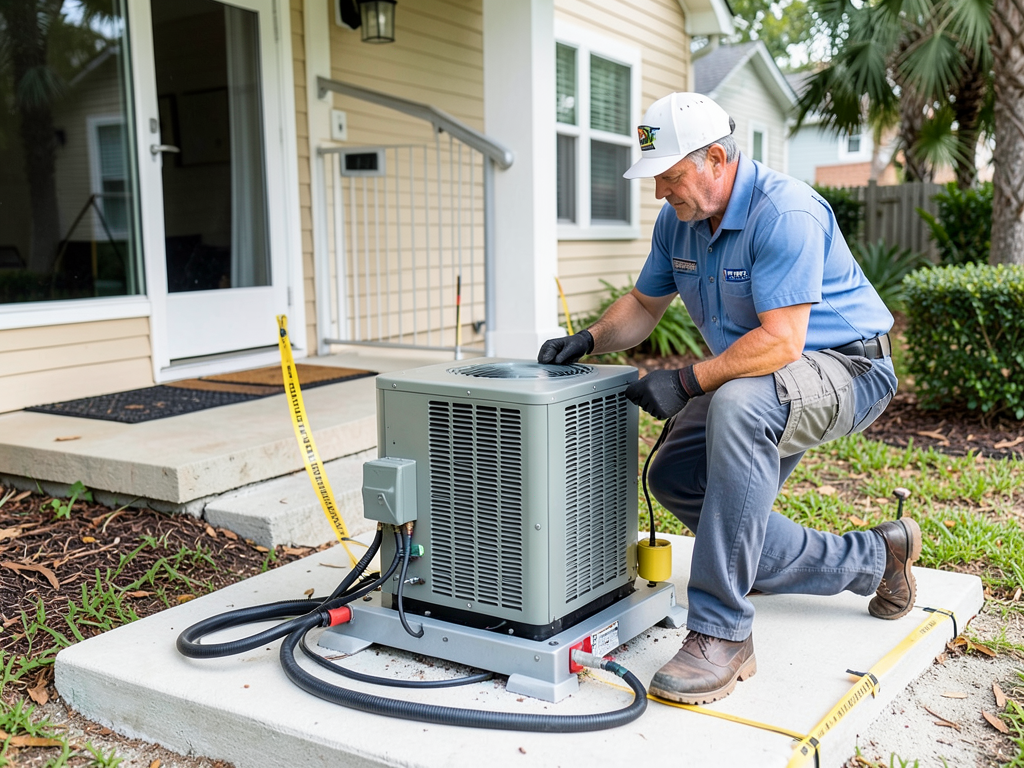
Living in Miami means dealing with extreme heat and the constant threat of hurricanes. When the power goes out during a summer storm, your air conditioner stops working and your home can quickly become dangerously hot. A backup generator can keep your AC running but only if you choose the right size and type for Miami’s unique conditions. How to Get Your Miami Lakes HVAC System Ready for the Summer Heat.
South Florida’s climate creates specific challenges for backup power. Our high humidity means your AC works harder to cool your home. The salt air near the coast can corrode equipment faster. And when a hurricane knocks out power for days, you need a generator that can handle continuous operation without breaking down.
This guide will walk you through everything you need to know about choosing a backup generator that can actually power your air conditioner during a blackout. We’ll cover the technical requirements, local regulations, and practical considerations specific to Miami homeowners. HVAC Miami Lakes.
Understanding AC Power Requirements in Miami
Your air conditioner needs two types of power to operate: running watts and starting watts. Running watts keep the compressor and fan motors operating once they’re up to speed. Starting watts are the surge of power needed to get everything moving from a dead stop.
In Miami’s heat, your AC compressor needs more starting power than in cooler climates. The combination of high outdoor temperatures and humidity means the compressor must work harder to create the temperature difference needed for cooling. This translates to higher starting watts requirements.
Most central AC units in Miami homes range from 2 to 5 tons of cooling capacity. A 3-ton unit, which is common in many Coral Gables and Pinecrest homes, typically needs about 3,500 running watts but requires 7,000 to 8,000 starting watts to get the compressor moving.
Calculating Your Specific AC Generator Needs
To determine the right generator size, you need to know your AC unit’s specifications. Look for the nameplate on your outdoor condenser unit. You’ll see numbers for voltage, amperage, and sometimes direct wattage ratings.
If your unit lists amperage, you’ll need to calculate the wattage. For a 240-volt AC unit drawing 20 amps running, that’s 4,800 running watts. The starting watts are typically 2 to 3 times the running watts for older units, but can be 5 to 7 times for modern high-efficiency units with inverter technology. Installing Modern AC Systems in Historic Coral Gables Homes Without Damaging the Architecture.
Here’s a quick reference for common Miami AC sizes:
| AC Size (Tons) | Running Watts | Starting Watts | Recommended Minimum Generator |
|---|---|---|---|
| 1.5 | 2,500 | 5,000 | 6,000 watts |
| 2.0 | 3,500 | 7,000 | 8,000 watts |
| 2.5 | 4,500 | 9,000 | 10,000 watts |
| 3.0 | 5,000 | 10,000 | 12,000 watts |
| 3.5 | 6,000 | 12,000 | 14,000 watts |
| 4.0 | 7,000 | 14,000 | 16,000 watts |
These numbers assume a standard single-stage compressor. Units with variable-speed compressors or inverter technology may have different requirements. Always check your specific unit’s documentation or consult with a licensed HVAC technician.
Portable vs. Whole-Home Standby Generators
Portable generators offer flexibility and lower upfront costs but require manual setup during an outage. You’ll need to connect them to your home through extension cords or a manual transfer switch. This means you must be home when the power goes out and able to move and set up the generator safely.
For a typical Miami home with a 3-ton AC unit, you’d need a portable generator in the 8,000 to 10,000-watt range. These units cost between $800 and $2,000 depending on features and brand. You’ll also need heavy-duty extension cords rated for outdoor use and a manual transfer switch for safe connection to your AC.
Whole-home standby generators automatically turn on when utility power fails. They connect directly to your home’s electrical system through an automatic transfer switch. When power returns, they shut off automatically. This hands-off operation is crucial during hurricane evacuations when you might not be home.. Read more about Transitioning to a solar-ready HVAC system for your Grapeland Heights residence.
Standby generators for Miami homes typically run on natural gas or propane. Natural gas is convenient if your home already has a gas line, but during major hurricanes, gas supply can be interrupted. Propane offers more independence but requires storage tanks and regular refills.
The Role of Soft Start Kits
Soft start kits can dramatically reduce the starting watts needed for your AC compressor. These devices gradually ramp up the compressor’s power instead of applying full voltage instantly. This can reduce starting watts by 30 to 50 percent.
For a 3-ton unit that normally needs 10,000 starting watts, a soft start kit might reduce that to 5,000 to 7,000 watts. This means you could potentially run the same AC on a smaller, less expensive generator or have power left over for other appliances.
Soft start kits are particularly valuable in Miami where AC units run almost year-round. The reduced electrical stress can extend compressor life and lower your energy bills even when utility power is available. Many newer high-efficiency units come with built-in soft start technology.
Installation requires a licensed HVAC technician who can properly integrate the kit with your existing system. The cost typically ranges from $300 to $600 plus installation, but the savings on generator size can offset this expense.
Miami-Dade Permitting and Installation Requirements
Installing a permanent generator in Miami-Dade County requires permits and inspections. The county has specific requirements for hurricane zones that affect generator placement and installation.
Generators must be installed on a concrete pad that meets local wind load requirements. The pad must be elevated above the base flood elevation if your property is in a flood zone. This is common in areas like Coconut Grove and parts of Coral Gables near waterways.
Electrical connections must be made by a licensed electrician and include proper transfer switches. Miami-Dade requires that all permanent generators have either an automatic transfer switch for standby units or a properly installed manual transfer switch for portable units.
Noise regulations in residential areas limit generator operation to certain hours. Most neighborhoods allow operation during power outages but may restrict testing during nighttime hours. Check with your homeowners association as many have additional restrictions.
Fuel Considerations for Miami Power Outages
Fuel availability during extended outages is a critical consideration. After a major hurricane, gas stations may be closed for days. This affects both portable generators that run on gasoline and standby generators that use natural gas from utility lines.
Propane offers more independence since you can store it on your property. A 100-gallon propane tank can run a 10,000-watt generator for about 24 hours at full load. Larger tanks or multiple tanks provide longer run times but require more space and upfront investment.
Natural gas is convenient for standby generators but depends on intact utility infrastructure. During Hurricane Irma in 2017, some areas of Miami-Dade experienced both electric and gas service interruptions. Having a dual-fuel generator that can switch between natural gas and propane provides the best reliability.
Additional Power Considerations
Your AC isn’t the only appliance you’ll want to power during an outage. Refrigerators, freezers, lights, and medical equipment are essential. A whole-home approach considers all these loads when sizing your generator.
Most homeowners find that a 15,000 to 20,000-watt standby generator provides enough power for essential circuits plus the AC. This size allows you to run your refrigerator, some lights, and a few small appliances while keeping your home cool.
Energy-efficient appliances help reduce your generator requirements. LED lighting uses a fraction of the power of incandescent bulbs. Modern refrigerators are much more efficient than older models. These savings add up when you’re running on limited generator power.
Maintenance for Reliable Operation
Regular maintenance ensures your generator works when you need it most. For portable units, this means running them monthly, checking oil levels, and replacing fuel that’s more than 30 days old. Stale gasoline can clog carburetors and prevent starting.
Standby generators need professional maintenance annually. This includes oil changes, air filter replacement, battery testing, and load bank testing to verify they can handle full power output. Many manufacturers require this maintenance to keep warranties valid.
Coastal salt air accelerates corrosion on generators. Units within a few miles of the ocean need more frequent cleaning and may require protective covers or enclosures. Rust on electrical connections can cause failures when you need power most.
Cost Factors to Consider
Generator costs vary widely based on size, type, and features. Portable generators for a typical Miami home start around $800 but can exceed $3,000 for premium models with electric start and larger fuel tanks.
Standby generator installation costs include the unit, concrete pad, electrical work, and permits. A complete 15,000-watt system typically costs $8,000 to $12,000 installed. Larger units for bigger homes can exceed $15,000.
Additional costs include transfer switches ($200 to $500 for manual, $500 to $1,500 for automatic), electrical panel upgrades if needed ($500 to $2,000), and fuel storage tanks for propane systems ($1,000 to $3,000). The Best Air Purification Systems for Luxury Pinecrest Estates.
While the upfront investment is significant, consider the cost of a hotel stay during an extended outage, spoiled food from a non-working refrigerator, or the health risks of extreme heat for elderly family members or those with medical conditions.
Making Your Final Decision
The right generator for your Miami home depends on your specific needs, budget, and property characteristics. Consider these factors:
- Your AC unit’s exact power requirements
- Whether you need whole-house power or just essential circuits
- Your property’s fuel availability and storage options
- Local permitting requirements and homeowners association rules
- Your budget for both upfront costs and ongoing maintenance
For most Miami homeowners, a properly sized standby generator provides the best combination of convenience, reliability, and long-term value. The automatic operation means you don’t have to worry about being home during an outage or manually connecting equipment.
However, if budget constraints are a major factor or you only need backup power occasionally, a portable generator with a manual transfer switch might be the better choice. Just be sure to size it correctly for your AC’s starting watts and have a safe, weather-protected storage location.
Professional Installation Matters
Proper installation is crucial for generator safety and reliability. A licensed electrician must handle all electrical connections to ensure they meet Miami-Dade County codes. Improper connections can create fire hazards or damage your home’s electrical system.
Local HVAC companies understand Miami’s specific requirements for generator integration with air conditioning systems. They know the local codes, have relationships with permitting offices, and can ensure your system works seamlessly with your existing AC equipment.
Professional installation also includes proper placement for ventilation, noise reduction, and protection from the elements. Your generator needs adequate clearance from windows and doors, proper exhaust routing, and protection from Miami’s frequent rain and salt air.
Don’t wait until hurricane season to think about backup power. The time to install a generator is during the off-season when contractors have more availability and you’re not under the pressure of an approaching storm.
Frequently Asked Questions
What size generator do I need to run my 3-ton AC unit in Miami?
A 3-ton AC unit typically needs 5,000 running watts and 10,000 starting watts. You should get a generator rated for at least 12,000 watts to handle the surge and provide power for other essential appliances.
Can I run my AC and other appliances on the same generator?
Yes, but you need to calculate the total load. Add your AC’s starting watts to the running watts of other appliances you want to power simultaneously. Most homeowners need a 15,000-watt or larger generator for whole-house operation.
How long will a generator run during a hurricane outage?
Run time depends on generator size and fuel capacity. A 10,000-watt portable generator with a full 8-gallon tank runs about 8-10 hours at 50% load. Standby generators connected to natural gas lines can run indefinitely as long as fuel is available.
Do I need a permit to install a backup generator in Miami-Dade?
Yes, Miami-Dade County requires permits for permanent generator installations. You’ll need electrical permits and possibly building permits depending on the installation. Professional installers typically handle the permitting process.
Should I get a portable or standby generator?
Standby generators offer automatic operation and whole-house power but cost more upfront. Portable generators are less expensive but require manual setup and can only power selected circuits. Your choice depends on your budget, convenience needs, and how often you expect to use backup power.
How much does it cost to install a whole-house generator in Miami?
A complete standby generator system typically costs $8,000 to $15,000 installed, depending on size and features. This includes the generator, transfer switch, concrete pad, electrical connections, and permits.
Get Professional Help with Your Generator Selection
Choosing the right backup generator involves complex calculations and understanding local requirements. A professional assessment ensures you get a system that actually works when you need it most.
Horizon Heating and Cooling has been helping Miami homeowners stay comfortable during power outages for years. Our technicians understand the unique challenges of South Florida’s climate and can recommend the right generator size for your specific AC unit and home.
We handle everything from initial load calculations to final installation and permitting. Our team knows Miami-Dade County’s requirements and can ensure your generator meets all local codes for safe, reliable operation. Reliable 24 Hour Emergency AC Repair in South Miami.
Don’t wait until the next hurricane threatens. Contact Horizon Heating and Cooling today at (786) 789-8277 for a free consultation about backup generator options for your Miami home. We’ll help you choose the right system to keep your AC running when the power goes out.
Stay cool and stay safe this hurricane season with a properly sized backup generator from the experts who understand Miami’s unique power needs. For more information, visit FEMA hurricane preparedness guidelines. For more information, visit EPA generator safety recommendations.
{
“@context”: “https://schema.org”,
“@type”: “BlogPosting”,
“headline”: “How to choose a backup generator that can actually run your Miami AC during a blackout”,
“description”: “Learn how to size a generator for your Miami AC unit. Hurricane season in South Florida demands reliable backup power to keep your home cool and safe.”,
“wordCount”: 2306,
“datePublished”: “2026-05-16T12:29:00.000Z”,
“dateModified”: “2026-05-16T12:29:00.000Z”,
“inLanguage”: “en-US”,
“mainEntityOfPage”: {
“@type”: “WebPage”,
“@id”: “https://horizonheatingandcoolingmiami.com”
},
“publisher”: {
“@type”: “LocalBusiness”,
“name”: “Horizon Heating and Cooling Miami”,
“url”: “https://horizonheatingandcoolingmiami.com”
},
“author”: {
“@type”: “Organization”,
“name”: “Horizon Heating and Cooling Miami”,
“url”: “https://horizonheatingandcoolingmiami.com”
},
“image”: {
“@type”: “ImageObject”,
“url”: “https://horizonheatingandcoolingmiami.com/wp-content/uploads/2026/03/how-to-choose-a-backup-generator-that-can-actually-1.png”
}
}
{
“@context”: “https://schema.org”,
“@type”: “HVACBusiness”,
“name”: “Horizon Heating and Cooling Miami”,
“url”: “https://horizonheatingandcoolingmiami.com”,
“address”: {
“@type”: “PostalAddress”,
“addressLocality”: “Miami”
},
“areaServed”: {
“@type”: “City”,
“name”: “Miami”
}
}
{
“@context”: “https://schema.org”,
“@type”: “FAQPage”,
“mainEntity”: [
{
“@type”: “Question”,
“name”: “What size generator do I need to run my 3-ton AC unit in Miami?”,
“acceptedAnswer”: {
“@type”: “Answer”,
“text”: “A 3-ton AC unit typically needs 5,000 running watts and 10,000 starting watts. You should get a generator rated for at least 12,000 watts to handle the surge and provide power for other essential appliances.”
}
},
{
“@type”: “Question”,
“name”: “Can I run my AC and other appliances on the same generator?”,
“acceptedAnswer”: {
“@type”: “Answer”,
“text”: “Yes, but you need to calculate the total load. Add your AC’s starting watts to the running watts of other appliances you want to power simultaneously. Most homeowners need a 15,000-watt or larger generator for whole-house operation.”
}
},
{
“@type”: “Question”,
“name”: “How long will a generator run during a hurricane outage?”,
“acceptedAnswer”: {
“@type”: “Answer”,
“text”: “Run time depends on generator size and fuel capacity. A 10,000-watt portable generator with a full 8-gallon tank runs about 8-10 hours at 50% load. Standby generators connected to natural gas lines can run indefinitely as long as fuel is available.”
}
},
{
“@type”: “Question”,
“name”: “Do I need a permit to install a backup generator in Miami-Dade?”,
“acceptedAnswer”: {
“@type”: “Answer”,
“text”: “Yes, Miami-Dade County requires permits for permanent generator installations. You’ll need electrical permits and possibly building permits depending on the installation. Professional installers typically handle the permitting process.”
}
},
{
“@type”: “Question”,
“name”: “Should I get a portable or standby generator?”,
“acceptedAnswer”: {
“@type”: “Answer”,
“text”: “Standby generators offer automatic operation and whole-house power but cost more upfront. Portable generators are less expensive but require manual setup and can only power selected circuits. Your choice depends on your budget, convenience needs, and how often you expect to use backup power.”
}
},
{
“@type”: “Question”,
“name”: “How much does it cost to install a whole-house generator in Miami?”,
“acceptedAnswer”: {
“@type”: “Answer”,
“text”: “A complete standby generator system typically costs $8,000 to $15,000 installed, depending on size and features. This includes the generator, transfer switch, concrete pad, electrical connections, and permits.”
}
}
]
}
{
“@context”: “https://schema.org”,
“@type”: “BreadcrumbList”,
“itemListElement”: [
{
“@type”: “ListItem”,
“position”: 1,
“name”: “Home”,
“item”: “https://horizonheatingandcoolingmiami.com”
},
{
“@type”: “ListItem”,
“position”: 2,
“name”: “Blog”,
“item”: “https://horizonheatingandcoolingmiami.com/blog”
},
{
“@type”: “ListItem”,
“position”: 3,
“name”: “How to choose a backup generator that can actually run your Miami AC during a blackout”
}
]
}
{
“@context”: “https://schema.org”,
“@type”: “Service”,
“serviceType”: “HVAC”,
“provider”: {
“@type”: “LocalBusiness”,
“name”: “Horizon Heating and Cooling Miami”,
“url”: “https://horizonheatingandcoolingmiami.com”
},
“areaServed”: {
“@type”: “City”,
“name”: “Miami”
},
“description”: “Learn how to size a generator for your Miami AC unit. Hurricane season in South Florida demands reliable backup power to keep your home cool and safe.”
}