
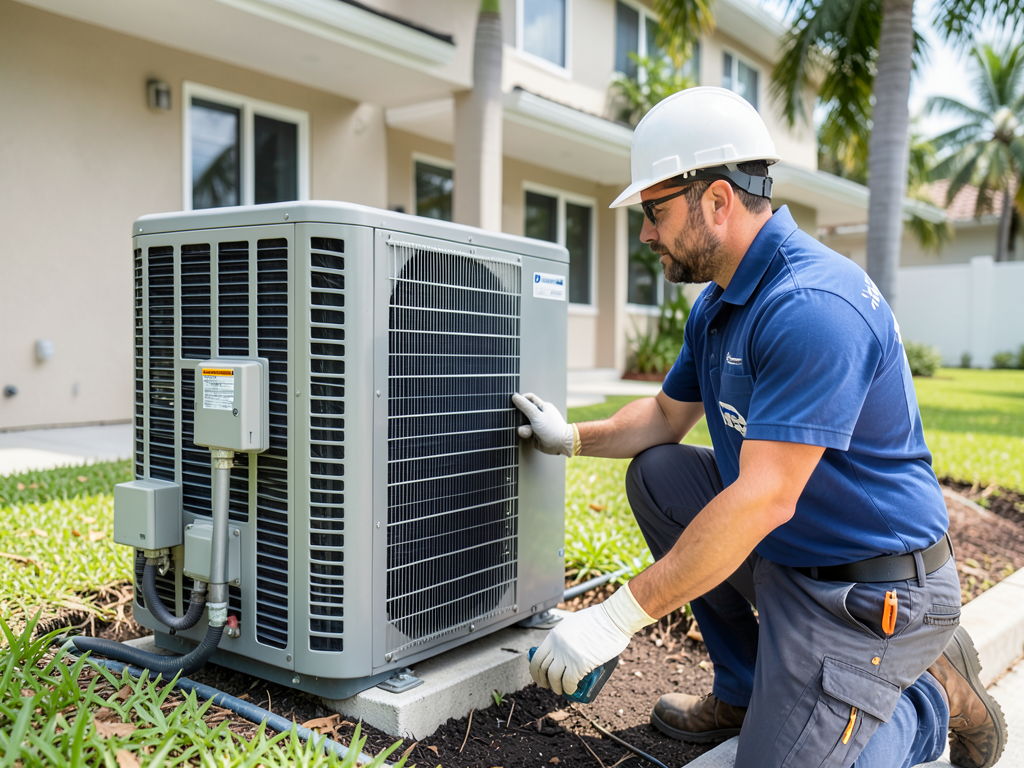
Should you choose a heat pump or a straight cool system in West Miami?
West Miami homeowners face a crucial decision when replacing their air conditioning system. The choice between a heat pump and a straight cool system affects your comfort year-round and your monthly utility bills. Understanding how these systems work in Miami’s unique climate helps you make the right investment for your home. The Best Air Purification Systems for Luxury Pinecrest Estates.
Miami’s tropical climate means we rarely need heating but when those occasional cold snaps hit we want reliable warmth without sky-high electric bills. A heat pump uses the same refrigerant cycle for both cooling and heating while a straight cool system only cools and requires electric resistance heat strips for warmth. This fundamental difference drives everything from installation costs to monthly operating expenses. Reliable 24 Hour Emergency AC Repair in South Miami.
How Heat Pumps and Straight Cool Systems Work in Miami
A straight cool air conditioner moves heat from inside your home to the outside using refrigerant. When temperatures drop below 60 degrees you need electric heat strips which work like oversized toaster elements. These strips consume massive amounts of electricity to produce heat.. Read more about Choosing between electric and gas pool heaters for your Redland property.
A heat pump contains a reversing valve that changes the refrigerant flow direction. In cooling mode it works exactly like a straight cool system. In heating mode it extracts heat from outside air and moves it inside even when outdoor temperatures feel cool to us. This process uses about one-third the electricity of electric heat strips.. Read more about Why a hybrid dual-fuel system might be overkill for homeowners in Brownsville.
The Department of Energy reports heat pumps can deliver up to 300% efficiency compared to 100% for electric resistance heating. In Miami where we might use heating only 10-15 days per year this efficiency still matters because those cold mornings can spike your electric bill dramatically.
Climate Impact on Your AC Choice
Miami’s average winter low hovers around 60 degrees but we experience occasional dips into the 40s and 50s. During these brief cold periods electric heat strips in straight cool systems run at full power drawing 10-15 kilowatts per hour. A typical 2500 square foot home might see electric bills jump from $150 to over $400 during a cold week. HVAC Miami Lakes.
Heat pumps maintain efficiency down to about 35 degrees in our climate. The mild winter temperatures mean the heat pump rarely struggles to extract enough heat from outdoor air. You get consistent warmth without the electric meter spinning wildly.
Humidity control represents another critical factor. Miami’s average relative humidity stays above 70% most of the year. Modern variable-speed heat pumps run longer cycles at lower speeds removing more moisture from the air. This creates more comfortable indoor conditions and reduces the clammy feeling common with single-speed straight cool systems. Installing Modern AC Systems in Historic Coral Gables Homes Without Damaging the Architecture.
Cost Comparison: Upfront vs. Operating Expenses
Heat pump systems typically cost $800-$1500 more to install than comparable straight cool systems. This price difference covers the reversing valve additional controls and sometimes a more robust compressor. For a typical West Miami home installation ranges from $5500-$8500 for straight cool versus $6300-$9500 for heat pump.
Operating costs tell a different story. FPL’s current residential rates average $0.15 per kilowatt hour. Electric heat strips consume 10-15 kilowatts producing 10000-15000 BTU of heat. Heat pumps produce the same heat using only 3-5 kilowatts. Over a typical heating season this efficiency difference saves $200-$400 annually.
| System Type | Installation Cost | Annual Heating Cost | 5-Year Operating Cost |
|---|---|---|---|
| Straight Cool + Heat Strips | $5500-$8500 | $300-$500 | $1500-$2500 |
| Heat Pump | $6300-$9500 | $100-$200 | $500-$1000 |
The five-year total cost of ownership favors heat pumps by $1000-$1500 when you factor in both installation and operating costs. This calculation assumes typical Miami winter patterns with 10-15 heating days annually.
Energy Efficiency and SEER2 Ratings
Starting in 2023 all new air conditioning systems must meet SEER2 standards which measure efficiency more accurately than the old SEER ratings. Miami falls in Region 2 requiring minimum 14 SEER2 for straight cool systems and 15 SEER2 for heat pumps.
Higher efficiency models offer 16-20 SEER2 ratings. The efficiency gains matter most during our long cooling season. A 16 SEER2 unit uses about 12% less electricity than a 14 SEER2 unit. For a typical home this saves $150-$250 annually on cooling costs alone.
Heat pumps also carry HSPF2 ratings for heating efficiency. Miami’s mild winters mean even basic heat pumps achieve HSPF2 ratings above 8.0 while premium models reach 9.0-10.0. This translates to heating costs 50-70% lower than electric resistance heat.
Maintenance and Lifespan in South Florida
Both systems require similar cooling maintenance: coil cleaning filter changes and refrigerant level checks. The reversing valve in heat pumps adds one potential failure point but modern valves prove reliable with 15-20 year lifespans.
West Miami’s coastal location exposes outdoor units to salt air corrosion. Heat pumps often include enhanced corrosion protection on the reversing valve and control boards. This protection extends component life in our harsh environment.
Annual maintenance costs run $150-$250 for either system. Heat pumps may need slightly more frequent refrigerant checks but this difference proves minimal over the system lifetime.
Life expectancy ranges from 12-15 years for straight cool systems to 13-16 years for heat pumps. The slightly longer lifespan of heat pumps offsets some of the higher initial investment.
Special Considerations for West Miami Homes
West Miami features a mix of mid-century ranch homes and newer construction. Many older homes have ductwork sized for straight cool systems. Heat pumps work with existing ductwork but may require minor modifications for optimal efficiency.
West Miami’s elevation sits 5-10 feet above sea level. This reduces flood risk but still requires proper unit mounting to prevent water damage during heavy rains. Both system types need similar elevation requirements.
Local building codes require permits for system replacements. Miami-Dade County enforces strict efficiency standards and proper refrigerant handling. Professional installation ensures code compliance and warranty protection.. Read more about Navigating Miami-Dade AC replacement permits for your Tamiami home.
Financial Incentives and Rebates
FPL offers rebates up to $300 for high-efficiency heat pump installations. These rebates apply to systems meeting specific SEER2 and HSPF2 thresholds. The application process requires proof of installation and efficiency ratings.
The federal Inflation Reduction Act provides tax credits covering 30% of installation costs up to $2000 for qualified heat pumps. This credit applies to both equipment and installation labor. Homeowners can claim the credit when filing federal taxes for the installation year.
Local utility programs occasionally offer additional incentives for energy-efficient upgrades. These programs change annually so checking current offerings before purchasing helps maximize savings.
Making the Right Choice for Your Home
Heat pumps win for most West Miami homeowners based on total cost of ownership. The higher upfront cost recovers through lower operating expenses within 3-5 years. The efficiency gains during our long cooling season add to the financial advantage.
Straight cool systems might suit specific situations. Homes planning to sell within two years might prefer the lower initial investment. Properties with severely undersized electrical service might need straight cool to avoid expensive electrical upgrades.
Consider your specific needs. If you work from home and need consistent comfort during occasional cold mornings the heat pump’s efficiency and reliability provide peace of mind. If your home sits vacant during winter months the straight cool’s lower initial cost might appeal.
Professional load calculations determine the right system size for your home. Oversized units short cycle reducing efficiency and comfort. A proper assessment considers square footage insulation window orientation and local climate factors specific to West Miami.
The EPA recommends working with certified HVAC contractors who perform detailed load calculations rather than relying on rules of thumb or online estimators.
Installation Quality Matters Most
System selection matters but installation quality determines actual performance. Poor installation can reduce efficiency by 30% or more regardless of system type. Proper refrigerant charging duct sealing and airflow balancing require professional expertise. Expert Ductless Mini Split Installation for Coconut Grove Cottages.
Look for NATE-certified technicians with specific Miami experience. Local knowledge helps navigate building codes and understand the unique challenges of our climate and construction styles.
Ask contractors about their installation process. Quality installers provide detailed proposals including load calculations equipment specifications and warranty information. They should explain their approach to duct sealing and airflow optimization.
Future-Proofing Your Investment
Heat pumps offer better future-proofing as energy codes tighten and electricity costs rise. Their superior efficiency provides protection against utility rate increases. As more utilities add time-of-use pricing the heat pump’s efficiency becomes even more valuable.
Smart thermostats and zoning systems work exceptionally well with heat pumps. These technologies optimize efficiency by adjusting operation based on occupancy and zone requirements. Many heat pumps include built-in smart capabilities or easy integration options.
Consider long-term plans. If you plan to stay in your West Miami home for 7+ years the heat pump’s efficiency advantages compound significantly. The monthly savings grow larger as utility rates increase over time.
Frequently Asked Questions
Do heat pumps work when it’s really cold in Miami?
Yes. Miami’s mild winters mean heat pumps operate efficiently even on the coldest mornings. They extract heat from air down to about 35 degrees which covers every day we experience in South Florida. The occasional 40-degree morning poses no challenge for modern heat pumps.
Are heat pumps noisy compared to straight cool systems?
Modern heat pumps operate at similar noise levels to straight cool systems. Variable-speed models often run quieter because they operate at lower speeds most of the time. The reversing valve creates a brief sound during mode changes but this occurs only when switching between heating and cooling.. Read more about Why Variable Speed AC is a game changer for South Miami humidity.
Will I need to replace my thermostat for a heat pump?
Most likely yes. Heat pumps require thermostats that can control both heating and cooling modes. Many smart thermostats include heat pump compatibility but older mercury switch thermostats need replacement regardless of system type.
How long does installation take for a heat pump versus straight cool?
Installation time remains similar for both systems. A typical replacement takes 4-8 hours depending on system complexity and any necessary modifications. Heat pumps might require slightly longer if reversing valve wiring or controls need adjustment.
Can I keep my existing ductwork with a heat pump?
Yes. Heat pumps work with standard residential ductwork. The main consideration involves ensuring proper airflow since heat pumps operate at slightly different pressures than straight cool systems. Professional installers check and adjust ductwork as needed.
Next Steps for West Miami Homeowners
Start with a professional assessment of your current system and home characteristics. A detailed load calculation reveals the right system size and helps estimate operating costs for both options. This information forms the foundation for your decision.
Gather quotes from multiple contractors but compare based on complete proposals not just bottom-line prices. Look for detailed equipment specifications warranty terms and installation approaches. The cheapest option rarely provides the best long-term value.
Consider timing your replacement during shoulder seasons when contractors offer better pricing and have more scheduling flexibility. This planning also allows time for proper permitting and any necessary electrical upgrades.
Ready to make the right choice for your West Miami home? Call Horizon Heating and Cooling at (786) 789-8277 for a free assessment and detailed proposal. Our NATE-certified technicians understand Miami’s unique climate and building requirements. We’ll help you compare options and choose the system that delivers the best comfort and value for your specific situation.
Don’t wait until your current system fails on a hot Miami afternoon. A planned replacement gives you control over the process and ensures you get the right system for your needs. Contact us today to schedule your assessment and take the first step toward better home comfort and lower utility bills.
Learn more about preparing your HVAC system for Miami’s summer heat and discover additional ways to improve your home’s efficiency and comfort.
You may also find this helpful. Carrier vs Trane – Finding the best AC brand for Golden Beach homes.
{
“@context”: “https://schema.org”,
“@type”: “BlogPosting”,
“headline”: “Should you choose a heat pump or a straight cool system in West Miami?”,
“description”: “Discover which AC system saves you money in Miami’s heat. Compare heat pumps vs straight cool systems for West Miami homes and make the right choice.”,
“wordCount”: 1967,
“datePublished”: “2026-04-12T10:26:00.000Z”,
“dateModified”: “2026-04-12T10:26:00.000Z”,
“inLanguage”: “en-US”,
“mainEntityOfPage”: {
“@type”: “WebPage”,
“@id”: “https://horizonheatingandcoolingmiami.com”
},
“publisher”: {
“@type”: “LocalBusiness”,
“name”: “Horizon Heating and Cooling Miami”,
“url”: “https://horizonheatingandcoolingmiami.com”
},
“author”: {
“@type”: “Organization”,
“name”: “Horizon Heating and Cooling Miami”,
“url”: “https://horizonheatingandcoolingmiami.com”
},
“image”: {
“@type”: “ImageObject”,
“url”: “https://horizonheatingandcoolingmiami.com/wp-content/uploads/2026/03/should-you-choose-a-heat-pump-or-a-straight-cool-s-1.png”
}
}
{
“@context”: “https://schema.org”,
“@type”: “HVACBusiness”,
“name”: “Horizon Heating and Cooling Miami”,
“url”: “https://horizonheatingandcoolingmiami.com”,
“address”: {
“@type”: “PostalAddress”,
“addressLocality”: “Miami”
},
“areaServed”: {
“@type”: “City”,
“name”: “Miami”
}
}
{
“@context”: “https://schema.org”,
“@type”: “FAQPage”,
“mainEntity”: [
{
“@type”: “Question”,
“name”: “Do heat pumps work when it’s really cold in Miami?”,
“acceptedAnswer”: {
“@type”: “Answer”,
“text”: “Yes. Miami’s mild winters mean heat pumps operate efficiently even on the coldest mornings. They extract heat from air down to about 35 degrees which covers every day we experience in South Florida. The occasional 40-degree morning poses no challenge for modern heat pumps.”
}
},
{
“@type”: “Question”,
“name”: “Are heat pumps noisy compared to straight cool systems?”,
“acceptedAnswer”: {
“@type”: “Answer”,
“text”: “Modern heat pumps operate at similar noise levels to straight cool systems. Variable-speed models often run quieter because they operate at lower speeds most of the time. The reversing valve creates a brief sound during mode changes but this occurs only when switching between heating and cooling.”
}
},
{
“@type”: “Question”,
“name”: “Will I need to replace my thermostat for a heat pump?”,
“acceptedAnswer”: {
“@type”: “Answer”,
“text”: “Most likely yes. Heat pumps require thermostats that can control both heating and cooling modes. Many smart thermostats include heat pump compatibility but older mercury switch thermostats need replacement regardless of system type.”
}
},
{
“@type”: “Question”,
“name”: “How long does installation take for a heat pump versus straight cool?”,
“acceptedAnswer”: {
“@type”: “Answer”,
“text”: “Installation time remains similar for both systems. A typical replacement takes 4-8 hours depending on system complexity and any necessary modifications. Heat pumps might require slightly longer if reversing valve wiring or controls need adjustment.”
}
},
{
“@type”: “Question”,
“name”: “Can I keep my existing ductwork with a heat pump?”,
“acceptedAnswer”: {
“@type”: “Answer”,
“text”: “Yes. Heat pumps work with standard residential ductwork. The main consideration involves ensuring proper airflow since heat pumps operate at slightly different pressures than straight cool systems. Professional installers check and adjust ductwork as needed.”
}
}
]
}
{
“@context”: “https://schema.org”,
“@type”: “BreadcrumbList”,
“itemListElement”: [
{
“@type”: “ListItem”,
“position”: 1,
“name”: “Home”,
“item”: “https://horizonheatingandcoolingmiami.com”
},
{
“@type”: “ListItem”,
“position”: 2,
“name”: “Blog”,
“item”: “https://horizonheatingandcoolingmiami.com/blog”
},
{
“@type”: “ListItem”,
“position”: 3,
“name”: “Should you choose a heat pump or a straight cool system in West Miami?”
}
]
}
{
“@context”: “https://schema.org”,
“@type”: “Service”,
“serviceType”: “HVAC”,
“provider”: {
“@type”: “LocalBusiness”,
“name”: “Horizon Heating and Cooling Miami”,
“url”: “https://horizonheatingandcoolingmiami.com”
},
“areaServed”: {
“@type”: “City”,
“name”: “Miami”
},
“description”: “Discover which AC system saves you money in Miami’s heat. Compare heat pumps vs straight cool systems for West Miami homes and make the right choice.”
}