
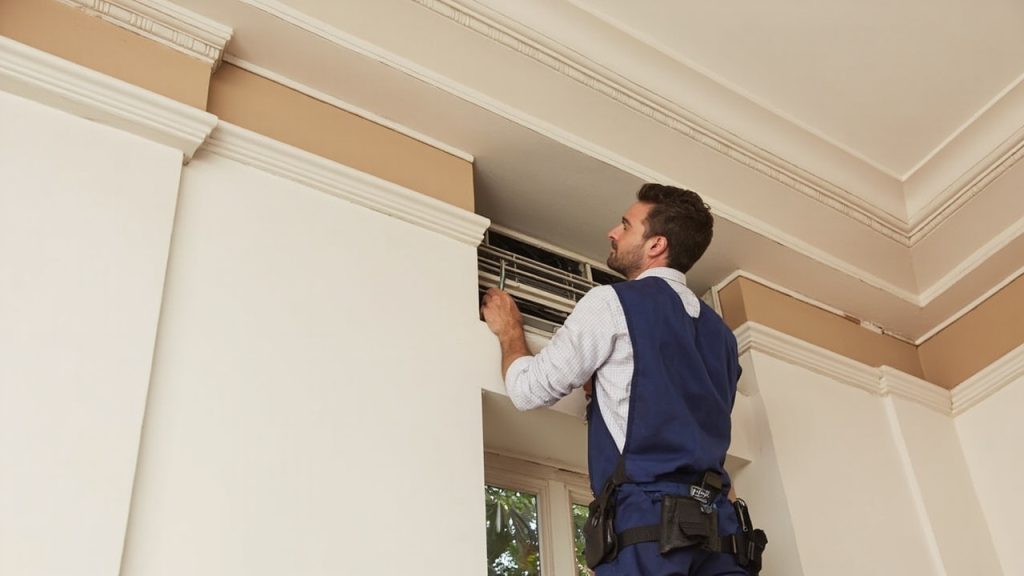
Installing Modern AC Systems in Historic Coral Gables Homes Without Damaging the Architecture
Coral Gables Mediterranean Revival homes need modern cooling. But installing AC in these historic properties requires special care to preserve architectural details while meeting today’s comfort standards.. Read more about Modern AC Retrofitting and Ductwork Repair for Older South Miami Heights Residences.
The City Beautiful’s strict preservation rules and unique building characteristics make HVAC installation here different from anywhere else in Miami. You need a contractor who understands both historic architecture and modern cooling technology.
High humidity and salt air in South Florida create extra challenges. Your new system must handle these conditions while respecting the home’s original design elements like arched windows, decorative tile, and plaster walls.
Understanding Coral Gables Historic District Requirements
The Coral Gables Historic Preservation Board reviews all exterior modifications. Any visible changes to your home’s facade require approval before work begins. This includes outdoor AC units condenser placement and ductwork routing.
Mediterranean Revival architecture dominates the historic district. These homes often lack space for traditional ductwork. Many have plaster walls and decorative ceilings that cannot be easily modified without extensive restoration work.
Board guidelines prioritize maintaining original architectural features. They may require units to be placed in less visible locations or use specialized equipment that minimizes visual impact on the property’s historic character.
Modern Cooling Solutions for Historic Homes
Traditional central air systems often don’t work in historic homes. The space required for ductwork conflicts with preserving original walls and ceilings. This is where modern alternatives become essential.
Ductless mini-split systems offer excellent solutions for Coral Gables historic properties. These systems need only small wall-mounted units connected to outdoor compressors by narrow refrigerant lines. No extensive ductwork means minimal wall damage.
High-velocity HVAC systems use small flexible ducts that fit in existing wall cavities. These systems move air at high speeds through 2-inch ducts rather than the 6-inch ducts required for traditional systems. They work well in homes with limited space for conventional ductwork.
Geothermal heat pumps provide another option for historic properties. These systems use underground loops to exchange heat with the earth. The indoor components are smaller than traditional systems and can be placed in utility areas without affecting living spaces.
Preserving Architectural Details During Installation
Successful installations in historic homes require careful planning. Technicians must work around decorative elements like crown molding, ceiling medallions, and built-in cabinetry. Every cut into original plaster or wood requires matching existing materials for repairs.. Read more about Affordable AC Maintenance and Repair for Little Havana Rental Property Owners.
Many Coral Gables homes feature hand-painted tiles and custom woodwork. These elements cannot be replaced if damaged during installation. Professional installers use specialized tools and techniques to protect these irreplaceable features.
Floor plans in historic homes often include features modern homes lack. Wide baseboards, chair rails, and wainscoting create obstacles for running new wiring and refrigerant lines. Installation teams must map these features before beginning work.
Energy Efficiency and Modern Standards
Today’s AC systems must meet strict energy efficiency standards. The SEER2 rating system replaced SEER in 2023, requiring higher efficiency levels. This benefits homeowners through lower utility bills but affects equipment selection and sizing.
Coral Gables’ hot humid climate demands systems with strong dehumidification capabilities. Standard AC units may struggle to maintain comfortable humidity levels during Miami’s wet season. Systems with enhanced moisture removal features perform better in this environment.
Modern thermostats and zoning systems allow precise temperature control. These features help historic homes maintain even temperatures despite their unique architectural challenges. Smart thermostats can also help monitor system performance and energy usage.
Navigating Local Permits and Inspections
Coral Gables requires permits for all HVAC installations. The process involves submitting detailed plans showing equipment locations and how the installation affects the home’s structure. Historic properties may need additional approvals from the preservation board.
Building inspectors check that all work meets current Florida Building Code requirements. This includes proper electrical connections, refrigerant line insulation, and condensate drainage. Coastal properties must also meet Miami-Dade County’s strict wind and flood requirements.
Noise ordinances affect where outdoor units can be placed. Condensers must meet specific decibel levels to avoid disturbing neighbors. This is particularly important in Coral Gables’ densely built historic neighborhoods where homes sit close together.
Common Challenges and Solutions
Limited attic space creates problems for traditional installations. Many historic homes have small or nonexistent attics. This forces installers to find creative solutions like placing equipment in closets or building small mechanical rooms.
Foundation issues affect where equipment can be placed. Coral Gables’ oolite limestone bedrock and high water table create drainage challenges. Outdoor units need proper elevation and drainage to prevent water damage and ensure proper operation.
Electrical system upgrades often become necessary. Historic homes may have outdated wiring that cannot support modern AC systems. This requires licensed electricians to bring electrical panels and wiring up to current code standards.
Choosing the Right Equipment
Equipment selection depends on your home’s specific characteristics. Factors include square footage, ceiling height, window placement, and existing insulation. Professional load calculations ensure you get a system sized correctly for your home.
High-efficiency heat pumps work well in Coral Gables’ mild winter climate. These systems provide both cooling and heating while using less energy than traditional systems. They also offer better humidity control than standard air conditioners.
Variable-speed systems adjust their output based on cooling demand. This provides more consistent temperatures and better humidity control than single-speed units. The improved efficiency also helps reduce energy costs in Miami’s long cooling season.
Cost Factors for Historic Home Installations
Installation costs in historic homes typically run higher than in newer construction. The extra labor required to protect architectural features and navigate building restrictions adds to the overall price. However, proper installation prevents costly damage to irreplaceable elements.
Equipment costs vary based on efficiency ratings and features. Higher SEER2 ratings cost more upfront but provide energy savings over time. The premium for high-efficiency systems often pays for itself through reduced utility bills in Miami’s climate.
Permit fees and architectural review costs add to the total investment. These mandatory expenses ensure your installation meets all local requirements and preserves your home’s historic character. Skipping these steps risks fines and forced removal of non-compliant work.
Maintenance Considerations
Historic homes require specific maintenance approaches. Original materials may be more sensitive to temperature and humidity fluctuations than modern materials. Your new AC system should include features that help protect these elements.
Regular filter changes become even more important in older homes. Many historic properties have accumulated dust and debris in walls and attics over decades. Clean filters help prevent this material from circulating through your new system.
Annual professional maintenance helps identify potential issues before they become major problems. Technicians familiar with historic homes understand the unique challenges these properties present and can recommend preventive measures specific to your situation.
Finding Qualified Contractors
Not all HVAC contractors have experience with historic properties. Look for companies that specifically mention historic home experience and can provide references from similar projects in Coral Gables.
Proper licensing and insurance are essential. Florida requires specific HVAC licenses, and contractors working in Coral Gables must also meet local business requirements. Ask to see current licenses and insurance certificates before hiring anyone.
Experience with local building codes and preservation requirements matters. Contractors familiar with Coral Gables’ specific requirements can navigate the permit process more efficiently and avoid costly mistakes that delay projects.
Timeline and Project Planning
Historic home installations typically take longer than standard replacements. The careful work required to protect architectural features and coordinate with preservation boards adds time to the schedule. Plan for projects to take several weeks from start to finish.
Permit approval times vary by season and project complexity. Simple replacements may get approved quickly, while installations requiring preservation board review can take several weeks. Factor these timelines into your planning to avoid delays.
Weather considerations affect outdoor work schedules. Miami’s hurricane season and frequent afternoon thunderstorms can delay exterior work. Professional contractors build weather contingencies into their schedules to keep projects on track.
Long-term Benefits
Modern AC systems provide immediate comfort improvements in historic homes. Better temperature control and humidity management make these beautiful old houses more livable year-round. This increased comfort often makes historic home ownership more enjoyable.
Energy efficiency improvements reduce utility costs significantly. Many historic homes were built before air conditioning existed, so they often lack modern insulation and sealing. New high-efficiency systems can cut cooling costs by 30% or more.
Proper HVAC installation can actually help preserve historic materials. Controlling humidity prevents wood rot, plaster damage, and other moisture-related deterioration. This protection helps maintain your home’s value and historic character for future generations.
Making the Right Choice for Your Home
Every historic home presents unique challenges and opportunities. The best solution for your Coral Gables property depends on your specific architecture, preservation requirements, and comfort needs. Professional assessment helps identify the optimal approach for your situation.
Consider both immediate comfort and long-term preservation when making decisions. The cheapest option may cause damage that costs more to repair than investing in proper installation methods from the start. Quality workmanship protects both your comfort and your home’s historic value.
Work with contractors who understand the balance between modern comfort and historic preservation. The right team can install efficient cooling systems while maintaining the architectural integrity that makes Coral Gables homes special.. Read more about How to Choose the Right Size AC Unit for Your Doral Townhome.
Frequently Asked Questions
Can I install a traditional central AC system in my historic Coral Gables home?
Traditional central systems often don’t work well in historic homes due to space limitations for ductwork. Many Mediterranean Revival homes lack the attic or wall space needed for conventional installations. Ductless mini-splits or high-velocity systems usually provide better solutions while preserving architectural details.
How long does HVAC installation take in a historic Coral Gables property?
Historic home installations typically require 2-4 weeks from start to finish. This includes time for permit approvals, preservation board reviews if needed, and the careful work required to protect original architectural features. Weather and material availability can also affect timelines.
Will installing AC damage my home’s historic character?
Professional installation in historic homes focuses on preserving architectural integrity. Experienced contractors use techniques that minimize visible impact and protect original materials. Modern equipment can often be installed with little to no visible change to your home’s exterior appearance.
What permits are required for HVAC installation in Coral Gables?
Coral Gables requires building permits for all HVAC installations. Historic properties may need additional approvals from the Historic Preservation Board. The process includes submitting detailed plans showing equipment locations and how installation affects the home’s structure.
How much does it cost to install AC in a historic Coral Gables home?
Costs vary based on home size, equipment selection, and installation complexity. Historic home installations typically cost 20-40% more than standard replacements due to the extra care required. Most homeowners invest $8,000-$20,000 depending on their specific needs and home characteristics.
Do I need to upgrade my electrical system for a new AC unit?
Many historic homes have electrical systems that cannot support modern AC equipment. Older wiring and panels may need upgrades to meet current code requirements and handle the electrical load of new systems. A professional assessment can determine if electrical upgrades are necessary.
{
“@context”: “https://schema.org”,
“@type”: “BlogPosting”,
“headline”: “Installing Modern AC Systems in Historic Coral Gables Homes Without Damaging the Architecture”,
“description”: “Expert HVAC installation for Coral Gables historic homes. Learn how to upgrade your AC system without damaging Mediterranean Revival architecture or violating local codes.”,
“wordCount”: 1846,
“datePublished”: “2026-02-10T07:27:00.000Z”,
“dateModified”: “2026-02-10T07:27:00.000Z”,
“inLanguage”: “en-US”,
“mainEntityOfPage”: {
“@type”: “WebPage”,
“@id”: “https://horizonheatingandcoolingmiami.com”
},
“publisher”: {
“@type”: “LocalBusiness”,
“name”: “Horizon Heating and Cooling Miami”,
“url”: “https://horizonheatingandcoolingmiami.com”
},
“author”: {
“@type”: “Organization”,
“name”: “Horizon Heating and Cooling Miami”,
“url”: “https://horizonheatingandcoolingmiami.com”
},
“image”: {
“@type”: “ImageObject”,
“url”: “https://horizonheatingandcoolingmiami.com/wp-content/uploads/2026/03/installing-modern-ac-systems-in-historic-coral-gab-1.jpg”
}
}
{
“@context”: “https://schema.org”,
“@type”: “HVACBusiness”,
“name”: “Horizon Heating and Cooling Miami”,
“url”: “https://horizonheatingandcoolingmiami.com”,
“address”: {
“@type”: “PostalAddress”,
“addressLocality”: “Miami”
},
“areaServed”: {
“@type”: “City”,
“name”: “Miami”
}
}
{
“@context”: “https://schema.org”,
“@type”: “FAQPage”,
“mainEntity”: [
{
“@type”: “Question”,
“name”: “Can I install a traditional central AC system in my historic Coral Gables home?”,
“acceptedAnswer”: {
“@type”: “Answer”,
“text”: “Traditional central systems often don’t work well in historic homes due to space limitations for ductwork. Many Mediterranean Revival homes lack the attic or wall space needed for conventional installations. Ductless mini-splits or high-velocity systems usually provide better solutions while preserving architectural details.”
}
},
{
“@type”: “Question”,
“name”: “How long does HVAC installation take in a historic Coral Gables property?”,
“acceptedAnswer”: {
“@type”: “Answer”,
“text”: “Historic home installations typically require 2-4 weeks from start to finish. This includes time for permit approvals, preservation board reviews if needed, and the careful work required to protect original architectural features. Weather and material availability can also affect timelines.”
}
},
{
“@type”: “Question”,
“name”: “Will installing AC damage my home’s historic character?”,
“acceptedAnswer”: {
“@type”: “Answer”,
“text”: “Professional installation in historic homes focuses on preserving architectural integrity. Experienced contractors use techniques that minimize visible impact and protect original materials. Modern equipment can often be installed with little to no visible change to your home’s exterior appearance.”
}
},
{
“@type”: “Question”,
“name”: “What permits are required for HVAC installation in Coral Gables?”,
“acceptedAnswer”: {
“@type”: “Answer”,
“text”: “Coral Gables requires building permits for all HVAC installations. Historic properties may need additional approvals from the Historic Preservation Board. The process includes submitting detailed plans showing equipment locations and how installation affects the home’s structure.”
}
},
{
“@type”: “Question”,
“name”: “How much does it cost to install AC in a historic Coral Gables home?”,
“acceptedAnswer”: {
“@type”: “Answer”,
“text”: “Costs vary based on home size, equipment selection, and installation complexity. Historic home installations typically cost 20-40% more than standard replacements due to the extra care required. Most homeowners invest $8,000-$20,000 depending on their specific needs and home characteristics.”
}
},
{
“@type”: “Question”,
“name”: “Do I need to upgrade my electrical system for a new AC unit?”,
“acceptedAnswer”: {
“@type”: “Answer”,
“text”: “Many historic homes have electrical systems that cannot support modern AC equipment. Older wiring and panels may need upgrades to meet current code requirements and handle the electrical load of new systems. A professional assessment can determine if electrical upgrades are necessary.”
}
}
]
}
{
“@context”: “https://schema.org”,
“@type”: “BreadcrumbList”,
“itemListElement”: [
{
“@type”: “ListItem”,
“position”: 1,
“name”: “Home”,
“item”: “https://horizonheatingandcoolingmiami.com”
},
{
“@type”: “ListItem”,
“position”: 2,
“name”: “Blog”,
“item”: “https://horizonheatingandcoolingmiami.com/blog”
},
{
“@type”: “ListItem”,
“position”: 3,
“name”: “Installing Modern AC Systems in Historic Coral Gables Homes Without Damaging the Architecture”
}
]
}
{
“@context”: “https://schema.org”,
“@type”: “Service”,
“serviceType”: “HVAC”,
“provider”: {
“@type”: “LocalBusiness”,
“name”: “Horizon Heating and Cooling Miami”,
“url”: “https://horizonheatingandcoolingmiami.com”
},
“areaServed”: {
“@type”: “City”,
“name”: “Miami”
},
“description”: “Expert HVAC installation for Coral Gables historic homes. Learn how to upgrade your AC system without damaging Mediterranean Revival architecture or violating local codes.”
}