

How to Choose the Right Size AC Unit for Your Doral Townhome
Choosing the right AC size for your Doral townhome is more than just matching square footage to a number. In South Florida’s unique climate, proper sizing affects everything from your monthly energy bills to how comfortable your home feels during the humid summer months. The wrong size can leave you sweating through July or paying for cooling power you never use.
Doral’s townhomes face specific challenges. Many were built during South Florida’s rapid development boom with concrete block construction (CBS) and large windows that let in plenty of natural light but also heat. The area’s year-round humidity averaging 70% or higher means your AC needs to do more than just cool air—it must also remove moisture effectively. This latent heat removal is what separates a properly sized system from one that runs constantly but never quite feels right. Air Conditioning Contractors of America.
Why Doral’s Climate Demands Precise AC Sizing
Doral sits in Miami-Dade County’s Hot-Humid climate zone, officially designated as Climate Zone 1 by the Department of Energy. This classification means homes here need about 30-40% more cooling capacity per square foot compared to homes in cooler regions. The combination of intense sun exposure, high humidity, and the urban heat island effect from surrounding commercial development creates cooling loads that standard sizing charts often underestimate. How to Get Your Miami Lakes HVAC System Ready for the Summer Heat.
The concrete block construction common in Doral townhomes adds another layer of complexity. CBS walls provide excellent hurricane resistance but have different thermal properties than wood-frame construction. They absorb heat during the day and release it slowly at night, which can make your AC work harder during evening hours when you expect it to coast.
Local factors like proximity to the Everglades can also impact sizing needs. Homes closer to the western edge of Doral may experience slightly different humidity patterns than those near Downtown Doral’s newer developments. Even the orientation of your townhome—whether it faces east toward the morning sun or west toward the afternoon heat—can change your cooling requirements by 10-15%.
The South Florida Tonnage Calculator: Square Footage vs. BTUs
The basic rule of thumb suggests 1 ton of cooling capacity for every 400-600 square feet in South Florida, but this oversimplifies the calculation. A 1.5-ton unit provides 18,000 BTUs while a 5-ton unit delivers 60,000 BTUs. The key is understanding that BTUs measure the actual heat removal capacity, not just the physical size of the unit.
Here’s a South Florida-specific sizing chart adjusted for Doral’s climate conditions:
| Townhome Size (sq ft) | Base Cooling Needed | Doral Adjustment | Recommended Tonnage |
|---|---|---|---|
| 1,000 – 1,200 | 24,000 BTU | +15% for humidity | 1.5 – 2 tons |
| 1,500 – 1,800 | 30,000 BTU | +15% for humidity | 2 – 2.5 tons |
| 2,000 – 2,400 | 36,000 BTU | +15% for humidity | 2.5 – 3 tons |
| 2,500 – 3,000 | 48,000 BTU | +15% for humidity | 3 – 3.5 tons |
| 3,000 – 3,500 | 60,000 BTU | +15% for humidity | 3.5 – 4 tons |
These adjustments reflect the additional capacity needed for South Florida’s high sensible heat gain and latent heat removal requirements. The 15% humidity adjustment is specific to Doral’s climate and may need to increase for townhomes with large west-facing windows or poor insulation.
Factors That Change Your Capacity Needs in Miami-Dade
Insulation and CBS Construction Impacts
Doral’s concrete block construction affects cooling loads differently than wood-frame homes. CBS walls have a higher thermal mass, meaning they store more heat energy. During the day, these walls absorb heat from the sun and release it slowly at night. This creates a unique cooling pattern where your AC might need to work harder during evening hours than a wood-frame home would.
Many Doral townhomes built in the 2000s and 2010s have R-13 to R-19 insulation in walls and R-30 in attics. While this meets building codes, it’s often insufficient for optimal efficiency in our climate. Upgrading insulation can reduce your cooling load by 10-20%, potentially allowing you to select a smaller, more efficient unit.
Window quality also plays a major role. Single-pane windows common in older townhomes can increase cooling loads by 25-30% compared to modern double-pane, low-E windows. If your townhome still has original windows, factoring in replacement costs when sizing your new AC could save you money long-term. Installing Modern AC Systems in Historic Coral Gables Homes Without Damaging the Architecture.
The Role of High Humidity in Latent Heat Removal
Humidity is the silent killer of AC efficiency in Doral. When your system runs, it performs two jobs: removing sensible heat (the temperature you feel) and removing latent heat (moisture in the air). In Doral’s 70%+ humidity environment, the latent heat removal can account for 30-40% of your AC’s total workload.
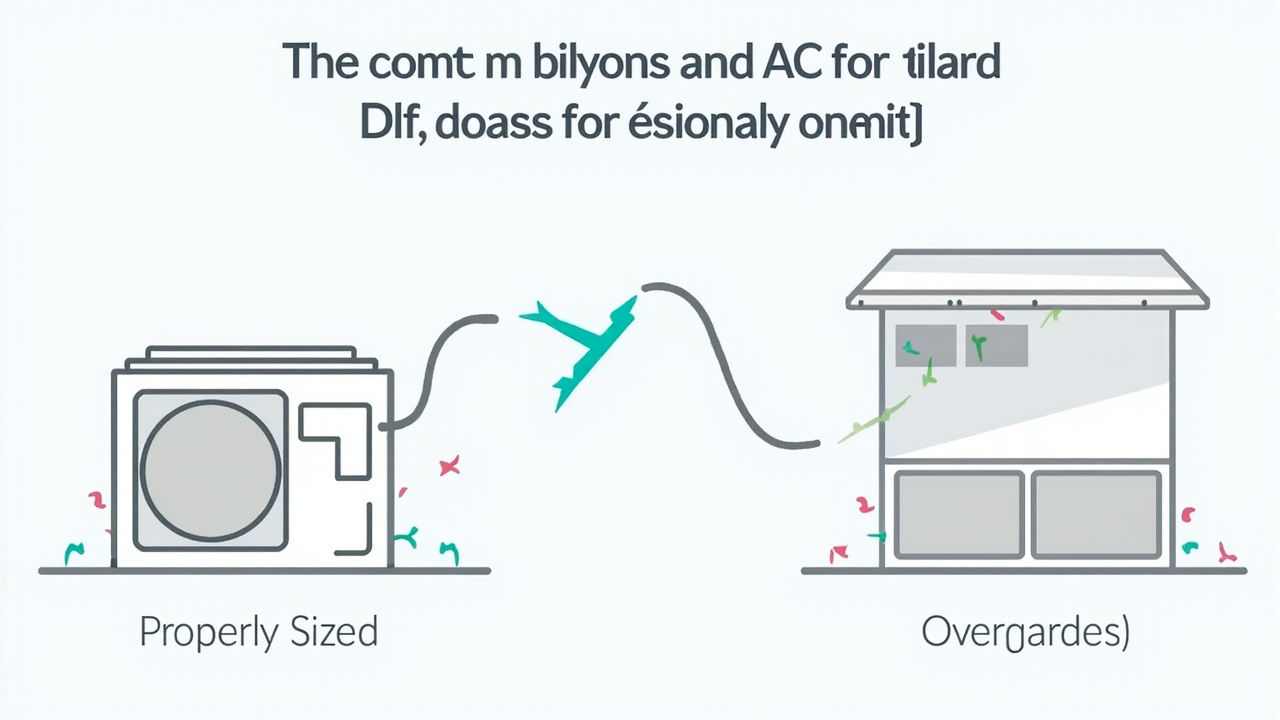
This is why oversizing your AC can actually make your home feel less comfortable. A unit that’s too large cools the air quickly but doesn’t run long enough to remove moisture effectively. The result is cold, clammy air that leaves you reaching for the thermostat even though the temperature reads fine.
Modern variable-speed air handlers excel at humidity control because they can run at lower speeds for longer periods. This extended run time allows for better moisture removal without overcooling your space. For Doral townhomes, this technology often provides better comfort than simply increasing tonnage.
What is a Manual J Load Calculation and Why Do You Need It?
A Manual J load calculation is the industry-standard method for determining exactly how much cooling capacity your specific home needs. Developed by the Air Conditioning Contractors of America (ACCA), this calculation considers dozens of factors including your home’s orientation, window sizes and types, insulation levels, ceiling heights, and even the number of occupants.
For Doral townhomes, a Manual J calculation is essential because our climate’s high heat gain and humidity make rule-of-thumb estimates unreliable. The calculation uses specific Miami-Dade climate data including:
- Design temperatures: 91°F outdoor, 75°F indoor
- Humidity levels: 70-80% average
- Solar heat gain factors for South Florida sun angles
- Local building material thermal properties
The process typically takes 1-2 hours for a standard townhome and costs between $200-400. However, many HVAC contractors include this calculation free with a new system purchase. The investment pays for itself through proper sizing that prevents both energy waste and comfort issues.
During a Manual J calculation, the technician will measure:
- All exterior wall and roof areas
- Window sizes, types, and orientations
- Insulation levels in walls and attic
- Air infiltration rates
- Internal heat gains from appliances and occupants
The result is a precise BTU requirement that accounts for all heat sources entering your home. This number becomes your target when shopping for a new AC unit, ensuring you get exactly the right size rather than guessing based on square footage alone.
Signs Your Current Doral AC is Incorrectly Sized
Many Doral residents live with incorrectly sized AC units without realizing it. Here are the telltale signs that your current system isn’t right for your townhome:
Short cycling occurs when your AC turns on and off frequently in short bursts. This happens with oversized units that cool the space too quickly. You’ll notice the system running for 5-10 minutes, shutting off, then restarting within 15-20 minutes. This pattern wastes energy and provides poor humidity control.
Constant running indicates an undersized unit struggling to keep up with demand. If your AC runs continuously on moderately hot days (85-90°F), it’s likely too small for your cooling load. You might notice the indoor temperature creeping up during the hottest afternoon hours despite the system running non-stop.
High humidity levels even when the temperature feels cool often signal improper sizing. If your windows fog up, you feel sticky despite cool air, or you notice condensation on vents, your AC isn’t removing moisture effectively. This commonly occurs with oversized units that don’t run long enough to dehumidify properly.
Uneven cooling throughout your townhome can indicate sizing issues compounded by poor ductwork design. Some rooms feel like iceboxes while others remain warm, suggesting your system can’t distribute cooling evenly across your space.
Excessive energy bills that seem high for your home’s size often result from an incorrectly sized unit working inefficiently. Both oversized and undersized systems consume more energy than properly sized units, leading to monthly bills that don’t match your cooling needs.
Energy Efficiency and SEER2 Ratings for Miami-Dade
SEER2 (Seasonal Energy Efficiency Ratio 2) ratings measure how efficiently your AC converts electricity into cooling over an entire cooling season. For Doral townhomes, higher SEER2 ratings become increasingly important due to our long cooling season and high electricity rates from FPL.
The minimum SEER2 rating for new installations in Miami-Dade is 14, but most homeowners opt for 16-20 SEER2 units for better efficiency. Here’s how different SEER2 ratings compare for a typical 2,000 sq ft Doral townhome: HVAC Miami Lakes.
| SEER2 Rating | Estimated Annual Cooling Cost | Efficiency vs. Minimum | Typical Price Premium |
|---|---|---|---|
| 14 (Minimum) | $1,200 | Baseline | $0 |
| 16 | $1,050 | 12% savings | $800-1,200 |
| 18 | $980 | 18% savings | $1,500-2,200 |
| 20 | $920 | 23% savings | $2,500-3,500 |
The higher upfront cost of premium efficiency units typically pays for itself within 5-7 years through energy savings. Given that most AC units last 12-15 years, the long-term savings can be substantial.
Doral residents may also qualify for FPL rebates on high-efficiency units. Current programs offer up to $300 rebates for units with SEER2 ratings of 16 or higher. These rebates can significantly offset the premium cost of more efficient systems. The Best Air Purification Systems for Luxury Pinecrest Estates.
Miami-Dade Building Code Requirements for AC Replacement
Replacing your AC in Doral requires compliance with Miami-Dade County’s strict building codes, particularly the High Velocity Hurricane Zone (HVHZ) requirements. These regulations ensure your new system can withstand our hurricane-prone environment while meeting energy efficiency standards.
Key code requirements include:
- Minimum SEER2 rating of 14 for new installations
- Proper tie-down of outdoor units to withstand 150+ mph winds
- Elevation requirements for units in flood zones (common in western Doral)
- Permit requirements for any system replacement
- Manual J calculations for systems over 5 tons
The permitting process in Doral typically takes 3-5 business days and costs $150-300 depending on your townhome’s size and the system’s capacity. Your HVAC contractor should handle this process as part of the installation.
Working with a licensed contractor familiar with Miami-Dade codes is crucial. They’ll ensure your new unit meets all requirements, including proper condensate drain installation to prevent water damage and correct electrical connections that comply with Florida’s building standards.
Cost Factors for AC Installation in Doral Townhomes
The cost of installing a new AC unit in your Doral townhome varies significantly based on several factors. Understanding these variables helps you budget appropriately and avoid surprises during the installation process.
System size directly impacts cost. A 2-ton unit for a 1,500 sq ft townhome might cost $3,500-4,500 installed, while a 4-ton system for a larger 3,000 sq ft unit could run $5,500-7,000. The price difference reflects not just the larger equipment but also potentially larger ductwork and electrical requirements.
Energy efficiency level significantly affects both upfront cost and long-term operating expenses. A basic 14 SEER2 unit might cost $1,000 less than a comparable 18 SEER2 model, but the higher efficiency unit could save you $200-300 annually in electricity costs. Over a 12-year lifespan, the premium model often provides better overall value.
Installation complexity varies by townhome design. Units with easy rooftop access and straightforward ductwork might cost less to install than those requiring extensive modifications or creative solutions for tight spaces. Some Doral townhomes have unique architectural features that require custom installation approaches.
Additional components like upgraded thermostats, air purifiers, or zoning systems add to the total cost but can improve comfort and efficiency. A smart thermostat might add $300-500, while a whole-house air purifier could increase costs by $800-1,500.
Permit and disposal fees typically add $200-400 to the project. These cover the required building permits and proper disposal of your old unit according to environmental regulations.
Professional Sizing Consultation in Doral
While understanding AC sizing principles helps you make informed decisions, nothing replaces a professional assessment of your specific situation. A qualified HVAC contractor in Doral will consider all the factors we’ve discussed—from your townhome’s construction to local climate patterns—to recommend the perfect system for your needs.
During a professional consultation, expect the technician to:
- Perform a complete Manual J load calculation
- Inspect your current ductwork and insulation
- Evaluate your electrical system capacity
- Discuss your comfort preferences and budget
- Explain available efficiency options and rebates
The consultation typically takes 60-90 minutes and should result in a detailed proposal outlining your options. This proposal should include equipment specifications, installation details, warranty information, and a clear breakdown of costs.
Look for contractors with:
- NATE certification (North American Technician Excellence)
- Miami-Dade County HVAC license
- Experience with Doral townhome construction
- Positive local references
- Warranty coverage on both equipment and labor
Don’t hesitate to get multiple estimates. Reputable contractors welcome comparison shopping and will explain the differences in their recommendations. The cheapest option isn’t always the best value when it comes to something as important as your home’s cooling system.
Ready to find the perfect AC size for your Doral townhome? Call Horizon Heating and Cooling at (786) 789-8277 for a comprehensive sizing consultation. Our NATE-certified technicians understand Doral’s unique climate challenges and will ensure you get exactly the right system for your home’s needs.
- Calculate Your Base Cooling Need
Start with 20 BTU per square foot as a baseline for South Florida, then adjust for your specific conditions.
- Schedule a Manual J Calculation
Have a professional perform this detailed assessment to account for all heat gain factors in your townhome.
- Consider Humidity Control
Choose a unit with adequate latent heat removal capacity for Doral’s 70%+ humidity levels.
- Select Appropriate Efficiency
Balance upfront costs with long-term energy savings based on your expected ownership period.
- Verify Code Compliance
Ensure your contractor handles all Miami-Dade County permits and HVHZ requirements.
Frequently Asked Questions
What size AC do I need for a 2,000 square foot Doral townhome?
A 2,000 square foot townhome in Doral typically needs 3-3.5 tons of cooling capacity after accounting for South Florida’s humidity and heat gain. However, factors like insulation quality, window types, and ceiling height can shift this requirement. The only way to know for certain is through a Manual J load calculation.
Is a bigger AC unit always better for Miami’s heat?
No, bigger isn’t better for AC units. Oversized units cool too quickly without removing enough moisture, leaving your home feeling cold and clammy. They also cycle on and off more frequently, which wastes energy and reduces the system’s lifespan. Proper sizing ensures optimal comfort and efficiency.
How much does it cost to replace an AC in a Doral townhome?
AC replacement in Doral townhomes typically costs $3,500-7,000 depending on the unit size, efficiency rating, and installation complexity. Additional costs may include permits ($150-300), electrical upgrades if needed, and disposal of the old unit. High-efficiency models with SEER2 ratings of 18+ cost more upfront but save money long-term.
Do I need a permit to replace my AC in Doral?
Yes, Miami-Dade County requires permits for all AC replacements. The permit ensures your new system meets local building codes, including HVHZ requirements for hurricane resistance. Your HVAC contractor should handle the permitting process, which typically takes 3-5 business days and costs $150-300.
How long does AC installation take in a townhome?
Most AC installations in Doral townhomes take 1-2 days. The first day involves removing the old unit, installing the new equipment, and connecting electrical and refrigerant lines. The second day typically includes system testing, thermostat setup, and final adjustments. Complex installations might require additional time. For more information, visit U.S. Department of Energy.

You may also find this helpful. Central Air vs. Ductless Mini Splits for Your Doral Townhome.
{
“@context”: “https://schema.org”,
“@type”: “BlogPosting”,
“headline”: “How to Choose the Right Size AC Unit for Your Doral Townhome”,
“description”: “Learn how to properly size your Doral townhome AC unit with Manual J calculations, BTU requirements, and local Miami-Dade building codes for maximum efficiency.”,
“wordCount”: 2624,
“datePublished”: “2026-03-04T15:24:00.000Z”,
“dateModified”: “2026-03-04T15:24:00.000Z”,
“inLanguage”: “en-US”,
“mainEntityOfPage”: {
“@type”: “WebPage”,
“@id”: “https://horizonheatingandcoolingmiami.com”
},
“publisher”: {
“@type”: “LocalBusiness”,
“name”: “Horizon Heating and Cooling Miami”,
“url”: “https://horizonheatingandcoolingmiami.com”
},
“author”: {
“@type”: “Organization”,
“name”: “Horizon Heating and Cooling Miami”,
“url”: “https://horizonheatingandcoolingmiami.com”
},
“image”: {
“@type”: “ImageObject”,
“url”: “https://horizonheatingandcoolingmiami.com/wp-content/uploads/2026/03/how-to-choose-the-right-size-ac-unit-for-your-dora-1.jpg”
}
}
{
“@context”: “https://schema.org”,
“@type”: “HVACBusiness”,
“name”: “Horizon Heating and Cooling Miami”,
“url”: “https://horizonheatingandcoolingmiami.com”,
“address”: {
“@type”: “PostalAddress”,
“addressLocality”: “Miami”
},
“areaServed”: {
“@type”: “City”,
“name”: “Miami”
}
}
{
“@context”: “https://schema.org”,
“@type”: “FAQPage”,
“mainEntity”: [
{
“@type”: “Question”,
“name”: “What is a Manual J Load Calculation and Why Do You Need It?”,
“acceptedAnswer”: {
“@type”: “Answer”,
“text”: “A Manual J load calculation is the industry-standard method for determining exactly how much cooling capacity your specific home needs. Developed by the Air Conditioning Contractors of America (ACCA), this calculation considers dozens of factors including your home’s orientation, window sizes and types, insulation levels, ceiling heights, and even the number of occupants.”
}
},
{
“@type”: “Question”,
“name”: “What size AC do I need for a 2,000 square foot Doral townhome?”,
“acceptedAnswer”: {
“@type”: “Answer”,
“text”: “A 2,000 square foot townhome in Doral typically needs 3-3.5 tons of cooling capacity after accounting for South Florida’s humidity and heat gain. However, factors like insulation quality, window types, and ceiling height can shift this requirement. The only way to know for certain is through a Manual J load calculation.”
}
},
{
“@type”: “Question”,
“name”: “Is a bigger AC unit always better for Miami’s heat?”,
“acceptedAnswer”: {
“@type”: “Answer”,
“text”: “No, bigger isn’t better for AC units. Oversized units cool too quickly without removing enough moisture, leaving your home feeling cold and clammy. They also cycle on and off more frequently, which wastes energy and reduces the system’s lifespan. Proper sizing ensures optimal comfort and efficiency.”
}
},
{
“@type”: “Question”,
“name”: “How much does it cost to replace an AC in a Doral townhome?”,
“acceptedAnswer”: {
“@type”: “Answer”,
“text”: “AC replacement in Doral townhomes typically costs $3,500-7,000 depending on the unit size, efficiency rating, and installation complexity. Additional costs may include permits ($150-300), electrical upgrades if needed, and disposal of the old unit. High-efficiency models with SEER2 ratings of 18+ cost more upfront but save money long-term.”
}
},
{
“@type”: “Question”,
“name”: “Do I need a permit to replace my AC in Doral?”,
“acceptedAnswer”: {
“@type”: “Answer”,
“text”: “Yes, Miami-Dade County requires permits for all AC replacements. The permit ensures your new system meets local building codes, including HVHZ requirements for hurricane resistance. Your HVAC contractor should handle the permitting process, which typically takes 3-5 business days and costs $150-300.”
}
},
{
“@type”: “Question”,
“name”: “How long does AC installation take in a townhome?”,
“acceptedAnswer”: {
“@type”: “Answer”,
“text”: “Most AC installations in Doral townhomes take 1-2 days. The first day involves removing the old unit, installing the new equipment, and connecting electrical and refrigerant lines. The second day typically includes system testing, thermostat setup, and final adjustments. Complex installations might require additional time. For more information, visit U.S. Department of Energy.”
}
}
]
}
{
“@context”: “https://schema.org”,
“@type”: “HowTo”,
“name”: “How to Choose the Right Size AC Unit”,
“step”: [
{
“@type”: “HowToStep”,
“position”: 1,
“name”: “Calculate Your Base Cooling Need”,
“text”: “Start with 20 BTU per square foot as a baseline for South Florida, then adjust for your specific conditions.”
},
{
“@type”: “HowToStep”,
“position”: 2,
“name”: “Schedule a Manual J Calculation”,
“text”: “Have a professional perform this detailed assessment to account for all heat gain factors in your townhome.”
},
{
“@type”: “HowToStep”,
“position”: 3,
“name”: “Consider Humidity Control”,
“text”: “Choose a unit with adequate latent heat removal capacity for Doral’s 70%+ humidity levels.”
},
{
“@type”: “HowToStep”,
“position”: 4,
“name”: “Select Appropriate Efficiency”,
“text”: “Balance upfront costs with long-term energy savings based on your expected ownership period.”
},
{
“@type”: “HowToStep”,
“position”: 5,
“name”: “Verify Code Compliance”,
“text”: “Ensure your contractor handles all Miami-Dade County permits and HVHZ requirements.”
}
],
“image”: “https://horizonheatingandcoolingmiami.com/wp-content/uploads/2026/03/how-to-choose-the-right-size-ac-unit-for-your-dora-1.jpg”
}
{
“@context”: “https://schema.org”,
“@type”: “BreadcrumbList”,
“itemListElement”: [
{
“@type”: “ListItem”,
“position”: 1,
“name”: “Home”,
“item”: “https://horizonheatingandcoolingmiami.com”
},
{
“@type”: “ListItem”,
“position”: 2,
“name”: “Blog”,
“item”: “https://horizonheatingandcoolingmiami.com/blog”
},
{
“@type”: “ListItem”,
“position”: 3,
“name”: “How to Choose the Right Size AC Unit for Your Doral Townhome”
}
]
}
{
“@context”: “https://schema.org”,
“@type”: “Service”,
“serviceType”: “HVAC”,
“provider”: {
“@type”: “LocalBusiness”,
“name”: “Horizon Heating and Cooling Miami”,
“url”: “https://horizonheatingandcoolingmiami.com”
},
“areaServed”: {
“@type”: “City”,
“name”: “Miami”
},
“description”: “Learn how to properly size your Doral townhome AC unit with Manual J calculations, BTU requirements, and local Miami-Dade building codes for maximum efficiency.”
}