
Why an Even Nursery Temperature is Critical for Your Baby
Your baby’s nursery should stay between 68 and 72 degrees Fahrenheit for safe sleep. Temperatures above this range increase the risk of Sudden Infant Death Syndrome (SIDS) and can cause heat rash or dehydration in infants. Miami’s year-round heat makes this especially challenging since babies cannot regulate their body temperature as well as adults. How to Get Your Miami Lakes HVAC System Ready for the Summer Heat.
Many parents notice their baby’s room feels stuffy even when the main thermostat reads a comfortable temperature. This happens because Miami homes face unique cooling challenges from our high humidity and concrete construction. The nursery becomes a small climate zone with its own airflow patterns and heat sources.
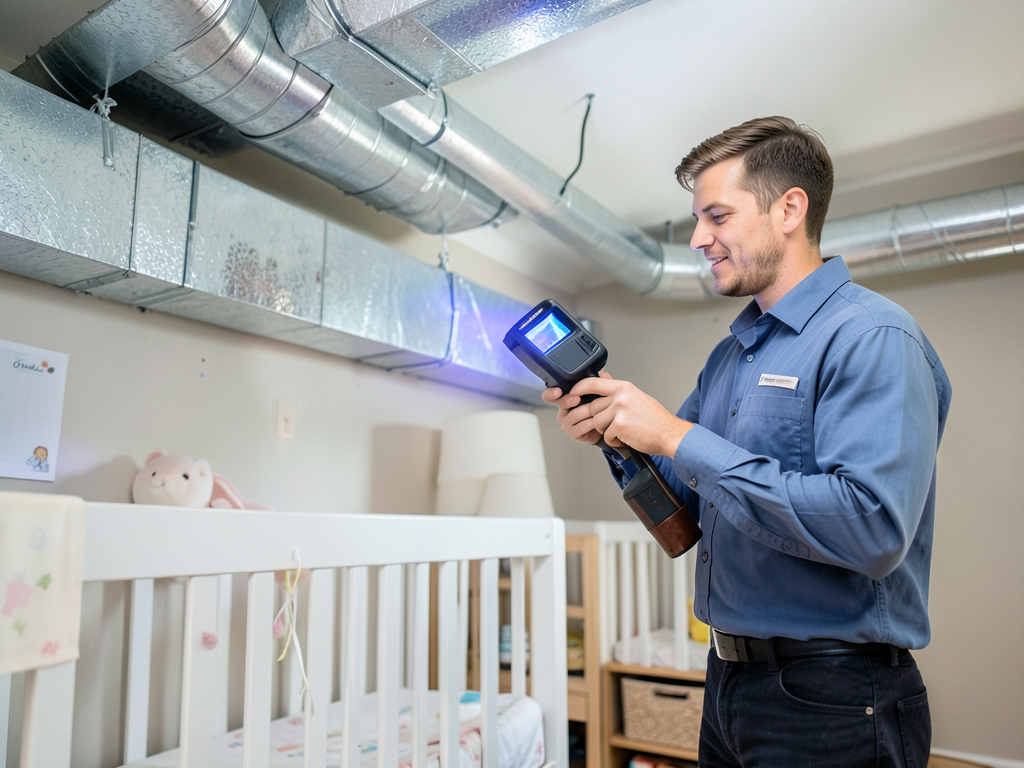
Common Causes of Hot and Cold Spots in Miami Homes
Most nurseries feel warmer than the rest of the house because of three main issues. First, Miami’s older homes often have ductwork that wasn’t sized for today’s cooling demands. Second, concrete block construction absorbs heat during the day and releases it slowly at night. Third, the intense South Florida sun beats down on exterior walls and windows.
Ductwork problems are the most common culprit. Supply ducts may have leaks that waste cooled air before it reaches the nursery. Return ducts might be undersized, creating negative pressure that pulls hot air from other areas into the baby’s room. These issues become worse in Miami’s humidity because damp air holds more heat energy.
Heat Gain Through Windows and Walls
Miami Shores homes typically have large windows that let in beautiful natural light but also massive amounts of heat. West-facing windows receive direct afternoon sun when temperatures peak. Even impact-resistant hurricane windows can allow significant heat transfer through the glass.
Concrete block walls in older Miami Shores homes act like heat batteries. They absorb heat all day and continue radiating it into the nursery at night when you want cooling the most. This thermal mass effect makes traditional AC systems work harder and less effectively. The Best Air Purification Systems for Luxury Pinecrest Estates.
The Miami Humidity Factor
Miami’s average relative humidity stays above 70% year-round. This means 72 degrees feels much warmer than the same temperature in a drier climate. Your body cannot cool itself through sweat evaporation when the air is already saturated with moisture.
Many Miami AC systems are oversized for quick cooling but cannot run long enough to remove humidity. This creates a nursery that feels cool but clammy. The air conditioner cools the room but shuts off before removing enough moisture, leaving the space feeling warmer than the thermostat indicates.
Short Cycling and Humidity Control
Short cycling happens when an air conditioner turns on and off frequently. This occurs when the system is too large for the space or when airflow is restricted. In nurseries, short cycling prevents proper dehumidification and creates temperature swings that can wake a sleeping baby.
Modern variable-speed systems run continuously at lower speeds, removing more humidity while maintaining steady temperatures. However, many Miami Shores homes still have single-stage units that cannot provide this level of comfort control. Installing Modern AC Systems in Historic Coral Gables Homes Without Damaging the Architecture.

DIY Fixes vs. Professional Solutions
Before calling a professional, try these simple fixes that often improve nursery comfort. First, close the nursery door and check if air flows freely from the supply vent. If airflow feels weak, the duct may have a leak or blockage.
Second, use blackout curtains to block solar heat gain through windows. Third, place a small fan near the nursery door to improve air circulation. Fourth, check that furniture isn’t blocking supply or return vents.
When to Call a Professional
Professional help becomes necessary when DIY fixes don’t work or when you notice these warning signs. Weak airflow from multiple vents indicates duct problems. Strange noises from the air handler suggest mechanical issues. Uneven cooling throughout the house points to system sizing problems.
Professional HVAC technicians can perform a duct leakage test using specialized equipment. They measure how much conditioned air escapes before reaching your nursery. This test often reveals surprising amounts of wasted cooling in Miami homes.
Advanced Solutions: Smart Thermostats and Remote Sensors
Smart thermostats with remote sensors offer the best solution for nursery temperature control. These devices allow you to monitor and adjust the nursery temperature from your phone. Some models can prioritize cooling based on the sensor reading rather than the main thermostat location.
Remote sensors placed in the nursery give you real-time temperature and humidity readings. This data helps you understand whether the room stays in the safe range for your baby. Many parents find this peace of mind worth the investment.
Zoning Systems for Miami Homes
HVAC zoning divides your home into separate temperature control areas. This technology works especially well in Miami Shores where different rooms face varying sun exposure and heat loads. A zoning system can keep the nursery cool while allowing other areas to run slightly warmer. EPA guide to indoor humidity.
Modern zoning systems use electronic dampers in the ductwork to control airflow to each zone. This allows precise temperature control without the energy waste of closing vents manually. The system automatically adjusts based on each zone’s cooling needs.
Specific Solutions for Miami Shores Architecture
Miami Shores features many 1950s and 1960s ranch-style homes with concrete block construction. These homes often have undersized ductwork that cannot deliver enough cooled air to nurseries on the perimeter of the house. The original HVAC systems were designed for less demanding cooling needs.
Many Miami Shores homes have converted garages or added rooms that lack proper ductwork connection. These bonus spaces often become the hottest rooms in the house. Professional duct routing or mini-split installation can solve these comfort issues.
Attic Insulation and Ventilation
Miami Shores homes with attics face unique challenges. Poor attic insulation allows heat to radiate through the ceiling into the nursery below. Inadequate attic ventilation traps super-heated air that conducts through the ceiling.
Professional attic inspections often reveal insulation gaps or compressed areas that reduce effectiveness. Adding proper insulation and improving ventilation can lower nursery temperatures by several degrees without touching the HVAC system.
Safety Considerations for Nursery Cooling
Beyond comfort, proper nursery cooling prevents serious health risks for infants. Overheating increases the risk of SIDS, heat rash, and dehydration. Babies cannot move to cooler areas or remove blankets when they become too warm.
Monitor your baby for signs of overheating including sweating, flushed skin, rapid breathing, or restlessness. If you notice these signs, immediately check the nursery temperature and take steps to cool the room.
Humidity Control and Mold Prevention
High humidity in nurseries creates more than just comfort issues. Excess moisture promotes mold growth, which can trigger allergies and respiratory problems in infants. Miami’s naturally high humidity makes this a year-round concern.
Dehumidification becomes essential when relative humidity stays above 60%. Standalone dehumidifiers can help, but they add heat to the room. Whole-house dehumidification integrated with your HVAC system provides the best solution.
Energy Efficiency and Cost Considerations
Improving nursery comfort often reduces overall energy costs. When your baby’s room stays cool, you don’t need to overcool the entire house to achieve comfort in one area. This targeted approach can lower your FPL bill while improving comfort.
Many Miami Shores homeowners find that professional duct sealing pays for itself through energy savings within two years. The reduced strain on your AC system also extends equipment life, delaying expensive replacement costs.
Long-term Solutions for Growing Families
As your family grows, your cooling needs will change. What works for a nursery may not work when that room becomes a toddler’s bedroom or a home office. Planning for these changes during initial improvements saves money long-term.
Variable refrigerant flow systems offer the most flexibility for changing family needs. These systems allow you to add cooling capacity without major ductwork changes. They also provide heating for the occasional cold Miami winter night.
Maintenance Tips for Consistent Nursery Comfort
Regular maintenance keeps your nursery cooling system working efficiently. Change air filters every 30-60 days in Miami’s dusty environment. Clean supply and return vents to remove dust buildup that restricts airflow. Schedule professional HVAC maintenance twice yearly to catch problems early.
Seasonal Adjustments for Miami Weather
Miami’s seasons affect nursery cooling needs differently than northern climates. During hurricane season, high humidity makes rooms feel warmer even at the same temperature. During dry winter months, you might need to adjust humidity levels to maintain comfort.
Monitor weather forecasts and adjust your nursery cooling strategy accordingly. Be prepared for sudden temperature changes during cold fronts or heat waves that are common in South Florida.
Frequently Asked Questions
Why does my baby’s room feel warmer than the thermostat setting?
Several factors can make a room feel warmer than the thermostat indicates. High humidity prevents effective body cooling through sweat evaporation. Poor air circulation creates stagnant hot spots. Heat gain through windows and walls adds to the cooling load. Even if the air temperature matches the thermostat, these factors make the room feel warmer.
How can I tell if my baby is too hot while sleeping?
Signs of overheating include sweating on the back or neck, flushed cheeks, rapid breathing, and restlessness. Your baby might also feel hot to the touch or develop heat rash. If you’re concerned, check the nursery temperature with a reliable thermometer and adjust cooling as needed. Reliable 24 Hour Emergency AC Repair in South Miami.
Should I close vents in other rooms to cool the nursery better?
Closing vents can actually make your HVAC system less efficient and may not help the nursery. It can increase pressure in the ductwork, causing leaks and reducing overall system performance. Instead, focus on improving airflow to the nursery through proper duct balancing or zoning systems.
How often should I check the nursery temperature?
Check the nursery temperature whenever you put your baby down for sleep and again if they wake unexpectedly. Use a thermometer that displays both temperature and humidity for the most accurate assessment. Many smart baby monitors include temperature sensors for continuous monitoring.
Can a ceiling fan help cool the nursery?
Yes, a ceiling fan improves air circulation and can make the room feel several degrees cooler through the wind chill effect. However, fans don’t actually lower the air temperature, so they work best when used with your AC system. Always ensure the fan is securely mounted and has proper impact-resistant blades for Miami’s wind conditions.
What’s the best way to cool a nursery in an older Miami Shores home?
Older Miami Shores homes often need a combination of solutions. Start with proper insulation and window treatments to reduce heat gain. Then consider professional duct balancing or zoning to improve airflow. For the best results, a mini-split system dedicated to the nursery provides independent temperature control without affecting the rest of the house.
- Check Current Conditions
Measure the nursery temperature and humidity using a reliable thermometer. Note any airflow issues from supply vents and check for drafts around windows or doors.
- Reduce Heat Gain
Install blackout curtains or cellular shades on windows. Add weather stripping around doors if needed. Consider applying reflective window film to reduce solar heat gain.
- Improve Air Circulation
Ensure supply and return vents are unobstructed. Use a small fan to improve air movement if needed. Check that the HVAC filter is clean and replace if dirty.
- Test System Performance
Run the AC system and measure airflow from the nursery vent. If airflow seems weak, check for duct leaks or blockages. Consider professional duct testing if problems persist.
- Monitor and Adjust
Track nursery temperatures over several days. Make adjustments to thermostat settings, fan speeds, or additional cooling devices as needed. Consider smart thermostat options for better control.
Take Action for Your Baby’s Comfort and Safety
Don’t let another night pass with your baby’s nursery too hot for safe sleep. The combination of Miami’s heat, humidity, and older home construction creates unique cooling challenges that require professional expertise. Our team understands the specific needs of Miami Shores families and can diagnose your nursery’s cooling problems quickly. Expert Ductless Mini Split Installation for Coconut Grove Cottages.
We offer free nursery airflow assessments to identify exactly why your baby’s room feels warmer than the rest of the house. Our technicians will check ductwork, measure airflow, and recommend solutions that fit your home and budget. Whether you need simple duct balancing or a complete mini-split installation, we’ll help you create the perfect sleeping environment for your little one.
Call us today at (786) 789-8277 to schedule your free nursery assessment. Your baby deserves safe, comfortable sleep, and we’re here to make that happen. Don’t wait until the next heatwave makes the problem unbearable. Take action now for your family’s comfort and peace of mind.
Remember, proper nursery cooling isn’t just about comfort—it’s about your baby’s health and safety. Let our Miami Shores HVAC experts help you create the ideal sleeping environment for your little one. Call (786) 789-8277 now and sleep better knowing your baby is safe and comfortable all night long. For more information, visit CDC SIDS prevention guidelines.
{
“@context”: “https://schema.org”,
“@type”: “BlogPosting”,
“headline”: “Why your baby’s nursery in Miami Shores feels warmer than the rest of the house”,
“description”: “Is your baby’s nursery too hot in Miami Shores? Learn why uneven cooling happens in South Florida homes and how to keep your infant safe and comfortable.”,
“wordCount”: 2198,
“datePublished”: “2026-06-02T15:04:00.000Z”,
“dateModified”: “2026-06-02T15:04:00.000Z”,
“inLanguage”: “en-US”,
“mainEntityOfPage”: {
“@type”: “WebPage”,
“@id”: “https://horizonheatingandcoolingmiami.com”
},
“publisher”: {
“@type”: “LocalBusiness”,
“name”: “Horizon Heating and Cooling Miami”,
“url”: “https://horizonheatingandcoolingmiami.com”
},
“author”: {
“@type”: “Organization”,
“name”: “Horizon Heating and Cooling Miami”,
“url”: “https://horizonheatingandcoolingmiami.com”
},
“image”: {
“@type”: “ImageObject”,
“url”: “https://horizonheatingandcoolingmiami.com/wp-content/uploads/2026/03/why-your-baby-s-nursery-in-miami-shores-feels-warm-1.png”
}
}
{
“@context”: “https://schema.org”,
“@type”: “HVACBusiness”,
“name”: “Horizon Heating and Cooling Miami”,
“url”: “https://horizonheatingandcoolingmiami.com”,
“address”: {
“@type”: “PostalAddress”,
“addressLocality”: “Miami”
},
“areaServed”: {
“@type”: “City”,
“name”: “Miami”
}
}
{
“@context”: “https://schema.org”,
“@type”: “FAQPage”,
“mainEntity”: [
{
“@type”: “Question”,
“name”: “Why does my baby’s room feel warmer than the thermostat setting?”,
“acceptedAnswer”: {
“@type”: “Answer”,
“text”: “Several factors can make a room feel warmer than the thermostat indicates. High humidity prevents effective body cooling through sweat evaporation. Poor air circulation creates stagnant hot spots. Heat gain through windows and walls adds to the cooling load. Even if the air temperature matches the thermostat, these factors make the room feel warmer.”
}
},
{
“@type”: “Question”,
“name”: “How can I tell if my baby is too hot while sleeping?”,
“acceptedAnswer”: {
“@type”: “Answer”,
“text”: “Signs of overheating include sweating on the back or neck, flushed cheeks, rapid breathing, and restlessness. Your baby might also feel hot to the touch or develop heat rash. If you’re concerned, check the nursery temperature with a reliable thermometer and adjust cooling as needed. Reliable 24 Hour Emergency AC Repair in South Miami.”
}
},
{
“@type”: “Question”,
“name”: “Should I close vents in other rooms to cool the nursery better?”,
“acceptedAnswer”: {
“@type”: “Answer”,
“text”: “Closing vents can actually make your HVAC system less efficient and may not help the nursery. It can increase pressure in the ductwork, causing leaks and reducing overall system performance. Instead, focus on improving airflow to the nursery through proper duct balancing or zoning systems.”
}
},
{
“@type”: “Question”,
“name”: “How often should I check the nursery temperature?”,
“acceptedAnswer”: {
“@type”: “Answer”,
“text”: “Check the nursery temperature whenever you put your baby down for sleep and again if they wake unexpectedly. Use a thermometer that displays both temperature and humidity for the most accurate assessment. Many smart baby monitors include temperature sensors for continuous monitoring.”
}
},
{
“@type”: “Question”,
“name”: “Can a ceiling fan help cool the nursery?”,
“acceptedAnswer”: {
“@type”: “Answer”,
“text”: “Yes, a ceiling fan improves air circulation and can make the room feel several degrees cooler through the wind chill effect. However, fans don’t actually lower the air temperature, so they work best when used with your AC system. Always ensure the fan is securely mounted and has proper impact-resistant blades for Miami’s wind conditions.”
}
},
{
“@type”: “Question”,
“name”: “What’s the best way to cool a nursery in an older Miami Shores home?”,
“acceptedAnswer”: {
“@type”: “Answer”,
“text”: “Older Miami Shores homes often need a combination of solutions. Start with proper insulation and window treatments to reduce heat gain. Then consider professional duct balancing or zoning to improve airflow. For the best results, a mini-split system dedicated to the nursery provides independent temperature control without affecting the rest of the house.”
}
}
]
}
{
“@context”: “https://schema.org”,
“@type”: “HowTo”,
“name”: “How to Cool Your Baby’s Nursery”,
“step”: [
{
“@type”: “HowToStep”,
“position”: 1,
“name”: “Check Current Conditions”,
“text”: “Measure the nursery temperature and humidity using a reliable thermometer. Note any airflow issues from supply vents and check for drafts around windows or doors.”
},
{
“@type”: “HowToStep”,
“position”: 2,
“name”: “Reduce Heat Gain”,
“text”: “Install blackout curtains or cellular shades on windows. Add weather stripping around doors if needed. Consider applying reflective window film to reduce solar heat gain.”
},
{
“@type”: “HowToStep”,
“position”: 3,
“name”: “Improve Air Circulation”,
“text”: “Ensure supply and return vents are unobstructed. Use a small fan to improve air movement if needed. Check that the HVAC filter is clean and replace if dirty.”
},
{
“@type”: “HowToStep”,
“position”: 4,
“name”: “Test System Performance”,
“text”: “Run the AC system and measure airflow from the nursery vent. If airflow seems weak, check for duct leaks or blockages. Consider professional duct testing if problems persist.”
},
{
“@type”: “HowToStep”,
“position”: 5,
“name”: “Monitor and Adjust”,
“text”: “Track nursery temperatures over several days. Make adjustments to thermostat settings, fan speeds, or additional cooling devices as needed. Consider smart thermostat options for better control.”
}
],
“image”: “https://horizonheatingandcoolingmiami.com/wp-content/uploads/2026/03/why-your-baby-s-nursery-in-miami-shores-feels-warm-1.png”
}
{
“@context”: “https://schema.org”,
“@type”: “BreadcrumbList”,
“itemListElement”: [
{
“@type”: “ListItem”,
“position”: 1,
“name”: “Home”,
“item”: “https://horizonheatingandcoolingmiami.com”
},
{
“@type”: “ListItem”,
“position”: 2,
“name”: “Blog”,
“item”: “https://horizonheatingandcoolingmiami.com/blog”
},
{
“@type”: “ListItem”,
“position”: 3,
“name”: “Why your baby’s nursery in Miami Shores feels warmer than the rest of the house”
}
]
}
{
“@context”: “https://schema.org”,
“@type”: “Service”,
“serviceType”: “HVAC”,
“provider”: {
“@type”: “LocalBusiness”,
“name”: “Horizon Heating and Cooling Miami”,
“url”: “https://horizonheatingandcoolingmiami.com”
},
“areaServed”: {
“@type”: “City”,
“name”: “Miami”
},
“description”: “Is your baby’s nursery too hot in Miami Shores? Learn why uneven cooling happens in South Florida homes and how to keep your infant safe and comfortable.”
}