
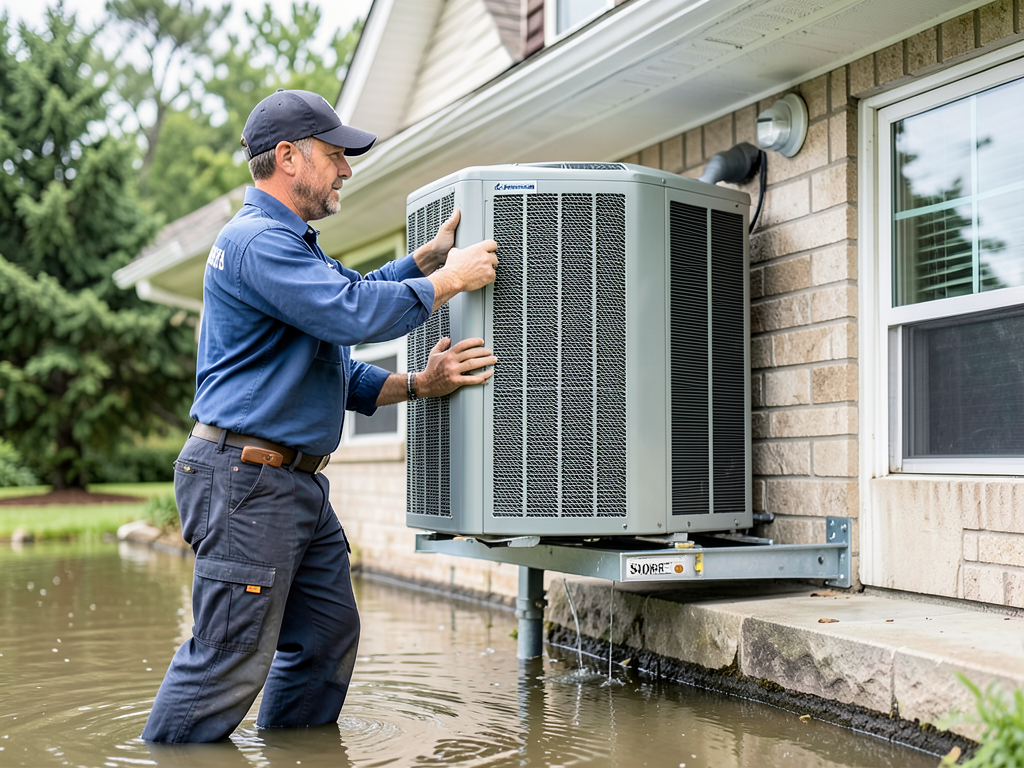
Why you should consider raising your outdoor AC unit higher in Shorecrest
Living in Shorecrest means dealing with South Florida’s unique climate challenges every day. Your outdoor AC unit sits right in the path of hurricane winds, salt air corrosion, and increasingly common sunny-day flooding. Raising your condenser off the ground isn’t just about aesthetics—it’s a critical protection strategy that can save you thousands in flood damage and extend your system’s lifespan by years.
The combination of rising sea levels and Miami’s flat topography means even a normal afternoon thunderstorm can leave your equipment submerged. When water reaches your electrical components and compressor, you’re looking at immediate failure and potential safety hazards. Plus, salt air accelerates corrosion on exposed metal parts, turning a five-year-old unit into a rusted-out liability. How to Get Your Miami Lakes HVAC System Ready for the Summer Heat.
Before you grab a jack and some cinder blocks, understand that Miami-Dade County has specific building code requirements for AC elevation in flood zones. The county mandates minimum heights above Base Flood Elevation (BFE) for new installations, and existing units in flood-prone areas need to meet current standards during major repairs or replacements. Miami-Dade Building Department.
Let’s break down exactly why elevation matters for Shorecrest homeowners, what the local codes require, and how professional installation protects your investment from Miami’s harshest elements.
Why elevation matters for Miami homeowners
Shorecrest sits in a low-lying area near the Little River Canal, making it particularly vulnerable to both coastal flooding and urban stormwater backup. During king tides and heavy rain events, water levels can rise several feet above normal, especially in areas with poor drainage infrastructure.
Your AC condenser contains sensitive electrical components, capacitors, and a compressor that cannot operate when submerged. Even temporary flooding causes immediate short circuits and can permanently damage the motor windings. The cost to replace a flooded condenser unit typically runs $2,500 to $4,500, not including the emergency service call and potential water damage to your home’s electrical system. Reliable 24 Hour Emergency AC Repair in South Miami.
Salt air presents another major threat. Shorecrest’s proximity to Biscayne Bay means your equipment faces constant exposure to corrosive marine air. When your unit sits low to the ground, it also collects debris, lawn clippings, and standing water that accelerate rust formation on the condenser coils and cabinet. Raising the unit improves airflow underneath, reducing moisture accumulation and creating a barrier against ground-level contaminants.
Beyond flood protection, elevated units experience better overall performance. Improved airflow around the condenser coils means more efficient heat rejection, which can reduce your energy consumption by 5-10 percent during Miami’s long cooling season. The elevation also makes routine maintenance easier for technicians, potentially catching small issues before they become expensive repairs.
Miami-Dade building code requirements for AC elevation
Miami-Dade County follows strict elevation requirements based on FEMA flood maps and local building codes. For new AC installations in designated flood zones, the condenser must be installed at or above the Base Flood Elevation (BFE) plus one foot of freeboard. In Shorecrest, this often means raising units 3-5 feet above ground level depending on your specific flood zone designation. FEMA Flood Map Service Center.
The Florida Building Code (FBC) requires all outdoor HVAC equipment in High Velocity Hurricane Zones (HVHZ) to be properly anchored. This means hurricane-rated mounting brackets, concrete pads with proper reinforcement, or wall-mounted brackets that can withstand wind loads up to 180 mph. Standard cinder blocks won’t pass inspection—you need engineered support systems designed for South Florida’s extreme weather. The Best Air Purification Systems for Luxury Pinecrest Estates.
Existing units being raised as part of repairs or replacements must also comply with current codes. If your condenser fails and needs replacement, the new installation must meet all current elevation and tie-down requirements. This often catches homeowners by surprise when they discover their 15-year-old unit needs a complete mounting system upgrade.
Permit requirements vary by scope of work. Simple elevation using pre-approved mounting systems might qualify for a minor permit, while major modifications to refrigerant lines or electrical connections require full permits and inspections. Always check with Miami-Dade Building Department before starting any elevation work to ensure compliance and avoid fines.
Top 5 benefits of raising your condenser
- Flood damage prevention – Keeping electrical components above potential water levels prevents immediate system failure and costly replacements. Even six inches of elevation can mean the difference between a working system and a complete loss during minor flooding events.
- Improved system efficiency – Better airflow around elevated units means your AC doesn’t work as hard to reject heat. This translates to lower energy bills during Miami’s 8-month cooling season and reduced wear on internal components.
- Extended equipment lifespan – Reduced exposure to standing water, debris, and salt air corrosion can add 3-5 years to your unit’s operational life. The cost savings from avoiding premature replacement often exceed the elevation investment within the first five years.
- Easier maintenance access – Technicians can work more safely and efficiently on elevated equipment. This means faster service calls, more thorough inspections, and potentially lower labor costs for routine maintenance.
- Insurance premium benefits – Some insurance providers offer discounts for flood mitigation measures. While not guaranteed, elevating your HVAC equipment demonstrates proactive risk management that could help with future claims or policy renewals.
The elevation process: what to expect
Professional AC elevation involves several technical steps that require licensed expertise. The process starts with assessing your current unit’s condition, determining the required elevation height based on flood zone requirements, and selecting appropriate mounting hardware. Expert Ductless Mini Split Installation for Coconut Grove Cottages.
Technicians begin by recovering the refrigerant from your system to prevent loss during the elevation process. This requires EPA-certified recovery equipment and proper handling procedures. Once the refrigerant is safely stored, the electrical disconnect is removed and all copper refrigerant lines are cut and capped.
The old mounting system is removed, and any necessary concrete pad modifications are made. For hurricane-rated installations, this might involve drilling into your home’s foundation or installing specialized wall brackets rated for Miami’s wind loads. The new mounting system is then secured according to engineered specifications. Installing Modern AC Systems in Historic Coral Gables Homes Without Damaging the Architecture.
Refrigerant lines must be extended to reach the new elevation, requiring professional brazing techniques to create leak-free connections. The electrical whip is extended or replaced, and all connections are tested for proper operation. Finally, the system is evacuated, recharged with the correct refrigerant charge, and tested under load conditions.
The entire process typically takes 4-8 hours for a standard residential installation, though complex setups with long line sets or difficult access can take longer. Weather delays are common during hurricane season, so scheduling during dry periods is recommended.
Cost factors in South Florida
AC elevation costs in Miami vary based on several factors specific to South Florida’s market. Basic elevation using pre-engineered stands typically starts around $800-$1,200 for standard residential units. This includes the mounting hardware, labor, and basic electrical modifications.
Concrete pad elevation with hurricane-rated anchors runs $1,500-$2,500, depending on the pad size and reinforcement requirements. Wall-mounted brackets for two-story homes or difficult terrain can cost $2,000-$3,500, including structural engineering if needed for your home’s exterior.
Line set extensions add significant cost based on length and complexity. Every 10 feet of new copper line adds approximately $150-$250 to the project, plus the cost of professional brazing and pressure testing. Long line sets may also require larger refrigerant charges, adding $100-$300 to the total.
Permit fees in Miami-Dade County range from $75-$300 depending on the scope of work. Electrical modifications require separate permits in some municipalities, adding another $50-$150. Always factor in potential code upgrade costs if your existing installation doesn’t meet current standards.
Emergency elevation work after flooding or storm damage commands premium rates, often 50-75 percent higher than scheduled installations. Planning ahead during the off-season can save significant money compared to crisis response pricing.
Hurricane-proofing your elevated unit
South Florida’s hurricane season demands more than just basic elevation. Your mounting system must withstand wind loads that can exceed 180 mph in coastal areas. This requires engineered mounting hardware with specific tie-down requirements mandated by the Florida Building Code.
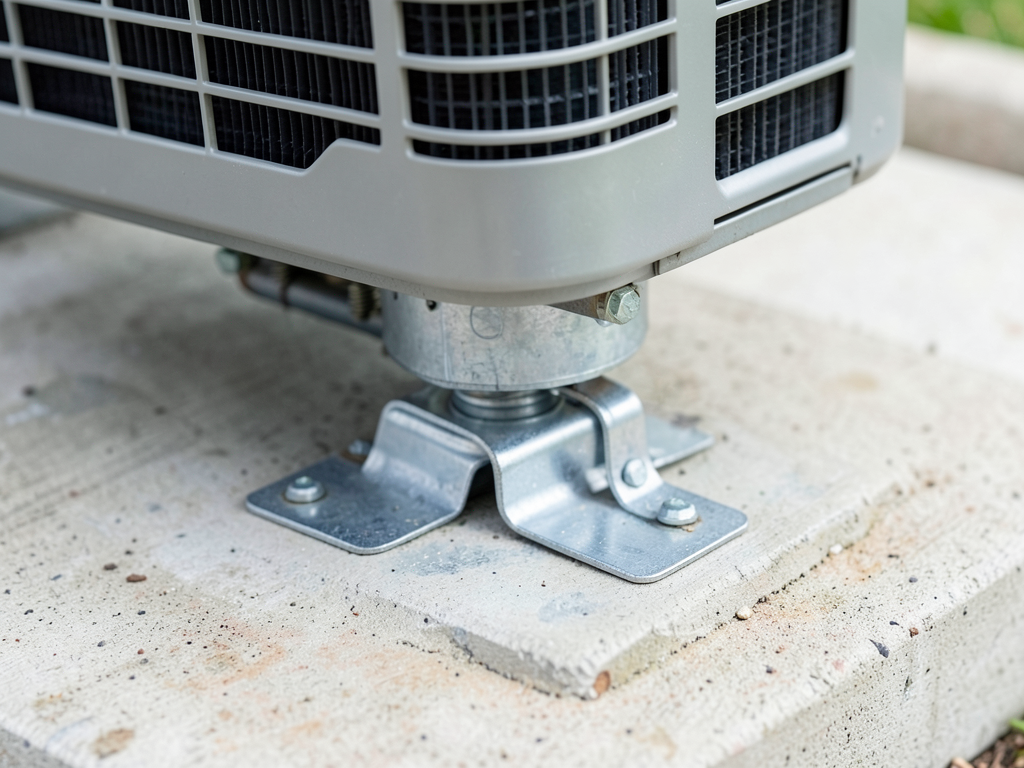
Hurricane straps or brackets should be rated for your unit’s weight plus wind load factors. These typically consist of galvanized steel brackets anchored to concrete footers or your home’s structural framing. The mounting points must be spaced according to manufacturer specifications to prevent racking or tipping during high winds.
Condenser pads need proper reinforcement to prevent uplift. Standard concrete pads can crack or shift under hurricane forces, so many installations use reinforced pads with steel mesh or fiber reinforcement. The pad edges should extend at least 3 inches beyond the unit’s footprint for stability.
Electrical connections require special attention in hurricane zones. The disconnect box should be mounted at least 18 inches above the finished floor and protected with a weatherproof cover rated for coastal environments. All wiring should be secured with hurricane-rated straps at maximum spacing intervals.
Consider adding a surge protection device specifically designed for HVAC equipment. Miami’s lightning frequency makes power surges common during storms, and a good surge protector can prevent costly damage to your compressor and control boards.
Comparing elevation materials for salt-air environments
Choosing the right mounting materials is crucial in Shorecrest’s coastal environment. Standard steel brackets will rust through in 3-5 years when exposed to salt air, leading to system failure and potential safety hazards.
| Material Type | Expected Lifespan | Corrosion Resistance | Cost Range |
|---|---|---|---|
| Galvanized Steel | 7-10 years | Moderate | $150-$250 |
| Aluminum | 10-15 years | Good | $200-$300 |
| Stainless Steel 304 | 15-20 years | Excellent | $250-$400 |
| Composite Polymer | 20+ years | Superior | $300-$500 |
Stainless steel 304 offers the best balance of cost and longevity for most Shorecrest installations. While more expensive upfront, it eliminates the need for replacement mounting hardware during the unit’s operational life. For maximum protection, consider marine-grade stainless steel 316, which resists pitting in the most corrosive environments.
Composite polymer mounting systems represent the premium option, offering lifetime corrosion resistance and excellent vibration isolation. These systems typically include built-in vibration pads that reduce noise transmission to your home’s structure, a significant benefit for units mounted near bedrooms or living areas.
Avoid untreated steel or basic galvanized coatings for coastal installations. The salt air will penetrate the coating within months, leading to rust formation that weakens the mounting structure over time. This creates both safety hazards and the potential for catastrophic system failure during storms.
Common elevation mistakes to avoid
DIY elevation attempts often create more problems than they solve. One of the most common mistakes is using inadequate mounting hardware that can’t support the unit’s weight plus wind loads. A typical 3-ton condenser weighs 150-200 pounds dry, but with water accumulation and wind forces, the effective load can exceed 500 pounds during storms.
Improper refrigerant line handling causes another major issue. Kinked or crushed lines reduce system efficiency by up to 30 percent and can cause premature compressor failure. Professional brazing requires specific torch angles, proper flux application, and nitrogen purging to prevent oxidation inside the lines.
Electrical modifications without proper permits create serious safety hazards. Incorrect wire sizing, missing disconnects, or inadequate grounding can lead to electrical fires or equipment damage. Miami-Dade requires all electrical work to be performed by licensed contractors and inspected by county officials.
Ignoring condensate drainage slope is a subtle but critical error. Your AC produces significant condensation during operation, and improper drainage can lead to water pooling around the elevated unit’s base. This creates mosquito breeding grounds and can undermine the mounting structure over time.
Finally, failing to consider future maintenance access limits your system’s serviceability. Mounting a unit too high or in a cramped space makes routine filter changes and annual maintenance difficult, potentially leading to neglected service and premature failure.
Frequently Asked Questions
Does elevating my AC unit void the manufacturer’s warranty?
Most manufacturers allow elevation as long as it’s done according to their installation guidelines. However, improper elevation that causes vibration damage or refrigerant line stress could void specific warranty provisions. Always check your warranty terms and use factory-approved mounting hardware when possible.
How long does it take to elevate an AC unit?
Standard elevation takes 4-8 hours for professional installation. Complex jobs involving major line set extensions, electrical modifications, or structural mounting can take 1-2 days. Weather delays are common during hurricane season, so schedule during dry periods when possible.
Can I elevate my AC unit myself to save money?
DIY elevation is not recommended due to the technical complexity and permit requirements. Improper elevation can cause system damage, void warranties, and create safety hazards. Professional installation ensures code compliance, proper refrigerant handling, and warranty protection.
Will elevation affect my AC’s cooling performance?
Properly elevated units often perform better due to improved airflow around the condenser coils. The elevation itself doesn’t impact cooling capacity, but better ventilation can improve efficiency by 5-10 percent, potentially lowering your energy bills.
What elevation height is recommended for flood protection?
Minimum elevation depends on your FEMA flood zone designation and Miami-Dade building requirements. Most Shorecrest installations need 3-5 feet of elevation above grade to meet Base Flood Elevation plus freeboard requirements. Your specific height depends on your property’s flood zone classification.
[IMAGE_PLACEHOVER_1]
Protect your Shorecrest home today
Your AC unit represents a significant investment in your home’s comfort and value. In Shorecrest’s flood-prone, salt-air environment, proper elevation isn’t optional—it’s essential protection against the unique challenges we face in coastal South Florida.
Don’t wait for the next king tide or hurricane to discover your equipment isn’t properly protected. Professional elevation ensures code compliance, proper installation techniques, and long-term reliability for your cooling system.
Call Horizon Heating and Cooling today at (786) 789-8277 for a free elevation assessment. Our licensed technicians understand Miami-Dade’s specific requirements and can recommend the best elevation solution for your home’s unique situation. We serve Shorecrest and all surrounding Miami-Dade neighborhoods with expert HVAC services you can trust.
Protect your investment, improve your system’s efficiency, and gain peace of mind knowing your AC can weather whatever South Florida throws its way. Contact us now to schedule your assessment before the next storm season arrives.
{
“@context”: “https://schema.org”,
“@type”: “BlogPosting”,
“headline”: “Why you should consider raising your outdoor AC unit higher in Shorecrest”,
“description”: “Protect your Shorecrest AC from flooding and salt air damage. Learn Miami-Dade building code requirements and hurricane-proofing for coastal elevation.”,
“wordCount”: 2371,
“datePublished”: “2026-06-10T14:54:00.000Z”,
“dateModified”: “2026-06-10T14:54:00.000Z”,
“inLanguage”: “en-US”,
“mainEntityOfPage”: {
“@type”: “WebPage”,
“@id”: “https://horizonheatingandcoolingmiami.com”
},
“publisher”: {
“@type”: “LocalBusiness”,
“name”: “Horizon Heating and Cooling Miami”,
“url”: “https://horizonheatingandcoolingmiami.com”
},
“author”: {
“@type”: “Organization”,
“name”: “Horizon Heating and Cooling Miami”,
“url”: “https://horizonheatingandcoolingmiami.com”
},
“image”: {
“@type”: “ImageObject”,
“url”: “https://horizonheatingandcoolingmiami.com/wp-content/uploads/2026/03/why-you-should-consider-raising-your-outdoor-ac-un-1.png”
}
}
{
“@context”: “https://schema.org”,
“@type”: “HVACBusiness”,
“name”: “Horizon Heating and Cooling Miami”,
“url”: “https://horizonheatingandcoolingmiami.com”,
“address”: {
“@type”: “PostalAddress”,
“addressLocality”: “Miami”
},
“areaServed”: {
“@type”: “City”,
“name”: “Miami”
}
}
{
“@context”: “https://schema.org”,
“@type”: “FAQPage”,
“mainEntity”: [
{
“@type”: “Question”,
“name”: “Does elevating my AC unit void the manufacturer’s warranty?”,
“acceptedAnswer”: {
“@type”: “Answer”,
“text”: “Most manufacturers allow elevation as long as it’s done according to their installation guidelines. However, improper elevation that causes vibration damage or refrigerant line stress could void specific warranty provisions. Always check your warranty terms and use factory-approved mounting hardware when possible.”
}
},
{
“@type”: “Question”,
“name”: “How long does it take to elevate an AC unit?”,
“acceptedAnswer”: {
“@type”: “Answer”,
“text”: “Standard elevation takes 4-8 hours for professional installation. Complex jobs involving major line set extensions, electrical modifications, or structural mounting can take 1-2 days. Weather delays are common during hurricane season, so schedule during dry periods when possible.”
}
},
{
“@type”: “Question”,
“name”: “Can I elevate my AC unit myself to save money?”,
“acceptedAnswer”: {
“@type”: “Answer”,
“text”: “DIY elevation is not recommended due to the technical complexity and permit requirements. Improper elevation can cause system damage, void warranties, and create safety hazards. Professional installation ensures code compliance, proper refrigerant handling, and warranty protection.”
}
},
{
“@type”: “Question”,
“name”: “Will elevation affect my AC’s cooling performance?”,
“acceptedAnswer”: {
“@type”: “Answer”,
“text”: “Properly elevated units often perform better due to improved airflow around the condenser coils. The elevation itself doesn’t impact cooling capacity, but better ventilation can improve efficiency by 5-10 percent, potentially lowering your energy bills.”
}
},
{
“@type”: “Question”,
“name”: “What elevation height is recommended for flood protection?”,
“acceptedAnswer”: {
“@type”: “Answer”,
“text”: “Minimum elevation depends on your FEMA flood zone designation and Miami-Dade building requirements. Most Shorecrest installations need 3-5 feet of elevation above grade to meet Base Flood Elevation plus freeboard requirements. Your specific height depends on your property’s flood zone classification.”
}
}
]
}
{
“@context”: “https://schema.org”,
“@type”: “BreadcrumbList”,
“itemListElement”: [
{
“@type”: “ListItem”,
“position”: 1,
“name”: “Home”,
“item”: “https://horizonheatingandcoolingmiami.com”
},
{
“@type”: “ListItem”,
“position”: 2,
“name”: “Blog”,
“item”: “https://horizonheatingandcoolingmiami.com/blog”
},
{
“@type”: “ListItem”,
“position”: 3,
“name”: “Why you should consider raising your outdoor AC unit higher in Shorecrest”
}
]
}
{
“@context”: “https://schema.org”,
“@type”: “Service”,
“serviceType”: “HVAC”,
“provider”: {
“@type”: “LocalBusiness”,
“name”: “Horizon Heating and Cooling Miami”,
“url”: “https://horizonheatingandcoolingmiami.com”
},
“areaServed”: {
“@type”: “City”,
“name”: “Miami”
},
“description”: “Protect your Shorecrest AC from flooding and salt air damage. Learn Miami-Dade building code requirements and hurricane-proofing for coastal elevation.”
}