
Why Indian Creek estates require more than just standard dehumidifiers
Standard residential dehumidifiers simply cannot handle the extreme moisture loads found in Miami’s largest waterfront estates. The combination of year-round high humidity, salt-air corrosion, and massive square footage creates conditions that overwhelm typical units within hours. air sealing techniques.
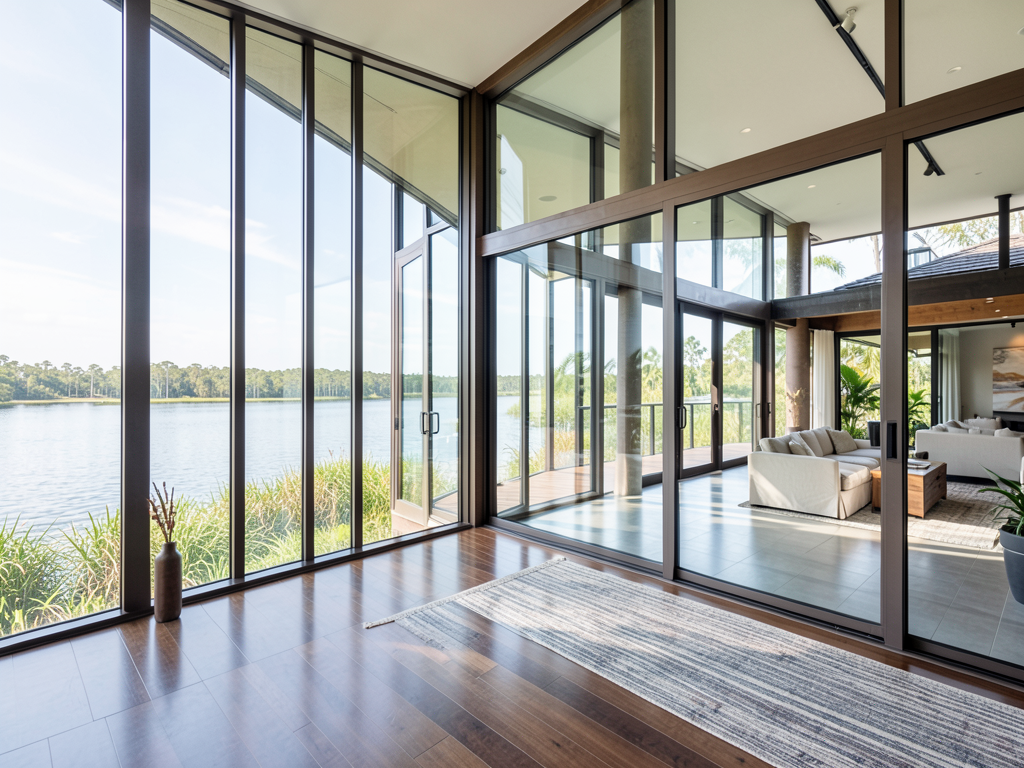
Indian Creek’s waterfront properties face unique challenges that demand industrial-grade environmental control systems. These homes often exceed 10,000 square feet with open floor plans, floor-to-ceiling windows, and extensive glass walls that create massive moisture infiltration points. moisture and mold prevention.
The problem goes beyond comfort. High humidity damages fine art collections, warps exotic wood flooring, promotes mold growth in hidden areas, and degrades expensive furnishings. Standard units lack the capacity to maintain proper relative humidity levels in these massive spaces.
Industrial dehumidification systems offer the power needed to control moisture in luxury estates. These units provide continuous operation, higher moisture removal rates, and integration capabilities with existing HVAC infrastructure that residential models cannot match. The Best Air Purification Systems for Luxury Pinecrest Estates.
The Science of Miami Humidity: Why Standard Units Fall Short
Miami’s climate presents extreme conditions for moisture control. Average relative humidity stays above 70% year-round, with summer months often exceeding 80%. Standard dehumidifiers typically remove 30-70 pints per day, but luxury estates require 200+ pints of continuous moisture removal. How to Get Your Miami Lakes HVAC System Ready for the Summer Heat.
The physics of moisture control in large spaces involves complex calculations. A 12,000 square foot home with 12-foot ceilings contains 144,000 cubic feet of air. Each cubic foot can hold significant moisture when temperatures rise above 75°F.
Standard units operate on simple refrigeration cycles that work well in small spaces. However, when scaled up, these systems face efficiency losses and capacity limitations. Industrial units use multiple refrigeration stages and heat recovery systems to maintain performance.
Moisture infiltration rates in waterfront properties increase dramatically. Salt air carries more moisture than inland air, and the constant breeze drives humid air through every crack and crevice. Standard units cannot keep pace with this continuous moisture influx.
Latent Load vs Sensible Cooling
Most homeowners misunderstand the difference between cooling and dehumidification. Air conditioning systems primarily handle sensible heat loads – the temperature of the air. Dehumidification addresses latent heat loads – the moisture content in the air.
In large luxury homes, the latent load often exceeds the sensible load. This means the home feels damp even when the thermostat reads the correct temperature. Standard AC units are not designed to handle this imbalance.
Industrial dehumidification systems separate these functions. They provide dedicated moisture removal without overcooling the space. This approach maintains comfort while protecting valuable assets from humidity damage.
Protecting High-Value Assets
Luxury estates contain investments worth hundreds of thousands of dollars in artwork, flooring, and furnishings. Each material has specific humidity requirements for preservation.
Fine art requires precise humidity control between 45-55% relative humidity. Wood panels can crack if humidity drops below 40%, while canvas can sag if moisture exceeds 60%. Standard dehumidifiers cannot maintain these tight tolerances.
Exotic wood flooring represents a significant investment in luxury homes. Brazilian cherry, teak, and mahogany expand and contract with humidity changes. Maintaining 45-50% relative humidity prevents warping and joint separation.
Wine cellars in waterfront properties face unique challenges. Salt air can penetrate even sealed spaces, and the high latent load can overwhelm standard cellar cooling units. Industrial systems provide the dedicated moisture control needed for proper wine storage.
Wine Collection Preservation
Temperature and humidity control are critical for wine preservation. Ideal conditions require 55°F temperature and 60-70% relative humidity. However, waterfront properties face additional challenges from salt air corrosion of cooling equipment.
Industrial wine cellar systems use corrosion-resistant components and redundant moisture control. They maintain precise conditions even when outdoor humidity exceeds 85%. Standard units fail within months in coastal environments.
The investment in proper wine storage often exceeds $50,000. Protecting this investment requires industrial-grade environmental control that residential systems cannot provide.
Seamless Integration: Invisible Indoor Air Quality
Luxury homeowners demand invisible solutions. Industrial dehumidification systems can integrate completely within existing HVAC infrastructure, eliminating the need for standalone units that disrupt interior design.
Modern systems connect to smart home platforms like Crestron, Savant, and Control4. This integration allows centralized control of temperature, humidity, and air quality through elegant touch panels or mobile apps. Installing Modern AC Systems in Historic Coral Gables Homes Without Damaging the Architecture.
Ducted installations hide all equipment within mechanical rooms, attics, or dedicated equipment closets. Only small return and supply grilles remain visible in living spaces, maintaining the clean aesthetic of luxury interiors.
Industrial units operate at noise levels comparable to standard HVAC equipment when properly installed. Advanced sound attenuation and vibration isolation prevent the humming or buzzing common with smaller residential units working at maximum capacity.
Smart Home Integration Capabilities
Industrial dehumidification systems offer advanced integration features. They communicate with thermostats, air handlers, and ventilation systems to optimize performance automatically.
Remote monitoring capabilities allow homeowners to track humidity levels, system performance, and energy consumption from anywhere. Alerts notify property managers of potential issues before they become problems.
Integration with whole-home air purification systems provides comprehensive indoor air quality management. This combination addresses both moisture control and air cleanliness in luxury environments.
Technical Specifications and Efficiency
Industrial dehumidification systems operate on different principles than residential units. They use multiple refrigeration circuits, larger coils, and more efficient compressors to achieve higher moisture removal rates.
Capacity ratings for industrial units start at 100 pints per day and extend beyond 300 pints for large applications. This represents a significant increase over residential units that typically max out at 70 pints.
Energy efficiency becomes crucial for continuous operation. Industrial units achieve higher coefficient of performance ratings through advanced heat recovery and variable speed operation.
Moisture removal efficiency directly impacts operating costs. A 200-pint industrial unit might consume 2.5 kWh per pint removed, while a residential unit working at maximum capacity could use 3.5 kWh per pint.
Comparison of Dehumidification Capacities
| Unit Type | Moisture Removal (PPD) | Typical Application | Power Consumption |
|---|---|---|---|
| Residential Portable | 30-70 | Single room | 0.5-1.0 kWh |
| Residential Whole-Home | 70-100 | Small home | 1.0-1.5 kWh |
| Industrial Residential | 150-250 | Large estate | 2.5-4.0 kWh |
| Commercial/Industrial | 300+ | Commercial buildings | 4.0+ kWh |
The Miami Case Study
A recent installation on Indian Creek Island demonstrates the effectiveness of industrial dehumidification for luxury estates. The 15,000 square foot waterfront property experienced chronic humidity problems despite multiple residential units running continuously.
The solution involved installing a 250-pint industrial system integrated with the existing HVAC infrastructure. The system maintains 48% relative humidity throughout the home, even during peak summer conditions when outdoor humidity exceeds 85%.
Energy consumption decreased by 15% compared to the multiple residential units that previously ran continuously. The integrated system operates more efficiently by sharing components and optimizing performance based on actual conditions.
Asset protection improved dramatically. The homeowner reports no mold growth in previously problematic areas and stable conditions for the extensive art collection. Wood flooring shows no signs of expansion or contraction.
Installation Considerations for Indian Creek Properties
Waterfront installations require special considerations. Corrosion-resistant components become essential when equipment operates within 500 feet of salt water. Stainless steel drain pans, aluminum coils, and coated circuit boards extend equipment life significantly.
Elevation requirements in flood zones affect equipment placement. Industrial units must be installed above Base Flood Elevation levels, often requiring custom stands or elevated mechanical rooms.
Noise considerations become critical in densely packed waterfront communities. Sound attenuation packages reduce operational noise to levels comparable to standard HVAC equipment, preventing complaints from neighboring properties.
Installation and Maintenance Requirements
Industrial dehumidification systems require professional installation by certified technicians. The complexity of these systems exceeds residential units in several key areas.
Electrical requirements often exceed standard 120V circuits. Many industrial units require 240V or 480V power connections with dedicated breakers. Proper electrical infrastructure becomes essential for safe operation.
Drainage systems must handle continuous condensate removal. Industrial units produce 10-20 gallons of water per day during peak operation. Proper drainage prevents water damage and ensures continuous operation.
Maintenance intervals differ from residential units. Industrial systems require quarterly professional service to maintain optimal performance. This includes coil cleaning, refrigerant level checks, and electrical component inspection.
Maintenance Schedule Comparison
| Maintenance Task | Residential Units | Industrial Units | Frequency |
|---|---|---|---|
| Filter Replacement | Monthly | Quarterly | Every 30 days |
| Coil Cleaning | Annually | Quarterly | Every 3 months |
| Refrigerant Check | Every 2 years | Quarterly | Every 3 months |
| Electrical Inspection | Every 5 years | Quarterly | Every 3 months |
| Performance Testing | Annually | Quarterly | Every 3 months |
Cost Considerations and ROI
Industrial dehumidification systems represent a significant investment compared to residential units. Initial costs typically range from $8,000 to $25,000 installed, depending on capacity and integration requirements.
However, the total cost of ownership often proves lower than multiple residential units. Industrial systems operate more efficiently, require less frequent replacement, and provide better protection for valuable assets.
Energy savings contribute to ROI calculations. Industrial units achieve higher efficiency through advanced technology and better integration with existing HVAC systems. Many homeowners report 15-25% energy savings compared to multiple residential units.
Asset protection provides additional value. Preventing moisture damage to wood flooring, artwork, and furnishings can save tens of thousands of dollars in replacement costs over the system’s lifetime.
Frequently Asked Questions
How do I know if my estate needs industrial dehumidification?
Signs include chronic humidity problems despite multiple residential units, visible condensation on windows, musty odors, or warping of wood flooring. Homes over 5,000 square feet in Miami’s coastal areas typically benefit from industrial systems. HVAC Miami Lakes.
Can industrial units be integrated with existing HVAC systems?
Yes. Most industrial dehumidification systems are designed for integration with existing HVAC infrastructure. Professional technicians can assess your current system and recommend integration options that maintain aesthetic requirements.
What maintenance do industrial dehumidifiers require?
Industrial units require quarterly professional maintenance including filter replacement, coil cleaning, refrigerant level checks, and electrical component inspection. This schedule ensures optimal performance and extends equipment life.
Are industrial units noisy?
When properly installed, industrial dehumidification systems operate at noise levels comparable to standard HVAC equipment. Advanced sound attenuation and vibration isolation prevent disruptive noise in luxury living spaces.
How long do industrial dehumidifiers last?
Quality industrial units typically last 10-15 years with proper maintenance. This exceeds the 5-7 year lifespan of residential units working at maximum capacity in challenging coastal environments. For more information, visit ASHRAE standards for humidity control.

You may also find this helpful. How to keep your Morningside home smelling fresh when you have indoor pets and high humidity.
{
“@context”: “https://schema.org”,
“@type”: “BlogPosting”,
“headline”: “Why Indian Creek estates require more than just standard dehumidifiers”,
“description”: “Standard dehumidifiers cannot handle Miami’s waterfront estates. Learn why industrial systems provide better moisture control for luxury Indian Creek properties.”,
“wordCount”: 1733,
“datePublished”: “2026-05-17T10:55:00.000Z”,
“dateModified”: “2026-05-17T10:55:00.000Z”,
“inLanguage”: “en-US”,
“mainEntityOfPage”: {
“@type”: “WebPage”,
“@id”: “https://horizonheatingandcoolingmiami.com”
},
“publisher”: {
“@type”: “LocalBusiness”,
“name”: “Horizon Heating and Cooling Miami”,
“url”: “https://horizonheatingandcoolingmiami.com”
},
“author”: {
“@type”: “Organization”,
“name”: “Horizon Heating and Cooling Miami”,
“url”: “https://horizonheatingandcoolingmiami.com”
},
“image”: {
“@type”: “ImageObject”,
“url”: “https://horizonheatingandcoolingmiami.com/wp-content/uploads/2026/03/why-indian-creek-estates-require-more-than-just-st-1.png”
}
}
{
“@context”: “https://schema.org”,
“@type”: “HVACBusiness”,
“name”: “Horizon Heating and Cooling Miami”,
“url”: “https://horizonheatingandcoolingmiami.com”,
“address”: {
“@type”: “PostalAddress”,
“addressLocality”: “Miami”
},
“areaServed”: {
“@type”: “City”,
“name”: “Miami”
}
}
{
“@context”: “https://schema.org”,
“@type”: “FAQPage”,
“mainEntity”: [
{
“@type”: “Question”,
“name”: “How do I know if my estate needs industrial dehumidification?”,
“acceptedAnswer”: {
“@type”: “Answer”,
“text”: “Signs include chronic humidity problems despite multiple residential units, visible condensation on windows, musty odors, or warping of wood flooring. Homes over 5,000 square feet in Miami’s coastal areas typically benefit from industrial systems. HVAC Miami Lakes.”
}
},
{
“@type”: “Question”,
“name”: “Can industrial units be integrated with existing HVAC systems?”,
“acceptedAnswer”: {
“@type”: “Answer”,
“text”: “Yes. Most industrial dehumidification systems are designed for integration with existing HVAC infrastructure. Professional technicians can assess your current system and recommend integration options that maintain aesthetic requirements.”
}
},
{
“@type”: “Question”,
“name”: “What maintenance do industrial dehumidifiers require?”,
“acceptedAnswer”: {
“@type”: “Answer”,
“text”: “Industrial units require quarterly professional maintenance including filter replacement, coil cleaning, refrigerant level checks, and electrical component inspection. This schedule ensures optimal performance and extends equipment life.”
}
},
{
“@type”: “Question”,
“name”: “Are industrial units noisy?”,
“acceptedAnswer”: {
“@type”: “Answer”,
“text”: “When properly installed, industrial dehumidification systems operate at noise levels comparable to standard HVAC equipment. Advanced sound attenuation and vibration isolation prevent disruptive noise in luxury living spaces.”
}
},
{
“@type”: “Question”,
“name”: “How long do industrial dehumidifiers last?”,
“acceptedAnswer”: {
“@type”: “Answer”,
“text”: “Quality industrial units typically last 10-15 years with proper maintenance. This exceeds the 5-7 year lifespan of residential units working at maximum capacity in challenging coastal environments. For more information, visit ASHRAE standards for humidity control.”
}
}
]
}
{
“@context”: “https://schema.org”,
“@type”: “BreadcrumbList”,
“itemListElement”: [
{
“@type”: “ListItem”,
“position”: 1,
“name”: “Home”,
“item”: “https://horizonheatingandcoolingmiami.com”
},
{
“@type”: “ListItem”,
“position”: 2,
“name”: “Blog”,
“item”: “https://horizonheatingandcoolingmiami.com/blog”
},
{
“@type”: “ListItem”,
“position”: 3,
“name”: “Why Indian Creek estates require more than just standard dehumidifiers”
}
]
}
{
“@context”: “https://schema.org”,
“@type”: “Service”,
“serviceType”: “HVAC”,
“provider”: {
“@type”: “LocalBusiness”,
“name”: “Horizon Heating and Cooling Miami”,
“url”: “https://horizonheatingandcoolingmiami.com”
},
“areaServed”: {
“@type”: “City”,
“name”: “Miami”
},
“description”: “Standard dehumidifiers cannot handle Miami’s waterfront estates. Learn why industrial systems provide better moisture control for luxury Indian Creek properties.”
}