
Understanding Your Rights: Is AC Required in Miami Rentals?
Living in Allapattah means dealing with Miami’s relentless heat and humidity year-round. When your apartment’s air conditioning fails, you need to know exactly where you stand under Florida law and Miami-Dade County codes. Miami-Dade County 311 Service.
Florida Statute 83.51 establishes the landlord’s basic duty to maintain the premises in good repair. However, Miami-Dade County’s Chapter 17-A housing code goes further, specifically requiring that rental units provide and maintain heating and cooling systems in good working order. This makes Miami-Dade one of the few counties in Florida with explicit AC requirements. Florida Department of Agriculture and Consumer Services.
The legal concept of ‘habitability’ becomes critical in South Florida’s climate. What constitutes a livable environment in Minneapolis differs dramatically from what’s required in Allapattah, where summer temperatures regularly exceed 90 degrees with humidity above 70 percent.
Under the warranty of habitability, landlords must provide essential services including functioning plumbing, electrical systems, and climate control. When AC fails in Miami’s heat, it creates immediate health risks including heat exhaustion, dehydration, and can worsen respiratory conditions. The Best Air Purification Systems for Luxury Pinecrest Estates.
Local building inspectors consider AC failure an urgent habitability issue, especially for elderly residents, young children, or those with medical conditions. The extreme heat in Allapattah’s urban environment, combined with older building stock, means AC systems face constant stress and more frequent breakdowns.
Understanding these legal frameworks helps you determine whether your landlord must repair your AC and what steps you can take if they refuse.
Florida Statute 83.51 vs. Miami-Dade County Code
State law provides a foundation, but local ordinances create stronger protections for Allapattah tenants. Florida Statute 83.51 requires landlords to maintain the premises in compliance with building codes affecting health and safety. This includes making repairs necessary to put and keep the premises in a fit and habitable condition.
However, Miami-Dade County’s Minimum Housing Standards under Chapter 17-A specifically address climate control. Section 17A-2.4 requires that dwelling units be provided with heating and cooling equipment capable of maintaining indoor temperatures within safe ranges. This local code takes precedence over the more general state statute. How to Get Your Miami Lakes HVAC System Ready for the Summer Heat.
The key difference lies in specificity. While state law requires ‘habitable conditions,’ Miami-Dade code explicitly mandates functioning HVAC systems. This means your Allapattah landlord cannot simply argue that AC is a luxury when county code treats it as a necessity. HVAC Miami Lakes.
Building inspectors in Miami-Dade enforce these standards through regular inspections and tenant complaints. When you report AC failure to code enforcement, they reference the specific county ordinance rather than general state law, giving you stronger legal standing.
The county also maintains stricter enforcement timelines. While state law allows reasonable time for repairs, Miami-Dade code often requires landlords to address HVAC failures within 24-48 hours during extreme heat events, recognizing the unique climate challenges faced by Allapattah residents.
The 7-Day Notice: How to Legally Notify Your Landlord
Before taking any legal action, you must provide proper notice to your landlord. Florida law requires tenants to give landlords reasonable opportunity to repair defects before pursuing other remedies.
The 7-day notice, formally called a ‘Notice to Cure,’ serves as your official documentation that you’ve informed your landlord about the AC failure and given them time to respond. This notice protects your legal rights while giving your landlord a fair chance to make repairs.
Write the notice in clear, factual language. Include your name, address, apartment number, the specific date when the AC stopped working, and a description of the problem. State that the lack of air conditioning violates the warranty of habitability and Miami-Dade County housing codes.
Send the notice via certified mail with return receipt requested. This provides proof that your landlord received the notice. Keep copies of everything you send and any responses you receive.
Document the AC failure with photos showing thermostat readings, any visible damage, and the date stamps. This evidence becomes crucial if you need to escalate the situation to code enforcement or small claims court.
During the 7-day period, keep a log of indoor temperatures, your communications with the landlord, and any health effects you or your family experience. This documentation demonstrates the severity of the situation and your good faith efforts to resolve it.
If your landlord fails to repair the AC within 7 days of receiving proper notice, you gain additional legal options under Florida law.
Can You Withhold Rent for Broken AC in Miami?
Withholding rent for AC repairs carries significant legal risks that many tenants don’t understand. Florida law treats rent withholding as a serious matter, and improper withholding can result in eviction proceedings.
You cannot simply stop paying rent because your AC isn’t working. Florida courts require tenants to follow specific procedures before withholding rent becomes legally protected. These procedures exist to prevent abuse and ensure both parties have fair opportunities to resolve disputes.
First, you must have given proper 7-day notice and allowed the landlord reasonable time to make repairs. Second, the AC failure must constitute a ‘material’ breach of the lease agreement – meaning it affects the property’s basic habitability rather than being a minor inconvenience.
Even when these conditions are met, Florida law requires you to place withheld rent into an escrow account rather than spending it. This demonstrates your good faith intent to pay rent once repairs are completed. Simply stopping payments without escrow protection leaves you vulnerable to eviction.
The amount you can withhold is also limited. You cannot withhold your entire rent payment – typically only a reasonable portion related to the severity of the habitability issue. For AC failure in Miami’s extreme heat, this might be 10-15 percent of monthly rent, but never the full amount.
Before considering rent withholding, consult with a tenant rights attorney or legal aid organization. The financial and legal consequences of improper withholding often outweigh the temporary relief of not paying rent.
The Role of a Professional HVAC Inspection
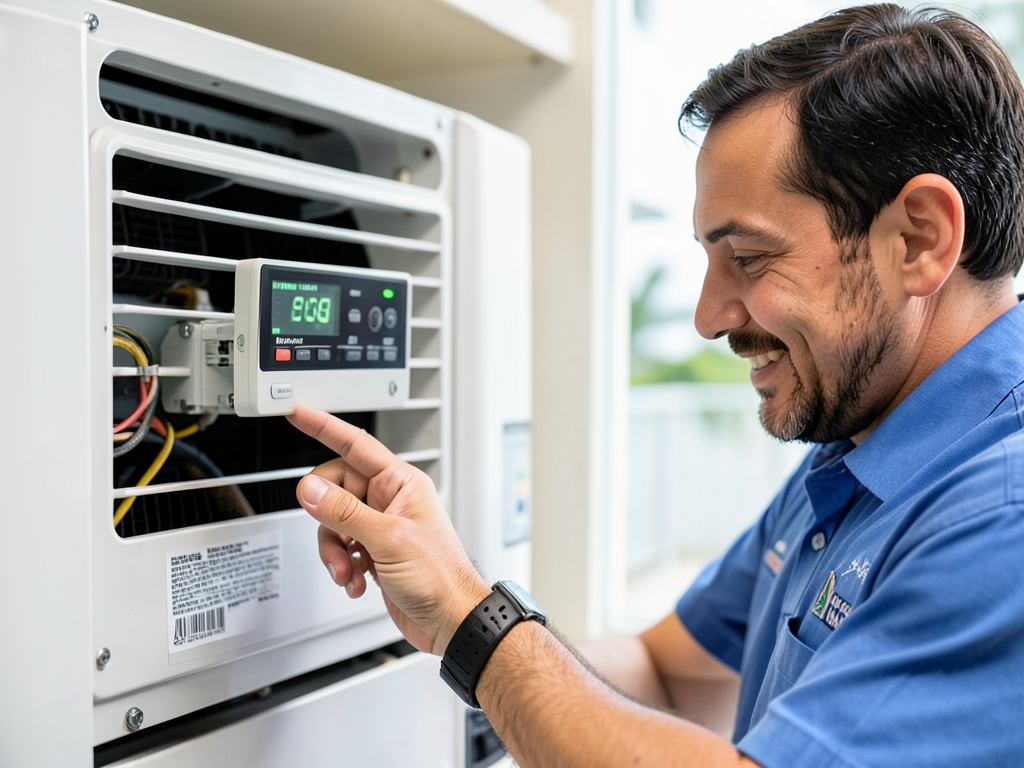
A licensed HVAC technician’s inspection report serves as crucial evidence in landlord-tenant disputes over AC repairs. When your landlord disputes the severity of the problem or claims the AC works properly, professional documentation becomes your strongest ally.
Professional technicians can diagnose specific issues that tenants might miss. They measure refrigerant levels, check electrical components, assess airflow, and determine whether the system can actually cool your apartment to safe temperatures. This technical expertise carries more weight with landlords, judges, and code enforcement officers than tenant observations alone. Expert Ductless Mini Split Installation for Coconut Grove Cottages.
The inspection report should include specific measurements: current indoor temperature, thermostat accuracy, system age, and any code violations found. These concrete details help establish whether the AC system meets Miami-Dade’s habitability standards.
Technicians can also identify whether the problem stems from the AC unit itself or other building issues like poor insulation, duct leaks, or electrical problems. This distinction matters because it affects who bears responsibility for repairs.
Many HVAC companies in Miami-Dade understand the landlord-tenant dynamic and can provide written assessments suitable for legal proceedings. They know what information code enforcement officers need and can testify about whether the system meets local housing standards.
The cost of a professional inspection typically ranges from $75 to $200, but this investment often proves worthwhile when dealing with uncooperative landlords or pursuing legal remedies.
Miami Renters Resource Directory
Several local resources can help Allapattah tenants navigate AC repair disputes. Knowing where to turn for help can resolve problems faster than going through legal channels alone.
Miami-Dade County 311 Service handles non-emergency code enforcement complaints. You can report AC failures that violate housing codes by calling 311 or using the county’s online portal. Code enforcement officers will inspect your apartment and issue violations if they find code violations. Reliable 24 Hour Emergency AC Repair in South Miami.
The University of Florida’s Small Farms and Alternative Enterprises program provides tenant rights information specific to Florida law. Their publications explain the legal framework for habitability disputes and the proper procedures for rent withholding.
Legal Services of Greater Miami offers free legal assistance to qualifying low-income tenants. They can review your lease, help draft legal notices, and represent you in court if necessary. Their attorneys understand Miami’s unique housing challenges and can navigate both state and local laws.
The Florida Department of Agriculture and Consumer Services maintains a tenant rights hotline and online resources. While they don’t handle individual disputes, they provide valuable information about your legal rights and the proper steps for resolving landlord-tenant conflicts.
Local tenant unions and housing advocacy groups often host workshops on tenant rights and can connect you with experienced advocates who understand Miami’s rental market. These organizations stay current on local housing trends and can provide practical advice based on recent cases.
Remember that timing matters in AC disputes. The longer you wait to address the problem, the harder it becomes to prove that the lack of cooling created uninhabitable conditions.
Heat Safety: Understanding the Health Risks
AC failure in Allapattah isn’t just uncomfortable – it can be dangerous. Miami’s combination of high heat and humidity creates conditions where the body cannot cool itself effectively through sweating.
Heat exhaustion symptoms include heavy sweating, weakness, dizziness, nausea, and headache. Without intervention, these symptoms can progress to heat stroke, a life-threatening condition where body temperature rises above 103 degrees and the body loses its ability to sweat.
Certain populations face higher risks. Elderly residents, young children, pregnant women, and people with chronic conditions like heart disease or diabetes are more vulnerable to heat-related illnesses. Medications for blood pressure, depression, or insomnia can also increase heat sensitivity.
Indoor temperatures above 80 degrees can already pose health risks for vulnerable individuals. When outdoor temperatures exceed 90 degrees with high humidity, indoor spaces without AC can quickly become dangerous, especially in apartments with poor ventilation or direct sun exposure.
Watch for warning signs in yourself and family members. Confusion, rapid pulse, hot dry skin, or loss of consciousness require immediate medical attention. Even milder symptoms like persistent headaches or fatigue indicate your body is struggling with the heat.
Document any health effects you experience due to AC failure. Medical records, pharmacy receipts for heat-related medications, and doctor’s notes can strengthen your case that the lack of cooling creates uninhabitable conditions.
Emergency Repairs vs. Routine Maintenance
Understanding the difference between emergency repairs and routine maintenance helps you communicate effectively with your landlord and code enforcement. AC failure in Miami’s heat typically qualifies as an emergency repair due to the immediate health risks.
Emergency repairs require immediate attention because they pose health or safety threats. AC failure during Miami’s summer months clearly meets this standard. Other emergency issues include no hot water, gas leaks, major plumbing failures, and electrical hazards.
Routine maintenance includes less urgent issues like minor leaks, worn carpet, or cosmetic damage. While these problems should eventually be addressed, they don’t create the same immediate health risks as AC failure in extreme heat.
The distinction affects response timelines. Emergency repairs should be addressed within 24-48 hours, while routine maintenance might allow for longer repair windows. When you report AC failure, emphasize the emergency nature due to Miami’s climate and the health risks to your household.
Document the timeline of your AC failure. Note when it stopped working, when you notified your landlord, and any interim measures you took to stay cool. This timeline helps establish whether your landlord responded appropriately to what constitutes an emergency repair.
Keep records of any costs you incur due to the AC failure, such as increased electricity from fans, temporary hotel stays, or medical expenses from heat-related illnesses. These documented damages can support your case for rent reduction or reimbursement.
Constructive Eviction: When AC Failure Forces You Out
Constructive eviction occurs when conditions become so uninhabitable that a tenant must vacate the premises. While AC failure alone rarely justifies constructive eviction, severe and prolonged HVAC problems combined with landlord inaction might meet this legal standard.
To establish constructive eviction, you must prove that the landlord’s failure to maintain the property made it uninhabitable, that you vacated because of these conditions, and that you provided proper notice of the problems. The conditions must be severe enough that a reasonable person would consider the property unlivable.
AC failure in Miami’s extreme heat could contribute to constructive eviction claims, especially when combined with other habitability issues like mold from humidity, pest infestations attracted by open windows, or health problems from prolonged heat exposure.
However, constructive eviction is a high legal standard. Courts require clear evidence that you truly had no choice but to leave and that you followed all proper procedures before vacating. Simply finding another apartment because you’re uncomfortable rarely meets the constructive eviction threshold.
If you believe you must leave due to uninhabitable conditions, document everything thoroughly. Take photos, keep temperature logs, save all communications with your landlord, and consult with a tenant rights attorney before moving out. Improperly executed constructive eviction claims can leave you liable for rent and damages.
Preventive Measures: Protecting Your Rights
Prevention often proves easier than cure when it comes to AC disputes. Taking proactive steps can help you avoid lengthy battles with landlords over repairs.
Before signing a lease, ask about the age and condition of the AC system. Request documentation of recent maintenance or repairs. While landlords aren’t required to provide this information, their willingness to share it often indicates how they’ll handle future repair requests.
Document the AC system’s condition when you move in. Take photos of the thermostat, vents, and any visible components. Note the make, model, and approximate age if visible on the unit. This baseline documentation helps establish whether pre-existing conditions contributed to later failures.
Understand your lease terms regarding repairs and maintenance. Some leases place repair responsibilities on tenants for certain components, while others give landlords broad discretion over repair timelines. Knowing these terms upfront helps you navigate disputes more effectively.
Consider renters insurance that covers temporary housing if your AC fails during extreme heat events. While this won’t force your landlord to make repairs, it provides a safety net if you need to relocate temporarily while repairs are completed.
Build relationships with neighbors who might face similar issues. If multiple units in your building experience AC problems, you gain strength in numbers when dealing with the landlord or property management company.
When to Call a Professional: Getting Expert Help
Sometimes you need professional help to resolve AC disputes effectively. Knowing when to call in experts can save you time, money, and frustration.
Call a licensed HVAC contractor when your landlord disputes the severity of the AC problem or claims the system works properly. Professional technicians can provide objective assessments that carry more weight than tenant observations.
Consider legal assistance when your landlord ignores written notices, threatens retaliation for repair requests, or when you’re considering rent withholding. Tenant rights attorneys understand the nuances of Florida and Miami-Dade laws and can help you navigate complex situations.
Contact code enforcement when your landlord refuses to make necessary repairs despite proper notice and professional assessments. Miami-Dade County inspectors can issue violations and compel repairs through official channels.
Reach out to tenant advocacy groups when you need support navigating the repair process or understanding your rights. These organizations often provide free workshops, legal clinics, and advocacy services.
Document all professional interactions. Keep copies of inspection reports, legal correspondence, and code enforcement records. This documentation creates a paper trail that proves invaluable if disputes escalate to court proceedings.
Understanding Your Lease: The Fine Print Matters
Your lease agreement often contains crucial information about repair responsibilities and procedures. Reading and understanding these terms before problems arise can prevent misunderstandings later.
Look for clauses about maintenance responsibilities, repair procedures, and what constitutes emergency repairs. Some leases specify that tenants must notify landlords in writing about needed repairs, while others outline specific response timeframes.
Pay attention to any clauses about rent withholding or repair and deduct provisions. Some leases prohibit tenants from withholding rent or making repairs themselves, while others might allow certain self-help remedies under specific conditions.
Check for provisions about temporary housing or rent abatement if the property becomes uninhabitable. While rare in standard leases, some agreements include clauses about what happens if major systems like AC fail for extended periods.
Understand any requirements about giving access to repair personnel. Most leases require tenants to allow reasonable access for repairs, but this shouldn’t mean your landlord can enter your apartment without proper notice.
If your lease contains unclear or concerning provisions, consider having a tenant rights attorney review it before signing. The cost of legal review often pales compared to the potential costs of disputes over ambiguous lease terms.
Frequently Asked Questions
How long can my landlord take to fix the AC in Miami?
Under Miami-Dade County code, HVAC failures typically require attention within 24-48 hours due to the health risks posed by extreme heat. However, Florida law generally requires ‘reasonable time’ for repairs. The specific timeline depends on the severity of the failure and whether it’s considered an emergency repair under your lease and local codes.
Can I break my lease if the AC isn’t fixed?
Breaking a lease solely due to AC failure is risky and often doesn’t meet the legal standard for constructive eviction. You must prove the conditions are so severe that the property becomes uninhabitable and that you followed all proper procedures. Consult with a tenant rights attorney before breaking a lease to understand the potential consequences.
What if my landlord says the AC works but it’s not cooling properly?
Professional HVAC inspection can resolve this dispute. Licensed technicians can measure actual cooling capacity, check refrigerant levels, and determine whether the system meets manufacturer specifications. Their written report carries more weight than either party’s opinion and can be used in code enforcement proceedings.
Does renters insurance cover AC repairs?
Standard renters insurance typically doesn’t cover AC repairs since the system is part of the building, which is your landlord’s responsibility. However, some policies offer coverage for temporary housing if your apartment becomes uninhabitable due to system failures. Check your specific policy details or consider adding this coverage.
Can my landlord raise my rent after fixing the AC?
Landlords can raise rent when leases renew, subject to local rent control laws and proper notice requirements. However, they cannot raise rent as retaliation for repair requests or as punishment for exercising your tenant rights. If you suspect retaliation, document everything and consider legal assistance.
What temperature is considered too hot for an apartment in Miami?
While there’s no specific legal temperature threshold, indoor temperatures above 80 degrees can pose health risks, especially for vulnerable populations. Miami-Dade County code requires landlords to maintain heating and cooling systems in good working order, which generally means keeping indoor temperatures at safe, comfortable levels during extreme outdoor heat.
Should I buy a portable AC unit while waiting for repairs?
Portable AC units can provide temporary relief, but they increase your electricity costs and may not adequately cool your entire apartment. If you purchase one, keep receipts and document the additional costs. You might be able to seek reimbursement from your landlord or deduct these costs from future rent, but proper legal procedures must be followed.
Take Action Today: Protect Your Rights and Comfort
Living without air conditioning in Allapattah’s Miami heat isn’t just uncomfortable – it’s a serious health risk that your landlord has a legal obligation to address. Understanding your rights under Florida law and Miami-Dade County codes gives you the knowledge to demand proper repairs and protect your well-being.
If your AC has failed and your landlord isn’t responding, don’t wait for the situation to become dangerous. Document the problem, send proper notice, and consider professional HVAC inspection to establish the facts. Remember that Miami-Dade’s specific housing codes provide stronger protections than state law alone.
For expert HVAC assessment and documentation that can support your tenant rights case, contact Horizon Heating and Cooling at (786) 789-8277. Our licensed technicians understand Miami’s unique climate challenges and can provide the professional reports you need to resolve AC disputes effectively.
Don’t let Miami’s heat compromise your health and comfort. Take action today to ensure your landlord meets their legal obligations and your apartment remains a safe, habitable environment year-round.

{
“@context”: “https://schema.org”,
“@type”: “BlogPosting”,
“headline”: “Who is responsible for AC repairs in Allapattah apartment rentals?”,
“description”: “Learn your rights as an Allapattah tenant. Discover Florida law, Miami-Dade codes, and the 7-day notice process for getting your landlord to fix your broken AC.”,
“wordCount”: 3397,
“datePublished”: “2026-06-01T05:42:00.000Z”,
“dateModified”: “2026-06-01T05:42:00.000Z”,
“inLanguage”: “en-US”,
“mainEntityOfPage”: {
“@type”: “WebPage”,
“@id”: “https://horizonheatingandcoolingmiami.com”
},
“publisher”: {
“@type”: “LocalBusiness”,
“name”: “Horizon Heating and Cooling Miami”,
“url”: “https://horizonheatingandcoolingmiami.com”
},
“author”: {
“@type”: “Organization”,
“name”: “Horizon Heating and Cooling Miami”,
“url”: “https://horizonheatingandcoolingmiami.com”
},
“image”: {
“@type”: “ImageObject”,
“url”: “https://horizonheatingandcoolingmiami.com/wp-content/uploads/2026/03/who-is-responsible-for-ac-repairs-in-allapattah-ap-1.png”
}
}
{
“@context”: “https://schema.org”,
“@type”: “HVACBusiness”,
“name”: “Horizon Heating and Cooling Miami”,
“url”: “https://horizonheatingandcoolingmiami.com”,
“address”: {
“@type”: “PostalAddress”,
“addressLocality”: “Miami”
},
“areaServed”: {
“@type”: “City”,
“name”: “Miami”
}
}
{
“@context”: “https://schema.org”,
“@type”: “FAQPage”,
“mainEntity”: [
{
“@type”: “Question”,
“name”: “Understanding Your Rights: Is AC Required in Miami Rentals?”,
“acceptedAnswer”: {
“@type”: “Answer”,
“text”: “Living in Allapattah means dealing with Miami’s relentless heat and humidity year-round. When your apartment’s air conditioning fails, you need to know exactly where you stand under Florida law and Miami-Dade County codes. Miami-Dade County 311 Service.”
}
},
{
“@type”: “Question”,
“name”: “Can You Withhold Rent for Broken AC in Miami?”,
“acceptedAnswer”: {
“@type”: “Answer”,
“text”: “Withholding rent for AC repairs carries significant legal risks that many tenants don’t understand. Florida law treats rent withholding as a serious matter, and improper withholding can result in eviction proceedings.”
}
},
{
“@type”: “Question”,
“name”: “How long can my landlord take to fix the AC in Miami?”,
“acceptedAnswer”: {
“@type”: “Answer”,
“text”: “Under Miami-Dade County code, HVAC failures typically require attention within 24-48 hours due to the health risks posed by extreme heat. However, Florida law generally requires ‘reasonable time’ for repairs. The specific timeline depends on the severity of the failure and whether it’s considered an emergency repair under your lease and local codes.”
}
},
{
“@type”: “Question”,
“name”: “Can I break my lease if the AC isn’t fixed?”,
“acceptedAnswer”: {
“@type”: “Answer”,
“text”: “Breaking a lease solely due to AC failure is risky and often doesn’t meet the legal standard for constructive eviction. You must prove the conditions are so severe that the property becomes uninhabitable and that you followed all proper procedures. Consult with a tenant rights attorney before breaking a lease to understand the potential consequences.”
}
},
{
“@type”: “Question”,
“name”: “What if my landlord says the AC works but it’s not cooling properly?”,
“acceptedAnswer”: {
“@type”: “Answer”,
“text”: “Professional HVAC inspection can resolve this dispute. Licensed technicians can measure actual cooling capacity, check refrigerant levels, and determine whether the system meets manufacturer specifications. Their written report carries more weight than either party’s opinion and can be used in code enforcement proceedings.”
}
},
{
“@type”: “Question”,
“name”: “Does renters insurance cover AC repairs?”,
“acceptedAnswer”: {
“@type”: “Answer”,
“text”: “Standard renters insurance typically doesn’t cover AC repairs since the system is part of the building, which is your landlord’s responsibility. However, some policies offer coverage for temporary housing if your apartment becomes uninhabitable due to system failures. Check your specific policy details or consider adding this coverage.”
}
},
{
“@type”: “Question”,
“name”: “Can my landlord raise my rent after fixing the AC?”,
“acceptedAnswer”: {
“@type”: “Answer”,
“text”: “Landlords can raise rent when leases renew, subject to local rent control laws and proper notice requirements. However, they cannot raise rent as retaliation for repair requests or as punishment for exercising your tenant rights. If you suspect retaliation, document everything and consider legal assistance.”
}
},
{
“@type”: “Question”,
“name”: “Should I buy a portable AC unit while waiting for repairs?”,
“acceptedAnswer”: {
“@type”: “Answer”,
“text”: “Portable AC units can provide temporary relief, but they increase your electricity costs and may not adequately cool your entire apartment. If you purchase one, keep receipts and document the additional costs. You might be able to seek reimbursement from your landlord or deduct these costs from future rent, but proper legal procedures must be followed.”
}
}
]
}
{
“@context”: “https://schema.org”,
“@type”: “BreadcrumbList”,
“itemListElement”: [
{
“@type”: “ListItem”,
“position”: 1,
“name”: “Home”,
“item”: “https://horizonheatingandcoolingmiami.com”
},
{
“@type”: “ListItem”,
“position”: 2,
“name”: “Blog”,
“item”: “https://horizonheatingandcoolingmiami.com/blog”
},
{
“@type”: “ListItem”,
“position”: 3,
“name”: “Who is responsible for AC repairs in Allapattah apartment rentals?”
}
]
}
{
“@context”: “https://schema.org”,
“@type”: “Service”,
“serviceType”: “HVAC”,
“provider”: {
“@type”: “LocalBusiness”,
“name”: “Horizon Heating and Cooling Miami”,
“url”: “https://horizonheatingandcoolingmiami.com”
},
“areaServed”: {
“@type”: “City”,
“name”: “Miami”
},
“description”: “Learn your rights as an Allapattah tenant. Discover Florida law, Miami-Dade codes, and the 7-day notice process for getting your landlord to fix your broken AC.”
}