
What that ozone smell in your Downtown Miami loft means after a heavy summer storm
That sharp metallic smell hitting your nose after a thunderstorm is not your imagination. You are breathing ozone. In the open air it is a normal byproduct of lightning. Inside your loft it can mean something is burning inside your HVAC system. This is not a minor annoyance. It is an electrical fire warning sign.. Read more about What that weird metallic smell from your Golden Glades AC unit really means.
The first thing you do is turn the system off at the thermostat and the circuit breaker. Do not wait. Do not open panels. Call a licensed HVAC technician. The longer the arcing continues the more damage it does and the greater the fire risk.
Why does this happen so often in Downtown Miami after summer storms? Our coastal salt air eats away at wiring insulation. Add hurricane-season humidity and you get accelerated corrosion inside the air handler. When insulation breaks down electrical current can jump through the air. That arc of electricity splits oxygen molecules and creates ozone. The smell is the symptom. The arcing is the problem. How to Get Your Miami Lakes HVAC System Ready for the Summer Heat.
Common causes include:
- Shorted blower motor windings
- Failed run capacitor with dielectric breakdown
- Worn contactor points sparking
- Damaged wiring from salt corrosion
- Malfunctioning UV germicidal light producing excess ozone
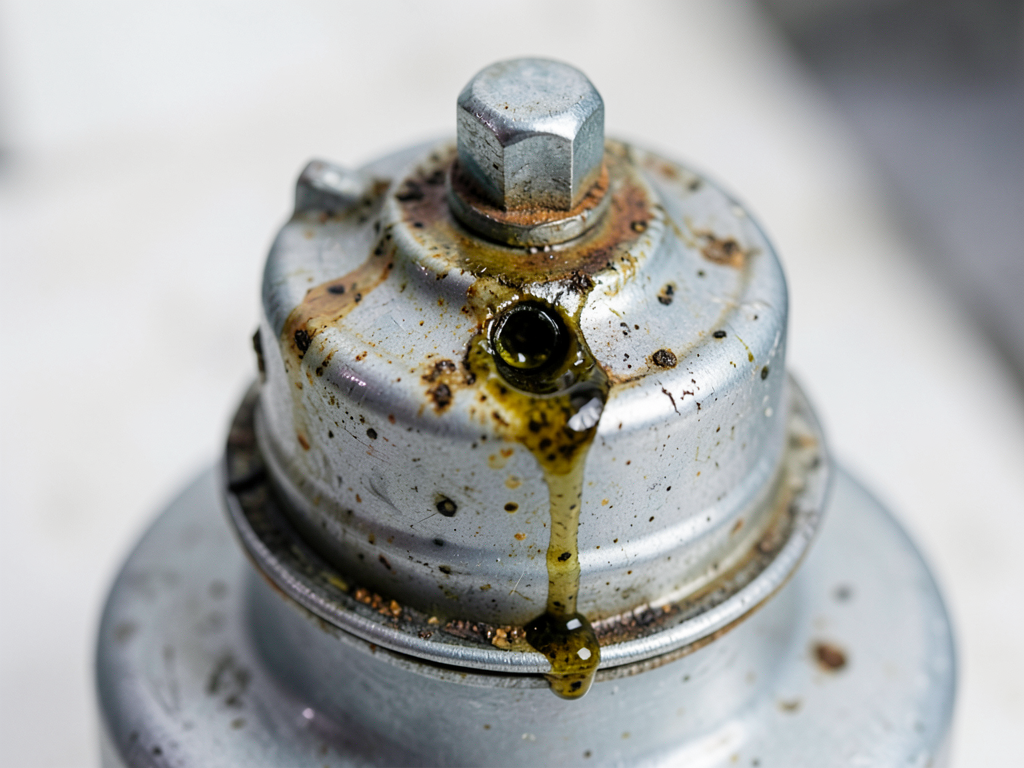
A failing capacitor is the most frequent culprit. It stores high voltage to start the motor. When the dielectric inside breaks down it can arc and release ozone. The capacitor may bulge or leak oil. A blower motor nearing the end of its life can also produce the same smell when its windings short out.
South Florida’s climate makes these failures more common. Salt-laden air accelerates metal oxidation. High humidity keeps components wet longer. The result is faster wear on electrical contacts and wire coatings. A system that might last fifteen years elsewhere can fail in ten here. That is why regular maintenance in Miami is not optional. It is a safety necessity. Florida Building Code HVAC requirements.
Sometimes the smell is not from a short at all. UV air purifiers and ozone generators can produce a similar scent when they are dirty or set too high. In that case the unit is working as designed but the output is excessive. Still, you should not ignore it. High indoor ozone levels irritate lungs and can trigger asthma attacks. The EPA recommends keeping indoor levels below 0.07 parts per million. EPA guidelines on ozone generators.
How do you tell the difference between an electrical short and a purifier malfunction? An electrical short often comes with a burning plastic undertone and may cause the system to shut down or trip a breaker. A purifier’s ozone smell is cleaner and more consistent. If you are unsure turn the system off and call a technician. Do not guess with electricity.
DIY checks have limits. You can look for obvious signs like melted wire insulation or a swollen capacitor. Anything beyond that requires a licensed professional. Working inside a live HVAC cabinet without proper tools and training risks shock or worse. In Miami, all electrical work on HVAC equipment must meet Florida Building Code and local permit requirements. HVAC Miami Lakes.
Prevention starts with maintenance. Schedule a tune-up before storm season. Ask the technician to inspect capacitors, contactors, and wiring for corrosion. Install a whole-house surge protector to guard against lightning strikes. Keep the area around your air handler dry and well ventilated. These steps cost far less than an emergency replacement. Reliable 24 Hour Emergency AC Repair in South Miami.
If you catch the smell early you may only need a capacitor or motor replacement. Ignore it and you could face a complete system failure. In a city where summer heat indexes top 100 degrees that is more than an inconvenience. It is a health risk for children, seniors, and anyone with respiratory issues.
Still unsure what you are smelling? Here is a quick comparison to help you decide:
| Scent Type | Common Cause | Visual Sign | Immediate Action |
|---|---|---|---|
| Ozone + metallic | Electrical arcing | Burned wire, swollen capacitor | Turn off system |
| Ozone + clean | UV purifier malfunction | Clean or replace bulb | Turn off system |
| Burning plastic | Motor burnout | Melted insulation, smoke | Turn off system |
| Dirty socks | Microbial growth | Black buildup on coil | Schedule cleaning |
Notice the pattern. Any sharp electrical smell means shut the system down first. Safety comes before diagnosis.
Living in a Downtown Miami loft means dealing with unique HVAC challenges. High-rise buildings often have packaged units on the roof or vertical air handlers in utility closets. These spaces trap heat and humidity making corrosion faster. Add the salt air from nearby Biscayne Bay and you get a perfect storm for electrical wear. That is why many loft owners in the Arts & Entertainment District schedule twice-yearly inspections instead of once.
If you live in nearby Edgewater or the Design District you face the same risks. The buildings are newer but the coastal exposure is identical. Even a few blocks from the water is enough for salt to settle on electrical contacts. Over time that invisible layer turns into a short waiting to happen.
The cost of ignoring the smell can be steep. A capacitor replacement runs a few hundred dollars. A new blower motor can hit eight hundred. Wait until the compressor is damaged and you are looking at several thousand. In a rental loft those costs fall on you fast. In a condo the building may require proof of maintenance before covering any part of the repair.
Here is what a proactive maintenance plan looks like for a Miami loft:
- Test capacitors for microfarad output and replace if below 90 percent of rated value
- Inspect contactor points and replace if pitted
- Check wiring insulation for cracks or brittleness
- Clean evaporator and condenser coils to prevent overheating
- Verify refrigerant charge to avoid motor strain
- Test surge protection and replace if outdated
These steps take less than two hours during a routine visit. They can add years to your system life and prevent that heart-dropping ozone smell.
Still smelling something odd after the storm? Do not open the unit. Do not flip breakers hoping it will reset. Ozone means arcing. Arcing means heat. Heat near wires means fire risk. The smartest move is to shut it down and call a licensed Miami HVAC technician who understands coastal corrosion and high-rise building codes.
At Horizon Heating and Cooling we have spent fifteen years solving exactly these problems for Downtown Miami lofts, Edgewater high-rises, and Design District townhomes. Our technicians carry the tools to test capacitors under load, inspect wiring without powering the unit, and verify that every repair meets Miami-Dade County standards. We also offer maintenance plans that include pre-storm inspections so you can relax when the next squall line rolls in.
If you smell ozone after a storm turn the system off now. Then call us at (786) 789-8277. We will dispatch a certified technician to your loft within hours. You get a full diagnostic, a clear repair quote, and the peace of mind that comes from knowing your system is safe and ready for Miami’s next heatwave.
Frequently Asked Questions
Is an ozone smell always dangerous?
Yes. Any sharp electrical smell means arcing is occurring. Turn off the system and call a professional immediately.
Can I keep running the AC if the smell is faint?
No. Even a faint smell indicates a developing short. Continuing to run the system can cause a fire or destroy expensive components.
How much does it cost to fix an arcing capacitor?
Most capacitor replacements cost between $150 and $300 including parts and labor, depending on the unit size and accessibility.
Will my homeowner’s insurance cover this?
Damage from a sudden electrical fault is often covered, but neglect or lack of maintenance may void the claim. Check your policy and keep maintenance records.
How often should I have my loft’s HVAC inspected?
In Miami’s coastal climate, twice-yearly inspections are ideal—once before summer and once after storm season.
{
“@context”: “https://schema.org”,
“@type”: “BlogPosting”,
“headline”: “What that ozone smell in your Downtown Miami loft means after a heavy summer storm”,
“description”: “Is your AC giving off an ozone smell after Miami’s summer storms? Learn the electrical dangers, safety steps, and how salt-air corrosion accelerates HVAC failures.”,
“wordCount”: 1345,
“datePublished”: “2026-06-26T15:11:00.000Z”,
“dateModified”: “2026-06-26T15:11:00.000Z”,
“inLanguage”: “en-US”,
“mainEntityOfPage”: {
“@type”: “WebPage”,
“@id”: “https://horizonheatingandcoolingmiami.com”
},
“publisher”: {
“@type”: “LocalBusiness”,
“name”: “Horizon Heating and Cooling Miami”,
“url”: “https://horizonheatingandcoolingmiami.com”
},
“author”: {
“@type”: “Organization”,
“name”: “Horizon Heating and Cooling Miami”,
“url”: “https://horizonheatingandcoolingmiami.com”
},
“image”: {
“@type”: “ImageObject”,
“url”: “https://horizonheatingandcoolingmiami.com/wp-content/uploads/2026/03/what-that-ozone-smell-in-your-downtown-miami-loft-1.png”
}
}
{
“@context”: “https://schema.org”,
“@type”: “HVACBusiness”,
“name”: “Horizon Heating and Cooling Miami”,
“url”: “https://horizonheatingandcoolingmiami.com”,
“address”: {
“@type”: “PostalAddress”,
“addressLocality”: “Miami”
},
“areaServed”: {
“@type”: “City”,
“name”: “Miami”
}
}
{
“@context”: “https://schema.org”,
“@type”: “FAQPage”,
“mainEntity”: [
{
“@type”: “Question”,
“name”: “Is an ozone smell always dangerous?”,
“acceptedAnswer”: {
“@type”: “Answer”,
“text”: “Yes. Any sharp electrical smell means arcing is occurring. Turn off the system and call a professional immediately.”
}
},
{
“@type”: “Question”,
“name”: “Can I keep running the AC if the smell is faint?”,
“acceptedAnswer”: {
“@type”: “Answer”,
“text”: “No. Even a faint smell indicates a developing short. Continuing to run the system can cause a fire or destroy expensive components.”
}
},
{
“@type”: “Question”,
“name”: “How much does it cost to fix an arcing capacitor?”,
“acceptedAnswer”: {
“@type”: “Answer”,
“text”: “Most capacitor replacements cost between $150 and $300 including parts and labor, depending on the unit size and accessibility.”
}
},
{
“@type”: “Question”,
“name”: “Will my homeowner’s insurance cover this?”,
“acceptedAnswer”: {
“@type”: “Answer”,
“text”: “Damage from a sudden electrical fault is often covered, but neglect or lack of maintenance may void the claim. Check your policy and keep maintenance records.”
}
},
{
“@type”: “Question”,
“name”: “How often should I have my loft’s HVAC inspected?”,
“acceptedAnswer”: {
“@type”: “Answer”,
“text”: “In Miami’s coastal climate, twice-yearly inspections are ideal—once before summer and once after storm season.”
}
}
]
}
{
“@context”: “https://schema.org”,
“@type”: “BreadcrumbList”,
“itemListElement”: [
{
“@type”: “ListItem”,
“position”: 1,
“name”: “Home”,
“item”: “https://horizonheatingandcoolingmiami.com”
},
{
“@type”: “ListItem”,
“position”: 2,
“name”: “Blog”,
“item”: “https://horizonheatingandcoolingmiami.com/blog”
},
{
“@type”: “ListItem”,
“position”: 3,
“name”: “What that ozone smell in your Downtown Miami loft means after a heavy summer storm”
}
]
}
{
“@context”: “https://schema.org”,
“@type”: “Service”,
“serviceType”: “HVAC”,
“provider”: {
“@type”: “LocalBusiness”,
“name”: “Horizon Heating and Cooling Miami”,
“url”: “https://horizonheatingandcoolingmiami.com”
},
“areaServed”: {
“@type”: “City”,
“name”: “Miami”
},
“description”: “Is your AC giving off an ozone smell after Miami’s summer storms? Learn the electrical dangers, safety steps, and how salt-air corrosion accelerates HVAC failures.”
}