
What that high pitched whistling sound from your AC actually means
That sharp whistling sound coming from your air conditioner is not something to ignore. In Miami’s humid climate where your AC runs almost year-round, a whistle often signals a pressure or airflow problem that could lead to system failure or higher energy bills. How to Get Your Miami Lakes HVAC System Ready for the Summer Heat.
Before you panic, let’s break down what that sound actually means and what you should do about it.
Common causes of AC whistling sounds
Whistling noises in HVAC systems typically point to air escaping through small gaps or struggling to move through restricted passages. Here are the most frequent culprits: The Best Air Purification Systems for Luxury Pinecrest Estates.
| Location of Sound | Most Likely Cause | Urgency Level |
|---|---|---|
| From vents/registers | Closed or blocked vents | Low |
| From return air grille | Dirty filter or undersized return | Medium |
| From outdoor unit | Blower motor bearing wear | High |
| From ductwork | Leaky or collapsed ducts | Medium-High |
| Near indoor unit | TXV valve malfunction | High |
Why your Miami AC is whistling
South Florida’s climate creates unique conditions that make whistling more common here than in other regions. Our high humidity means AC systems run longer cycles, which puts more stress on components. The salt air in coastal areas like South Miami and Coral Gables accelerates corrosion on metal parts including blower wheels and motor bearings.
Many Miami homes, especially older ones in Coral Gables and Coconut Grove, have ductwork that wasn’t designed for today’s high-efficiency systems. When you upgrade to a more powerful unit without updating the duct sizing, the increased airflow creates higher static pressure that can cause whistling through any available opening. HVAC Miami Lakes.
Another factor is our year-round cooling demand. Unlike northern states where ACs get seasonal breaks, Miami systems run almost continuously from April through October. This constant operation means wear items like blower motor bearings deteriorate faster, leading to the high-pitched whine you’re hearing.
Is that whistling sound dangerous?
Some whistling is merely annoying while other types signal serious problems. Here’s how to tell the difference:
- Annoying but safe: A soft whistle when vents are slightly closed usually just means restricted airflow. Your system will work harder but won’t fail immediately.
- Needs attention: A loud whistle from the return air grille often means your filter is completely clogged or your return duct is undersized. This reduces efficiency and can cause the evaporator coil to freeze.
- Emergency: A sudden loud whistle accompanied by warm air blowing from vents could mean your blower motor is failing or you have a refrigerant leak. Turn off the system and call for service.
If you hear whistling along with other symptoms like ice on the refrigerant lines, water leaks around the indoor unit, or the system cycling on and off rapidly, you need professional diagnosis immediately.
DIY checks for whistling AC sounds
Before calling for service, you can check a few things yourself. These simple steps might resolve the issue or at least help you describe the problem to a technician:
- Check air filters
Locate your air filter (usually in the return air grille or near the indoor unit). If it’s completely covered in dust, replace it with a new one. In Miami’s dusty environment, check filters monthly.
- Inspect supply vents
Walk through your home and make sure all supply vents are open and not blocked by furniture, curtains, or rugs. Closed vents create backpressure that causes whistling.
- Listen for location
Carefully approach your indoor unit while it’s running. If the whistle seems loudest there, the problem is likely internal rather than in your ducts.
- Check for ice
Look at the copper refrigerant lines outside. If you see ice buildup, turn off the system immediately. This indicates restricted airflow or low refrigerant.
When to call a Miami HVAC professional
Professional service is needed when:
- The whistling persists after changing the filter and opening all vents
- You hear the sound coming from the outdoor condenser unit
- The whistling is accompanied by reduced cooling capacity
- You notice water leaking around the indoor unit
- The sound is new and getting louder over days or weeks
In Miami’s heat, waiting too long can turn a simple repair into a major system failure. Our coastal humidity also means moisture can enter ductwork through small leaks, creating conditions for mold growth behind your walls. EPA guide to air conditioning and indoor air quality.
How Miami’s climate affects AC whistling
The combination of heat, humidity, and salt air in South Florida creates conditions that accelerate wear on AC components. Here’s what’s happening:
Humidity effects: When humidity levels exceed 70% (common from May through October), your AC runs longer cycles to remove moisture from the air. This extended operation means blower motors spin for more hours, wearing down bearings faster than in drier climates.
Salt air corrosion: Homes within a few miles of the coast, including areas like Coconut Grove and parts of Coral Gables, experience accelerated corrosion on aluminum and copper components. Salt particles in the air settle on condenser coils, fan blades, and electrical connections, causing them to degrade faster.
Year-round operation: Unlike northern states where ACs get seasonal breaks, Miami systems run almost continuously for six to eight months. This constant operation means wear items like blower motor bearings deteriorate 2-3 times faster than in areas with seasonal cooling.
Professional solutions for whistling AC systems
When you call a professional, here’s what they’ll typically check:
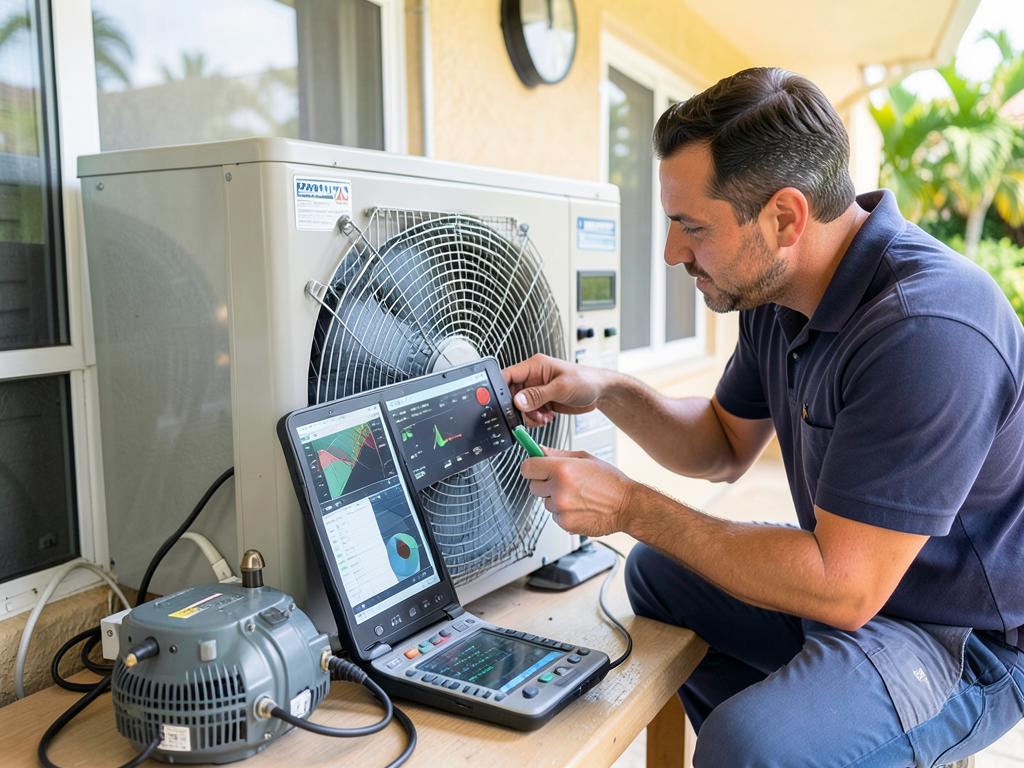
Ductwork inspection: Technicians use specialized tools to measure static pressure in your duct system. If pressure is too high, they might recommend resizing ducts, adding return air grilles, or installing a variable-speed blower that can adjust to your home’s needs.
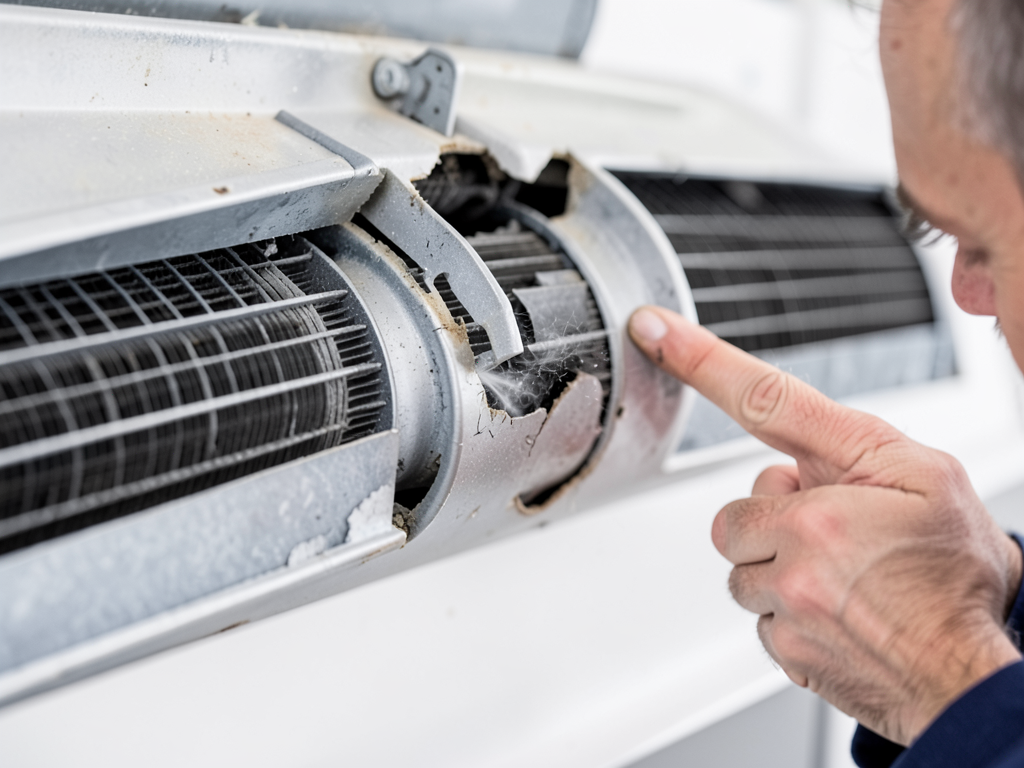
Blower motor service: A whistling sound from the indoor unit often means the blower motor bearings need lubrication or replacement. In Miami’s humid climate, bearings can seize up in as little as 3-4 years without proper maintenance.
TXV valve diagnosis: The thermostatic expansion valve controls refrigerant flow. When it malfunctions, you might hear a high-pitched sound as refrigerant struggles to pass through. This requires specialized tools to diagnose and isn’t a DIY fix.
Duct sealing: Small leaks in ductwork can create whistling sounds as air escapes under pressure. Professionals use duct testing equipment to find these leaks and seal them with mastic or specialized tape.
Preventing future whistling sounds
Prevention is always better than emergency repairs in Miami’s heat. Here are maintenance steps that help prevent whistling and other AC problems:
- Monthly filter checks: In Miami’s dusty, pollen-heavy environment, check your filter every 30 days. Replace it when you can’t see light through it.
- Annual professional tune-up: Have a licensed technician inspect your system before the summer heat hits. They’ll check refrigerant levels, clean coils, and lubricate moving parts.
- Duct cleaning consideration: If your home is over 10 years old and you’ve never had the ducts cleaned, consider professional cleaning to remove dust buildup that restricts airflow.
- Monitor system performance: Pay attention to changes in cooling capacity, unusual sounds, or increased energy bills. These often precede major failures.
For homes in coastal areas, consider having your outdoor unit professionally cleaned twice yearly to remove salt buildup from the coils and fan blades.
The cost factor: whistling vs. system failure
Addressing a whistling sound early typically costs $150-400 for diagnosis and minor repairs. Ignoring it can lead to:
- Complete blower motor failure ($500-1,200 repair)
- Refrigerant leaks requiring system recharge ($300-800)
- Compressor damage from low refrigerant ($1,500-3,000 repair)
- Complete system replacement if damage is severe ($4,000-8,000)
In Miami’s heat, an AC failure isn’t just inconvenient—it can make your home unsafe, especially for elderly residents or those with health conditions. The humidity also rises quickly without AC, potentially causing mold growth within 24-48 hours.
Local expertise matters
Choosing a Miami-based HVAC company means working with technicians who understand our specific challenges. They know that a Coral Gables historic home might have plaster walls that complicate duct modifications, or that a Pinecrest estate might need specialized zoning to handle large square footage efficiently.
Local companies also stock common replacement parts for Miami’s most popular AC brands, meaning faster repairs when you need them most. During our summer heatwaves, response times from out-of-area companies can stretch to days, while local technicians often provide same-day service.. Read more about Troubleshooting common issues with Lennox air conditioners in Kendale Lakes.
Frequently Asked Questions
Why does my AC whistle only at certain times?
Whistling that comes and goes often relates to system cycling or outdoor temperature changes. Your AC might whistle when it first starts up (higher pressure), during peak heat when it’s working hardest, or when humidity spikes cause longer run times.
Can a dirty air filter cause whistling?
Yes, absolutely. A completely clogged filter restricts airflow so severely that air whistles as it’s forced through tiny gaps around the filter frame or through the filter material itself. This is one of the most common causes.
Is whistling from the outdoor unit different from indoor whistling?
Yes. Outdoor whistling often indicates fan motor bearing wear or refrigerant flow issues, while indoor whistling usually points to airflow restrictions, duct leaks, or blower motor problems. The location helps technicians diagnose the issue faster.
How long can I safely run my AC if it’s whistling?
If the whistling is new and getting louder, turn off the system and call for service. Running a malfunctioning AC can cause expensive damage. If it’s a soft, consistent whistle that’s been there for a while, you can run it for a few days but should schedule inspection soon.
Will a whistling AC increase my electric bill?
Yes. Whistling usually indicates the system is working harder than designed, either fighting against restricted airflow or leaking conditioned air. This inefficiency can increase cooling costs by 20-40% until the underlying issue is fixed.
Don’t let that whistle turn into a breakdown
That whistling sound from your AC is your system’s way of asking for help. In Miami’s demanding climate, small issues can escalate quickly into major failures that leave you without cooling during our hottest months.
If you’re hearing whistling from your air conditioner, don’t wait for complete failure. Our Miami-based technicians can diagnose the problem quickly and get your system running quietly and efficiently again. We understand the unique challenges of cooling homes in South Florida’s heat and humidity.
Call us today at (786) 789-8277 for fast, professional service. We’ll have your AC running whisper-quiet again before the next heatwave hits.
Need emergency service? We offer 24/7 emergency repairs throughout Miami-Dade County, including South Miami, Coral Gables, Coconut Grove, and surrounding areas. Don’t let a small whistle become a big problem. For more information, visit U.S. Department of Energy air conditioning guide.
You may also find this helpful. What that ozone smell in your Downtown Miami loft means after a heavy summer storm.
You may also find this helpful. Why your Silver Bluff home needs an AC float switch to prevent ceiling water damage.
{
“@context”: “https://schema.org”,
“@type”: “BlogPosting”,
“headline”: “What that high pitched whistling sound from your AC actually means”,
“description”: “Hearing a whistling sound from your AC in Miami? Learn the common causes, when it’s dangerous, and how our local experts can fix it fast.”,
“wordCount”: 1792,
“datePublished”: “2026-06-08T12:17:00.000Z”,
“dateModified”: “2026-06-08T12:17:00.000Z”,
“inLanguage”: “en-US”,
“mainEntityOfPage”: {
“@type”: “WebPage”,
“@id”: “https://horizonheatingandcoolingmiami.com”
},
“publisher”: {
“@type”: “LocalBusiness”,
“name”: “Horizon Heating and Cooling Miami”,
“url”: “https://horizonheatingandcoolingmiami.com”
},
“author”: {
“@type”: “Organization”,
“name”: “Horizon Heating and Cooling Miami”,
“url”: “https://horizonheatingandcoolingmiami.com”
},
“image”: {
“@type”: “ImageObject”,
“url”: “https://horizonheatingandcoolingmiami.com/wp-content/uploads/2026/03/what-that-high-pitched-whistling-sound-from-your-a-1.png”
}
}
{
“@context”: “https://schema.org”,
“@type”: “HVACBusiness”,
“name”: “Horizon Heating and Cooling Miami”,
“url”: “https://horizonheatingandcoolingmiami.com”,
“address”: {
“@type”: “PostalAddress”,
“addressLocality”: “Miami”
},
“areaServed”: {
“@type”: “City”,
“name”: “Miami”
}
}
{
“@context”: “https://schema.org”,
“@type”: “FAQPage”,
“mainEntity”: [
{
“@type”: “Question”,
“name”: “Is that whistling sound dangerous?”,
“acceptedAnswer”: {
“@type”: “Answer”,
“text”: “Some whistling is merely annoying while other types signal serious problems. Here’s how to tell the difference:”
}
},
{
“@type”: “Question”,
“name”: “Why does my AC whistle only at certain times?”,
“acceptedAnswer”: {
“@type”: “Answer”,
“text”: “Whistling that comes and goes often relates to system cycling or outdoor temperature changes. Your AC might whistle when it first starts up (higher pressure), during peak heat when it’s working hardest, or when humidity spikes cause longer run times.”
}
},
{
“@type”: “Question”,
“name”: “Can a dirty air filter cause whistling?”,
“acceptedAnswer”: {
“@type”: “Answer”,
“text”: “Yes, absolutely. A completely clogged filter restricts airflow so severely that air whistles as it’s forced through tiny gaps around the filter frame or through the filter material itself. This is one of the most common causes.”
}
},
{
“@type”: “Question”,
“name”: “Is whistling from the outdoor unit different from indoor whistling?”,
“acceptedAnswer”: {
“@type”: “Answer”,
“text”: “Yes. Outdoor whistling often indicates fan motor bearing wear or refrigerant flow issues, while indoor whistling usually points to airflow restrictions, duct leaks, or blower motor problems. The location helps technicians diagnose the issue faster.”
}
},
{
“@type”: “Question”,
“name”: “How long can I safely run my AC if it’s whistling?”,
“acceptedAnswer”: {
“@type”: “Answer”,
“text”: “If the whistling is new and getting louder, turn off the system and call for service. Running a malfunctioning AC can cause expensive damage. If it’s a soft, consistent whistle that’s been there for a while, you can run it for a few days but should schedule inspection soon.”
}
},
{
“@type”: “Question”,
“name”: “Will a whistling AC increase my electric bill?”,
“acceptedAnswer”: {
“@type”: “Answer”,
“text”: “Yes. Whistling usually indicates the system is working harder than designed, either fighting against restricted airflow or leaking conditioned air. This inefficiency can increase cooling costs by 20-40% until the underlying issue is fixed.”
}
}
]
}
{
“@context”: “https://schema.org”,
“@type”: “HowTo”,
“name”: “DIY Whistling AC Diagnosis”,
“step”: [
{
“@type”: “HowToStep”,
“position”: 1,
“name”: “Check air filters”,
“text”: “Locate your air filter (usually in the return air grille or near the indoor unit). If it’s completely covered in dust, replace it with a new one. In Miami’s dusty environment, check filters monthly.”
},
{
“@type”: “HowToStep”,
“position”: 2,
“name”: “Inspect supply vents”,
“text”: “Walk through your home and make sure all supply vents are open and not blocked by furniture, curtains, or rugs. Closed vents create backpressure that causes whistling.”
},
{
“@type”: “HowToStep”,
“position”: 3,
“name”: “Listen for location”,
“text”: “Carefully approach your indoor unit while it’s running. If the whistle seems loudest there, the problem is likely internal rather than in your ducts.”
},
{
“@type”: “HowToStep”,
“position”: 4,
“name”: “Check for ice”,
“text”: “Look at the copper refrigerant lines outside. If you see ice buildup, turn off the system immediately. This indicates restricted airflow or low refrigerant.”
}
],
“image”: “https://horizonheatingandcoolingmiami.com/wp-content/uploads/2026/03/what-that-high-pitched-whistling-sound-from-your-a-1.png”
}
{
“@context”: “https://schema.org”,
“@type”: “BreadcrumbList”,
“itemListElement”: [
{
“@type”: “ListItem”,
“position”: 1,
“name”: “Home”,
“item”: “https://horizonheatingandcoolingmiami.com”
},
{
“@type”: “ListItem”,
“position”: 2,
“name”: “Blog”,
“item”: “https://horizonheatingandcoolingmiami.com/blog”
},
{
“@type”: “ListItem”,
“position”: 3,
“name”: “What that high pitched whistling sound from your AC actually means”
}
]
}
{
“@context”: “https://schema.org”,
“@type”: “Service”,
“serviceType”: “HVAC”,
“provider”: {
“@type”: “LocalBusiness”,
“name”: “Horizon Heating and Cooling Miami”,
“url”: “https://horizonheatingandcoolingmiami.com”
},
“areaServed”: {
“@type”: “City”,
“name”: “Miami”
},
“description”: “Hearing a whistling sound from your AC in Miami? Learn the common causes, when it’s dangerous, and how our local experts can fix it fast.”
}