
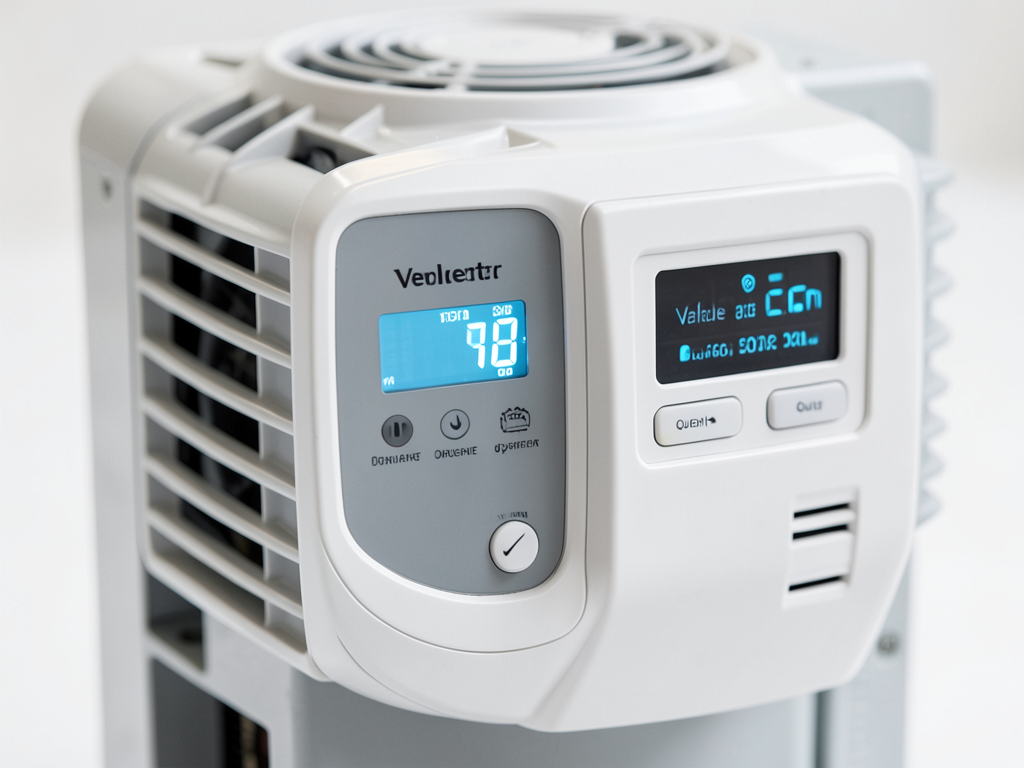
The real difference between inverter AC technology and standard units for Miami humidity
Living in Miami means dealing with relentless humidity that can make your home feel like a sauna even when the thermostat reads 75 degrees. The choice between inverter and standard AC technology isn’t just about cooling power—it’s about surviving Miami’s unique climate challenges. Here’s what actually separates these two systems when it comes to keeping your home comfortable year-round. The Best Air Purification Systems for Luxury Pinecrest Estates.
How standard AC units work in Miami’s climate
Standard air conditioners operate on a simple on/off cycle. They blast cold air until your home reaches the set temperature, then shut off completely. When the temperature rises again, they kick back on at full power. This cycling creates several problems in Miami’s humid environment. How to Get Your Miami Lakes HVAC System Ready for the Summer Heat.
Standard units struggle with humidity because they cool so quickly that they don’t run long enough to remove moisture effectively. When your AC shuts off, the moisture that condensed on the coils evaporates back into your home’s air. This constant on/off cycling means your home experiences temperature swings and persistent humidity levels that can stay above 60 percent even when the AC is running.
The constant full-power starts also put tremendous strain on the compressor. In Miami’s heat, this means more frequent repairs and shorter equipment life. Standard units typically last 10-12 years in our climate compared to longer lifespans in less demanding environments. HVAC Miami Lakes.
Inverter technology: Variable speed operation explained
Inverter AC systems use a variable-speed compressor that can adjust its output from 25 to 100 percent capacity. Instead of cycling on and off, the compressor runs continuously at varying speeds to maintain your desired temperature.
Think of it like driving a car. Standard AC is like flooring the accelerator until you reach your speed limit, then slamming on the brakes and repeating the process. Inverter technology is like cruise control—maintaining a steady speed with minor adjustments.
The compressor in an inverter system uses a digital scroll that modulates refrigerant flow based on cooling demand. When your home needs minimal cooling, the compressor runs at low speed. During heat waves or when you have guests over, it ramps up to meet the increased demand. This continuous operation at lower speeds is the key to superior humidity control.
Energy efficiency and SEER2 ratings in Miami
The new SEER2 rating system, which replaced SEER in 2023, provides more accurate efficiency measurements for real-world conditions. In Miami’s climate, the difference between standard and inverter efficiency becomes dramatic.. Read more about Choosing between Daikin and Mitsubishi mini splits for your home office in Surfside.
Standard AC units typically achieve SEER2 ratings between 14 and 16. Inverter systems can reach SEER2 ratings of 18 to 26, representing 30 to 60 percent better efficiency. For a typical Miami home using 2,500 kWh per cooling season, this translates to substantial savings on FPL bills. FPL AC Rebate Programs.
Current FPL rates average 14.5 cents per kWh in Miami-Dade County. A standard 16 SEER2 unit might cost $360-$400 annually to operate, while an 22 SEER2 inverter system could reduce that to $260-$290. Over a 15-year system life, the inverter could save $1,500-$2,000 in energy costs alone.
The efficiency gains are even more pronounced during Miami’s mild winter months when cooling demand is lower. Inverter systems can maintain comfort while using minimal power, something standard units cannot do effectively.
Humidity control: The Miami advantage of inverter technology
Humidity control is where inverter ACs truly shine in Miami’s climate. Standard units remove moisture through condensation on cold coils, but they only do this effectively when running at full capacity for extended periods.
Inverter systems excel at dehumidification because they run longer at lower speeds. These extended run times allow the coils to stay cold enough to condense more moisture from the air. The continuous operation also prevents the re-evaporation problem that plagues standard units.
Independent testing shows inverter systems can maintain indoor humidity between 45-55 percent, while standard units often struggle to keep levels below 60 percent in Miami’s extreme conditions. This difference dramatically impacts comfort—most people feel comfortable at 75 degrees and 50 percent humidity but uncomfortable at 75 degrees and 65 percent humidity.
For Miami residents with allergies or respiratory issues, the superior humidity control of inverter systems provides additional health benefits by reducing mold growth and dust mite populations that thrive in humid environments.
Cost analysis: Upfront investment vs. lifetime savings
| System Type | Initial Cost (Installed) | Annual Operating Cost | Estimated 15-Year Cost |
|---|---|---|---|
| Standard 16 SEER2 | $4,500 – $5,500 | $360 – $400 | $10,200 – $11,500 |
| Inverter 22 SEER2 | $6,000 – $7,500 | $260 – $290 | $8,800 – $10,000 |
The upfront cost difference between standard and inverter systems typically ranges from $1,500 to $2,500. However, the total cost of ownership tells a different story. The energy savings alone can offset the higher initial investment within 5-7 years.
Additional factors that improve inverter ROI in Miami include:
- Longer equipment life (15-20 years vs. 10-12 years)
- Fewer repairs due to reduced start/stop cycling
- Potential FPL rebates of $300-$500 for high-efficiency installations
- Federal tax credits of up to 30 percent for qualifying systems
For homeowners planning to stay in their Miami home for more than five years, the inverter system typically provides better long-term value despite the higher initial cost.
Lifespan and maintenance in coastal Miami environments
Miami’s coastal environment presents unique challenges for HVAC equipment. Salt air, high humidity, and intense UV exposure can accelerate corrosion and wear on both standard and inverter systems.
Inverter systems actually hold up better in these conditions for several reasons. The continuous operation at lower speeds generates less heat and stress on components. The variable-speed motors are typically more robust than single-speed motors. Additionally, many inverter systems use corrosion-resistant materials and coatings designed for coastal environments.
Standard units experience more stress from constant full-power starts and stops. The contactors, capacitors, and compressor windings wear out faster under this cycling. In Miami’s heat, a standard unit might need capacitor replacement every 3-4 years, while inverter systems can go 6-8 years between major component services.
Both system types require regular maintenance in Miami, including coil cleaning every 6-12 months and checking refrigerant levels. However, inverter systems typically need fewer emergency repairs and experience less catastrophic failure. Reliable 24 Hour Emergency AC Repair in South Miami.
Noise levels: Quiet operation in Miami neighborhoods
| Component | Standard AC (dB) | Inverter AC (dB) |
|---|---|---|
| Outdoor Unit | 70-80 | 58-65 |
| Indoor Unit | 50-60 | 35-45 |
Noise levels matter in Miami’s dense neighborhoods where homes sit close together. Standard AC outdoor units can produce noise levels of 70-80 decibels—comparable to a vacuum cleaner or busy street. This noise occurs in loud bursts every time the unit cycles on.
Inverter systems operate at 58-65 decibels outdoors and as low as 35-45 decibels indoors. The continuous low-speed operation is much less noticeable and won’t disturb neighbors or wake you up when the unit cycles on at night.
For homes in Aventura or Coral Gables where outdoor living spaces are common, the quieter operation of inverter systems allows you to enjoy your patio without the constant drone of an air conditioner cycling on and off.
Heat pump vs. straight cool inverter options
Inverter technology is available in both heat pump and straight cool configurations. In Miami’s climate, the choice depends on your specific needs and whether you want heating capability.
Heat pump inverter systems provide both cooling and heating by reversing the refrigerant flow. While Miami rarely needs heating, heat pumps offer benefits like:
- Emergency heating during rare cold snaps
- Dehumidification in mild weather when cooling isn’t needed
- Potential for year-round energy savings
Straight cool inverter systems focus solely on cooling and dehumidification. They’re typically less expensive upfront and may be slightly more efficient for cooling-only applications. For most Miami homes, either option provides excellent performance.
The key is ensuring whichever system you choose has proper capacity for Miami’s extreme cooling loads. A properly sized inverter system in Miami typically needs 600-650 cooling BTUs per square foot, compared to 400-450 in milder climates.
Installation considerations for Miami homes
Proper installation is critical for both system types, but inverter systems have some specific requirements. The refrigerant lines must be precisely sized and installed to handle the variable flow rates. The electrical system needs appropriate capacity for the inverter’s power electronics.
In Miami’s hurricane zone, both systems require proper tie-down and wind-load protection per Miami-Dade building codes. The outdoor units need elevation above potential flood levels, typically 12-18 inches in flood-prone areas.
For historic homes in Coral Gables or Mediterranean-style houses in Pinecrest, the indoor units must be selected to match the home’s aesthetics. Many inverter systems offer low-profile or concealed options that work well in these architectural styles.
The installation timeline is similar for both systems—typically 1-2 days for a complete replacement. However, inverter systems may require slightly more precise commissioning to optimize the variable-speed operation for your home’s specific characteristics.
Final verdict: When to choose which system
- Choose Inverter If:
You plan to stay in your home 5+ years, value consistent comfort, want lower energy bills, or have humidity sensitivity. Ideal for new construction or whole-house replacements.
- Choose Standard If:
You need a quick, budget-friendly replacement and plan to move within a few years, or your home has very low cooling loads that don’t justify the inverter premium.
- Consider Your Priorities:
If noise reduction, humidity control, and energy efficiency are top priorities, inverter is worth the investment. If upfront cost is the primary concern and you can tolerate some humidity and noise, standard may suffice.
The real difference between inverter and standard AC technology in Miami comes down to how they handle our unique climate challenges. Standard units provide basic cooling but struggle with humidity and efficiency. Inverter systems deliver superior comfort, lower operating costs, and better durability in our coastal environment.
For most Miami homeowners, especially those in areas like Kendall, Palmetto Bay, or South Miami where homes run AC virtually year-round, the inverter technology provides a noticeable improvement in daily comfort and long-term value.
Ready to upgrade your home’s cooling system? Call Horizon Heating and Cooling at (786) 789-8277 for a free consultation. Our NATE-certified technicians will evaluate your home’s specific needs and help you choose the right system for Miami’s demanding climate.
Frequently Asked Questions
How much more does an inverter AC system cost compared to standard?
Inverter systems typically cost $1,500 to $2,500 more upfront than comparable standard units. However, energy savings, longer lifespan, and potential rebates often offset this premium within 5-7 years of operation in Miami’s climate.
Can inverter ACs really handle Miami’s extreme humidity?
Yes. Inverter systems excel at humidity control because they run longer at lower speeds, allowing more moisture removal. They typically maintain indoor humidity between 45-55 percent, compared to 60+ percent that standard units often struggle to achieve in Miami’s conditions.
Do inverter AC systems require special maintenance in Miami?
Inverter systems need the same basic maintenance as standard units—annual professional servicing and regular filter changes. The main difference is that inverter systems typically require fewer emergency repairs and can go longer between major component services due to reduced cycling stress.
Are there FPL rebates available for high-efficiency inverter systems?
Yes. FPL offers rebates of $300 to $500 for qualifying high-efficiency AC installations. Many inverter systems with SEER2 ratings above 18 qualify for these rebates, which can help offset the higher initial cost of the equipment.
How do inverter systems perform during Miami’s hurricane season?
When properly installed with Miami-Dade code-compliant tie-downs and elevation, inverter systems perform as well as standard units during hurricanes. The variable-speed operation can actually be advantageous if power is unstable, as the system can adjust to maintain operation at reduced capacity. For more information, visit U.S. Department of Energy on Central AC.
{
“@context”: “https://schema.org”,
“@type”: “BlogPosting”,
“headline”: “The real difference between inverter AC technology and standard units for Miami humidity”,
“description”: “Discover how inverter ACs outperform standard units in Miami’s extreme humidity. Compare energy savings, comfort levels, and ROI for your South Florida home.”,
“wordCount”: 1967,
“datePublished”: “2026-04-26T14:39:00.000Z”,
“dateModified”: “2026-04-26T14:39:00.000Z”,
“inLanguage”: “en-US”,
“mainEntityOfPage”: {
“@type”: “WebPage”,
“@id”: “https://horizonheatingandcoolingmiami.com”
},
“publisher”: {
“@type”: “LocalBusiness”,
“name”: “Horizon Heating and Cooling Miami”,
“url”: “https://horizonheatingandcoolingmiami.com”
},
“author”: {
“@type”: “Organization”,
“name”: “Horizon Heating and Cooling Miami”,
“url”: “https://horizonheatingandcoolingmiami.com”
},
“image”: {
“@type”: “ImageObject”,
“url”: “https://horizonheatingandcoolingmiami.com/wp-content/uploads/2026/03/the-real-difference-between-inverter-ac-technology-1.png”
}
}
{
“@context”: “https://schema.org”,
“@type”: “HVACBusiness”,
“name”: “Horizon Heating and Cooling Miami”,
“url”: “https://horizonheatingandcoolingmiami.com”,
“address”: {
“@type”: “PostalAddress”,
“addressLocality”: “Miami”
},
“areaServed”: {
“@type”: “City”,
“name”: “Miami”
}
}
{
“@context”: “https://schema.org”,
“@type”: “FAQPage”,
“mainEntity”: [
{
“@type”: “Question”,
“name”: “How much more does an inverter AC system cost compared to standard?”,
“acceptedAnswer”: {
“@type”: “Answer”,
“text”: “Inverter systems typically cost $1,500 to $2,500 more upfront than comparable standard units. However, energy savings, longer lifespan, and potential rebates often offset this premium within 5-7 years of operation in Miami’s climate.”
}
},
{
“@type”: “Question”,
“name”: “Can inverter ACs really handle Miami’s extreme humidity?”,
“acceptedAnswer”: {
“@type”: “Answer”,
“text”: “Yes. Inverter systems excel at humidity control because they run longer at lower speeds, allowing more moisture removal. They typically maintain indoor humidity between 45-55 percent, compared to 60+ percent that standard units often struggle to achieve in Miami’s conditions.”
}
},
{
“@type”: “Question”,
“name”: “Do inverter AC systems require special maintenance in Miami?”,
“acceptedAnswer”: {
“@type”: “Answer”,
“text”: “Inverter systems need the same basic maintenance as standard units—annual professional servicing and regular filter changes. The main difference is that inverter systems typically require fewer emergency repairs and can go longer between major component services due to reduced cycling stress.”
}
},
{
“@type”: “Question”,
“name”: “Are there FPL rebates available for high-efficiency inverter systems?”,
“acceptedAnswer”: {
“@type”: “Answer”,
“text”: “Yes. FPL offers rebates of $300 to $500 for qualifying high-efficiency AC installations. Many inverter systems with SEER2 ratings above 18 qualify for these rebates, which can help offset the higher initial cost of the equipment.”
}
},
{
“@type”: “Question”,
“name”: “How do inverter systems perform during Miami’s hurricane season?”,
“acceptedAnswer”: {
“@type”: “Answer”,
“text”: “When properly installed with Miami-Dade code-compliant tie-downs and elevation, inverter systems perform as well as standard units during hurricanes. The variable-speed operation can actually be advantageous if power is unstable, as the system can adjust to maintain operation at reduced capacity. For more information, visit U.S. Department of Energy on Central AC.”
}
}
]
}
{
“@context”: “https://schema.org”,
“@type”: “HowTo”,
“name”: “Choosing the Right AC System”,
“step”: [
{
“@type”: “HowToStep”,
“position”: 1,
“name”: “Choose Inverter If:”,
“text”: “You plan to stay in your home 5+ years, value consistent comfort, want lower energy bills, or have humidity sensitivity. Ideal for new construction or whole-house replacements.”
},
{
“@type”: “HowToStep”,
“position”: 2,
“name”: “Choose Standard If:”,
“text”: “You need a quick, budget-friendly replacement and plan to move within a few years, or your home has very low cooling loads that don’t justify the inverter premium.”
},
{
“@type”: “HowToStep”,
“position”: 3,
“name”: “Consider Your Priorities:”,
“text”: “If noise reduction, humidity control, and energy efficiency are top priorities, inverter is worth the investment. If upfront cost is the primary concern and you can tolerate some humidity and noise, standard may suffice.”
}
],
“image”: “https://horizonheatingandcoolingmiami.com/wp-content/uploads/2026/03/the-real-difference-between-inverter-ac-technology-1.png”
}
{
“@context”: “https://schema.org”,
“@type”: “BreadcrumbList”,
“itemListElement”: [
{
“@type”: “ListItem”,
“position”: 1,
“name”: “Home”,
“item”: “https://horizonheatingandcoolingmiami.com”
},
{
“@type”: “ListItem”,
“position”: 2,
“name”: “Blog”,
“item”: “https://horizonheatingandcoolingmiami.com/blog”
},
{
“@type”: “ListItem”,
“position”: 3,
“name”: “The real difference between inverter AC technology and standard units for Miami humidity”
}
]
}
{
“@context”: “https://schema.org”,
“@type”: “Service”,
“serviceType”: “HVAC”,
“provider”: {
“@type”: “LocalBusiness”,
“name”: “Horizon Heating and Cooling Miami”,
“url”: “https://horizonheatingandcoolingmiami.com”
},
“areaServed”: {
“@type”: “City”,
“name”: “Miami”
},
“description”: “Discover how inverter ACs outperform standard units in Miami’s extreme humidity. Compare energy savings, comfort levels, and ROI for your South Florida home.”
}