
Why Pinecrest Homes Need Specialized Air Filtration
Pinecrest sits under a thick canopy of oak trees that release massive amounts of pollen each spring. The combination of year-round humidity and constant AC use creates a perfect storm for indoor air quality problems. Standard fiberglass filters simply cannot capture the microscopic pollen particles that trigger allergies and asthma attacks in South Florida homes.
High MERV filters offer a solution but require careful selection to avoid damaging your HVAC system. The wrong filter can restrict airflow enough to freeze evaporator coils or burn out blower motors. This guide explains exactly which filters work best for Pinecrest’s unique environmental conditions.
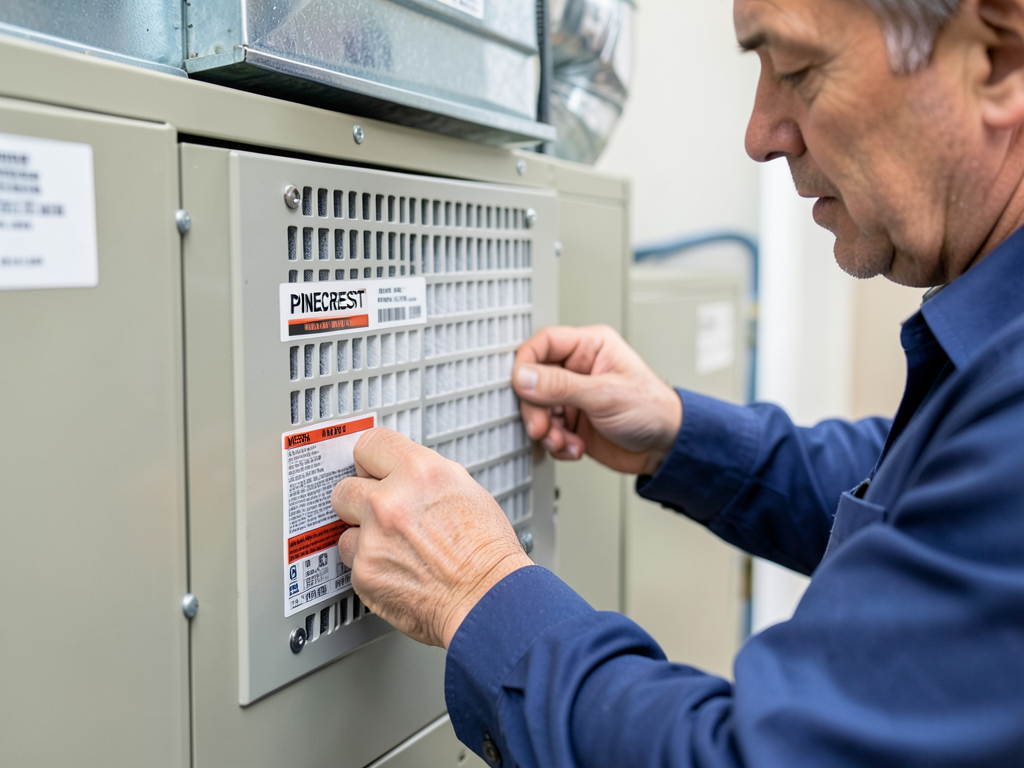
Understanding MERV Ratings and Pollen Capture
MERV stands for Minimum Efficiency Reporting Value. This rating system measures how effectively a filter captures particles between 0.3 and 10 microns. Pollen grains range from 10 to 100 microns so most fall within the effective range of MERV 8 through MERV 13 filters.
MERV 8 filters capture about 90 percent of pollen and dust but allow good airflow. MERV 11 filters trap 95 percent of these particles with slightly more restriction. MERV 13 filters capture 98 percent but significantly reduce airflow. Anything higher than MERV 13 requires a specialized HVAC system.
Pinecrest homes typically need MERV 11 filters as the optimal balance between filtration and system performance. The constant AC operation means filters get dirty faster than in northern climates so replacement schedules must be adjusted accordingly.
Top Filter Recommendations for Pinecrest Residents
Several manufacturers produce filters specifically designed for high-pollen environments. The key is finding products that maintain structural integrity in South Florida’s humidity without collapsing or growing mold.
3M Filtrete Allergen Defense filters use electrostatically charged fibers to attract pollen particles. These maintain their shape even in high humidity and cost about $15 to $20 each for standard sizes. They work well in most Pinecrest homes with properly sized HVAC systems. The Best Air Purification Systems for Luxury Pinecrest Estates.
Aprilaire Space-Gard filters feature a rigid construction that prevents sagging when wet. Their MERV 11 version captures pollen effectively while allowing adequate airflow for older AC units common in Pinecrest’s established neighborhoods.
Carrier Healthy Home filters use a pleated design with antimicrobial treatment. This prevents mold growth on the filter surface during Miami’s wet season. They cost slightly more at $25 to $30 but last longer in humid conditions. How to Get Your Miami Lakes HVAC System Ready for the Summer Heat.
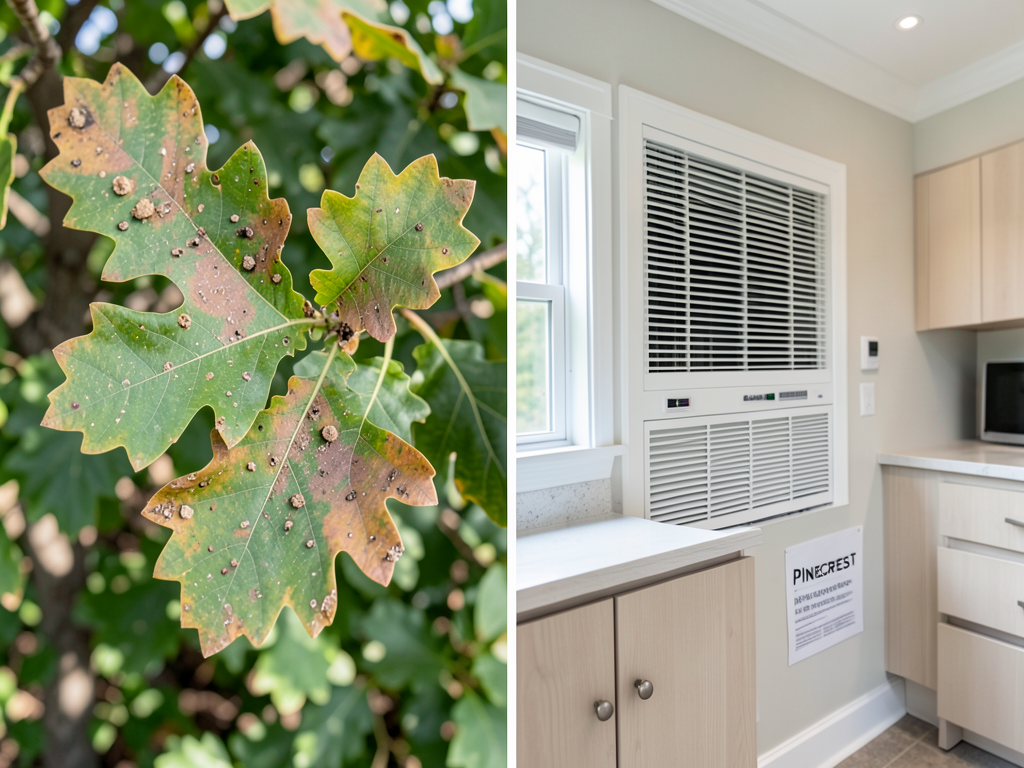
The Humidity Factor: Preventing Mold on Your Pollen Filter
Miami’s average relative humidity exceeds 70 percent year-round. This constant moisture creates unique challenges for air filtration. Standard paper filters absorb humidity and can collapse inward, reducing their effective surface area and increasing pressure drop across the system. HVAC Miami Lakes.
High humidity also promotes mold growth on filter surfaces. Once mold establishes itself it releases spores that become part of your indoor air problem. The filter meant to clean your air becomes a source of contamination.
Look for filters with synthetic media rather than paper. Synthetic materials resist moisture absorption and maintain their pleated shape. Some premium filters include antimicrobial treatments that inhibit mold growth without releasing chemicals into your home’s air stream.
Replace filters every 30 to 45 days during peak pollen season March through May. This frequent replacement prevents mold establishment and maintains optimal airflow. Homes near Pinecrest’s canal systems or with poor drainage may need even more frequent changes due to higher ambient moisture levels.
Comparison Table: MERV Ratings vs. Pollen Capture vs. Airflow Resistance
| MERV Rating | Pollen Capture Efficiency | Pressure Drop (inches H2O) | Recommended Replacement |
|---|---|---|---|
| MERV 8 | 90 percent | 0.08 | 60-90 days |
| MERV 11 | 95 percent | 0.12 | 30-45 days |
| MERV 13 | 98 percent | 0.18 | 20-30 days |
| MERV 16 | 99.9 percent | 0.25+ | Not recommended for standard systems |
Static Pressure Warning: Protecting Your AC System
Every HVAC system has a maximum static pressure rating. Exceeding this limit forces the blower motor to work harder, reducing efficiency and potentially causing premature failure. The pressure drop across a filter contributes significantly to total system static pressure.
Older Pinecrest homes often have HVAC systems installed before current efficiency standards. These units may not handle the restriction of high MERV filters. A simple pressure test can determine your system’s capacity before upgrading filters.
Signs of excessive static pressure include reduced airflow from vents, longer cooling cycles, and ice formation on evaporator coils. If you notice these symptoms after installing a higher MERV filter the system needs evaluation before continuing use. Installing Modern AC Systems in Historic Coral Gables Homes Without Damaging the Architecture.
Professional HVAC technicians use specialized tools to measure static pressure across the entire system. This diagnostic test identifies whether your current setup can handle MERV 11 or 13 filters without compromising performance.
Local Pollen Calendar: When to Increase Filtration
Pinecrest experiences year-round pollen exposure but certain seasons bring dramatic spikes. Oak trees release the heaviest pollen loads from late February through early May. This period requires the most aggressive filtration strategy.
Grass pollen peaks from April through October with summer thunderstorms spreading particles throughout the neighborhood. Ragweed follows in fall from September through November. Even winter months bring moderate pine pollen levels.
During peak seasons replace filters every 30 days regardless of visible dirt accumulation. The microscopic nature of pollen means filters trap particles you cannot see. Waiting until filters appear dirty allows allergens to accumulate in your ductwork.
Consider installing a whole-house air purifier as a supplement to high MERV filters. These systems use UV light or electrostatic precipitation to capture particles that even MERV 13 filters miss. They work especially well in Pinecrest’s older homes with leaky ductwork.
Installation Tips for Maximum Effectiveness
Proper filter installation affects both performance and system longevity. Always install filters with the airflow arrow pointing toward the blower motor. Installing them backward reduces effective surface area and increases pressure drop.
Check for air bypass around the filter frame. Even small gaps allow unfiltered air to enter the system. Most residential air handlers have a one-quarter inch tolerance so ensure your filter fits snugly without forcing it into place.
Clean the filter track or rack before installing a new filter. Dust and debris accumulation creates additional restriction and can harbor mold spores. A quick wipe with a damp cloth removes buildup that affects seal quality.
Consider upgrading to a wider filter rack if your system allows. Filters with more surface area provide better airflow at higher MERV ratings. This modification costs $200 to $400 but significantly improves system performance with high-efficiency filters.
Beyond Filters: Additional Air Quality Strategies
While high MERV filters form the foundation of indoor air quality they work best as part of a comprehensive approach. Regular HVAC maintenance ensures your system operates at peak efficiency and prevents the circulation of accumulated dust and allergens.
Schedule professional duct cleaning every three to five years especially in older Pinecrest homes. Construction dust, pollen, and mold spores accumulate in ductwork over time. This contamination continuously recirculates through your home unless removed.
Maintain indoor humidity between 45 and 55 percent. Levels above 60 percent promote mold growth while levels below 30 percent irritate respiratory passages. Most Miami homes need dehumidification even with AC running due to the extreme outdoor humidity.
Keep windows closed during high pollen days even when temperatures feel comfortable. Pinecrest’s ocean breezes carry pollen from miles away. Once pollen enters your home it settles on surfaces and becomes airborne again with normal activity.
When to Consider Whole-Home Air Purification
Some Pinecrest residents need more than high MERV filters to manage allergy symptoms. If you experience persistent respiratory issues despite proper filtration a whole-home air purifier may provide the additional protection needed.
UV germicidal irradiation systems installed in the air handler kill mold, bacteria, and viruses as air passes through. These work well in Miami’s humid climate where mold growth poses constant challenges. The UV lamps need replacement annually at a cost of $100 to $150.
Electronic air cleaners use charged plates to attract particles. They capture extremely small particles including some viruses and smoke. These systems require monthly cleaning but provide superior filtration compared to even MERV 16 filters.
Activated carbon filters absorb odors and volatile organic compounds. While not primarily designed for pollen they remove the chemical irritants that often accompany allergic reactions. Many Pinecrest homes near agricultural areas benefit from this additional filtration stage.
Cost-Benefit Analysis of High MERV Filtration
High MERV filters cost more upfront than standard options. A MERV 11 filter costs $15 to $25 versus $5 to $8 for basic fiberglass. However the total cost difference shrinks when considering replacement frequency and HVAC efficiency.
Systems with proper high MERV filtration often run more efficiently because clean coils and blowers maintain designed airflow. This efficiency gain can offset the higher filter costs within one cooling season. Additionally reduced allergy symptoms mean fewer medical expenses and missed work days.
Factor in the cost of premature system failure from inadequate filtration. Dirty coils and restricted airflow force compressors to work harder leading to expensive repairs. A $20 filter that prevents a $3,000 compressor replacement represents significant savings. EPA guide to air cleaners and filters.
Consider also the quality of life improvements. Better sleep from reduced nighttime allergy symptoms, fewer respiratory infections, and overall improved comfort justify the modest additional expense of proper filtration.
Common Mistakes to Avoid
Many Pinecrest residents make simple errors that compromise their air quality efforts. The most common mistake is selecting filters based solely on price rather than MERV rating and construction quality. Cheap filters often have loose pleats that collapse under humidity.
Another frequent error involves ignoring filter size. Using a slightly smaller filter to save money creates gaps that allow unfiltered air to bypass the media. This completely defeats the purpose of upgrading to a high MERV rating.
Some homeowners overcompensate by installing multiple filters or stacking them to increase filtration. This dramatically increases pressure drop and can destroy blower motors within weeks. Your system is designed for one filter at a time.
Neglecting regular replacement schedules undermines even the best filter selection. High humidity in Pinecrest means filters clog faster than manufacturer guidelines suggest. Mark your calendar for replacements rather than relying on visual inspection.
Professional Assessment: When to Call an Expert
Certain situations require professional evaluation before implementing high MERV filtration. If your AC unit is over 10 years old it may not handle the restriction of MERV 11 or higher filters. Older systems often have undersized blowers that cannot overcome increased pressure drop.
Homes with existing respiratory issues among residents need careful system evaluation. The goal is maximum allergen removal without creating new problems from restricted airflow. A professional can measure current system performance and recommend appropriate filtration levels.
New construction or recent renovations generate significant dust that standard filtration cannot handle. Professional duct cleaning combined with high MERV filters removes construction debris that would otherwise circulate for months.
If you experience uneven cooling after installing higher MERV filters your ductwork may have restrictions that become amplified. Professional evaluation can identify whether duct modifications are needed to support improved filtration.
Environmental Impact of Better Filtration
High MERV filtration provides environmental benefits beyond improved air quality. Cleaner coils and blowers operate more efficiently reducing electricity consumption. This efficiency gain matters in Miami where AC runs nearly year-round.
Better filtration also extends equipment life reducing the environmental impact of manufacturing replacement systems. A well-maintained AC unit can last 15 to 20 years versus 8 to 10 years for poorly maintained equipment.
Many high-quality filters use recyclable materials and some manufacturers offer filter recycling programs. Check with your filter supplier about proper disposal options to minimize landfill impact.
The reduction in indoor air pollutants also means fewer chemicals released outdoors when windows open. This benefits the broader Pinecrest ecosystem including the very oak trees that create the pollen problem.
Future Trends in Residential Air Filtration
Air filtration technology continues advancing with new materials and designs emerging regularly. Electrostatic charging now appears in more affordable filters making high-efficiency options accessible to more homeowners. These filters use self-charging media that maintains effectiveness without power connections.
Smart filters with embedded sensors monitor pressure drop and air quality in real-time. These systems alert homeowners when replacement is needed based on actual performance rather than calendar schedules. This technology prevents both premature replacement and dangerous neglect.
Antimicrobial treatments continue improving with new formulations that kill pathogens without releasing chemicals into your home. These treatments work continuously for the filter’s entire lifespan providing protection beyond simple particle capture.
Integration with smart home systems allows filters to communicate with thermostats and air handlers. This coordination optimizes system performance based on current air quality conditions rather than operating on fixed schedules.
Taking Action: Your Next Steps
Improving your home’s air quality starts with understanding your current system’s capabilities. Check your existing filter’s MERV rating typically printed on the frame. If it’s MERV 8 or lower upgrading to MERV 11 provides immediate benefits for most Pinecrest homes.
Measure your filter size before purchasing replacements. Filters that are too small create bypass gaps while oversized filters won’t fit properly. Most residential systems use standard sizes but older homes may have custom dimensions.
Establish a replacement schedule based on your home’s specific conditions. Pinecrest’s high humidity means more frequent changes than northern climates. Start with 30-day intervals during peak pollen season and adjust based on system performance.
Monitor your system for signs of restriction after installing higher MERV filters. Reduced airflow, longer cooling cycles, or ice formation indicate your system cannot handle the increased pressure drop. In these cases MERV 11 represents the practical maximum.
Consider professional evaluation if you experience persistent allergy symptoms or notice system performance issues. A qualified HVAC technician can measure static pressure and recommend filtration levels that balance air quality with system longevity.
Frequently Asked Questions
What MERV rating is best for pollen allergies in Pinecrest?
MERV 11 provides the optimal balance for Pinecrest homes. It captures 95 percent of pollen particles while maintaining adequate airflow for most residential HVAC systems. MERV 13 captures more particles but may restrict airflow in older systems.
How often should I replace my AC filter during oak pollen season?
Replace filters every 30 days during peak oak pollen season from late February through early May. Miami’s high humidity causes filters to clog faster than in other regions. More frequent replacement prevents mold growth and maintains optimal system performance.
Can high MERV filters damage my air conditioner?
High MERV filters can damage AC systems if the static pressure exceeds the system’s design limits. Signs of problems include reduced airflow, longer cooling cycles, and ice formation on evaporator coils. Have a professional measure your system’s static pressure before installing MERV 13 or higher filters.
Why does my filter get moldy so quickly in Miami?
Miami’s average humidity exceeds 70 percent creating ideal conditions for mold growth on filter surfaces. Standard paper filters absorb moisture and provide a food source for mold spores. Use synthetic media filters with antimicrobial treatment and replace them every 30 to 45 days during wet seasons.
Are expensive HEPA filters worth it for residential use?
True HEPA filters require specialized HVAC systems because they create extreme pressure drop. Most residential systems cannot handle HEPA filtration. Instead use MERV 13 filters which capture 98 percent of particles or consider a whole-home air purifier that works alongside your existing system.
How do I know if my system can handle MERV 13 filters?
A professional HVAC technician can measure your system’s static pressure to determine if it can handle MERV 13 filters. Signs your system may struggle include reduced airflow from vents, longer cooling cycles, and the AC running continuously without reaching set temperature. For more information, visit ASHRAE filtration standards.
{
“@context”: “https://schema.org”,
“@type”: “BlogPosting”,
“headline”: “Reducing seasonal oak pollen and dust with high MERV filters in Pinecrest”,
“description”: “Learn how to combat Pinecrest’s severe oak pollen season with the right MERV filters. Discover local HVAC solutions for cleaner indoor air during peak allergy months.”,
“wordCount”: 2631,
“datePublished”: “2026-05-22T15:36:00.000Z”,
“dateModified”: “2026-05-22T15:36:00.000Z”,
“inLanguage”: “en-US”,
“mainEntityOfPage”: {
“@type”: “WebPage”,
“@id”: “https://horizonheatingandcoolingmiami.com”
},
“publisher”: {
“@type”: “LocalBusiness”,
“name”: “Horizon Heating and Cooling Miami”,
“url”: “https://horizonheatingandcoolingmiami.com”
},
“author”: {
“@type”: “Organization”,
“name”: “Horizon Heating and Cooling Miami”,
“url”: “https://horizonheatingandcoolingmiami.com”
},
“image”: {
“@type”: “ImageObject”,
“url”: “https://horizonheatingandcoolingmiami.com/wp-content/uploads/2026/03/reducing-seasonal-oak-pollen-and-dust-with-high-me-1.png”
}
}
{
“@context”: “https://schema.org”,
“@type”: “HVACBusiness”,
“name”: “Horizon Heating and Cooling Miami”,
“url”: “https://horizonheatingandcoolingmiami.com”,
“address”: {
“@type”: “PostalAddress”,
“addressLocality”: “Miami”
},
“areaServed”: {
“@type”: “City”,
“name”: “Miami”
}
}
{
“@context”: “https://schema.org”,
“@type”: “FAQPage”,
“mainEntity”: [
{
“@type”: “Question”,
“name”: “What MERV rating is best for pollen allergies in Pinecrest?”,
“acceptedAnswer”: {
“@type”: “Answer”,
“text”: “MERV 11 provides the optimal balance for Pinecrest homes. It captures 95 percent of pollen particles while maintaining adequate airflow for most residential HVAC systems. MERV 13 captures more particles but may restrict airflow in older systems.”
}
},
{
“@type”: “Question”,
“name”: “How often should I replace my AC filter during oak pollen season?”,
“acceptedAnswer”: {
“@type”: “Answer”,
“text”: “Replace filters every 30 days during peak oak pollen season from late February through early May. Miami’s high humidity causes filters to clog faster than in other regions. More frequent replacement prevents mold growth and maintains optimal system performance.”
}
},
{
“@type”: “Question”,
“name”: “Can high MERV filters damage my air conditioner?”,
“acceptedAnswer”: {
“@type”: “Answer”,
“text”: “High MERV filters can damage AC systems if the static pressure exceeds the system’s design limits. Signs of problems include reduced airflow, longer cooling cycles, and ice formation on evaporator coils. Have a professional measure your system’s static pressure before installing MERV 13 or higher filters.”
}
},
{
“@type”: “Question”,
“name”: “Why does my filter get moldy so quickly in Miami?”,
“acceptedAnswer”: {
“@type”: “Answer”,
“text”: “Miami’s average humidity exceeds 70 percent creating ideal conditions for mold growth on filter surfaces. Standard paper filters absorb moisture and provide a food source for mold spores. Use synthetic media filters with antimicrobial treatment and replace them every 30 to 45 days during wet seasons.”
}
},
{
“@type”: “Question”,
“name”: “Are expensive HEPA filters worth it for residential use?”,
“acceptedAnswer”: {
“@type”: “Answer”,
“text”: “True HEPA filters require specialized HVAC systems because they create extreme pressure drop. Most residential systems cannot handle HEPA filtration. Instead use MERV 13 filters which capture 98 percent of particles or consider a whole-home air purifier that works alongside your existing system.”
}
},
{
“@type”: “Question”,
“name”: “How do I know if my system can handle MERV 13 filters?”,
“acceptedAnswer”: {
“@type”: “Answer”,
“text”: “A professional HVAC technician can measure your system’s static pressure to determine if it can handle MERV 13 filters. Signs your system may struggle include reduced airflow from vents, longer cooling cycles, and the AC running continuously without reaching set temperature. For more information, visit ASHRAE filtration standards.”
}
}
]
}
{
“@context”: “https://schema.org”,
“@type”: “BreadcrumbList”,
“itemListElement”: [
{
“@type”: “ListItem”,
“position”: 1,
“name”: “Home”,
“item”: “https://horizonheatingandcoolingmiami.com”
},
{
“@type”: “ListItem”,
“position”: 2,
“name”: “Blog”,
“item”: “https://horizonheatingandcoolingmiami.com/blog”
},
{
“@type”: “ListItem”,
“position”: 3,
“name”: “Reducing seasonal oak pollen and dust with high MERV filters in Pinecrest”
}
]
}
{
“@context”: “https://schema.org”,
“@type”: “Service”,
“serviceType”: “HVAC”,
“provider”: {
“@type”: “LocalBusiness”,
“name”: “Horizon Heating and Cooling Miami”,
“url”: “https://horizonheatingandcoolingmiami.com”
},
“areaServed”: {
“@type”: “City”,
“name”: “Miami”
},
“description”: “Learn how to combat Pinecrest’s severe oak pollen season with the right MERV filters. Discover local HVAC solutions for cleaner indoor air during peak allergy months.”
}