
Improving Indoor Air Quality in Older Little Havana Bungalows
Living in Little Havana means enjoying vibrant culture, historic architecture, and Miami’s signature sunshine. Those same charming bungalows built decades ago often harbor hidden air quality problems that modern HVAC solutions can fix. The combination of Miami’s year-round humidity, urban pollution from nearby Calle Ocho, and aging building materials creates perfect conditions for poor indoor air quality that affects your family’s health every day. Installing Modern AC Systems in Historic Coral Gables Homes Without Damaging the Architecture.
Many Little Havana homeowners notice their allergies worsen when the AC kicks on or see condensation forming on windows during summer months. These are warning signs that your home’s air contains excess moisture, dust, and pollutants. Understanding these challenges is the first step toward breathing cleaner air in your historic Miami home. How to Get Your Miami Lakes HVAC System Ready for the Summer Heat.
Why Little Havana Homes Face Unique IAQ Challenges
Little Havana’s historic bungalows from the 1920s through 1950s were built before modern air quality standards existed. These homes typically feature single-pane windows, minimal insulation, and original ductwork that has accumulated decades of dust and debris. When you combine this aging infrastructure with Miami’s tropical climate, you get a perfect storm for indoor air quality problems. HVAC Miami Lakes.
Miami’s average relative humidity exceeds 70% throughout the year, creating ideal conditions for mold growth inside walls, under flooring, and within HVAC systems. The urban environment adds another layer of complexity. Traffic along Calle Ocho and nearby downtown Miami contributes fine particulate matter that seeps into older homes through gaps around windows and doors. Even with air conditioning running, these microscopic pollutants circulate through your home continuously. The Best Air Purification Systems for Luxury Pinecrest Estates.
Historic building materials present their own challenges. Many older bungalows contain plaster walls that can harbor dust mites and allergens. Original wood flooring and cabinetry may release volatile organic compounds as they age. Without proper ventilation systems, these pollutants become trapped inside your home, creating air that’s often more contaminated than the outdoor air in Miami.
Common Pollutants: Humidity, Dust, and Urban Emissions
Understanding what’s in your air helps you address the root causes. Miami’s humidity creates several specific problems for indoor air quality. When indoor relative humidity stays above 60%, dust mites thrive and mold spores begin to grow. These microscopic organisms become airborne and circulate through your HVAC system, triggering allergies and respiratory issues.
Urban emissions from Miami’s traffic and industrial areas contribute fine particulate matter known as PM2.5. These particles are small enough to penetrate deep into your lungs and even enter your bloodstream. In older Little Havana homes, these particles accumulate in ductwork and on HVAC coils, then get redistributed every time your system runs.
Volatile organic compounds from building materials, cleaning products, and even furniture off-gas into your indoor air. In tightly sealed modern homes, these VOCs can reach concerning levels. But in historic Little Havana bungalows with their drafty construction, VOCs mix with outdoor pollutants and humidity, creating a complex cocktail of indoor air contaminants.
Pet dander, pollen from Miami’s year-round growing season, and bacteria from high-touch surfaces all contribute to poor indoor air quality. Without proper filtration and ventilation, these pollutants accumulate over time, making your home’s air increasingly unhealthy.
Our Specialized IAQ Solutions for Miami’s Climate
Improving indoor air quality in Little Havana’s historic homes requires solutions specifically designed for Miami’s unique climate challenges. Standard air filters and basic HVAC maintenance often aren’t enough to address the combination of high humidity, urban pollution, and aging building materials found in these properties.
Professional air quality assessments can identify the specific pollutants affecting your home. These assessments measure humidity levels, particulate matter, VOC concentrations, and airflow patterns throughout your property. With this data, HVAC professionals can recommend targeted solutions rather than one-size-fits-all approaches.
Many Little Havana homeowners find that a combination of whole-home solutions works best. This might include upgrading to high-efficiency air filters, installing UV light systems to kill mold and bacteria, adding whole-home dehumidifiers, and improving ventilation in problem areas. The goal is to create a comprehensive system that addresses all aspects of indoor air quality rather than just treating symptoms.
HEPA Filtration & UV Light Air Purifiers
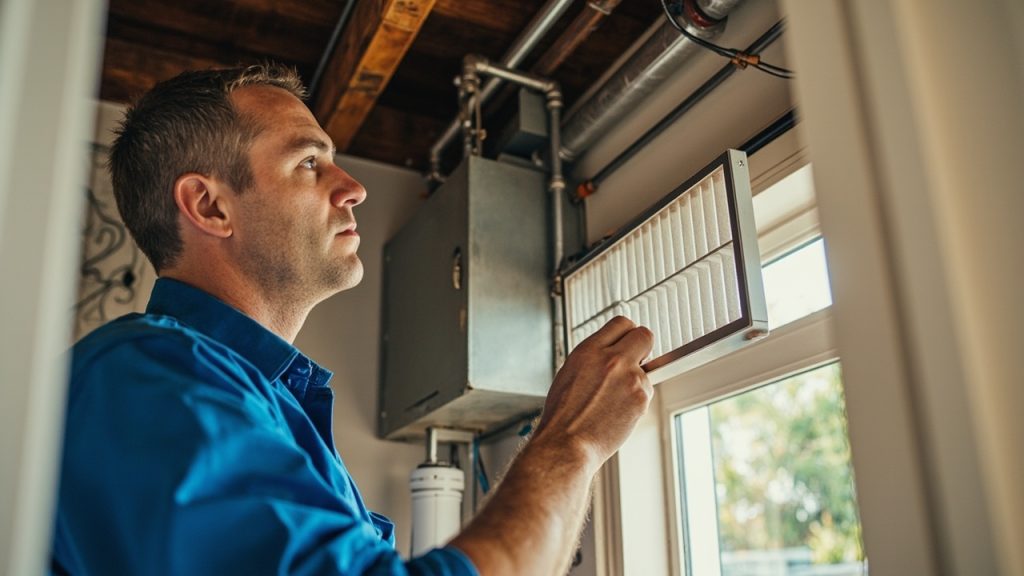
Standard HVAC filters typically capture only the largest particles, allowing microscopic pollutants to circulate freely. HEPA filters can trap particles as small as 0.3 microns with 99.97% efficiency. This means they capture dust mites, pollen, pet dander, mold spores, and even some bacteria that standard filters miss. EPA Indoor Air Quality Information.
For Little Havana’s urban environment, HEPA filtration is particularly important. These filters can significantly reduce the fine particulate matter that enters your home from traffic on Calle Ocho and other nearby sources. When properly installed in your HVAC system, HEPA filters can dramatically improve the air quality throughout your entire home.
UV light air purifiers take air quality protection a step further. These systems install directly into your HVAC ductwork and use ultraviolet light to kill mold, bacteria, and viruses as air passes through. UV lights are especially valuable in Miami’s humid climate, where mold growth in HVAC systems is a constant battle. The UV light neutralizes mold spores before they can circulate through your home, while also keeping your AC coils clean and efficient.
Combining HEPA filtration with UV light technology creates a powerful one-two punch against indoor air pollutants. The HEPA filter captures physical particles, while the UV light destroys biological contaminants. This combination is particularly effective in historic homes where both types of pollutants are present.
Whole-Home Dehumidification Systems
Miami’s humidity is the root cause of many indoor air quality problems. When indoor humidity stays above 60%, everything from dust mites to mold thrives. Standard air conditioners remove some moisture, but they’re primarily designed for cooling, not dehumidification. In Miami’s climate, your AC often can’t keep up with moisture removal, especially in older homes with poor insulation.
Whole-home dehumidifiers work alongside your existing HVAC system to maintain optimal humidity levels between 45-55%. These systems pull excess moisture from the air, making your home less hospitable to mold, dust mites, and other allergens. They also make your air feel cooler at higher temperatures, potentially reducing your AC usage and energy bills.
For Little Havana bungalows, whole-home dehumidification offers several benefits beyond air quality. Lower humidity levels prevent condensation on windows and walls, reducing the risk of water damage to historic materials. Your home will feel more comfortable at higher thermostat settings, and you’ll notice less musty odors that often plague older Miami homes.
Modern dehumidifiers are energy-efficient and can integrate seamlessly with your existing HVAC system. They feature automatic controls that maintain consistent humidity levels year-round, adjusting for Miami’s seasonal variations. Some models even include air filtration capabilities, adding another layer of protection against indoor pollutants.
Protecting Historic Little Havana Homes from Mold and Allergens
Historic preservation and modern air quality improvements can work together when you understand the specific needs of Little Havana’s older homes. Many homeowners worry that upgrading HVAC systems will damage their property’s historic character, but today’s solutions can be installed with minimal visual impact while dramatically improving indoor air quality.
Mold prevention is particularly crucial in Miami’s climate. Once mold establishes itself in an older home, it can spread through walls, under flooring, and into HVAC systems. Professional mold remediation combined with preventive measures like improved ventilation and humidity control can protect both your home’s structure and your family’s health.
Allergen reduction requires a multi-faceted approach in historic properties. Beyond HVAC upgrades, simple changes like using HEPA vacuum cleaners, washing bedding in hot water weekly, and keeping windows closed during high pollen days can significantly reduce allergen levels. For homes with original plaster walls or hardwood floors, these surfaces can actually be easier to keep allergen-free than modern carpeting.
Ventilation improvements are often necessary in older Little Havana homes that were built before mechanical ventilation was standard. This might include installing energy recovery ventilators that bring in fresh air while exhausting stale air, or adding exhaust fans in kitchens and bathrooms to remove moisture and pollutants at the source.
Regular maintenance is essential for keeping your air quality improvements working effectively. This includes changing HEPA filters every 3-6 months, cleaning UV light components annually, and having your HVAC system professionally serviced twice yearly. For historic homes, working with technicians who understand both modern HVAC technology and historic preservation ensures your upgrades protect rather than compromise your home’s character.
Book a Professional Air Quality Audit in Little Havana
Every Little Havana home has unique air quality challenges based on its age, construction, location, and the specific health needs of its occupants. A professional air quality audit provides the data you need to make informed decisions about improvements. These audits typically take 1-2 hours and include comprehensive testing for humidity, particulate matter, VOCs, and airflow patterns.
During an audit, technicians use specialized equipment to measure pollutant levels throughout your home, identify problem areas, and assess your current HVAC system’s performance. They’ll check for signs of mold growth, evaluate ductwork condition, and test for carbon monoxide and other potential hazards. The result is a detailed report showing exactly what’s in your air and what solutions will be most effective.
For Little Havana homeowners, air quality audits are particularly valuable because they can identify issues specific to historic properties. You might discover that certain rooms have poor ventilation due to their original design, or that your HVAC system is working harder than necessary because of duct leaks common in older homes. This information helps you prioritize improvements and avoid wasting money on solutions that won’t address your actual problems.
Many air quality professionals offer free initial consultations, making it easy to get started. They can explain the testing process, discuss your specific concerns, and provide upfront pricing for any recommended improvements. Some companies even offer financing options for larger projects, making it possible to invest in your home’s air quality without a large upfront expense.
Comparison of Indoor Air Quality Solutions for Historic Homes
| Solution Type | Initial Cost | Maintenance Frequency | Best For |
|---|---|---|---|
| HEPA Filter Upgrade | $300-500 | Every 3-6 months | Dust, pollen, pet dander |
| UV Light System | $800-1,500 | Annual cleaning | Mold, bacteria, viruses |
| Whole-Home Dehumidifier | $2,000-4,000 | Seasonal cleaning | Humidity control, mold prevention |
| Energy Recovery Ventilator | $1,500-3,000 | Annual filter change | Fresh air exchange, energy efficiency |
Benefits of Professional IAQ Assessment
| Assessment Component | What It Measures | Why It Matters |
|---|---|---|
| Humidity Testing | Relative humidity levels | Identifies mold risk areas |
| Particulate Matter Analysis | Dust, pollen, PM2.5 levels | Reveals pollution sources |
| VOC Detection | Volatile organic compounds | Identifies chemical pollutants |
| Airflow Assessment | Ventilation patterns | Finds stagnant air zones |
Frequently Asked Questions
How often should I change air filters in my Little Havana home?
In Miami’s humid climate, you should change standard HVAC filters every 30-45 days and HEPA filters every 3-6 months. Homes with pets or allergy sufferers may need more frequent changes. Regular filter changes are crucial for maintaining good air quality in historic homes where dust and pollutants accumulate more easily.
Can I install air quality improvements in my historic Little Havana home without damaging original features?
Yes, modern IAQ solutions can be installed with minimal impact on historic features. Professional technicians use techniques that preserve original plaster, woodwork, and other character-defining elements. Many systems can be installed in attic spaces or through existing access points, keeping visual changes to a minimum while dramatically improving air quality.
What’s the typical cost for improving indoor air quality in a Little Havana bungalow?
Costs vary based on your home’s specific needs, but basic improvements like HEPA filter upgrades typically start around $300-500, while comprehensive systems with dehumidification and UV purification range from $3,000-8,000. Many homeowners find that financing options make these improvements affordable, especially considering the health benefits and potential energy savings. For more information, visit ASHRAE HVAC Standards. For more information, visit CDC Air Quality Resources.
{
“@context”: “https://schema.org”,
“@type”: “BlogPosting”,
“headline”: “Improving Indoor Air Quality in Older Little Havana Bungalows”,
“description”: “Discover expert solutions for improving indoor air quality in historic Little Havana bungalows. Learn about HEPA filtration, UV purification, and humidity control for Miami homes.”,
“wordCount”: 1992,
“datePublished”: “2026-03-08T10:09:00.000Z”,
“dateModified”: “2026-03-08T10:09:00.000Z”,
“inLanguage”: “en-US”,
“mainEntityOfPage”: {
“@type”: “WebPage”,
“@id”: “https://horizonheatingandcoolingmiami.com”
},
“publisher”: {
“@type”: “LocalBusiness”,
“name”: “Horizon Heating and Cooling Miami”,
“url”: “https://horizonheatingandcoolingmiami.com”
},
“author”: {
“@type”: “Organization”,
“name”: “Horizon Heating and Cooling Miami”,
“url”: “https://horizonheatingandcoolingmiami.com”
},
“image”: {
“@type”: “ImageObject”,
“url”: “https://horizonheatingandcoolingmiami.com/wp-content/uploads/2026/03/improving-indoor-air-quality-in-older-little-havan-1.jpg”
}
}
{
“@context”: “https://schema.org”,
“@type”: “HVACBusiness”,
“name”: “Horizon Heating and Cooling Miami”,
“url”: “https://horizonheatingandcoolingmiami.com”,
“address”: {
“@type”: “PostalAddress”,
“addressLocality”: “Miami”
},
“areaServed”: {
“@type”: “City”,
“name”: “Miami”
}
}
{
“@context”: “https://schema.org”,
“@type”: “FAQPage”,
“mainEntity”: [
{
“@type”: “Question”,
“name”: “How often should I change air filters in my Little Havana home?”,
“acceptedAnswer”: {
“@type”: “Answer”,
“text”: “In Miami’s humid climate, you should change standard HVAC filters every 30-45 days and HEPA filters every 3-6 months. Homes with pets or allergy sufferers may need more frequent changes. Regular filter changes are crucial for maintaining good air quality in historic homes where dust and pollutants accumulate more easily.”
}
},
{
“@type”: “Question”,
“name”: “Can I install air quality improvements in my historic Little Havana home without damaging original features?”,
“acceptedAnswer”: {
“@type”: “Answer”,
“text”: “Yes, modern IAQ solutions can be installed with minimal impact on historic features. Professional technicians use techniques that preserve original plaster, woodwork, and other character-defining elements. Many systems can be installed in attic spaces or through existing access points, keeping visual changes to a minimum while dramatically improving air quality.”
}
}
]
}
{
“@context”: “https://schema.org”,
“@type”: “BreadcrumbList”,
“itemListElement”: [
{
“@type”: “ListItem”,
“position”: 1,
“name”: “Home”,
“item”: “https://horizonheatingandcoolingmiami.com”
},
{
“@type”: “ListItem”,
“position”: 2,
“name”: “Blog”,
“item”: “https://horizonheatingandcoolingmiami.com/blog”
},
{
“@type”: “ListItem”,
“position”: 3,
“name”: “Improving Indoor Air Quality in Older Little Havana Bungalows”
}
]
}
{
“@context”: “https://schema.org”,
“@type”: “Service”,
“serviceType”: “HVAC”,
“provider”: {
“@type”: “LocalBusiness”,
“name”: “Horizon Heating and Cooling Miami”,
“url”: “https://horizonheatingandcoolingmiami.com”
},
“areaServed”: {
“@type”: “City”,
“name”: “Miami”
},
“description”: “Discover expert solutions for improving indoor air quality in historic Little Havana bungalows. Learn about HEPA filtration, UV purification, and humidity control for Miami homes.”
}