
Emergency AC Repair in Coral Gables, FL
Your air conditioning system stopped working on a Friday evening. The temperature inside your Mediterranean Revival home is climbing toward 82 degrees. Humidity is creeping up. You need help now, not next week.
Horizon Heating and Cooling handles exactly this situation every week across Coral Gables, Pinecrest, and Homestead. We understand the urgency. In South Florida, air conditioning is not a convenience. It is essential infrastructure for your home and health.
This guide walks you through what to expect when you call for AC repair in Coral Gables, what causes failures in our climate, and how to avoid the stress of emergency breakdowns.
24/7 Air Conditioning Services for the City Beautiful
Coral Gables demands specialists who know the neighborhood. Salt air from Biscayne Bay, high humidity, and limestone bedrock define your cooling challenges in ways that generic HVAC contractors miss.
We dispatch certified technicians to 33134, 33146, and surrounding zip codes with response times under 60 minutes during business hours. After-hours calls receive the same priority. Our team carries parts and diagnostic equipment in every truck.
Certified NATE technicians ensure your repair is backed by rigorous industry standards, not guesswork.
Why Coral Gables AC Systems Fail Differently
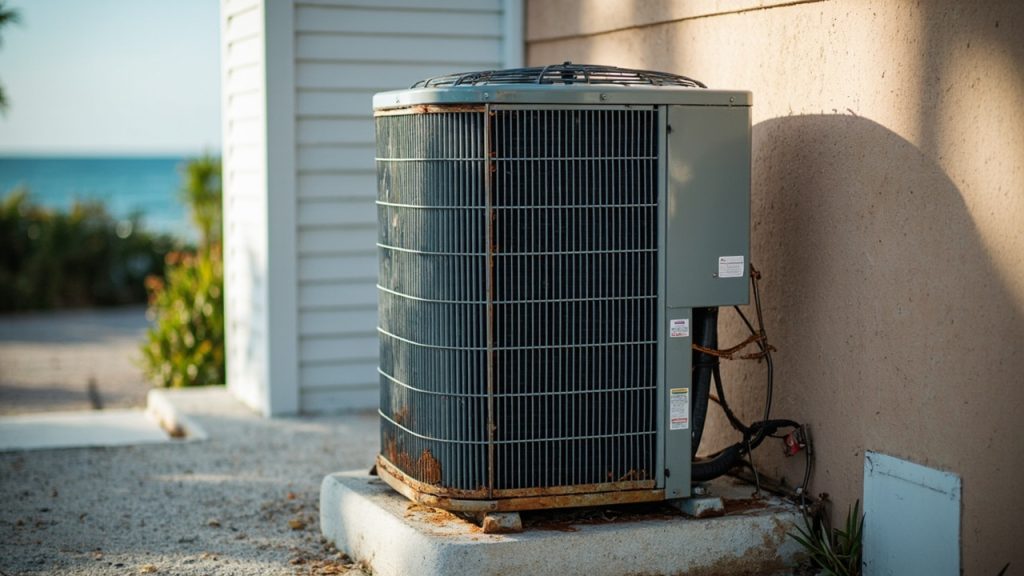
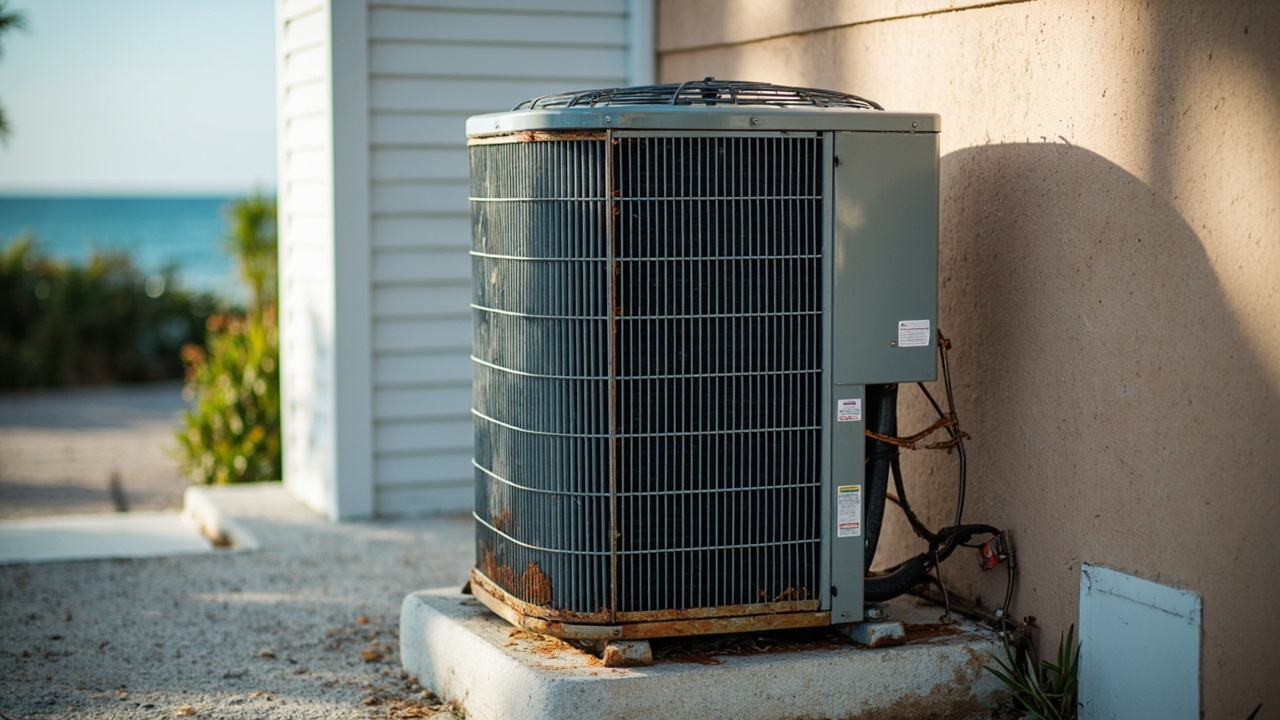
The salt air blowing from Biscayne Bay corrodes condenser coils faster than in inland neighborhoods. High humidity averaging 70 percent year-round means your system works harder to strip moisture from the air. Limestone bedrock and the Biscayne Aquifer create unique grounding and drainage challenges when mounting outdoor equipment.
Mediterranean Revival homes with thick plaster walls and limited crawl spaces restrict ductwork installation. The Coral Gables Historic Commission requires approval for outdoor equipment placement and adds permitting steps that standard contractors do not anticipate.
Mid-Century Modern ranches in adjacent Pinecrest face the same humidity load but with different ductwork routing. Newer construction in Homestead uses elevated equipment pads due to flood zone designations, changing how technicians install replacement units.
Understanding these local factors separates reliable repair from guesswork.
Common HVAC Issues in Coral Gables Homes
Knowing why your system fails helps you communicate with technicians and make smarter decisions about repairs versus replacement.
Condenser Coil Corrosion from Salt Air
Your outdoor condensing unit sits exposed to salt-laden breezes off Biscayne Bay. Over time, this salt attacks aluminum fins and copper tubing. Corrosion reduces heat transfer efficiency and eventually causes refrigerant leaks.
Homeowners in Coral Gables often notice this after 8 to 12 years of operation. The system cools less effectively. Electricity bills rise. A technician inspects the coils and finds heavy white or blue-green oxidation buildup.
Early detection through annual maintenance coil cleaning extends system life. Advanced corrosion may require condenser replacement.
Humidity and Mold in Ductwork
South Florida humidity does not drop below 60 percent even in our dry season. Air conditioning systems must remove both sensible heat and latent heat. When ductwork runs through unconditioned attic spaces or through limestone foundations with high water tables, condensation forms inside the ducts.
Mold grows in these damp environments. You smell musty odors. Allergic family members experience more congestion. The system blows moldy air through your home.
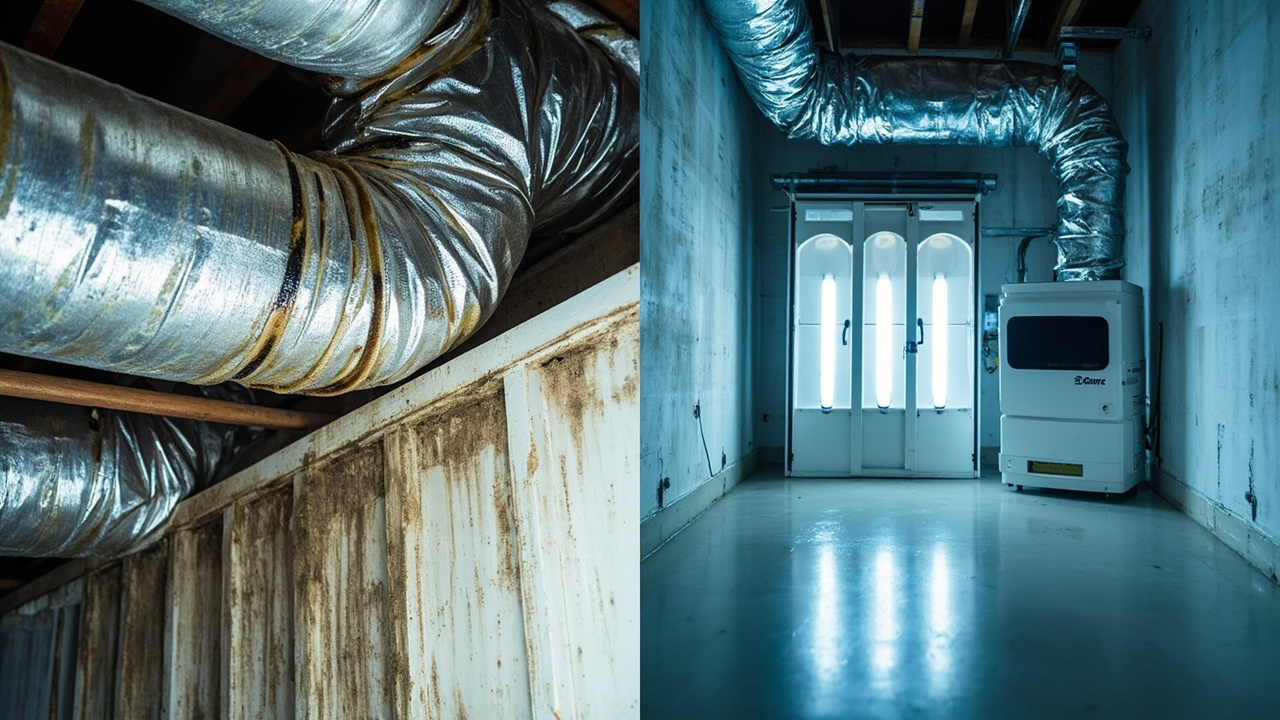
The combination of Coral Gables’ year-round humidity above 60 percent and the constant presence of moisture in limestone foundations makes ductwork mold a serious concern. Dehumidification systems and duct sealing address this. UV lights installed in the plenum kill airborne spores before air reaches your vents.
Refrigerant Leaks in Historic Homes
Many Coral Gables homes built before 1990 originally used R-22 refrigerant. Modern EPA regulations phase out R-22 and older refrigerants. If your system still uses R-22 and develops a leak, you face a decision. Retrofitting to newer refrigerant like R-410A or R-32 is expensive. Replacement with a high-efficiency system makes financial sense.
Leaks typically occur at solder joints, filter drier connections, or pinhole corrosion from salt air. A technician uses electronic leak detection to locate the source, then discusses repair viability with you.
Thermostat Miscalibration in Older Homes
Mechanical thermostats in homes throughout Pinecrest and Coral Gables drift from calibration. The thermostat reads 72 degrees, but your home measures 75 degrees on an independent thermometer. You feel cold in some rooms and warm in others.
A new programmable or smart thermostat improves comfort and reduces wasted energy. Modern thermostats learn your patterns, adjust for humidity, and provide real-time energy tracking.
Our Certified HVAC Solutions
Horizon Heating and Cooling delivers solutions tailored to Coral Gables homes, not templates copied from generic service websites.
Emergency Central AC Repair
Your main air handler or compressor fails. We diagnose the issue, explain your options, and execute repairs or replacements the same day when possible. We work on Carrier, Trane, Rheem, Lennox, and other major brands.
Emergency repairs include emergency capacitor replacement, contactor service, refrigerant leak detection, and compressor troubleshooting. We carry common parts in our service trucks.
Ductless Mini-Split Systems for Historic Properties
Homes in Coral Gables with original plaster interiors and limited attic space often cannot accommodate central ductwork renovation without damaging historic details. Ductless mini-split systems mount on walls, eliminating the need for ductwork.
These units deliver zone-by-zone cooling and heating. You control each room independently. No vibration or noise typical of window units. Modern mini-splits operate at high efficiency ratings, reducing electricity consumption compared to room air conditioning.
Installation requires a small refrigerant line and electrical connection routed through a wall. A skilled technician accomplishes this while preserving exterior architectural integrity and meeting Coral Gables historic codes.
Humidity Control and Dehumidification
Standard air conditioning cools air but does not always remove humidity at the rate needed in South Florida. Humidity above 55 percent indoors encourages mold, dust mite proliferation, and material rot inside walls and attics.
We install supplemental dehumidification systems and UV light air purifiers. These work alongside your main AC system to protect indoor air quality and preserve building materials.
Whole-home dehumidifiers connect to your ductwork. Portable units serve specific rooms. UV lights mount inside your air handler or ductwork plenum.
Ductwork Repair for Historic Properties
Many Coral Gables homes feature original ductwork installed 40 to 60 years ago. Ducts sag, develop air leaks, and corrode. Sealing leaks with mastic compound and reinforcing sagging sections restores efficiency and comfort.
In homes where original ductwork cannot be salvaged, we design new low-profile ductwork routed through attic spaces, exterior walls, or soffit cavities while minimizing visual impact.
Preventative Maintenance Plans
Regular maintenance extends system life and catches problems before they become emergencies. Our maintenance plans include spring and fall inspections, coil cleaning, filter replacement, refrigerant level checks, and electrical connection inspection.
Homes in salt-air zones like Coral Gables benefit from more frequent condenser coil cleaning. We customize maintenance frequency based on your system age, location, and performance history.
Smart Thermostat Installation and Integration
Modern smart thermostats provide remote control, energy usage reporting, and scheduling features unavailable on mechanical units. They communicate with your smartphone. Some integrate with whole-home smart systems.
We install and configure thermostats to match your home layout and lifestyle. Programming ensures your system does not waste energy cooling empty rooms or running during away periods.
How Salt Air and Humidity Degrade AC Systems Faster in Coral Gables
Coastal properties face accelerated equipment degradation. Understanding this reality helps you plan maintenance and replacement budgets.
Salt-laden air deposits minerals on outdoor condenser coils. Fins corrode. Copper tubing develops micro-cracks. Internal airflow restrictions grow. The compressor works harder, consuming more electricity.
Humidity creates secondary damage. Moisture migrates into electrical connections. Corrosion spreads on contactor terminals. Motor bearings rust. Mold colonizes ductwork and indoor coil surfaces.
High-efficiency units with corrosion-resistant coatings last longer than budget models. SEER2 ratings of 16 or higher mean less runtime, lower compressor wear, and faster payback through reduced electricity bills.
Homes in Coral Gables should budget for system replacement every 12 to 14 years, compared to 15 to 18 years in inland areas like Homestead. Annual maintenance stretches this timeline.
Coral Gables Permits and Building Code Compliance
Coral Gables enforces strict building codes shaped by hurricane loads, flood zones, and historic preservation. AC replacement requires permits and inspections.
Historic Preservation Review
Properties within the Historic Preservation Districts require Coral Gables Art and Historical Commission approval for outdoor equipment placement and condenser unit design. Equipment must not be visible from public streets when possible.
Side yards and rear yards hide condenser units. Screening with vegetation or fencing provides concealment. The commission approves placement and appearance before installation begins.
This adds 2 to 4 weeks to project timelines. A contractor familiar with the commission’s standards expedites approval.
Hurricane-Zone Equipment Tie-Downs
Coral Gables sits in the Florida Building Code High Velocity Hurricane Zone. Outdoor condenser units must be secured with engineering-rated tie-down hardware. Wind loads of 150 plus miles per hour demand over-built mounting.
Concrete pads must be elevated above flood zone levels. Electrical connections require NEMA 3R enclosures rated for salt-air exposure. Refrigerant lines need protection conduit.
These requirements increase material and labor cost compared to inland installations in Homestead.
Permitting Timeline and Costs
City of Coral Gables permitting for AC replacement takes 10 to 15 business days after application. You need permit approval before installation. Final inspection occurs after the work is complete.
Plan 4 to 6 weeks for a typical replacement project including commission review, permitting, and installation.
| Permitting Stage | Typical Timeline | Notes |
|---|---|---|
| Historic Commission Application | 2 to 4 weeks | Applies only to properties in historic districts. Submit drawings showing equipment location and screening. |
| City Permit Issuance | 10 to 15 business days | After commission approval or waiver, city processes building permit. |
| Installation and Final Inspection | 1 to 3 weeks | Inspection verifies tie-downs, electrical work, and refrigerant line protection. |
Transparent Pricing and What You Should Expect
Emergency repair calls generate anxiety about hidden fees. We believe transparency eliminates that stress.
No Hidden Diagnostic Charges
We diagnose the problem at no charge. You receive a written estimate before we proceed with repairs. If you decline the repair, you owe nothing for the diagnosis visit.
Emergency calls occurring after 6 PM or on weekends include a standard after-hours fee. This covers dispatch, technician time, and equipment costs outside normal business hours.
Repair Estimates Include Labor and Parts
Our estimate breaks down labor, parts, and any additional fees. You see the cost of a capacitor replacement, refrigerant refill, coil cleaning, or electrical work separately. No surprises appear on the final invoice.
If the repair exceeds a certain threshold in cost, replacement often becomes more economical. We present both options and let you decide.
Seasonal and Annual Service Plans
Preventative maintenance plans provide predictable costs. Fixed monthly or annual payments cover spring tune-up, fall inspection, filter replacement, and priority scheduling for repairs.
Plan members receive 10 to 15 percent discounts on parts and labor for additional repairs beyond the plan scope.
Energy Efficiency and Long-Term Savings
High upfront cost for a new high-efficiency system deters many Coral Gables homeowners. High electricity bills from aging systems reveal the true cost of delay.
SEER2 Ratings Explained
SEER2 stands for Seasonal Energy Efficiency Ratio. It measures cooling output per unit of electrical input. Higher SEER2 ratings indicate more efficient systems.
Current minimum standards require SEER2 16 for residential central air systems in Florida. High-efficiency units reach SEER2 19 or higher.
Moving from a 10 SEER system to a SEER2 18 system reduces cooling electricity consumption by 40 to 45 percent. This translates to savings of 30 to 50 dollars per month on most Coral Gables residential accounts.
| System Type and Age | Typical SEER Rating | Estimated Monthly Cooling Cost | Monthly Savings vs. SEER2 18 |
|---|---|---|---|
| R-22 unit installed 1990 to 2005 | 8 to 10 | 160 to 180 dollars | 50 to 60 dollars |
| Standard unit installed 2005 to 2015 | 13 to 14 | 110 to 130 dollars | 20 to 35 dollars |
| High-efficiency unit installed 2020 onward | SEER2 16 to 18 | 75 to 95 dollars | Baseline |
Florida Power and Light Rebate Programs
FPL offers rebates for replacing aging air conditioning systems with high-efficiency units. Rebate amounts vary by unit type and efficiency level. Current programs provide incentives of 500 to 1500 dollars for residential central AC replacement.
We assist you with rebate applications and help you understand eligibility requirements. Some rebates require pre-approval before installation. We coordinate with FPL to ensure you receive the full benefit.
Check the FPL residential rebate programs page to see what incentives apply to your home.
Payback Period for System Replacement
Monthly electricity savings from a high-efficiency system installation pay back your upfront investment over 6 to 10 years. After that point, you benefit from lower energy costs with no additional capital outlay.
Homes in Coral Gables using air conditioning year-round see faster payback than cooling-only climates. The combination of high cooling loads and salt-air corrosion making older units fail means replacement cost versus continued repair spending also factors into the decision.
What to Expect During an Emergency AC Repair Visit
Understanding the repair process reduces anxiety and sets realistic expectations.
Initial Phone Call
You call us and describe the problem. Our dispatcher asks about system age, current symptoms, and any unusual sounds or smells. This information helps us pre-load the technician’s truck with likely parts.
We provide a time window for arrival. During busy summer days, windows may span 2 to 3 hours. During slower periods, we arrive within 60 minutes of your call.
Technician Arrival and Diagnosis
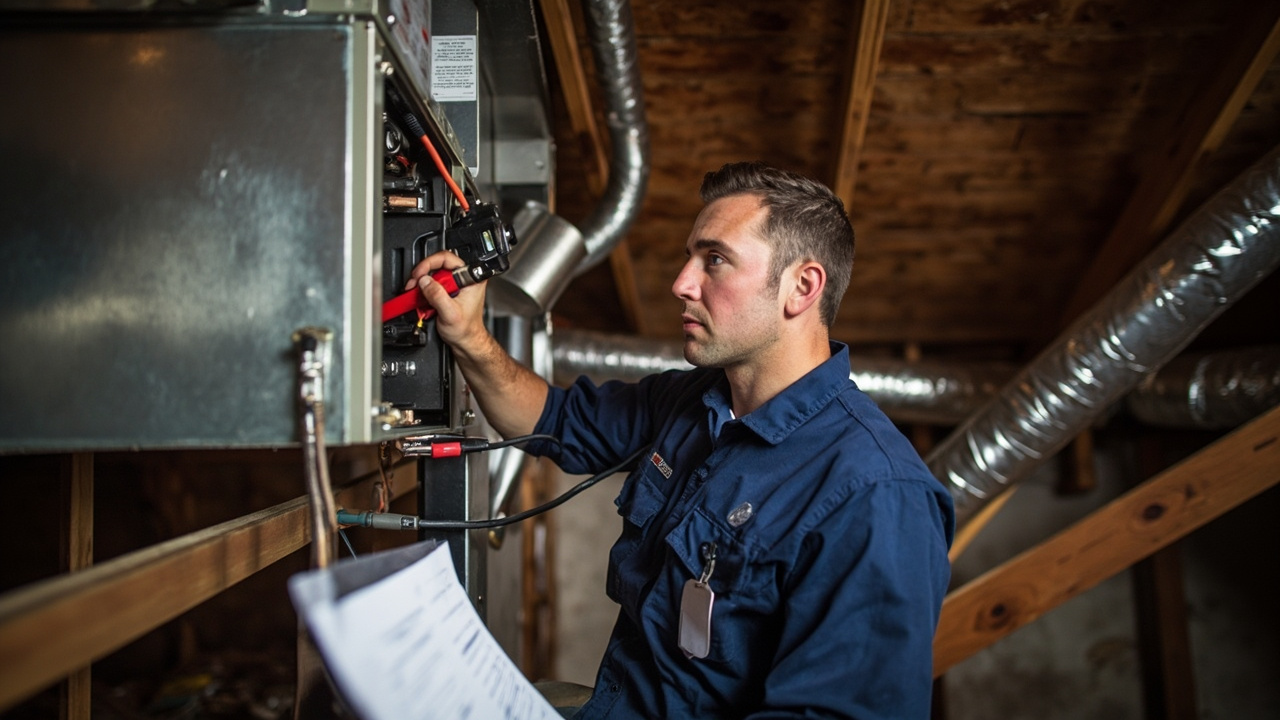
The technician examines your indoor air handler and outdoor condenser unit. They check refrigerant pressure, electrical connections, airflow, and thermostat calibration.
They may take apart access panels or disconnect wiring to inspect coils or components. This takes 30 to 45 minutes for a thorough diagnosis. You receive a clear explanation of the problem in plain language, not technical jargon.
Repair Estimate and Your Decision
The technician provides a written estimate covering labor, parts, and timeline. They explain whether repair is sensible or whether replacement makes better financial sense given system age and condition.
You decide whether to proceed that day, get a second opinion, or request a replacement estimate instead. The technician respects your timeline.
Repair Execution and Testing
Once you approve, work begins. The technician performs the repair, tests system operation, and verifies proper refrigerant level, airflow, and thermostat function.
They explain any ongoing maintenance you should perform and answer questions about system operation. They leave you with a work invoice and warranty information.
Preventative Maintenance Keeps Systems Running Longer
Reactive repair waiting for failure costs more than preventative maintenance catching small problems early.
Spring Pre-Season Inspection
Before summer cooling demands peak, we perform a comprehensive spring tune-up. We inspect the condenser coils for corrosion and salt buildup, clean the coils if needed, verify refrigerant charge, inspect electrical connections for corrosion, test the thermostat, replace or clean filters, and inspect ductwork for air leaks.
This single visit prevents 70 percent of summer emergency calls. Salt air corrosion detected early prevents refrigerant leaks. Electrical corrosion caught early prevents motor burnout.
Fall Post-Season Inspection
After cooling season ends, a fall inspection verifies that system components did not degrade during heavy use. We look for refrigerant leaks, check airflow capacity, inspect blower motor bearings, and test heating operation if you use heat in winter.
Any parts showing wear or incipient failure are replaced before winter when repair availability drops.
Quarterly Filter Changes and Coil Cleaning
Homes in Coral Gables near the coast benefit from quarterly condenser coil cleaning. Salt air deposits minerals faster than inland homes. Quarterly cleaning maintains heat transfer efficiency and extends compressor life.
Indoor air filters should be replaced monthly during cooling season. High humidity environments in South Florida accelerate filter clogging.
Indoor Air Quality Solutions
Air conditioning cools and dehumidifies, but it does not always remove airborne pollutants, dust, pollen, or mold spores.
UV Light Air Purifiers
Germicidal UV lights mount inside your air handler or ductwork plenum. As air passes the UV source, light kills bacteria, viruses, and mold spores. This prevents mold colonization of the cooling coil and keeps your system clean.
UV lights are especially effective in humid climates like Miami where mold growth is constant. Installation requires access to the interior of your air handler.
HEPA Filtration
High-Efficiency Particulate Air filters capture 99.97 percent of particles 0.3 microns and larger. These include pollen, dust mites, pet dander, and tobacco smoke. Standard filters catch larger particles but allow finer contaminants through.
HEPA filters increase airflow resistance, so your system may require a more powerful blower motor to compensate. A technician assesses whether your existing system supports HEPA filtration or if upgrades are necessary.
Whole-Home Dehumidification
Supplemental whole-home dehumidifiers extract moisture from air beyond what standard cooling provides. They connect to your ductwork and run on their own thermostat setting independent of cooling demand.
This prevents indoor humidity from exceeding 50 to 55 percent, protecting furnishings, preventing mold, and improving comfort during humid shoulder seasons when cooling is minimal.
Why Choose Horizon Heating and Cooling for Coral Gables AC Service
We operate 24/7/365. We maintain current State Contractor Licenses and NATE certification for our technicians. We carry comprehensive liability insurance covering any damage our work might cause to your property.
We provide written estimates for every repair or replacement. We explain options in plain language. We respect your budget and timeline.
Our technicians have completed hundreds of installations in Coral Gables historic districts, worked through Coral Gables permitting requirements, and solved cooling problems unique to Mediterranean Revival homes, salt-air environments, and high-humidity zones.
We offer transparent pricing with no hidden fees. We stand behind our work with solid warranties on parts and labor.
Frequently Asked Questions
What causes mold to grow in air conditioning ductwork?
High humidity combined with condensation inside ducts creates a moist environment where mold thrives. In Coral Gables, humidity rarely drops below 60 percent indoors. If ductwork runs through hot attics or unconditioned spaces, condensation forms on the inside of ducts. Duct sealing, UV light air purifiers, and supplemental dehumidification address this problem.
How often should I have my AC system serviced in Coral Gables?
We recommend spring and fall tune-ups every year. Homes near the coast benefit from quarterly condenser coil cleaning due to salt air corrosion that accelerates component wear. Monthly filter replacement is standard during cooling season. This preventative routine prevents 70 percent of emergency failures and extends system life by several years.
Why do AC systems fail faster in Coral Gables than in other South Florida neighborhoods?
Salt air from Biscayne Bay corrodes aluminum and copper components faster than inland climates. High year-round humidity means constant moisture exposure. Sand and salt deposits on condenser coils reduce cooling efficiency and accelerate mechanical wear. Limestone bedrock and high water tables create unique drainage and grounding challenges. Expect system replacement every 12 to 14 years in Coral Gables versus 15 to 18 years inland.
Take Control of Your Comfort Now
Do not wait for emergency failure in August heat. Call Horizon Heating and Cooling today at your earliest convenience to schedule a spring tune-up or request a free replacement estimate if your system is showing age.
Tell us about your cooling concerns. Describe any sounds, smells, comfort problems, or high energy bills. We listen and provide honest advice about whether repair or replacement makes sense for your home.
If you need emergency service tonight, we answer the phone. Text or call to dispatch a technician to your Coral Gables home within the hour.
Stop stressing about air conditioning. Work with technicians who know Coral Gables homes, understand your climate challenges, and deliver transparent service without the pressure or hidden fees. Contact us for immediate AC repair in Coral Gables.
{
“@context”: “https://schema.org”,
“@type”: “BlogPosting”,
“headline”: “Finding Reliable AC Repair in Coral Gables Without the Stress”,
“description”: “24/7 AC repair in Coral Gables, FL. Expert technicians handle salt air corrosion, humidity, and historic home cooling. Transparent pricing, no hidden fees.”,
“wordCount”: 3253,
“datePublished”: “2026-03-13T13:23:00.000Z”,
“dateModified”: “2026-03-13T13:23:00.000Z”,
“inLanguage”: “en-US”,
“mainEntityOfPage”: {
“@type”: “WebPage”,
“@id”: “https://horizonheatingandcoolingmiami.com”
},
“publisher”: {
“@type”: “LocalBusiness”,
“name”: “Horizon Heating and Cooling Miami”,
“url”: “https://horizonheatingandcoolingmiami.com”
},
“author”: {
“@type”: “Organization”,
“name”: “Horizon Heating and Cooling Miami”,
“url”: “https://horizonheatingandcoolingmiami.com”
},
“image”: {
“@type”: “ImageObject”,
“url”: “https://horizonheatingandcoolingmiami.com/wp-content/uploads/2026/03/finding-reliable-ac-repair-in-coral-gables-without-1.jpg”
}
}
{
“@context”: “https://schema.org”,
“@type”: “HVACBusiness”,
“name”: “Horizon Heating and Cooling Miami”,
“url”: “https://horizonheatingandcoolingmiami.com”,
“address”: {
“@type”: “PostalAddress”,
“addressLocality”: “Miami”
},
“areaServed”: {
“@type”: “City”,
“name”: “Miami”
}
}
{
“@context”: “https://schema.org”,
“@type”: “FAQPage”,
“mainEntity”: [
{
“@type”: “Question”,
“name”: “What causes mold to grow in air conditioning ductwork?”,
“acceptedAnswer”: {
“@type”: “Answer”,
“text”: “High humidity combined with condensation inside ducts creates a moist environment where mold thrives. In Coral Gables, humidity rarely drops below 60 percent indoors. If ductwork runs through hot attics or unconditioned spaces, condensation forms on the inside of ducts. Duct sealing, UV light air purifiers, and supplemental dehumidification address this problem.”
}
},
{
“@type”: “Question”,
“name”: “How often should I have my AC system serviced in Coral Gables?”,
“acceptedAnswer”: {
“@type”: “Answer”,
“text”: “We recommend spring and fall tune-ups every year. Homes near the coast benefit from quarterly condenser coil cleaning due to salt air corrosion that accelerates component wear. Monthly filter replacement is standard during cooling season. This preventative routine prevents 70 percent of emergency failures and extends system life by several years.”
}
},
{
“@type”: “Question”,
“name”: “Why do AC systems fail faster in Coral Gables than in other South Florida neighborhoods?”,
“acceptedAnswer”: {
“@type”: “Answer”,
“text”: “Salt air from Biscayne Bay corrodes aluminum and copper components faster than inland climates. High year-round humidity means constant moisture exposure. Sand and salt deposits on condenser coils reduce cooling efficiency and accelerate mechanical wear. Limestone bedrock and high water tables create unique drainage and grounding challenges. Expect system replacement every 12 to 14 years in Coral Gables versus 15 to 18 years inland.”
}
}
]
}
{
“@context”: “https://schema.org”,
“@type”: “BreadcrumbList”,
“itemListElement”: [
{
“@type”: “ListItem”,
“position”: 1,
“name”: “Home”,
“item”: “https://horizonheatingandcoolingmiami.com”
},
{
“@type”: “ListItem”,
“position”: 2,
“name”: “Blog”,
“item”: “https://horizonheatingandcoolingmiami.com/blog”
},
{
“@type”: “ListItem”,
“position”: 3,
“name”: “Finding Reliable AC Repair in Coral Gables Without the Stress”
}
]
}
{
“@context”: “https://schema.org”,
“@type”: “Service”,
“serviceType”: “HVAC”,
“provider”: {
“@type”: “LocalBusiness”,
“name”: “Horizon Heating and Cooling Miami”,
“url”: “https://horizonheatingandcoolingmiami.com”
},
“areaServed”: {
“@type”: “City”,
“name”: “Miami”
},
“description”: “24/7 AC repair in Coral Gables, FL. Expert technicians handle salt air corrosion, humidity, and historic home cooling. Transparent pricing, no hidden fees.”
}