
Everything you need to know about the new SEER2 efficiency standards before you buy in 2026
The Department of Energy rolled out new efficiency requirements for air conditioners and heat pumps in 2023. These changes affect every homeowner in Miami-Dade County who plans to replace their HVAC system this year. The new SEER2 standards are not just a technical update. They change what you can buy and how much you will pay for cooling your home. Department of Energy SEER2 guidelines.
Miami’s tropical climate means air conditioning runs nearly year-round. Understanding these new rules matters more here than in most other parts of the country. The Southeast region including Florida faces the strictest efficiency requirements. This article explains what SEER2 means for your next purchase and how to navigate the transition without costly mistakes. How to Get Your Miami Lakes HVAC System Ready for the Summer Heat.
What changed with SEER2 in 2023
The old SEER rating measured cooling efficiency under ideal laboratory conditions. The new SEER2 rating uses updated testing procedures called M1 that better reflect real-world performance. These tests add static pressure to simulate actual ductwork resistance. The result is a more accurate measure of how your system will perform in your home.. Read more about Low cost energy efficiency upgrades for historic Overtown houses.
SEER2 ratings appear lower than old SEER ratings for the same equipment. A unit that tested at 15 SEER under the old system might rate 14.3 SEER2. This does not mean the equipment became less efficient. It means the testing method became more realistic.. Read more about How to lower your Miami electric bill without suffering in the heat.
The Department of Energy requires all manufacturers to use SEER2 ratings on new equipment. This creates a uniform standard across the industry. You will see both ratings on some product literature as the transition continues through 2026.
Minimum efficiency requirements for Miami
The Southeast region including Miami-Dade County must meet minimum 14.3 SEER2 for split-system air conditioners under 45,000 BTU. This applies to most residential homes. Heat pumps must meet 14.3 SEER2 for cooling and 7.5 HSPF2 for heating.. Read more about Transitioning to a solar-ready HVAC system for your Grapeland Heights residence.
These requirements are higher than the North region where minimums drop to 13.4 SEER2. Florida’s hot humid climate justifies the stricter standards. Your system will run more hours per year than units in cooler climates.
Commercial buildings face different thresholds. Packaged units over 5 tons have separate requirements. The exact minimum depends on the equipment type and capacity. Your HVAC contractor should verify compliance before installation.
Why Miami’s climate makes SEER2 critical
Miami experiences 70 percent relative humidity on average throughout the year. High humidity forces your air conditioner to work harder to remove moisture from indoor air. The new M1 testing includes moisture removal performance. This matters in South Florida where dehumidification drives energy consumption.
Summer temperatures regularly exceed 90 degrees Fahrenheit. Your cooling system must maintain comfortable indoor temperatures during extended heat waves. Higher efficiency ratings translate to lower electricity bills when your system runs 10-12 hours daily during peak season.
Salt air corrosion affects coastal areas from Miami Beach to Homestead. High-efficiency coils use thinner aluminum fins to improve heat transfer. These components need protective coatings in salt-air environments. The new standards do not address coastal durability but your contractor should recommend appropriate hardware. HVAC Homestead.
Financial incentives available in Miami
Florida Power and Light offers rebates for high-efficiency HVAC installations. The exact amounts change annually based on utility programs. Current incentives often cover several hundred dollars for units meeting specific efficiency thresholds above the minimum.
The federal Energy Efficient Home Improvement Credit allows homeowners to claim 30 percent of qualified efficiency upgrades including HVAC systems. The credit caps at $1,200 annually but has no lifetime limit. This applies to both primary residences and second homes. The Best Air Purification Systems for Luxury Pinecrest Estates.
Local utility companies sometimes offer additional rebates for energy audits and system replacements. These programs target homes with older inefficient equipment. Your contractor can help identify current offers and handle the rebate paperwork.
How to verify SEER2 compliance
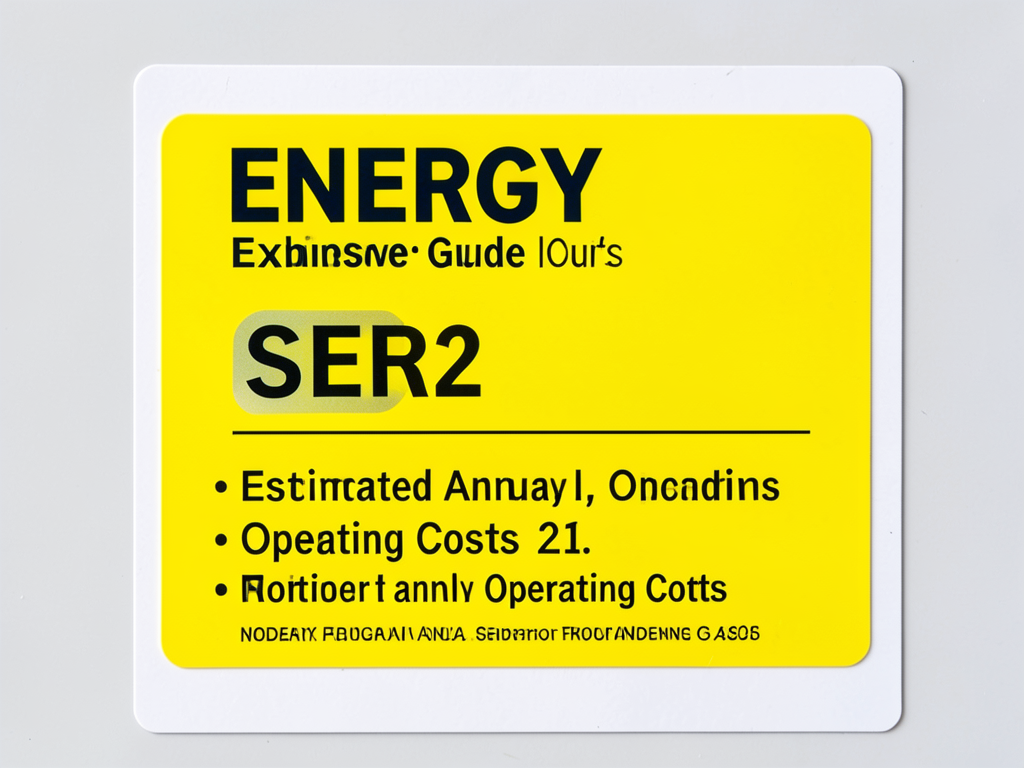
Every new air conditioner carries a yellow Energy Guide label showing the SEER2 rating. The label also displays estimated annual operating costs based on national average electricity rates. Miami’s FPL rates often exceed these averages due to higher cooling demands. FPL HVAC rebates and incentives.
Your contractor must provide documentation showing the equipment meets 2023 DOE standards. This includes the manufacturer’s certification and compliance statements. Keep these records for permit applications and potential warranty claims.
Check the equipment model number against manufacturer specifications. Some older inventory still carries SEER ratings but cannot be legally installed after certain deadlines. Your contractor should verify current production status before ordering.
Impact on equipment availability and pricing
Manufacturers phase out older SEER-rated inventory as production shifts to SEER2 compliant models. This transition creates temporary supply constraints. Popular models may face backorders during peak replacement season.
Prices for minimum efficiency units increased approximately 10-15 percent compared to pre-2023 models. Higher efficiency units above the minimum often cost more upfront but deliver greater long-term savings through reduced electricity consumption.
Installation costs remain similar regardless of efficiency rating. The main price difference comes from the equipment itself. Labor, permits, and disposal fees stay consistent across efficiency levels.. Read more about Evaluating the maintenance costs of Lennox versus Rheem for Miami homeowners.
Choosing the right efficiency for your home
Minimum 14.3 SEER2 meets legal requirements but may not optimize your energy costs. Miami’s long cooling season means higher efficiency often pays for itself within 5-7 years through utility savings.
Homes with poor insulation or leaky ductwork benefit more from efficiency upgrades. Improving the building envelope before installing new equipment maximizes your investment. A whole-home energy audit identifies these opportunities. Installing Modern AC Systems in Historic Coral Gables Homes Without Damaging the Architecture.
Consider your planned ownership duration. If you plan to stay in your home more than seven years, stepping up to 16-18 SEER2 often makes financial sense. The incremental cost difference shrinks when you factor in utility rebates and tax credits.
Installation considerations for Miami homes
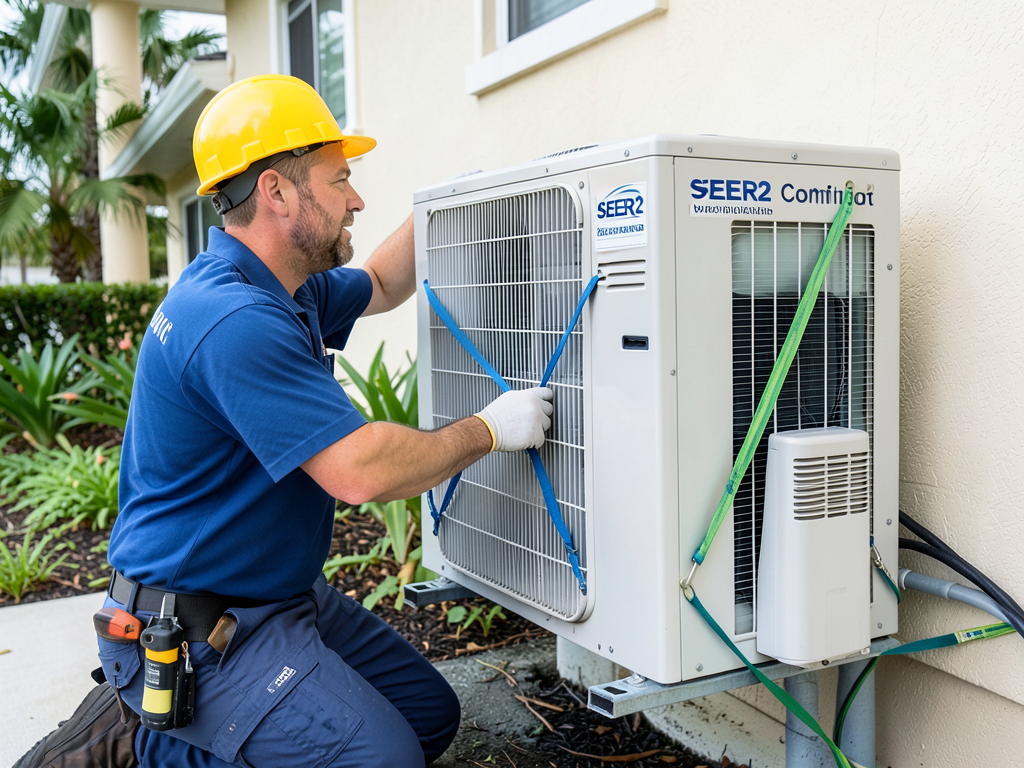
Miami-Dade County enforces strict building codes for hurricane resistance. Outdoor units require specific tie-down methods and wind-load ratings. Your installation must comply with High Velocity Hurricane Zone requirements regardless of equipment efficiency.
Elevation matters in flood-prone areas. Units installed below base flood elevation need special mounting or protective enclosures. These requirements affect equipment placement and may influence your efficiency choices.
Condenser placement affects performance. Units in direct afternoon sun require more energy to cool your home. Strategic placement or shading can improve efficiency regardless of the equipment rating.
Common misconceptions about SEER2
Higher SEER2 always means lower operating costs. This is true only if your home’s cooling load matches the equipment capacity. Oversized units cycle on and off frequently reducing efficiency gains.
SEER2 ratings apply only to new installations. You can keep existing equipment regardless of its efficiency rating. The standards affect only new purchases and installations after the compliance deadline.
All contractors understand SEER2 requirements. Some may still quote older SEER equipment or misunderstand the new testing procedures. Verify your contractor’s knowledge of current standards before signing contracts.
Timeline for the transition
Manufacturers began producing SEER2 compliant equipment in early 2023. Full transition occurred by the end of that year. Any equipment manufactured after the deadline must carry SEER2 ratings.
Contractors can still install older inventory purchased before the deadline. This creates a gray area where equipment manufactured in 2022 might install in 2024. Verify manufacture dates before accepting quotes.
Utility rebate programs align with SEER2 standards. Some rebates require minimum efficiency levels above the legal requirement. Check current program details as they change annually.
Questions to ask your HVAC contractor
Ask for the exact SEER2 rating of proposed equipment. Request documentation showing compliance with 2023 DOE standards. Verify the manufacturer’s warranty terms for both parts and labor.
Confirm permit requirements for your specific installation. Miami-Dade County may require additional inspections for efficiency upgrades or system replacements. Your contractor should handle permit applications.
Ask about available rebates and how they affect your final price. Some contractors handle rebate paperwork while others leave this to homeowners. Clarify responsibilities before work begins.
Making your decision in 2026
The new SEER2 standards create a clear minimum baseline for legal installations. Your choice involves balancing upfront costs against long-term energy savings. Miami’s climate makes efficiency upgrades more valuable here than in cooler regions.
Consider your home’s specific characteristics. Age, insulation quality, and existing ductwork condition all affect which efficiency level makes sense. A professional load calculation helps match equipment to your needs.
Act before peak season if possible. HVAC contractors stay busiest during summer months when systems fail most often. Planning your replacement during shoulder seasons often means better pricing and scheduling flexibility.
Frequently Asked Questions
What is the minimum SEER2 rating required in Miami?
The Southeast region including Miami-Dade County requires minimum 14.3 SEER2 for split-system air conditioners under 45,000 BTU. Heat pumps must meet 14.3 SEER2 for cooling and 7.5 HSPF2 for heating.
Will my current air conditioner become illegal?
No. Existing equipment can continue operating regardless of its efficiency rating. The new standards only apply to new installations and replacements after the compliance deadline.
How much more do SEER2 units cost?
Minimum efficiency SEER2 units cost approximately 10-15 percent more than pre-2023 models. Higher efficiency units above the minimum have larger price differences but may qualify for greater utility rebates and tax credits.
Do I need a permit for a new air conditioner in Miami?
Yes. Miami-Dade County requires mechanical permits for HVAC replacements. Your contractor should handle permit applications and schedule required inspections. Some efficiency upgrades may trigger additional code compliance checks.
Can I still buy a 13 SEER air conditioner?
No. Equipment manufactured after the 2023 deadline must meet SEER2 standards. Some contractors may still have older inventory but cannot legally install units below the new minimum efficiency requirements.
How do I know if a contractor understands SEER2?
Ask specific questions about SEER2 ratings, M1 testing procedures, and compliance documentation. Reputable contractors should explain the differences between old SEER and new SEER2 ratings and provide manufacturer compliance statements with quotes.
[IMAGE_PLACEHOLDER_3>
Ready to upgrade your Miami home’s cooling system
The new SEER2 standards represent a significant change in how we measure and achieve cooling efficiency. For Miami homeowners, these requirements mean better equipment performance during our long hot season. The right choice depends on your home’s specific needs, your budget, and your long-term plans.
Don’t wait until your current system fails during a summer heatwave. Understanding your options now helps you make informed decisions about efficiency, cost, and comfort. The minimum 14.3 SEER2 meets legal requirements but may not optimize your energy costs in Miami’s demanding climate.
Call Horizon Heating and Cooling at (786) 789-8277 for a free consultation about your SEER2 options. Our NATE-certified technicians understand Miami’s unique requirements and can help you navigate the new standards while maximizing available rebates and incentives. We serve Homestead, Miami Lakes, Coral Gables, and all of Miami-Dade County with expert installation and honest advice about your cooling future. Expert Ductless Mini Split Installation for Coconut Grove Cottages.
Schedule your appointment today and ensure your home stays comfortable while meeting all 2026 efficiency requirements. Your energy savings and peace of mind start with the right information and the right contractor.
{
“@context”: “https://schema.org”,
“@type”: “BlogPosting”,
“headline”: “Everything you need to know about the new SEER2 efficiency standards before you buy in 2026”,
“description”: “Learn how new SEER2 standards affect Miami homeowners in 2026. Find out minimum ratings, FPL rebates, and local compliance requirements.”,
“wordCount”: 1865,
“datePublished”: “2026-05-18T13:31:00.000Z”,
“dateModified”: “2026-05-18T13:31:00.000Z”,
“inLanguage”: “en-US”,
“mainEntityOfPage”: {
“@type”: “WebPage”,
“@id”: “https://horizonheatingandcoolingmiami.com”
},
“publisher”: {
“@type”: “LocalBusiness”,
“name”: “Horizon Heating and Cooling Miami”,
“url”: “https://horizonheatingandcoolingmiami.com”
},
“author”: {
“@type”: “Organization”,
“name”: “Horizon Heating and Cooling Miami”,
“url”: “https://horizonheatingandcoolingmiami.com”
},
“image”: {
“@type”: “ImageObject”,
“url”: “https://horizonheatingandcoolingmiami.com/wp-content/uploads/2026/03/everything-you-need-to-know-about-the-new-seer2-ef-1.png”
}
}
{
“@context”: “https://schema.org”,
“@type”: “HVACBusiness”,
“name”: “Horizon Heating and Cooling Miami”,
“url”: “https://horizonheatingandcoolingmiami.com”,
“address”: {
“@type”: “PostalAddress”,
“addressLocality”: “Miami”
},
“areaServed”: {
“@type”: “City”,
“name”: “Miami”
}
}
{
“@context”: “https://schema.org”,
“@type”: “FAQPage”,
“mainEntity”: [
{
“@type”: “Question”,
“name”: “What is the minimum SEER2 rating required in Miami?”,
“acceptedAnswer”: {
“@type”: “Answer”,
“text”: “The Southeast region including Miami-Dade County requires minimum 14.3 SEER2 for split-system air conditioners under 45,000 BTU. Heat pumps must meet 14.3 SEER2 for cooling and 7.5 HSPF2 for heating.”
}
},
{
“@type”: “Question”,
“name”: “Will my current air conditioner become illegal?”,
“acceptedAnswer”: {
“@type”: “Answer”,
“text”: “No. Existing equipment can continue operating regardless of its efficiency rating. The new standards only apply to new installations and replacements after the compliance deadline.”
}
},
{
“@type”: “Question”,
“name”: “How much more do SEER2 units cost?”,
“acceptedAnswer”: {
“@type”: “Answer”,
“text”: “Minimum efficiency SEER2 units cost approximately 10-15 percent more than pre-2023 models. Higher efficiency units above the minimum have larger price differences but may qualify for greater utility rebates and tax credits.”
}
},
{
“@type”: “Question”,
“name”: “Do I need a permit for a new air conditioner in Miami?”,
“acceptedAnswer”: {
“@type”: “Answer”,
“text”: “Yes. Miami-Dade County requires mechanical permits for HVAC replacements. Your contractor should handle permit applications and schedule required inspections. Some efficiency upgrades may trigger additional code compliance checks.”
}
},
{
“@type”: “Question”,
“name”: “Can I still buy a 13 SEER air conditioner?”,
“acceptedAnswer”: {
“@type”: “Answer”,
“text”: “No. Equipment manufactured after the 2023 deadline must meet SEER2 standards. Some contractors may still have older inventory but cannot legally install units below the new minimum efficiency requirements.”
}
},
{
“@type”: “Question”,
“name”: “How do I know if a contractor understands SEER2?”,
“acceptedAnswer”: {
“@type”: “Answer”,
“text”: “Ask specific questions about SEER2 ratings, M1 testing procedures, and compliance documentation. Reputable contractors should explain the differences between old SEER and new SEER2 ratings and provide manufacturer compliance statements with quotes.”
}
}
]
}
{
“@context”: “https://schema.org”,
“@type”: “BreadcrumbList”,
“itemListElement”: [
{
“@type”: “ListItem”,
“position”: 1,
“name”: “Home”,
“item”: “https://horizonheatingandcoolingmiami.com”
},
{
“@type”: “ListItem”,
“position”: 2,
“name”: “Blog”,
“item”: “https://horizonheatingandcoolingmiami.com/blog”
},
{
“@type”: “ListItem”,
“position”: 3,
“name”: “Everything you need to know about the new SEER2 efficiency standards before you buy in 2026”
}
]
}
{
“@context”: “https://schema.org”,
“@type”: “Service”,
“serviceType”: “HVAC”,
“provider”: {
“@type”: “LocalBusiness”,
“name”: “Horizon Heating and Cooling Miami”,
“url”: “https://horizonheatingandcoolingmiami.com”
},
“areaServed”: {
“@type”: “City”,
“name”: “Miami”
},
“description”: “Learn how new SEER2 standards affect Miami homeowners in 2026. Find out minimum ratings, FPL rebates, and local compliance requirements.”
}