
Essential HVAC settings for North Beach snowbirds heading north for the summer
If you own a home in North Beach and plan to escape Miami’s summer heat by heading north, your HVAC system needs more than just an ‘off’ switch. The combination of extreme humidity and salt air creates perfect conditions for mold growth and system damage when homes sit empty. Getting your HVAC settings right before you leave can save you thousands in repairs and keep your home safe until you return. EPA mold prevention guidelines.
Why Miami’s summer climate demands special HVAC attention
North Beach sits right on the edge of the Atlantic where summer brings relentless heat and humidity that regularly climbs above 90 percent. When you leave your home empty for months, the still air inside becomes a breeding ground for mold spores. The salt air also accelerates corrosion on outdoor condenser units. Standard ‘vacation mode’ settings that work in drier climates can actually make problems worse here.. Read more about The best thermostat settings for Miami summers and how to save money.
The recommended temperature range for an empty Miami home
Many people think turning the AC completely off saves the most money. But in Miami’s climate, that’s a costly mistake. The sweet spot for an unoccupied home is between 78 and 82 degrees Fahrenheit. This range keeps the system running enough to control humidity without wasting energy cooling an empty space. How to Get Your Miami Lakes HVAC System Ready for the Summer Heat.
- Program the thermostat to 80 degrees
Set your thermostat to 80 degrees Fahrenheit for the duration of your absence. This temperature prevents the system from running constantly while still removing enough moisture from the air.
- Enable the ‘Auto’ fan setting
Switch the fan from ‘On’ to ‘Auto.’ The ‘On’ setting keeps air circulating constantly which can actually increase humidity levels and energy costs.. Read more about Why the humid West Flagler weather causes your AC drain line to clog with slime.
- Test the settings for 24 hours
Run your programmed settings for a full day before you leave to ensure everything works properly and the temperature stays consistent.
The humidity factor: Why 50 percent is the magic number
Temperature control alone isn’t enough in North Beach. Relative humidity is the real enemy when you’re away. Mold begins growing when humidity climbs above 60 percent and can spread rapidly through your home. Your goal should be keeping indoor humidity between 45 and 50 percent.. Read more about Why Shorecrest homeowners should consider elevating their outdoor AC units.
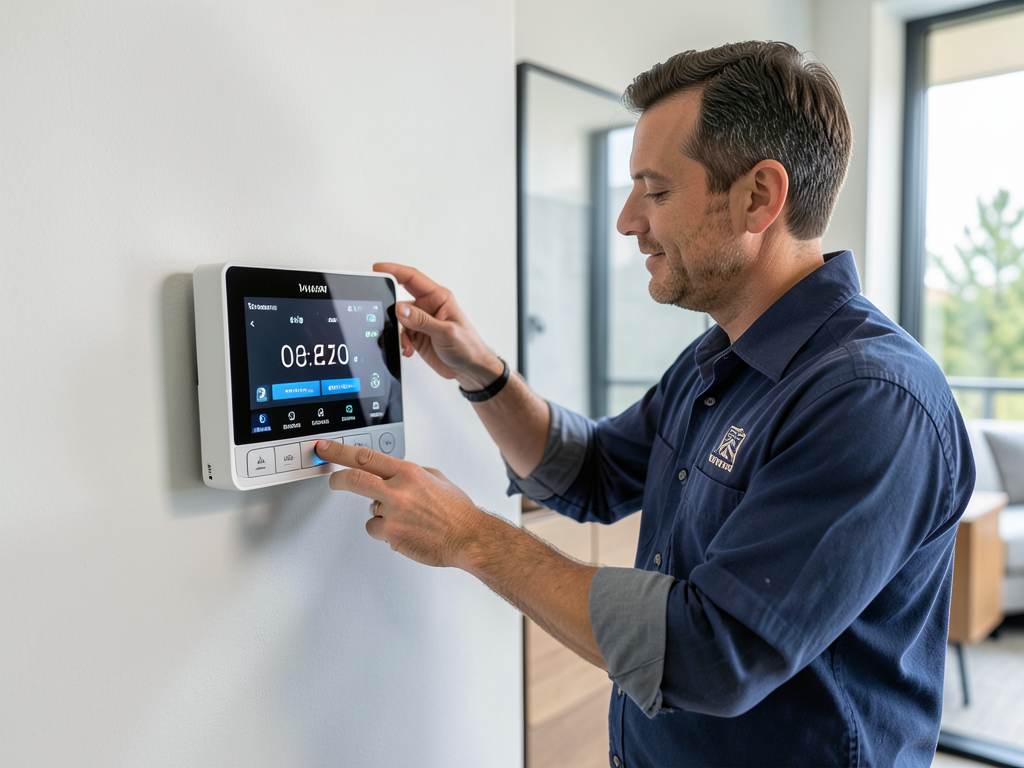
Most standard thermostats don’t measure humidity. You have two options: install a separate humidistat or upgrade to a smart thermostat with humidity sensors. The investment pays off by preventing the musty smell and damage that comes with mold growth.
Smart thermostat strategies for remote management
Modern smart thermostats give snowbirds peace of mind through remote monitoring and control. Popular options like Nest and Ecobee learn your home’s patterns and can alert you to problems before they become disasters. Installing Modern AC Systems in Historic Coral Gables Homes Without Damaging the Architecture.
Set up your smart thermostat with these features before you leave:
- Humidity alerts that notify you when levels climb above 55 percent
- Temperature alerts for unusual fluctuations that might indicate system problems
- Energy usage reports to track your system’s efficiency while you’re away
- Vacation mode that automatically adjusts settings based on your absence
Many smart thermostats also integrate with home security systems, giving you a complete picture of your home’s condition from anywhere in the country. The Best Air Purification Systems for Luxury Pinecrest Estates.
Pre-vacation HVAC checklist for North Beach homes
Before you head north, take these steps to protect your HVAC system and your home:
- Change the air filter
Replace your air filter with a fresh one. A clean filter improves airflow and efficiency, especially important when the system will run for months without maintenance.
- Clean the condensate drain line
Pour a cup of white vinegar down the condensate drain to prevent algae growth and clogs. A backed-up drain can cause water damage while you’re away.
- Check the float switch
Ensure your AC’s safety float switch is working. This device shuts off the system if the drain line clogs, preventing costly water damage.
- Install a surge protector
Summer thunderstorms are common in North Beach. A surge protector safeguards your system from power spikes during electrical storms.
- Clear vegetation around the condenser
Trim any plants or shrubs near your outdoor unit to ensure proper airflow and prevent debris from entering the system.
Hurricane season considerations for Miami absentee owners
June through November brings hurricane season to North Beach. Your HVAC system needs special preparation if you’re away during this time.
Install a whole-home surge protector to guard against lightning strikes and power surges. Consider a backup power solution like a small generator that can keep your HVAC running during extended outages. Most importantly, ensure your system can restart automatically when power returns. Some older systems require manual resets that could leave your home unprotected for days if you’re not there.
Check your home’s tie-down straps and ensure all outdoor equipment is properly secured according to Miami-Dade County’s strict hurricane codes. The salt air and high winds can turn loose equipment into dangerous projectiles. HVAC Miami Lakes.
High-rise condo vs. single-family home settings
Your HVAC settings may need adjustment based on your home type. High-rise condos in buildings like those along Collins Avenue often have centralized systems with individual thermostats. These may have different humidity control capabilities than standalone units in single-family homes.
Condo owners should check with their building management about any central system settings that might override individual controls. Single-family homeowners have more control but also more responsibility for preventing issues like frozen evaporator coils or compressor damage.
Energy savings vs. mold prevention: Finding the right balance
The financial trade-off between energy savings and mold prevention is real. Setting your thermostat to 85 degrees instead of 80 can save you $20-30 per month on your FPL bill. But the cost of mold remediation if humidity climbs too high can easily exceed $5,000. FPL energy savings tips.
Here’s a comparison of common settings and their implications:
| Thermostat Setting | Monthly Energy Cost | Humidity Risk | Mold Prevention |
|---|---|---|---|
| 72-74°F | High ($150-200) | Very Low | Excellent |
| 78-80°F | Moderate ($80-120) | Low | Good |
| 82-85°F | Low ($60-90) | Moderate | Fair |
| Off | Minimal ($10-20) | High | Poor |
The 78-80 degree range offers the best balance of cost savings and home protection for most snowbirds.
Smart home integration for peace of mind
Beyond your thermostat, consider integrating other smart home devices for comprehensive protection. Smart humidity sensors in key areas like closets and bathrooms can alert you to localized moisture problems. Smart water leak detectors near your AC unit and water heater provide early warning of potential disasters.
Many modern security systems include environmental monitoring that tracks temperature, humidity, and even air quality. These systems can send you daily reports and immediate alerts if something goes wrong, giving you confidence while you’re away.
Maintenance for salt air corrosion during your absence
North Beach’s proximity to the ocean means salt air constantly attacks your outdoor HVAC equipment. When you’re away for months, this corrosion accelerates without regular maintenance.
Before you leave, apply a protective coating to your condenser coils. Many HVAC technicians offer specialized anti-corrosion treatments designed for coastal environments. Also ensure all electrical connections are tight and protected from moisture. Consider scheduling a mid-summer maintenance check with a local technician who can inspect your system and address any developing issues.
Vacation rental vs. empty home settings
If you rent your North Beach home through platforms like Airbnb or VRBO, your HVAC strategy differs from a completely empty home. For vacation rentals, you need to balance guest comfort with energy efficiency between bookings.
Set the thermostat to 78 degrees when the property is vacant between guests. This keeps humidity under control while saving energy. Program the system to return to 74 degrees two hours before scheduled check-in times. Install a smart lock and thermostat that your cleaning service can access, allowing them to make adjustments as needed.
Clear instructions for guests about thermostat use help prevent energy waste and system strain. Many snowbird rental owners find that a locked thermostat cover prevents guests from making extreme temperature changes that could lead to frozen coils or high humidity.
Common mistakes snowbirds make with HVAC settings
Even experienced snowbirds sometimes make these costly errors:
- Turning the system completely off to save money
- Setting the thermostat too high thinking it saves more energy
- Forgetting to clean or replace the air filter before leaving
- Ignoring humidity levels and focusing only on temperature
- Skipping the pre-vacation maintenance check
- Assuming their home warranty covers mold damage from humidity
Each of these mistakes can lead to expensive repairs or replacements that far exceed any energy savings.
Finding a reliable local HVAC technician
Even with perfect settings, systems can develop problems. Before you leave, identify a reliable HVAC technician in North Beach who can handle emergencies. Look for NATE certification, good reviews, and experience with coastal properties. Reliable 24 Hour Emergency AC Repair in South Miami.
Many snowbirds establish relationships with local companies that offer vacation check services. These technicians can visit your home periodically to inspect the system, change filters, and address any developing issues. This service typically costs $75-150 per visit but can prevent thousands in damage.
Give your chosen technician a key or access code, and ensure they have your contact information and a way to reach you while you’re away. Many also recommend leaving a spare credit card on file for authorized repairs.
Final preparations before heading north
A week before your departure, schedule a professional HVAC tune-up. This service should include checking refrigerant levels, cleaning coils, testing electrical components, and verifying all safety systems work properly.
Test your smart thermostat’s remote access from your phone to ensure you can monitor your home from anywhere. Update all emergency contact information with your security company, HOA, and any service providers.
Finally, leave written instructions for any house sitters or property managers who might need to access your home. Include thermostat codes, alarm information, and your HVAC technician’s contact details.
Frequently Asked Questions
What temperature should I set my thermostat to in Miami during the summer?
Set your thermostat to 78-80 degrees Fahrenheit when you’re away for extended periods. This range balances energy savings with humidity control, preventing mold growth while keeping your energy bills reasonable.
How can I monitor my home’s humidity while I’m away?
Install a smart thermostat with humidity sensors or separate humidity monitors that connect to your smartphone. These devices can alert you when humidity climbs above 55 percent, allowing you to call for service before mold develops.
Should I turn off my AC completely to save money?
No. Turning off your AC in Miami’s humid climate invites mold growth and can lead to much more expensive repairs than any energy savings. Keep the system running at a higher temperature instead.
How often should I have my HVAC system serviced when I’m away?
Schedule a professional maintenance check before you leave and consider a mid-season inspection if you’re gone for more than three months. This helps catch problems early and ensures your system runs efficiently.
What should I do about my HVAC if a hurricane is approaching?
Ensure your system has surge protection and can restart automatically after power outages. If you’re still in town when a storm approaches, turn off the system before evacuating to protect it from power surges and debris damage.
Ready to protect your North Beach home this summer? Don’t let incorrect HVAC settings lead to mold damage or system failure. Call Horizon Heating and Cooling at (786) 789-8277 for a pre-vacation system check. Our NATE-certified technicians understand Miami’s unique climate challenges and can ensure your home stays safe and comfortable while you’re away. Schedule your appointment today and travel with confidence knowing your HVAC system is ready for the summer heat.
You may also find this helpful. Solving the mystery of the vibrating walls in your Bal Harbour luxury condo.
{
“@context”: “https://schema.org”,
“@type”: “BlogPosting”,
“headline”: “Essential HVAC settings for North Beach snowbirds heading north for the summer”,
“description”: “Protect your Miami home from mold and humidity while you’re away. Learn the exact HVAC settings snowbirds need before heading north for the summer.”,
“wordCount”: 1960,
“datePublished”: “2026-05-19T13:09:00.000Z”,
“dateModified”: “2026-05-19T13:09:00.000Z”,
“inLanguage”: “en-US”,
“mainEntityOfPage”: {
“@type”: “WebPage”,
“@id”: “https://horizonheatingandcoolingmiami.com”
},
“publisher”: {
“@type”: “LocalBusiness”,
“name”: “Horizon Heating and Cooling Miami”,
“url”: “https://horizonheatingandcoolingmiami.com”
},
“author”: {
“@type”: “Organization”,
“name”: “Horizon Heating and Cooling Miami”,
“url”: “https://horizonheatingandcoolingmiami.com”
},
“image”: {
“@type”: “ImageObject”,
“url”: “https://horizonheatingandcoolingmiami.com/wp-content/uploads/2026/03/essential-hvac-settings-for-north-beach-snowbirds-1.png”
}
}
{
“@context”: “https://schema.org”,
“@type”: “HVACBusiness”,
“name”: “Horizon Heating and Cooling Miami”,
“url”: “https://horizonheatingandcoolingmiami.com”,
“address”: {
“@type”: “PostalAddress”,
“addressLocality”: “Miami”
},
“areaServed”: {
“@type”: “City”,
“name”: “Miami”
}
}
{
“@context”: “https://schema.org”,
“@type”: “FAQPage”,
“mainEntity”: [
{
“@type”: “Question”,
“name”: “What temperature should I set my thermostat to in Miami during the summer?”,
“acceptedAnswer”: {
“@type”: “Answer”,
“text”: “Set your thermostat to 78-80 degrees Fahrenheit when you’re away for extended periods. This range balances energy savings with humidity control, preventing mold growth while keeping your energy bills reasonable.”
}
},
{
“@type”: “Question”,
“name”: “How can I monitor my home’s humidity while I’m away?”,
“acceptedAnswer”: {
“@type”: “Answer”,
“text”: “Install a smart thermostat with humidity sensors or separate humidity monitors that connect to your smartphone. These devices can alert you when humidity climbs above 55 percent, allowing you to call for service before mold develops.”
}
},
{
“@type”: “Question”,
“name”: “Should I turn off my AC completely to save money?”,
“acceptedAnswer”: {
“@type”: “Answer”,
“text”: “No. Turning off your AC in Miami’s humid climate invites mold growth and can lead to much more expensive repairs than any energy savings. Keep the system running at a higher temperature instead.”
}
},
{
“@type”: “Question”,
“name”: “How often should I have my HVAC system serviced when I’m away?”,
“acceptedAnswer”: {
“@type”: “Answer”,
“text”: “Schedule a professional maintenance check before you leave and consider a mid-season inspection if you’re gone for more than three months. This helps catch problems early and ensures your system runs efficiently.”
}
},
{
“@type”: “Question”,
“name”: “What should I do about my HVAC if a hurricane is approaching?”,
“acceptedAnswer”: {
“@type”: “Answer”,
“text”: “Ensure your system has surge protection and can restart automatically after power outages. If you’re still in town when a storm approaches, turn off the system before evacuating to protect it from power surges and debris damage.”
}
}
]
}
{
“@context”: “https://schema.org”,
“@type”: “BreadcrumbList”,
“itemListElement”: [
{
“@type”: “ListItem”,
“position”: 1,
“name”: “Home”,
“item”: “https://horizonheatingandcoolingmiami.com”
},
{
“@type”: “ListItem”,
“position”: 2,
“name”: “Blog”,
“item”: “https://horizonheatingandcoolingmiami.com/blog”
},
{
“@type”: “ListItem”,
“position”: 3,
“name”: “Essential HVAC settings for North Beach snowbirds heading north for the summer”
}
]
}
{
“@context”: “https://schema.org”,
“@type”: “Service”,
“serviceType”: “HVAC”,
“provider”: {
“@type”: “LocalBusiness”,
“name”: “Horizon Heating and Cooling Miami”,
“url”: “https://horizonheatingandcoolingmiami.com”
},
“areaServed”: {
“@type”: “City”,
“name”: “Miami”
},
“description”: “Protect your Miami home from mold and humidity while you’re away. Learn the exact HVAC settings snowbirds need before heading north for the summer.”
}