
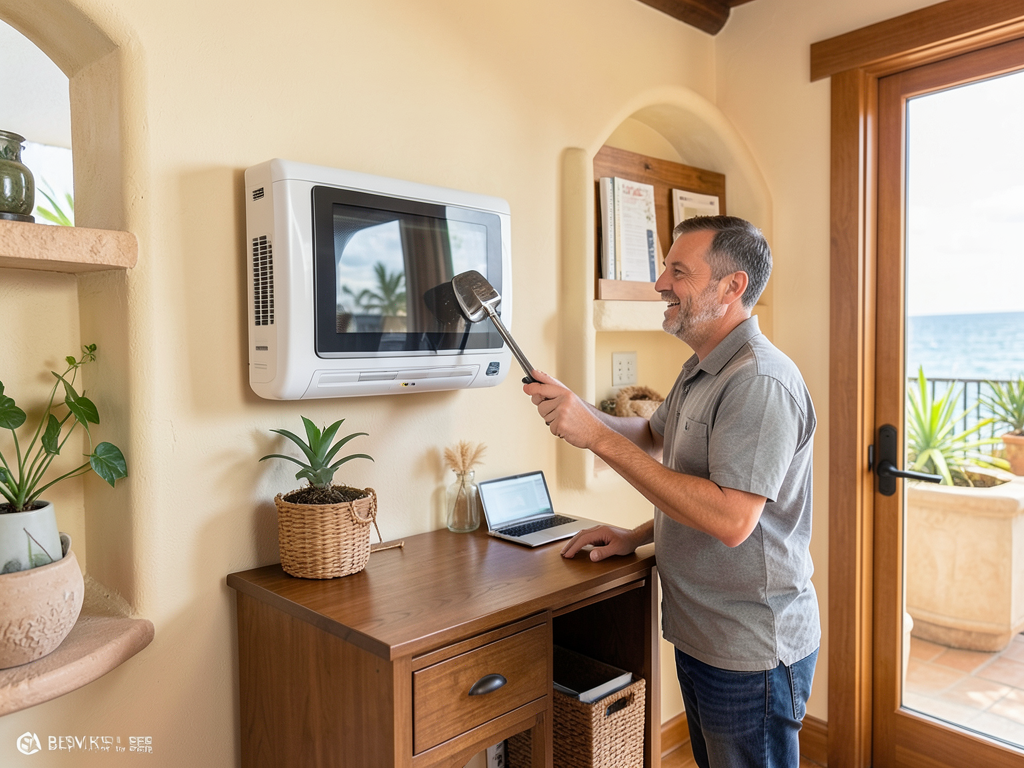
Creating the Perfect Climate for Your Gables by the Sea Home Office
Working from home in Miami means dealing with more than just deadlines. The relentless heat and humidity can turn your dedicated workspace into an uncomfortable sauna, especially in neighborhoods like Gables by the Sea where Mediterranean-style homes often lack modern cooling efficiency. Your computer equipment generates additional heat and your focus suffers when the temperature climbs above 75°F. This guide shows you exactly how to create a productive, comfortable home office environment that works with Miami’s unique climate challenges. Installing Modern AC Systems in Historic Coral Gables Homes Without Damaging the Architecture.
Understanding Miami’s Home Office Climate Challenges
Gables by the Sea sits in one of Miami’s most humid microclimates. During typical work hours from 10 AM to 4 PM, relative humidity often exceeds 70% while outdoor temperatures hover in the low 90s. These conditions create several problems for home office workers. High humidity makes the air feel warmer than it actually is, forcing your body to work harder to cool itself. This leads to fatigue and reduced concentration. The moisture also creates ideal conditions for mold growth around electronics and paper documents. How to Get Your Miami Lakes HVAC System Ready for the Summer Heat.
Traditional central air conditioning systems often struggle to maintain consistent temperatures in home offices. These rooms typically have more electronics generating heat, larger window exposure to afternoon sun, and poor insulation compared to other living spaces. Many Mediterranean-style homes in Gables by the Sea were built before modern energy efficiency standards, with single-pane windows and minimal attic insulation that allow heat to penetrate easily. The Best Air Purification Systems for Luxury Pinecrest Estates.
Ductless Mini-Split Systems: The Gold Standard for Miami Home Offices
Ductless mini-split systems have become the preferred solution for home office cooling in South Florida. These units consist of an outdoor compressor connected to one or more indoor air handlers mounted on your wall or ceiling. The technology offers several advantages specifically suited to Miami’s climate and home office needs. Expert Ductless Mini Split Installation for Coconut Grove Cottages.
First, mini-splits provide independent temperature control. You can cool your office to 72°F while keeping the rest of your house at a higher temperature, saving energy and money. The systems use inverter technology that adjusts compressor speed based on cooling demand, maintaining precise temperatures without the temperature swings common in traditional systems. Ductless Mini-Split Systems.
Noise levels matter for video conferencing and concentration. Quality mini-split units operate at 19-25 decibels on low settings, quieter than a whisper. This compares favorably to portable units that often produce 50-60 decibels of noise.
Installation flexibility makes mini-splits ideal for Gables by the Sea homes. The indoor units mount on walls without requiring extensive ductwork modifications. This preserves the architectural integrity of Mediterranean-style homes while providing modern cooling efficiency.
BTU Requirements for Your Home Office
Calculating the right cooling capacity ensures your system runs efficiently without short cycling. For a typical home office in Gables by the Sea, use this formula:
Square footage × 25 = Base BTU requirement
Add 600 BTUs for each occupant and 1000 BTUs for each computer or major electronics device. A 150-square-foot office with one person and two computers needs approximately 5,250 BTUs minimum.
However, Miami’s extreme heat requires a safety factor. Add 20-30% to your calculated BTU requirement to ensure adequate cooling during heat waves. This means our example office actually needs 6,825-7,000 BTUs.
Zoning Your Existing HVAC System
If replacing your entire system isn’t feasible, zoning can improve home office comfort. Smart zoning systems use motorized dampers in your ductwork to direct more conditioned air to specific rooms during certain hours. For home office workers, this means your workspace gets priority cooling from 9 AM to 6 PM.
Modern zoning systems integrate with smart thermostats that learn your schedule and preferences. They can automatically adjust temperatures based on occupancy sensors, ensuring your office is cool when you arrive and energy-efficient when you leave.
The cost of zoning systems varies based on your existing ductwork configuration. Homes in Gables by the Sea with original Mediterranean-style duct systems may require additional modifications to support zoning technology.
Managing Miami Humidity in Your Home Office
Humidity control is critical in South Florida home offices. High moisture levels damage electronics, create uncomfortable working conditions, and promote mold growth. The ideal relative humidity for a home office is between 40-50%.
Many modern mini-split systems include built-in dehumidification modes. These settings run the compressor at lower speeds to remove moisture without excessive cooling. Some units can maintain your target humidity level automatically, switching between cooling and dehumidification as needed.
For severe humidity problems, consider a dedicated whole-house dehumidifier integrated with your HVAC system. These units can remove 70-100 pints of moisture per day, significantly improving comfort and protecting your equipment.
Simple steps also help manage humidity. Use a hygrometer to monitor levels and run a small dehumidifier if readings consistently exceed 55%. Keep indoor plants to a minimum, as they release moisture through transpiration. Ensure your office has proper ventilation to prevent moisture buildup.
Energy Efficiency and FPL Rebates
Energy costs in Miami can be substantial, especially when cooling a dedicated workspace. High-efficiency systems with SEER2 ratings of 18 or higher can reduce cooling costs by 30-40% compared to older units. The higher upfront cost typically pays for itself within 2-3 years through energy savings.
Florida Power & Light offers rebates for high-efficiency HVAC equipment. Current programs provide up to $300 for qualifying systems with SEER2 ratings above 16. Some mini-split manufacturers also offer additional rebates through their distributors.
Smart thermostats add another layer of efficiency. These devices learn your schedule and automatically adjust temperatures when you’re away. They also provide energy usage reports and maintenance alerts, helping you optimize performance and catch problems early.
Consider the total cost of ownership when selecting equipment. A system that costs $500 more upfront but saves $200 annually in energy costs provides better long-term value than the cheapest option.
Quick Fixes: Insulation and Solar Gain
Before investing in new cooling equipment, address the root causes of heat gain. Many Gables by the Sea homes have inadequate insulation that allows heat to penetrate through walls and ceilings. Adding attic insulation to R-30 or higher can reduce cooling loads by 20-30%.
Windows are another major source of heat gain. South and west-facing windows receive the most intense sun exposure during work hours. Installing solar control window film can block up to 80% of solar heat while maintaining visibility. This inexpensive upgrade can reduce room temperatures by 5-10 degrees.
Blackout curtains or cellular shades provide additional insulation and block solar radiation. Choose light-colored materials that reflect heat rather than absorb it. Thermal curtains with insulating backing offer the best performance.
Weatherstripping around doors and windows prevents conditioned air from escaping and hot, humid air from entering. This simple fix costs under $50 but can significantly improve comfort and efficiency.
Installation Costs and Timeline in South Florida
Installing a ductless mini-split system in a Gables by the Sea home office typically costs between $2,500 and $4,500, depending on the unit’s capacity and features. This includes the outdoor compressor, indoor air handler, mounting hardware, and basic electrical work.
Installation usually takes one to two days. The process involves mounting the indoor unit, installing the refrigerant lines through a small hole in the wall, placing the outdoor compressor on a concrete pad or wall bracket, and connecting the electrical components.
Permit requirements vary by municipality. Miami-Dade County requires permits for new HVAC installations, including mini-splits. The permitting process typically takes 1-2 weeks. Your contractor should handle permit applications and inspections as part of the installation service.
Consider timing your installation for the off-season. Late fall and early winter often have shorter wait times and potentially lower prices than the peak summer months when HVAC companies are busiest.
Comparing Cooling Solutions for Home Offices
| Solution Type | Initial Cost | Noise Level (dB) | Energy Efficiency | Best For |
|---|---|---|---|---|
| Ductless Mini-Split | $2,500-$4,500 | 19-25 | SEER2 18-22 | Permanent home offices |
| Portable AC Unit | $300-$700 | 50-60 | SEER2 10-12 | Temporary or rental spaces |
| Zoned Central AC | $3,000-$8,000 | 35-45 | SEER2 16-20 | Whole-house solutions |
| Window Unit | $150-$400 | 45-55 | SEER2 10-13 | Small, occasional use |
Protecting Your Electronics from Miami Heat
Computers and other electronics generate significant heat and are sensitive to temperature extremes. Most electronics operate best between 50-95°F with humidity below 80%. Miami’s climate can push these limits, especially in enclosed home office spaces.
Position your computer equipment away from direct sunlight and heat sources. Ensure adequate ventilation around all devices. Many modern computers have built-in thermal throttling that reduces performance when temperatures rise, directly impacting your productivity.
Consider a small, dedicated cooling fan for your computer workstation. USB-powered fans can improve airflow around your equipment without significantly increasing energy costs.
Surge protection becomes even more critical in Miami’s storm-prone climate. Power surges from lightning strikes can damage both your cooling equipment and electronics. Use quality surge protectors and consider whole-house surge protection for comprehensive coverage.
Maintenance Tips for Long-Term Performance
Regular maintenance keeps your cooling system running efficiently and extends its lifespan. Clean or replace air filters every 1-3 months. Dirty filters reduce airflow and force your system to work harder, increasing energy costs and wear.
Keep the outdoor compressor unit clear of debris, vegetation, and obstructions. Maintain at least two feet of clearance around the unit for proper airflow. Rinse the condenser coils annually to remove dirt and salt buildup, which is especially important in coastal areas like Gables by the Sea.
Check refrigerant levels annually. Low refrigerant reduces cooling capacity and can indicate leaks that require professional repair. Most mini-split systems need professional servicing every 1-2 years to check electrical connections, clean internal components, and verify proper operation. EPA humidity control recommendations.
Monitor your energy bills for unexpected increases, which often indicate declining system efficiency. Unusual noises, reduced cooling capacity, or ice buildup on the indoor or outdoor units signal problems requiring professional attention.
Frequently Asked Questions
How long do mini-split systems typically last in Miami’s climate?
Quality mini-split systems last 12-15 years with proper maintenance. Miami’s salt air and humidity can reduce lifespan slightly compared to inland areas, making regular cleaning and maintenance even more important.
Can I install a mini-split system myself?
DIY installation is not recommended. Mini-split systems require proper refrigerant handling, electrical connections, and system charging that require specialized tools and certification. Improper installation can void warranties and create safety hazards.
What size mini-split do I need for a 200-square-foot home office?
A 200-square-foot office typically needs 6,000-7,000 BTUs with Miami’s heat factor. Add 1,000-2,000 BTUs if the room has large windows or receives direct afternoon sun.
Are mini-splits energy efficient compared to central air?
Yes. Mini-splits often achieve SEER2 ratings of 20-22, compared to 14-18 for many central systems. They also avoid duct losses, which can account for 30% of energy use in central systems.
How noisy are mini-splits during video calls?
Quality mini-splits operate at 19-25 decibels on low settings, quieter than a whisper. This won’t interfere with video calls or concentration. Portable units are typically much louder at 50-60 decibels.
Take Control of Your Home Office Climate Today
Don’t let Miami’s heat and humidity compromise your productivity and comfort. Whether you need a complete ductless mini-split installation or want to optimize your existing system, professional help makes all the difference. Our team understands the unique challenges of cooling home offices in Gables by the Sea and throughout Miami-Dade County.
We’ll assess your specific needs, recommend the right solution for your space and budget, and handle all permitting and installation requirements. Our technicians are trained in the latest high-efficiency technologies and understand Miami’s building codes and climate challenges.
Call us today at (786) 789-8277 to schedule your free home office cooling consultation. We’ll help you create the perfect climate for maximum productivity, no matter how hot it gets outside.
Ready to transform your home office into a cool, comfortable workspace? Contact us now and take the first step toward better productivity and comfort. Your ideal work environment is just a phone call away. For more information, visit U.S. Department of Energy air conditioning guide.
{
“@context”: “https://schema.org”,
“@type”: “BlogPosting”,
“headline”: “Creating the perfect climate for your Gables by the Sea home office”,
“description”: “Learn how to cool your Gables by the Sea home office effectively with ductless mini-splits, humidity control, and energy-efficient solutions for Miami’s heat.”,
“wordCount”: 2036,
“datePublished”: “2026-06-06T08:29:00.000Z”,
“dateModified”: “2026-06-06T08:29:00.000Z”,
“inLanguage”: “en-US”,
“mainEntityOfPage”: {
“@type”: “WebPage”,
“@id”: “https://horizonheatingandcoolingmiami.com”
},
“publisher”: {
“@type”: “LocalBusiness”,
“name”: “Horizon Heating and Cooling Miami”,
“url”: “https://horizonheatingandcoolingmiami.com”
},
“author”: {
“@type”: “Organization”,
“name”: “Horizon Heating and Cooling Miami”,
“url”: “https://horizonheatingandcoolingmiami.com”
},
“image”: {
“@type”: “ImageObject”,
“url”: “https://horizonheatingandcoolingmiami.com/wp-content/uploads/2026/03/creating-the-perfect-climate-for-your-gables-by-th-1.png”
}
}
{
“@context”: “https://schema.org”,
“@type”: “HVACBusiness”,
“name”: “Horizon Heating and Cooling Miami”,
“url”: “https://horizonheatingandcoolingmiami.com”,
“address”: {
“@type”: “PostalAddress”,
“addressLocality”: “Miami”
},
“areaServed”: {
“@type”: “City”,
“name”: “Miami”
}
}
{
“@context”: “https://schema.org”,
“@type”: “FAQPage”,
“mainEntity”: [
{
“@type”: “Question”,
“name”: “How long do mini-split systems typically last in Miami’s climate?”,
“acceptedAnswer”: {
“@type”: “Answer”,
“text”: “Quality mini-split systems last 12-15 years with proper maintenance. Miami’s salt air and humidity can reduce lifespan slightly compared to inland areas, making regular cleaning and maintenance even more important.”
}
},
{
“@type”: “Question”,
“name”: “Can I install a mini-split system myself?”,
“acceptedAnswer”: {
“@type”: “Answer”,
“text”: “DIY installation is not recommended. Mini-split systems require proper refrigerant handling, electrical connections, and system charging that require specialized tools and certification. Improper installation can void warranties and create safety hazards.”
}
},
{
“@type”: “Question”,
“name”: “What size mini-split do I need for a 200-square-foot home office?”,
“acceptedAnswer”: {
“@type”: “Answer”,
“text”: “A 200-square-foot office typically needs 6,000-7,000 BTUs with Miami’s heat factor. Add 1,000-2,000 BTUs if the room has large windows or receives direct afternoon sun.”
}
},
{
“@type”: “Question”,
“name”: “Are mini-splits energy efficient compared to central air?”,
“acceptedAnswer”: {
“@type”: “Answer”,
“text”: “Yes. Mini-splits often achieve SEER2 ratings of 20-22, compared to 14-18 for many central systems. They also avoid duct losses, which can account for 30% of energy use in central systems.”
}
},
{
“@type”: “Question”,
“name”: “How noisy are mini-splits during video calls?”,
“acceptedAnswer”: {
“@type”: “Answer”,
“text”: “Quality mini-splits operate at 19-25 decibels on low settings, quieter than a whisper. This won’t interfere with video calls or concentration. Portable units are typically much louder at 50-60 decibels.”
}
}
]
}
{
“@context”: “https://schema.org”,
“@type”: “BreadcrumbList”,
“itemListElement”: [
{
“@type”: “ListItem”,
“position”: 1,
“name”: “Home”,
“item”: “https://horizonheatingandcoolingmiami.com”
},
{
“@type”: “ListItem”,
“position”: 2,
“name”: “Blog”,
“item”: “https://horizonheatingandcoolingmiami.com/blog”
},
{
“@type”: “ListItem”,
“position”: 3,
“name”: “Creating the perfect climate for your Gables by the Sea home office”
}
]
}
{
“@context”: “https://schema.org”,
“@type”: “Service”,
“serviceType”: “HVAC”,
“provider”: {
“@type”: “LocalBusiness”,
“name”: “Horizon Heating and Cooling Miami”,
“url”: “https://horizonheatingandcoolingmiami.com”
},
“areaServed”: {
“@type”: “City”,
“name”: “Miami”
},
“description”: “Learn how to cool your Gables by the Sea home office effectively with ductless mini-splits, humidity control, and energy-efficient solutions for Miami’s heat.”
}