
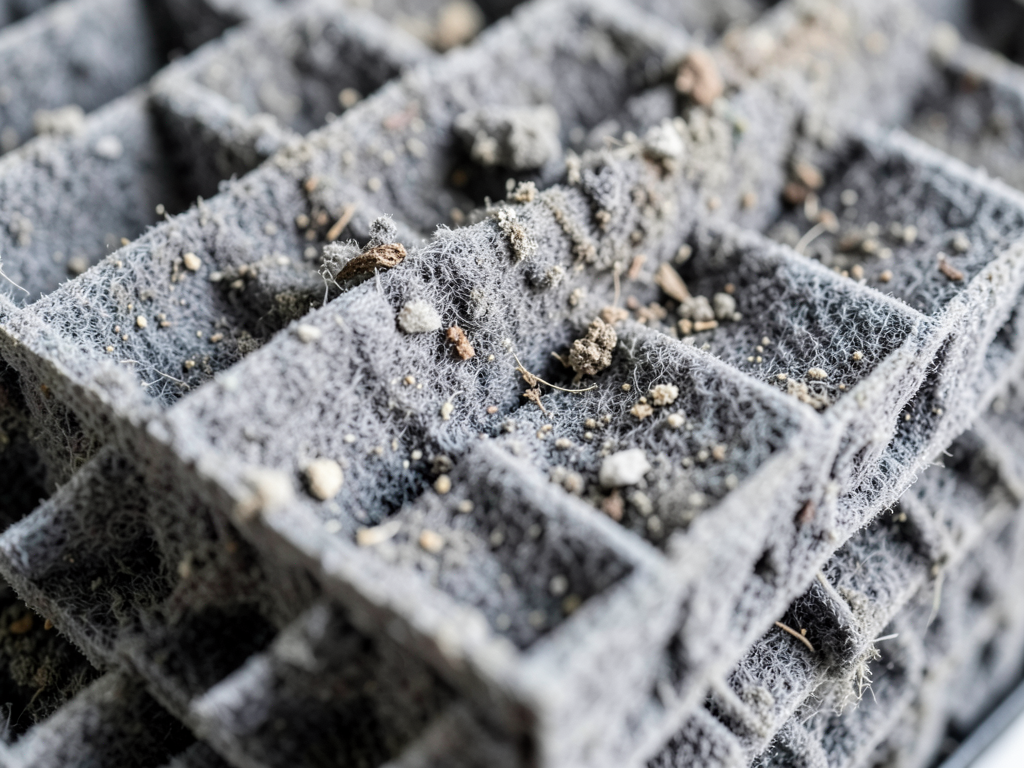
How often should you actually change your air filter in a dusty Coconut Grove home?
The answer is simple: every 30 to 45 days if you live in Coconut Grove. The lush canopy and older homes here trap more dust, pollen, and moisture than most Miami neighborhoods. While the standard advice says 90 days, Coconut Grove’s year-round AC use and coastal air make that timeline dangerous for your system. How to Get Your Miami Lakes HVAC System Ready for the Summer Heat.
Why Coconut Grove homes need more frequent filter changes
Coconut Grove sits under a dense tree canopy that keeps humidity high and blocks sunlight from drying out your home. The constant moisture creates perfect conditions for mold and mildew to grow inside your HVAC system. When your AC runs 24/7 in this climate, the filter traps not just dust but also microscopic mold spores and salt particles from the nearby bay.
Older Coconut Grove cottages built before modern building codes often have less airtight construction. This means more outdoor air, pollen, and dust flow into your home. The combination of historic architecture and tropical vegetation creates a perfect storm for dirty filters. Installing Modern AC Systems in Historic Coral Gables Homes Without Damaging the Architecture.
The science behind Miami’s filter-killing conditions
Miami’s relative humidity averages 75% year-round. When moist air passes through your filter, particles stick together and form clumps that restrict airflow. A filter that looks clean on day 30 might be completely clogged by day 45 in this environment. HVAC Miami Lakes.
Salt air from Biscayne Bay accelerates corrosion on your evaporator coil. A dirty filter allows more salt particles to reach this critical component, reducing efficiency and potentially causing expensive repairs. The cost of replacing a clogged filter every month is far less than replacing a damaged coil. EPA guide to air cleaners and filters.
Filter replacement schedule for Coconut Grove homes
| Household Type | Filter Size | Replacement Frequency |
|---|---|---|
| Single occupant, no pets | 1-2 inch | Every 45-60 days |
| Family of four, no pets | 1-2 inch | Every 30-45 days |
| Family with pets | 1-2 inch | Every 20-30 days |
| Family with pets + allergies | High-efficiency (MERV 11+) | Every 15-20 days |
Choosing the right filter for Coconut Grove’s climate
MERV ratings measure how well a filter captures particles. In Miami’s humid climate, you need to balance filtration with airflow. A MERV 8 filter captures most dust and pollen while maintaining good airflow. MERV 11 or higher filters trap more allergens but can restrict airflow in older systems. The Best Air Purification Systems for Luxury Pinecrest Estates.
High-efficiency filters work well in newer Coconut Grove homes with modern HVAC systems. Older cottages built in the 1920s through 1950s often need MERV 8 filters to prevent strain on the system. The key is checking your system’s specifications before upgrading to a higher MERV rating.
Signs your filter needs immediate replacement
- Visible gray dust on the filter surface
- Musty odors when the AC runs
- Reduced airflow from vents
- AC runs longer to reach set temperature
- Unusual sounds from the air handler
In Coconut Grove’s climate, you might notice these signs even before the scheduled replacement date. The dense vegetation and high humidity accelerate filter contamination. Don’t wait for the calendar if your system shows these symptoms.
The cost of neglecting your filter in Miami
A dirty filter forces your AC to work harder, increasing energy consumption by up to 15%. In Miami’s hot climate, this translates to higher FPL bills month after month. The average homeowner in Coconut Grove spends $200-300 more annually on electricity due to neglected filters.
Beyond energy costs, a clogged filter can cause your evaporator coil to freeze. When this happens, your system shuts down completely. Emergency repairs in Miami often cost $300-500, not including the inconvenience of being without AC in the summer heat. Reliable 24 Hour Emergency AC Repair in South Miami.
Special considerations for Coconut Grove’s historic homes
Many Coconut Grove cottages have original ductwork that’s smaller than modern systems require. These older ducts need more frequent filter changes because they’re already operating near their capacity limit. A dirty filter in these homes can cause the system to short cycle, wearing out components faster.
The wood-frame construction common in historic Coconut Grove homes is more susceptible to moisture damage. A clean filter helps maintain proper humidity levels throughout your home, protecting both your AC system and your home’s structure.
Seasonal factors affecting filter life in Miami
While Miami doesn’t have traditional seasons, certain times of year create more filter-clogging conditions. Spring brings higher pollen counts from oak and palm trees. Summer thunderstorms increase humidity and bring more airborne debris. Fall might seem cooler, but AC systems in Coconut Grove often continue running due to the persistent heat and humidity.
During hurricane season, your filter works overtime to capture salt spray and storm debris. After any major storm, check your filter even if it hasn’t reached the replacement interval. The increased particulate matter in the air can overwhelm your filter’s capacity.
Professional maintenance vs. DIY filter changes
Changing your filter is simple enough for most homeowners, but professional HVAC maintenance in Miami includes checking for issues that DIY can’t catch. A technician can spot early signs of corrosion, check refrigerant levels, and ensure your system operates at peak efficiency.
Professional maintenance typically includes filter replacement, coil cleaning, and system diagnostics. This comprehensive approach prevents the cascading failures that often occur when problems go unnoticed in Miami’s harsh climate.
Smart technology for filter monitoring
Smart thermostats can now track filter life based on actual runtime rather than calendar days. These systems are particularly useful in Miami where AC usage varies significantly from home to home. Some models even send alerts when it’s time to change your filter based on airflow measurements.
For Coconut Grove homes with multiple residents or pets, smart monitoring takes the guesswork out of maintenance schedules. The technology accounts for your specific usage patterns and environmental conditions.
Impact on indoor air quality
In Miami’s humid climate, indoor air quality directly affects your health. A clean filter removes allergens, mold spores, and dust mites that thrive in our conditions. This is especially important for families with asthma or allergies.
High-efficiency filters can remove up to 95% of airborne particles, but only if they’re changed regularly. A dirty high-efficiency filter becomes a breeding ground for bacteria and mold, actually reducing your indoor air quality.
Cost-benefit analysis for Coconut Grove homeowners
| Maintenance Approach | Annual Filter Cost | Estimated Energy Savings | Repair Risk Reduction |
|---|---|---|---|
| Standard 90-day schedule | $40-60 | Minimal | Low |
| Recommended 30-45 day schedule | $80-120 | $150-250 | High |
| Professional maintenance plan | $120-180 | $200-300 | Very High |
Common mistakes Coconut Grove homeowners make
The biggest mistake is following national filter replacement guidelines that don’t account for Miami’s unique conditions. Another common error is choosing the cheapest filter available, which often has larger pores that let more particles through.
Some homeowners install filters backward or use the wrong size, reducing effectiveness by up to 50%. Always check the airflow direction arrow on your filter and measure your existing filter before purchasing replacements.
Environmental considerations
Used HVAC filters can’t be recycled due to the contaminants they trap. However, many manufacturers now offer biodegradable filter frames and use less packaging. Some Coconut Grove homeowners compost the cardboard packaging while disposing of the used filter properly.
Regular filter changes actually help the environment by keeping your AC running efficiently. An inefficient system produces more carbon emissions over its lifetime than the waste created by disposable filters.
Preparing for Miami’s extreme weather
Before hurricane season, replace your filter even if it’s not due. The increased airborne debris and potential for power fluctuations make this a critical time for system maintenance. Keep spare filters on hand during storm season in case stores close or supplies run low.
After any major storm, inspect your outdoor unit for debris and check your filter for excess contamination. Salt spray and construction dust from neighborhood repairs can quickly overwhelm a filter that was recently changed.
Finding the right HVAC professional in Coconut Grove
Look for technicians who understand the specific challenges of Miami’s climate. They should be familiar with the historic architecture common in Coconut Grove and know how to service older systems without causing damage.
Ask potential contractors about their experience with Coconut Grove homes specifically. The dense canopy, high humidity, and proximity to the bay require different approaches than other Miami neighborhoods.
Long-term benefits of proper filter maintenance
Consistent filter changes extend your AC system’s lifespan by 3-5 years in Miami’s harsh climate. This means delaying the $5,000-10,000 cost of system replacement. Clean filters also maintain your home’s resale value by preventing the mold and moisture damage common in neglected Miami homes.
Over a 10-year period, the $1,000-1,500 spent on proper filter maintenance saves the average Coconut Grove homeowner $2,000-3,000 in energy costs and repairs.
Frequently Asked Questions
How do I know which filter size to buy?
Check the dimensions printed on your current filter or measure the filter slot. Most Coconut Grove homes use 16×20, 20×25, or 16×25 inch filters. If you’re unsure, take a photo of your filter to the hardware store.
Can I clean and reuse my filter instead of replacing it?
No. Cleaning a disposable filter damages the filtration material and reduces its effectiveness. Some washable filters exist, but they’re less effective than quality disposable filters for Miami’s conditions.
What’s the difference between MERV and HEPA filters?
MERV (Minimum Efficiency Reporting Value) measures filter effectiveness on a scale of 1-16. HEPA (High-Efficiency Particulate Air) filters are a specific type that captures 99.97% of particles 0.3 microns or larger. HEPA filters are typically used in hospitals and clean rooms, not residential HVAC systems.
Should I change my filter more often during renovations?
Yes. Construction dust can overwhelm your filter in days rather than weeks. During renovations, check your filter weekly and replace it at the first sign of discoloration.
Do smart filters really work better?
Smart filters with sensors can provide more accurate replacement timing than calendar-based schedules. They measure actual airflow restriction and particle accumulation, which is particularly useful in Miami’s variable conditions.
How much should I budget for annual filter replacement?
For a typical Coconut Grove home, budget $80-150 annually for filters if you’re changing them every 30-45 days. This breaks down to about $7-12 per month, which is minimal compared to the energy savings and repair prevention.
Conclusion
Living in Coconut Grove means accepting that your AC filter needs more attention than the national average suggests. The combination of dense canopy, historic homes, and Miami’s year-round humidity creates conditions that demand a 30-45 day replacement schedule for most households.
The small investment in regular filter changes pays off in lower energy bills, fewer repairs, and better indoor air quality. In a climate where AC is essential year-round, this simple maintenance task protects both your comfort and your wallet.
Ready to optimize your HVAC system for Coconut Grove’s unique conditions? Call Horizon Heating and Cooling at (786) 789-8277 for a professional assessment and maintenance plan tailored to your home’s specific needs.
Don’t wait until your system fails on a humid Miami afternoon. Proactive maintenance is the key to reliable comfort in South Florida’s challenging climate. For more information, visit Department of Energy air conditioner maintenance guide.
{
“@context”: “https://schema.org”,
“@type”: “BlogPosting”,
“headline”: “How often should you actually change your air filter in a dusty Coconut Grove home?”,
“description”: “Find out the exact schedule for changing air filters in Coconut Grove homes. Learn how Miami’s humidity, pollen, and coastal air affect your HVAC system.”,
“wordCount”: 1887,
“datePublished”: “2026-04-06T05:45:00.000Z”,
“dateModified”: “2026-04-06T05:45:00.000Z”,
“inLanguage”: “en-US”,
“mainEntityOfPage”: {
“@type”: “WebPage”,
“@id”: “https://horizonheatingandcoolingmiami.com”
},
“publisher”: {
“@type”: “LocalBusiness”,
“name”: “Horizon Heating and Cooling Miami”,
“url”: “https://horizonheatingandcoolingmiami.com”
},
“author”: {
“@type”: “Organization”,
“name”: “Horizon Heating and Cooling Miami”,
“url”: “https://horizonheatingandcoolingmiami.com”
},
“image”: {
“@type”: “ImageObject”,
“url”: “https://horizonheatingandcoolingmiami.com/wp-content/uploads/2026/03/how-often-should-you-actually-change-your-air-filt-1.png”
}
}
{
“@context”: “https://schema.org”,
“@type”: “HVACBusiness”,
“name”: “Horizon Heating and Cooling Miami”,
“url”: “https://horizonheatingandcoolingmiami.com”,
“address”: {
“@type”: “PostalAddress”,
“addressLocality”: “Miami”
},
“areaServed”: {
“@type”: “City”,
“name”: “Miami”
}
}
{
“@context”: “https://schema.org”,
“@type”: “FAQPage”,
“mainEntity”: [
{
“@type”: “Question”,
“name”: “How do I know which filter size to buy?”,
“acceptedAnswer”: {
“@type”: “Answer”,
“text”: “Check the dimensions printed on your current filter or measure the filter slot. Most Coconut Grove homes use 16×20, 20×25, or 16×25 inch filters. If you’re unsure, take a photo of your filter to the hardware store.”
}
},
{
“@type”: “Question”,
“name”: “Can I clean and reuse my filter instead of replacing it?”,
“acceptedAnswer”: {
“@type”: “Answer”,
“text”: “No. Cleaning a disposable filter damages the filtration material and reduces its effectiveness. Some washable filters exist, but they’re less effective than quality disposable filters for Miami’s conditions.”
}
},
{
“@type”: “Question”,
“name”: “What’s the difference between MERV and HEPA filters?”,
“acceptedAnswer”: {
“@type”: “Answer”,
“text”: “MERV (Minimum Efficiency Reporting Value) measures filter effectiveness on a scale of 1-16. HEPA (High-Efficiency Particulate Air) filters are a specific type that captures 99.97% of particles 0.3 microns or larger. HEPA filters are typically used in hospitals and clean rooms, not residential HVAC systems.”
}
},
{
“@type”: “Question”,
“name”: “Should I change my filter more often during renovations?”,
“acceptedAnswer”: {
“@type”: “Answer”,
“text”: “Yes. Construction dust can overwhelm your filter in days rather than weeks. During renovations, check your filter weekly and replace it at the first sign of discoloration.”
}
},
{
“@type”: “Question”,
“name”: “Do smart filters really work better?”,
“acceptedAnswer”: {
“@type”: “Answer”,
“text”: “Smart filters with sensors can provide more accurate replacement timing than calendar-based schedules. They measure actual airflow restriction and particle accumulation, which is particularly useful in Miami’s variable conditions.”
}
},
{
“@type”: “Question”,
“name”: “How much should I budget for annual filter replacement?”,
“acceptedAnswer”: {
“@type”: “Answer”,
“text”: “For a typical Coconut Grove home, budget $80-150 annually for filters if you’re changing them every 30-45 days. This breaks down to about $7-12 per month, which is minimal compared to the energy savings and repair prevention.”
}
}
]
}
{
“@context”: “https://schema.org”,
“@type”: “BreadcrumbList”,
“itemListElement”: [
{
“@type”: “ListItem”,
“position”: 1,
“name”: “Home”,
“item”: “https://horizonheatingandcoolingmiami.com”
},
{
“@type”: “ListItem”,
“position”: 2,
“name”: “Blog”,
“item”: “https://horizonheatingandcoolingmiami.com/blog”
},
{
“@type”: “ListItem”,
“position”: 3,
“name”: “How often should you actually change your air filter in a dusty Coconut Grove home?”
}
]
}
{
“@context”: “https://schema.org”,
“@type”: “Service”,
“serviceType”: “HVAC”,
“provider”: {
“@type”: “LocalBusiness”,
“name”: “Horizon Heating and Cooling Miami”,
“url”: “https://horizonheatingandcoolingmiami.com”
},
“areaServed”: {
“@type”: “City”,
“name”: “Miami”
},
“description”: “Find out the exact schedule for changing air filters in Coconut Grove homes. Learn how Miami’s humidity, pollen, and coastal air affect your HVAC system.”
}