
Finding a compact AC unit that fits the tight mechanical closets of Biscayne Park homes
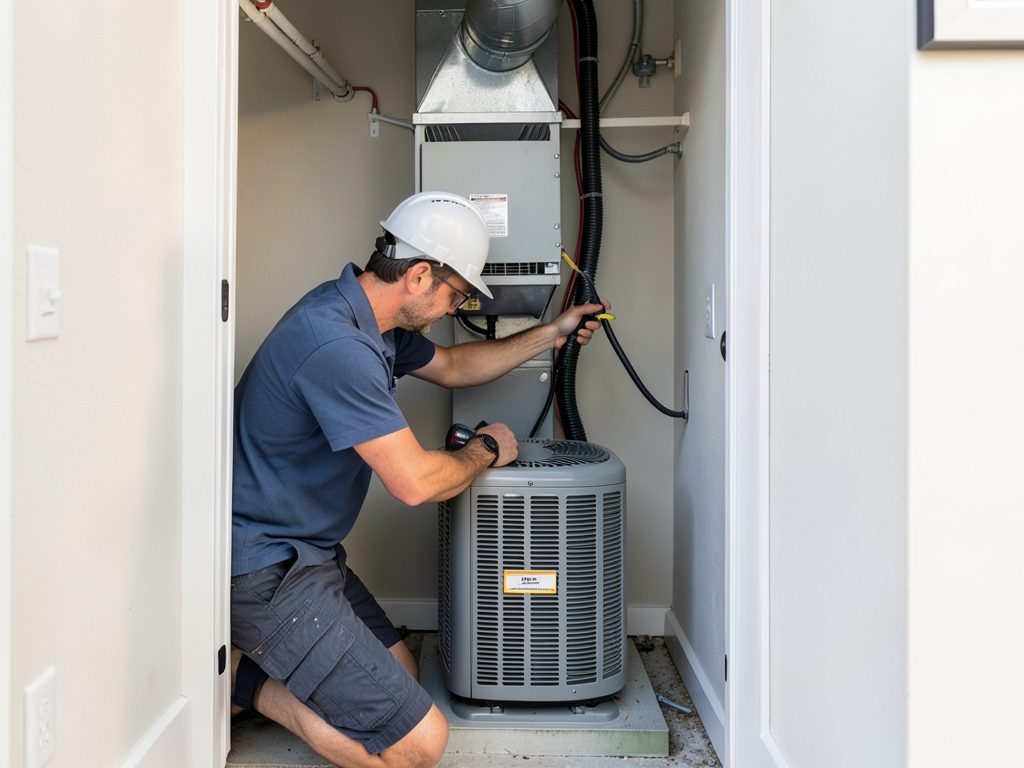
The mechanical closets in Biscayne Park homes present a unique challenge for homeowners and HVAC technicians alike. These narrow spaces often measure just 24 to 30 inches wide and barely 24 inches deep, leaving little room for traditional air handlers. With Miami’s year-round heat and humidity, finding a cooling solution that fits these tight spaces without sacrificing performance becomes essential. How to Get Your Miami Lakes HVAC System Ready for the Summer Heat.
Biscayne Park’s mix of mid-century ranch homes and newer construction means mechanical closets were never designed with modern HVAC systems in mind. Many homeowners face the frustrating choice between expensive structural modifications or settling for inadequate cooling. The good news is that today’s compact HVAC technology offers several solutions specifically engineered for space-constrained environments. Installing Modern AC Systems in Historic Coral Gables Homes Without Damaging the Architecture.
Why traditional AC units struggle in Biscayne Park mechanical closets
Standard air handlers typically measure 30 to 36 inches wide and 30 inches deep, making them impossible to fit through most Biscayne Park mechanical closet doors. These units also require 24 inches of clearance for proper airflow, which many of these closets simply cannot provide. When forced into tight spaces, traditional units suffer from restricted airflow, leading to reduced efficiency and premature component failure.
The problem compounds in Miami’s climate. Our 70% average humidity means air handlers need adequate space to manage condensation properly. When units are crammed into tight quarters, moisture accumulates, creating perfect conditions for mold growth and water damage to surrounding structures. The salt-air environment near Biscayne Bay also means corrosion-resistant components become even more critical when units cannot be easily accessed for maintenance. HVAC Miami Lakes.
Top compact HVAC solutions for narrow mechanical spaces
Several manufacturers now produce air handlers specifically designed for tight mechanical closets. These units typically measure under 24 inches wide and 24 inches deep, with some models as compact as 18 inches square. The key is finding units that maintain adequate cooling capacity while fitting into these restricted footprints.
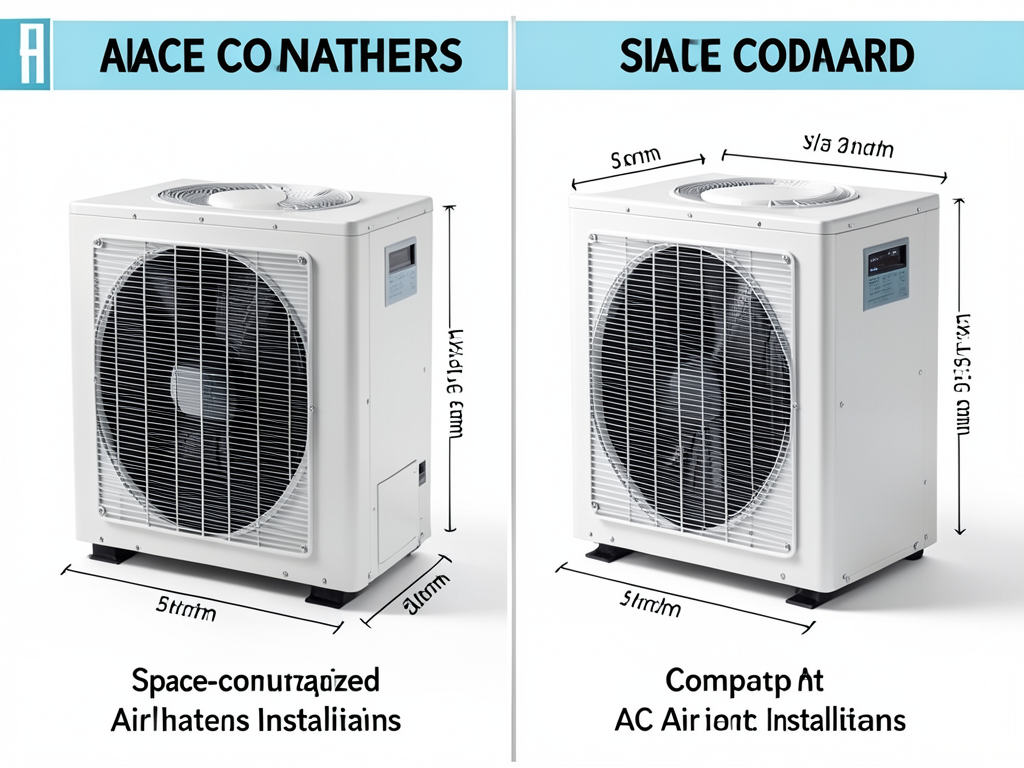
Side-discharge condensers represent one of the most space-efficient options. Unlike traditional top-discharge units that require overhead clearance, these systems expel heat from the side, allowing installation in spaces with as little as 6 inches of clearance above the unit. This design proves particularly valuable in Biscayne Park where mechanical closets often have shelves or pipes directly above the installation area. The Best Air Purification Systems for Luxury Pinecrest Estates.
Variable Refrigerant Flow (VRF) systems offer another solution for multi-zone homes. These systems use small, wall-mounted indoor units connected to a single outdoor condenser, eliminating the need for large air handlers entirely. While VRF systems require condensate lines to be properly sloped and insulated for Miami’s humidity, they provide excellent cooling capacity in minimal space.
High-velocity mini-duct systems represent a third option. These systems use small, flexible ducts that can be routed through existing wall cavities, eliminating the need for bulky ductwork. The air handlers for these systems are significantly smaller than traditional units, often measuring just 16 inches wide by 12 inches deep.
Comparing compact AC unit specifications
Understanding the physical dimensions and performance capabilities of different compact units helps homeowners make informed decisions. The following comparison shows how various manufacturers address the space constraints common in Biscayne Park homes.
| Model Type | Width x Depth x Height | SEER2 Rating | Ideal Space |
|---|---|---|---|
| Side-Discharge Condenser | 24″ x 24″ x 28″ | 18-20 | Narrow closets, side yards |
| Compact Air Handler | 18″ x 18″ x 24″ | 16-18 | Utility closets, attic spaces |
| High-Velocity System | 16″ x 12″ x 24″ | 15-17 | Wall cavity installations |
| Wall-Mounted Mini-Split | N/A (indoor unit) | 20-22 | Room-by-room cooling |
| Compact VRF Indoor Unit | 32″ x 11″ x 11″ | 21-23 | Multi-zone applications |
Miami-specific considerations for compact AC installations
Miami’s unique climate and building requirements significantly impact which compact AC units work best in Biscayne Park homes. The high-velocity hurricane zone (HVHZ) requirements mean all outdoor units must meet Miami-Dade County’s stringent wind-load standards. This affects not only the unit’s physical construction but also how it must be mounted and secured. Miami-Dade County Building Code Compliance.
Salt-air corrosion poses another challenge. Units installed within one mile of Biscayne Bay or the ocean require special coastal coatings on coils and corrosion-resistant hardware. Without these protections, units typically fail within 3 to 5 years in our salt-air environment. Look for units with Gold Fin or Blue Fin anti-corrosion treatment on evaporator and condenser coils.
Humidity management becomes critical in compact installations. Miami’s average 70% relative humidity means units must have adequate condensate removal capacity. Units that work well in drier climates often struggle here, leading to water overflow and potential structural damage. Always verify that your chosen unit’s condensate pump capacity matches Miami’s humidity levels.
Permitting requirements in Miami-Dade County add another layer of complexity. All new AC installations require permits, and units in HVHZ zones need additional engineering documentation. The county also mandates specific clearance requirements around outdoor units for maintenance access, which can affect which models work in your space.
Installation requirements for tight mechanical spaces
Installing a compact AC unit in a tight mechanical closet requires careful planning and execution. The first step involves measuring the available space, including door openings, ceiling height, and any existing obstacles. Many homeowners discover that their ideal unit won’t fit through the closet door, requiring creative solutions like removing doors or temporarily modifying walls.. Read more about Hidden HVAC solutions for the minimalist modern homes in the Design District.
Proper electrical service becomes critical in compact installations. Small spaces often mean existing circuits are already at capacity, requiring electrical panel upgrades or new dedicated circuits. Miami’s building code requires GFCI protection for all HVAC circuits, and HVHZ zones mandate specific wiring methods to withstand hurricane-force winds.
Drainage planning proves essential for preventing water damage. In Miami’s humidity, a single day without proper drainage can result in gallons of water accumulation. Compact units often use internal condensate pumps, but these require accessible power outlets and regular maintenance access. Some installations benefit from secondary drain pans with overflow switches that shut down the system if primary drainage fails.
Sound considerations matter in tight spaces. Units installed in small mechanical closets can create significant noise transfer to living areas. Look for units with sound-dampening features and consider additional insulation or sound barriers if the closet shares walls with bedrooms or living spaces.
Cost factors for compact AC installations in Biscayne Park
The cost of installing a compact AC unit in a tight mechanical space varies significantly based on several factors. Basic replacement of an existing unit with a similar model typically starts around $3,500 to $5,000. However, installations requiring structural modifications, electrical upgrades, or custom ductwork can easily exceed $8,000 to $12,000.
Permit costs in Miami-Dade County add $200 to $500 to most installations. HVHZ zones may require additional engineering fees of $300 to $800. These costs don’t include potential drywall repair, painting, or other finish work needed after installation.
Energy efficiency impacts long-term costs significantly. While high-SEER units cost more upfront, they can reduce monthly cooling bills by 30% to 50% in Miami’s climate. With FPL’s average residential rate around 14 cents per kilowatt-hour, these savings can offset the higher initial investment within 3 to 5 years. FPL HVAC Rebates and Energy Efficiency Programs.
Maintenance accessibility affects both installation and long-term costs. Units that are difficult to access require more labor for routine maintenance, increasing annual service costs by $50 to $100. Some compact installations may also require more frequent filter changes due to restricted airflow in tight spaces.
Will it fit? A practical checklist for Biscayne Park homeowners
Before investing in a compact AC unit, use this checklist to determine if your mechanical space can accommodate modern cooling technology:
- Measure all dimensions including door openings, ceiling height, and any existing obstacles
- Verify electrical panel capacity and available circuits
- Check for adequate drainage options and condensate pump requirements
- Confirm HVHZ zone requirements if within one mile of coastal areas
- Assess sound transfer potential to adjacent living spaces
- Determine if structural modifications would be needed
- Verify warranty requirements for installation clearances
Many homeowners find that what seems like a simple replacement becomes a complex project when space constraints are considered. Working with an HVAC contractor who understands Miami’s specific requirements can prevent costly mistakes and ensure your system performs optimally for years to come.
Making the right choice for your Biscayne Park home
Selecting the right compact AC unit requires balancing multiple factors: physical dimensions, cooling capacity, energy efficiency, and installation requirements. Start by having a professional assess your specific space and cooling needs. Many HVAC contractors offer free consultations that include detailed measurements and system recommendations.
Consider your home’s age and construction when making decisions. Older Biscayne Park homes built before 1980 may have different structural considerations than newer construction. Some historic districts also have specific requirements for exterior modifications that could affect outdoor unit placement.
Don’t overlook the importance of proper sizing. A unit that’s too small won’t adequately cool your home, while one that’s too large cycles on and off frequently, reducing efficiency and comfort. Professional load calculations take into account your home’s insulation, window orientation, and other factors specific to South Florida’s climate.
Finally, factor in future maintenance needs. Even the most compact units require regular service, and installations that restrict access can lead to higher maintenance costs over time. Choose a configuration that balances space savings with practical serviceability.
Frequently Asked Questions
What’s the smallest AC unit that can cool a 1,500 square foot Biscayne Park home?
A 3-ton (36,000 BTU) unit typically handles 1,500 square feet in Miami’s climate. Compact versions of this size are available from manufacturers like Mitsubishi and Daikin, measuring approximately 30 inches wide by 30 inches deep. These units maintain the cooling capacity of standard models while fitting into tighter spaces through innovative design features like side-discharge condensers.
Do I need special permits for installing a compact AC unit in Miami-Dade County?
Yes, all new AC installations require permits in Miami-Dade County, regardless of size. HVHZ zones have additional requirements including engineering documentation and specific mounting hardware. Permit costs typically range from $200 to $500, and installations must pass final inspection before operation.
How much clearance does a compact AC unit need for proper operation?
Most manufacturers require at least 6 inches of clearance on all sides for adequate airflow, though some side-discharge models can operate with as little as 2 inches of side clearance. Check your specific unit’s installation manual, as insufficient clearance can void warranties and reduce efficiency by up to 30%.
Can I install a compact AC unit myself to save money?
DIY installation is not recommended and may be illegal in Miami-Dade County. HVAC work requires specialized tools, EPA certification for refrigerant handling, and knowledge of local building codes. Improper installation can lead to system failure, water damage, electrical hazards, and voided warranties. Professional installation ensures proper operation and maintains manufacturer warranties.
How long do compact AC units typically last in Miami’s climate?
With proper maintenance, quality compact AC units last 12 to 15 years in Miami. Units near the coast may have shorter lifespans of 8 to 12 years due to salt-air corrosion. Regular maintenance, including coil cleaning and refrigerant level checks, can extend unit life significantly. Look for units with coastal protection features if you live within one mile of the ocean or bay.
Finding the right compact AC unit for your Biscayne Park home’s tight mechanical closet doesn’t have to be overwhelming. With today’s advanced technology and proper professional guidance, you can achieve reliable cooling without major home modifications. The key is understanding your specific space constraints, Miami’s unique climate requirements, and the available compact solutions designed for exactly these challenges. Reliable 24 Hour Emergency AC Repair in South Miami.
Ready to find the perfect compact cooling solution for your Biscayne Park home? Call Horizon Heating and Cooling at (786) 789-8277 for a free consultation. Our experienced technicians understand Miami’s unique requirements and can recommend the ideal system for your space and budget.
Don’t let a tight mechanical closet leave you sweating through another Miami summer. Contact us today to schedule your assessment and take the first step toward comfortable, efficient cooling in your Biscayne Park home.
{
“@context”: “https://schema.org”,
“@type”: “BlogPosting”,
“headline”: “Finding a compact AC unit that fits the tight mechanical closets of Biscayne Park homes”,
“description”: “Discover compact AC solutions for Biscayne Park’s tight mechanical closets. Learn about small-footprint units, installation tips, and Miami-specific requirements.”,
“wordCount”: 2046,
“datePublished”: “2026-05-14T09:40:00.000Z”,
“dateModified”: “2026-05-14T09:40:00.000Z”,
“inLanguage”: “en-US”,
“mainEntityOfPage”: {
“@type”: “WebPage”,
“@id”: “https://horizonheatingandcoolingmiami.com”
},
“publisher”: {
“@type”: “LocalBusiness”,
“name”: “Horizon Heating and Cooling Miami”,
“url”: “https://horizonheatingandcoolingmiami.com”
},
“author”: {
“@type”: “Organization”,
“name”: “Horizon Heating and Cooling Miami”,
“url”: “https://horizonheatingandcoolingmiami.com”
},
“image”: {
“@type”: “ImageObject”,
“url”: “https://horizonheatingandcoolingmiami.com/wp-content/uploads/2026/03/finding-a-compact-ac-unit-that-fits-the-tight-mech-1.png”
}
}
{
“@context”: “https://schema.org”,
“@type”: “HVACBusiness”,
“name”: “Horizon Heating and Cooling Miami”,
“url”: “https://horizonheatingandcoolingmiami.com”,
“address”: {
“@type”: “PostalAddress”,
“addressLocality”: “Miami”
},
“areaServed”: {
“@type”: “City”,
“name”: “Miami”
}
}
{
“@context”: “https://schema.org”,
“@type”: “FAQPage”,
“mainEntity”: [
{
“@type”: “Question”,
“name”: “What’s the smallest AC unit that can cool a 1,500 square foot Biscayne Park home?”,
“acceptedAnswer”: {
“@type”: “Answer”,
“text”: “A 3-ton (36,000 BTU) unit typically handles 1,500 square feet in Miami’s climate. Compact versions of this size are available from manufacturers like Mitsubishi and Daikin, measuring approximately 30 inches wide by 30 inches deep. These units maintain the cooling capacity of standard models while fitting into tighter spaces through innovative design features like side-discharge condensers.”
}
},
{
“@type”: “Question”,
“name”: “Do I need special permits for installing a compact AC unit in Miami-Dade County?”,
“acceptedAnswer”: {
“@type”: “Answer”,
“text”: “Yes, all new AC installations require permits in Miami-Dade County, regardless of size. HVHZ zones have additional requirements including engineering documentation and specific mounting hardware. Permit costs typically range from $200 to $500, and installations must pass final inspection before operation.”
}
},
{
“@type”: “Question”,
“name”: “How much clearance does a compact AC unit need for proper operation?”,
“acceptedAnswer”: {
“@type”: “Answer”,
“text”: “Most manufacturers require at least 6 inches of clearance on all sides for adequate airflow, though some side-discharge models can operate with as little as 2 inches of side clearance. Check your specific unit’s installation manual, as insufficient clearance can void warranties and reduce efficiency by up to 30%.”
}
},
{
“@type”: “Question”,
“name”: “Can I install a compact AC unit myself to save money?”,
“acceptedAnswer”: {
“@type”: “Answer”,
“text”: “DIY installation is not recommended and may be illegal in Miami-Dade County. HVAC work requires specialized tools, EPA certification for refrigerant handling, and knowledge of local building codes. Improper installation can lead to system failure, water damage, electrical hazards, and voided warranties. Professional installation ensures proper operation and maintains manufacturer warranties.”
}
},
{
“@type”: “Question”,
“name”: “How long do compact AC units typically last in Miami’s climate?”,
“acceptedAnswer”: {
“@type”: “Answer”,
“text”: “With proper maintenance, quality compact AC units last 12 to 15 years in Miami. Units near the coast may have shorter lifespans of 8 to 12 years due to salt-air corrosion. Regular maintenance, including coil cleaning and refrigerant level checks, can extend unit life significantly. Look for units with coastal protection features if you live within one mile of the ocean or bay.”
}
}
]
}
{
“@context”: “https://schema.org”,
“@type”: “BreadcrumbList”,
“itemListElement”: [
{
“@type”: “ListItem”,
“position”: 1,
“name”: “Home”,
“item”: “https://horizonheatingandcoolingmiami.com”
},
{
“@type”: “ListItem”,
“position”: 2,
“name”: “Blog”,
“item”: “https://horizonheatingandcoolingmiami.com/blog”
},
{
“@type”: “ListItem”,
“position”: 3,
“name”: “Finding a compact AC unit that fits the tight mechanical closets of Biscayne Park homes”
}
]
}
{
“@context”: “https://schema.org”,
“@type”: “Service”,
“serviceType”: “HVAC”,
“provider”: {
“@type”: “LocalBusiness”,
“name”: “Horizon Heating and Cooling Miami”,
“url”: “https://horizonheatingandcoolingmiami.com”
},
“areaServed”: {
“@type”: “City”,
“name”: “Miami”
},
“description”: “Discover compact AC solutions for Biscayne Park’s tight mechanical closets. Learn about small-footprint units, installation tips, and Miami-specific requirements.”
}