
Is a rooftop AC unit actually better than a ground unit for your Bal Harbour property?
Choosing between a rooftop and ground-mounted air conditioning system in Bal Harbour comes down to more than just personal preference. This coastal Miami neighborhood faces unique challenges including hurricane-force winds, salt-air corrosion, and strict building codes that directly impact which system makes the most sense for your home or business. How to Get Your Miami Lakes HVAC System Ready for the Summer Heat.
What is a rooftop (package) unit?
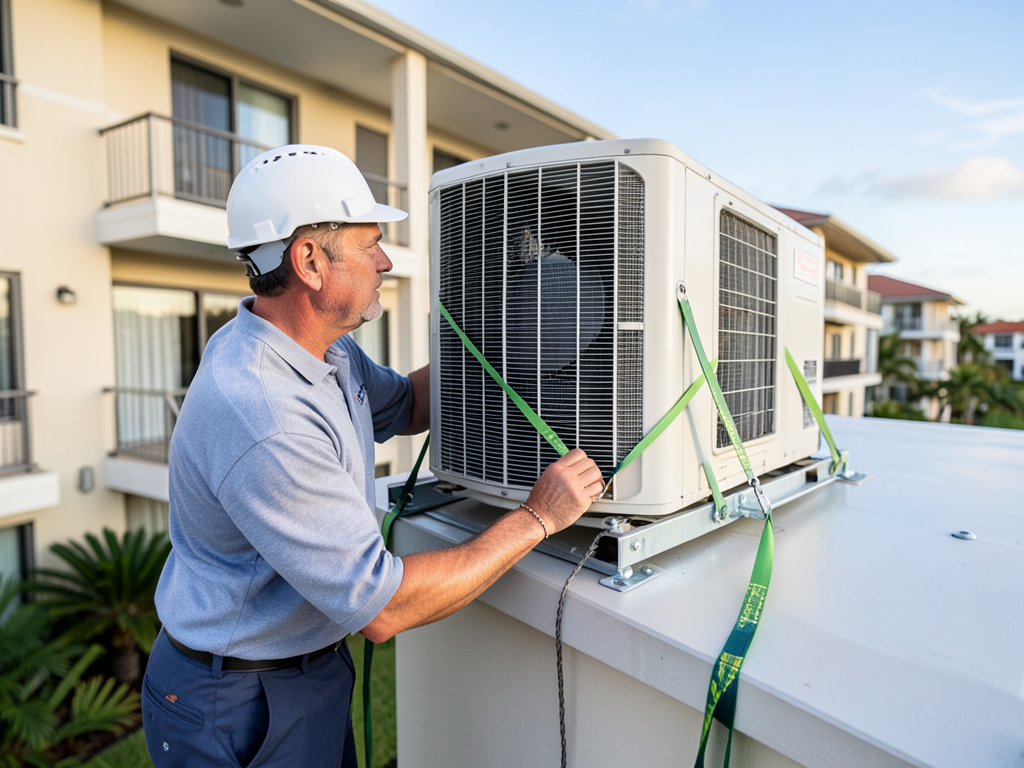
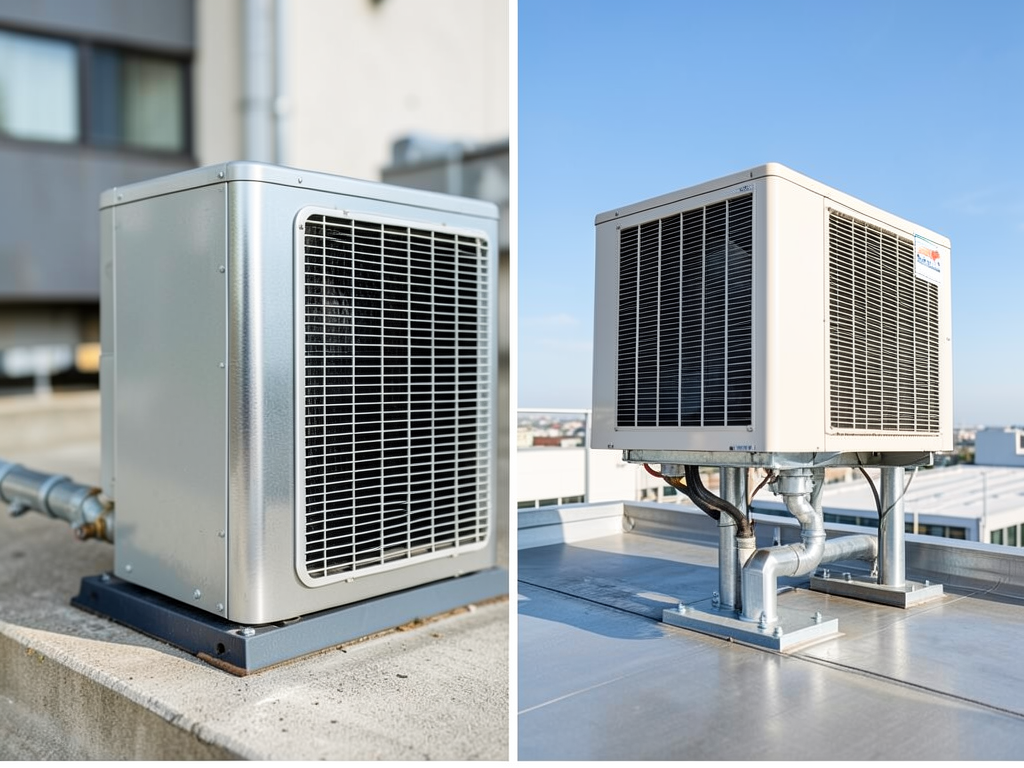
A rooftop AC unit also called a package unit is a self-contained system where all major components including the compressor, condenser coil, and air handler sit in one metal cabinet on your roof. These units connect to your home’s ductwork through a roof curb and are common in commercial buildings and multi-story residential properties.
What is a ground-level (split) system?
A ground-mounted or split system separates the components into two units. The condenser sits outside on the ground while the air handler and evaporator coil remain indoors. These systems connect through refrigerant lines and are the most common setup for single-family homes in South Florida. Florida Building Code Information.
Comparison table: Cost, lifespan, and efficiency
| Factor | Rooftop Unit | Ground Unit |
|---|---|---|
| Initial installation cost | Higher due to crane/lift needs | Lower standard installation |
| Space usage | Zero ground space used | Requires 2-3 feet around unit |
| Lifespan in coastal Miami | 8-12 years with proper coating | 8-12 years elevated above flood zone |
| Maintenance access | Requires roof access equipment | Easy ground-level access |
| Hurricane wind resistance | Factory-tested for uplift | Must be anchored to slab |
The Miami factor: Salt air, humidity, and hurricanes
Bal Harbour sits directly on the Atlantic coast where salt spray travels several blocks inland. This corrosive environment attacks aluminum fins, copper tubing, and steel panels on any outdoor HVAC equipment. Ground units face constant exposure to blowing sand and salt while rooftop units get elevated above the worst of it but must meet Miami-Dade County’s strict wind-load requirements. Miami-Dade County Building Code Compliance.
The humidity here averages 75% year-round creating perfect conditions for organic growth on coils and in drain pans. Both system types need regular cleaning but rooftop units often stay drier due to better airflow underneath. Hurricane season from June through November adds another layer of concern. Miami-Dade County requires all outdoor units to withstand winds up to 180 mph in some zones. HVAC Miami Lakes.
Pros and cons of ground-mounted units
- Easier and safer for technicians to service without special equipment
- Simpler to replace or upgrade individual components
- Less expensive to install on single-story homes
- Can be hidden behind landscaping or fencing
However ground units have significant drawbacks in coastal areas. They take up valuable yard space which matters in Bal Harbour’s high-value properties. The condenser coils sit in the path of salt spray and blowing sand requiring more frequent cleaning. Theft remains a concern since units sit accessible from the street. During hurricane season unsecured ground units can become dangerous projectiles if not properly anchored.
Pros and cons of rooftop AC units
- Free up ground space for landscaping or parking
- Elevated position reduces salt spray exposure on coils
- Less vulnerable to flooding during heavy rains
- Often quieter for neighbors since noise projects upward
The downsides include higher installation costs since cranes or lifts are often needed. Maintenance requires roof access which adds safety considerations and equipment needs. Some homeowners dislike the visual impact on their roofline. In older homes roof structures may need reinforcement to handle the weight of a package unit.. Read more about Why you should consider raising your outdoor AC unit higher in Shorecrest.
Maintenance requirements in South Florida
Both system types need biannual maintenance in Miami’s climate but the approach differs. Ground units allow technicians to work from ladders using standard tools. The accessibility makes coil cleaning and electrical checks straightforward. However the constant exposure means more frequent coil cleanings may be needed especially within one block of the beach.
Rooftop units require additional safety equipment like roof harnesses and sometimes scaffolding. The elevated position actually helps with drainage since condensate water flows freely off the roof. However accessing electrical panels and refrigerant lines often means working in hot enclosed spaces which extends service time. Many Bal Harbour homeowners schedule maintenance during shoulder seasons to avoid the worst heat on black shingle roofs.. Read more about Why Shorecrest homeowners should consider elevating their outdoor AC units.
Building codes and permitting in Miami-Dade
Miami-Dade County enforces some of the nation’s strictest building codes for HVAC equipment. All outdoor units must pass the Miami-Dade Product Control Division’s testing for wind resistance and impact. This applies to both rooftop and ground units but the specific requirements differ.
Ground units need hurricane straps anchoring them to a concrete pad with specific bolt patterns based on their weight and height. The straps must be stainless steel to resist corrosion. Rooftop units require additional tie-down points integrated into the roof curb system. The entire assembly must be engineered to prevent uplift during a Category 5 hurricane.
Permitting through the county involves submitting engineering drawings showing tie-down methods, elevation above potential flood levels, and compliance with Florida Building Code Section 301.15 for mechanical equipment. Bal Harbour’s building department often requires additional documentation since the village sits in a high-velocity hurricane zone.
Energy efficiency considerations
Both system types are available in high-efficiency models with SEER2 ratings up to 18 or higher. However the actual efficiency in South Florida depends heavily on installation quality and environmental factors. Rooftop units benefit from the natural cooling effect of nighttime radiational cooling when the roof surface drops below air temperature. This can improve efficiency during the shoulder seasons.. Read more about Whisper quiet cooling options for the private estates in Indian Creek Village.
Ground units in shaded areas avoid the heat gain that affects rooftop equipment during the hottest parts of the day. However if placed in direct sun the surrounding pavement and buildings can create a heat island effect that reduces efficiency. The key is proper placement with adequate clearance for airflow regardless of which type you choose.
Modern variable-speed compressors in both configurations can significantly reduce energy consumption by matching output to actual cooling demand rather than cycling on and off at full power. This technology has become standard in new installations across Miami. Installing Modern AC Systems in Historic Coral Gables Homes Without Damaging the Architecture.
Noise and neighborhood considerations
Bal Harbour’s density means noise ordinances matter. Ground units sitting near property lines can create issues with neighbors especially during nighttime operation. The sound travels directly across property lines and can be amplified by walls and fences. Most municipalities including Miami-Dade County have specific decibel limits for mechanical equipment.
Rooftop units naturally direct noise upward and away from living spaces and neighboring properties. The sound dissipates in the open air rather than bouncing off close structures. This makes them popular in townhome communities and areas with zero lot lines where space is at a premium.
Modern units from major manufacturers include sound-dampening features like variable-speed fans and insulated compressor compartments. These technologies have made both types much quieter than older models but rooftop placement still offers the best noise isolation for dense neighborhoods.
Security and theft prevention
Copper theft from outdoor AC units remains a problem in South Florida. Ground units sitting accessible from streets or alleys are easier targets for thieves looking for quick scrap metal profits. The damage from theft often exceeds the value of the copper itself since the entire refrigerant system must be replaced.
Rooftop units are naturally more secure since accessing them requires ladders or roof access. Most thieves avoid the risk and visibility of climbing onto roofs. However rooftop units still need security cages in some areas especially if the building has accessible roof access points.
Both types benefit from security cages made from powder-coated steel that resist cutting tools. The cages allow proper airflow while deterring theft attempts. Some homeowners in Bal Harbour install security cameras specifically monitoring HVAC equipment locations.
Making the final decision
The best system for your Bal Harbour property depends on your specific situation. Consider these factors when deciding:
- Available roof structure and its ability to support a package unit’s weight
- Ground space availability and whether you want to preserve it for landscaping
- Proximity to the beach and resulting salt spray exposure
- Local HOA or village regulations about visible equipment
- Your budget for installation and long-term maintenance
- Noise concerns for you and your neighbors
Single-story homes with strong roof structures often benefit from rooftop units since they free up ground space and reduce noise complaints. Multi-story buildings almost always require rooftop equipment since there’s no practical way to route refrigerant lines from ground units to upper floors.
Ground units make more sense for properties with limited roof access, structural concerns, or where the condenser can be placed in a shaded area away from salt spray. The easier maintenance access can also be a deciding factor for homeowners who prefer DIY upkeep between professional service visits.
Regardless of which type you choose, working with a licensed Miami-Dade County HVAC contractor ensures your installation meets all local codes and is engineered for our specific climate challenges. The right system properly installed will provide reliable cooling for years to come. Reliable 24 Hour Emergency AC Repair in South Miami.
Frequently Asked Questions
How long does a rooftop AC unit last in Bal Harbour?
With proper maintenance and salt-air protective coatings, a rooftop unit typically lasts 8-12 years in coastal Miami. The harsh environment means more frequent coil cleaning and part replacement compared to inland areas.
Do I need special permits for a rooftop AC installation?
Yes. Miami-Dade County requires permits for all HVAC installations. Rooftop units need additional engineering drawings showing wind-load calculations and tie-down methods specific to your roof structure.
Which system is more energy efficient in South Florida?
Both types can achieve similar efficiency ratings when properly installed. The key factors are correct sizing, quality installation, and regular maintenance rather than whether the unit sits on the roof or ground.
Can I install a rooftop unit on any house?
Not necessarily. Your roof must have adequate structural support for the unit’s weight, which can be 300-800 pounds plus the weight of the mounting equipment. An engineer may need to assess your roof’s capacity.
How much more does a rooftop unit cost to install?
Rooftop installations typically cost 20-40% more than ground units due to crane or lift rental, specialized mounting equipment, and additional labor for roof penetration and sealing.
What maintenance is different for rooftop vs ground units?
Rooftop units require roof safety equipment and often take longer to service due to access challenges. Ground units allow technicians to work from ladders but may need more frequent cleaning due to ground-level exposure to dirt and debris.
Should I worry about salt air if I’m one block from the beach?
Yes. Salt spray can travel several blocks inland and affects all outdoor HVAC equipment. Both system types need protective coatings and more frequent maintenance when located within three blocks of the coast.
What’s the best AC system for a townhome in Bal Harbour?
Most townhomes use rooftop package units since they save ground space and reduce noise for neighbors. However some newer buildings use high-rise split systems with wall-mounted air handlers inside each unit. The Best Air Purification Systems for Luxury Pinecrest Estates.
Ready to upgrade your cooling system? Call Horizon Heating and Cooling at (786) 789-8277 for a free consultation. Our Miami-Dade licensed technicians will evaluate your property and recommend the best solution for your specific needs and budget.
You may also find this helpful. Does your Belle Meade landscaping actually hurt your air conditioner efficiency?.
You may also find this helpful. Solving the mystery of the vibrating walls in your Bal Harbour luxury condo.
{
“@context”: “https://schema.org”,
“@type”: “BlogPosting”,
“headline”: “Is a rooftop AC unit actually better than a ground unit for your Bal Harbour property?”,
“description”: “Comparing rooftop vs ground AC units for Bal Harbour homes. Learn about hurricane codes, salt air corrosion, and space-saving benefits for your Miami property.”,
“wordCount”: 1903,
“datePublished”: “2026-05-20T15:31:00.000Z”,
“dateModified”: “2026-05-20T15:31:00.000Z”,
“inLanguage”: “en-US”,
“mainEntityOfPage”: {
“@type”: “WebPage”,
“@id”: “https://horizonheatingandcoolingmiami.com”
},
“publisher”: {
“@type”: “LocalBusiness”,
“name”: “Horizon Heating and Cooling Miami”,
“url”: “https://horizonheatingandcoolingmiami.com”
},
“author”: {
“@type”: “Organization”,
“name”: “Horizon Heating and Cooling Miami”,
“url”: “https://horizonheatingandcoolingmiami.com”
},
“image”: {
“@type”: “ImageObject”,
“url”: “https://horizonheatingandcoolingmiami.com/wp-content/uploads/2026/03/is-a-rooftop-ac-unit-actually-better-than-a-ground-1.png”
}
}
{
“@context”: “https://schema.org”,
“@type”: “HVACBusiness”,
“name”: “Horizon Heating and Cooling Miami”,
“url”: “https://horizonheatingandcoolingmiami.com”,
“address”: {
“@type”: “PostalAddress”,
“addressLocality”: “Miami”
},
“areaServed”: {
“@type”: “City”,
“name”: “Miami”
}
}
{
“@context”: “https://schema.org”,
“@type”: “FAQPage”,
“mainEntity”: [
{
“@type”: “Question”,
“name”: “What is a rooftop (package) unit?”,
“acceptedAnswer”: {
“@type”: “Answer”,
“text”: “A rooftop AC unit also called a package unit is a self-contained system where all major components including the compressor, condenser coil, and air handler sit in one metal cabinet on your roof. These units connect to your home’s ductwork through a roof curb and are common in commercial buildings and multi-story residential properties.”
}
},
{
“@type”: “Question”,
“name”: “What is a ground-level (split) system?”,
“acceptedAnswer”: {
“@type”: “Answer”,
“text”: “A ground-mounted or split system separates the components into two units. The condenser sits outside on the ground while the air handler and evaporator coil remain indoors. These systems connect through refrigerant lines and are the most common setup for single-family homes in South Florida. Florida Building Code Information.”
}
},
{
“@type”: “Question”,
“name”: “How long does a rooftop AC unit last in Bal Harbour?”,
“acceptedAnswer”: {
“@type”: “Answer”,
“text”: “With proper maintenance and salt-air protective coatings, a rooftop unit typically lasts 8-12 years in coastal Miami. The harsh environment means more frequent coil cleaning and part replacement compared to inland areas.”
}
},
{
“@type”: “Question”,
“name”: “Do I need special permits for a rooftop AC installation?”,
“acceptedAnswer”: {
“@type”: “Answer”,
“text”: “Yes. Miami-Dade County requires permits for all HVAC installations. Rooftop units need additional engineering drawings showing wind-load calculations and tie-down methods specific to your roof structure.”
}
},
{
“@type”: “Question”,
“name”: “Which system is more energy efficient in South Florida?”,
“acceptedAnswer”: {
“@type”: “Answer”,
“text”: “Both types can achieve similar efficiency ratings when properly installed. The key factors are correct sizing, quality installation, and regular maintenance rather than whether the unit sits on the roof or ground.”
}
},
{
“@type”: “Question”,
“name”: “Can I install a rooftop unit on any house?”,
“acceptedAnswer”: {
“@type”: “Answer”,
“text”: “Not necessarily. Your roof must have adequate structural support for the unit’s weight, which can be 300-800 pounds plus the weight of the mounting equipment. An engineer may need to assess your roof’s capacity.”
}
},
{
“@type”: “Question”,
“name”: “How much more does a rooftop unit cost to install?”,
“acceptedAnswer”: {
“@type”: “Answer”,
“text”: “Rooftop installations typically cost 20-40% more than ground units due to crane or lift rental, specialized mounting equipment, and additional labor for roof penetration and sealing.”
}
},
{
“@type”: “Question”,
“name”: “What maintenance is different for rooftop vs ground units?”,
“acceptedAnswer”: {
“@type”: “Answer”,
“text”: “Rooftop units require roof safety equipment and often take longer to service due to access challenges. Ground units allow technicians to work from ladders but may need more frequent cleaning due to ground-level exposure to dirt and debris.”
}
},
{
“@type”: “Question”,
“name”: “Should I worry about salt air if I’m one block from the beach?”,
“acceptedAnswer”: {
“@type”: “Answer”,
“text”: “Yes. Salt spray can travel several blocks inland and affects all outdoor HVAC equipment. Both system types need protective coatings and more frequent maintenance when located within three blocks of the coast.”
}
},
{
“@type”: “Question”,
“name”: “What’s the best AC system for a townhome in Bal Harbour?”,
“acceptedAnswer”: {
“@type”: “Answer”,
“text”: “Most townhomes use rooftop package units since they save ground space and reduce noise for neighbors. However some newer buildings use high-rise split systems with wall-mounted air handlers inside each unit. The Best Air Purification Systems for Luxury Pinecrest Estates.”
}
}
]
}
{
“@context”: “https://schema.org”,
“@type”: “BreadcrumbList”,
“itemListElement”: [
{
“@type”: “ListItem”,
“position”: 1,
“name”: “Home”,
“item”: “https://horizonheatingandcoolingmiami.com”
},
{
“@type”: “ListItem”,
“position”: 2,
“name”: “Blog”,
“item”: “https://horizonheatingandcoolingmiami.com/blog”
},
{
“@type”: “ListItem”,
“position”: 3,
“name”: “Is a rooftop AC unit actually better than a ground unit for your Bal Harbour property?”
}
]
}
{
“@context”: “https://schema.org”,
“@type”: “Service”,
“serviceType”: “HVAC”,
“provider”: {
“@type”: “LocalBusiness”,
“name”: “Horizon Heating and Cooling Miami”,
“url”: “https://horizonheatingandcoolingmiami.com”
},
“areaServed”: {
“@type”: “City”,
“name”: “Miami”
},
“description”: “Comparing rooftop vs ground AC units for Bal Harbour homes. Learn about hurricane codes, salt air corrosion, and space-saving benefits for your Miami property.”
}