
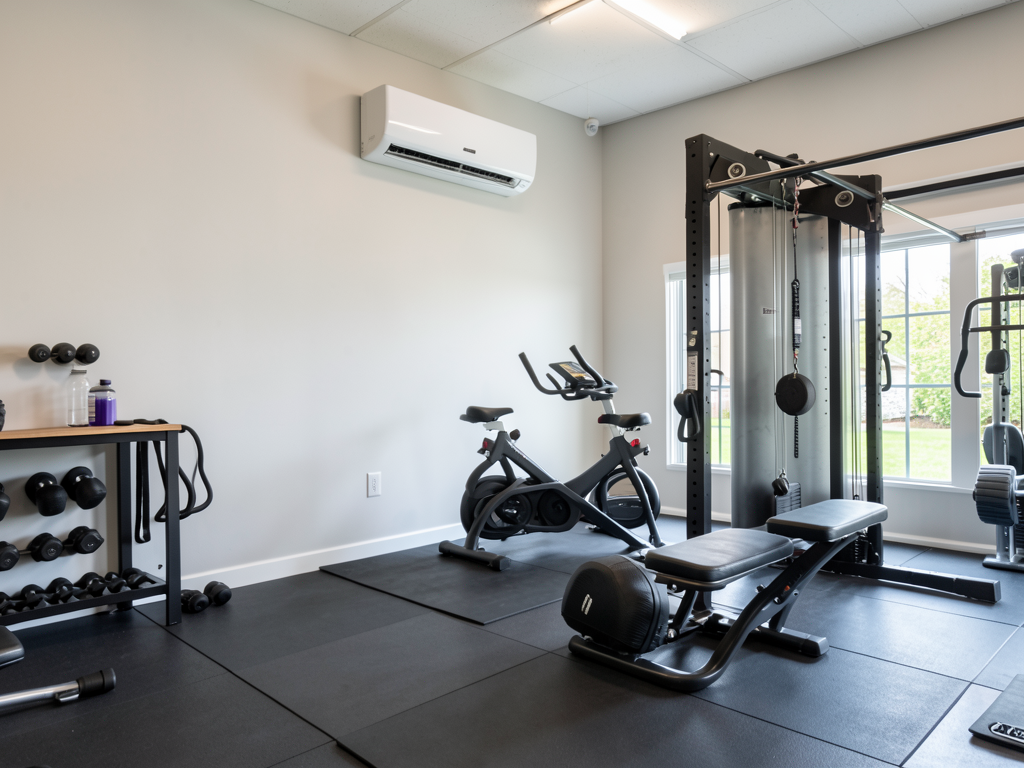
How to cool your garage gym in The Hammocks without breaking the bank
Your garage gym in The Hammocks can feel like a sauna during South Florida summers. The combination of concrete walls, metal garage doors, and relentless Miami heat creates a space that’s nearly impossible to use for workouts during peak hours. But you don’t need to spend thousands on a full HVAC system to make your garage gym usable year-round. How to Get Your Miami Lakes HVAC System Ready for the Summer Heat.
The Hammocks area faces unique cooling challenges due to its western Miami-Dade location. Afternoon sun beats directly on garage doors, and the lack of insulation turns these spaces into heat traps. Plus, South Florida’s high humidity means that even if you cool the air, moisture problems can make workouts uncomfortable and potentially damage your equipment. Miami-Dade County permit information.
This guide breaks down practical cooling solutions that won’t drain your wallet. From simple ventilation upgrades to smart mini-split installations, you’ll find options that fit different budgets and garage layouts. We’ll also cover the specific building codes and permit requirements for The Hammocks area. Ductless Mini-Split Systems.
Why garage gyms in The Hammocks get so hot
Understanding the problem helps you choose the right solution. Garage gyms in The Hammocks face several heat sources that work together to create uncomfortable conditions.
Heat gain comes from multiple directions. The roof absorbs direct sunlight, especially if you have a dark-colored roof common in many The Hammocks homes. Garage doors, typically uninsulated metal, absorb heat and radiate it into the space. Concrete walls and floors hold heat and release it slowly, keeping temperatures elevated even after sunset.
South Florida’s climate adds another layer of complexity. The Hammocks experiences average summer temperatures in the low 90s, but heat indexes regularly climb above 100 degrees. High humidity levels mean sweat doesn’t evaporate efficiently, making workouts feel harder and less comfortable.
Without proper cooling, garage temperatures can exceed outdoor temperatures by 10-15 degrees. This creates dangerous conditions for exercise, especially during afternoon workouts when heat indexes peak.
Quick fixes that cost under $200
Before investing in major cooling systems, try these budget-friendly improvements that can make a noticeable difference. The Best Air Purification Systems for Luxury Pinecrest Estates.
Start with airflow management. Install a high-velocity exhaust fan in the garage ceiling to push hot air out. Pair this with a portable air circulator on the floor to create cross-ventilation. This combination costs around $150 and can reduce temperatures by 5-8 degrees.
Garage door insulation kits provide another affordable upgrade. Reflective insulation panels that attach to the inside of your garage door cost about $100 and block radiant heat. This simple addition can reduce heat gain by up to 30%.
Window film or reflective panels on any garage windows prevent solar heat gain. Clear UV-blocking film costs about $40 per window and blocks up to 80% of solar heat while maintaining visibility.
Consider a portable dehumidifier if humidity is your main issue. Models that remove 30-50 pints of moisture per day cost between $150-250. Reducing humidity from the typical 75% down to 50-60% makes the space feel noticeably cooler and prevents equipment rust.. Read more about Choosing between Daikin and Mitsubishi mini splits for your home office in Surfside.
Mid-range solutions for serious garage gyms
When basic improvements aren’t enough, these solutions offer better cooling without the cost of a full HVAC system.
Ductless mini-split systems have become the gold standard for garage cooling. These compact units mount on walls and connect to an outdoor compressor via small refrigerant lines. A 9,000 BTU mini-split costs about $700-900 for the equipment and another $500-700 for professional installation. Expert Ductless Mini Split Installation for Coconut Grove Cottages.
Look for units with at least 16 SEER2 ratings for energy efficiency. Models with heat pump capabilities provide both cooling and heating, useful for those rare cold snaps in The Hammocks. Many mini-splits include dehumidification modes that remove moisture without overcooling.
Insulated garage doors represent a bigger investment but deliver substantial results. A new insulated garage door costs $1,200-1,800 installed but can reduce heat gain by 50% compared to standard doors. This upgrade also improves your home’s energy efficiency and can increase property value.
Solar attic fans offer passive cooling by removing superheated air from your attic space. These fans cost $300-500 installed and can reduce garage ceiling temperatures by 20-30 degrees. They work best when combined with proper attic insulation.
High-performance cooling for serious athletes
If you’ve built a premium garage gym and need professional-grade cooling, these solutions deliver maximum comfort.
High-capacity mini-split systems with variable-speed compressors provide precise temperature control and excellent dehumidification. A 12,000 BTU unit costs $1,200-1,500 for equipment plus installation. These systems maintain steady temperatures and operate quietly during workouts.
Commercial-grade ceiling fans move massive amounts of air. Industrial fans with 96-inch diameters cost $400-600 and move up to 20,000 cubic feet of air per minute. This creates a wind-chill effect that makes temperatures feel 8-12 degrees cooler.
Smart climate control systems integrate multiple cooling methods. These systems use sensors to activate fans, AC units, and dehumidifiers based on temperature and humidity levels. While the controller costs $200-300, it optimizes energy use and maintains perfect conditions automatically.
For the ultimate setup, consider a small dedicated HVAC system. A 1.5-ton mini-split with ductwork to the garage costs $3,000-4,000 installed. This provides whole-room cooling comparable to your home’s central air but operates independently for energy efficiency.
Miami-Dade permit requirements for garage cooling
Before installing any cooling system in your The Hammocks garage, understand the local regulations. Miami-Dade County has specific requirements for garage HVAC modifications. Installing Modern AC Systems in Historic Coral Gables Homes Without Damaging the Architecture.
Electrical permits are required for all new cooling installations. This includes mini-splits, exhaust fans, and dedicated circuits. The permit process typically takes 3-5 business days and costs $75-150 depending on the project scope.
Mechanical permits are needed for any system that uses refrigerant or creates conditioned air. Mini-split installations require both electrical and mechanical permits. The combined permit cost ranges from $150-300.
Building permits may be necessary if you’re modifying walls, installing new windows, or making structural changes. Garage door replacements with insulated models don’t require permits if you’re using the existing frame.
Hurricane zone requirements affect equipment mounting. All outdoor units must be properly anchored to withstand 150+ mph winds. This typically means concrete mounting pads or reinforced wall brackets.
Working with a licensed HVAC contractor ensures your installation meets all local codes. Contractors handle permit applications and inspections, saving you time and preventing costly mistakes.
Cost comparison: DIY vs professional installation
Understanding the true costs helps you make informed decisions about your garage cooling project.
| Solution | DIY Equipment Cost | Professional Installation | Total DIY Cost | Total Professional Cost |
|---|---|---|---|---|
| Portable AC + Fans | $400-600 | $150-200 | $400-600 | $550-800 |
| Window AC Unit | $250-400 | $100-150 | $250-400 | $350-550 |
| Mini-Split DIY Kit | $700-900 | $400-600 | $700-900 | $1,100-1,500 |
| Insulated Door | $1,000-1,500 | $200-300 | $1,000-1,500 | $1,200-1,800 |
| Attic Fan | $300-400 | $200-300 | $300-400 | $500-700 |
Professional installation offers several advantages. Technicians ensure proper sizing, handle refrigerant safely, and guarantee code compliance. They also provide warranties on both equipment and labor. DIY installations might save money upfront but risk improper setup that reduces efficiency or creates safety hazards.
Energy efficiency and operating costs
Understanding monthly operating costs helps you choose the most economical cooling solution for your garage gym.
Energy consumption varies significantly by system type. Portable AC units typically draw 900-1,500 watts and cost $30-60 per month to operate 8 hours daily. Mini-splits are more efficient, using 600-1,200 watts and costing $20-45 monthly for the same usage.
Operating costs depend on several factors. Miami’s high electricity rates (around 14-16 cents per kWh) impact monthly bills. The size of your garage affects how hard cooling systems must work. Poor insulation increases energy use regardless of the cooling method.
Energy-saving features can reduce costs significantly. Programmable thermostats prevent cooling empty spaces. Variable-speed mini-splits adjust output based on demand rather than cycling on and off. Smart controllers optimize operation based on occupancy and outdoor conditions.
Consider the payback period when evaluating options. A $1,500 mini-split that costs $30 monthly to operate might save you $15-20 monthly compared to a portable unit, paying for itself in 3-5 years while providing better comfort.
Humidity control for garage gyms
Temperature isn’t the only factor affecting garage gym comfort. Miami’s high humidity creates unique challenges for garage workouts.
High humidity prevents sweat from evaporating, making your body retain heat. This reduces exercise performance and increases fatigue. Humidity levels above 60% also promote mold growth on equipment, walls, and stored items.
Dehumidification works best when paired with cooling. Most mini-splits include dehumidification modes that remove moisture without dropping temperatures too low. Standalone dehumidifiers work well but generate heat as a byproduct, slightly offsetting their cooling benefit.
Ventilation helps manage humidity but must be strategic. Exhaust fans remove moist air but can draw in humid outside air if not properly controlled. Heat recovery ventilators exchange indoor and outdoor air while transferring heat and moisture, maintaining comfort while improving air quality.
Moisture barriers in walls and floors prevent condensation problems. Vapor barriers on the warm side of insulation prevent moisture from reaching cooler surfaces where it can condense and cause damage.
Choosing the right solution for your garage gym
Selecting the best cooling system depends on your specific situation, budget, and workout needs.
Consider your garage size and layout. A 200-square-foot one-car garage needs about 6,000 BTUs for cooling, while a 400-square-foot two-car garage requires 12,000 BTUs. Factor in ceiling height, insulation levels, and sun exposure when calculating cooling needs.
Evaluate your workout intensity and schedule. High-intensity interval training generates more body heat than yoga or weight training. Morning workouts face less heat gain than afternoon sessions when sun exposure peaks.
Assess your budget realistically. Basic improvements cost $200-500 and provide modest benefits. Mid-range solutions run $1,000-2,500 and offer significant comfort improvements. Premium systems cost $3,000+ but deliver professional-grade conditions.
Factor in long-term costs beyond initial purchase. Energy efficiency affects monthly utility bills. Maintenance requirements vary by system type. Equipment lifespan impacts replacement timing and costs.
Don’t forget about noise levels. Some cooling systems generate significant noise that interferes with workout music or online fitness classes. Look for units with sound ratings under 50 decibels for quiet operation.
Installation tips and best practices
Proper installation ensures your cooling system operates efficiently and lasts for years.
Position equipment strategically. Mini-split indoor units work best when mounted high on walls to distribute cool air downward. Outdoor compressors need clear airflow and protection from direct sun when possible. Avoid placing units where condensate drainage could cause problems.
Seal air leaks around doors and windows. Even small gaps let in hot, humid air that forces your cooling system to work harder. Weatherstripping costs $20-40 and can improve system efficiency by 10-15%.
Install proper drainage for condensate. Mini-splits and dehumidifiers produce water that must drain away from your garage. Use condensate pumps if gravity drainage isn’t possible. Improper drainage causes water damage and mold growth.
Consider smart controls for convenience and efficiency. Wi-Fi-enabled thermostats let you cool your garage before workouts and turn systems off when not needed. Some integrate with fitness apps to automatically adjust conditions based on your workout schedule.
Schedule professional maintenance annually. Clean coils, check refrigerant levels, and inspect electrical connections prevent breakdowns during peak summer months. Regular maintenance extends equipment life and maintains efficiency.
Frequently Asked Questions
Can I use my home’s central AC to cool my garage gym?
Extending your home’s central AC to the garage isn’t recommended in Miami. Most garage setups violate building codes because they can introduce garage fumes into your home’s air supply. Additionally, garages typically need 30-50% more cooling capacity than living spaces due to heat gain, which would overwhelm your existing system.
How long does it take to cool a hot garage?
A properly sized cooling system can reduce garage temperatures by 15-20 degrees in 30-45 minutes. However, if your garage has been baking in the sun all day, it may take 2-3 hours to reach comfortable workout temperatures. Pre-cooling your space before workouts helps maintain consistent conditions.
Will cooling my garage increase my home’s value?
Yes, a climate-controlled garage can increase home value, especially in Miami where garage heat is a significant issue. Buyers appreciate the versatility of a cooled space for gyms, workshops, or hobby areas. However, the value increase typically ranges from 50-75% of your investment, so view it primarily as lifestyle improvement rather than pure investment.
What’s the most energy-efficient way to cool a garage gym?
Mini-split heat pumps with high SEER2 ratings offer the best efficiency. Look for units with inverter technology that adjust compressor speed rather than cycling on and off. Pair these with smart thermostats and proper insulation for maximum efficiency. Solar attic fans provide free cooling during sunny hours when heat gain is highest.
Get your garage gym ready for Miami heat
Don’t let South Florida heat derail your fitness goals. With the right cooling solution, your garage gym can become a comfortable workout space year-round.
Start with simple improvements like insulation and ventilation to gauge your needs. If these don’t provide adequate comfort, consider a mini-split system sized for your specific garage dimensions and workout intensity.
Remember that Miami’s humidity requires both cooling and dehumidification for true comfort. Systems that address both factors will serve you better than those that only lower air temperature.
Ready to transform your garage gym into a cool, comfortable workout space? Our HVAC experts understand The Hammocks’ unique climate challenges and can recommend the perfect cooling solution for your needs and budget.
Call Horizon Heating and Cooling today at (786) 789-8277 for a free consultation. We’ll assess your garage, discuss your options, and provide transparent pricing with no hidden fees. Your perfect garage gym is just a phone call away!
Don’t wait until summer heat makes your workouts miserable. Contact us now to schedule your consultation and take the first step toward year-round garage gym comfort. For more information, visit Energy.gov mini-split guide.
{
“@context”: “https://schema.org”,
“@type”: “BlogPosting”,
“headline”: “How to cool your garage gym in The Hammocks without breaking the bank”,
“description”: “Cool your garage gym in The Hammocks affordably with mini-splits, insulation, and smart ventilation. Beat Miami heat without high costs.”,
“wordCount”: 2336,
“datePublished”: “2026-04-15T10:46:00.000Z”,
“dateModified”: “2026-04-15T10:46:00.000Z”,
“inLanguage”: “en-US”,
“mainEntityOfPage”: {
“@type”: “WebPage”,
“@id”: “https://horizonheatingandcoolingmiami.com”
},
“publisher”: {
“@type”: “LocalBusiness”,
“name”: “Horizon Heating and Cooling Miami”,
“url”: “https://horizonheatingandcoolingmiami.com”
},
“author”: {
“@type”: “Organization”,
“name”: “Horizon Heating and Cooling Miami”,
“url”: “https://horizonheatingandcoolingmiami.com”
},
“image”: {
“@type”: “ImageObject”,
“url”: “https://horizonheatingandcoolingmiami.com/wp-content/uploads/2026/03/how-to-cool-your-garage-gym-in-the-hammocks-withou-1.png”
}
}
{
“@context”: “https://schema.org”,
“@type”: “HVACBusiness”,
“name”: “Horizon Heating and Cooling Miami”,
“url”: “https://horizonheatingandcoolingmiami.com”,
“address”: {
“@type”: “PostalAddress”,
“addressLocality”: “Miami”
},
“areaServed”: {
“@type”: “City”,
“name”: “Miami”
}
}
{
“@context”: “https://schema.org”,
“@type”: “FAQPage”,
“mainEntity”: [
{
“@type”: “Question”,
“name”: “Can I use my home’s central AC to cool my garage gym?”,
“acceptedAnswer”: {
“@type”: “Answer”,
“text”: “Extending your home’s central AC to the garage isn’t recommended in Miami. Most garage setups violate building codes because they can introduce garage fumes into your home’s air supply. Additionally, garages typically need 30-50% more cooling capacity than living spaces due to heat gain, which would overwhelm your existing system.”
}
},
{
“@type”: “Question”,
“name”: “How long does it take to cool a hot garage?”,
“acceptedAnswer”: {
“@type”: “Answer”,
“text”: “A properly sized cooling system can reduce garage temperatures by 15-20 degrees in 30-45 minutes. However, if your garage has been baking in the sun all day, it may take 2-3 hours to reach comfortable workout temperatures. Pre-cooling your space before workouts helps maintain consistent conditions.”
}
},
{
“@type”: “Question”,
“name”: “Will cooling my garage increase my home’s value?”,
“acceptedAnswer”: {
“@type”: “Answer”,
“text”: “Yes, a climate-controlled garage can increase home value, especially in Miami where garage heat is a significant issue. Buyers appreciate the versatility of a cooled space for gyms, workshops, or hobby areas. However, the value increase typically ranges from 50-75% of your investment, so view it primarily as lifestyle improvement rather than pure investment.”
}
},
{
“@type”: “Question”,
“name”: “What’s the most energy-efficient way to cool a garage gym?”,
“acceptedAnswer”: {
“@type”: “Answer”,
“text”: “Mini-split heat pumps with high SEER2 ratings offer the best efficiency. Look for units with inverter technology that adjust compressor speed rather than cycling on and off. Pair these with smart thermostats and proper insulation for maximum efficiency. Solar attic fans provide free cooling during sunny hours when heat gain is highest.”
}
}
]
}
{
“@context”: “https://schema.org”,
“@type”: “BreadcrumbList”,
“itemListElement”: [
{
“@type”: “ListItem”,
“position”: 1,
“name”: “Home”,
“item”: “https://horizonheatingandcoolingmiami.com”
},
{
“@type”: “ListItem”,
“position”: 2,
“name”: “Blog”,
“item”: “https://horizonheatingandcoolingmiami.com/blog”
},
{
“@type”: “ListItem”,
“position”: 3,
“name”: “How to cool your garage gym in The Hammocks without breaking the bank”
}
]
}
{
“@context”: “https://schema.org”,
“@type”: “Service”,
“serviceType”: “HVAC”,
“provider”: {
“@type”: “LocalBusiness”,
“name”: “Horizon Heating and Cooling Miami”,
“url”: “https://horizonheatingandcoolingmiami.com”
},
“areaServed”: {
“@type”: “City”,
“name”: “Miami”
},
“description”: “Cool your garage gym in The Hammocks affordably with mini-splits, insulation, and smart ventilation. Beat Miami heat without high costs.”
}