
How to Protect Your Key Biscayne AC Unit from Salt Air Corrosion and Early Failure
Your Key Biscayne home sits on a beautiful island where ocean breezes cool the air but also attack your air conditioning system. Salt air corrosion causes AC units to fail years earlier than they should. Understanding how to protect your system saves you thousands in replacement costs and keeps your home comfortable year-round.
Key Biscayne’s unique coastal location creates specific challenges for HVAC systems. The constant salt spray from Biscayne Bay and the Atlantic Ocean settles on outdoor condenser coils. Over time this salt buildup eats through aluminum fins and copper tubing. Once corrosion starts it spreads quickly. A system that should last 15-20 years might fail in just 8-10 years without proper protection.
Understanding Salt Air Corrosion
Salt air contains tiny salt particles that travel miles from the ocean. In Key Biscayne these particles settle on everything including your AC unit. When salt mixes with moisture from humidity or rain it creates a corrosive solution. This solution eats away at metal parts especially aluminum fins and copper tubing.
Key Biscayne experiences average humidity levels above 70% year-round. This constant moisture accelerates corrosion. Add in the occasional salt spray during storms and your AC faces a perfect storm of damage. The island’s geography means there is no escaping the salt air. Even units on the bay side face corrosion from brackish water.
Condenser coils are the first line of defense. They release heat from your home to the outside air. When salt corrodes these coils they cannot transfer heat efficiently. Your system works harder using more electricity. Eventually the coils fail completely requiring expensive replacement.
Essential Protection Strategies
Protecting your AC requires a multi-layered approach. No single solution stops all corrosion. Combining several methods gives your system the best chance to reach its full lifespan.
Coastal-Grade Equipment Selection
Standard AC units use basic aluminum fins that corrode quickly in coastal environments. Coastal-grade units feature several upgrades. They use aluminum fins with special coatings that resist salt damage. Some use copper fins which naturally resist corrosion better than aluminum.
Coastal units also feature better seals around electrical components. Salt air damages electrical connections causing shorts and failures. Quality coastal units use marine-grade connectors and sealed control boards. These features cost more upfront but save money over the system’s life.
When replacing your unit ask for AHRI certified coastal equipment. This certification ensures the unit meets standards for salt air environments. Look for units with galvanized steel cabinets and powder-coated finishes. These features add years to your system’s life.
Protective Coatings and Treatments
Professional technicians can apply protective coatings to existing units. These coatings create a barrier between salt air and metal surfaces. The most common treatment is a hydrophilic coating that allows water to sheet off rather than pool on surfaces.
Some technicians apply epoxy-based coatings to condenser coils. These coatings must be thin enough to not block heat transfer. When applied correctly they can double the life of standard coils in coastal areas. The coating needs reapplication every 3-5 years as it wears off from weather exposure.
Another option is sacrificial zinc anodes. These metal pieces attract corrosion away from important components. They work like the anodes on boat motors. When the zinc corrodes completely it needs replacement. This method works well for protecting electrical connections and metal housings.
Strategic Unit Placement
Where you place your AC unit affects how much salt air it receives. Units on the ocean side of your home face constant salt spray. Units on the bay side still get salt but less direct spray. Units on the inland side of your home receive the least salt exposure.
If replacing your unit consider moving it to a less exposed location. Building a simple enclosure with louvered sides can block direct salt spray while allowing airflow. The enclosure should have a roof to keep rain from pooling on the unit. Make sure any enclosure meets local building codes for clearance around HVAC equipment.
Elevated placement also helps. Units closer to the ground collect more salt and debris. Raising the unit on a platform or rooftop keeps it cleaner. This also helps with drainage which prevents standing water that accelerates corrosion.
Maintenance Requirements for Coastal AC Systems
Coastal AC units need more frequent maintenance than inland units. The salt air means parts wear out faster. Regular maintenance catches problems early before they cause system failure.
Monthly Visual Inspections
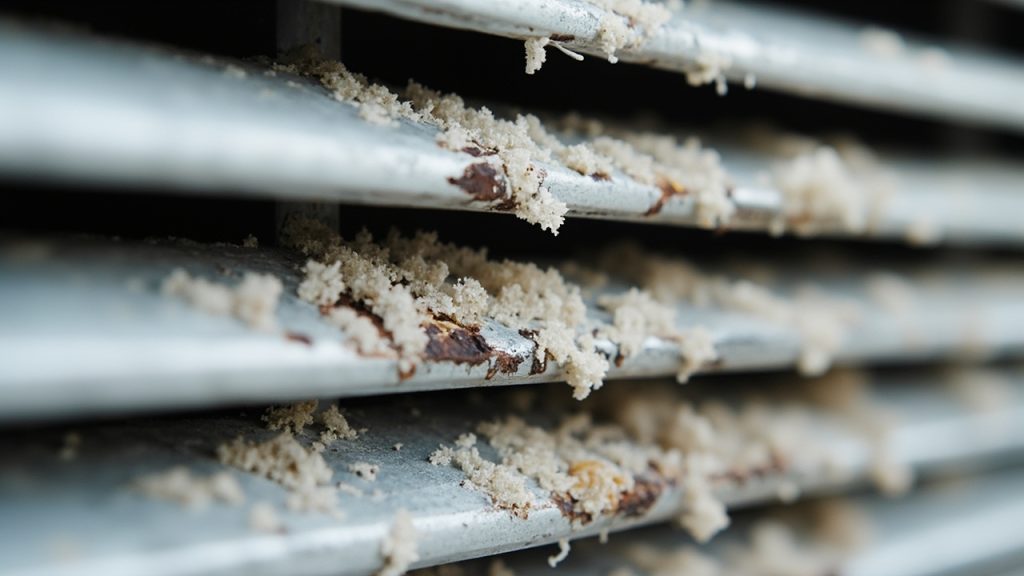
Every month check your outdoor unit for signs of corrosion. Look for white powdery deposits on aluminum fins. These deposits indicate salt buildup. Check for rust on the metal cabinet especially around seams and corners.
Inspect electrical connections for green or white corrosion. This corrosion causes resistance that makes your system work harder. Check the condensate drain line for algae growth. In Key Biscayne’s humid climate algae clogs drains quickly causing water damage.
Listen for unusual noises when the unit runs. Grinding or rattling sounds indicate worn bearings or loose parts. These problems worsen quickly in coastal environments due to salt damage.
Professional Cleaning Schedule
Professional cleaning removes salt buildup that damages coils. In Key Biscayne schedule professional cleaning every six months instead of annually. Spring cleaning prepares your system for summer heat. Fall cleaning removes summer buildup before winter.
Professional cleaning includes coil washing with specialized cleaners that dissolve salt deposits. Technicians also clean the condensate drain line with algaecide to prevent clogs. They check refrigerant levels since salt corrosion can cause tiny leaks in copper tubing.
During cleaning technicians inspect electrical components for corrosion. They tighten connections and apply dielectric grease to prevent future corrosion. They also check the fan motor and bearings since salt air dries out lubricants faster than inland environments.
Filter Replacement Frequency
Key Biscayne’s coastal environment means more airborne particles including salt, sand, and pollen. Standard 90-day filter replacement schedules don’t work here. Change your filter every 30-45 days depending on your home’s location.
Homes closer to the beach need more frequent changes. If you have pets or live near construction sites change filters even more often. Dirty filters restrict airflow making your system work harder. In coastal areas this extra strain combined with salt damage leads to early failure.
Use high-quality pleated filters with a MERV rating between 8-11. Higher MERV ratings restrict airflow too much for most residential systems. The right filter balances particle capture with adequate airflow. Consider washable filters if you change them frequently. They cost more upfront but save money long-term.
Seasonal Maintenance Checklist
Key Biscayne’s climate means your AC runs almost year-round. However certain seasons require specific maintenance tasks. Following a seasonal schedule keeps your system running efficiently.
Spring Preparation
Spring in Key Biscayne means preparing for the long hot summer. Schedule professional maintenance in early spring before temperatures rise. This timing ensures your system is ready when you need it most.
Spring tasks include checking refrigerant levels. Low refrigerant indicates leaks which are common in coastal units. Check the condensate pump if your unit has one. These pumps fail more often in coastal environments due to salt damage.
Test the thermostat calibration. Coastal humidity affects how thermostats read temperature. A properly calibrated thermostat prevents your system from running too long or short-cycling which wastes energy.
Summer Operation
Summer is your system’s busiest season. During this time focus on keeping the outdoor unit clean. Rinse the coils monthly with a garden hose using gentle pressure. This removes salt buildup between professional cleanings.
Check the area around your unit weekly. Remove leaves, grass clippings, and other debris that restrict airflow. In Key Biscayne tropical storms bring debris that can block condenser coils.
Monitor your energy bills. A sudden increase indicates your system is working harder than normal. This often means dirty coils, low refrigerant, or failing components. Address these issues quickly to prevent complete failure during the hottest months.
Fall Transition
Fall in Key Biscayne is still warm but slightly less humid. This is a good time for another professional cleaning. Fall cleaning removes summer buildup before it causes winter problems.
Check weatherstripping around doors and windows. Poor seals let humid air in making your AC work harder. Replace damaged seals to improve efficiency.
Inspect your attic insulation. Good insulation keeps cool air inside reducing AC runtime. Coastal homes often have damaged insulation from roof leaks or pests.
Winter Considerations
Key Biscayne winters are mild but occasional cold snaps happen. Most AC units handle brief cold weather but extended periods below 60°F can damage the compressor. If a cold snap is forecast switch your system to fan-only mode.
Winter is a good time to check ductwork for leaks. Salt air can corrode duct connections causing air leaks. Seal leaks with mastic or metal tape to improve efficiency.
Consider having your ducts cleaned. Coastal environments mean more dust and salt particles in your ductwork. Clean ducts improve air quality and system efficiency.
Indoor Air Quality Solutions for Coastal Homes
Key Biscayne’s high humidity creates indoor air quality challenges beyond equipment protection. Excess humidity causes mold growth, musty odors, and discomfort. Addressing these issues protects both your health and your AC system.
Dehumidification Options
Standard AC units remove some humidity but struggle to maintain ideal levels in coastal environments. Whole-house dehumidifiers work with your existing system to keep humidity between 45-55%. This range prevents mold growth while staying comfortable.
Standalone dehumidifiers work for specific problem areas like basements or bonus rooms. These units are less expensive but only treat one area. They also require manual emptying unless connected to a drain.
Variable-speed air handlers improve dehumidification. These units run at lower speeds for longer periods removing more moisture than single-speed units. They cost more upfront but provide better comfort and efficiency.
Air Purification Systems
Coastal air contains salt, pollen, mold spores, and other particles. Standard filters catch some but not all of these contaminants. Air purification systems provide extra protection.
UV light systems installed in your ductwork kill mold, bacteria, and viruses. These systems prevent biological growth in your AC system which is common in humid coastal areas. They also reduce allergens circulating through your home.
Electronic air cleaners use charged plates to capture tiny particles standard filters miss. These systems are especially effective for salt particles that cause corrosion. They require occasional cleaning but provide excellent air quality.
Ventilation Improvements
Modern homes are built tight for energy efficiency but this traps indoor pollutants. Proper ventilation exchanges stale indoor air with fresh outdoor air. In coastal areas this requires energy recovery ventilators that precondition incoming air.
Spot ventilation in kitchens and bathrooms removes moisture at the source. These fans prevent humidity from spreading through your home. Make sure they vent to the outside not just into the attic.
Whole-house fans provide quick air exchange when outdoor conditions are favorable. These fans work well in Key Biscayne’s mild winter evenings to flush out built-up indoor air.
Energy Efficiency and Cost Savings
Protecting your AC from salt air corrosion also improves energy efficiency. A well-maintained system uses less electricity lowering your FPL bills. Understanding efficiency ratings helps you make smart decisions about repairs and replacements.
Understanding SEER2 Ratings
SEER2 (Seasonal Energy Efficiency Ratio 2) measures AC efficiency. Higher numbers mean more efficiency. In Key Biscayne where AC runs most of the year efficiency matters more than in cooler climates.
Current minimum SEER2 for new units is 14 in most areas. Coastal areas often require higher ratings due to longer cooling seasons. Units with SEER2 ratings of 16-18 provide good efficiency without excessive cost. Units above 20 SEER cost more but save significant electricity over their lifetime.
Variable-speed compressors improve efficiency by matching output to demand. These units run at lower speeds most of the time using less electricity. They also provide better humidity control which is crucial in Key Biscayne.
FPL Rebates and Incentives
FPL offers rebates for high-efficiency AC upgrades. These rebates can reduce the cost of new equipment by several hundred dollars. Check FPL’s website for current programs as they change annually.
Some rebates require specific efficiency levels or installation by certified contractors. Professional contractors know which rebates apply to your situation. They handle the paperwork making the process easier.
Time-of-use rates from FPL reward shifting energy use to off-peak hours. Smart thermostats can automatically adjust cooling to take advantage of these rates. This strategy works well in Key Biscayne where outdoor temperatures are relatively stable.
Maintenance Impact on Efficiency
Regular maintenance keeps your system running at peak efficiency. Dirty coils, low refrigerant, and worn parts all reduce efficiency. A system that’s 20% low on refrigerant can use 30% more electricity.
Professional tune-ups include efficiency testing. Technicians measure amperage draw, temperature splits, and airflow. These measurements identify problems affecting efficiency before they cause complete failure.
DIY maintenance like monthly coil rinsing and regular filter changes also improves efficiency. These simple tasks take little time but prevent the gradual efficiency loss that increases energy bills.
Common AC Problems in Key Biscayne
Understanding common problems helps you identify issues early. Quick action prevents minor problems from becoming major repairs or complete system failure.
Refrigerant Leaks
Refrigerant leaks are common in coastal AC units. Salt corrosion creates tiny holes in copper tubing. These leaks start small but grow over time. Symptoms include reduced cooling, longer run times, and ice on the evaporator coil.
Finding leaks in coastal units is challenging. The corrosion can be inside the tubing where it’s not visible. Technicians use electronic leak detectors and UV dye to locate problems. Sometimes the best solution is replacing corroded coils rather than repairing them.
Never let a contractor just add refrigerant without fixing the leak. Leaking refrigerant harms the environment and costs you money. A proper repair includes leak detection, repair, and verification that the system holds charge.
Condensate Drain Issues
Condensate drains clog frequently in Key Biscayne due to algae growth in the constant moisture. A clogged drain causes water to back up into your home potentially causing water damage. Some modern systems have safety switches that shut off the AC when drains clog preventing damage.
Algae grows in the dark moist environment of drain lines. Regular algaecide treatments prevent this growth. Some homeowners pour a cup of bleach down the drain monthly. However this can damage certain types of drain lines over time.
Consider installing a condensate pump if your drain line has long horizontal runs or runs uphill. These pumps ensure proper drainage regardless of gravity. They’re especially useful for units in attics or elevated positions.
Electrical Component Failure
Electrical components fail more often in coastal environments due to salt corrosion. Capacitors, contactors, and control boards are especially vulnerable. Symptoms include the unit not starting, intermittent operation, or complete failure.
Electrical problems often show early warning signs. A failing capacitor might make a humming noise before the unit stops starting. A corroding contactor might cause the unit to chatter or not stay on. Recognizing these signs allows you to fix problems before complete failure.
Quality replacement parts make a difference in coastal areas. Use components rated for marine environments when available. These parts cost more but last significantly longer in salt air conditions.
DIY Maintenance vs. Professional Service
Both DIY and professional maintenance play important roles in protecting your AC. Understanding what you can do versus what requires a professional helps you maintain your system effectively.
Safe DIY Tasks
Several maintenance tasks are safe for homeowners to perform. Monthly filter changes are the most important DIY task. Set a calendar reminder to ensure you don’t forget.
Rinsing the outdoor coil with a garden hose is another safe task. Use gentle pressure and spray from the inside out. This removes salt buildup between professional cleanings. Never use a pressure washer which can damage fins.
Keeping the area around your unit clear is simple but important. Maintain at least two feet of clearance on all sides. Trim back vegetation that grows near the unit. Remove any items stored near the AC.
Checking and cleaning your condensate drain line is another DIY task. Pour a cup of white vinegar down the line monthly to prevent algae growth. If the line has a cleanout port you can also use a wet-dry vacuum to clear clogs.
Professional-Only Tasks
Some maintenance tasks require professional training and equipment. Refrigerant handling requires EPA certification. Only licensed technicians can legally add, remove, or test refrigerant.
Electrical repairs are dangerous for untrained individuals. AC units use high voltage that can cause serious injury or death. Professional technicians have the training and tools to work safely with electrical systems.
Internal coil cleaning requires special equipment and cleaners. Store-bought coil cleaners can damage your system if used incorrectly. Professional cleaning removes deep buildup without damaging delicate fins.
Performance testing requires specialized tools. Technicians measure refrigerant charge, airflow, and temperature differentials. These measurements identify problems not visible to the untrained eye.
Choosing the Right HVAC Contractor
Selecting a qualified contractor is crucial for coastal AC maintenance. Not all HVAC companies understand the unique challenges of salt air environments. The right contractor can extend your system’s life significantly.
Qualifications to Look For
Verify contractor licensing through the Florida Department of Business and Professional Regulation. Florida requires HVAC contractors to carry specific licenses. Ask for the license number and verify it online.
Insurance is essential. Contractors should carry both liability and workers’ compensation insurance. Ask for certificates and verify coverage. This protects you from liability if someone is injured working on your property.
Experience with coastal systems matters. Ask how many AC units the contractor services in Key Biscayne and nearby coastal areas. Contractors familiar with local conditions understand specific challenges like salt air corrosion.
Look for NATE certification among technicians. North American Technician Excellence certification indicates advanced training and knowledge. While not required, it shows commitment to professionalism.
Questions to Ask
Ask about experience with your specific AC brand. Different brands have different designs and common failure points. A contractor familiar with your brand can diagnose problems faster.
Ask about their approach to coastal maintenance. Do they use specialized equipment or techniques for salt air environments? Do they recommend specific products for coastal protection?
Ask about emergency service availability. AC problems often happen during heat waves when you need cooling most. A contractor offering 24/7 emergency service provides peace of mind.
Ask for references from other Key Biscayne customers. Local references prove the contractor works in your area and understands local conditions.
Cost Considerations and Budgeting
Protecting your AC from salt air corrosion requires investment but saves money long-term. Understanding costs helps you budget for maintenance and eventual replacement.
Maintenance Costs
Professional maintenance in Key Biscayne typically costs $150-300 per visit. Coastal units need twice-yearly service instead of annual, so budget $300-600 yearly for professional maintenance.
DIY supplies are relatively inexpensive. Quality filters cost $15-30 each. Coil cleaning solutions cost $10-20 per bottle. These supplies add $100-200 yearly to your maintenance budget.
Emergency repairs are unpredictable but common in coastal areas. Budget $500-1000 yearly for unexpected repairs. Units over 10 years old may need $1000-2000 in repairs annually.
Replacement Timing
Coastal AC units typically last 10-15 years with good maintenance. Inland units often last 15-20 years. Plan for replacement accordingly. Start budgeting for replacement when your unit reaches 10 years old.
Replacement costs vary widely based on size and efficiency. A basic replacement for a typical Key Biscayne home costs $4000-7000. High-efficiency or coastal-grade units cost $6000-10000.
Consider replacement versus repair carefully. If repairs will cost more than 50% of a new unit’s price, replacement often makes sense. New units provide better efficiency and reliability.
Long-Term Savings
Investing in coastal protection saves money over your system’s life. A unit lasting 15 years instead of 10 saves the cost of two replacements. At $5000 per replacement, that’s $10000 in savings.
Efficiency improvements also save money. A 20% more efficient unit can save $30-50 monthly on cooling costs. Over 15 years, that’s $5400-9000 in electricity savings.
Preventative maintenance prevents costly emergency repairs. A $600 yearly maintenance contract can prevent $2000-3000 in emergency repairs. Over 15 years, that’s $27000-39000 in savings.
Future-Proofing Your AC Investment
Technology and regulations change over time. Planning for these changes protects your investment and ensures your system remains efficient and compliant.
Smart Technology Integration
Smart thermostats optimize efficiency by learning your schedule and adjusting temperatures automatically. They also provide alerts when your system needs attention. Many models work with voice assistants and smartphone apps.
Smart AC controllers add intelligence to existing units. These devices monitor performance and can detect problems early. They also provide detailed energy usage data helping you optimize settings.
Future AC units will likely integrate more with home automation systems. Planning for this integration when replacing your unit prevents compatibility issues later.
Environmental Regulations
Refrigerant regulations continue to evolve. Current R-410A refrigerant will eventually be phased out for more environmentally friendly options. When replacing your unit, consider future-proofing with equipment compatible with next-generation refrigerants.
Energy efficiency standards also increase over time. Units meeting today’s standards may not meet future requirements. Choosing high-efficiency equipment now prevents premature obsolescence.
Noise regulations in residential areas continue to tighten. Newer units operate more quietly than older models. If your unit is near property lines, consider noise levels when replacing.
Climate Change Considerations
Key Biscayne faces increasing heat and humidity due to climate change. Your AC needs to handle hotter temperatures and more moisture. When replacing your unit, choose one with adequate capacity for future conditions, not just current needs.
Sea level rise may affect outdoor unit placement in the future. Consider this when installing new equipment. Elevated or protected placement provides insurance against future flooding.
Storm intensity is increasing in coastal areas. Ensure your outdoor unit is properly secured to withstand stronger winds. Hurricane straps or pads prevent units from tipping during storms.
Conclusion
Protecting your Key Biscayne AC from salt air corrosion requires understanding the unique coastal environment and taking specific actions. From choosing coastal-grade equipment to following a strict maintenance schedule, each step adds years to your system’s life.
The investment in protection pays off through longer equipment life, better efficiency, and fewer emergency repairs. A well-maintained coastal AC unit can last 15-20 years instead of failing in just 8-10 years. This difference saves thousands in replacement costs.
Start protecting your system today. Schedule professional maintenance, implement monthly DIY tasks, and consider upgrades like protective coatings or smart technology. Your future self will thank you when your AC keeps your Key Biscayne home comfortable for years to come.
Don’t wait for corrosion to cause complete failure. Take action now to protect your investment. Contact a qualified HVAC contractor experienced in coastal systems for a comprehensive evaluation of your current setup.
Your Key Biscayne home deserves an AC system that can handle the salt air environment. With proper protection and maintenance, your system will provide reliable cooling through many hot Florida summers.
Ready to protect your AC from salt air corrosion? Contact our team of coastal HVAC experts today for a comprehensive system evaluation. We’ll help you implement the right protection strategy for your specific situation and budget.
Call us now at [PHONE_NUMBER] or visit our website to schedule your free consultation. Don’t let salt air corrosion cut your AC’s life short. Protect your investment and enjoy reliable cooling for years to come.
Frequently Asked Questions
How often should I clean my AC coils in Key Biscayne?
Professional coil cleaning should be done every six months in Key Biscayne due to the high salt content in the air. Between professional cleanings, you can rinse coils monthly with a garden hose using gentle pressure to remove salt buildup.
What’s the difference between standard and coastal-grade AC units?
Coastal-grade units feature enhanced corrosion protection including coated aluminum fins, galvanized steel cabinets, sealed electrical components, and marine-grade hardware. These upgrades can double the lifespan of an AC unit in salt air environments compared to standard units.
Can I install a standard AC unit if I live near the beach in Key Biscayne?
While you can install a standard unit, it will likely fail in 8-10 years instead of the normal 15-20 year lifespan. The cost savings upfront are offset by earlier replacement costs. For homes within one mile of the coast, coastal-grade equipment is strongly recommended.
How do I know if my AC has salt air corrosion?
Signs include white powdery deposits on aluminum fins, rust on the metal cabinet, green or white corrosion on electrical connections, reduced cooling capacity, and unusual noises from the fan motor. Annual professional inspections can identify corrosion before it causes major problems.
Are there any rebates available for high-efficiency AC units in Key Biscayne?
Yes, FPL offers rebates for high-efficiency AC upgrades. Rebate amounts vary by efficiency level and installation details. Check FPL’s website for current programs or ask your HVAC contractor about available rebates when replacing your unit.
What maintenance tasks can I do myself to protect my AC?
Safe DIY tasks include monthly filter changes, gentle coil rinsing with a garden hose, keeping the area around the unit clear, and pouring white vinegar down the condensate drain monthly to prevent algae growth. Leave refrigerant handling and electrical repairs to professionals.
{
“@context”: “https://schema.org”,
“@type”: “BlogPosting”,
“headline”: “How to Protect Your Key Biscayne AC Unit from Salt Air Corrosion and Early Failure”,
“description”: “Learn how to protect your Key Biscayne AC unit from salt air corrosion with expert tips on maintenance, equipment selection, and coastal protection strategies.”,
“wordCount”: 4197,
“datePublished”: “2026-02-11T09:25:00.000Z”,
“dateModified”: “2026-02-11T09:25:00.000Z”,
“inLanguage”: “en-US”,
“mainEntityOfPage”: {
“@type”: “WebPage”,
“@id”: “https://horizonheatingandcoolingmiami.com”
},
“publisher”: {
“@type”: “LocalBusiness”,
“name”: “Horizon Heating and Cooling Miami”,
“url”: “https://horizonheatingandcoolingmiami.com”
},
“author”: {
“@type”: “Organization”,
“name”: “Horizon Heating and Cooling Miami”,
“url”: “https://horizonheatingandcoolingmiami.com”
},
“image”: {
“@type”: “ImageObject”,
“url”: “https://horizonheatingandcoolingmiami.com/wp-content/uploads/2026/03/how-to-protect-your-key-biscayne-ac-unit-from-salt-1.jpg”
}
}
{
“@context”: “https://schema.org”,
“@type”: “HVACBusiness”,
“name”: “Horizon Heating and Cooling Miami”,
“url”: “https://horizonheatingandcoolingmiami.com”,
“address”: {
“@type”: “PostalAddress”,
“addressLocality”: “Miami”
},
“areaServed”: {
“@type”: “City”,
“name”: “Miami”
}
}
{
“@context”: “https://schema.org”,
“@type”: “FAQPage”,
“mainEntity”: [
{
“@type”: “Question”,
“name”: “How often should I clean my AC coils in Key Biscayne?”,
“acceptedAnswer”: {
“@type”: “Answer”,
“text”: “Professional coil cleaning should be done every six months in Key Biscayne due to the high salt content in the air. Between professional cleanings, you can rinse coils monthly with a garden hose using gentle pressure to remove salt buildup.”
}
},
{
“@type”: “Question”,
“name”: “What’s the difference between standard and coastal-grade AC units?”,
“acceptedAnswer”: {
“@type”: “Answer”,
“text”: “Coastal-grade units feature enhanced corrosion protection including coated aluminum fins, galvanized steel cabinets, sealed electrical components, and marine-grade hardware. These upgrades can double the lifespan of an AC unit in salt air environments compared to standard units.”
}
},
{
“@type”: “Question”,
“name”: “Can I install a standard AC unit if I live near the beach in Key Biscayne?”,
“acceptedAnswer”: {
“@type”: “Answer”,
“text”: “While you can install a standard unit, it will likely fail in 8-10 years instead of the normal 15-20 year lifespan. The cost savings upfront are offset by earlier replacement costs. For homes within one mile of the coast, coastal-grade equipment is strongly recommended.”
}
},
{
“@type”: “Question”,
“name”: “How do I know if my AC has salt air corrosion?”,
“acceptedAnswer”: {
“@type”: “Answer”,
“text”: “Signs include white powdery deposits on aluminum fins, rust on the metal cabinet, green or white corrosion on electrical connections, reduced cooling capacity, and unusual noises from the fan motor. Annual professional inspections can identify corrosion before it causes major problems.”
}
},
{
“@type”: “Question”,
“name”: “Are there any rebates available for high-efficiency AC units in Key Biscayne?”,
“acceptedAnswer”: {
“@type”: “Answer”,
“text”: “Yes, FPL offers rebates for high-efficiency AC upgrades. Rebate amounts vary by efficiency level and installation details. Check FPL’s website for current programs or ask your HVAC contractor about available rebates when replacing your unit.”
}
},
{
“@type”: “Question”,
“name”: “What maintenance tasks can I do myself to protect my AC?”,
“acceptedAnswer”: {
“@type”: “Answer”,
“text”: “Safe DIY tasks include monthly filter changes, gentle coil rinsing with a garden hose, keeping the area around the unit clear, and pouring white vinegar down the condensate drain monthly to prevent algae growth. Leave refrigerant handling and electrical repairs to professionals.”
}
}
]
}
{
“@context”: “https://schema.org”,
“@type”: “BreadcrumbList”,
“itemListElement”: [
{
“@type”: “ListItem”,
“position”: 1,
“name”: “Home”,
“item”: “https://horizonheatingandcoolingmiami.com”
},
{
“@type”: “ListItem”,
“position”: 2,
“name”: “Blog”,
“item”: “https://horizonheatingandcoolingmiami.com/blog”
},
{
“@type”: “ListItem”,
“position”: 3,
“name”: “How to Protect Your Key Biscayne AC Unit from Salt Air Corrosion and Early Failure”
}
]
}
{
“@context”: “https://schema.org”,
“@type”: “Service”,
“serviceType”: “HVAC”,
“provider”: {
“@type”: “LocalBusiness”,
“name”: “Horizon Heating and Cooling Miami”,
“url”: “https://horizonheatingandcoolingmiami.com”
},
“areaServed”: {
“@type”: “City”,
“name”: “Miami”
},
“description”: “Learn how to protect your Key Biscayne AC unit from salt air corrosion with expert tips on maintenance, equipment selection, and coastal protection strategies.”
}